Our verdict
Located on the third floor of The Capitol Hotel Tokyu in Nagatacho, Suiren occupies a tier of Tokyo hotel dining where the interplay between kitchen, sommelier, and front-of-house carries as much weight as the food itself. The address places it among Chiyoda's quieter, more considered dining options, removed from the Ginza circuit but no less serious in ambition.

Pearl is the En Primeur Club membership app — saves, bookings, and concierge access live there. Same editors, same standards.
- Address
- Japan, 〒100-0014 Tokyo, Chiyoda City, Nagatachō, 2 Chome−10−3 ザ・キャピトルホテル 東急 3F
- Phone
- +81335030873
- Hours
- Daily 11:30 AM–3 PM, 5:30–10 PM
- Website
- tokyuhotels.co.jp
- Directions
- Get directions
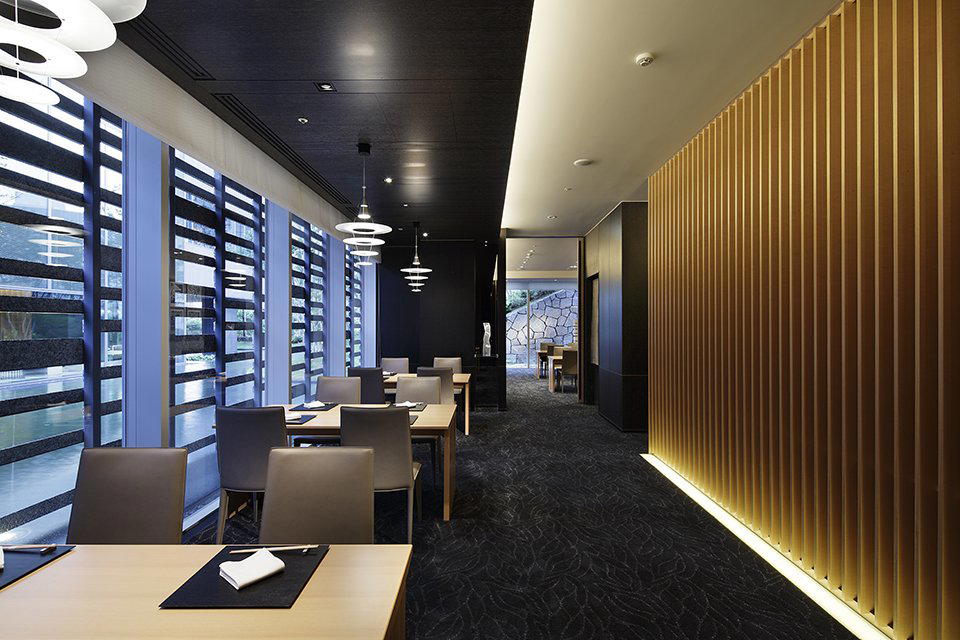
The Room Before the Meal
Tokyo hotel dining has evolved into a category of its own. Where the early 2000s saw international brand restaurants installed in lobbies as prestige markers, the current generation of hotel restaurants operates with distinct culinary identities, often drawing a local clientele that has no interest in the rooms upstairs. The Capitol Hotel Tokyu in Nagatacho sits within this newer tradition. Its third-floor restaurant, Suiren, addresses a dining public that expects the formal hospitality infrastructure of a hotel setting alongside the kitchen seriousness of a standalone destination.
Nagatacho itself shapes the register of a meal here. The district is quiet by Tokyo standards, its streets dominated by government offices and the residences of those who work within them. It is not Ginza, with its compressed concentration of celebrated counters, nor Roppongi, with its more international mix. Dining in Nagatacho tends toward the deliberate and the institutional in the leading sense: unhurried rooms, attentive service ratios, and a guest profile that skews toward people who value discretion over scene.
A Collaboration Model That Tokyo Has Refined
Across Tokyo's upper dining tier, the most consistent marker of a serious operation is not any single element in isolation but the coordination between kitchen, floor, and cellar. This is the model that venues like L'Effervescence and Sézanne have made central to their reputations, where a sommelier's pairing decisions are as discussed as the cooking, and where front-of-house pacing is understood as part of the meal's architecture rather than its logistics.
Suiren operates within this framework. In a hotel context, that collaboration is tested differently than at a standalone restaurant. The floor team must manage the expectations of two distinct publics simultaneously: hotel guests who arrive with the assumptions of international luxury hospitality, and local diners who have come specifically for the table and will notice any inconsistency in service temperature or timing. Bridging those two modes without flattening either is the central service challenge of serious hotel restaurants, and it is where front-of-house credibility is built or lost.
For comparison, restaurants operating at the ¥¥¥¥ tier in Tokyo, including RyuGin and Harutaka, have built their reputations partly on the precision of this tripartite coordination. The food at these addresses is not separable from the experience of being served it. Suiren's positioning within The Capitol Hotel Tokyu places it in conversation with that model, with the added variable of a hotel's operational complexity.
Where Suiren Sits in the Tokyo Hotel Dining Conversation
Tokyo's hotel restaurant ecosystem spans a wide range. At one end sit the internationally franchised names, imported from New York or Paris and installed as status anchors. At the other are restaurants that happen to be inside hotels but are evaluated entirely on kitchen and floor terms, without reference to the accommodation above them. Suiren belongs to the second category. The Capitol Hotel Tokyu is not a property where the restaurant is an afterthought to the rooms; the dining floor operates with the autonomy and seriousness that the format requires.
This positioning matters when considering peer comparisons. The ¥¥¥¥ bracket in Tokyo is populated by restaurants with significant Michelin or World's 50 Best credentials. Crony occupies a different register, more experimental in format, while the kaiseki tradition as practiced at RyuGin operates within an entirely different culinary grammar. What hotel restaurants in the upper tier offer that standalone counters often do not is a broader hospitality envelope: more space, more staff per cover, and a physical environment designed to absorb the full length of an extended meal without the compression that characterizes Tokyo's celebrated small counters.
Beyond Tokyo, the question of how hotel restaurants build independent culinary reputations is active across Japan. HAJIME in Osaka and Gion Sasaki in Kyoto represent the standalone counterpoint to this model, while akordu in Nara and Goh in Fukuoka illustrate how regional cities have developed their own serious dining ecosystems outside the Tokyo framework. The full range of that ecosystem is covered in our Tokyo restaurants guide.
Planning a Visit
Nagatacho is accessible via the Tokyo Metro Namboku and Yurakucho lines, with the Capitol Hotel Tokyu a short walk from Nagatacho Station. For visitors arriving from central hotel districts like Ginza or Shinjuku, the journey is direct by subway. The area is quieter in the evenings than comparable dining districts, which contributes to the unhurried character of a meal here.
Given the hotel setting and the service model it implies, dinner at Suiren is structured for guests who intend to spend time at the table. The pacing that a coordinated kitchen-floor-cellar team produces is designed for a longer meal arc, not a quick sitting. Reservations are advisable, particularly on weekends, when the combination of hotel guests and local diners tightens availability. For those planning visits to other serious addresses in Japan's restaurant circuit, venues such as a kaiseki destination in Nanao, a noted address in Sapporo, or regional finds like this Takashima restaurant and this Nishikawa Machi table represent the breadth of Japan's dining geography. Further afield, Birdland in Sakai and Bistro Ange in Toyohashi show how smaller Japanese cities have developed distinct culinary voices.
For international context, the hotel dining model Suiren represents has parallels at addresses like Le Bernardin in New York and, in a different register, Atomix, where the coordination of multiple front-of-house roles is as central to the guest experience as the plate.
Quick reference: The Capitol Hotel Tokyu, 3F, 2-10-3 Nagatacho, Chiyoda, Tokyo. Nearest station: Nagatacho (Tokyo Metro). Reservations recommended.
Frequently asked questions
Where is Suiren in Tokyo?
Suiren is located at Japan, 〒100-0014 Tokyo, Chiyoda City, Nagatachō, 2 Chome−10−3 ザ・キャピトルホテル 東急 3F, Tokyo.
Does Suiren's location in Nagatacho make it harder to reach than central Tokyo dining districts?
Nagatacho Station sits on the Tokyo Metro Namboku and Yurakucho lines, placing The Capitol Hotel Tokyu within a few minutes' walk of the exit — shorter in practice than many Ginza or Shinjuku restaurants that require navigating dense station complexes. The district's lower pedestrian density means the approach from the station is direct. For visitors staying elsewhere in central Tokyo, the metro journey from Marunouchi or Ginza is typically under fifteen minutes.
What's the best thing to order at Suiren?
In Tokyo's upper hotel dining tier, the kitchen's signature or seasonal course is generally where the full coordination of technique and sourcing is on display. Ask staff directly what the kitchen is prioritising that day — in a room at this level, that question is always answered with specifics.
How far ahead should I plan for Suiren?
Nagatacho's hotel restaurants draw a dual clientele: hotel guests booking through the accommodation concierge and local diners reserving independently, which compresses availability more than the district's low foot traffic might suggest. For weekend dinners or larger tables, two to three weeks ahead is a reasonable baseline. Business-day lunches at this address tend to have shorter lead times, but confirming directly with the hotel concierge is the most reliable route.
What is Suiren known for?
Suiren is the principal dining room on the third floor of The Capitol Hotel Tokyu in Nagatacho, Chiyoda — one of Tokyo's more composed hotel addresses, drawing both long-stay guests and local regulars from the surrounding government and business district. It operates within the upper tier of Tokyo's hotel restaurant ecosystem, where the coordination between room quality, service model, and kitchen output defines the offer as much as any single dish does. Nagatacho keeps it quieter than Ginza or Marunouchi, which shapes the clientele and the pace of the room.
Is Suiren good for vegetarians?
Tokyo hotel restaurants at the Capitol Hotel Tokyu's level generally accommodate dietary requirements when notified in advance — the kitchen infrastructure and staffing model supports it. Contact the hotel concierge before arrival to confirm what can be arranged; at this tier in Chiyoda, a lead-time request is standard practice and rarely refused.
Is Suiren good value for money?
Value at a Tokyo hotel restaurant in the Capitol Hotel Tokyu's bracket is a function of the full envelope: the room, the service depth, and the sourcing behind the kitchen, not the plate cost in isolation. Nagatacho positions Suiren away from the premium-tourist pricing of Ginza, which can work in the diner's favour.
Price and Recognition
Comparable venues nearby, for context on price, style, and recognition.
| Venue | Cuisine | Price | Awards | Notes |
|---|---|---|---|---|
| SuirenThis venue — the venue you are viewing | Modern Japanese Kaiseki | $200–300 | Not listed | Not listed |
| Mon cher ton ton (六本木 モンシェルトントン) | Kobe Beef Teppanyaki | Not listed | Tabelog 100 #69 | Roppongi, Teppanyaki with Kobe Beef |
| Mudai | Japanese Omakase / Kaiseki | $300–500 | Tabelog 100 #47 | Minato, Japanese Omakase / Kaiseki |
| Tempura Yokota | Traditional Japanese Tempura Omakase | $100–150 | Tabelog 100 #97 | Minato, Traditional Japanese Tempura Omakase |
| ロー | Innovative French with Japanese Seasonal Ingredients | $200–300 | Michelin Plate · Tabelog 100 #29 | Minato, Modern Japanese Fine Dining |
| Ginza Komon | Seasonal Japanese Kaiseki with Sake Focus | $300–500 | Tabelog 100 #70 | Chūō, Seasonal Japanese Kaiseki with Sake Focus |

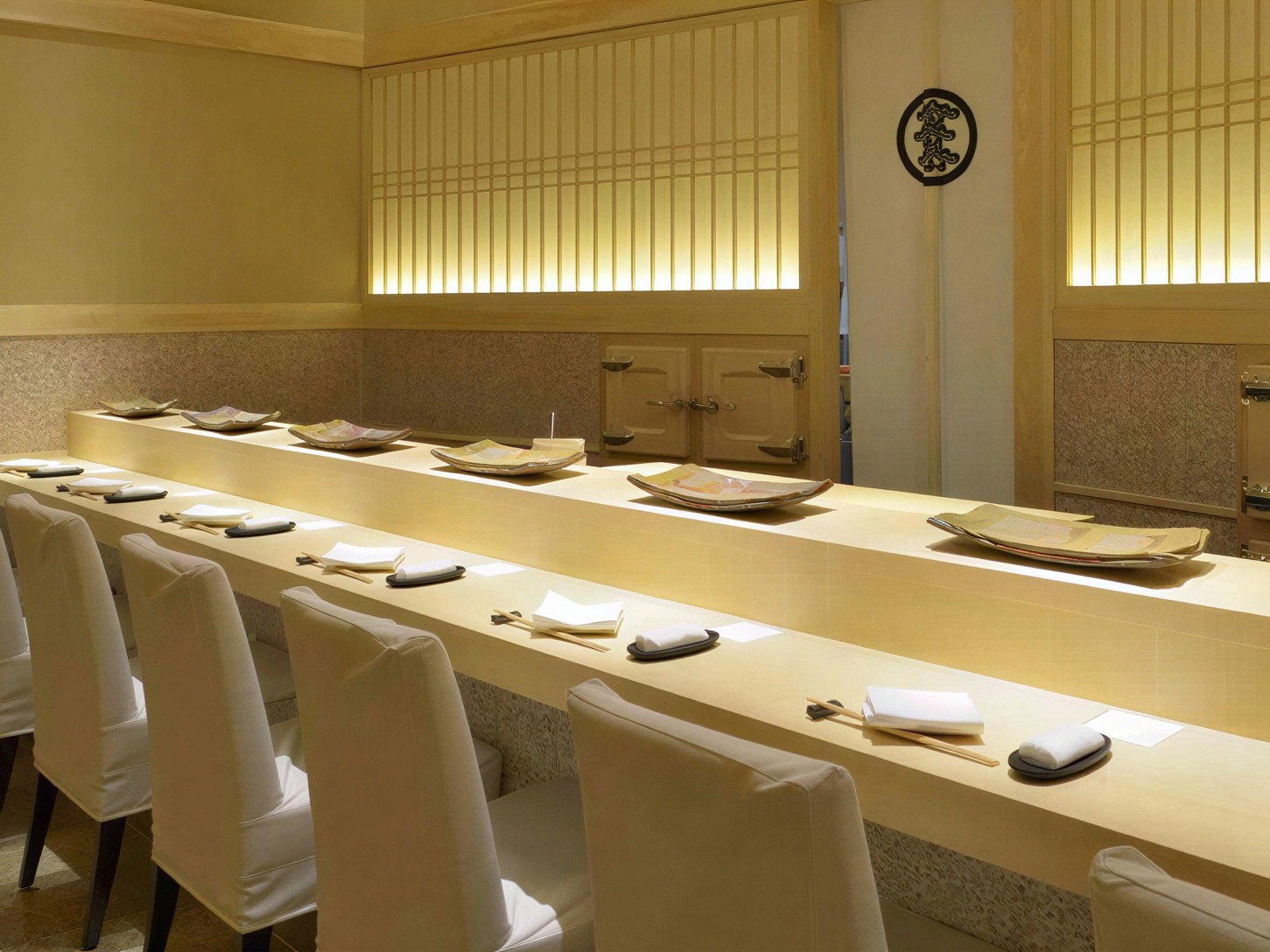
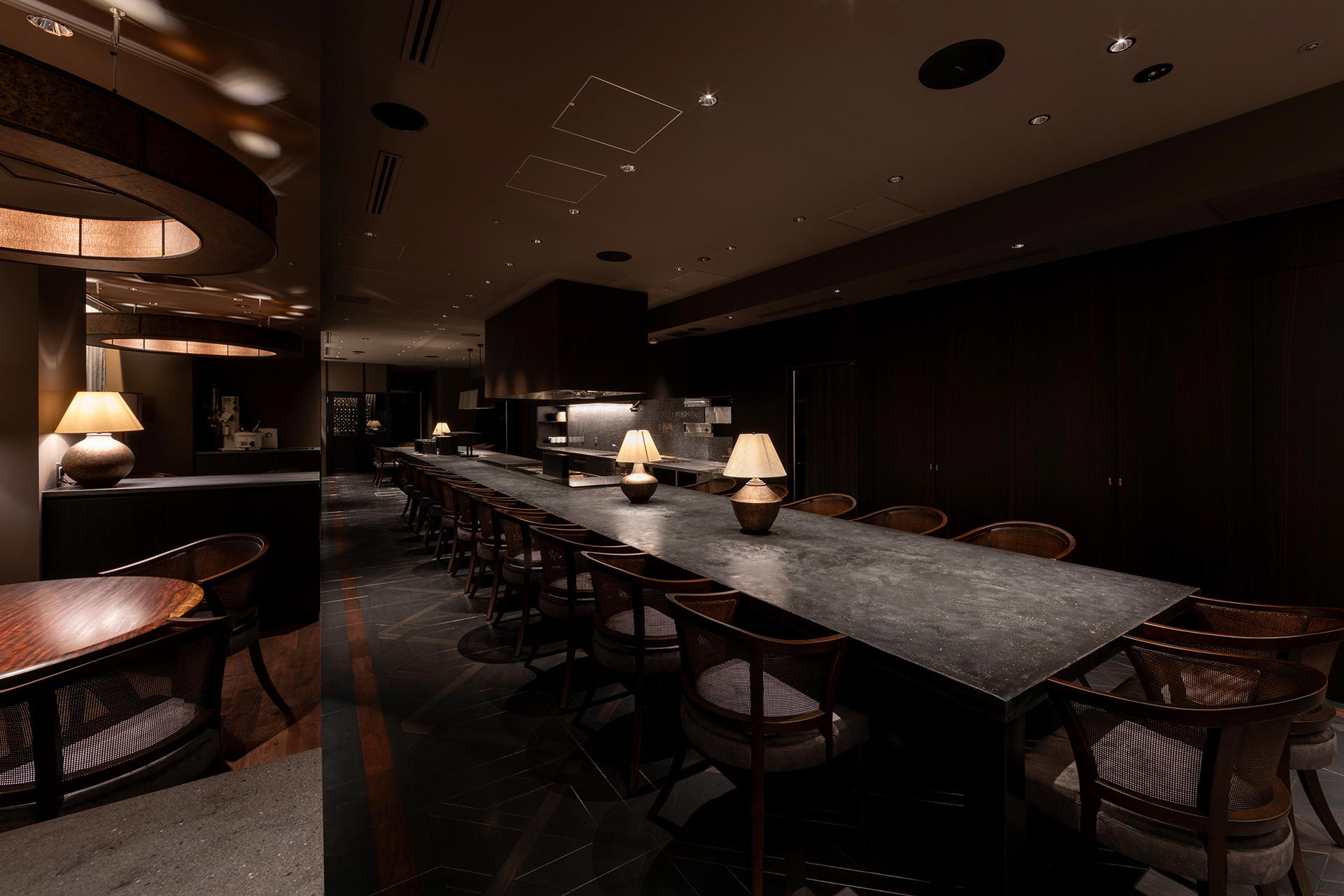

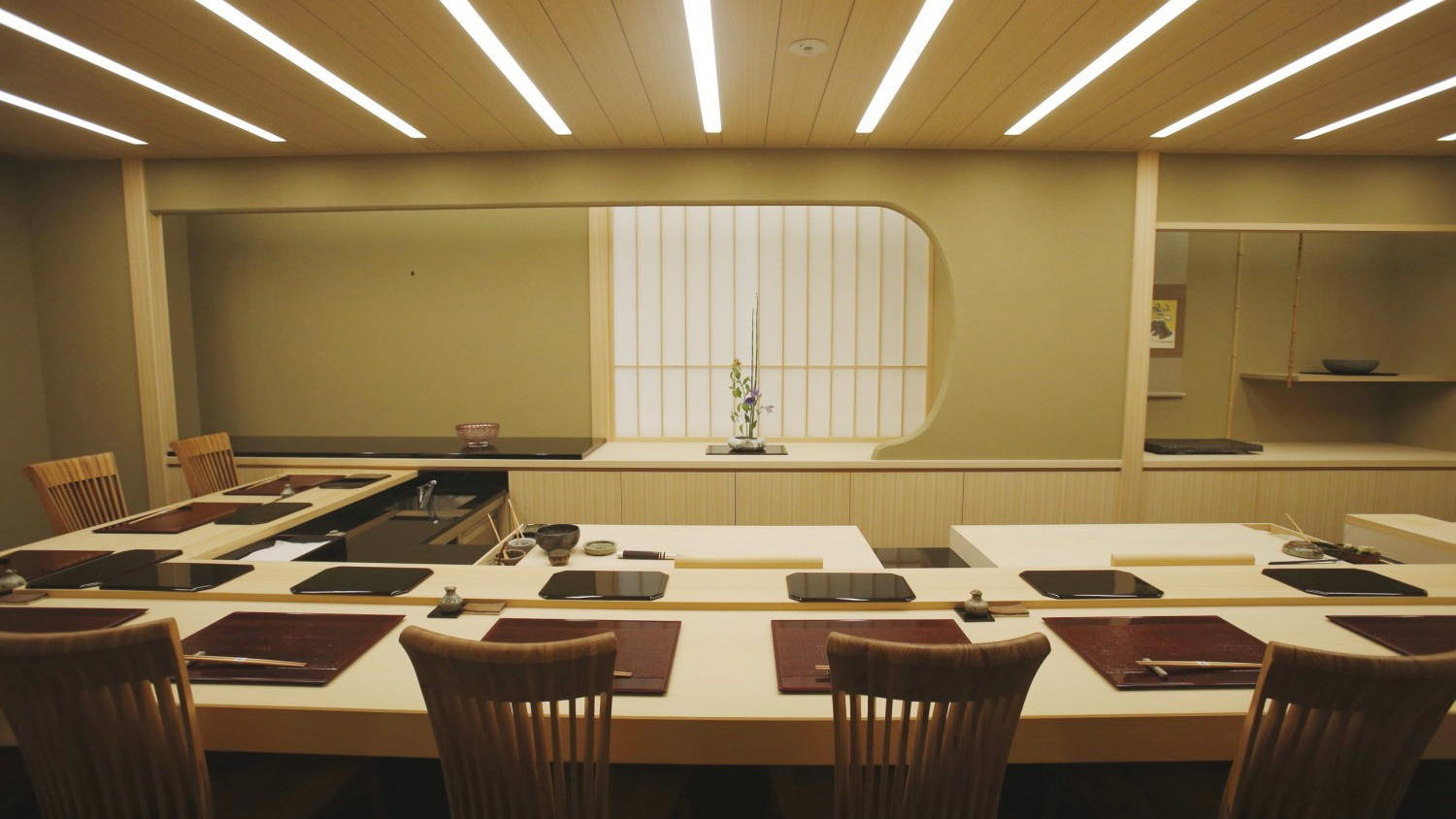







Details
- Elegant
- Sophisticated
- Modern
- Intimate
- Business Dinner
- Special Occasion
- Celebration
- Garden
- Private Dining
- Hotel Restaurant
- Open Kitchen
- Sake Program
- Garden
- A La Carte
- Counter Dining
- Vegetarian Friendly
Current opening hours
- Monday
- 11:30 AM–3 PM, 5:30–10 PM
- Tuesday
- 11:30 AM–3 PM, 5:30–10 PM
- Wednesday
- 11:30 AM–3 PM, 5:30–10 PM
- Thursday
- 11:30 AM–3 PM, 5:30–10 PM
- Friday
- 11:30 AM–3 PM, 5:30–10 PM
- Saturday
- 11:30 AM–3 PM, 5:30–10 PM
- Sunday
- 11:30 AM–3 PM, 5:30–10 PM
Hours can change for holidays and private events. Last verified .
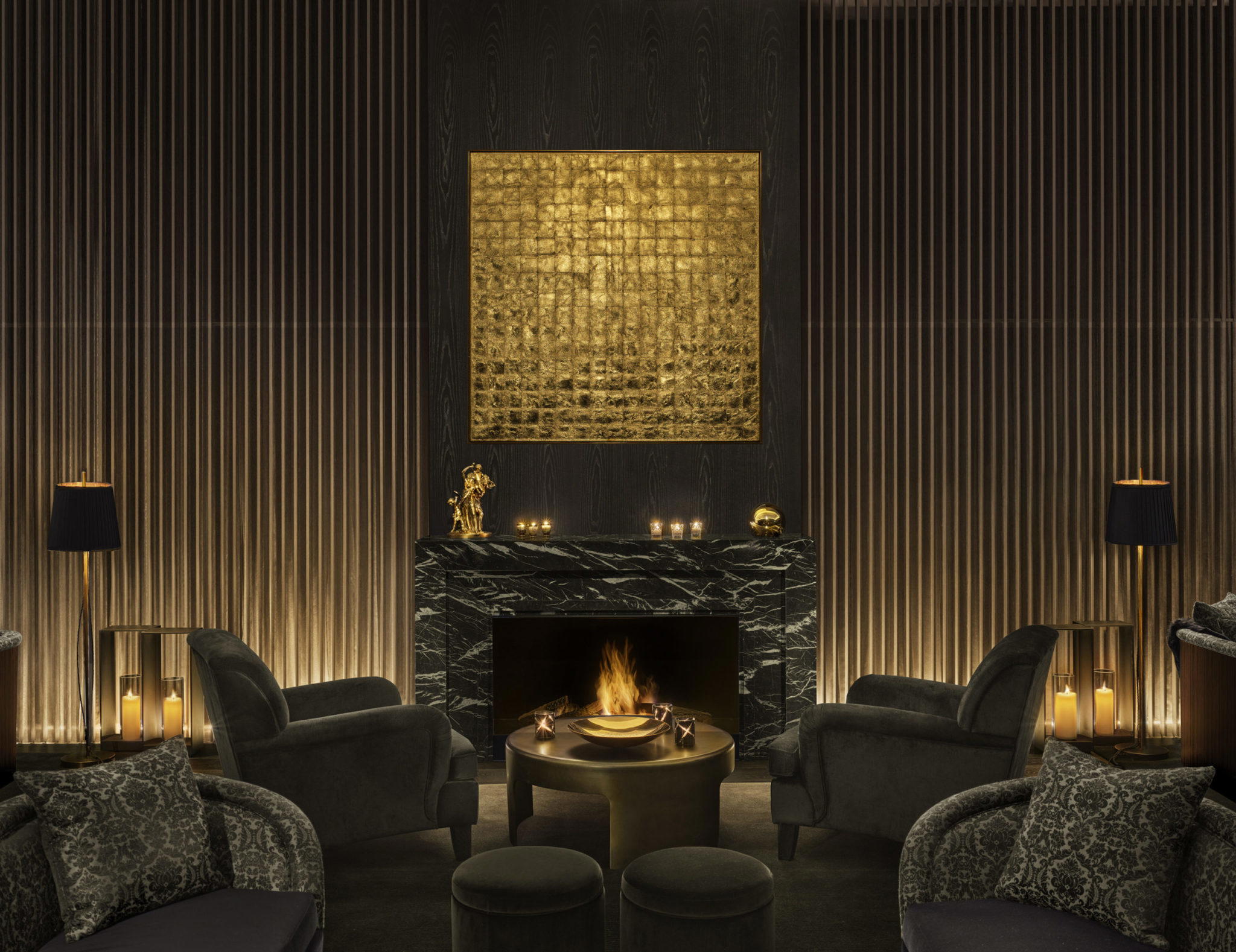
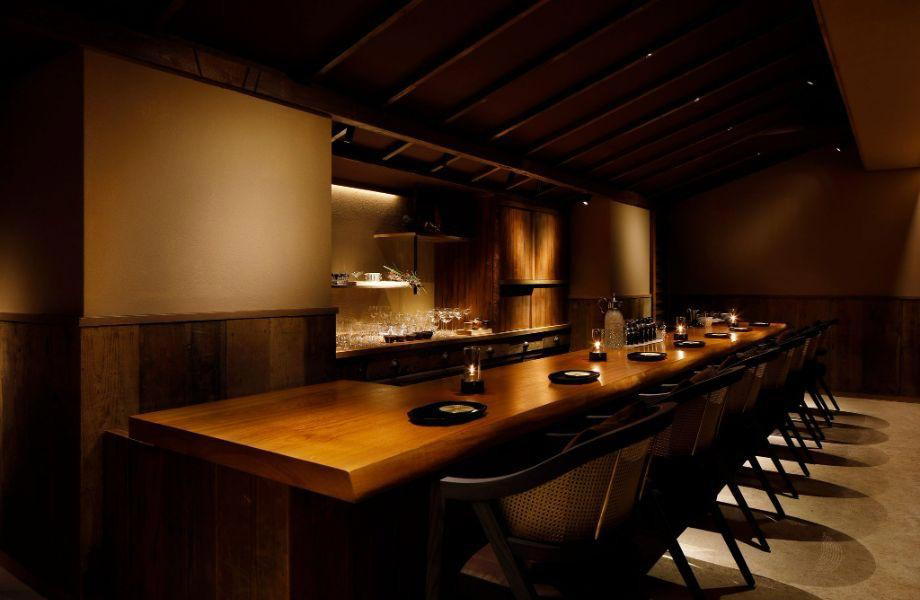
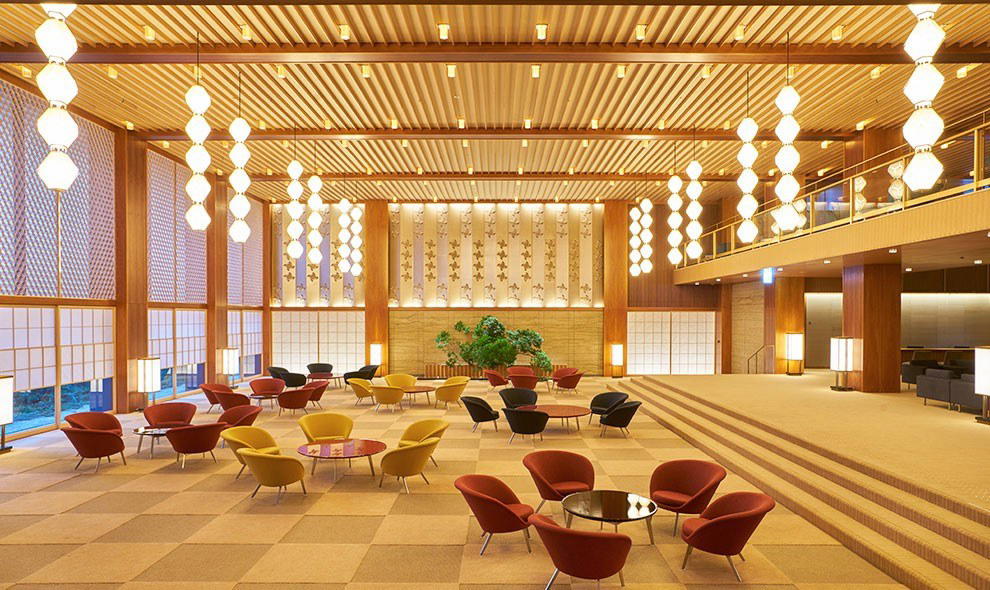
Peaceful and elegant atmosphere surrounded by lush garden greenery, with a sense of detached tranquility and Japanese modern hospitality.