

Ginza Komon sits in Ginza’s compact, high-spend Japanese dining tier, where counter discipline, private-room discretion and ingredient-led menus define the room as much as the cooking. Recognition from Tabelog’s Japanese cuisine TOKYO 100 selection in 2025 and OAD’s 2026 Japan recommended list places it among Tokyo addresses watched by diners who already understand Ginza’s price and reservation codes.
Pearl is the En Primeur Club membership app — saves, bookings, and concierge access live there. Same editors, same standards.
- Address
- Japan, 〒104-0061 Tokyo, Chuo City, Ginza, 7 Chome−6−4 GINZA7BLDG 9階
- Phone
- +81 3-5962-8712
- Website
- tabelog.com
 Saves & bookings on Pearl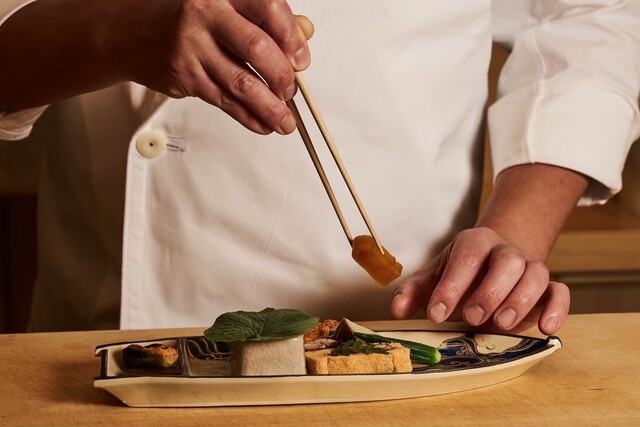
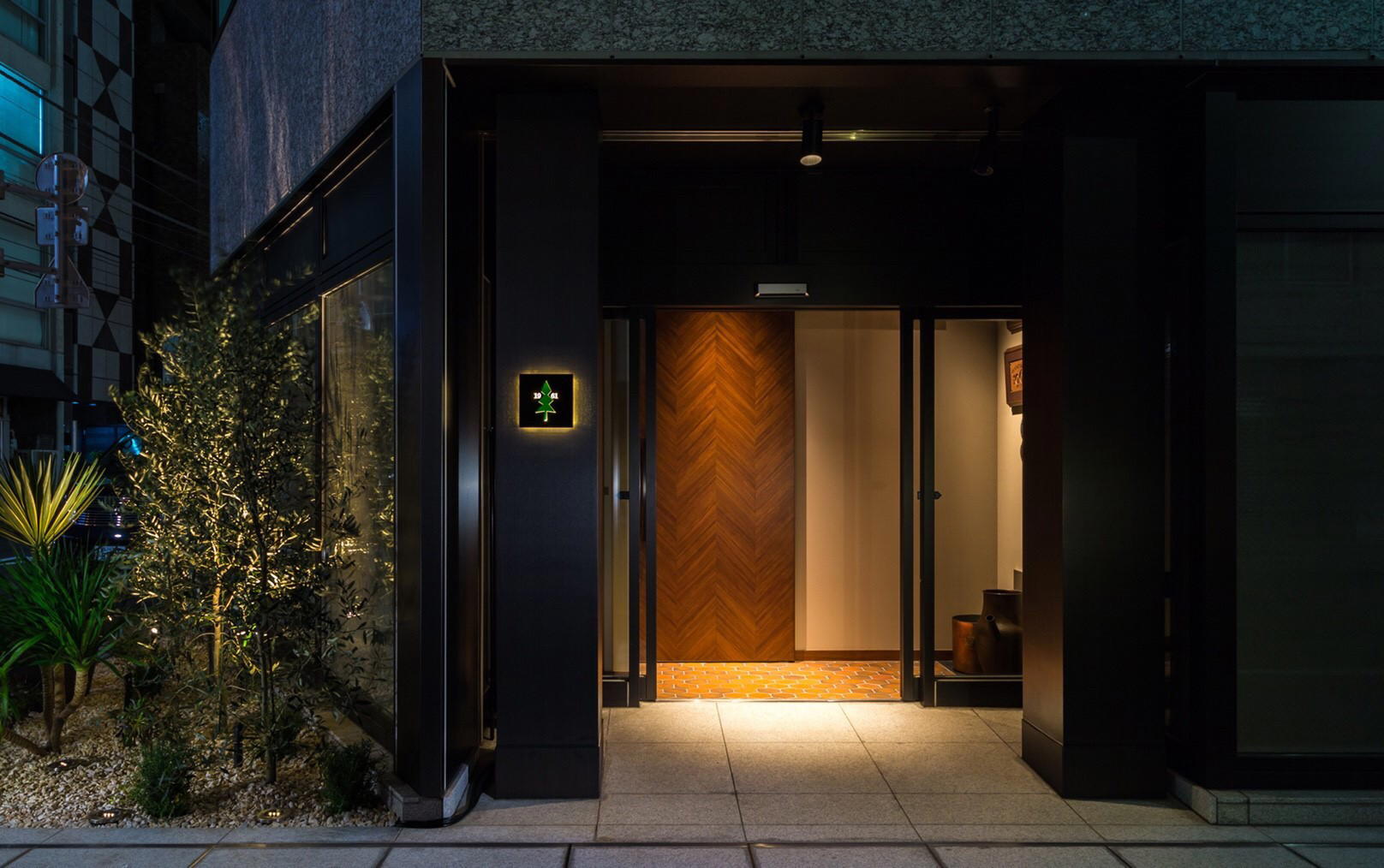
Ginza dining often begins vertically: a lift, a quiet floor, a corridor that removes the street before the meal appears. In Chuo, restaurants rarely need street theatre. The signal is compression: a small room, a counter with little wasted motion, and a clientele that reads the room quickly. Ginza Komon belongs to Tokyo Japanese dining where scale is part of the message, not decoration.
The neighbourhood matters. Ginza’s restaurant culture rewards precision over volume, and premium Japanese rooms distinguish themselves by format rather than spectacle. Sushi counters, kappo rooms, crab specialists and modern washoku menus compete within a few blocks, but serious rooms share a code: short service windows, disciplined pacing and a high tolerance for formality. For the city’s wider dining range, Our full Tokyo restaurants guide gives the broader frame, from Ginza counters to casual specialist rooms elsewhere.
Ginza Japanese dining built around restraint, fish and crab
Tokyo’s Japanese cuisine category is too broad without a narrower lens. Ginza Komon is listed for Japanese cuisine and crab, with a stated emphasis on fish, placing it closer to ingredient-led washoku and kappo than restaurants built around a single theatrical hook. That matters in Ginza, where diners often choose between sushi precision, formal kaiseki pacing and smaller counter-led rooms that borrow from both without becoming either.
The recognition profile supports that placement. Selection for Tabelog’s Japanese cuisine TOKYO 100 in 2025 is a meaningful local signal because Tabelog’s Japanese cuisine lists are closely watched by domestic diners, not just inbound travellers. OAD’s 2026 Japan recommended list adds a second reference point from an international dining audience. Neither makes the restaurant a trophy address alone; together they indicate a room inside Tokyo’s serious Japanese dining conversation rather than the city’s general luxury-restaurant churn.
That is the useful reading. Ginza already has enough famous counters and high-price rooms competing for attention. The question is not whether another small Japanese restaurant exists in the district, but what kind of decision it represents. Compared with Sushi Take, the frame is broader than sushi. Compared with Ginza Adachi Naoto, it remains within Japanese dining but with crab and fish as more explicit signals. Nearby ファロ and l'Odorante par Minoru Nakijin pull Ginza toward European fine dining, while MORI BAR represents the district’s separate after-dinner drinking tradition. The point is not direct substitution, but how tightly Ginza stacks polished, adult dining forms in the same walkable grid.
A small-room format in a district that rewards punctuality
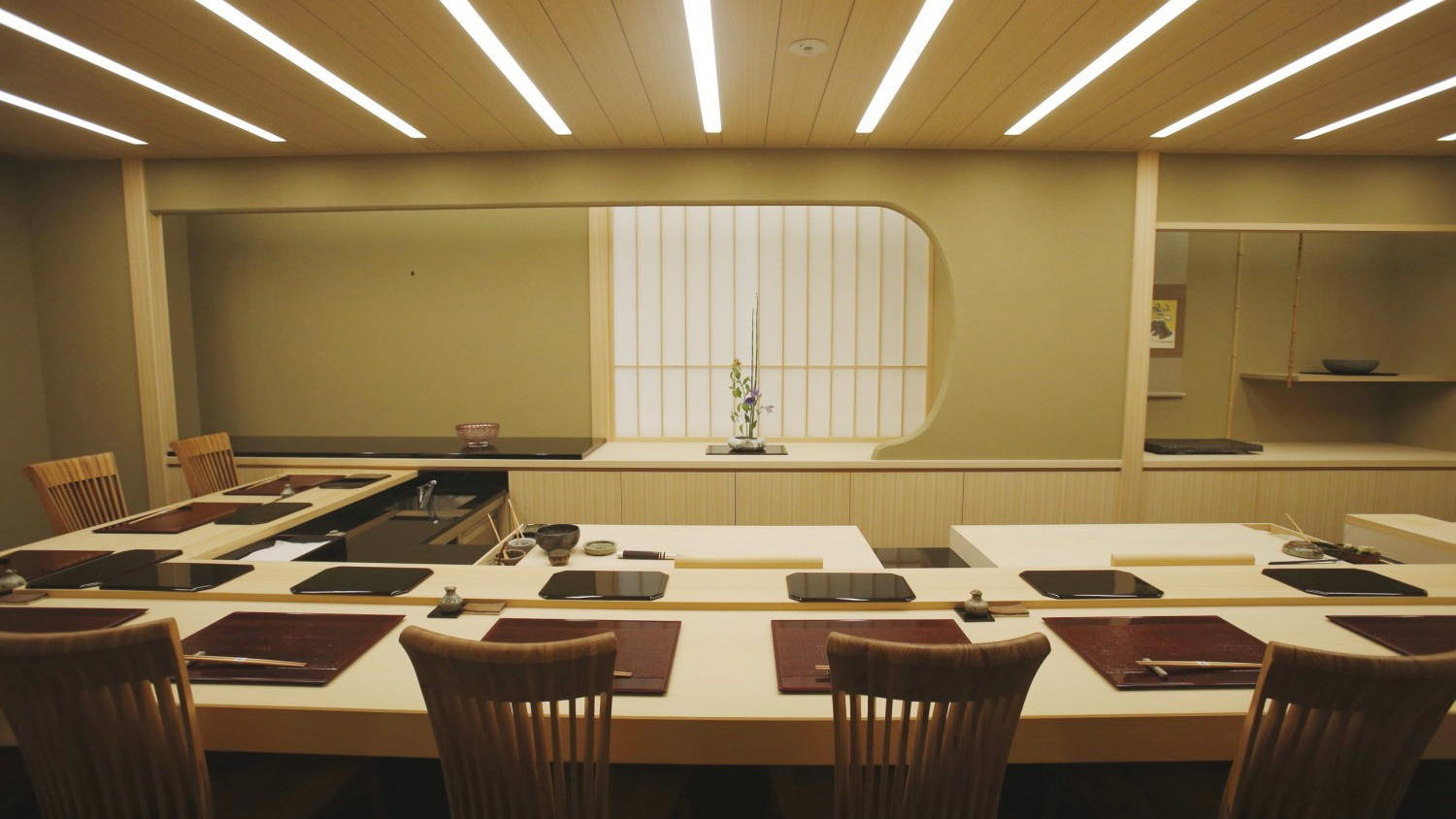
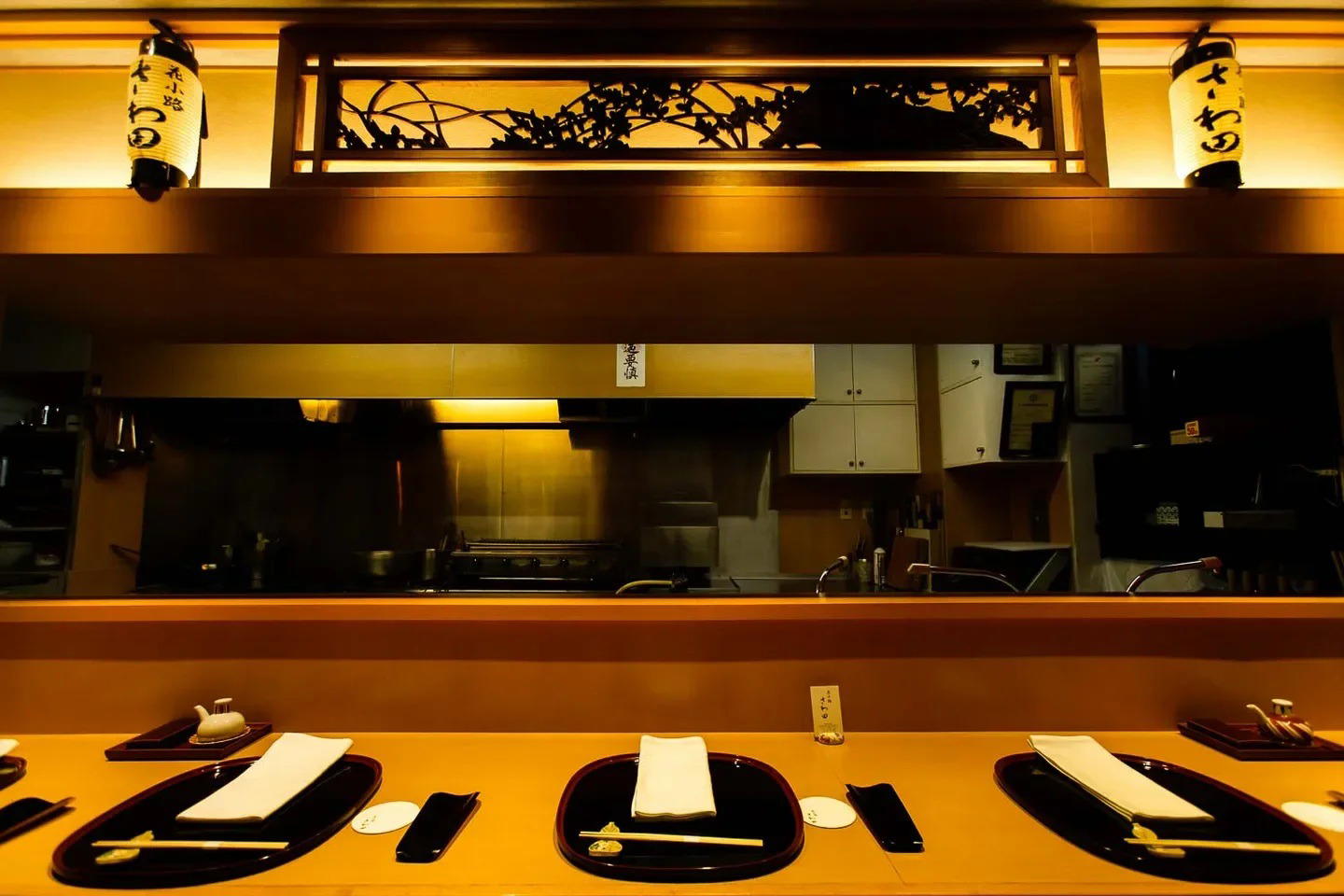
The format is compact: 14 seats, split between a 10-seat counter and one private room for four. That configuration tells an experienced Tokyo diner plenty. Counter seats make pacing visible and social behaviour matter; the private room offers separation without leaving the same culinary register. It also explains why the room reads as a planned evening rather than a spontaneous stop.
Two fixed dinner starts shape the night. In Tokyo, this is common at serious small restaurants because it protects the course sequence and lets the kitchen work in unison. It also leaves little room for lateness. Ginza’s dining culture can feel severe to first-time visitors, but the discipline is practical: in a room this small, one delayed party changes the tempo.
The atmosphere follows that logic. This is not the loud, communal Tokyo eating of station-front izakaya lanes, nor the heavily staged luxury of hotel dining rooms. The appeal is concentration: a small counter, limited covers and the quiet pressure of a room where every seat is close to the action. Diners wanting a looser evening may prefer other neighbourhoods; those who enjoy Tokyo’s compact premium formats will recognise the grammar quickly.
Ginza also shapes the itinerary. The district works for travellers wanting dinner after shopping, gallery time or a hotel-based day in central Tokyo, though it is not the city’s only useful base. For sleeping arrangements, Our full Tokyo hotels guide is the cleaner planning tool. For after dinner, Our full Tokyo bars guide covers cocktail and listening-bar options, while Our full Tokyo experiences guide helps with culture-led days around the meal. Wine-focused travellers can scan Our full Tokyo wineries guide, though Tokyo’s wine interest appears more often through restaurants and bars than vineyard visits.
How to place it within a Tokyo eating plan
The sensible editorial read is selective rather than universal. Ginza Komon suits diners wanting a small Japanese room in Ginza, fish and crab as clear signals, and formal pacing. It is less suited to travellers trying to sample as many Tokyo genres as possible in one trip, because the district’s premium rooms demand time, budget and attention. The payoff is not novelty; it is the controlled experience of a compact Ginza dinner under the codes that make this neighbourhood distinct.
For contrast, Tokyo’s range is clearer beyond Ginza’s polished rooms. Casual and specialist addresses such as. 鮪と炭火焼き うお炭 秋葉原店, 12/10 Shinjuku ten, 124. KAGURAZAKA (Yakitori), 2D Cafe and 3 Chome no Curry Ya San show how quickly the city changes register by neighbourhood and genre.
Japan’s broader dining map sharpens the point. A Tokyo Ginza counter is different from -Grilled beef Sukiyaki- KAMAKURA TANUKIAN 鎌倉 たぬき庵 in Kamakura.cafe in Osaka.know in Kumamoto, (Shoku) Vietnam in Kawasaki, [Curry Senmon Ten] Maruyama Kyoju. in Sapporo or [ki:] in Kyoto. Even outside Japan, parallel interests surface at Jōdo Saké Bar in Los Angeles and Onigiri Time in Pasadena, where Japanese formats are interpreted for different dining cultures. Ginza keeps the codes tight: few seats, firm pacing and a room that expects the diner to meet it halfway.
A Minimal
Comparable venues at similar price and category levels.
| Venue | Cuisine | Price | Notes |
|---|---|---|---|
| Ginza KomonThis venue — the venue you are viewing | Not listed | $$$$ | Not listed |
| Motoyoshi (天ぷら 元吉) | Not listed | $$$$ | Ebisu, Michelin-Starred Modern Tempura Omakase |
| Nancahome Kyoboshi | Chūō, Traditional Tempura | $$$$ | Not listed |
| Toku Uchiyama | Chūō, Traditional Japanese Kaiseki | $$$$ | Not listed |
| Sushi Yuu | Chūō, Traditional Edomae Omakase Sushi | $$$$ | Not listed |
| てんぷら 小野 | Chūō, Seasonal Tempura Omakase | $$$$ | Not listed |
Recognition history
Dated appearances from independent guides and award organizations, with the underlying list record or original source where available.
Opinionated About Dining Top Restaurants in Japan Recommended
Opinionated About Dining
Tabelog 100 #70 · No. 70
Tabelog · Tabelog 100 - Japanese cuisine - TOKYO - 2025



At a Glance
- Elegant
- Intimate
- Sophisticated
- Cozy
- Modern
- Date Night
- Business Dinner
- Celebration
- Special Occasion
- Group Dining
- After Work
- Chefs Counter
- Private Dining
- Standalone
- Design Destination
- Sake Program
- Extensive Wine List
- Corkage Allowed
- Local Sourcing
- Sustainable Seafood
Current opening hours
- Monday
- 6–8 PM, 8:30–10:30 PM
- Tuesday
- 6–8 PM, 8:30–10:30 PM
- Wednesday
- 6–8 PM, 8:30–10:30 PM
- Thursday
- 6–8 PM, 8:30–10:30 PM
- Friday
- 6–8 PM, 8:30–10:30 PM
- Saturday
- 6–8 PM, 8:30–10:30 PM
- Sunday
- Closed
Hours can change for holidays and private events. Last verified .
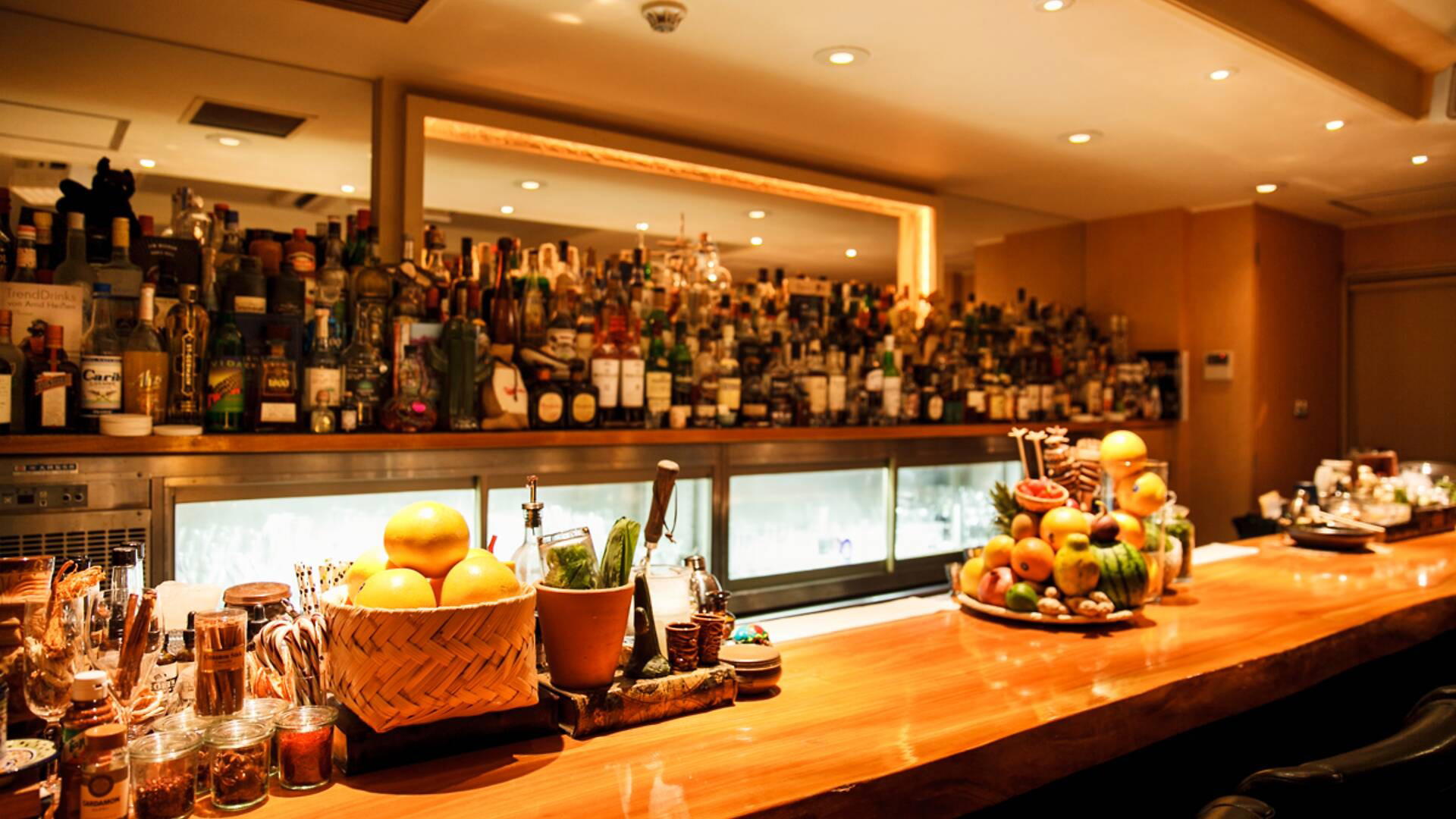
A small, refined Ginza hideaway with a warm but polished feel, combining counter and one private room; the atmosphere is quiet, thoughtfully lit, and suited to lingering over a multi-course meal and sake rather than casual drinking.