

Tabelog 100 #97
Our verdict
Tempura Yokota occupies Motoazabu, one of Tokyo's quieter diplomatic quarters, where the tempura tradition runs closer to kaiseki discipline than casual frying. For the ritually minded diner, the address alone signals what to expect: restraint, precision, and a meal paced on the kitchen's terms.

Pearl is the En Primeur Club membership app, where members save venues, book tables and use the concierge.
The menu
What to order
- Japanese tiger prawn tempura
- Anago
- Curry salt tempura
- Deep-fried prawn heads
The Ritual Before the First Course
In Tokyo's tempura counter tradition, the meal begins before anything arrives at the pass. You are seated, the oil temperature is already climbing, and the rhythm of the evening has been decided without you. This is not a format that accommodates improvisation. The chef sequences the frying in a specific order, moving from delicate white fish and vegetables through richer, fattier ingredients, and the diner's role is to receive each piece at the precise moment it leaves the oil. Let a tempura piece sit and the batter loses its defining quality: that paper-thin crispness that shatters without grease.
Tempura Yokota operates in Motoazabu, a residential enclave within Minato City that Tokyo's dining cognoscenti know as a neighbourhood of serious, low-signage restaurants. The address, in the third block of Motoazabu, places it away from Roppongi's higher-traffic corridors and into a district where the default mode is discretion. In this part of the city, proximity to embassies and long-tenanted residences has historically produced a dining culture that rewards repeat visitors over first-time walk-ins.
Where Tempura Sits in Tokyo's Precision Cooking Spectrum
Tempura is sometimes misread outside Japan as a simpler format than omakase sushi or kaiseki. In practice, Tokyo's counter tempura at the serious tier demands a comparable level of technical discipline. The oil must be maintained at the correct temperature for each ingredient, the batter must be mixed minimally to avoid gluten development, and the sequencing must account for how each item affects the palate before the next arrives. These are not informal decisions.
Tokyo's premium tempura counters sit in a distinct competitive tier from the city's sushi omakase rooms, but they draw comparable planning from the diner. Counters like this tend toward small seat counts, advance booking requirements, and a course structure that mirrors the pacing logic of kaiseki. The comparison set for Tempura Yokota includes other Minato and central Tokyo tempura specialists rather than the broader casual tempura category. At the serious end of this format, the parallels with the discipline visible at Harutaka (Sushi) or RyuGin (Kaiseki) are more instructive than comparisons with the city's tempura chains.
The broader Tokyo fine dining scene has evolved significantly over the past decade. French-influenced precision kitchens such as L'Effervescence and Sézanne have pushed the conversation about pacing, ingredient sourcing, and counter discipline across cuisine categories. Crony represents the more innovative end of that French influence. Tokyo's indigenous counter formats, including tempura and sushi, have responded by sharpening their own rituals rather than borrowing from Western frameworks. The result is a city where the gap between casual and serious versions of any given format is unusually pronounced.
The Customs of the Tempura Counter
For a diner approaching the tempura counter format for the first time, a few practical customs govern the experience. Each piece is typically served directly onto the paper or ceramic in front of you, and the expectation is immediate consumption. The accompanying dipping sauce, or tentsuyu, and grated daikon are calibrated to cut through the oil without masking the ingredient. Some counters at this tier also offer salt as an alternative condiment for certain ingredients, particularly sweeter vegetables and some shellfish, where acid would flatten the flavour.
Pacing is non-negotiable. The chef controls the tempo, and the diner's conversational rhythm should accommodate it. Unlike a kaiseki dinner where courses arrive at intervals long enough for extended table talk, the tempura counter requires a certain attentiveness. This is not a format that rewards looking at your phone between courses. The sequence is the meal, and missing a piece at peak temperature means missing the point of the format entirely.
Motoazabu's geographic position in Minato City makes the approach to an evening here part of the experience. The neighbourhood is quieter than Ginza or Roppongi at night, and arriving on foot from Hiroo or Azabu-Juban stations involves passing through well-maintained residential streets that frame the dining destination differently than the elevator lobbies of hotel-based counters.
Japan Beyond Tokyo: The Counter Tradition in Other Cities
The counter-format precision cooking tradition extends well beyond Tokyo's borders. HAJIME in Osaka and Gion Sasaki in Kyoto represent how the discipline of the counter meal takes on different regional inflections. Akordu in Nara and Goh in Fukuoka extend the picture further. Regional specialists such as 一本杉 川嶋 in Nanao, 古仁屋山乃 in Sapporo, 湖畔荘 in Takashima, 庄羽屋 in Nishikawa Machi, and Birdland in Sakai each demonstrate how counter-format dining adapts to local ingredient traditions. For comparison against a different culinary tradition that shares the same commitment to sequential precision, Bistro Ange in Toyohashi is worth noting. Outside Japan, the closest structural analogues are the tasting-menu counter formats at Le Bernardin in New York City and Atomix in New York City, where the chef controls pacing and sequence with similar authority.
For a broader map of where Tempura Yokota fits within Tokyo's dining matrix, the EP Club Tokyo restaurants guide covers the full spectrum from Michelin-starred counters to neighbourhood specialists across the city's distinct dining quarters.
Planning the Visit
Tempura Yokota is located in Motoazabu 3-chome, Minato City, Tokyo. The neighbourhood is accessible from Hiroo and Azabu-Juban stations. Dress code at Motoazabu-tier counters defaults to smart casual at minimum. Expect the format to run as a set course with no à la carte option.
Quick reference: Motoazabu 3-chome, Minato City, Tokyo. Counter format. Advance reservation advised through concierge or specialist service.
Frequently asked questions
What is the signature dish at Tempura Yokota?
Tempura counters at the serious tier do not typically feature a single signature dish in the way a Western restaurant might. The sequence itself is the defining characteristic: each ingredient, from seasonal vegetables to seafood, is fried to order in the correct progression and served immediately. The discipline of that sequence, rather than any individual item, is what distinguishes a counter at this level. For more on how Tokyo's precision cooking formats work, the RyuGin and Harutaka profiles offer useful context on sequential counter logic.
Should I book Tempura Yokota in advance?
For any counter-format restaurant in Motoazabu or the broader Minato City dining tier, advance booking is the only practical approach. Tokyo's serious counters in this neighbourhood category typically operate at small capacity and fill weeks or months ahead, particularly for weekend slots. Visitors without a local contact or hotel concierge connection should allow significant lead time. The dynamics are comparable to booking Michelin-level counters in the wider Tokyo fine dining circuit.
What is the defining idea behind the tempura counter format at this level?
At the serious counter tier in Tokyo, tempura is framed as a discipline of timing rather than simply a frying technique. The defining idea is that each ingredient has one optimal moment: the thirty seconds after it leaves the oil. The entire structure of the counter meal, from the chef's sequencing to the diner's attentiveness, is organised around that premise. Counters that hold to this structure most strictly tend to be the ones that draw comparison with sushi omakase and kaiseki rooms in terms of discipline, even though the cooking method is categorically different.
How does Tempura Yokota's Motoazabu location shape the dining experience compared to Ginza or Roppongi tempura counters?
Motoazabu's residential character produces a different approach dynamic than the hotel lobbies and high-footfall streets of Ginza or Roppongi. This self-selecting filter is common to the serious Minato City dining tier and is part of what keeps counters in this area oriented toward regulars. For visitors planning a broader Tokyo dining itinerary, the EP Club Tokyo guide maps comparable neighbourhood-tier specialists across the city.
Side-by-Side Snapshot
Comparable venues nearby, for context on price, style, and recognition.
| Venue | Cuisine | Price | Awards | Notes |
|---|---|---|---|---|
| Tempura YokotaThis venue (the venue you are viewing) | Traditional Japanese Tempura Omakase | $100–150 | Tabelog 100 #97 | Not listed |
| Yoshizawa | Seasonal Kaiseki in Roppongi Hills | $150–200 | Tabelog 100 #54 | Minato |
| Sushi Kinoshita | Seasonal Japanese & Edomae Sushi Omakase | $200–300 | Tabelog 100 #70 | Minato |
| Kien | Traditional Japanese Kaiseki | $150–200 | Tabelog 100 #87 | Minato |
| Tempura Ginza Onodera Namikidori | Tempura Fine Dining | $150–200 | Not listed | Chūō |
| 銀座 下鴨茶寮 東のはなれ | Kyoto Kaiseki Tea House | Not listed | Not listed | Chiyoda |
Recognition history
Dated appearances from independent guides and award organizations, with the underlying list record or original source where available.
Opinionated About Dining Top Restaurants in Japan Recommended
Opinionated About Dining
Tabelog 100 #97 · No. 97
Tabelog · Tabelog 100 - Tempura - 2025
Continue exploring
More in Tokyo
Restaurants in Tokyo
All restaurants in Tokyo →


Bars in Tokyo
All bars in Tokyo →



Details
- Elegant
- Intimate
- Classic
- Sophisticated
- Special Occasion
- Date Night
- Business Dinner
- Chefs Counter
- Open Kitchen
- Standalone
- Local Sourcing
- Sustainable Seafood
- Omakase
- Counter Dining
- Tasting Menu
- Pescatarian Friendly
Current opening hours
- Monday
- 4 PM–12 AM
- Tuesday
- 4 PM–12 AM
- Wednesday
- 4 PM–12 AM
- Thursday
- 4 PM–12 AM
- Friday
- 4 PM–12 AM
- Saturday
- 4 PM–12 AM
- Sunday
- 4 PM–12 AM
Hours can change for holidays and private events. Last verified .
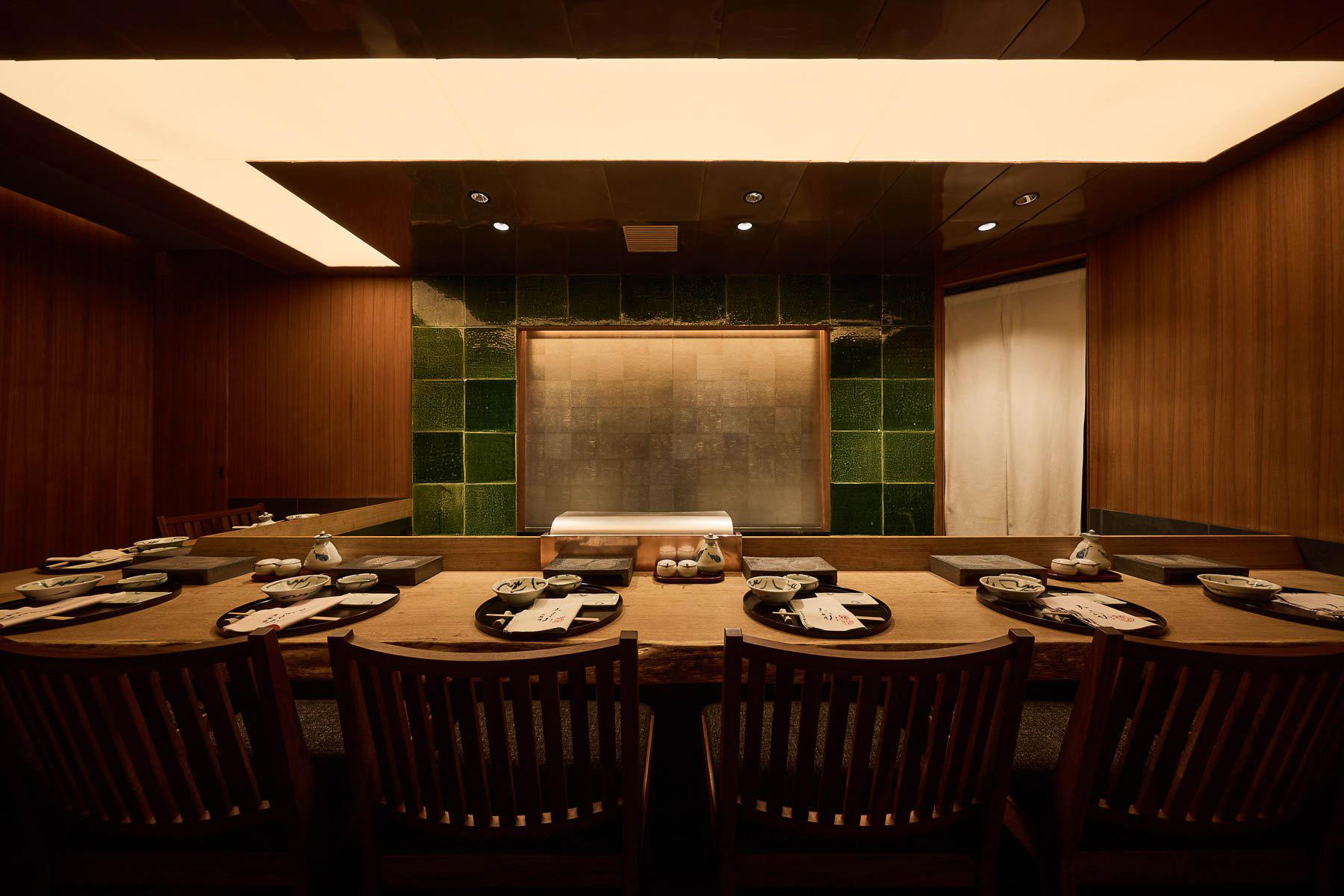
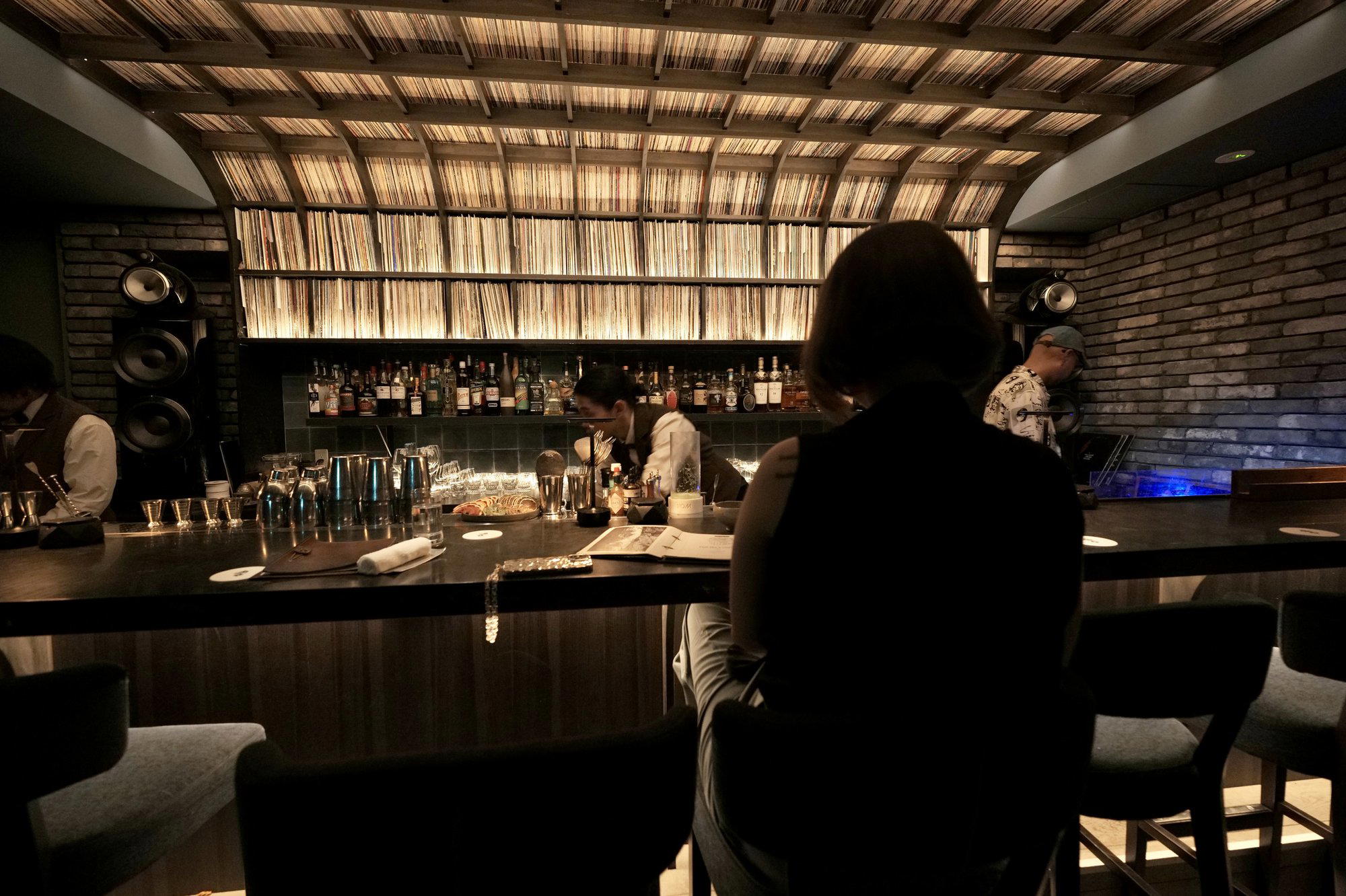
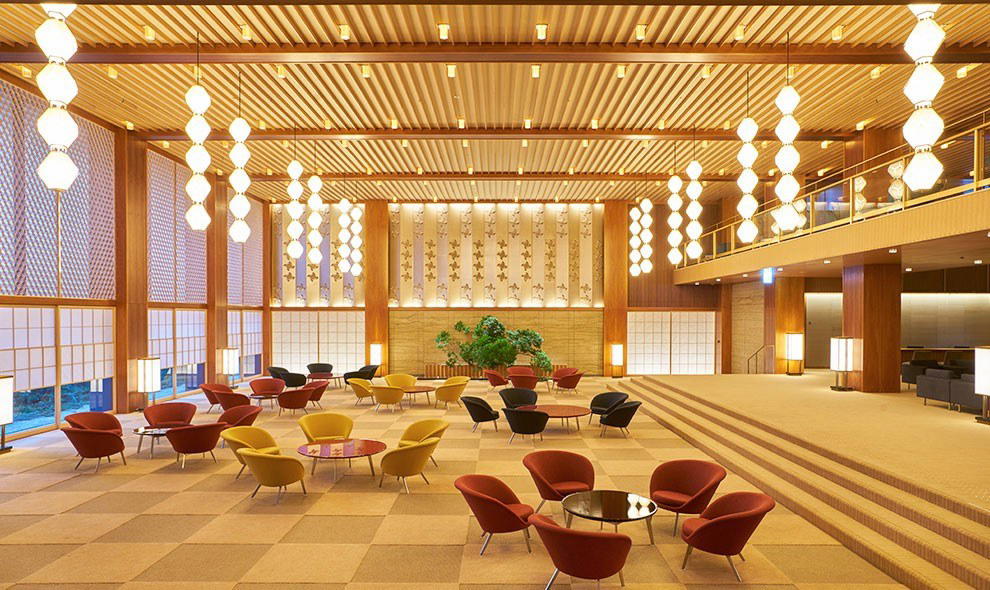
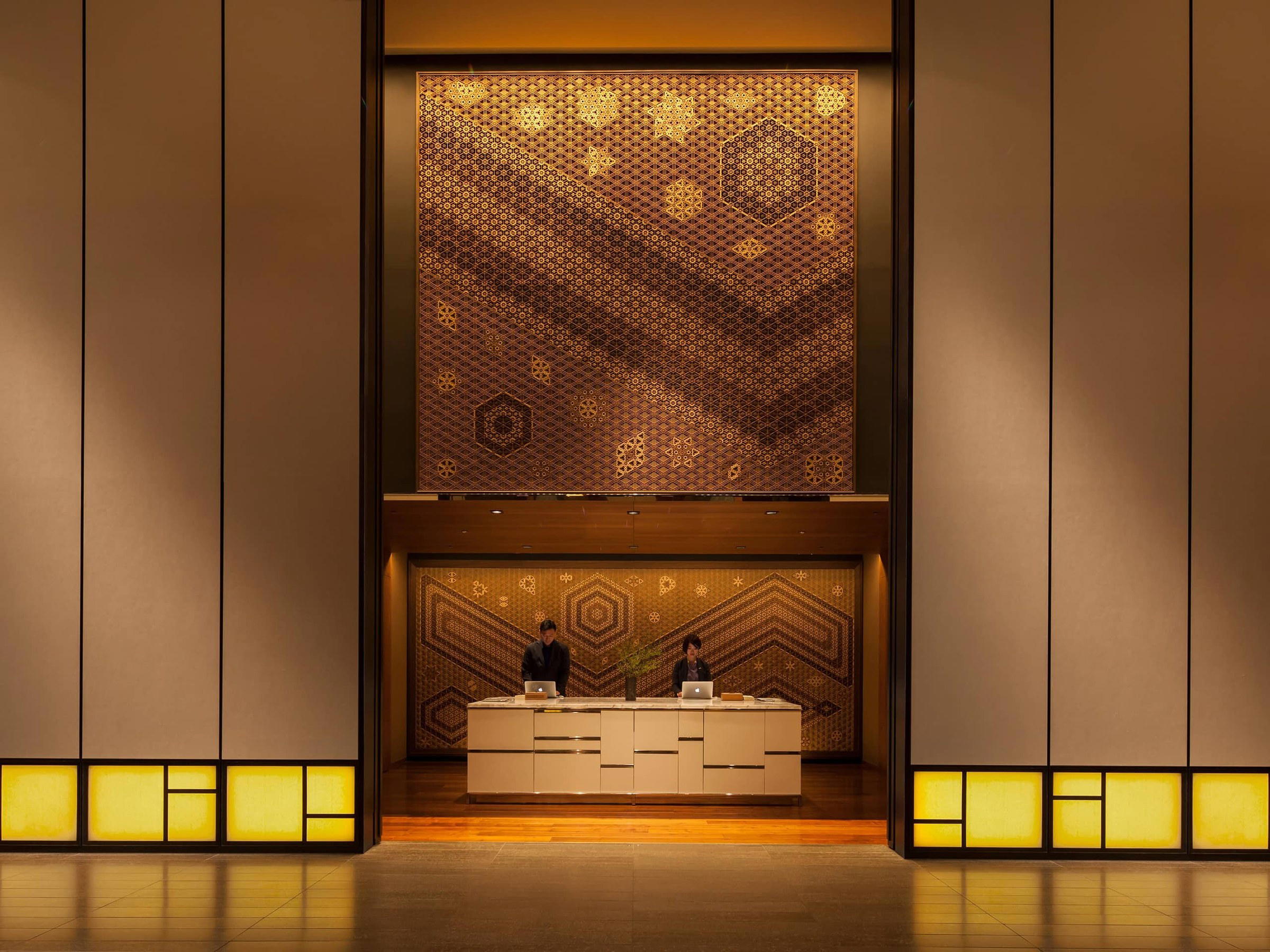
Intimate counter seating with hypnotic views of skilled chefs working at the tempura station, filled with the aroma of fresh ingredients and the sound of oil popping as each piece is fried to golden perfection.