
A long-standing basement French restaurant in Roppongi's dining district, Mon cher ton ton occupies a subterranean address on 六本木3-12-2 that places it within one of Tokyo's most concentrated corridors of serious European cooking. The venue operates in a neighbourhood where French cuisine has maintained a sustained presence since the 1970s, making it a reference point for understanding how Western fine dining took root in the Japanese capital.
Pearl is the En Primeur Club membership app — saves, bookings, and concierge access live there. Same editors, same standards.
- Address
- 六本木3-12-2 (B1F), 港区, 東京都, 106-0032
 Saves & bookings on Pearl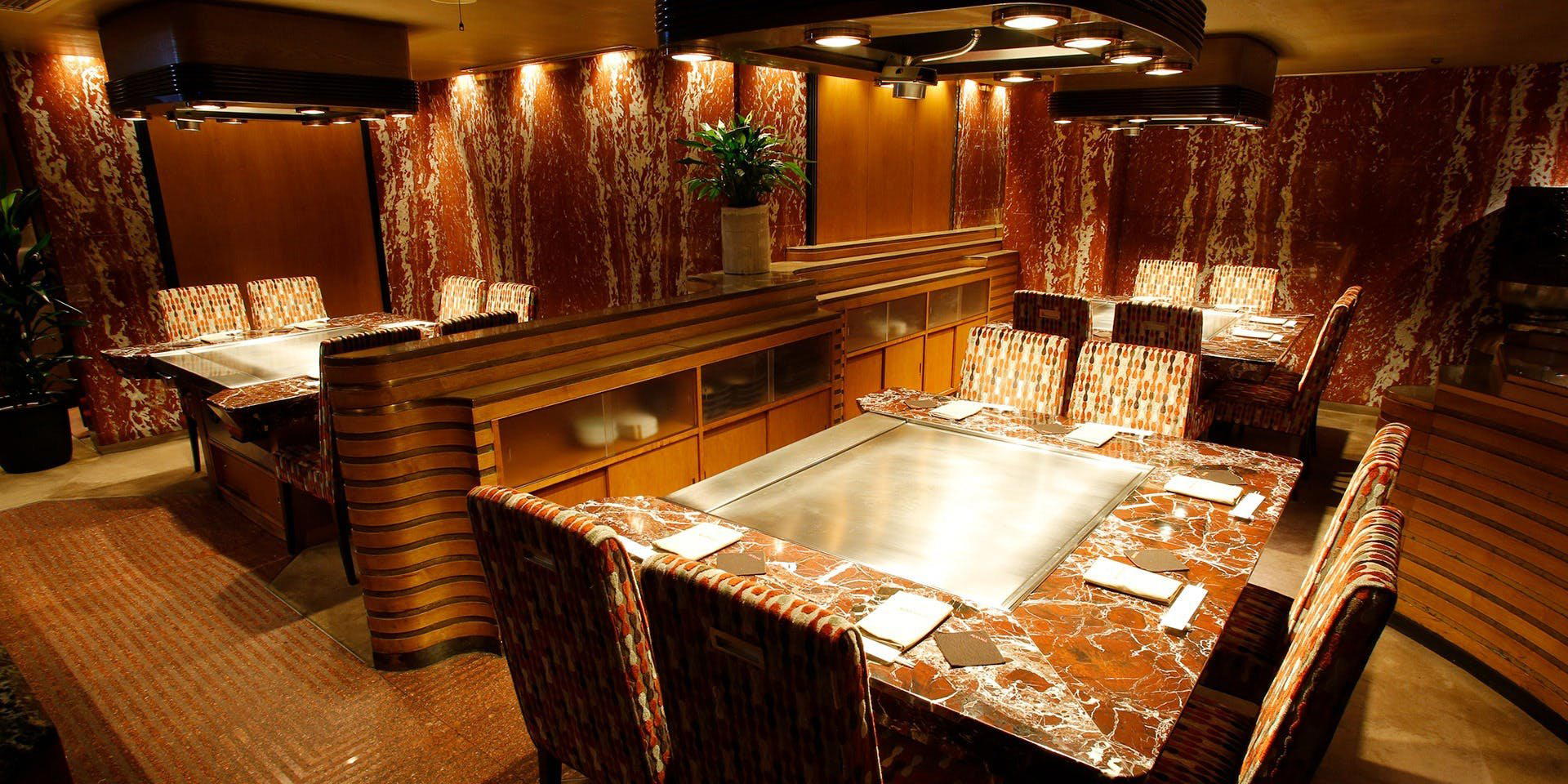
Below Street Level in Roppongi: The Basement as Setting
There is a particular grammar to Tokyo's basement restaurants. Descend a floor or two beneath Roppongi's main arteries and the street noise drops out almost immediately, replaced by something quieter and more considered. The B1F address at 六本木3-12-2 in Minato-ku places Mon cher ton ton inside this subterranean dining tradition, one where the act of going below ground signals a deliberate removal from the neighbourhood's more transient, street-level energy. In Roppongi, that separation carries meaning. The district has long operated on two registers: the loud, visible surface and a quieter layer of serious dining that rewards those who know where to look.
Roppongi's relationship with French cuisine runs deeper than its current cosmopolitan reputation might suggest. From the 1970s onward, the area attracted a concentration of European-style restaurants that served both an expatriate community and Japanese diners developing a taste for continental cooking. That historical layering is part of what gives a long-standing French address in this neighbourhood its particular character, it exists in conversation with decades of accumulated dining culture, not in isolation from it.
Roppongi's French Dining Register
Tokyo's French restaurant scene has stratified considerably over the past two decades. At the upper tier, venues like L'Effervescence and Sézanne operate at the ¥¥¥¥ price point, pursuing tasting-menu formats with Michelin recognition and international acclaim. Crony represents a more contemporary, innovative French approach that has attracted its own following in recent years. Below that tier, the city sustains a layer of French restaurants that predate the tasting-menu era, establishments where the format is more à la carte or semi-set, and where the cooking draws on classical French foundations without necessarily seeking critical validation through awards circuits.
Mon cher ton ton sits within the broader Roppongi French tradition, a neighbourhood where European restaurants have historically operated with a different ambition from the kaiseki or high-omakase counters that define Tokyo's global reputation. The proximity to venues like RyuGin, one of the city's most celebrated kaiseki addresses, underscores how Roppongi contains multitudes, holding both Japanese haute cuisine and European traditions within a few blocks of each other.
The Sensory Architecture of a Roppongi Basement
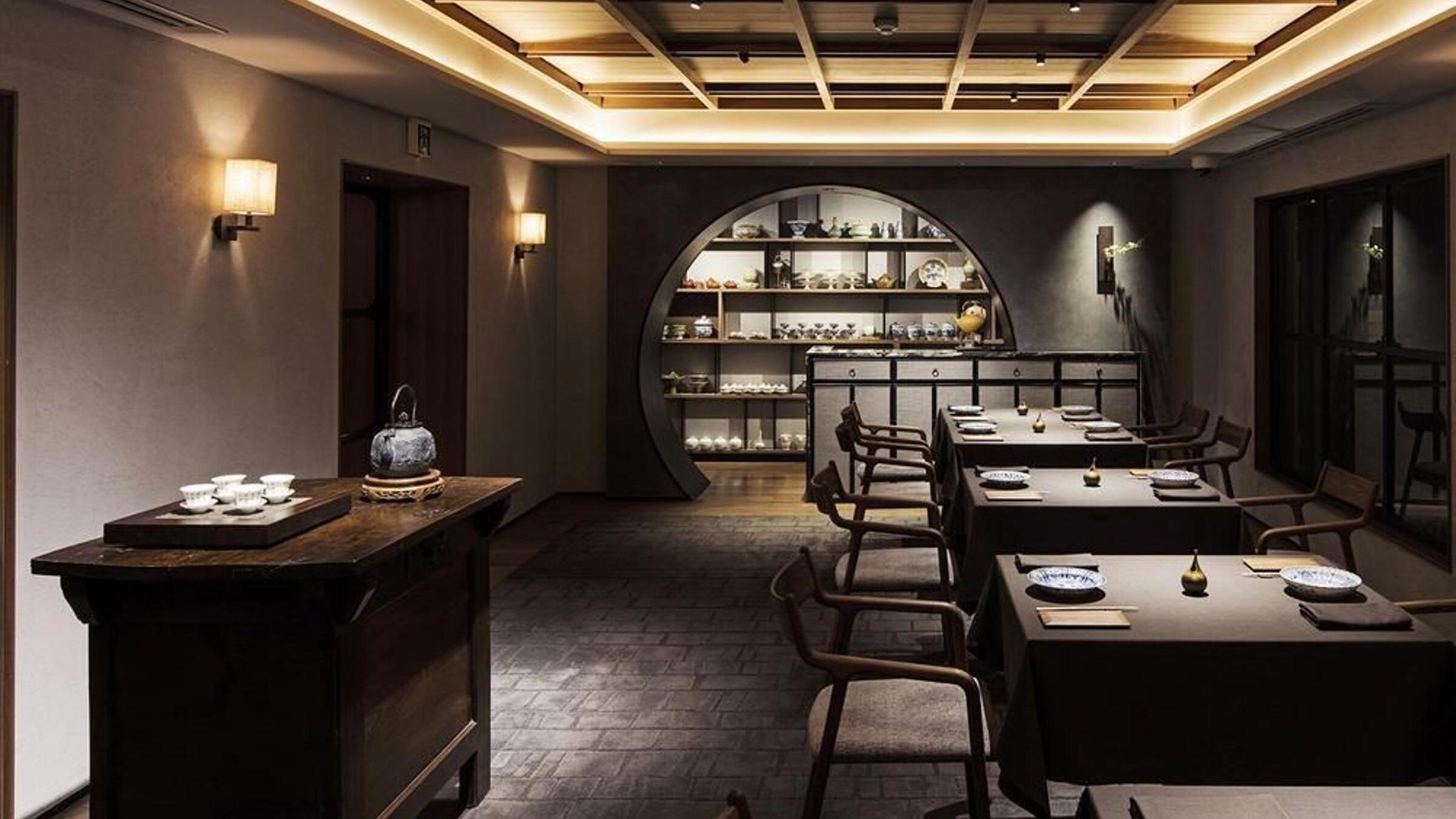
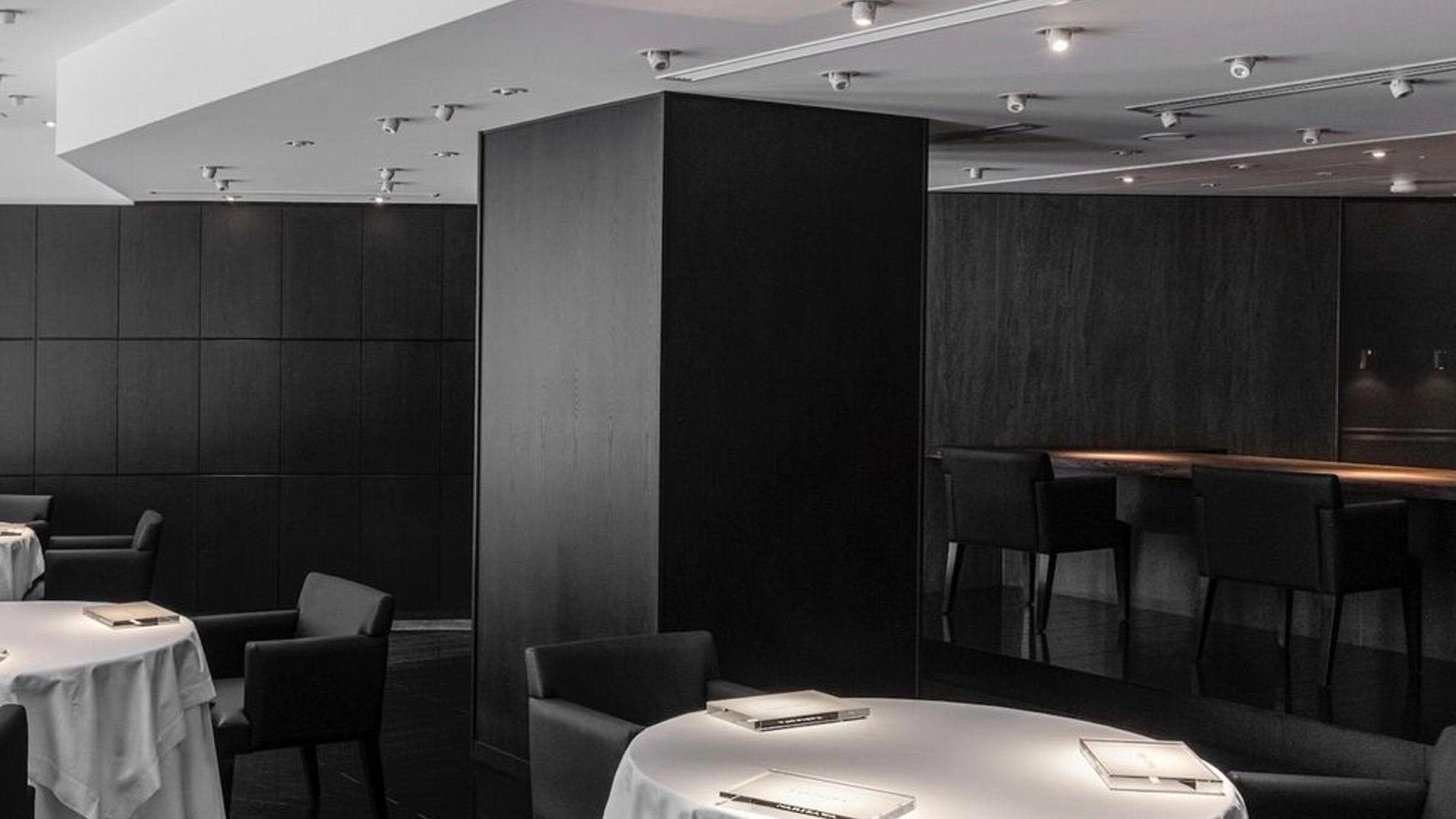
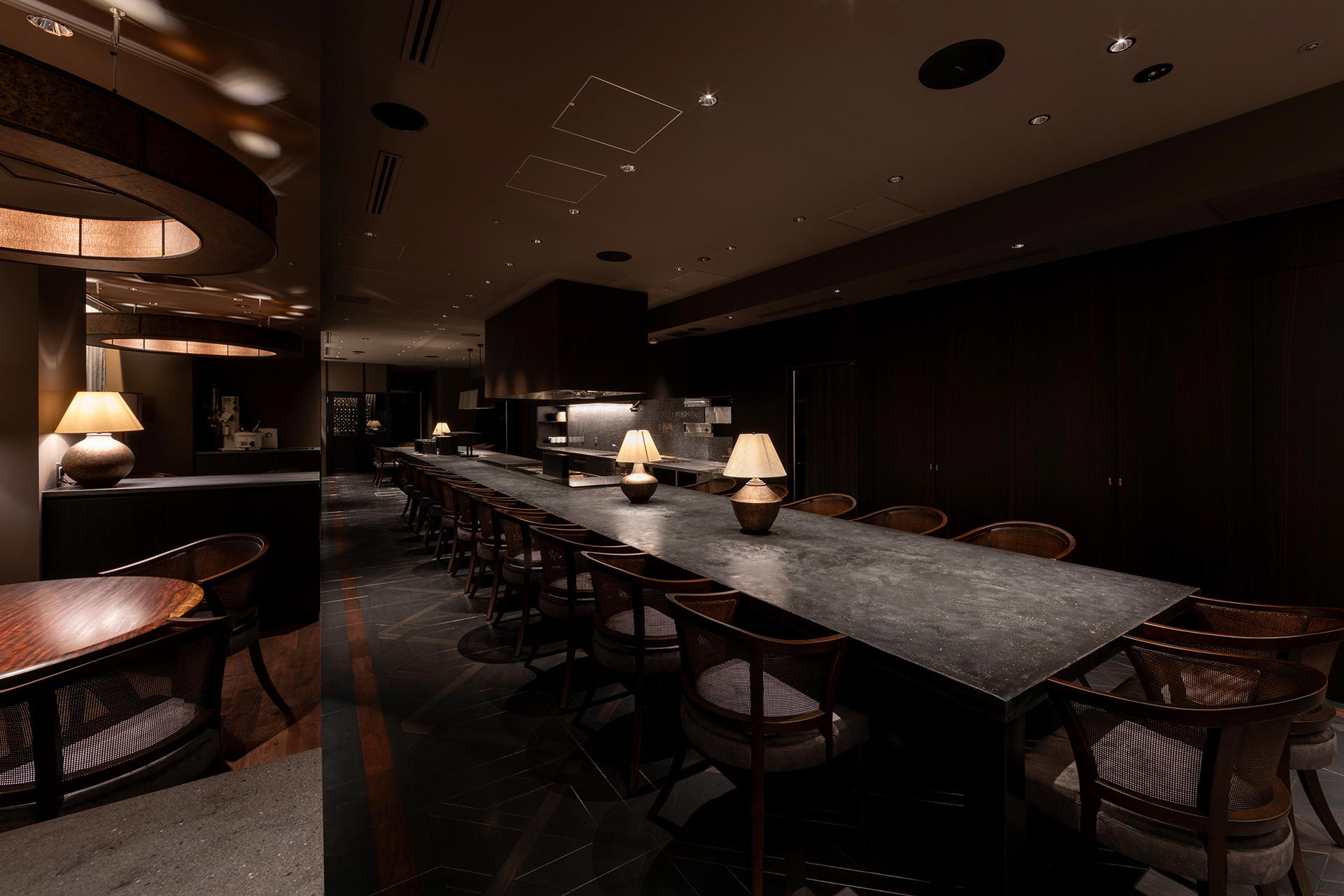
Basement dining rooms in Tokyo tend to achieve their atmosphere through deliberate design choices that compensate for the absence of natural light and street-level visual connection. The enclosed quality that might feel like a limitation in another context becomes, in the right room, an asset: sound behaves differently, lighting can be controlled precisely, and the space develops its own interior climate. This is the physical argument for underground dining, and it has been a productive one for French restaurants in particular, where a certain enclosure has always suited the slower pace of European service formats.
For a venue operating in Roppongi since the era when French cooking first established itself in Tokyo, that physical setting carries accumulated associations. The neighbourhood around Roppongi Hills and the surrounding Minato-ku blocks has changed substantially in the decades since Western fine dining arrived here, but the basement address at 六本木3-12-2 retains the geographic logic of its original placement: close enough to the district's main throughfares to be accessible, removed enough from them to function as a destination rather than a walk-in.
Where Mon cher ton ton Sits Among Tokyo's Broader Table
Comparing dining options across Tokyo's arrondissement-like neighbourhoods reveals how different each district's gastronomic identity has become. The precision sushi of venues like Harutaka represents one pole of the city's ambition. The kaiseki tradition at counters like RyuGin represents another. French cooking in Roppongi occupies a different position in this map, it arrived as an import, became embedded through repetition and local adaptation, and now exists as a genre with its own Tokyo-specific character, neither purely French nor absorbed into Japanese culinary vocabulary.
That dynamic is not distinctive to Tokyo. Across Japan, European cooking has found regional expressions shaped by local ingredients and local dining expectations. HAJIME in Osaka, akordu in Nara, and Bistro Ange in Toyohashi each represent this negotiation between European tradition and Japanese context at different price points and with different degrees of formal ambition. In Tokyo, the density of options is highest, which means any individual French address is read against a competitive field that includes both its local peers and internationally recognised comparators.
For readers building an itinerary across Japan's dining regions, the contrast between Roppongi's European-inflected dining and the kaiseki traditions of Gion Sasaki in Kyoto or the Hakata-style cooking at Goh in Fukuoka is part of what gives a Tokyo stay its particular texture. The city contains both registers, and neighbourhoods like Roppongi make that coexistence visible. See our full Tokyo restaurants guide for a broader map of where these traditions sit relative to each other.
For those drawn to regional Japanese dining outside the major cities, addresses like 一本杉川嶋 in Nanao, 奥丹仙山乃 in Sapporo, 湖畔庵 in Takashima, and 鳥羽屋 in Nishikawa Machi each represent a different relationship between place and cooking, one that's harder to access but often more specific in its regional character. And for those tracking how Japanese culinary sensibility has crossed into New York's dining conversation, Atomix and Le Bernardin offer useful reference points for how Japanese precision reads against the leading European cooking in a Western context.
Planning Your Visit
The practical details below position Mon cher ton ton against its closest Roppongi-area peers.
| Venue | Cuisine | Price Tier | Format | Neighbourhood |
|---|---|---|---|---|
| Mon cher ton ton | Teppanyaki with Kobe Beef | ¥¥¥¥ | Essential | Roppongi, Minato-ku (B1F) |
| L'Effervescence | French | ¥¥¥¥ | Tasting menu | Nishi-Azabu |
| Sézanne | French | ¥¥¥¥ | Tasting menu | Marunouchi |
| Crony | Innovative, French | ¥¥¥¥ | Tasting menu | Minami-Aoyama |
| RyuGin | Kaiseki | ¥¥¥¥ | Omakase/Kaiseki | Roppongi |
The B1F address at 六本木3-12-2, Minato-ku, 106-0032 is accessible from Roppongi Station on the Hibiya and Toei Oedo lines. Reservation is essential.
Accolades, Compared
Comparable venues nearby, for context on price, style, and recognition.
| Venue | Cuisine | Price | Notes |
|---|---|---|---|
| Mon cher ton ton (六本木 モンシェルトントン) | Teppanyaki with Kobe Beef | $$$$ | Roppongi |
| CHIKAMINE | Seasonal Tempura Omakase | $$$$ | Shibuya |
| 重箱 | Traditional Japanese Unagi Fine Dining | $$$$ | Akasaka |
| Otani No Sushi | Traditional Japanese Omakase | $$$$ | Minato |
| 鮨しん 阿佐ヶ谷 Sushi Shin Tokyo | Premium Omakase Sushi | $$$$ | Suginami |
| Miyakodori:Tokyo Geisha Entertainment and Restaurant | Traditional Japanese Kaiseki with Geisha Entertainment | $$$$ | Taitō |
Recognition history
Dated appearances from independent guides and award organizations, with the underlying list record or original source where available.
Tabelog 100 #69 · No. 69
Tabelog · Tabelog 100 - Steak / Teppanyaki - EAST - 2025








At a Glance
- Elegant
- Sophisticated
- Intimate
- Business Dinner
- Special Occasion
- Celebration
- Private Dining
- Open Kitchen
- Sake Program
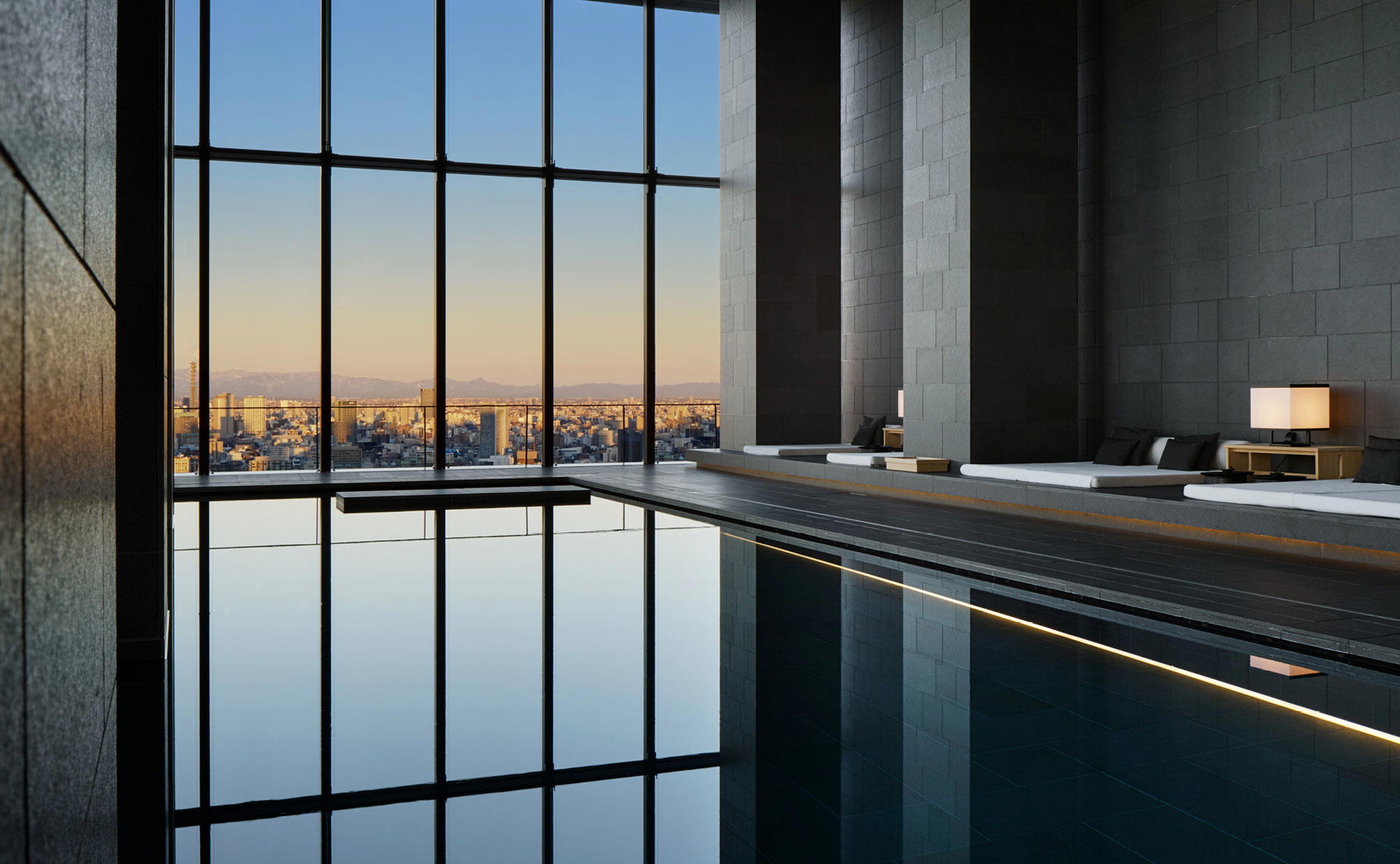
Restful atmosphere with soothing counter seating accompanied by the sound of running water, elegant private rooms, and a focus on luxurious hospitality.