.png)
A Ginza basement restaurant dedicated to the ingredients of Ishikawa Prefecture, Noto Kanazawanosachi Ginza Furuta holds a Michelin Plate (2024, 2025) and a Google rating of 4.3 from 64 reviews. The kitchen draws on fish from Nanao, Kaga vegetables, and edible wild plants from the Noto Peninsula, prepared by a husband-and-wife team with direct relationships with regional farmers and sake breweries.
 Discover on Pearl
Pearl is the En Primeur Club membership app — saves, bookings, and concierge access live there. Same editors, same standards.
- Address
- Japan, 〒104-0061 Tokyo, Chuo City, Ginza, 5 Chome−10−11 川島ビル B1F~1F
- Phone
- +81 80-9825-7505
- Website
- noto-jidaiya.jp
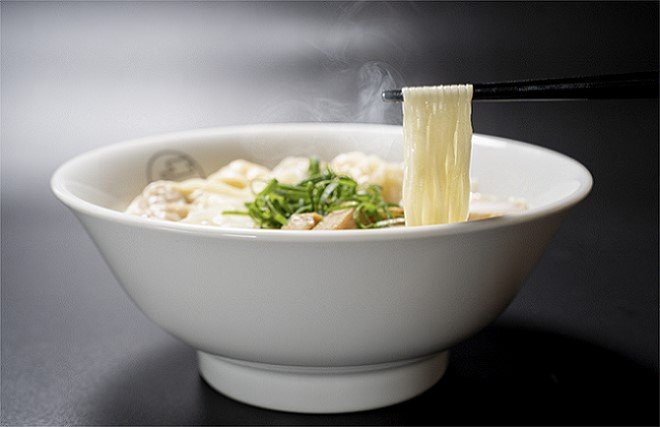
Ishikawa on a Ginza Plate: Why Regional Specificity Matters in Tokyo
Tokyo's kaiseki and regional Japanese dining scene has long been dominated by Kyoto-derived technique, where the Kansai tradition of dashi-forward cooking, Buddhist restraint, and presentation as ceremony sets the standard against which most formal Japanese restaurants are measured. But a quieter current runs through the city's mid-tier dining market: restaurants that carry the produce and craft of Japan's less-discussed prefectures directly to the capital. Ishikawa Prefecture, on the Sea of Japan coast, is among the most compelling of these regional sources, its cold waters yield fish of unusual quality, its mountain hinterland produces distinctive wild plants and root vegetables, and its sake culture rivals that of Niigata. Noto Kanazawanosachi Ginza Furuta is a restaurant in Ginza, Tokyo, serving Ishikawa Regional Japanese Kaiseki at about ¥120 per person.
The contrast with Kansai-influenced cooking is instructive. Kyoto kaiseki moves through a fixed seasonal grammar, sakizuke, hassun, yakimono, where the chef's role is often to subordinate the ingredient to a larger compositional logic. Ishikawa cooking, particularly the Kaga and Noto strands, tends to be more ingredient-declarative: the fish, the wild plant, the local ferment are asked to speak first. That orientation shapes what appears on the menu at Furuta, where vinegared mozuku seaweed and whole-cooked rosy sea perch arrive not as components of a composed sequence but as direct arguments for their own provenance.
The Noto and Kaga Ingredient Circuit
Understanding what Furuta is doing requires some geography. Nanao, the fishing city on the Noto Peninsula from which the proprietress originates, sits on an inland sea bay that functions as a nursery for a range of sea bream, yellowtail, and shellfish not commonly seen in Tokyo's mainstream fish markets. The cold Sea of Japan current concentrates fat in fish that spend winters in these waters, producing a texture and flavour profile that differs perceptibly from Pacific-side equivalents. The kitchen at Furuta draws its fish supply directly from Nanao, a supply relationship that requires active maintenance and personal connection rather than wholesale procurement.
The mountain side of Ishikawa contributes a different register. Kaga vegetables, a group of heritage cultivars including Kaga lotus root, gobo burdock variants, and specific turnip strains, are grown in the alluvial plains south of Kanazawa and carry protected-variety status within the prefecture. Edible wild plants from the Noto Peninsula, including various forms of fiddlehead fern and mountain vegetable, appear seasonally and reflect the kitchen's willingness to work with ingredients that require foraging relationships rather than commodity supply chains. The couple visit farms and sake breweries directly, a practice that shapes menu timing.
This sourcing discipline places Furuta in a specific competitive position within Tokyo's regional Japanese dining category. Restaurants like Kagurazaka Ishikawa have built sustained reputations around Ishikawa-region cooking, while broader kaiseki formats at venues such as Azabu Kadowaki or Myojaku draw from wider national ingredient pools. Furuta's positioning is narrower and more avowedly regional, a deliberate constraint that functions as an editorial statement about place.
Michelin Recognition and What It Signals at This Price Point
Consecutive Michelin Plate recognitions in 2024 and 2025 confirm that the guide's inspectors consider Furuta a kitchen worth attention, though the Plate sits below the star tiers and signals quality cooking rather than exceptional culinary achievement in Michelin's own vocabulary. At the ¥¥ price range, Furuta operates well below the ¥¥¥¥ tier where most of Ginza's acclaimed Japanese dining concentrates, counters in that bracket, including top-end omakase venues, now regularly price evening menus above ¥30,000 per person. The mid-range positioning means Furuta is not competing against the same comparable set as Ginza Fukuju or the capital's flagship kaiseki rooms. It occupies a different and arguably more useful niche: serious regional cooking at an accessible price, where the guest is paying for ingredient provenance and cooking knowledge rather than ceremony and décor.
A Google rating of 4.3 from 72 reviews reflects a restaurant with a loyal but not mass following. The relatively low review volume, by Ginza standards, suggests Furuta draws a repeat local clientele and word-of-mouth referrals rather than platform-driven discovery.
Ginza as a Platform for Regional Japanese Cooking
Ginza's restaurant density gives regional Japanese concepts an unusual visibility. The neighbourhood draws business dining, expense-account entertaining, and international visitors alongside local residents, an audience willing to pay for quality and curious about provenance in a way that supports niche specialists. The same dynamic benefits venues like Jingumae Higuchi in adjacent parts of central Tokyo, where regional ingredient focus distinguishes a room from its generic competition.
For context on how regional ingredient focus plays out across Japan more broadly, the comparison is useful: Kansai-anchored kaiseki at venues like Gion Sasaki in Kyoto or Kashiwaya Osaka Senriyama draws on the deep infrastructure of Kyoto and Osaka ingredient networks. Ishikawa-focused cooking in Tokyo operates at greater logistical distance from its sources, which is precisely why the direct producer relationships at Furuta carry significance: they substitute for the proximity advantage that Kansai restaurants take for granted. Elsewhere in Japan's regional dining map, HAJIME in Osaka, Goh in Fukuoka, and akordu in Nara each demonstrate how ingredient geography shapes a restaurant's identity, even when the cooking style diverges from tradition.
Furuta's contribution to this picture is the Noto Peninsula specifically. Furuta had established its supply lines and sourcing relationships before that event gave the region a broader audience.
Know Before You Go
- Address: Kawashima Building B1F–1F, 5-10-11 Ginza, Chuo City, Tokyo 104-0061
- Price range: ¥¥ (mid-range by Tokyo standards)
- Michelin recognition: Michelin Plate, 2024 and 2025
- Google rating: 4.3 / 5 (64 reviews)
- Cuisine focus: Regional Japanese, Ishikawa Prefecture (Noto Peninsula, Kaga area)
- Format: Husband-and-wife operation; fish from Nanao, mountain vegetables from Kaga, edible wild plants from the Noto Peninsula
Quick Comparison
Comparable venues nearby, for context on price, style, and recognition.
| Venue | Cuisine | Price | Awards | Notes |
|---|---|---|---|---|
| Noto Kanazawanosachi Ginza FurutaThis venue — the venue you are viewing | Ishikawa Regional Japanese Kaiseki | $$$$ | Michelin Plate | |
| Kappo Ryu | Seasonal Kappo Omakase | $$$$ | Michelin Plate | Minato |
| Aramaki | Seasonal Yakitori Omakase | $$$$ | Michelin Plate | Minato |
| Uisane | Modern Ehime Kaiseki | $$$$ | Michelin Plate | Shinjuku |
| Kagurazaka Marutomi | Kaiseki with Iwate Wagyu | $$$$ | Michelin Plate | Shinjuku |
| Kappo Yuichi | Seasonal Vegetable Kappo | $$$$ | Michelin Plate | Suginami |



At a Glance
- Intimate
- Elegant
- Sophisticated
- Minimalist
- Hidden Gem
- Business Dinner
- Special Occasion
- Date Night
- Chefs Counter
- Private Dining
- Sake Program
- Sommelier Led
- Local Sourcing
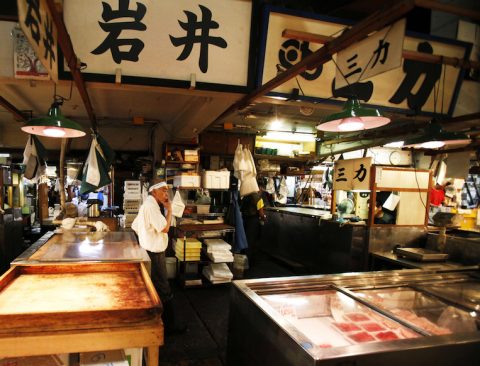
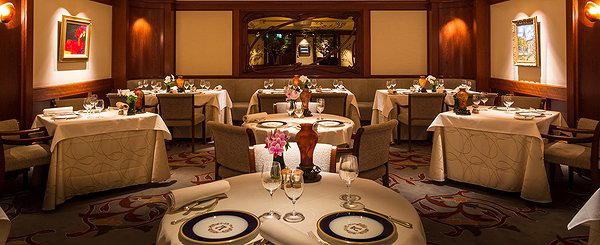
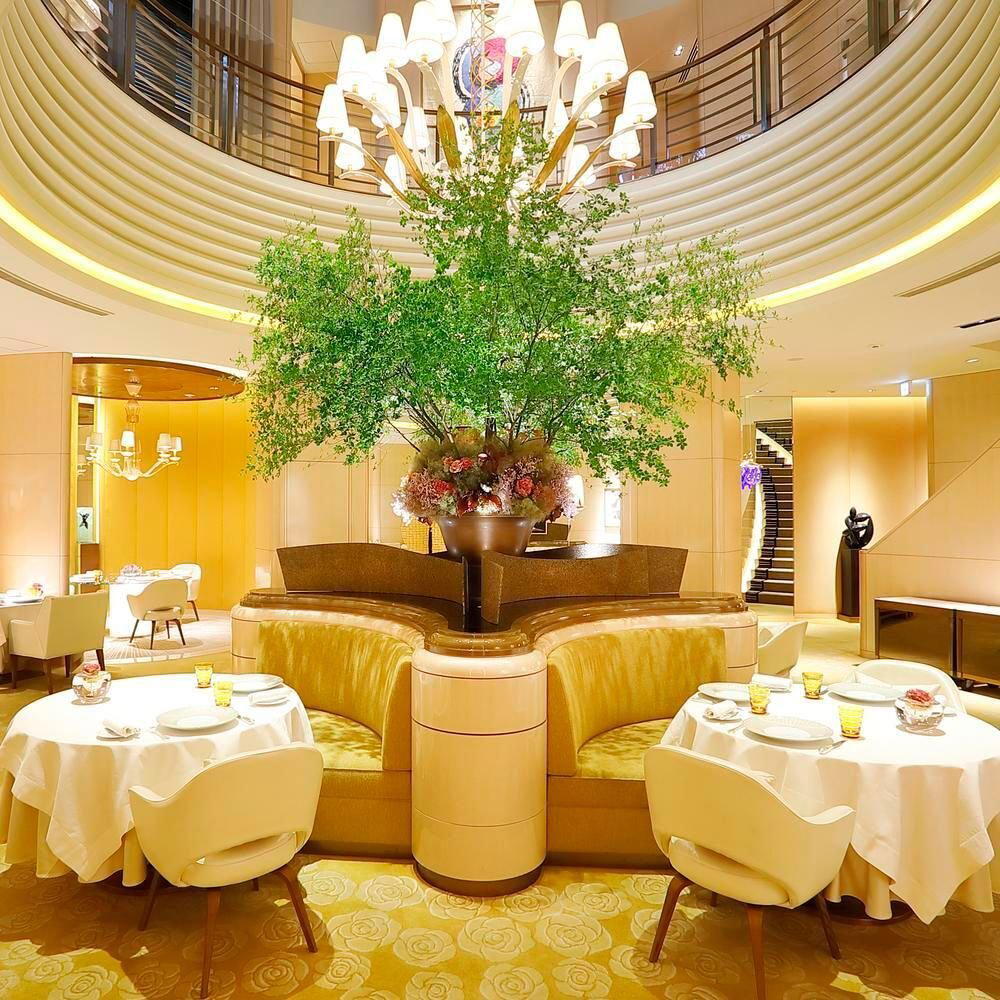
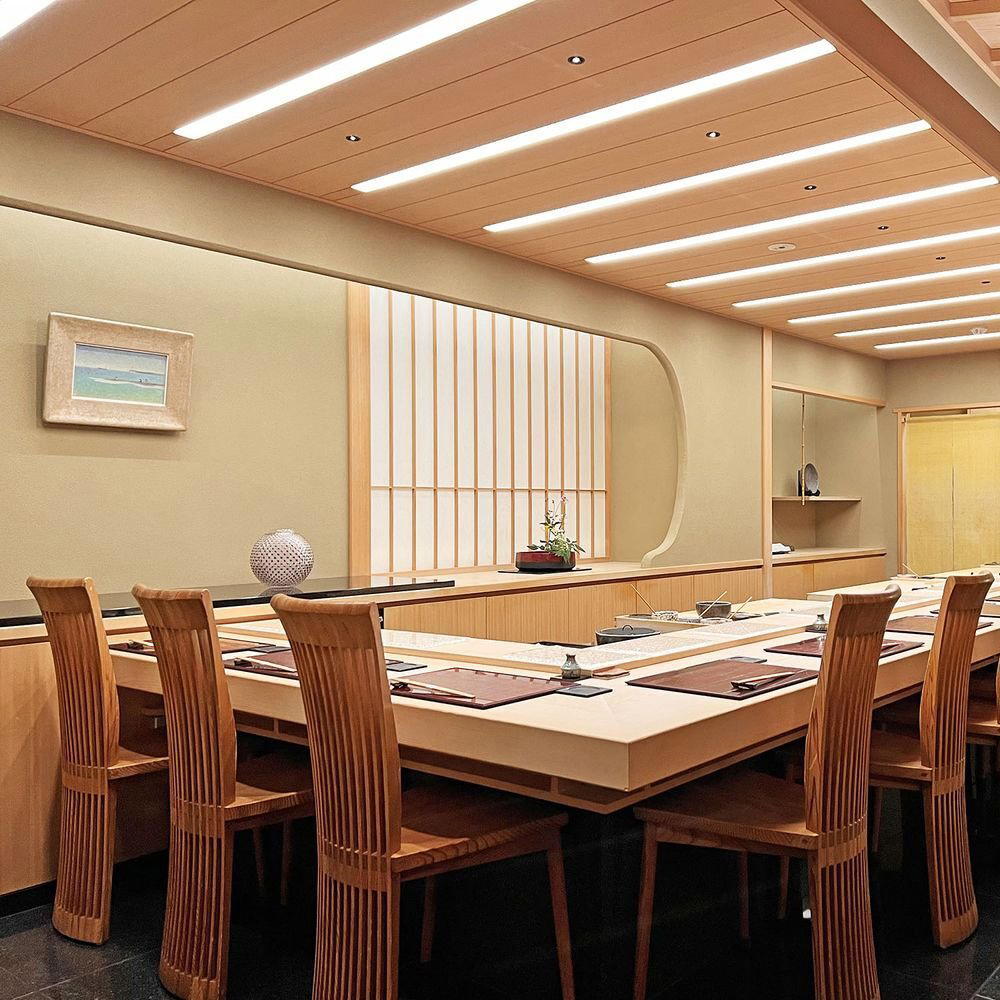
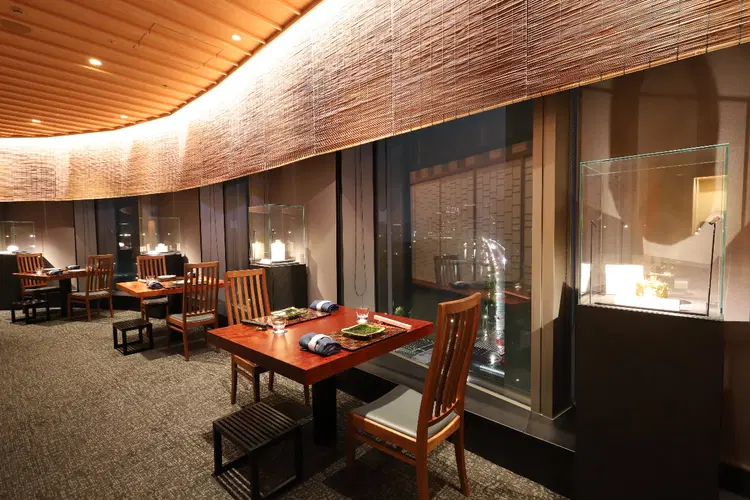
Minimalist pale wood counter in a relaxing, stylish space with quiet, gracious service focusing on the chef's precise choreography.