
Hamacho Kaneko sits in Tokyo’s soba tradition at the point where noodles, sake snacks, and seasonal tempura share equal weight. Chef Yasushi Kaneko’s Michelin Bib Gourmand-recognised kitchen keeps the focus on soba-mae before thin-cut 100% buckwheat noodles, with dipping sauces and the soba-udon Meoto format broadening the meal beyond a quick bowl.
Pearl is the En Primeur Club membership app — saves, bookings, and concierge access live there. Same editors, same standards.
- Address
- 3 Chome-7-3 Nihonbashihamacho, Chuo City, Tokyo 103-0007, Japan
- Phone
- +81 50-5488-5666
- Website
- ggx9900.gorp.jp
- Directions
- Get directions
 Saves & bookings on Pearl
Approach a serious Tokyo soba room and the rhythm differs from sushi counters or kappo dining: quieter, more measured, with sake first, small plates beside it, then noodles arriving not as filler but as the meal’s final argument. Hamacho Kaneko belongs to the older grammar of soba-mae, the pre-soba drinking culture that treats a noodle shop as a place for pacing rather than speed.
Tokyo has many soba registers. Some shops serve fast standing meals; others sit closer to seasonal dining, with buckwheat as one chapter in a longer sequence. Hamacho Kaneko is firmly in the latter camp. Its Michelin Bib Gourmand recognition in 2024 matters because the category rewards value and consistency rather than luxury theatre, a useful signal in a city where soba moves from everyday lunch to craft-focused dining without changing its core ingredients.
Soba-mae gives the meal its structure before the noodles arrive
Soba-mae is not decorative prelude. It is the social and culinary frame explaining why a soba restaurant can first feel closer to an izakaya, then tighten into a noodle house at the end. Here, snacks are not incidental: baked devil’s tongue coated with miso and simmered beef sinew set the savoury, sake-friendly register Tokyo soba culture has long understood. The point is balance, salt, texture, and time, not showpiece progression.
That format distinguishes this kind of soba dining from Tokyo’s higher-pressure reservation genres. Omakase sushi compresses attention into a single counter sequence; tempura houses build their argument piece by piece from the fryer. Soba-mae allows a looser arc: drink, eat small dishes, then let noodles reset the table. In a city where many premium meals are defined by progression and control, this tradition keeps useful informality without becoming casual.
Seasonality enters through tempura rather than menu rhetoric. Shrimp and conger eel occupy a familiar Tokyo register, while edible wild plants, young sweetfish, mushroom, and oyster mark different points in the year. That range matters because soba is judged by restraint: too much embellishment and buckwheat disappears; too little and the meal turns austere. Tempura gives warmth and season without making noodles carry every signal.
Thin-cut 100% buckwheat keeps the kitchen's hand visible
The kitchen’s role is clearest in the noodle. The soba is 100% buckwheat and cut thin, leaving little margin for error because buckwheat lacks the elasticity of wheat-heavy doughs. Thin cutting changes the rhythm: the noodle must hold, release aroma, and take sauce without heaviness. It is a technical statement that needs no biography to justify it.
The dipping sauces widen the experience beyond standard tsuyu. Sesame brings richness, grated yam adds viscosity, and curry pushes toward a more assertive finish. In Tokyo soba culture, these variations show how flexible the form can be while remaining recognisably soba. Meoto, meaning “married couple,” pairs soba with udon, making a quiet point about contrast: buckwheat’s grain and wheat’s chew side by side, not as separate cravings.
Compared with Edosoba Hosokawa, another Tokyo soba reference point, Hamacho Kaneko reads less as a single-minded noodle study and more as a soba-mae meal with a defined drinking-and-snacking lead-in. The difference is not hierarchy but use case. Diners choosing among Tokyo soba rooms should decide whether they want noodles central from the first minute or a slower meal that reaches soba after sake-friendly plates.
Other Tokyo soba comparisons clarify the field. Some rooms carry the weight of older soba lineages, while others point to polished urban versions of the category. Across the wider Tokyo conversation, travellers can map how noodle shops, seasonal side dishes, and sake culture overlap. The useful comparison is not which shop wins, but which version of soba dining fits the evening.
How to place it in a Tokyo eating itinerary
Read this restaurant as a low-theatre, craft-led meal within Tokyo’s broader habit of specialisation. The city rewards narrow focus: sushi counters refine rice and fish; yakitori rooms study smoke and cut; soba shops work through grain, water, knife, and sauce. The restaurant earns attention because it does not reduce soba to a final carbohydrate. It protects the older sequence of drinking, snacking, frying, dipping, and finishing cleanly.
That makes it useful for travellers who have scheduled heavier tasting menus and want Tokyo specificity with less ceremony. Michelin Bib Gourmand recognition supplies public trust, yet the more telling detail is format: soba-mae, seasonal tempura, thin 100% buckwheat noodles, and multiple dipping sauces create a complete grammar without relying on luxury ingredients as the main claim.
Tokyo dining planning benefits from grouping categories rather than chasing isolated names. For the wider restaurant field, use a full Tokyo restaurants guide; for stays, drinking, wine, and cultural planning around the city, see broader Tokyo hotels, bars, wineries, and experiences guides. Travellers extending the noodle thread beyond Tokyo can compare regional expressions generically, while keeping the restaurant’s Tokyo soba-mae format distinct.
For broader Japan itineraries, contrast is useful. A soba-mae meal in Tokyo sits far from grilled beef formats, cafe-led stops, contemporary independent rooms, regional cooking, specialist curry, and other styles of dining across Japan. The contrast sharpens what Tokyo soba does well: discipline without spectacle, seasonality without excess, and a finish that depends on buckwheat rather than decoration.
Accolades, Compared
Comparable venues at similar price and category levels.
| Venue | Cuisine | Price | Awards | Notes |
|---|---|---|---|---|
| Hamacho KanekoThis venue — the venue you are viewing | Traditional Soba with Tempura | $$ | Bib Gourmand | Not listed |
| Ramenya Toy Box | Chicken Shoyu Ramen | $$ | Bib Gourmand | Arakawa |
| Fry-ya | Modern Fried Japanese (Tonkatsu Specialist) | $$ | Bib Gourmand | Shinjuku |
| Mochibuta Tonkatsu Taiyo | Tonkatsu | $$ | Bib Gourmand | Shinagawa |
| Ramen Nagi | Niboshi Ramen | $$ | Not listed | Shinjuku |
| distinctive | Kawaii Themed Cafe | $$ | Michelin Plate | Meguro |
Recognition history
Dated appearances from independent guides and award organizations, with the underlying list record or original source where available.
Michelin Bib Gourmand
Michelin
Michelin Bib Gourmand
Michelin



At a Glance
- Cozy
- Elegant
- Intimate
- Business Dinner
- Solo
- Family
- Casual Hangout
- Open Kitchen
- Sake Program
Current opening hours
- Monday
- 5–8:30 PM
- Tuesday
- 11:30 AM–2 PM, 5–8:30 PM
- Wednesday
- 11:30 AM–2 PM, 5–8:30 PM
- Thursday
- 11:30 AM–2 PM, 5–8:30 PM
- Friday
- 11:30 AM–2 PM, 5–8:30 PM
- Saturday
- 11:30 AM–2:30 PM
- Sunday
- Closed
Hours can change for holidays and private events. Last verified .
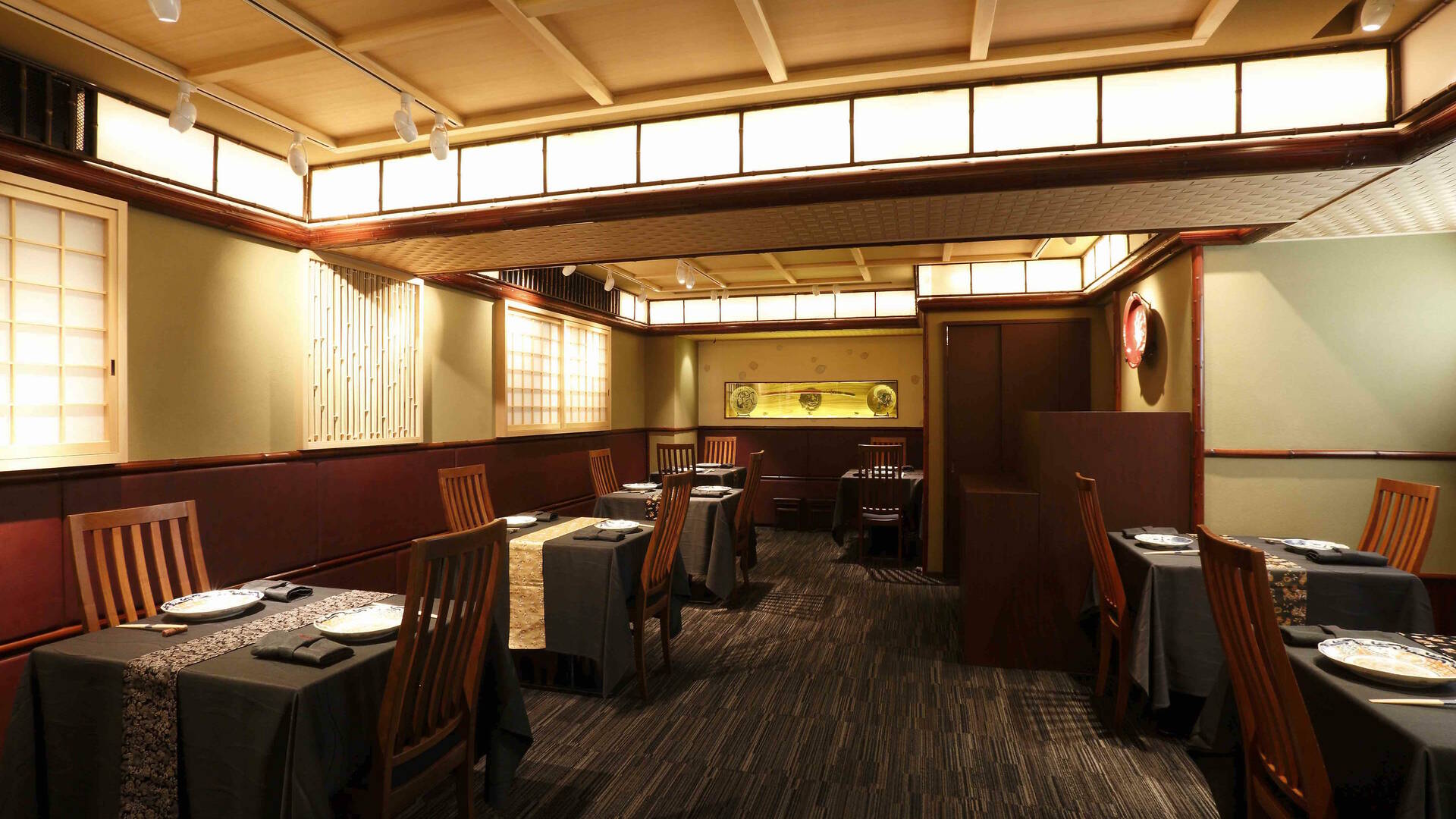
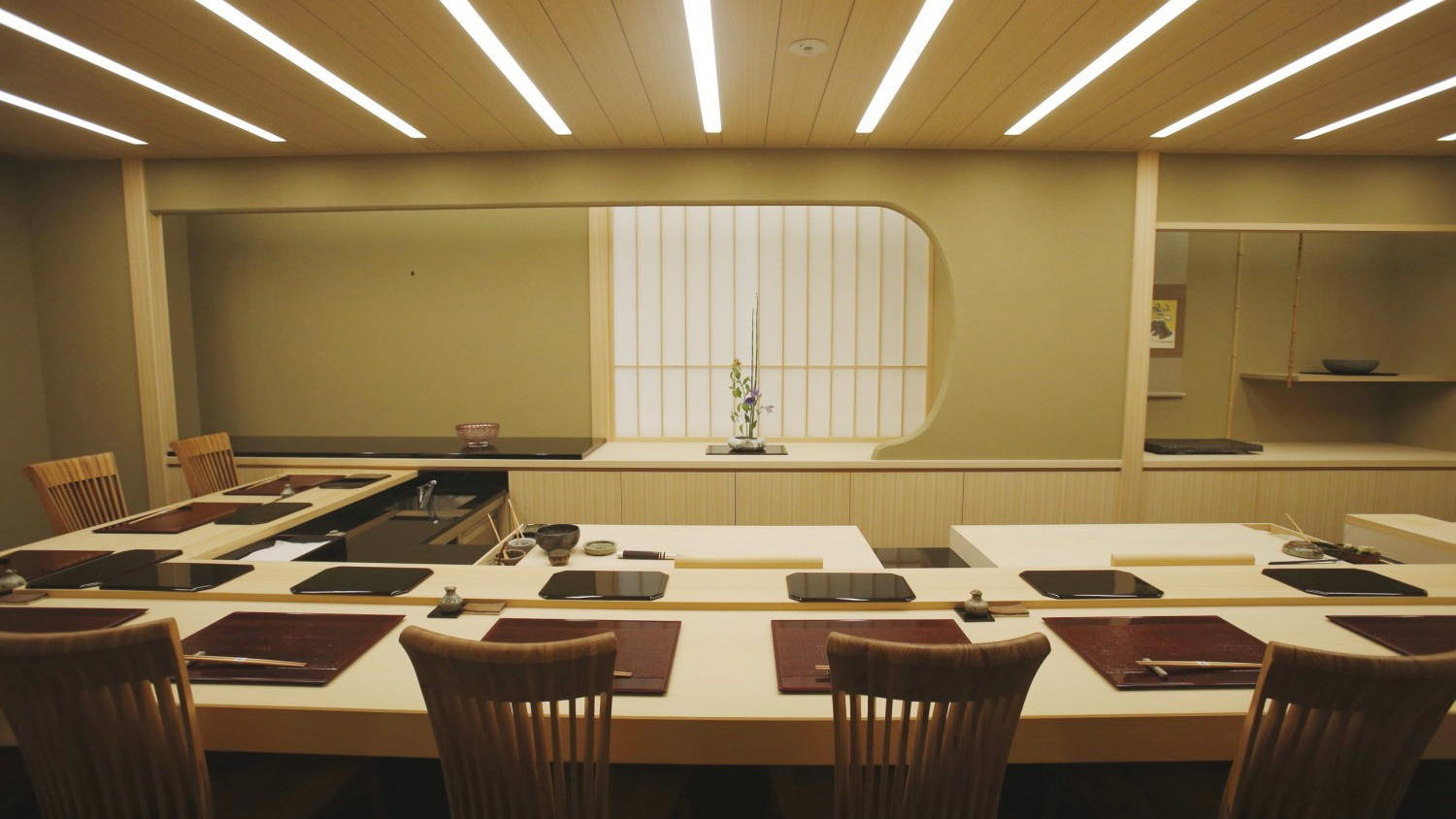
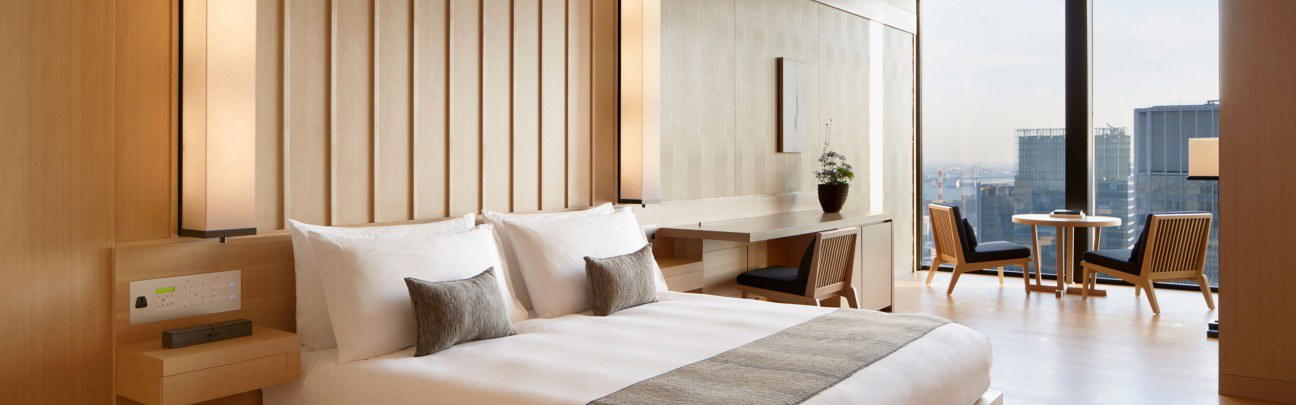
Relaxing stylish space with counter and sunken seating, offering a cozy hideout atmosphere.