
A Michelin Bib Gourmand soba specialist in Kyoto's Kamigyo Ward, Chikuyuan Taro no Atsumori frames buckwheat noodles through the lens of yakuzen medicinal cooking. The signature Atsumori-soba, boiled fresh and served hot from the pot with Kujo green onion, egg, and wasabi, positions this as one of Kyoto's more considered addresses for affordable, tradition-rooted Japanese noodle dining.
Pearl is the En Primeur Club membership app — saves, bookings, and concierge access live there. Same editors, same standards.
- Address
- 242-12 Yoancho, Kamigyo Ward, Kyoto, 602-8022, Japan
- Phone
- +81 75-256-2665
- Website
- lit.link
- Directions
- Get directions
 Saves & bookings on Pearl
Where Buckwheat Meets the Medicinal Table
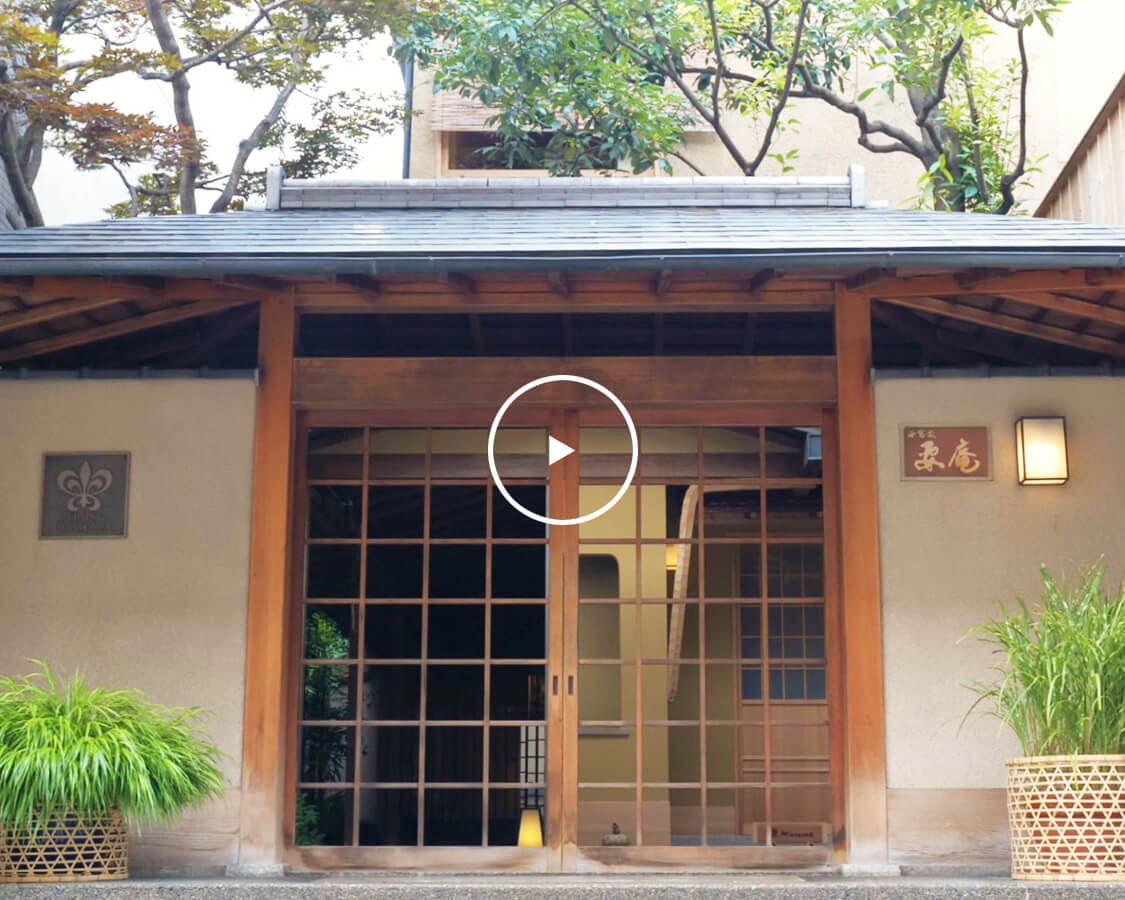
Kamigyo Ward sits north of Kyoto's central tourist corridor, where the city's residential grain reasserts itself between temple precincts and old machiya streetscapes. In this part of town, the dining tempo is quieter, more habitual, and more local. Chikuyuan Taro no Atsumori occupies an address at 242-12 Yoancho, within that neighbourhood grain, and the first signal of its intent arrives before you step through the door: a signboard reading 'Soba is medicine.' That declaration is not decorative. The restaurant operates from a considered position within yakuzen, the Japanese tradition of medicinal cooking, framing buckwheat not merely as a noodle but as a nutritional act.
In Japan, yakuzen thinking runs deep, drawing on the idea that food and medicine share a root. Buckwheat, particularly when ground with its husk intact, produces a dark-cast flour carrying a complexity that polished, husk-removed buckwheat cannot. The colour shifts from pale grey to a deeper brown, and the flavour acquires what is sometimes described as earthiness, though that word undersells the faintly bitter, mineral quality that whole-husk soba develops. Chikuyuan's framing of this process through a medicinal lens places it within a small cohort of Japanese soba houses that treat the grain's properties as the central editorial argument of the menu, rather than a backdrop to technique alone.
The Arc of the Meal
The menu at Chikuyuan builds its narrative around the Atsumori-soba, a preparation that warrants attention both for its method and its logic. Soba noodles are typically associated with cold presentations in many visitors' mental image of Japanese noodle dining, but the hot pot preparation here inverts that expectation deliberately. The noodles are boiled fresh, served directly from the pot, and kept warm by pouring soba water beneath the bamboo steamer that holds them. The result is a dish that arrives at the table with heat preserved without the noodles continuing to cook, a precision-driven approach to a problem that cheaper operations solve simply by rushing the bowl from kitchen to table.
The dipping sauce that accompanies this preparation is a defining element. Hot, with chopped Kujo green onion, egg, and wasabi, it departs from the cleaner, more austere dipping broths found at soba counters that emphasize the noodle's flavour above all else. Kujo negi, the dark green, slender onion cultivated in Kyoto for centuries, carries a sweetness and a pungency distinct from generic green onion. Its presence in the dipping sauce signals both a local sourcing sensibility and a willingness to build complexity in the condiment rather than leaving the noodle to carry all the flavour. The egg and wasabi layer in additional richness and heat, creating a dipping experience that shifts across the bowl as the proportions change with each pull of noodles.
This is a meal that progresses through interaction rather than sequence. There is no multi-course architecture in the kaiseki sense that defines so much of Kyoto's higher-price dining, represented by addresses like Gion Sasaki at the summit of the city's prestige tier, or the two-starred kaiseki counter Ifuki. Instead, the progression at Chikuyuan is textural and temperature-based: the shifting warmth of the soba, the cooling effect of wasabi, the residual heat of the dipping sauce as the Kujo onion softens against it. The meal has an arc, but it is a quieter, more compressed one than a tasting menu.
Kyoto's Soba Tradition and Where This Sits
Kyoto's identity as a food city defaults, in most international coverage, to kaiseki and tofu cuisine. Soba occupies a different register here than in Tokyo or Nagano, where noodle culture has a louder public profile. Within the Kyoto soba category, the historic reference point is Honke Owariya, which has operated in the city for centuries and represents the formal, heritage end of the spectrum. Chikuyuan operates at a different price register (marked as a single ¥ tier, making it among the more affordable Michelin-recognised tables in the city) and with a different conceptual emphasis, yakuzen framing rather than institutional heritage.
The 2025 Michelin Bib Gourmand recognition places Chikuyuan in the category the guide reserves for restaurants offering notably good food at prices that sit below the starred tier. That trajectory, from Plate to Bib Gourmand in a single cycle, reflects a kitchen that is either improving or being seen more clearly by the guide's evaluators. Either reading is favourable. For context, comparable soba-focused Michelin recognition in the Kansai region can be found at Ayamedo in Osaka, while Tokyo's long-running reference for the category is Akasaka Sunaba.
Among Kyoto's broader affordable dining cohort, Chikuyuan's comparable set includes Gombei and Saryo Tesshin, addresses that operate at the intersection of quality and accessibility that the Bib Gourmand tier is designed to map.
Planning a Visit
Chikuyuan Taro no Atsumori sits in Kamigyo Ward, a district that rewards visitors arriving from the Nishijin weaving district or approaching from Kitano Tenmangu shrine to the west. The single ¥ price designation makes it practical for multiple visit patterns, including a light lunch stop rather than a dedicated dining occasion.
Elsewhere in the Kansai region, HAJIME in Osaka and akordu in Nara cover the higher end of the regional dining spectrum. For other EP Club tables across Japan, Harutaka in Tokyo, Goh in Fukuoka, 1000 in Yokohama, 6 in Okinawa, and Itsutsu and Juu-go within Kyoto itself extend the editorial map.
Peers You’d Cross-Shop
Comparable venues nearby, for context on price, style, and recognition.
| Venue | Cuisine | Price | Notes |
|---|---|---|---|
| Chikuyuan Taro no AtsumoriThis venue — the venue you are viewing | Traditional Kyoto Soba | $$ | Not listed |
| Gombei | Traditional Kyoto Soba & Udon | $$ | Higashiyama |
| Gion Yorozuya | Kyoto Udon | $$ | Higashiyama |
| Izuu | Traditional Kyoto Saba-zushi | $$$ | Higashiyama |
| Sobashubo Ichii | Traditional Handmade Soba with Duck | $$ | Kita |
| Kikunoi Mugesambo | Kaiseki Bento Cafe | $$$ | Shimogyō |
Recognition history
Dated appearances from independent guides and award organizations, with the underlying list record or original source where available.
Michelin Bib Gourmand
Michelin
Michelin Bib Gourmand
Michelin
Michelin Plate
Michelin
Continue exploring
More in Kyoto
Restaurants in Kyoto
Browse all →
Bars in Kyoto
Browse all →

Hotels in Kyoto
Browse all →

Wineries in Kyoto
Browse all →
At a Glance
- Classic
- Cozy
- Intimate
- Solo
- Casual Hangout
- Sake Program
Current opening hours
- Monday
- 11 AM–2:30 PM
- Tuesday
- 11 AM–2:30 PM
- Wednesday
- 11 AM–2:30 PM
- Thursday
- 11 AM–2:30 PM
- Friday
- 11 AM–2:30 PM
- Saturday
- 11 AM–2:30 PM
- Sunday
- Closed
Hours can change for holidays and private events. Last verified .
Traditional tatami rooms with authentic Japanese furniture, creating a serene, hidden, and nostalgic Kyoto atmosphere.