
A Nihonbashi soba specialist operating through lunch and dinner most days of the week, Hamadaya represents the kind of mid-tier soba house that Tokyo's older commercial districts have sustained for generations. Ranked #541 on Opinionated About Dining's 2025 Japan list, it holds, placing it in credible neighbourhood-institution territory rather than destination-dining orbit.
Pearl is the En Primeur Club membership app — saves, bookings, and concierge access live there. Same editors, same standards.
- Address
- 3 Chome-13-5 Nihonbashiningyocho, Chuo City, Tokyo 103-0013, Japan
- Phone
- +81 3-3661-5940
- Website
- hamadaya.info
- Directions
- Get directions
 Saves & bookings on Pearl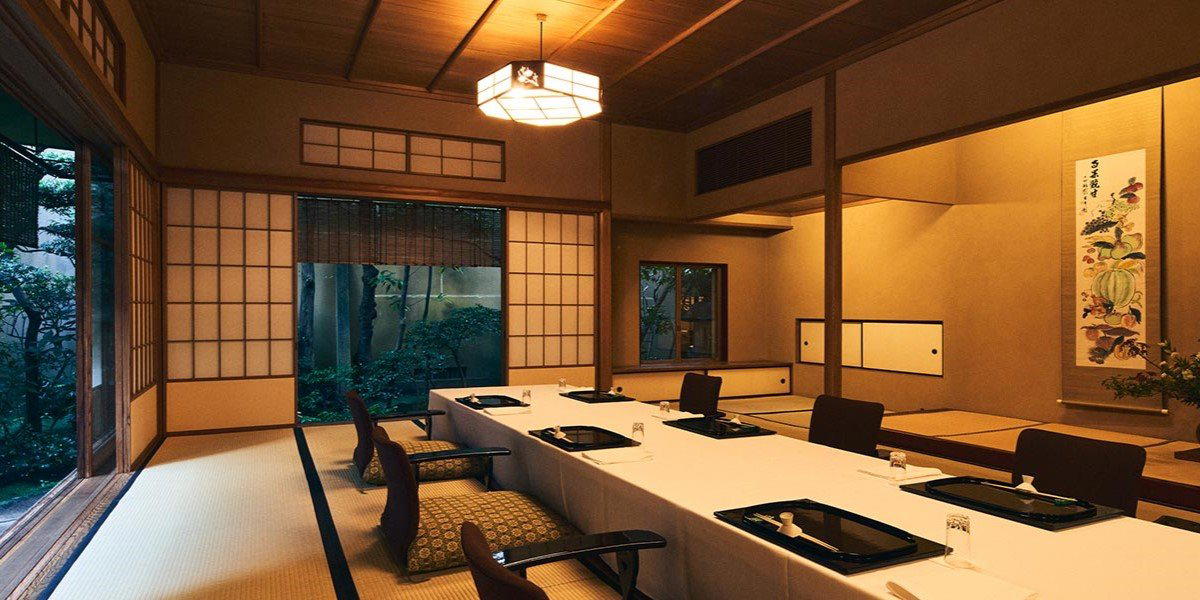
Where Nihonbashi Eats Soba
The neighbourhood around Ningyocho has long operated at a different frequency from Tokyo's trendier dining quarters. Chuo City's old Shitamachi streets, the low city, as Edo-era merchants knew them, carry an architectural and commercial character that resists the constant turnover defining areas like Shibuya or Roppongi. Soba fits here in a way it never quite does in glass-and-steel districts. The grain is milled, the broth drawn, the bowl assembled; there is no theatre, no tableside element, no chef whose name precedes the restaurant by several syllables. The category rewards attention to process over presentation, and Nihonbashi's surviving specialists have built their reputations on exactly that.
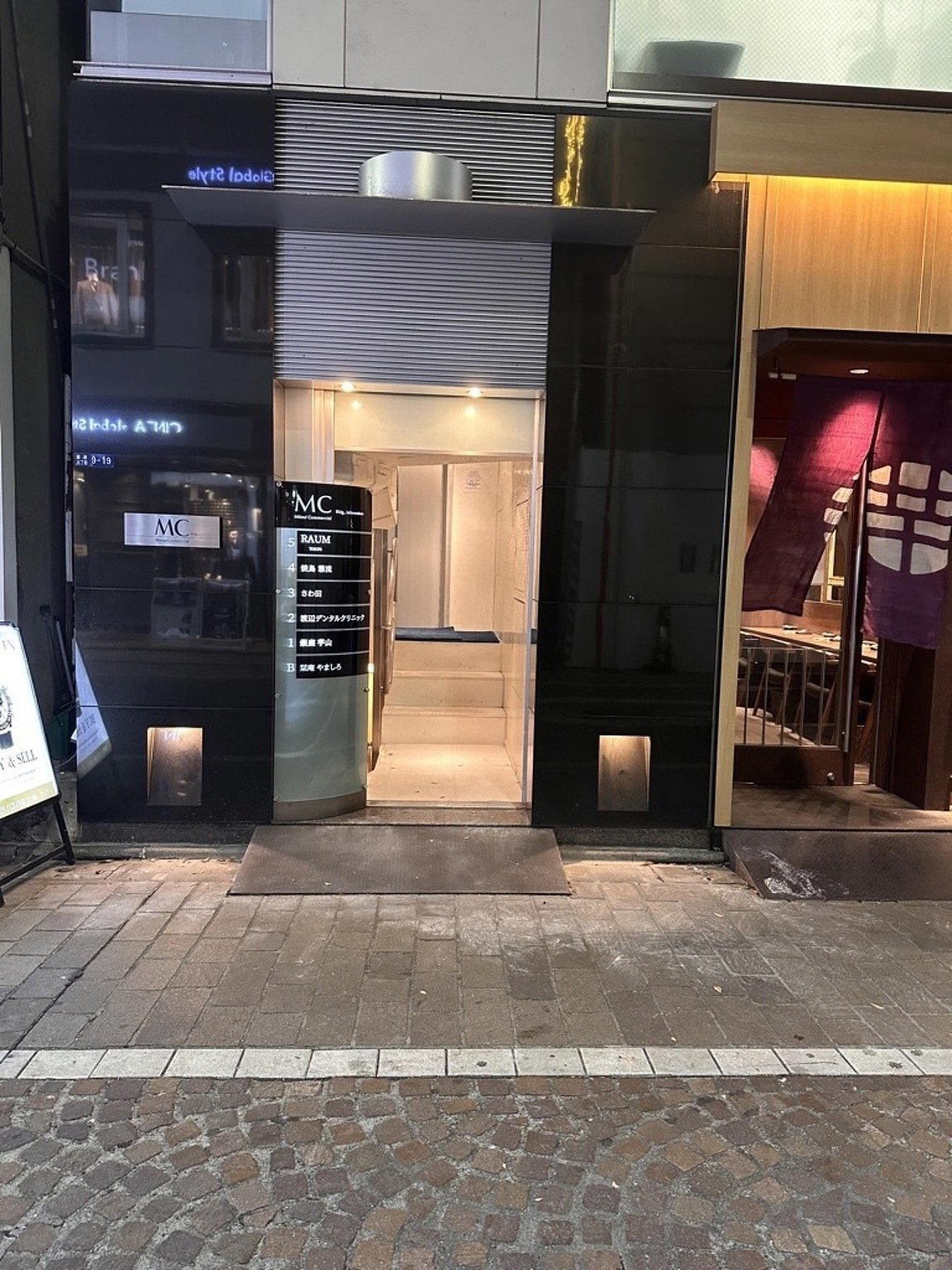
Hamadaya occupies a Ningyocho address, 3 Chome-13-5, a few minutes from the Ningyocho station exits, in the kind of dense residential-commercial block where a soba counter feels like a civic institution rather than a dining destination. The street-level approach involves the low visual signals typical of serious Tokyo soba houses: restrained signage, a sliding door or暖簾 (noren), the faint smell of dashi that announces purpose before you've sat down.
Soba and the Logic of a Lunch Counter
Tokyo's soba tradition divides, broadly, into two registers. The fast-standing bars (tachigui-soba) at rail stations serve buckwheat at commuter speed with commuter margins. At the opposite end, a handful of high-craft specialists, some operating by reservation only, some with OAD listings in the top 50, treat soba as a discipline comparable to kaiseki in its precision. Hamadaya operates in the middle territory: a sit-down house with both lunch and dinner service, ranked #541 on Opinionated About Dining's 2025 Japan list. That positioning places it within a specific and well-defined cohort of neighbourhood soba houses that are taken seriously by local regulars and OAD contributors without requiring destination-level planning to visit.
This mid-tier classification is not a demotion. In a city where soba houses number in the thousands, the OAD ranking signals genuine differentiation: consistent enough execution, credible enough sourcing, and a dining room that earns repeat visits rather than one-off pilgrimages. Nearby Nihonbashi peers, including Hamacho Kaneko and Edosoba Hosokawa, occupy related positions in Tokyo's eastern soba circuit, each drawing from the same Shitamachi tradition while landing at slightly different points on the craft-to-accessibility spectrum.
What the Atmosphere Carries
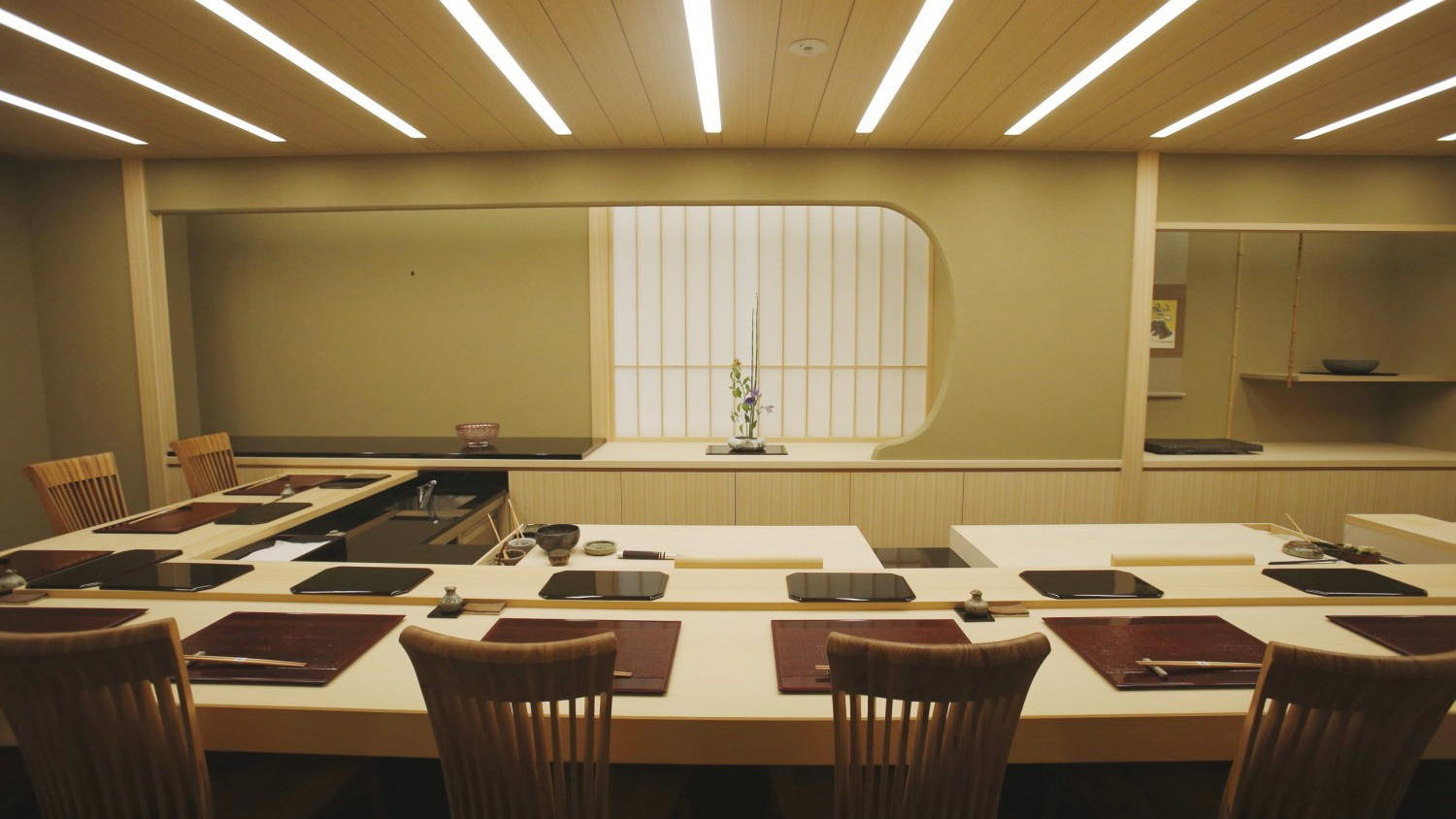
Good soba houses are sensory environments calibrated to a specific kind of quiet. The sound profile tends toward wooden surfaces absorbing low conversation, the scrape of lacquer bowls, the near-silence of a kitchen that doesn't involve open flames or aggressive sautéing. At Hamadaya, the Ningyocho setting extends that logic: a neighbourhood that retains enough pre-bubble Tokyo character to make a plain wooden interior feel natural rather than theatrical. The visual language of a serious Tokyo soba counter, natural materials, minimal colour, bowls that don't compete with their contents, functions as a form of editorial restraint. The food is the signal; the room keeps quiet.
Lunch service runs from 11:30 am to 3 pm on Monday, Wednesday, Thursday, Friday, and Saturday, making Hamadaya a genuine working-day lunch option for the surrounding Chuo office and residential population. Dinner extends to 10 pm on those same days, plus Tuesday evenings. Sunday is closed. The dual-service format suggests a house built around neighbourhood rhythm rather than destination traffic, which in turn shapes the room: expect the particular lunchtime energy of Tokyo's Shitamachi soba counters, where table turnover is efficient without feeling pressured, and the evening pace carries more space between courses.
Tokyo Soba in Regional Perspective
Soba geography in Japan runs roughly from the high-altitude buckwheat-growing regions, Nagano, Iwate, parts of Hokkaido, down to the consuming cities, where Tokyo has historically been the dominant retail market. The Edo tradition developed its own characteristic style: slightly thinner noodles, a sharper tsuyu built on bonito-forward dashi, and a culture of quick, precise eating that reflects the merchant-class origins of the city's soba houses. Hamadaya's Ningyocho address places it within that tradition, geographically and culturally, in a way that a soba counter in, say, Minami-Aoyama simply couldn't claim.
For readers building a broader Japan itinerary, the soba category extends well beyond Tokyo. Ayamedo in Osaka and Chikuyuan Taro no Atsumori in Kyoto offer regional comparisons with different house styles and local sourcing logic. Within Tokyo itself, the soba circuit extends across several districts: Akasaka Sunaba and Azabukawakamian anchor the western side of the city, while Ittoan operates in its own distinct register. Mapping these across a Tokyo stay gives a more honest picture of the category's range than any single visit provides.
Planning a Visit
Hamadaya sits at 3 Chome-13-5 Nihonbashiningyocho, Chuo City, Tokyo 103-0013, a short walk from Ningyocho Station on the Hibiya and Asakusa subway lines. The lunch window, 11:30 am to 3 pm, aligns well with a morning spent in the broader Nihonbashi area, which contains enough textile history, old merchant architecture, and serious food options to build a half-day around. The dinner window runs until 10 pm, late enough for a post-work visit without requiring early planning.
| Venue | Cuisine | OAD / Recognition | Service Format | Closed |
|---|---|---|---|---|
| Hamadaya | Soba | OAD Japan #541 (2025) | Lunch & Dinner | Sunday |
| Hamacho Kaneko | Soba | Nihonbashi area peer | Lunch & Dinner | Varies |
| Edosoba Hosokawa | Soba | Recognised specialist | Lunch & Dinner | Varies |
| Akasaka Sunaba | Soba | Long-standing institution | Lunch & Dinner | Varies |
Wider Japan itineraries can extend to HAJIME in Osaka, Gion Sasaki in Kyoto, akordu in Nara, Goh in Fukuoka, 1000 in Yokohama, and 6 in Okinawa.
Category Peers
Comparable venues nearby, for context on price, style, and recognition.
| Venue | Cuisine | Price | Notes |
|---|---|---|---|
| HamadayaThis venue — the venue you are viewing | Traditional Japanese Kaiseki Ryotei | $$$$ | Not listed |
| Kashiwade no Tsukasa Suikouan | Tea Kaiseki | $$$$ | Minato |
| Akimoto | Premium Traditional Unagi (Eel) | $$$$ | Setagaya |
| Motoyoshi (天ぷら 元吉) | Michelin-Starred Modern Tempura Omakase | $$$$ | Ebisu |
| Hyoki Shabu-shabu Yaesu | Kyoto-style Dashi Shabu-shabu | $$$$ | Chūō |
| Azabu Muroi | Seasonal Kaiseki Omakase | $$$$ | Chūō |
Recognition history
Dated appearances from independent guides and award organizations, with the underlying list record or original source where available.
Opinionated About Dining Top Restaurants in Japan Recommended
Opinionated About Dining
Opinionated About Dining Top Restaurants in Japan Ranked #541
Opinionated About Dining
Continue exploring
More in Tokyo
More from Chef Various
Browse all →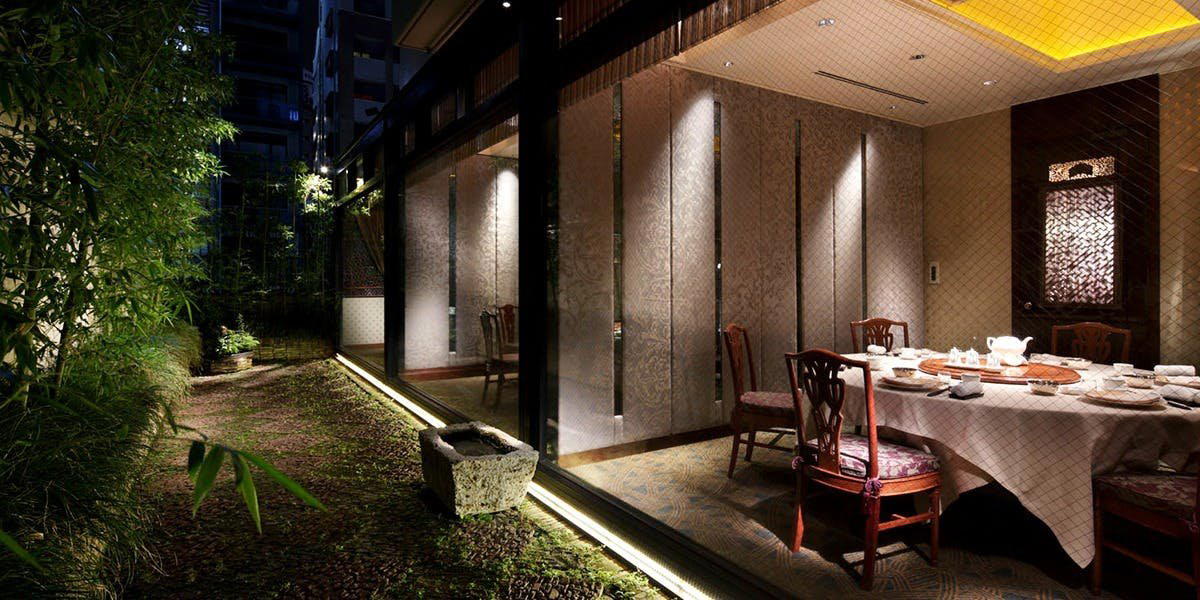
Restaurants in Tokyo
Browse all →


Bars in Tokyo
Browse all →



At a Glance
- Elegant
- Classic
- Intimate
- Sophisticated
- Cozy
- Special Occasion
- Date Night
- Anniversary
- Private Dining
- Garden
- Sake Program
- Garden
Current opening hours
- Monday
- 5–10 PM
- Tuesday
- 5–10 PM
- Wednesday
- 11 AM–3 PM, 5–10 PM
- Thursday
- 11 AM–3 PM, 5–10 PM
- Friday
- 11 AM–3 PM, 5–10 PM
- Saturday
- 11 AM–3 PM, 5–10 PM
- Sunday
- Closed
Hours can change for holidays and private events. Last verified .
Serene and sophisticated with antique furnishings, traditional artwork, and garden views creating an elegant Edo-period atmosphere.