

A Michelin Bib Gourmand soba shop in Sumida's Ryogoku district, Edosoba Hosokawa operates from the older, quieter end of Tokyo's buckwheat tradition. The à la carte menu spans juwari soba milled from raw buckwheat and seasonal tempura including conger eel, all served in a room that reads as an earnest preservation of Edo-era soba culture rather than a contemporary reinvention of it.
Pearl is the En Primeur Club membership app — saves, bookings, and concierge access live there. Same editors, same standards.
- Address
- 1 Chome-6-5 Kamezawa, Sumida City, Tokyo 130-0014, Japan
- Phone
- +81 3-3626-1125
- Website
- edosoba-hosokawa.jp
- Directions
- Get directions
 Saves & bookings on Pearl
Ryogoku sits on the eastern bank of the Sumida River, a neighbourhood shaped more by sumo tradition and shitamachi history than by the restaurant press. Soba has belonged to this part of Tokyo for centuries, not as a subject of culinary theatre, but as ordinary, functional food that happened to be made with unusual care. The soba shops that remain here carry that character: counter seating, unhurried service, rooms where the crockery and the room itself feel deliberately unchanged. Edosoba Hosokawa, at 1 Chome-6-5 Kamezawa, sits in that lineage. Arriving on foot from Ryogoku Station, the neighbourhood reads as residential and low-key, the restaurant signage modest enough that first-time visitors sometimes pass it.
The Soba Tradition This Shop Belongs To
Tokyo's soba culture divides into a few distinct registers. There are the high-volume standing bars near train stations, efficient and forgettable. There are the mid-century neighbourhood shops that have survived by inertia rather than ambition. And then there is a smaller tier, the shops where buckwheat sourcing, milling method, and noodle texture are treated with the same seriousness that the city's kaiseki counters give to dashi. Edosoba Hosokawa belongs to this last group. The approach here is juwari: noodles made from 100% raw buckwheat flour, without the wheat flour binder that most soba shops use for workability and shelf life. Juwari demands precision at every stage, the hydration, the kneading, the cutting, and the resulting noodle is more fragile, more direct in flavour, and considerably harder to execute than the standard hachi-ni (80/20) blend.
The buckwheat itself is sourced across Japan, a procurement approach that reflects the reality that buckwheat quality varies significantly by region, growing season, and harvest timing. The shop's Katsushika-born founder built the menu around an ingredient-first principle, and the sourcing is the operational expression of that principle. This kind of ingredient commitment is common in Tokyo's leading tasting-menu tier, RyuGin at the three-Michelin-star level, or Den at two stars, both frame their cooking around seasonal Japanese sourcing. Hosokawa applies a structurally similar logic at a fraction of the price point, within a format that is quintessentially edo rather than contemporary tasting-menu Japanese.
What to Order, and Why It Matters
The menu at Edosoba Hosokawa is à la carte, which means the experience is shaped by the choices a diner makes rather than by a fixed sequence. The juwari soba is the central reference point: fine, silky, and served simply enough that the buckwheat character carries without distraction. In Tokyo's soba culture, how a shop presents its cold zaru soba is the clearest read of its technical standards. The noodle texture here, smooth on the surface, firm without brittleness, reflects both the quality of the raw flour and the skill of the hand that cut it.
À la carte offerings extend to seasonal cooked preparations, with conger eel as a recurring feature in two forms: as tempura, fried to order, or simmered in a preparation that suits the fish's texture better than high heat. Conger eel (anago) is an ingredient with deep roots in Tokyo's Edo-era food culture, distinct from the freshwater unagi more commonly seen on menus, and its presence here reads as deliberate historical continuity rather than novelty. The vegetable and seafood tempura selections change with the season and with what the sourcing rounds up. This is not a menu that aspires to be comprehensive, and that restraint is part of its logic.
What Should I Eat at Edosoba Hosokawa?
Juwari soba is the non-negotiable order. Among soba shops with Michelin recognition in Tokyo, the handmade juwari format is comparatively rare, most hold a wheat proportion for workability, so this is the item that most clearly separates the kitchen's approach from its neighbours. Follow it with one of the conger eel preparations if available: the tempura version allows the kitchen's frying temperature and timing to show, while the simmered version gives a different read on how the kitchen handles the same ingredient. The crockery and presentation are part of the experience as much as the food itself, consistent with the room's overall character.
The Room and Its Register
Tokyo's premium dining belt, the Ginza counter restaurants, the Minami-Aoyama tasting rooms, operates in a mode of studied minimalism, where the design signals expense without decoration. Ryogoku's soba shops work from a different tradition entirely. The aesthetic here is not minimalism but preservation: low ceilings, wooden surfaces worn by use, ceramics that look chosen for function and replaced only when broken. The interior at Hosokawa fits this template. It reads as an old-time soba shop because it is one, not because a designer recreated the effect. For visitors accustomed to Tokyo's more theatrical dining experiences, the room can require recalibration. The value is not withheld until the food arrives; it begins in the approach.
Booking, Timing, and the Logistics of Getting Here
The Michelin Bib Gourmand recognition (2024) creates a specific planning problem for a small neighbourhood soba shop: the volume of interest it generates now routinely exceeds the shop's capacity. Hosokawa is walk-in friendly, with opening hours limited to Wednesday through Sunday at lunch service.
For practical planning: Ryogoku is accessible directly from Ryogoku Station on the Oedo and Sobu lines, or from Kinshicho on the Sobu and Hanzomon lines. Arriving early, particularly for lunch, is one reliable method of securing a seat without advance arrangement. The neighbourhood itself warrants time: the Edo-Tokyo Museum, the sumo stable district, and the Sumida River walks form a half-day context that makes Ryogoku a destination visit rather than a detour. Building a meal here into a Sumida itinerary rather than treating it as a standalone reservation reduces the logistics friction.
For visitors constructing a wider Tokyo soba itinerary, the comparison set is worth mapping. Akasaka Sunaba, Azabukawakamian, Hamacho Kaneko, and Ittoan each represent a different register of Tokyo's buckwheat tradition, and comparing them reveals more about the category than any single visit can. For the broader Japanese soba context, Ayamedo in Osaka and Chikuyuan Taro no Atsumori in Kyoto show how the tradition translates outside Tokyo's shitamachi frame.
Context Within Tokyo's Wider Dining Picture
Hosokawa holds a Michelin Bib Gourmand at the ¥ price tier, a combination that places it in a distinct position relative to Tokyo's more discussed restaurant categories. The city's three-star tier, venues like Hamadaya, operates in a mode where the booking process, the occasion context, and the price point are themselves part of the offering. At the Bib Gourmand level, Michelin's signal is different: accessible cost, consistent quality, a reason to cross town. Hosokawa earns that signal through ingredient rigour and technical consistency in a format that has no theatrical layer to compensate for a shortfall in either.
For visitors constructing a Tokyo food itinerary beyond the kaiseki and sushi counters, the Sumida district offers a different kind of seriousness. The neighbourhood's food culture predates the modern restaurant press by generations. Hosokawa is one visible point in that continuity. For the full Tokyo picture, our full Tokyo restaurants guide maps the city across categories and price tiers. If you're building a multi-day Japan itinerary, consider also Gion Sasaki in Kyoto, HAJIME in Osaka, akordu in Nara, Goh in Fukuoka, 1000 in Yokohama, and 6 in Okinawa as reference points across Japan's regional dining registers. For everything else Tokyo offers beyond the table, our Tokyo hotels guide, bars guide, wineries guide, and experiences guide cover the wider picture.
Know Before You Go
- Address: 1 Chome-6-5 Kamezawa, Sumida City, Tokyo 130-0014
- Cuisine: Soba (juwari, à la carte)
- Price range: ¥ (accessible)
- Award: Michelin Bib Gourmand 2024 6 from 631 reviews
- Getting there: Ryogoku Station (Oedo/Sobu lines) or Kinshicho Station (Sobu/Hanzomon lines)
- Booking: No booking information confirmed; arriving early for lunch is one reliable approach
- Dress code: No formal dress code; neighbourhood casual is consistent with the room's register
Cost Snapshot
Comparable venues nearby, for context on price, style, and recognition.
| Venue | Cuisine | Price | Awards | Notes |
|---|---|---|---|---|
| Edosoba HosokawaThis venue — the venue you are viewing | Sumida, Traditional Edo Soba | $$$ | Bib Gourmand | Not listed |
| Shokudo Uyuki | Taitō, Seasonal Japanese Omakase | $$$ | Michelin Plate | Not listed |
| Hatsuogawa | Taitō, Traditional Japanese Unagi | $$ | Bib Gourmand | Not listed |
| Tsunokamizaka Koshiba | Shinjuku, Kansai-style Kaiseki Kappo | $$$$ | Michelin Plate | Not listed |
| Mejiro Zorome | Toshima, Edo-style Unagi with Kyosui Eel | $$$ | Bib Gourmand | Not listed |
| Hashimoto Unagi | Not listed | $$$ | Bib Gourmand | Bunkyō, Traditional Edo-Style Grilled Eel (Unagi) |
Recognition history
Dated appearances from independent guides and award organizations, with the underlying list record or original source where available.
Michelin Bib Gourmand
Michelin
Tabelog 100 #41 · No. 41
Tabelog · Tabelog 100 - Soba - EAST - 2025
Michelin Bib Gourmand
Michelin






At a Glance
- Quiet
- Elegant
- Sophisticated
- Business Dinner
- Casual Hangout
- Solo
- Standalone
- Historic Building
- Sake Program
- Local Sourcing
- Farm To Table
Current opening hours
- Monday
- Closed
- Tuesday
- Closed
- Wednesday
- 11:30 AM–3:30 PM
- Thursday
- 11:30 AM–3:30 PM
- Friday
- 11:30 AM–3:30 PM
- Saturday
- 11:30 AM–3:30 PM
- Sunday
- 11:30 AM–3:30 PM
Hours can change for holidays and private events. Last verified .
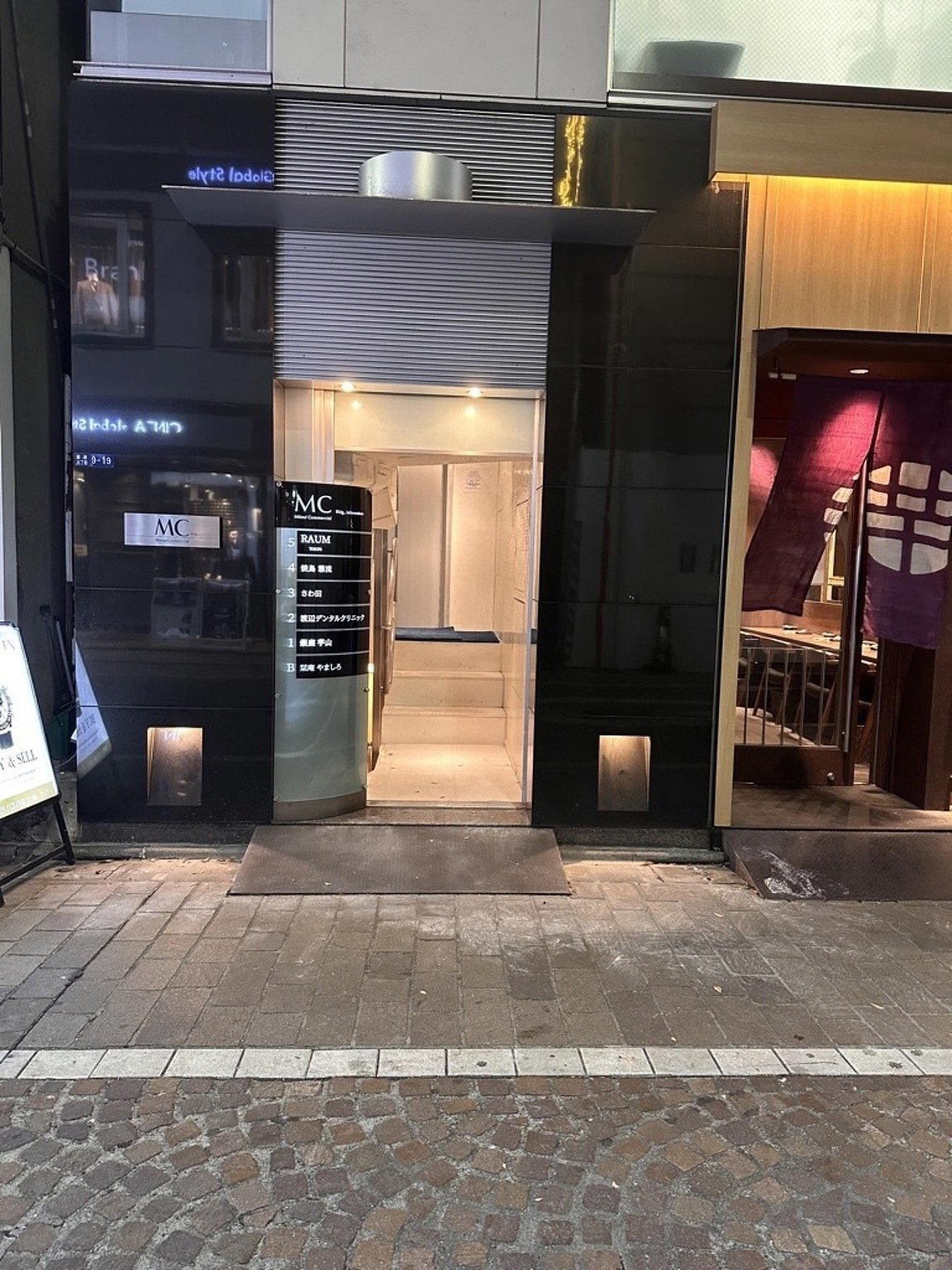
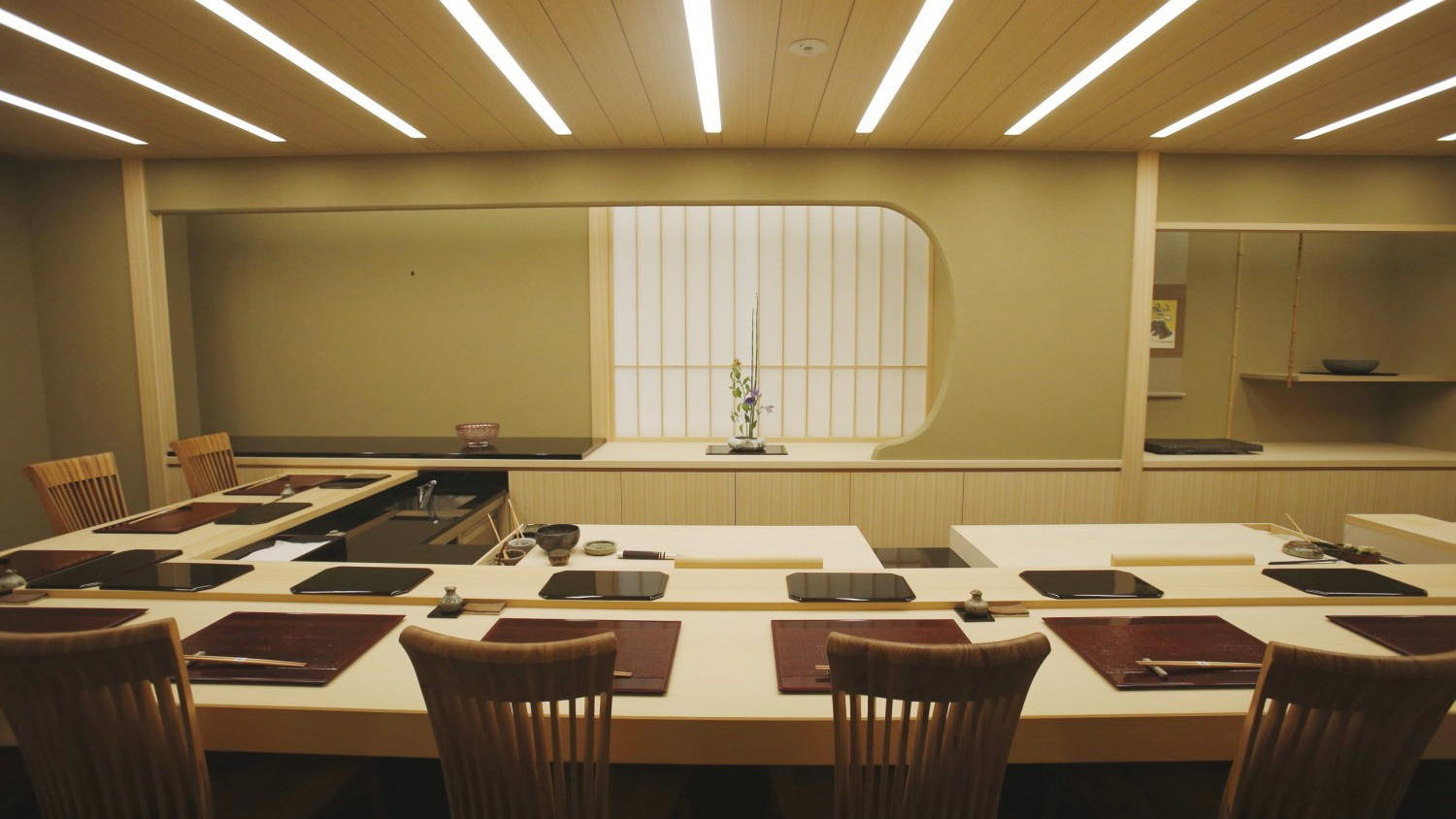
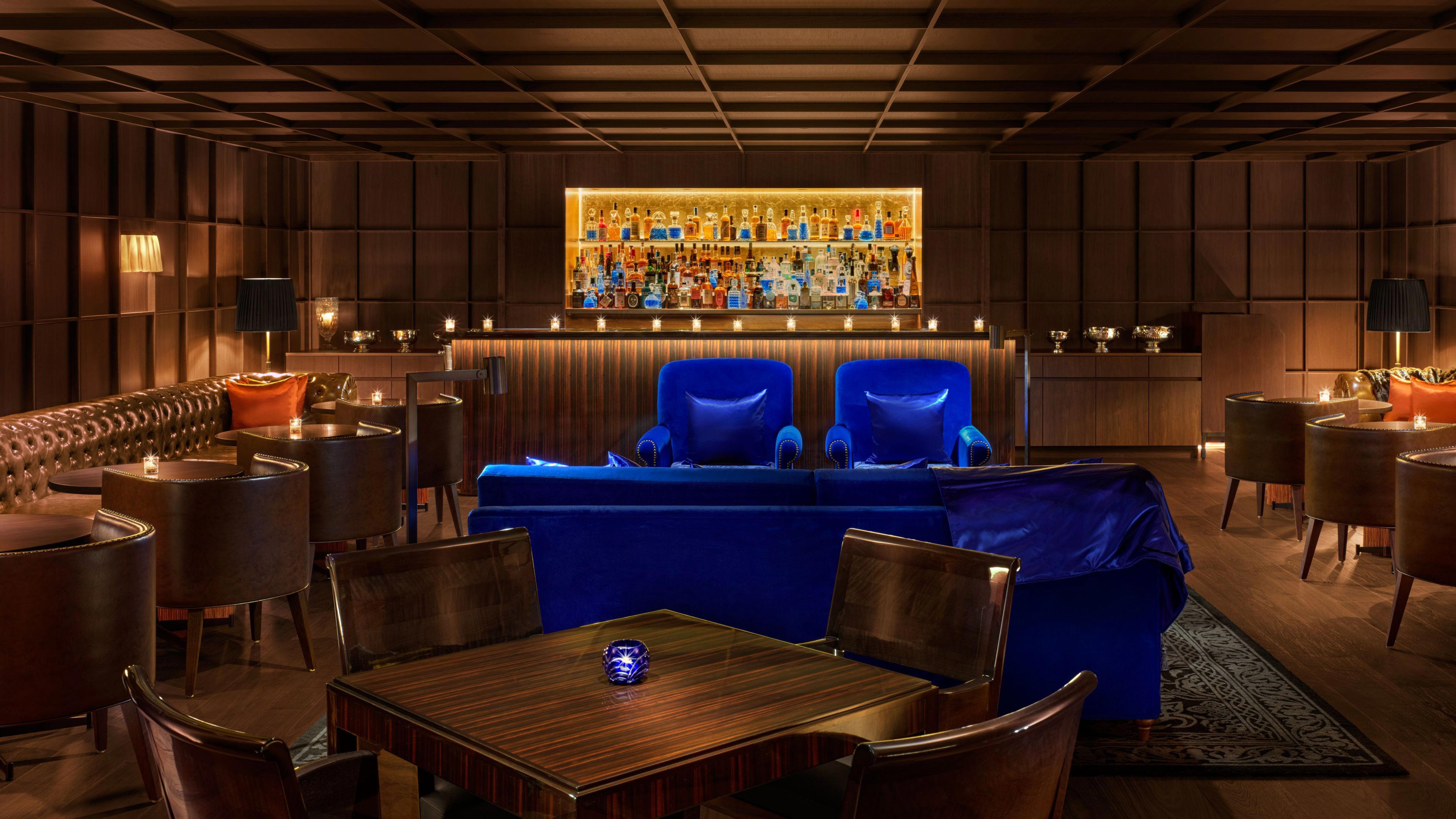
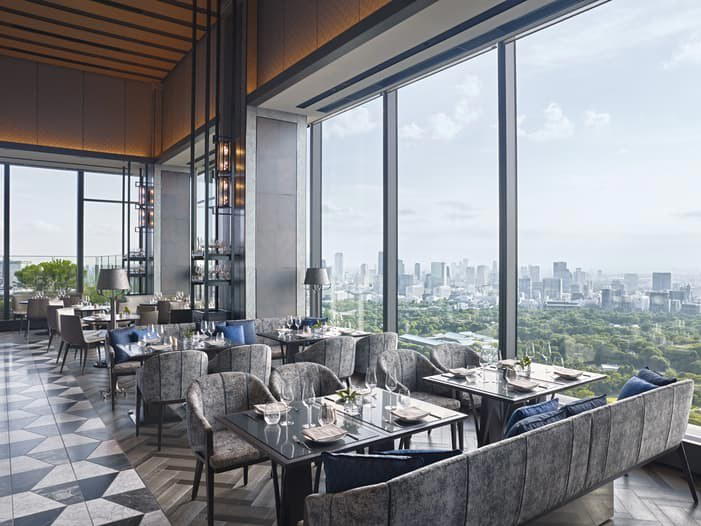
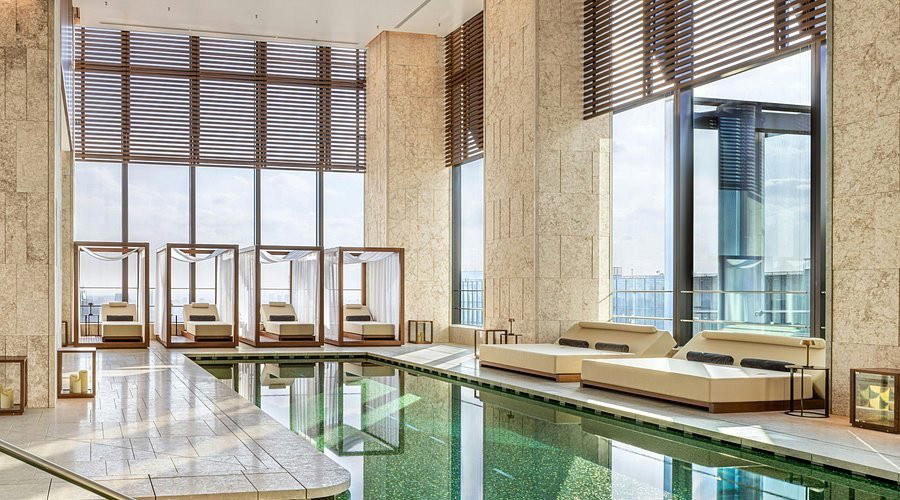
Sophisticated traditional Japanese aesthetic with modern design elements, creating a calm and refined atmosphere in a quiet alley setting.