
Michelin Plate
Our verdict
Hibinoryori Viola in Minami Azabu holds a Michelin Plate recognition (2024 and 2025) for home-style Japanese cooking grounded in kaiseki discipline. A mother-daughter team runs the kitchen, drawing seasonal soup stock with care and serving generously portioned vegetable dishes alongside freshly cooked rice. The ¥¥¥ pricing places it in the mid-to-upper residential dining tier, distinct from the grand-format kaiseki counters nearby.

Pearl is the En Primeur Club membership app — saves, bookings, and concierge access live there. Same editors, same standards.
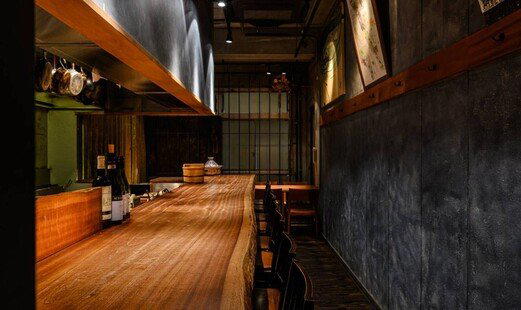
Where Daily Japanese Cooking Meets Kaiseki Discipline
Minami Azabu sits in a residential quarter of Minato City that has long supported a particular style of dining: intimate, neighbourhood-rooted, and largely invisible to tourists navigating the more conspicuous corridors of Ginza or Roppongi. The streets around 4-chome feel quieter than their proximity to central Tokyo suggests, and the restaurants that occupy ground-floor spaces in these low-rise blocks tend to earn their following through repetition and trust rather than spectacle. Hibinoryori Viola belongs to that category.
Sourcing and the Seasonal Stock
The editorial angle here is ingredient sourcing, and at Viola the argument starts with dashi. In Japanese home cooking, as in kaiseki, soup stock is the primary carrier of flavour and the clearest signal of a cook's rigour. At Viola, the dashi is drawn from select seasonal ingredients with deliberate care — a practice that places the kitchen in direct conversation with the kaiseki tradition even as the overall format stays resolutely domestic. This is not the same as serving a formal kaiseki menu; it is the application of kaiseki-level sourcing logic to the register of everyday Japanese cooking.
The distinction matters because it defines a small but meaningful niche in Tokyo's broader restaurant spectrum. At the high-altitude end, places like Azabu Kadowaki and Kagurazaka Ishikawa deploy seasonal ingredients inside a formal multi-course architecture with pricing to match (¥¥¥¥). Further across the spectrum, Jingumae Higuchi and Ginza Fukuju represent the more ceremonial end of seasonal Japanese dining. Viola operates differently: the ¥¥¥ pricing and home-cooking frame suggest a deliberate choice to keep the food accessible in register while maintaining discipline in sourcing. That combination is rarer in practice than it sounds in theory.
The Lineage Behind the Menu
Family structure of the kitchen gives the sourcing philosophy a specific cultural grounding. The chef responsible for the menu is the daughter of the head of a tea ceremony school — a lineage that shapes what ingredient sourcing means in this context. Tea ceremony culture places acute emphasis on seasonality, on the rightness of materials at a given moment, and on the way a host's choices communicate care to guests. Transferred into a restaurant kitchen, this sensibility expresses itself in how stock is drawn and how seasonal vegetables are selected and prepared, not in visual theatrics or elaborate plating conventions.
A mother-daughter team operates the restaurant together, and that structural fact reinforces the domestic register. The menu, as described, is authored by the mother. The framing is explicit: the guiding principle is daily Japanese home cooking, with soup stock drawn from seasonal ingredients and rice served fresh-cooked alongside comfort food preparations. The cooked vegetable salad, described as generously portioned, is the kind of dish that functions as a measure of sourcing quality precisely because it is not hidden behind technique.
Michelin Recognition and What It Signals
Hibinoryori Viola received the Michelin Plate in both 2024 and 2025. The Plate designation, in Michelin's framework, indicates a restaurant serving food prepared to a good standard, it sits below star level but represents the guide's endorsement of consistent quality. For a restaurant operating in the home-cooking register at ¥¥¥ pricing, the Plate is a meaningful signal: the guide is recognising the kitchen's discipline and sourcing rigour without placing it in direct competition with the starred kaiseki establishments that dominate Tokyo's upper tier.
Tokyo's Michelin ecosystem is dense enough that a Plate recognition in a residential Minato neighbourhood carries genuine weight. The city held more Michelin-starred restaurants than any other city in the world for many consecutive years, and the guide's coverage extends deep into neighbourhood-scale operations. The competition at every price tier is serious. Against that backdrop, two consecutive years of Plate recognition for a family-run home-cooking restaurant reflects something beyond novelty.
For further context on Tokyo's Japanese dining scene at different price and format tiers, see Myojaku and our full Tokyo restaurants guide.
How Viola Sits in the Wider Japan Dining Picture
Across Japan, the tension between formal and domestic cooking registers plays out differently by city. In Kyoto, restaurants like Isshisoden Nakamura and Gion Sasaki operate within a kaiseki tradition that is inseparable from the city's cultural institutions. In Osaka, Kashiwaya Osaka Senriyama and HAJIME represent a different calibration of formality and ambition. Viola's position in this map is closer to the concept explored at places like akordu in Nara or Goh in Fukuoka, restaurants where the format is intimate and the sourcing rigour does the heavy lifting rather than the production values. For regional variety beyond the main cities, 1000 in Yokohama and 6 in Okinawa offer further reference points.
Planning Your Visit
Hibinoryori Viola is located at 4-chome 12-4, Minami Azabu, Minato City, Tokyo, a first-floor space in a residential block. Budget: ¥¥¥, placing it in the mid-to-upper range for neighbourhood Japanese dining, below the ¥¥¥¥ tier occupied by starred kaiseki counters. Reservations: Walk-in availability is not confirmed and is unlikely to be reliable given the small-scale residential format. Dress: No formal dress code is documented, but the neighbourhood character and home-cooking register suggest smart casual is appropriate. For wider planning across Tokyo's restaurants, hotels, bars, and experiences, see our full Tokyo hotels guide, our full Tokyo bars guide, our full Tokyo wineries guide, and our full Tokyo experiences guide.
Frequently asked questions
Is Hibinoryori Viola award-winning?
Hibinoryori Viola has received recognition including: A mother-daughter team opened this restaurant out of a desire to spread Japanese culinary culture. The chef and author of the menu is the mother, herself the daughter of the head of a tea ceremony school. The guiding principle is to base th….
What should I eat at Hibinoryori Viola?
The menu is grounded in daily Japanese home cooking with kaiseki-level sourcing discipline. The seasonally drawn soup stock sets the baseline for the meal, while a generously portioned cooked-vegetable salad and freshly steamed rice served alongside Japanese comfort food represent the kitchen's core offering. Given the Michelin Plate recognition in both 2024 and 2025, ordering broadly across the set meal is the practical approach rather than singling out individual dishes.
What's the pricing like at Hibinoryori Viola?
Pricing at Hibinoryori Viola is listed as ¥¥¥.
Can I walk in to Hibinoryori Viola?
Walking in without a reservation is inadvisable. Viola operates as a small-format, mother-daughter restaurant on the first floor of a residential block at 4-chome 12-4 Minami Azabu, Minato City — the kind of space where covers are limited and demand from the local neighbourhood alone keeps seats filled. Securing a reservation in advance is the standard expectation at ¥¥¥ Tokyo restaurants of this scale.
Budget Reality Check
Comparable options at a glance, pulled from our tracked venues.
| Venue | Cuisine | Price | Awards | Notes |
|---|---|---|---|---|
| Hibinoryori ViolaThis venue — the venue you are viewing | Kaiseki Home Cooking | $100–150 | Michelin Plate | Not listed |
| Harutaka | Edo-Style Omakase Sushi | $200–300 | 3 Michelin Stars · World's 50 Best #76 | Sushi |
| RyuGin | Modern Kaiseki | $500+ | 3 Michelin Stars · World's 50 Best #41 | Kaiseki, Japanese |
| L'Effervescence | Modern French with Japanese Influences | $200–300 | 3 Michelin Stars · World's 50 Best #69 | French |
| HOMMAGE | Modern French with Japanese Influences | $150–200 | 2 Michelin Stars · World's 50 Best #78 | Innovtive French, French |
| MAZ | Innovative Peruvian-Japanese Fusion | $150–200 | 2 Michelin Stars · World's 50 Best #28 | Innovative |
Recognition history
Dated appearances from independent guides and award organizations, with the underlying list record or original source where available.
Michelin Plate
Michelin
Full recognition history (3 entries)
Michelin Plate
Michelin
Michelin Plate
Michelin
Continue exploring
More in Tokyo
Restaurants in Tokyo
All restaurants in Tokyo →
Bars in Tokyo
All bars in Tokyo →
Details
- Cozy
- Elegant
- Intimate
- Relaxed
- Date Night
- Special Occasion
- Private Dining
- Sake Program
- A La Carte
- Sake
Current opening hours
- Monday
- 6–10 PM
- Tuesday
- 11 AM–2:30 PM, 6–10 PM
- Wednesday
- 11 AM–2:30 PM, 6–10 PM
- Thursday
- 11 AM–2:30 PM, 6–10 PM
- Friday
- 11 AM–2:30 PM, 6–10 PM
- Saturday
- 11 AM–2:30 PM, 6–10 PM
- Sunday
- Closed
Hours can change for holidays and private events. Last verified .
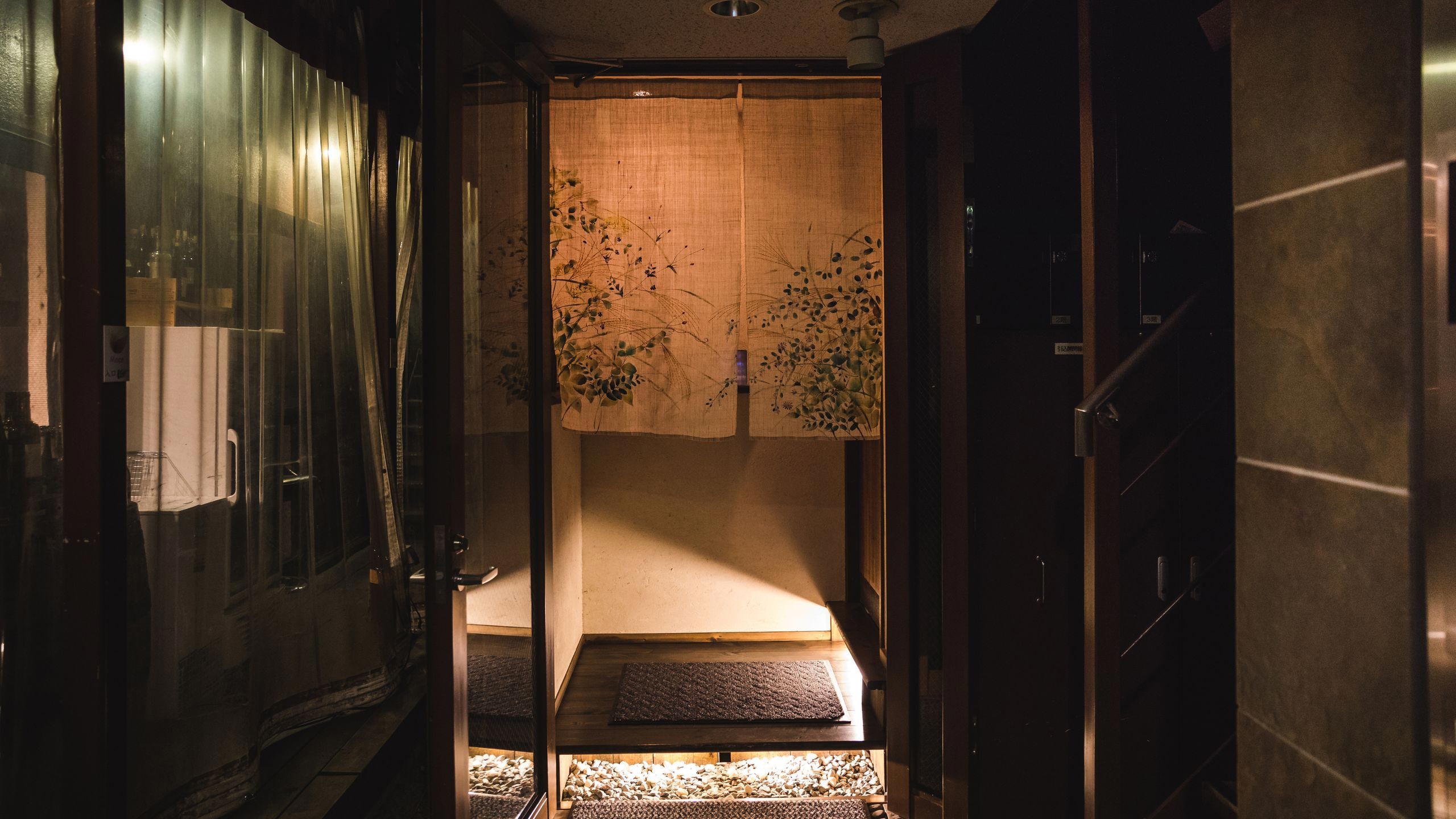
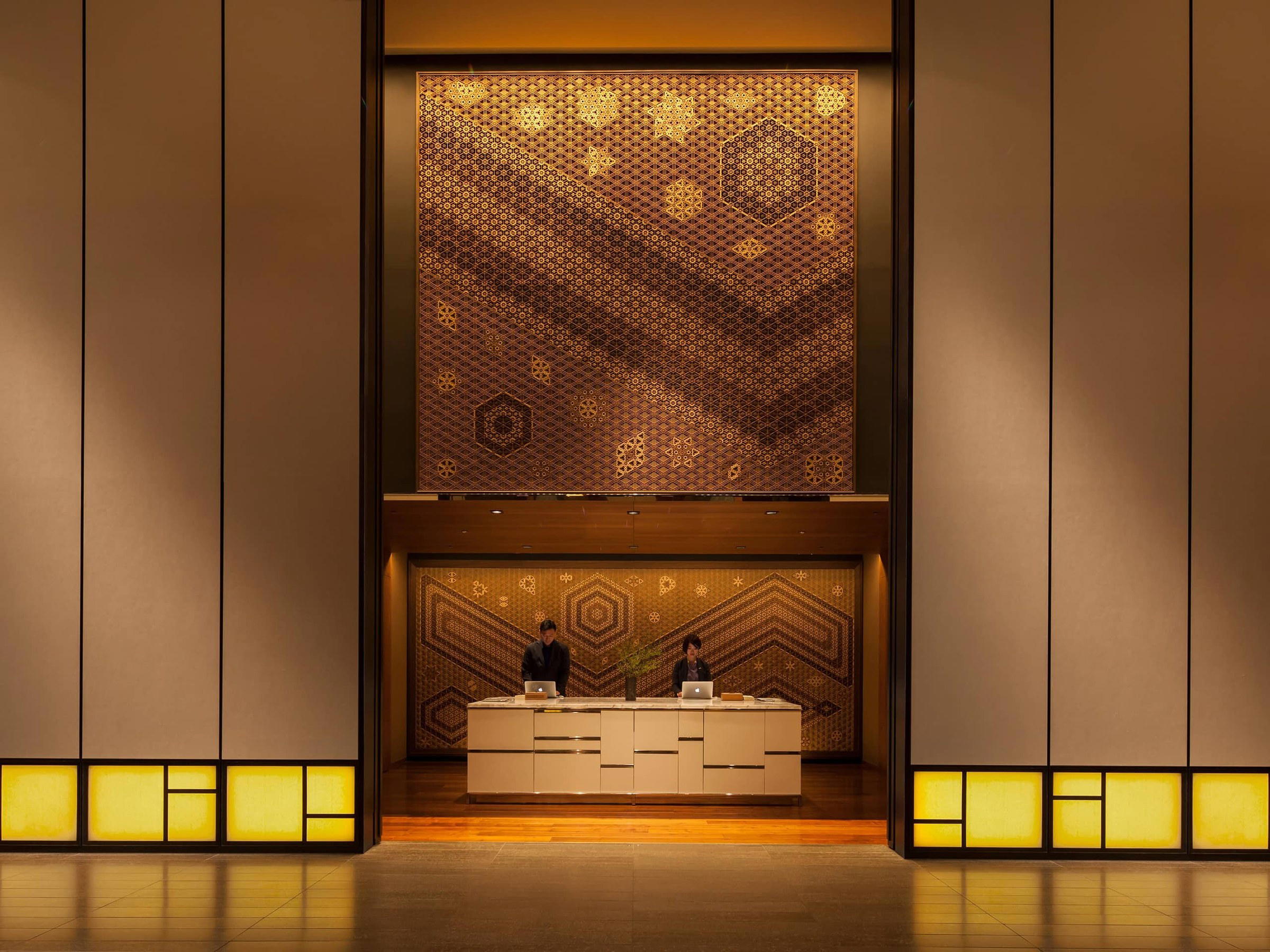
Relaxing space with soft lighting and stylish, relaxing atmosphere.