
A Michelin Plate kappo counter in Motoazabu's basement dining circuit, Kushima builds omakase menus around Miyazaki-sourced Japanese Black wagyu and a rotating cast of seasonal ingredients. The chef's fluency across char-grilling, shabu-shabu, and corned beef preparation gives the format range that purely sushi-focused counters rarely match.3, and the ¥¥¥ price point places it below Tokyo's upper-tier omakase bracket.
Pearl is the En Primeur Club membership app — saves, bookings, and concierge access live there. Same editors, same standards.
- Address
- Japan, 〒106-0046 Tokyo, Minato City, Motoazabu, 3 Chome−11−2 カドル麻布十 番B1
- Phone
- +81 3-6271-5516
- Website
- motoazabu-kushima.com
- Directions
- Get directions
 Saves & bookings on Pearl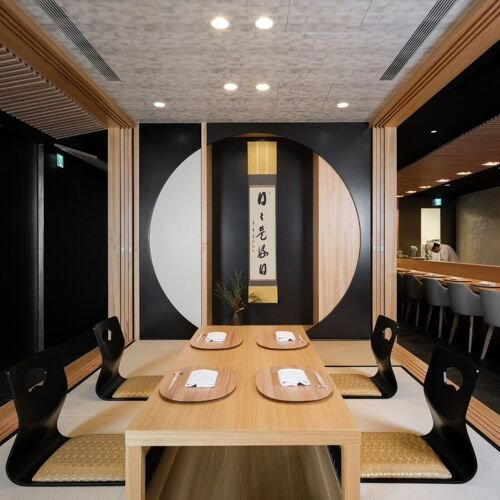
Kappo in the Age of the Occasion Meal
Tokyo's occasion dining scene has bifurcated sharply over the past decade. At the leading sits the ¥¥¥¥ tier: multi-Michelin counters in Ginza and Roppongi where a seat at Myojaku or a kaiseki progression at Kagurazaka Ishikawa functions less as dinner and more as a formal rite. Below that plateau, a more interesting stratum has grown: the ¥¥¥ kappo counter, where a single chef orchestrates the evening without the ceremonial distance of the full kaiseki format. Motoazabu Kushima sits in this middle tier, in the basement of a building on Motoazabu's residential fringe, and holds a 2025 Michelin Plate, the guide's signal that the kitchen consistently produces cooking worth the trip.
At the ¥¥¥ price point, that credential is meaningful: it places Kushima in a peer group that includes the lower tier of Azabu Kadowaki's neighbourhood circuit and the more accessible end of Minato's kappo tradition.
The Architecture of the Menu
Kappo as a format is built on chef discretion. Unlike kaiseki, which follows a codified progression of courses tied to seasonal aesthetics, kappo is a live negotiation between what arrived from the supplier that morning and what the chef decides to do with it. The word itself refers to the act of cutting and cooking, and the leading kappo counters use that flexibility to create meals that feel responsive rather than scripted. At Kushima, that responsiveness is anchored to a clear regional identity: Miyazaki-sourced Japanese Black wagyu, which the chef uses not as a single showpiece course but as a thread running through the omakase structure.
Japanese Black, the genetic category that encompasses particularly prized strains of wagyu, varies considerably by prefecture. Miyazaki wagyu has earned national championship recognition in Japan's prestigious Wagyu Olympics, and sourcing directly from the home region rather than through Tokyo intermediaries is a deliberate editorial choice within the menu. The homemade corned beef and the char-grilled preparations are cited as perennial favourites, and the shabu-shabu format allows the beef to be experienced at a different pace and temperature than grilled service. These are not separate dishes so much as different registers of the same conversation.
The seasonal counterweight comes from mushrooms, puffer fish, and crab, ingredients that mark out the calendar as clearly as any kaiseki menu, and that prevent the wagyu focus from narrowing the meal into monotony. Fugu (puffer fish) in particular requires a licensed preparation, and its presence signals a kitchen confident enough to take on one of Japanese cuisine's more technically demanding ingredients. The Michelin guide's notes describe the menu as freewheeling, which in this context means the chef adjusts the sequence and balance based on what is at peak condition rather than adhering to a fixed card.
Motoazabu as a Setting for Milestone Meals
The neighbourhood matters. Motoazabu is not Ginza, and that difference is intentional for a certain category of diner. The area runs quiet residential streets alongside embassies and low-density apartment buildings, with basement and ground-floor restaurants that function more as local institutions than as destination spectacles. Booking a meal here for an anniversary or a business dinner carries a different register than the glass-and-steel formality of a Roppongi high-rise counter. It reads as considered rather than performative, which is exactly the quality that makes a kappo counter work for an occasion where the meal is meant to feel personal rather than transactional.
Occasion meal format at a kappo counter also allows for a kind of narrative arc that prix-fixe restaurants in the European tradition attempt but rarely achieve as naturally. The chef at the counter reads the table, adjusts pace, introduces the fugu or crab at the moment that leading serves the evening's rhythm, and keeps the wagyu preparations spaced so that the richness doesn't accumulate too early. A birthday or celebration dinner at a counter of this scale has an intimacy that a sixty-seat restaurant cannot replicate. The evening is shaped around the people at the counter, not around a fixed timetable. This is a point worth noting when comparing Kushima to the more formal kaiseki tradition at venues like Ginza Fukuju or Jingumae Higuchi.
For those planning a broader Japan itinerary around similar dining experiences, the kappo and kaiseki tradition extends well beyond Tokyo. Gion Sasaki in Kyoto and Isshisoden Nakamura in Kyoto represent the Kyoto end of the tradition, while Kashiwaya Osaka Senriyama and HAJIME in Osaka show how the format evolves when transplanted to a city with a different culinary temperament. Further afield, akordu in Nara, Goh in Fukuoka, 1000 in Yokohama, and 6 in Okinawa each address the occasion meal in ways that reflect their respective cities' relationships to the Japanese dining canon.
Know Before You Go
Location: B1, Kadoru Azabu Juban building, 3-11-2 Motoazabu, Minato City, Tokyo 106-0046
Cuisine: Kappo / Japanese omakase with Miyazaki wagyu focus
Price Range: ¥¥¥ (mid-to-upper tier; below the ¥¥¥¥ Ginza omakase bracket)
Awards: Michelin Plate 2025
3
Leading For: Anniversaries, milestone dinners, business occasions, and smaller celebration groups who want counter intimacy over formal dining room scale
Note: Hours run Monday through Sunday from 5:00 PM to 10:30 PM, and reservations are essential.
Pricing, Compared
Comparable venues nearby, for context on price, style, and recognition.
| Venue | Cuisine | Price | Awards | Notes |
|---|---|---|---|---|
| Motoazabu KushimaThis venue — the venue you are viewing | Japanese | $$$$ | Michelin Plate | Not listed |
| Arakicho Kintsugi | Not listed | $$$$ | Michelin Plate | Shinjuku, Michelin-Recognized Seasonal Kaiseki Omakase |
| Tomura | Minato, Kyoto-style Kaiseki | $$$$ | Not listed | Not listed |
| Iyuki | Chūō, Kyoto-style Kaiseki | $$$$ | Not listed | Not listed |
| Obana | Arakawa, Traditional Edo-mae Unagi | $$$$ | Not listed | Not listed |
| SUKIYAKI ASAI | Minato, Traditional Omi Beef Sukiyaki | $$$$ | Michelin Plate | Not listed |
Recognition history
Dated appearances from independent guides and award organizations, with the underlying list record or original source where available.
Michelin Plate
Michelin
Michelin Plate
Michelin








At a Glance
- Intimate
- Elegant
- Sophisticated
- Business Dinner
- Special Occasion
- Date Night
- Chefs Counter
- Open Kitchen
- Private Dining
- Sake Program
- Local Sourcing
Current opening hours
- Monday
- 5–10:30 PM
- Tuesday
- 5–10:30 PM
- Wednesday
- 5–10:30 PM
- Thursday
- 5–10:30 PM
- Friday
- 5–10:30 PM
- Saturday
- 5–10:30 PM
- Sunday
- 5–10:30 PM
Hours can change for holidays and private events. Last verified .
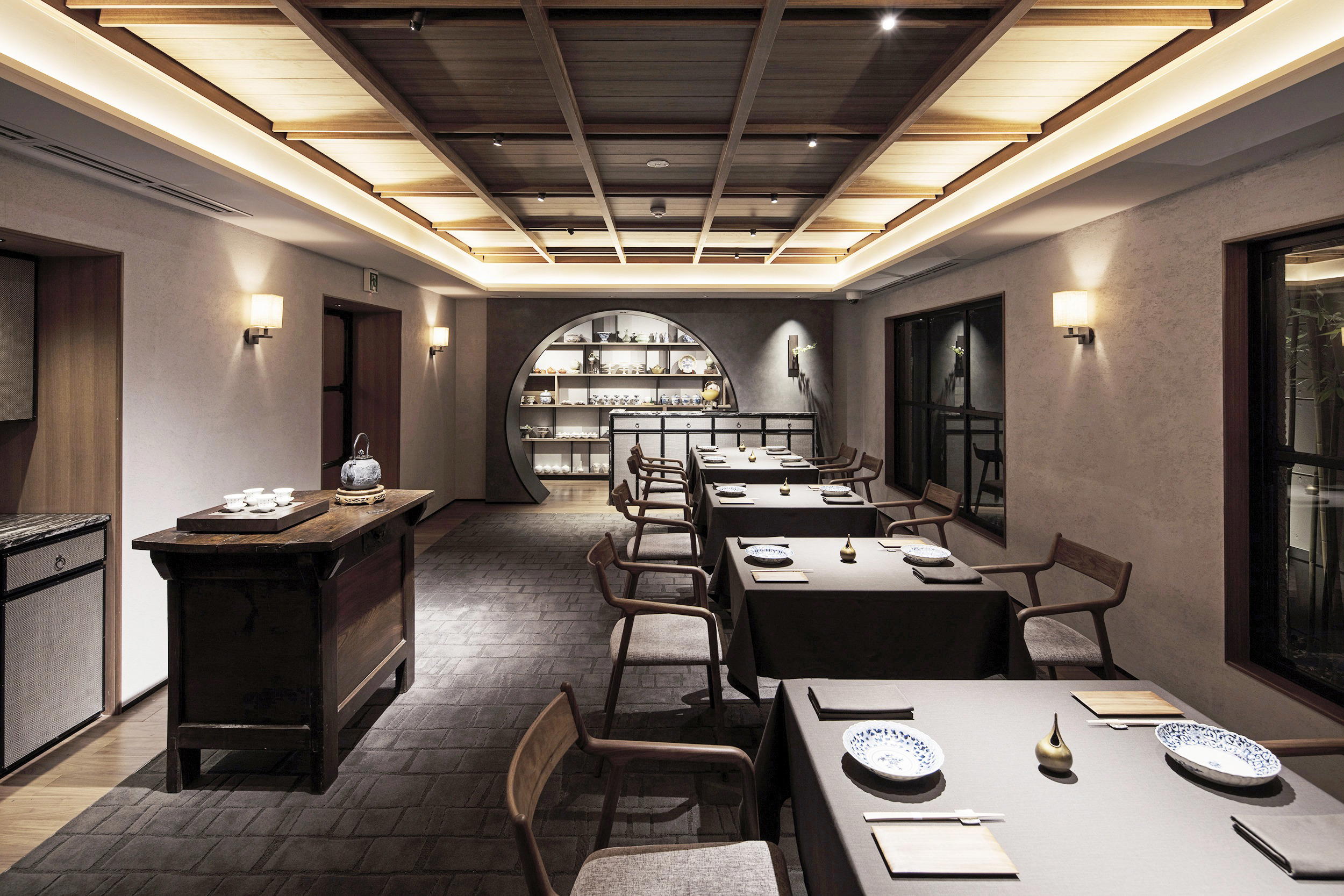
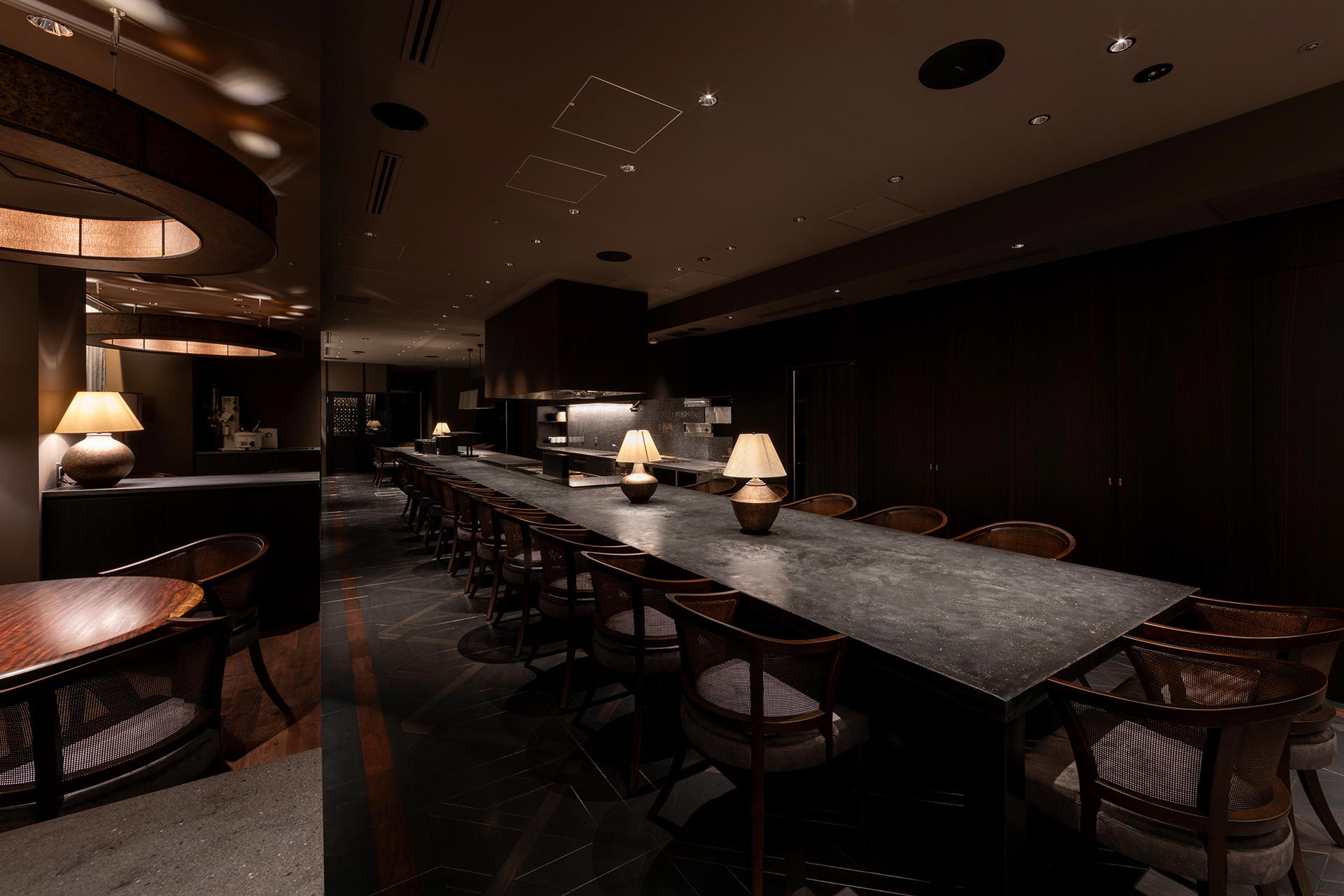
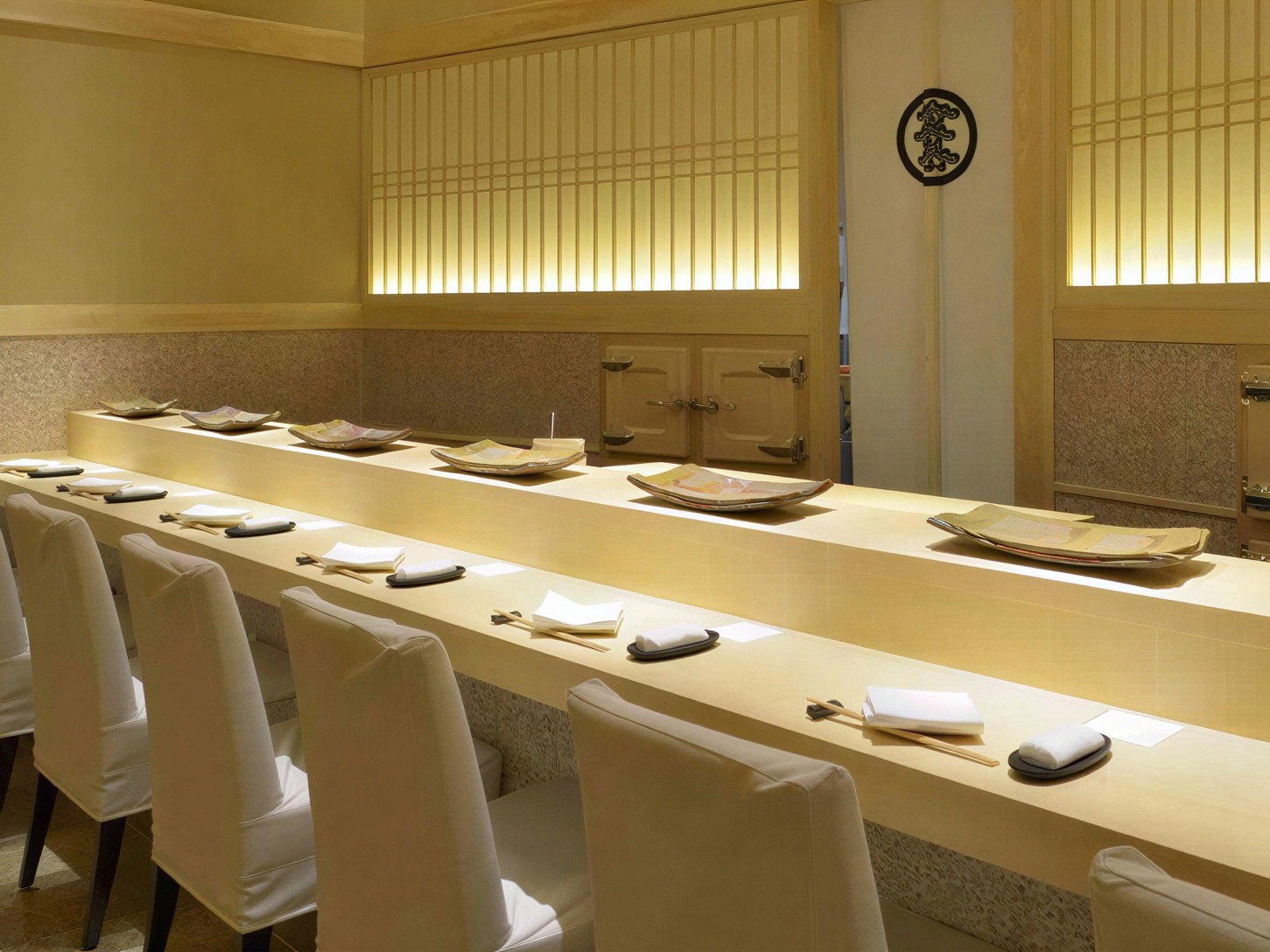
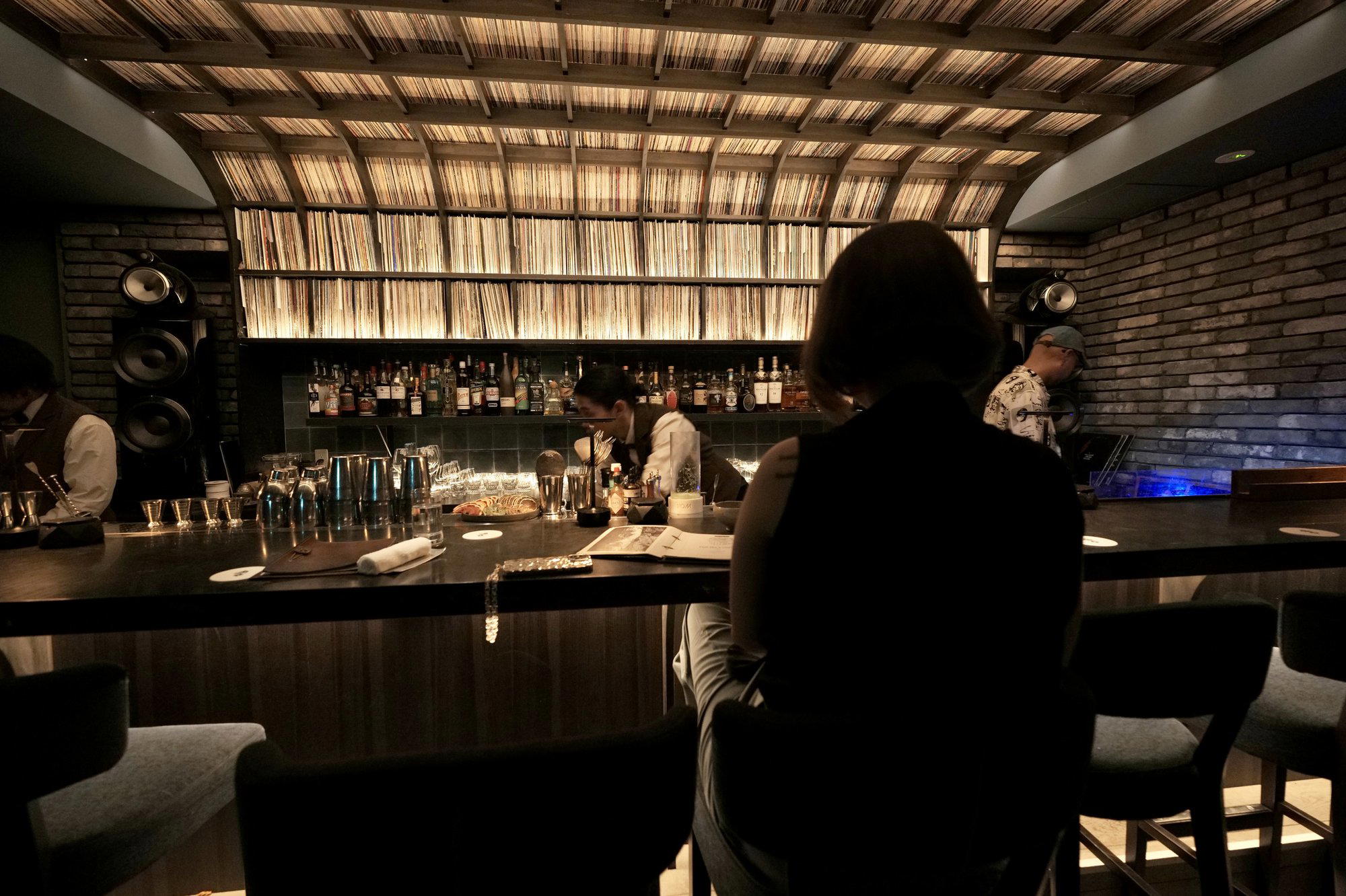
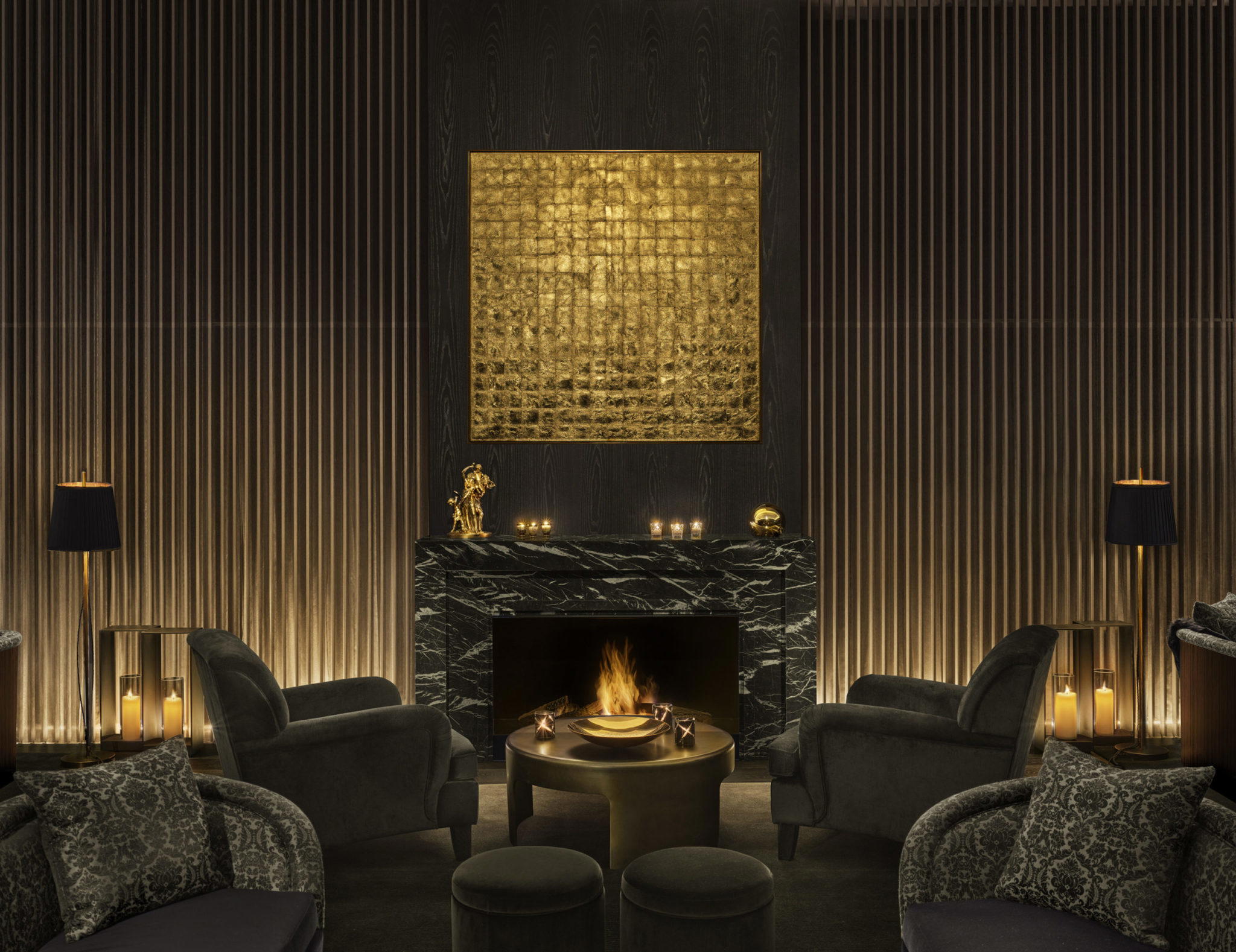
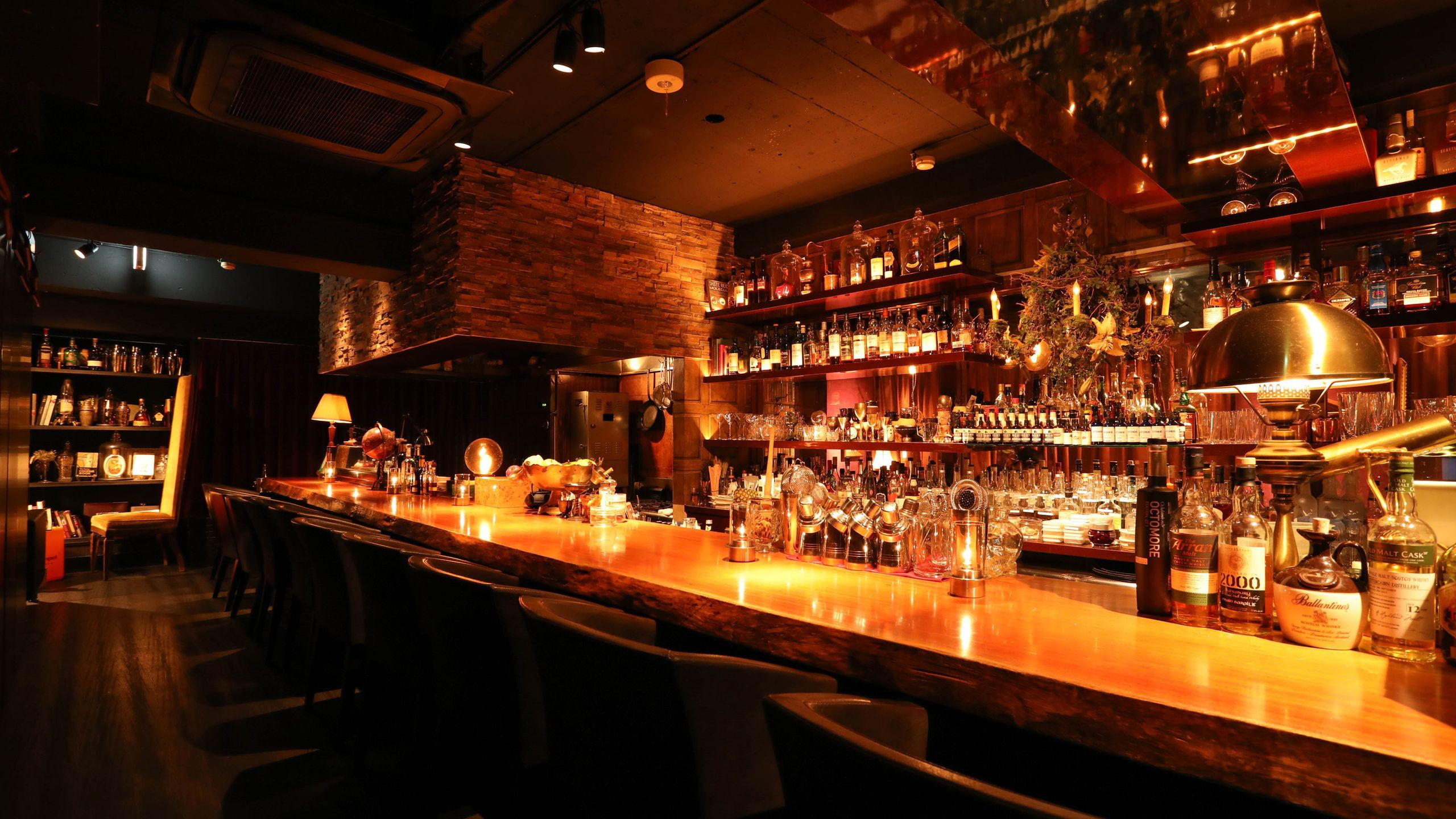
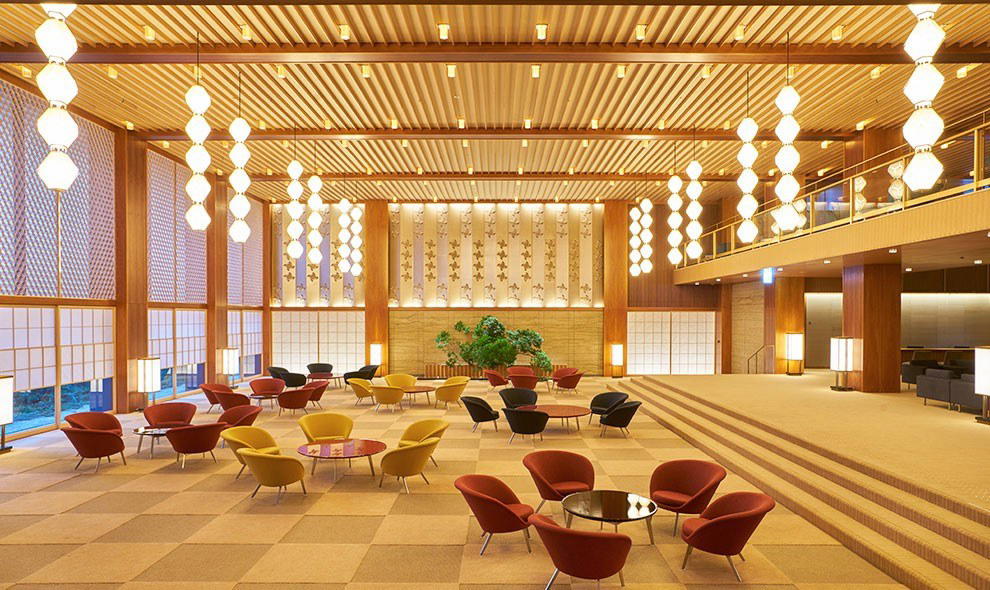
Compact basement dining room with clean lines, warm wood, focused task lighting, quiet privacy, and counter seating facing the open kitchen for refined, conversation-friendly adult dining.