

Tabelog Gold #27
Our verdict
Shimazu belongs to Tokyo’s small-counter sushi tier, where reputation is built through repeat critical recognition rather than spectacle. Its 2026 Tabelog Gold award, 4.58 score, OAD Japan ranking, eight counter seats, and Shirokane address place it in a serious, reservation-only bracket for diners tracking Tokyo sushi beyond Ginza’s usual circuit.

Pearl is the En Primeur Club membership app, where members save venues, book tables and use the concierge.
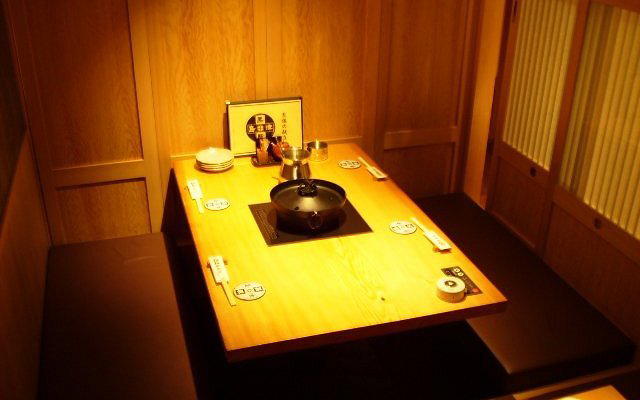
Shirokane changes the register before dinner. Quieter than Ginza and less performative than Roppongi, its residential streets and low-rise dining rooms make a small sushi counter feel less like a stage set than a controlled appointment. In Tokyo sushi, that matters: at this level, the room is part of the format, focusing attention on rice temperature, pacing, knife work, and chef-guest exchange. Shimazu sits firmly in that mode: compact, counter-led, and built for diners who read reputation through consistency rather than flash.
Tokyo’s serious sushi scene has split into lanes. Ginza remains the international shorthand, Aoyama and Akasaka have polished circuits, and neighbourhood counters across Minato and Meguro compete through scarcity, craft discipline, and domestic review culture. Shirokane’s advantage is restraint. It needs no grand-arrival theatre; the address signals confidence aligned with diners who know Tokyo’s sushi hierarchy is not confined to postcard districts.
A small-counter sushi room judged by reputation, not scale
The evidence around Shimazu is unusually clear for a restaurant of this size. It holds a 2026 Tabelog Gold award with a 4.58 score and appears on Opinionated About Dining’s 2026 Top Restaurants in Japan Ranked list at number 105. It was also selected for Tabelog Sushi TOKYO 100 in 2025, after earlier selections in 2021 and 2022, and its Tabelog Award track moved from Bronze in 2022 to Silver in 2023, 2024, and 2025, then Gold in 2026. In Tokyo sushi terms, that trajectory shows sustained domestic attention, not a single burst of foreign-facing praise.
The counter format is central to that reputation. Eight counter seats place the restaurant at the intimate end of Tokyo’s premium sushi bracket, where any weakness in pacing or product selection becomes visible. This is not for loose à la carte grazing or an interrupted social dinner. It belongs to omakase, where sequence, timing, and the chef’s control of tempo are part of the value proposition. Chef Yukichika Shimazu’s name is a credential, but the broader point is the counter economy around him: few seats, high average spend, and a reputation system that rewards repeat precision.
Within the comparison set, Shimazu reads closer to the upper small-counter group than to casual sushi rooms. Sushi Matsuura, Sushi Ochi, Sushi Imamura, Sushi Mikata, and Mitsui all occupy different positions on Tokyo’s sushi map, from more accessible price cues to higher-spend counters. Shimazu’s awards run and Tabelog score place it in the conversation where domestic diners compare execution, not decor. The question is not which room feels grander, but whether the counter sustains attention course by course under scrutiny.
Shirokane gives the experience a quieter kind of pressure
Location shapes expectation. Shirokane Takanawa lacks Ginza’s global shorthand, which can work in a restaurant’s favour. A counter here can be judged less as a trophy booking than as a serious dinner for people who follow Tokyo sushi closely. The area’s calm sharpens the transition into the meal: fewer distractions, less neighbourhood noise, and a room built around appointment dining rather than passing trade.
The practical signals reinforce that reading. The restaurant is reservation-only, with two evening seatings from Tuesday through Saturday and closures on Monday and Sunday. The listed dinner budget is JPY 40,000 to JPY 49,999, with a 10 percent service charge. Credit cards are accepted; electronic money and QR code payments are not. Private rooms and private use are unavailable, consistent with the counter-first logic: communal in layout, exacting in attention.
Further details position the meal in Tokyo’s disciplined high-end sushi category. The room is non-smoking, dress code is smart casual, and a sommelier is listed, with sake, shochu, and wine in the drinks frame. That is not incidental. Contemporary Tokyo sushi is more fluent with wine and sake pairings, especially at counters where guests expect the beverage program to support fatty fish, shellfish, vinegar, and salt without becoming a separate performance.
Saturday lunch is listed with a narrower condition, making the evening counter the primary planning reference. For visitors building a Tokyo dining itinerary, Shimazu is better treated as a fixed anchor than a flexible add-on. Its location near Shirokane Takanawa Station suits a quieter Minato evening, but the reservation-only structure means committing before the trip’s rhythm is set.
How to place Shimazu in a Tokyo dining itinerary
Tokyo rewards diners who separate categories rather than chase one hierarchy. A sushi counter in Shirokane serves a different purpose from a French counter, bistro, hotel dining room, or late-night bar. For a broader read, pair it with contrasting formats: the French-leaning precision of 3110, the neighbourhood bistro grammar of Bistrot Dia, the older Western-style dining reference of Daikanyama Ogawaken, or another sushi counter such as Ebisu Endo and Edomae Sushi Hanabusa. The point is contrast: Tokyo’s depth becomes clearer when counters are compared against different disciplines.
For planning, Our full Tokyo restaurants guide gives the restaurant context, while Our full Tokyo hotels guide, Our full Tokyo bars guide, Our full Tokyo wineries guide, and Our full Tokyo experiences guide help structure the trip around neighbourhoods rather than isolated reservations. Japan’s wider dining map adds perspective too: -Grilled beef Sukiyaki- KAMAKURA TANUKIAN 鎌倉 たぬき庵 in Kamakura.cafe in Osaka.know in Kumamoto, (Shoku) Vietnam in Kawasaki, [Curry Senmon Ten] Maruyama Kyoju. in Sapporo, [ki:] in Kyoto, AKA to SHIRO, Sushi in Osaka, and Akikos, Sushi in San Francisco show how sushi and Japanese dining formats shift across regions and international settings.
The editorial case for Shimazu is not excess; it is accumulation. A Gold award in 2026, a 4.58 Tabelog score, repeated Sushi TOKYO 100 selection, OAD recognition, and an eight-seat counter describe a restaurant operating in Tokyo’s reputation economy with little room for noise. For diners who understand the city’s sushi codes, that combination is the signal: serious, compact, and better judged by trajectory than hype.
Frequently asked questions
How would you describe the cuisine at Shimazu?
Shimazu serves Sushi cuisine.
Is Shimazu open every day?
Hours at Shimazu: Hours: Monday Closed Tuesday 6–10:45 pm Wednesday 6–10:45 pm Thursday 6–10:45 pm Friday 6–10:45 pm Saturday 6–10:45 pm Sunday Closed.
Where is Shimazu located?
Shimazu is located in Tokyo.
Who runs the kitchen at Shimazu?
The chef associated with Shimazu is Yukichika Shimazu.
The Short List
Comparable venues in the metro at similar price points.
| Venue | Cuisine | Price | Awards | Notes |
|---|---|---|---|---|
| ShimazuThis venue (the venue you are viewing) | Edomae Sushi Omakase | $200–300 | Tabelog Gold #27 | Not listed |
| Sushi Matsuura | Edomae-style Omakase Sushi | $100–150 | 1 Michelin Star · Tabelog Bronze #266 | Sushi |
| Sushi Ochi | Traditional Japanese Sushi | $30–50 | Tabelog 100 #60 | Sushi |
| Sushi Imamura | Edomae Sushi Omakase | $100–150 | Tabelog 100 #40 | Sushi |
| Sushi Mikata | Standing Sushi | $50–100 | Michelin Bib Gourmand | Sushi |
| Mitsui | Seasonal Japanese Omakase | $50–100 | Michelin Plate | Sushi |
Recognition history
Dated appearances from independent guides and award organizations, with the underlying list record or original source where available.
Opinionated About Dining Top Restaurants in Japan Ranked #105
Opinionated About Dining
Tabelog Gold #27
Tabelog
Full recognition history (6 entries)
Opinionated About Dining Top Restaurants in Japan Ranked #330
Opinionated About Dining
Tabelog Silver
Tabelog
Tabelog 100 #44 · No. 44
Tabelog · Tabelog 100 - Sushi - TOKYO - 2025
Opinionated About Dining Top Restaurants in Japan Ranked #365
Opinionated About Dining
Continue exploring
More in Tokyo
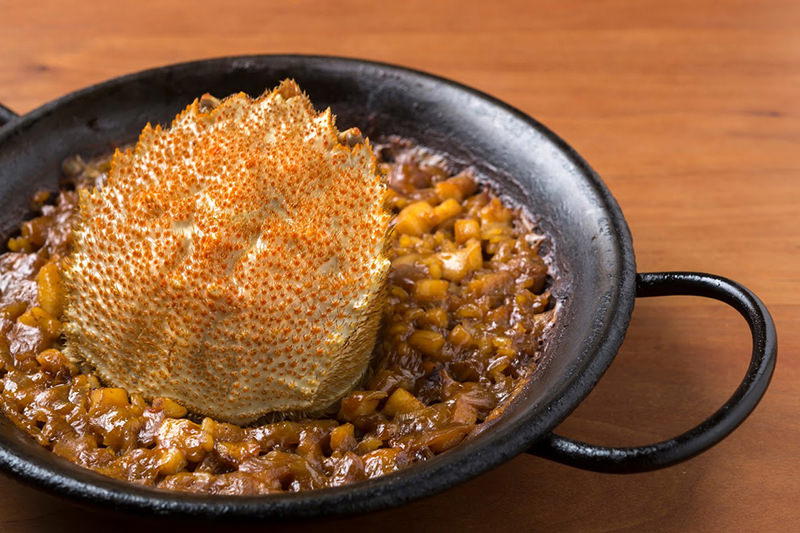
Restaurants in Tokyo
All restaurants in Tokyo →

Bars in Tokyo
All bars in Tokyo →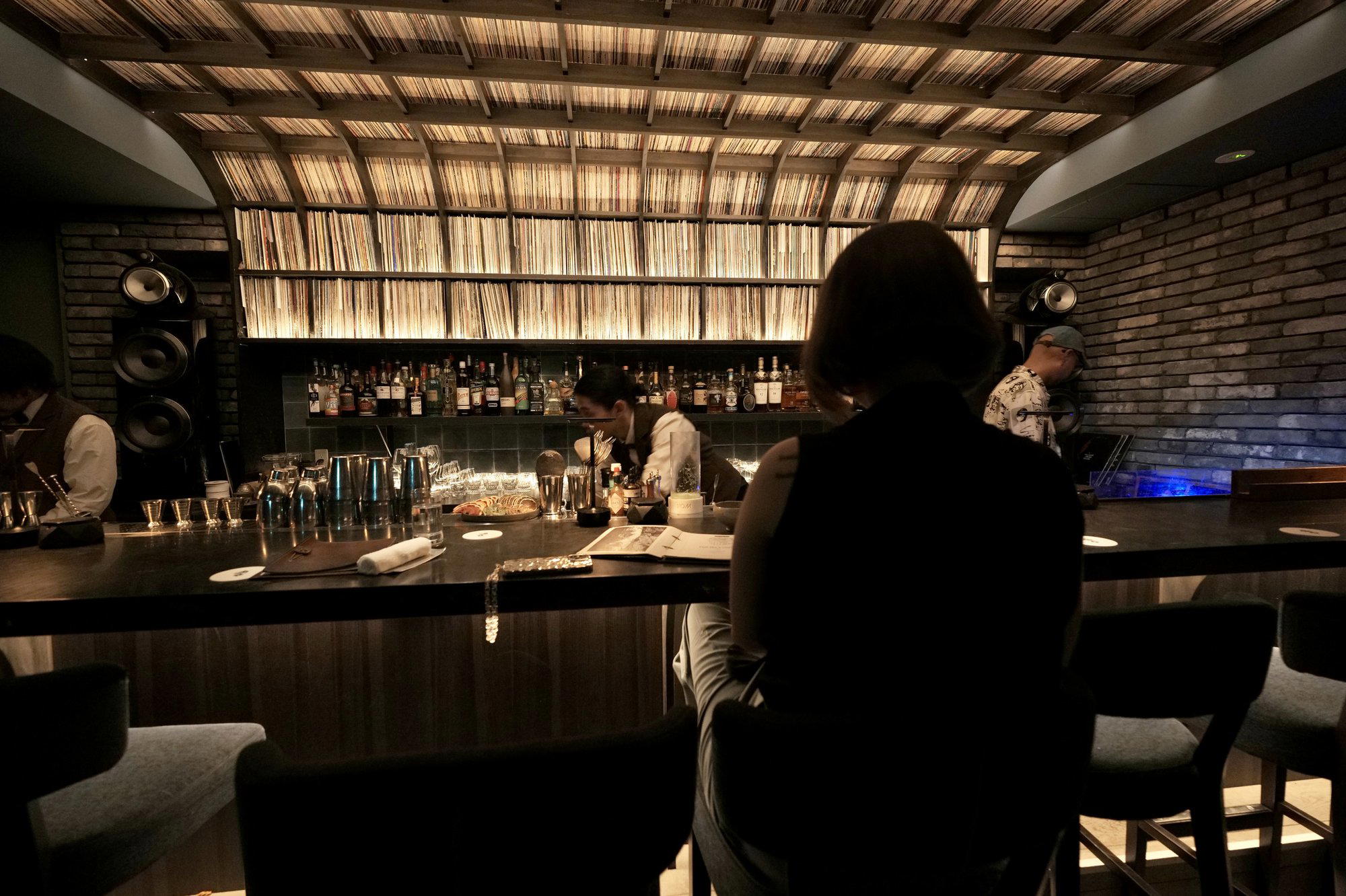



Details
- Elegant
- Intimate
- Sophisticated
- Date Night
- Special Occasion
- Chefs Counter
- Open Kitchen
- Sake Program
- Omakase
- Counter Dining
Current opening hours
- Monday
- Closed
- Tuesday
- 5–9:45 PM
- Wednesday
- 5–9:45 PM
- Thursday
- 5–9:45 PM
- Friday
- 5–9:45 PM
- Saturday
- 5–9:45 PM
- Sunday
- Closed
Hours can change for holidays and private events. Last verified .
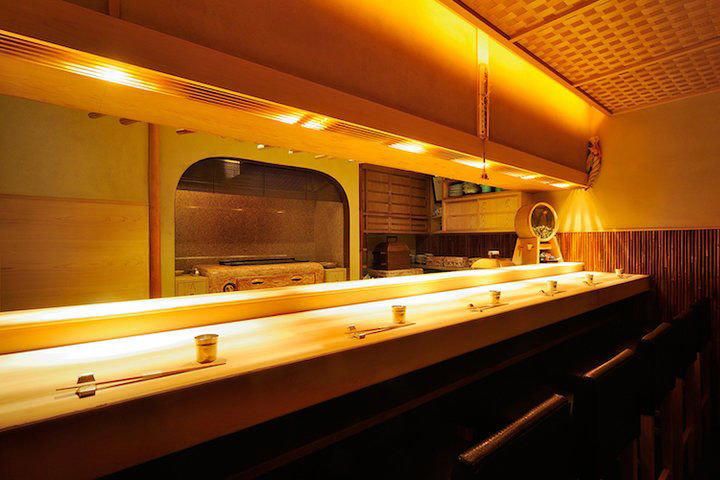
Intimate L-shaped counter seating with direct interaction with the chef in a hideout setting, fostering a lively yet focused sushi experience.