
A late 19th-century oden institution in Higashiyama, Takocho has held its form across four generations while Kyoto dining around it has transformed beyond recognition. The dashi broth is light and distinctly Kyoto in character, the copper saucepans are kept to a mirror finish, and the fourth-generation owner-chef still works the counter in a bow tie. Two consecutive Michelin Plates confirm its standing in the city's culinary record.
Pearl is the En Primeur Club membership app — saves, bookings, and concierge access live there. Same editors, same standards.
- Address
- 1 Chome-237 Miyagawasuji, Higashiyama Ward, Kyoto, 605-0801, Japan
- Phone
- +81 75-525-0170
- Website
- blog.livedoor.jp
- Directions
- Get directions
 Saves & bookings on Pearl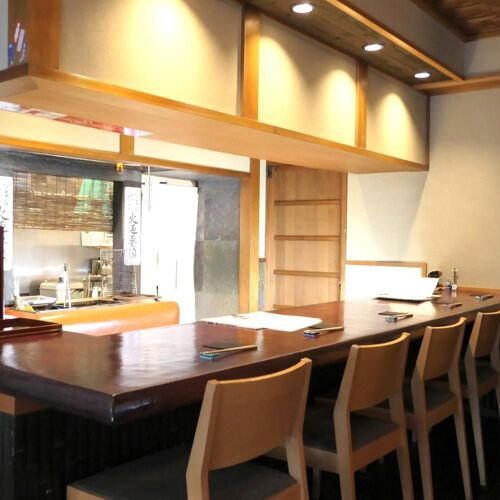
A Century and a Quarter of Dashi
Oden as a category sits at an unusual intersection in Japanese dining: it is simultaneously particularly casual of winter comfort foods and, in its most considered forms, a vehicle for particularly technically demanding broth work in the country. Kyoto's interpretation leans toward the latter. The city's cooking tradition prizes restraint over intensity, and its oden houses tend to produce broths that are barely there on the surface, pale, delicate, almost imperceptible to an eye trained on the richer, soy-dark versions common in Tokyo or Osaka. Takocho, operating in Higashiyama Ward since the late 19th century, is the clearest expression of that Kyoto sensibility in the oden format.
The restaurant predates most of the modern city's restaurant culture by decades. By the time it adopted the name Takocho in the mid-20th century, tako meaning octopus, in direct reference to one of its defining dishes, the fourth generation of the owning family was already in preparation to inherit the counter. That continuity across more than four generations is not incidental. It shapes the physical space, the service posture, and the discipline with which the broth is maintained from day to day.
What the Room Tells You Before the Food Arrives
The interior operates as a form of editorial. Copper saucepans polished to a high gleam line the workspace. The restaurant's name in kanji is mounted on the wall in a framed panel, functioning less as decoration than as a statement of permanence. The owner works in a bow tie; the proprietress in a traditional smock-style apron. Neither detail is accidental. In a city where hospitality aesthetics are freighted with meaning, this kind of costuming signals seriousness about continuity, not nostalgia for its own sake.
Dashi broth is the room's other constant presence. Its aroma builds as soon as you enter, the smell of kombu and bonito simmered long enough to develop depth without turbidity. In Kyoto oden, the broth is traditionally lighter in colour and flavour than Kanto-style versions, relying on the quality of the base stock rather than seasoning to carry the dish. Kujo spring onion, a variety grown in the Fushimi and Kujo areas of the city and identifiable by its deep green colour and mild sweetness, appears as a garnish and a flavouring agent. It is as Kyoto an ingredient as exists: local, seasonal, and tied to the city's agricultural history.
The Menu Structure and What to Watch For
Ordering at Takocho follows a format common to established oden counters: a menu inscribed on wooden tags lists the standard items, but the more interesting decisions happen off-menu. In a venue with this kind of operational depth, off-menu items tend to reflect what the kitchen is working with on a given day, the sort of intelligence that rewards regulars and attentive first-time visitors who think to ask. The octopus dish that gave the restaurant its mid-century name remains a reference point for what the kitchen does well with long, low-heat broth cooking.
Oden's appeal at this level is not variety for its own sake. The format asks diners to slow down, each ingredient requires different timing in the broth, and the leading counters manage those variables with the kind of precision applied to tasting-menu cooking elsewhere. At the ¥¥ price tier, Takocho occupies a different register than Kyoto's kaiseki rooms: Gion Sasaki and Hyotei operate at ¥¥¥¥ and deliver a different relationship with time and money. Takocho's standing is not about competing in that tier. It holds a distinct position: a Michelin-recognised specialist that has never needed to expand its format to sustain its relevance.
How Takocho Sits in Kyoto's Dining Record
Michelin Plate recognitions in both 2024 and 2025 reflect a consistent assessment of the kitchen's care and consistency at a price point accessible relative to much of the city's recognised dining. Michelin Plates, as a category, tend to mark places where quality is reliably present without the full ceremony of starred dining. For oden specifically, that designation carries weight because the category is rarely evaluated on the same terms as kaiseki or sushi.
In Kyoto's wider restaurant context, the long-standing institutions tend to cluster in particular categories: kaiseki houses like Isshisoden Nakamura, tofu specialists, and a handful of deeply embedded neighbourhood restaurants that have never repositioned for tourist traffic. Takocho belongs to that last group. Its address in Higashiyama, along Miyagawasuji, the narrow street running parallel to the Kamo River, places it in a neighbourhood with a long history of small-format, craft-oriented restaurants and tea-house culture. The area has changed around it across a century; the restaurant has not needed to change with it.
For context on Kyoto's oden tradition alongside the broader Kansai region's approach to the format, Man-u in Osaka and Yoshitaka in Osaka offer useful comparison points. The two cities cook oden differently: Osaka tends toward a slightly richer broth base, Kyoto toward the austere. Neither is a compromise version of the other.
Planning Your Visit
Takocho sits at 1 Chome-237 Miyagawasuji in Higashiyama Ward, reachable on foot from the Gion-Shijo station on the Keihan Main Line. The ¥¥ price tier makes it one of the more accessible Michelin-recognised addresses in a city where the gap between the mid-range and the leading end is significant. Oden counters in Kyoto tend to peak in the colder months, autumn through early spring, when the broth's warming character is most in demand, and when the kitchen's precision with temperature and timing reads most clearly at the table.
HAJIME in Osaka operates at the opposite end of the formality register; akordu in Nara offers a different angle on the region's produce and traditions.
Awards and Standing
Comparable venues nearby, for context on price, style, and recognition.
| Venue | Cuisine | Price | Awards | Notes |
|---|---|---|---|---|
| TakochoThis venue — the venue you are viewing | Traditional Kyoto Oden | $$$ | Michelin Plate | Not listed |
| COPPIE | Modern Japanese Izakaya with Italian Fusion | $$$ | Michelin Plate | Shimogyō |
| Totoyoshi | Seafood Kappo | $$$ | Michelin Plate | Nakagyō |
| Torisho sai | Premium Yakitori Omakase | $$$ | Michelin Plate | Nakagyō |
| Nikuryori Shibuya | Japanese Wagyu Omakase | $$$ | Michelin Plate | Shimogyō |
| Mishimatei | Traditional Japanese Sukiyaki | $$$ | Michelin Plate | Nakagyō |
Recognition history
Dated appearances from independent guides and award organizations, with the underlying list record or original source where available.
Michelin Plate
Michelin
Michelin Plate
Michelin
Michelin Plate
Michelin
Continue exploring
More in Kyoto
Restaurants in Kyoto
Browse all →
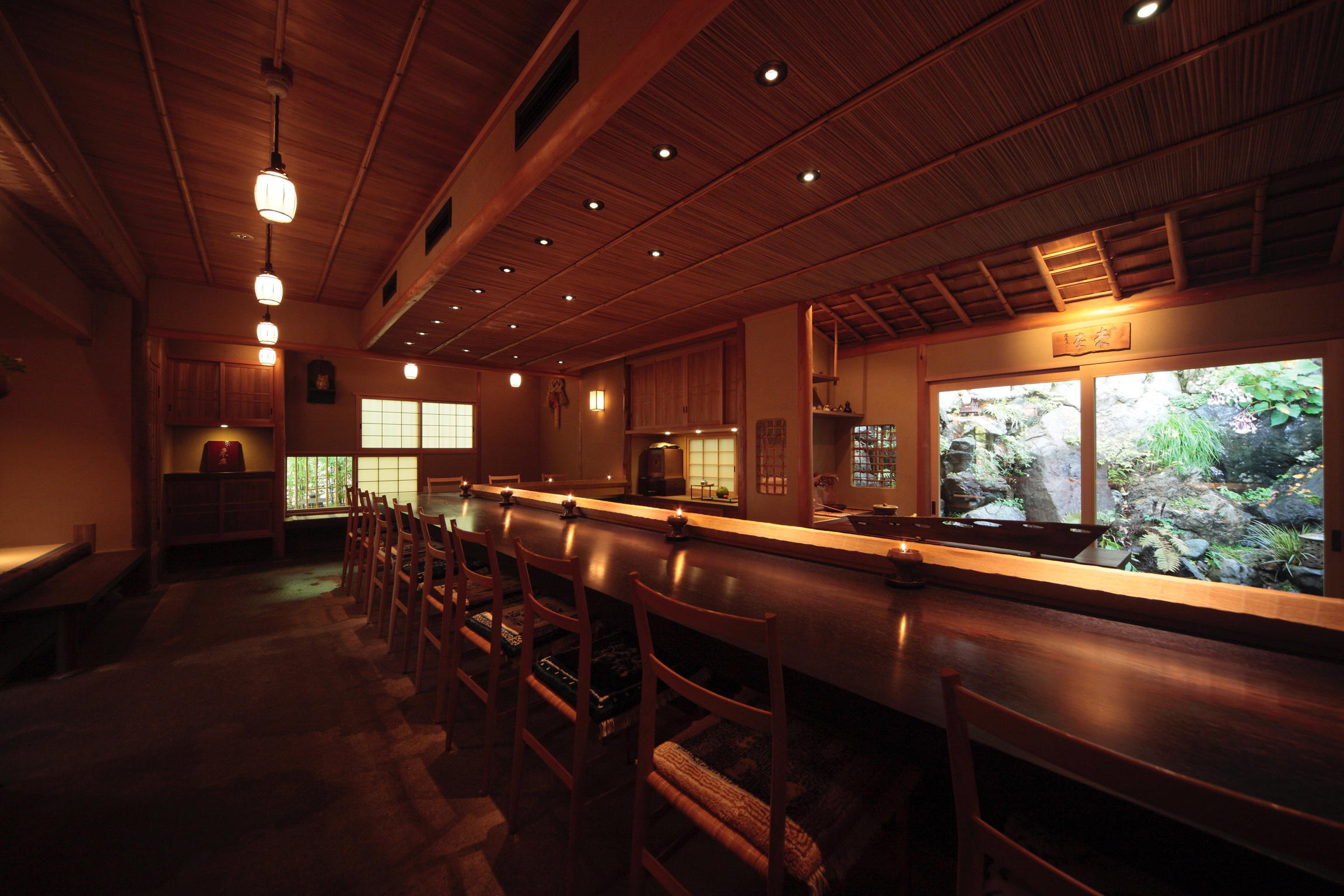
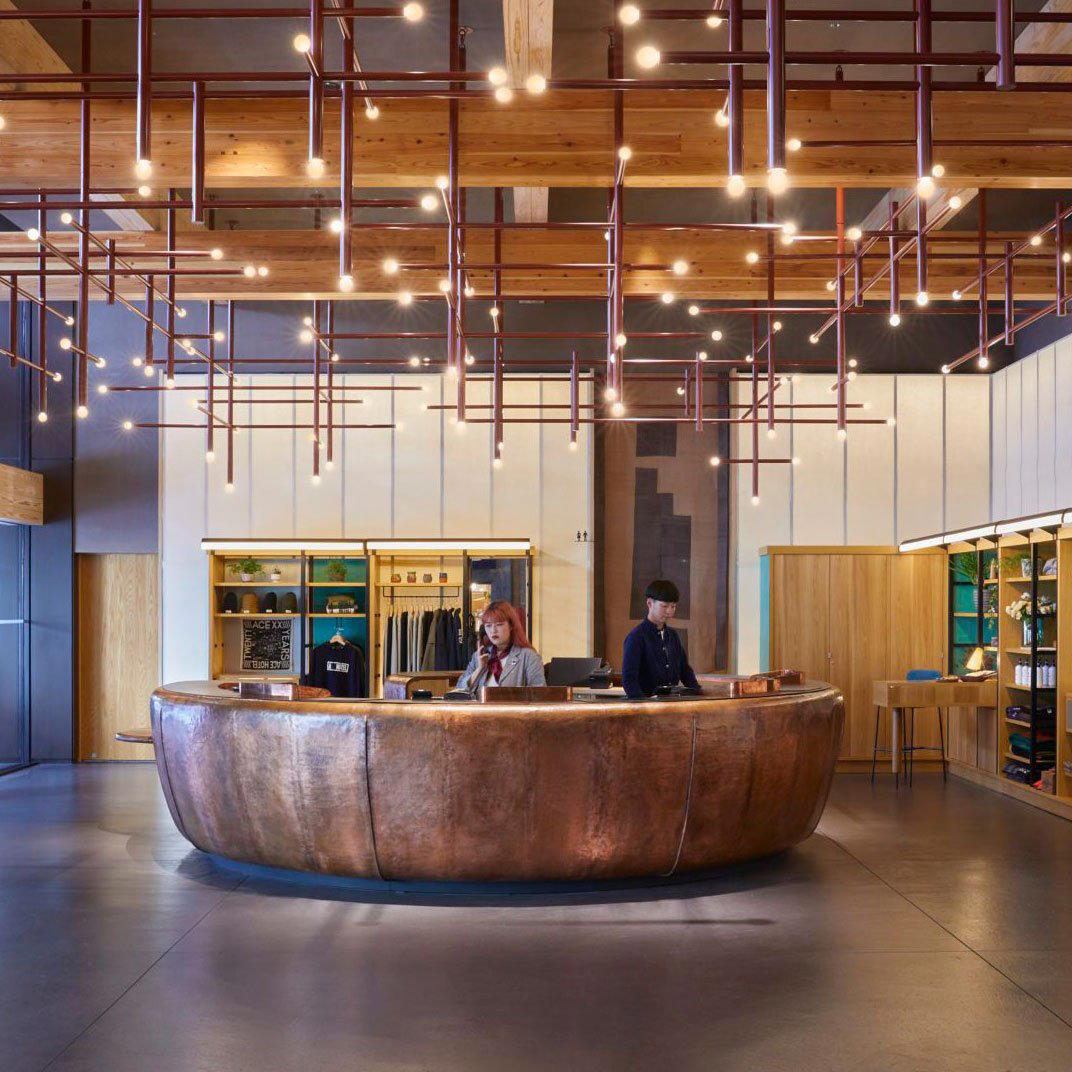
Bars in Kyoto
Browse all →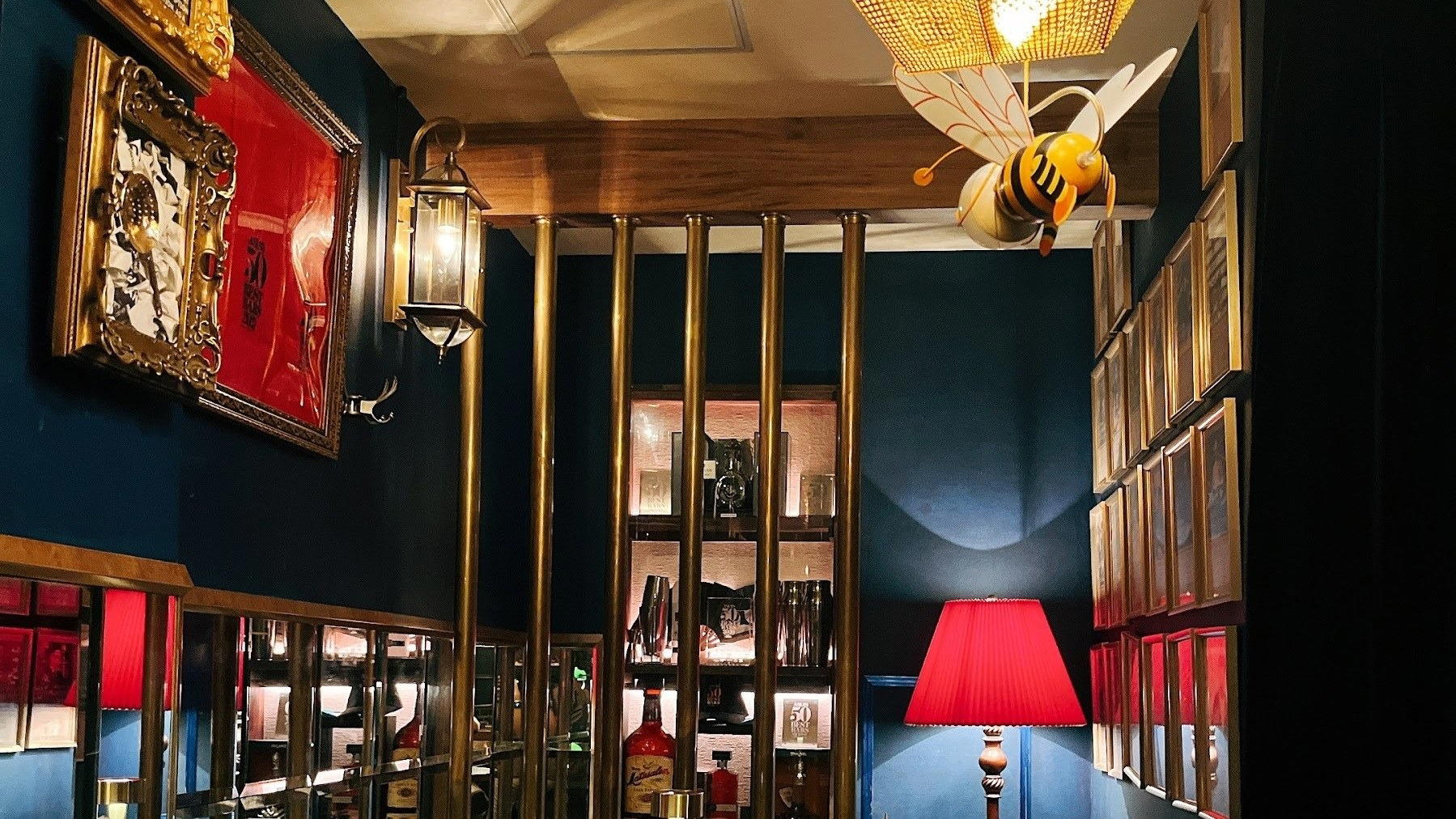
Hotels in Kyoto
Browse all →
Wineries in Kyoto
Browse all →
At a Glance
- Cozy
- Classic
- Intimate
- Solo
- Casual Hangout
- Sake Program
Current opening hours
- Monday
- 5:30–8:20 PM
- Tuesday
- Closed
- Wednesday
- Closed
- Thursday
- Closed
- Friday
- 5:30–8:20 PM
- Saturday
- 5:30–8:20 PM
- Sunday
- 5:30–8:20 PM
Hours can change for holidays and private events. Last verified .
Warm, inviting traditional atmosphere with relaxing space and cozy wooden decor.