
Michelin Plate
Our verdict
A Michelin Plate-recognised kyoryori restaurant in Kyoto's Shimogyo Ward, Hachisei operates from the chef's birthplace near Gojo Omiya, with menus built around daily market visits and close relationships with Kyoto's wholesale network. The result is a seasonal Japanese menu shaped by painstaking preparation and deep local sourcing, pitched at the ¥¥¥ tier where personal craft still drives the room.

Pearl is the En Primeur Club membership app, where members save venues, book tables and use the concierge.
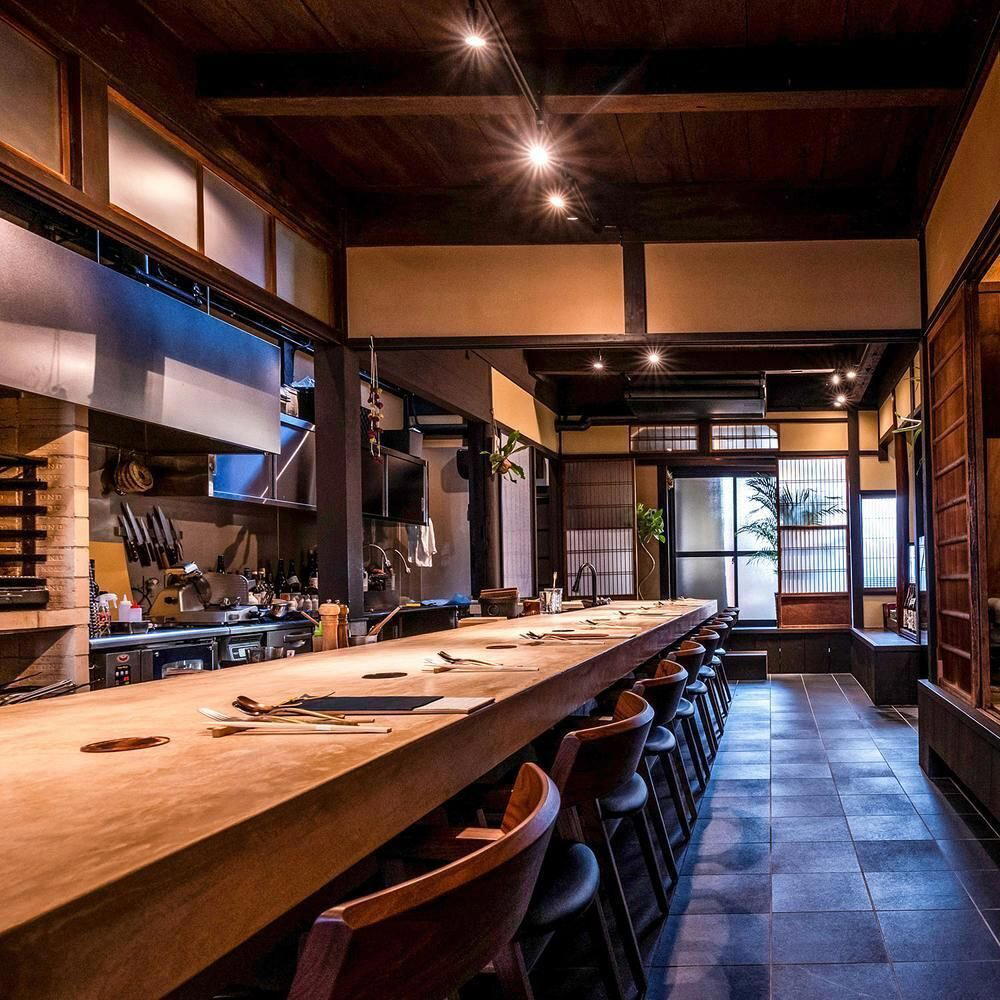
Where the Market Comes to the Table
Kyoto's mid-tier Japanese dining scene sits at an interesting crossroads. Below the rarefied ¥¥¥¥ kaiseki houses such as Gion Matayoshi and Kikunoi Roan, and above the city's casual izakaya circuit, there is a smaller cohort of neighbourhood-rooted kyoryori restaurants where the cooking stays close to its geographical origins. These are places shaped less by ceremony than by intimacy, the chef knows the wholesaler, the wholesaler knows the season, and the menu follows from that chain. Kyoryori Hachisei, at 15-2 Chudojimae Dacho in Shimogyo Ward, occupies that position.
The physical setting anchors the experience before a dish arrives. Shimogyo Ward runs south of Kyoto's central axis, away from the tourist concentration of Gion and Higashiyama. The neighbourhood around Gojo Omiya is quieter and more residential than those areas, which gives the restaurant a local character that the polished kaiseki districts rarely achieve. Approaching the address, the absence of spectacle is part of the atmosphere: this is cooking that expects you to pay attention rather than announcing itself.
The Logic of the Menu
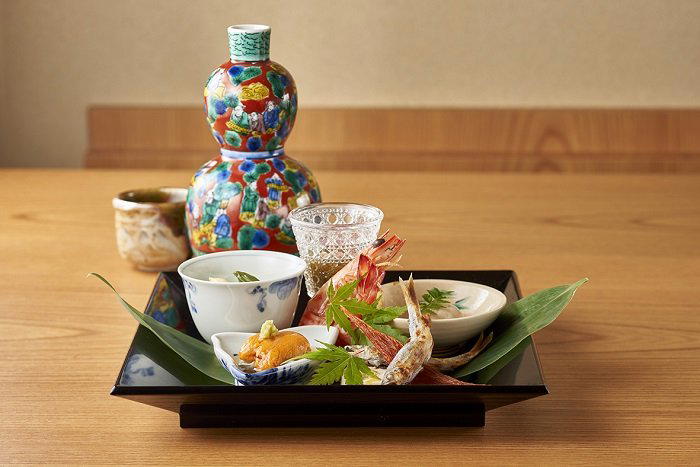
Kyoryori, literally "Kyoto cooking", carries specific expectations in this city. It draws from the same seasonal philosophy that informs kaiseki but operates with less formality and often with a tighter connection to the market rhythms of a single day. At Hachisei, the menu is explicitly positioned as a snapshot of seasonal delicacies rather than a fixed progression, and the sourcing process behind it is not incidental to the offer, it is the offer.
The chef visits Kyoto's central market with regularity, maintaining relationships with wholesalers who include former classmates. That kind of supply-chain familiarity is rarer than it sounds. In many restaurant kitchens, purchasing has moved toward intermediaries, diluting the direct conversation between cook and grower or fishmonger. Here, the discussions that happen at the market, about what came in that morning, what held back, what is at peak, translate directly into the day's planning. The Michelin Plate recognition in both 2024 and 2025 reflects a standard of consistency that this kind of sourcing-led model demands: the kitchen cannot rely on a fixed menu to carry the room.
The teachings of the chef's mentor are cited as a formative influence on the kitchen's approach to preparation, and while this is common language in Japanese culinary culture, it points to something concrete: the emphasis on painstaking mise en place as a discipline in itself. In kyoryori of this kind, the work done before service, the cutting, the resting, the timing of broth, is as visible in the finished dish as the ingredient itself. Restaurants in Kyoto's ¥¥¥ bracket that hold Michelin recognition tend to win it through this kind of accumulated precision rather than through conceptual novelty.
Team, Craft, and the Room
Editorial angle of EA-GN-11 asks about collaboration, and in a small Shimogyo kyoryori restaurant, the team dynamic takes a specific form. These are not large operations with separate sommelier programmes and choreographed front-of-house theatre. The cohesion here is closer-grain: the same staff who take the reservation explain the menu, and the rhythm of the meal depends on how well the kitchen and the room read each other's pace. That kind of small-room attunement is harder to sustain than it looks. It requires the front-of-house to understand what is being prepared and why, not just to recite descriptions, but to time the space between courses with genuine awareness of what is happening on the pass.
Compared to the structured formality of places like Isshisoden Nakamura or the more performance-oriented kaiseki of Kenninji Gion Maruyama, the Hachisei experience is likely to feel more like a conversation than a presentation. That is a different kind of service achievement, and one that suits a particular type of diner, one who wants the meal to reveal itself rather than to be narrated at them.
Across Japan's broader restaurant map, the same tension between formality and directness appears in varied forms. Harutaka in Tokyo and Goh in Fukuoka each operate with their own version of this calibration, as does akordu in Nara in a European register. What distinguishes Hachisei within the Kyoto context is the combination of geographic rootedness, the chef's birthplace, the local market network, and a price point that keeps it accessible relative to the city's starred kaiseki houses.
Kyoto Context and Peer Positioning
Kyoto's dining scene is unusual in Japan for the degree to which geography and culinary identity overlap. The Gion and Higashiyama districts generate enormous dining density, but some of the city's most ingredient-focused cooking happens in less-trafficked wards. Shimogyo's restaurant culture tends toward the practitioner over the spectacle, and Hachisei fits that pattern. At ¥¥¥, it prices alongside mid-range Michelin-tracked restaurants rather than the ¥¥¥¥ bracket occupied by Gion Sasaki, Ifuki, or Kyokaiseki Kichisen. That tier is increasingly competitive in Kyoto, with international visitors and local food culture both pushing demand upward across the quality spectrum.
For those building a broader Kyoto itinerary, the restaurant sits alongside other neighbourhood-anchored options in our full Kyoto restaurants guide. Visitors extending their Japan trip can cross-reference HAJIME in Osaka for a contrasting register, or explore Myojaku and Azabu Kadowaki in Tokyo for comparable Japanese cooking traditions at different price points. Hachisei's Kyoto-specific sourcing and neighbourhood character make it a different proposition from any of these, not lesser, just differently calibrated.
For broader planning, see also our Kyoto hotels guide, our Kyoto bars guide, our Kyoto experiences guide, and our Kyoto wineries guide. Those planning a Kansai circuit may also consider Kodaiji Jugyuan and 1000 in Yokohama as further reference points across the Japanese seasonal dining register. And for those interested in how non-Japanese kitchens adapt seasonal discipline in the region, 6 in Okinawa offers an instructive contrast.
Know Before You Go
- Address: 15-2 Chudojimae Dacho, Shimogyo Ward, Kyoto, 600-8804, Japan
- Cuisine: Kyoryori (Kyoto-style Japanese seasonal cooking)
- Price Range: ¥¥¥
- Awards: Michelin Plate 2024 and 2025
- Neighbourhood: Shimogyo Ward, near Gojo Omiya
- Note: Phone, website, and booking details are not publicly listed. Inquire through your hotel concierge or a local reservation service.
Frequently asked questions
What should I expect atmosphere-wise at Kyoryori Hachisei?
Shimogyo Ward sits outside Kyoto's main tourist corridors, and the atmosphere at Hachisei reflects that. The setting is quieter and more residential than Gion or Higashiyama, and the experience in a kyoryori restaurant of this type tends toward intimacy over ceremony. At ¥¥¥ with Michelin Plate recognition in 2024 and 2025, the room is calibrated around attentive, close-scale service rather than theatrical presentation. Expect a meal that reveals itself through the sequence of seasonal dishes rather than one that announces its ambitions upfront.
What's the signature dish at Kyoryori Hachisei?
The kitchen does not operate around fixed signature dishes in the conventional sense. Kyoryori cooking of this style builds menus from whatever the market yields on a given day, guided by the chef's direct relationships with Kyoto's wholesale network. Michelin's recognition of the restaurant across 2024 and 2025 affirms consistency at this level, but specific dishes are not disclosed in public records. The appropriate expectation is a seasonal Japanese menu shaped entirely by what was available and worthwhile that morning.
Is Kyoryori Hachisei child-friendly?
Kyoto's ¥¥¥-tier kyoryori restaurants generally operate in small, quiet rooms where the pace of the meal and the nature of the cooking assume adult engagement with seasonal Japanese food. Families considering the restaurant should note the price point and the style of service before booking, particularly for younger children. If you are uncertain, reaching out through a hotel concierge who can communicate directly in Japanese is the most reliable approach.
Cuisine and Recognition
A small set of peers for context, based on recorded venue fields.
| Venue | Cuisine | Price | Awards | Notes |
|---|---|---|---|---|
| Kyoryori HachiseiThis venue (the venue you are viewing) | Traditional Kyoto Kaiseki | $100–150 | Michelin Plate | Not listed |
| Gion Sasaki | Modern Kaiseki | $300–500 | 3 Michelin Stars · La Liste Top Restaurants | Kaiseki, Japanese |
| cenci | Innovative Italian-Japanese Fusion | $100–150 | 1 Michelin Star · World's 50 Best #76 | Italian |
| Ifuki | Sumibi Kappo Kaiseki | $200–300 | 2 Michelin Stars · La Liste Top Restaurants | Kaiseki |
| Kyokaiseki Kichisen | Kyoto Kaiseki | $200–300 | 2 Michelin Stars · La Liste Top Restaurants | Japanese |
| Kyo Seika | Modern Chinese Fine Dining | $150–200 | 1 Michelin Star · Tabelog Bronze #216 | Chinese |
Recognition history
Dated appearances from independent guides and award organizations, with the underlying list record or original source where available.
Michelin Plate
Michelin
Full recognition history (3 entries)
Michelin Plate
Michelin
Michelin Plate
Michelin
Continue exploring
More in Kyoto
Restaurants in Kyoto
All restaurants in Kyoto →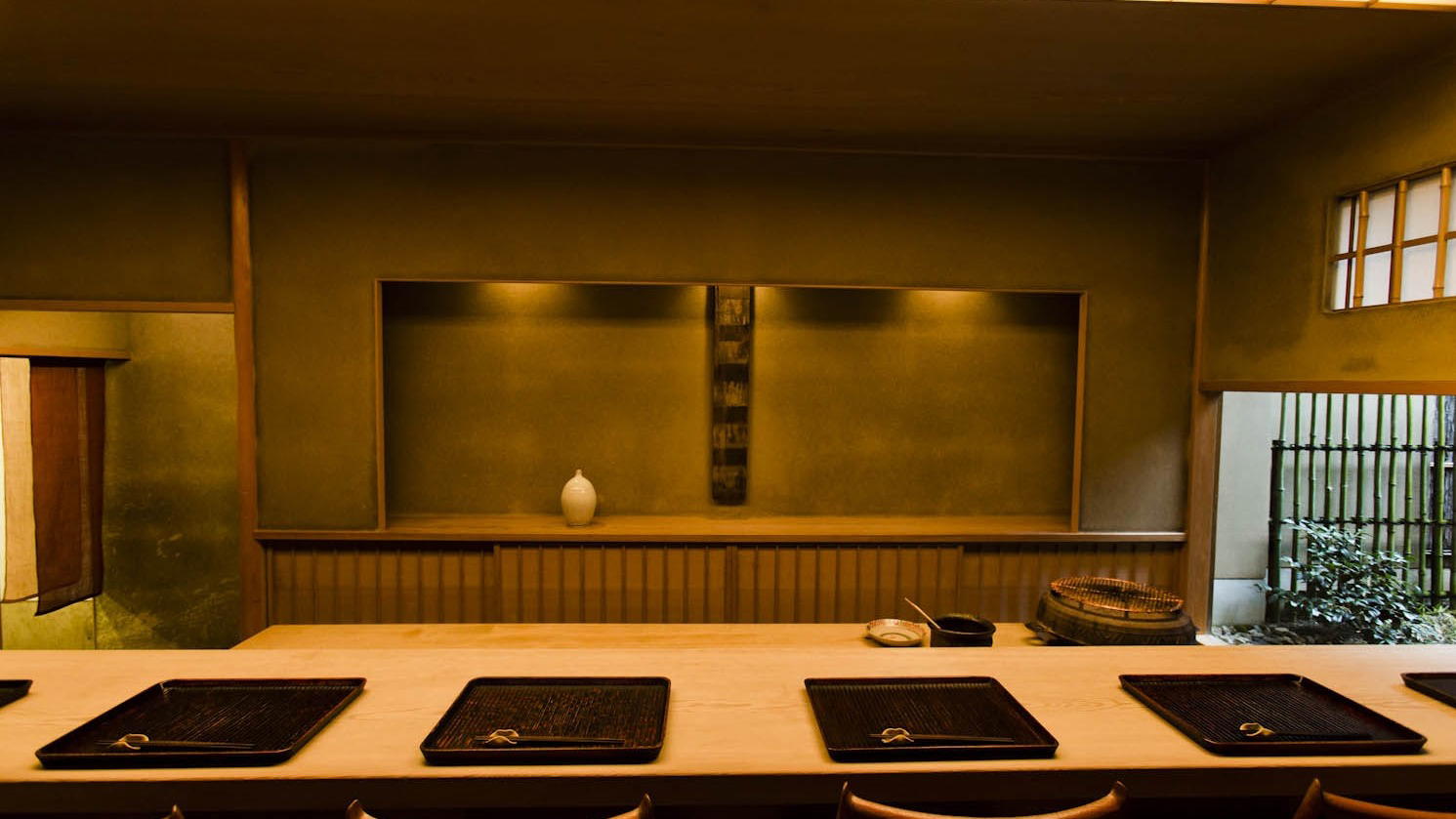
Bars in Kyoto
All bars in Kyoto →

Hotels in Kyoto
All hotels in Kyoto →
Wineries in Kyoto
Browse all →
Details
- Quiet
- Cozy
- Elegant
- Intimate
- Special Occasion
- Business Dinner
- Celebration
- Private Dining
- Sake Program
- Tasting Menu
- Set Menu
Current opening hours
- Monday
- 12–2 PM, 6–10 PM
- Tuesday
- 12–2 PM, 6–10 PM
- Wednesday
- 12–2 PM, 6–10 PM
- Thursday
- 12–2 PM, 6–10 PM
- Friday
- 12–2 PM, 6–10 PM
- Saturday
- 12–2 PM, 6–10 PM
- Sunday
- 12–2 PM, 6–10 PM
Hours can change for holidays and private events. Hours as of .
Serene and relaxing atmosphere with tatami rooms and hinoki wood counter seats, creating a comfortable and tranquil space.