
A Michelin Plate-recognised wagyu specialist in Kyoto's Shimogyo Ward, where a half-century of sourcing expertise shapes an omakase that moves from fresh offcuts, tongue, heart, parboiled tripe, to Yanagawa-style sirloin. The old-fashioned townhouse setting and the father-daughter dynamic at front of house give the meal a warmth that most beef-specialist counters in the city do not offer.
Pearl is the En Primeur Club membership app — saves, bookings, and concierge access live there. Same editors, same standards.
- Address
- 317 Tabiyacho, Shimogyo Ward, Kyoto, 600-8038, Japan
- Phone
- +81 75-221-8588
- Website
- gcjapan-kyoto.com
- Directions
- Get directions
 Saves & bookings on Pearl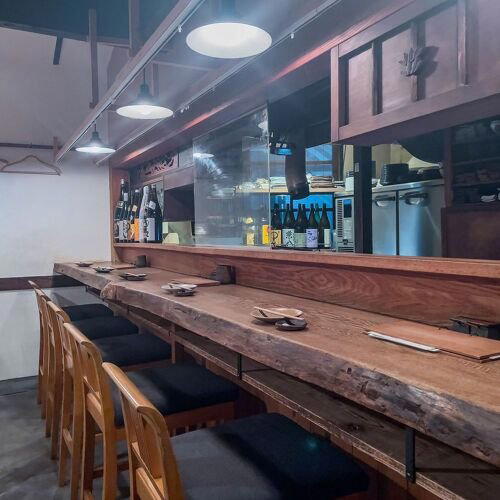
A Townhouse Built for Wagyu
Nikuryori Shibuya is a Kyoto restaurant in Shimogyo Ward serving Japanese Wagyu Omakase, with a Michelin Plate 2025 recognition and an approximate price of ¥¥¥. While institutions like Gion Sasaki, Hyotei, and Kikunoi Honten have long defined how the city presents itself at the high table, a quieter tradition of meat-focused cooking has persisted in the older residential districts. Nikuryori Shibuya, at 317 Tabiyacho in Shimogyo Ward, is one of the more considered expressions of that tradition. The building itself frames the meal before a single plate arrives: an old-fashioned townhouse of the kind that Shimogyo still produces in the narrow streets south of Shijo, where the proportions are human-scale and the materials carry age without apology.
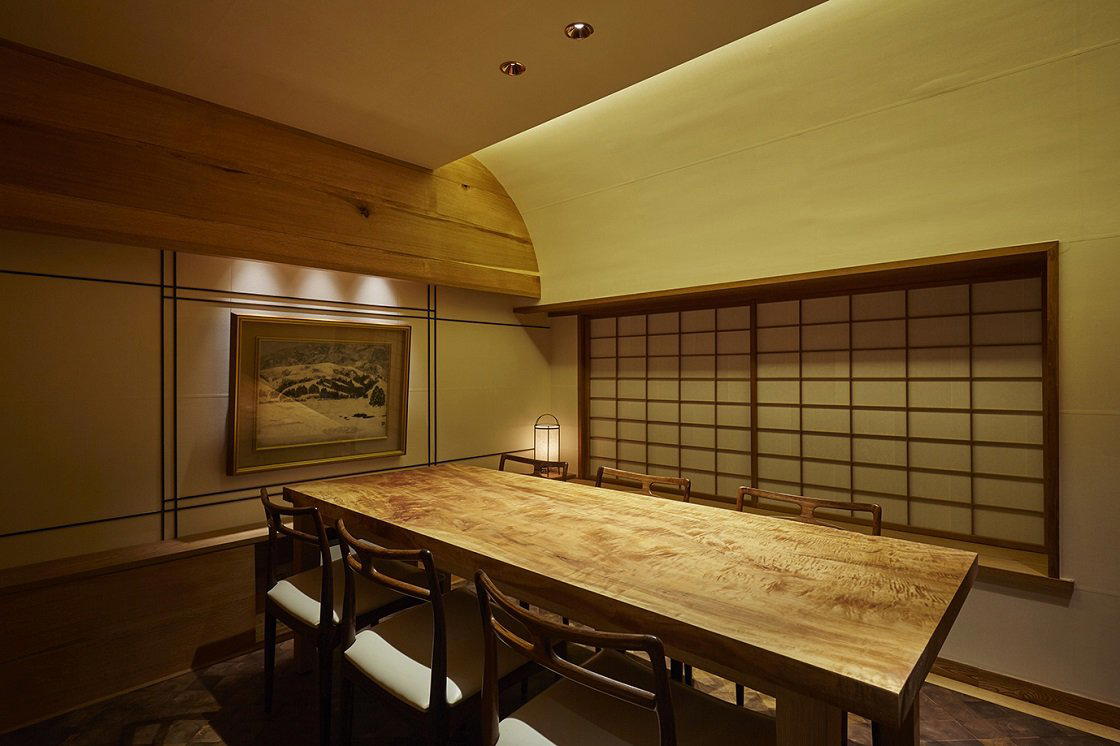
The physical container matters here more than in most beef restaurants. Wagyu dining in Japan has bifurcated sharply over the past decade. One branch runs toward the theatrical, pristine white counters, marble surfaces, the performance of a luxury product being presented like jewellery. The other holds closer to the craft tradition, where the room reads as a working kitchen extended into a dining space, and the sense of occasion comes from attention rather than spectacle. Nikuryori Shibuya belongs to the second category. The townhouse format, with its low ceilings and timber construction, compresses the atmosphere in a way that suits offal-forward omakase better than a modern interior ever could.
How the Menu Is Structured
The omakase sequence at the restaurant opens with cuts that reward immediacy: tongue and heart, both handled to foreground freshness over long cooking. This is a deliberate sequence. In beef cookery, the offal-first approach is not a novelty move but a structural logic, these cuts deteriorate faster than muscle meat, and serving them early is the kitchen's way of demonstrating that the supply chain is functioning at close range. Parboiled tripe follows, a preparation that softens without masking the mineral character of the ingredient. The sequence builds toward Yanagawa-style sirloin, a format borrowed from the sweetwater eel tradition that uses a shallow pot with burdock root and egg. Applied to beef, it signals a kitchen comfortable moving between Japanese culinary traditions rather than treating wagyu as an isolated luxury category.
Omakase structure is not entirely fixed. Customers can supplement from a wider menu, which gives the meal a degree of flexibility unusual in the Kyoto beef specialist tier. That optionality is relevant for groups where appetites or interests diverge, and it slightly reduces the risk profile for first-time visitors unfamiliar with how far the offal sequence extends.
Fifty Years Without a Brand Preference
Chef behind this kitchen has been in the wagyu business for over half a century. That tenure is not decorative. In a market where regional branding, Kobe, Matsusaka, Omi, carries enormous commercial weight and often functions as a proxy for quality, the decision to source on merit rather than appellation is a genuine position. It requires a sourcing network built over decades and a willingness to work harder than simply following the premium-brand supply chain. The 2025 Michelin Plate recognition acknowledges the kitchen's consistency.
In a city where Isshisoden Nakamura and other houses operate at ¥¥¥¥ price levels with deep kaiseki traditions behind them, the restaurant's ¥¥¥ positioning and Plate status define a different comparable set: serious but not ceremonial, specialist but not exclusive.
The Room and the Relationship
The dynamic between the kitchen and the dining room at the restaurant has a domestic register that is harder to engineer than most restaurants admit. The father-daughter operation, a craftsman in the kitchen, an amiable hostess managing front of house, produces a quality of hospitality that belongs to family-run specialist restaurants rather than to the professional service model that luxury dining usually deploys. In the context of the townhouse setting, this relational warmth amplifies rather than softens the meal. The intimacy of the architecture makes the interpersonal atmosphere feel appropriate rather than improvised.
This kind of generational continuity in a beef specialist context is worth noting for what it implies about the kitchen's sourcing philosophy. Half a century of relationships with suppliers does not transfer easily. The daughter's presence at front of house suggests a handover in progress, which is relevant to the restaurant's long-term coherence as a specialist operation.
Oniku Karyu in Tokyo operates in a different register, with Tokyo's beef dining scene tending toward higher price points and more formal counter service. The Shimogyo townhouse format positions the restaurant closer to the craft-counter tradition than to the luxury-product presentation model that dominates in larger markets.
Kyoto Dining in Context
Shimogyo Ward is not where most visitors begin their Kyoto restaurant search. The concentration of high-profile dining in Gion and Higashiyama draws attention northward and eastward, leaving the quieter precincts south of Shijo less explored by international visitors. That geographic positioning means the restaurant's clientele skews local and repeat, which in turn shapes the atmosphere: there is less of the wide-eyed first-visit energy that can unsettle the pacing of an omakase counter, and more of the settled, familiar quality that makes specialist restaurants function at their leading.
Kyoto's wider dining map extends well beyond beef and kaiseki. Harutaka in Tokyo, HAJIME in Osaka, akordu in Nara, Goh in Fukuoka, 1000 in Yokohama, and 6 in Okinawa. For a global beef specialist comparison, Caviar & Bull in St Julian's offers a useful contrast in format and sourcing philosophy. Closer to home, Yassan provides another lens on Kyoto's more intimate dining register.
Planning Your Visit
Address: 317 Tabiyacho, Shimogyo Ward, Kyoto, 600-8038, Japan. Cuisine: Wagyu beef, omakase format with supplementary menu ordering available. Price range: ¥¥¥ (mid-to-upper tier; positioned below the ¥¥¥¥ kaiseki houses). Reservations: essential. Given the small-townhouse format and the specialist clientele, advance booking is advisable. Format: Omakase with optional add-ons from the wider menu.
Reputation Context
Comparable venues nearby, for context on price, style, and recognition.
| Venue | Cuisine | Price | Awards | Notes |
|---|---|---|---|---|
| Nikuryori ShibuyaThis venue — the venue you are viewing | Japanese Wagyu Omakase | $$$ | Michelin Plate | Not listed |
| Senda | Seasonal Kaiseki | $$$ | Michelin Plate | Shimogyō |
| Gion Rohan | Creative Seasonal Japanese Izakaya | $$$ | Michelin Plate | Higashiyama |
| Hiiragitei | Kyoto Yakitori & Obanzai | $$$ | Bib Gourmand | Higashiyama |
| Torisho sai | Premium Yakitori Omakase | $$$ | Michelin Plate | Nakagyō |
| Kappo Takohachi | Traditional Kappo | $$ | Michelin Plate | Nakagyō |
Recognition history
Dated appearances from independent guides and award organizations, with the underlying list record or original source where available.
Michelin Plate
Michelin
Michelin Plate
Michelin
Michelin Plate
Michelin
Continue exploring
More in Kyoto
Restaurants in Kyoto
Browse all →
Bars in Kyoto
Browse all →


Hotels in Kyoto
Browse all →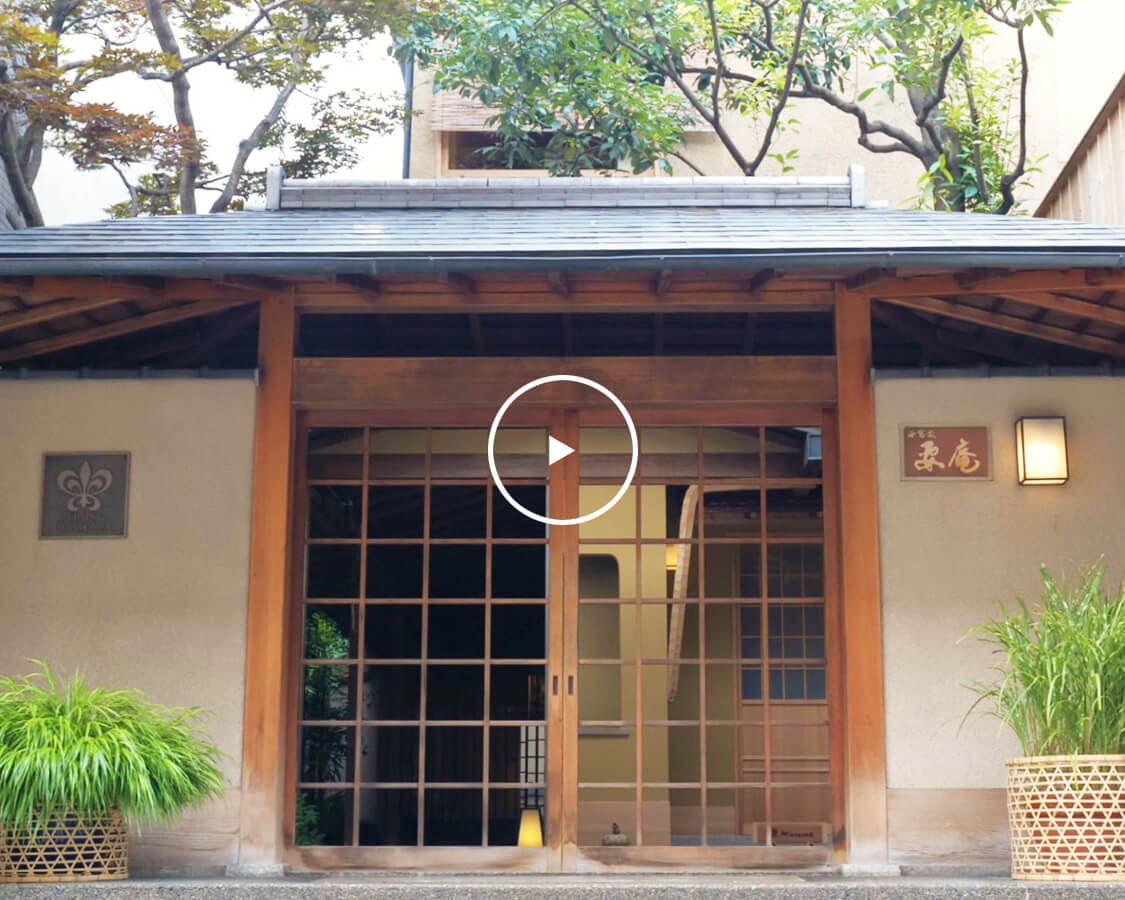

Wineries in Kyoto
Browse all →
At a Glance
- Cozy
- Intimate
- Classic
- Special Occasion
- Sake Program
Old-fashioned townhouse with tatami rooms and counter seating, providing a warm, traditional, and intimate atmosphere.