

1 Michelin Star · Tabelog 100 #62
Our verdict
A Michelin-starred sushi counter in Shiba, Minato, Sanosushi trades on deliberate anachronism: bold wooden signage, a groove-edged counter, and rice portioned with the generosity of an earlier Tokyo era. Tuna arrives in sets of three nigiri, handled with the precision that earned a Michelin star in 2024. Among Tokyo's revival-minded edomae houses, it occupies a clear and confident position.

Pearl is the En Primeur Club membership app, where members save venues, book tables and use the concierge.
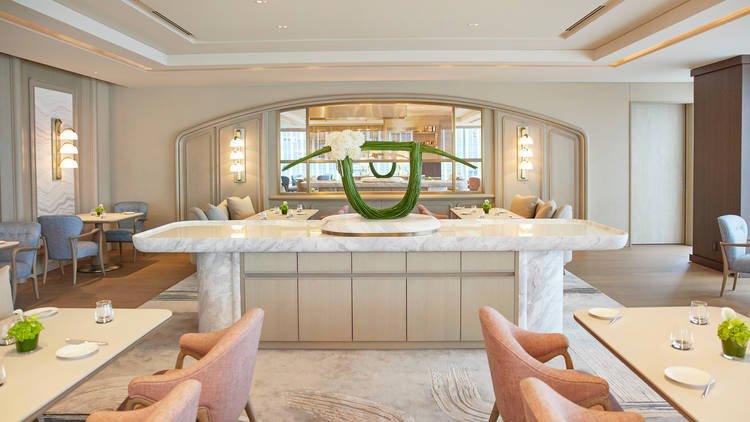
The menu
What to order
- Miso-marinated ikura
- Conger eel
- Tuna trio
- Tamagoyaki
Shiba's Counter and the Logic of Old Tokyo
Minato Ward's Shiba district sits at an awkward remove from Tokyo's most trafficked dining corridors. Ginza's omakase row is twenty minutes north by foot; Roppongi's more theatrical restaurant tier is a short taxi ride west. This geographic in-between-ness is not incidental to understanding Sanosushi. The Shiba neighbourhood carries residual working-Tokyo character that the higher-rent districts have largely shed, and that character maps directly onto what the restaurant is trying to do: operate as a sushi shop, not a dining event. For diners who have grown fatigued by the ritualised theatre of top-tier omakase, the narrated provenance, the pauses between pieces, the ambient lighting calibrated to signal occasion, Shiba offers a different register entirely.
The address is 2 Chome-18-9 Shiba, Minato City, a side-street location without the showcase frontage of a Ginza or Nihonbashi counter. The shop announces itself through a large, bold sign and a wooden menu board on the wall, aesthetic choices that are not accidental nostalgia but a deliberate argument about what a sushi restaurant should look like. In a city where many one-star counters use minimalist design to signal premium pricing, that visual plainness is a positioning statement.
The Case for Edomae Orthodoxy
Tokyo sushi has spent roughly two decades bifurcating. One branch pursues innovation: new aging techniques, cross-cultural garnishes, extended omakase formats that push piece counts toward thirty or beyond. The other branch reasserts edomae orthodoxy, the techniques, ratios, and pacing of pre-war Tokyo sushi. The second branch has fewer practitioners willing to hold the line completely, which makes the counters that do hold it more legible as a category. Sanosushi belongs to that orthodoxy-first group, with rice portioned generously and toppings cut thick, both of which are markers of pre-postwar Tokyo style rather than the leaner, more precise presentations that dominate the current high-end tier.
The soy sauce groove along the counter's edge, inherited from the chef's mentor, is a small but telling detail. In a contemporary omakase context, soy sauce is often pre-applied by the chef and presented at exact angles; the presence of a practical spillage-prevention groove signals that diners here are expected to handle their own soy sauce. That is a meaningful shift in the power dynamic at the counter, and it speaks to a broader approach: the sushi is the point, and the surrounding protocol exists to serve the eating, not the other way around.
Sushi rice that skews sour, higher vinegar ratio, traditional seasoning, sits at one end of a spectrum. Many modern Tokyo counters have moved toward softer, subtler rice profiles; the more assertive sourness at Sanosushi is a period choice as much as a flavour preference. Combined with the thicker cuts of topping, the result is sushi that reads differently in the hand and in the mouth than the spare, architectural pieces more common at four-symbol counters. Peers in the edomae-orthodox segment, such as Edomae Sushi Hanabusa, share this commitment to proportion and vinegar character, though each counter arrives at its own calibration.
Tuna as the Index Ingredient
In classical edomae tradition, tuna is the prestige topping around which a counter's identity is partly constructed. The sequence of maguro, chu-toro, and otoro across a meal functions as a structured argument about sourcing, aging, and temperature management. At Sanosushi, tuna is handled in sets of three nigiri, a presentation format that forces the diner to experience variation within a single fish across a single sitting, rather than isolated highlights. That sequencing is an old-school pedagogical approach: you learn the fish rather than simply consuming it.
The care applied to those three-piece tuna sets places the counter in a specific lineage of Tokyo sushi thinking, one where the main toppings are not rotated constantly for novelty but given sustained attention across a service. For diners oriented toward the tasting-menu model of constant surprise, this may feel constrained. For those interested in comparative depth, it is the better format.
How Sanosushi Positions Against Its Peers
The Michelin one-star awarded in 2024 places Sanosushi in a crowded but meaningful tier. Tokyo's Michelin one-star sushi pool is large and heterogeneous: it includes aggressively modern counters, tourist-accessible format operations, and traditionalist houses that received recognition late. The significance of the award at Sanosushi is that it validates the orthodoxy-first approach rather than rewarding deviation from it. Counters that have held longer in Michelin's upper tier, Harutaka at the two-star level, or Sukiyabashi Jiro Roppongiten with three stars, occupy a different price tier (¥¥¥¥) and operate with different booking mechanics. Sanosushi's ¥¥¥ pricing places it below that bracket, which makes the Michelin recognition more accessible without repositioning the experience as entry-level.
Other comparison points in the edomae and Tokyo sushi tradition: Sushi Kanesaka operates at the highest end of the traditional counter format, while Hiroo Ishizaka represents a different neighbourhood-rooted sushi identity in the city's upmarket residential tier. The competitive logic at Sanosushi is distinct from either: it is not positioning through premium pricing or through residential cachet, but through deliberate anachronism at a mid-premium price point.
For those tracing Japan's sushi culture across cities, the comparison extends regionally. Sushi Shikon in Hong Kong and Shoukouwa in Singapore both export the Tokyo omakase format to Southeast Asian markets, but the translation typically involves the ceremony-forward version of edomae rather than the plain-signage directness of a shop like Sanosushi.
Planning Your Visit
| Detail | Sanosushi | Harutaka | Edomae Sushi Hanabusa |
|---|---|---|---|
| Michelin | 1 Star (2024) | 2 Stars | 1 Star |
| Price tier | ¥¥¥ | ¥¥¥¥ | ¥¥¥ |
| Neighbourhood | Shiba, Minato | Ginza | Central Tokyo |
| Format | Counter, traditional edomae | Counter omakase | Counter, edomae |
| N/A listed | N/A listed |
Shiba is accessible from Mita Station (Toei Asakusa and Mita lines) or Tamachi Station (JR Yamanote and Keihin-Tohoku lines). Neither station is a primary tourist hub, which means the walk to the restaurant passes through functioning Minato neighbourhood streets rather than tourist infrastructure. For those using Tokyo as a base for broader Japan travel, the EP Club guides to HAJIME in Osaka, Gion Sasaki in Kyoto, akordu in Nara, Goh in Fukuoka, 1000 in Yokohama, and 6 in Okinawa provide regional context for planning a broader itinerary.
For more on Tokyo's dining, drinking, and hotel options across categories, see our full Tokyo restaurants guide, our full Tokyo hotels guide, our full Tokyo bars guide, our full Tokyo wineries guide, and our full Tokyo experiences guide.
Frequently asked questions
What should I eat at Sanosushi?
The counter's identity is built around its edomae foundations: thick-cut toppings, assertively sour rice, and tuna presented as a structured set of three nigiri pieces rather than a single highlight. The tuna sequence, understood as the defining showcase in classical Tokyo sushi tradition, is the clearest window into what the Sanosushi kitchen values. The 2024 Michelin star affirms that this orthodoxy-first approach is being executed at a level that separates it from the broader pool of traditional counters in the city. Alongside Edomae Sushi Hanabusa, it represents one of the cleaner expressions of pre-modern Tokyo proportion and flavour calibration currently operating at the one-star level.
Can I walk in to Sanosushi?
The Shiba location, away from Ginza's concentrated dining foot traffic, means walk-in possibility is higher here than at counters in Tokyo's most competitive sushi corridors. The ¥¥¥ price tier makes Sanosushi more accessible than the ¥¥¥¥ counters at the top of the Tokyo sushi hierarchy, which in turn attracts a wider pool of diners. Walk-in availability on any given evening is not guaranteed; an advance booking inquiry is the more reliable approach, particularly on weekends.
Cuisine and Awards Snapshot
| Venue | Cuisine | Price | Awards | Notes |
|---|---|---|---|---|
| SanosushiThis venue (the venue you are viewing) | Traditional Edomae Omakase | $200–300 | 1 Michelin Star · Tabelog 100 #62 | Not listed |
| Harutaka | Edo-Style Omakase Sushi | $200–300 | 3 Michelin Stars · World's 50 Best #76 | Sushi |
| RyuGin | Modern Kaiseki | $500+ | 3 Michelin Stars · World's 50 Best #41 | Kaiseki, Japanese |
| L'Effervescence | Modern French with Japanese Influences | $200–300 | 3 Michelin Stars · World's 50 Best #69 | French |
| HOMMAGE | Modern French with Japanese Influences | $150–200 | 2 Michelin Stars · World's 50 Best #78 | Innovtive French, French |
| MAZ | Innovative Peruvian-Japanese Fusion | $150–200 | 2 Michelin Stars · World's 50 Best #28 | Innovative |
Recognition history
Dated appearances from independent guides and award organizations, with the underlying list record or original source where available.
Michelin 1 Star
Michelin
Tabelog 100 #62 · No. 62
Tabelog · Tabelog 100 - Sushi - TOKYO - 2025
Full recognition history (3 entries)
Michelin 1 Star
Michelin
Continue exploring
More in Tokyo
Restaurants in Tokyo
All restaurants in Tokyo →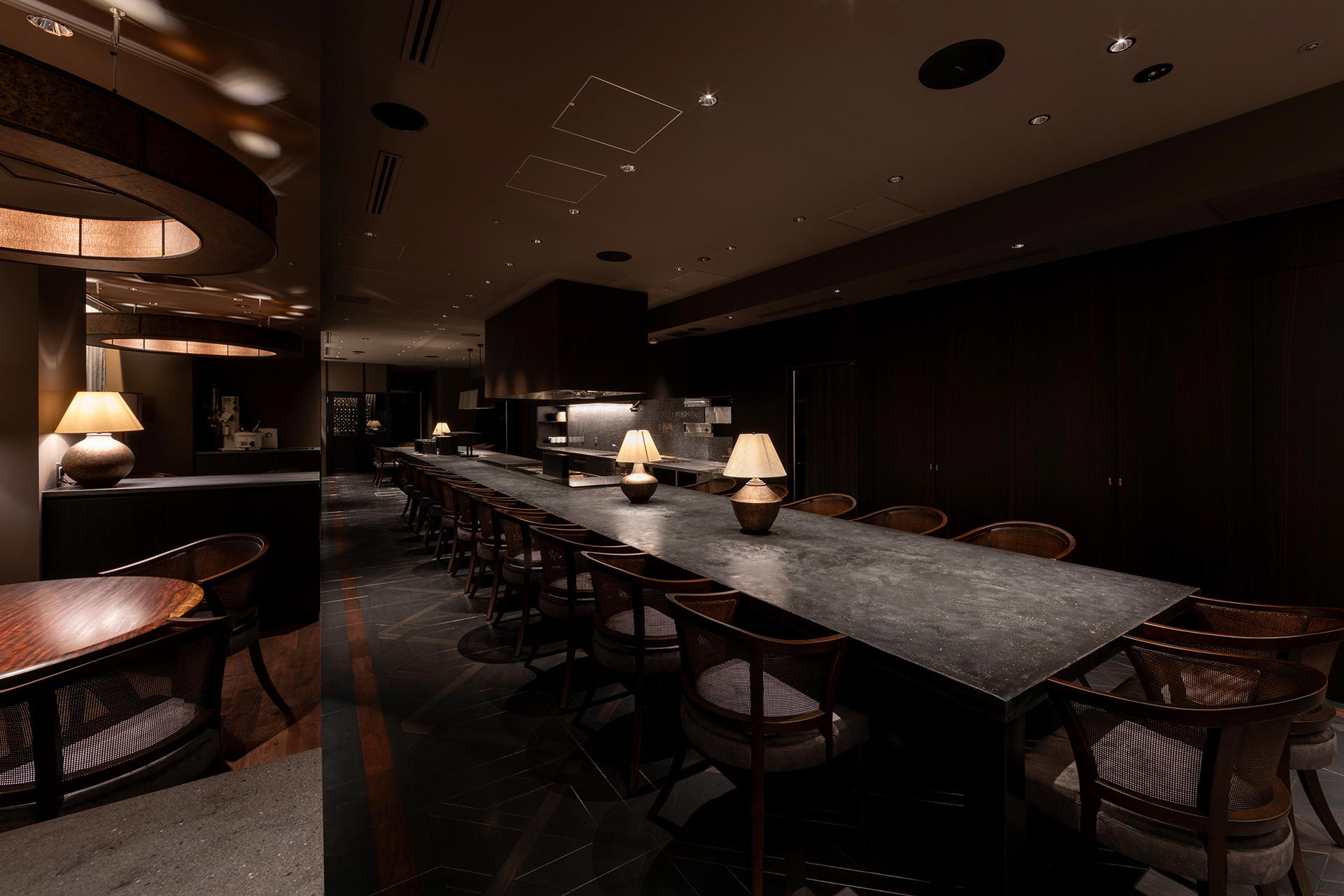
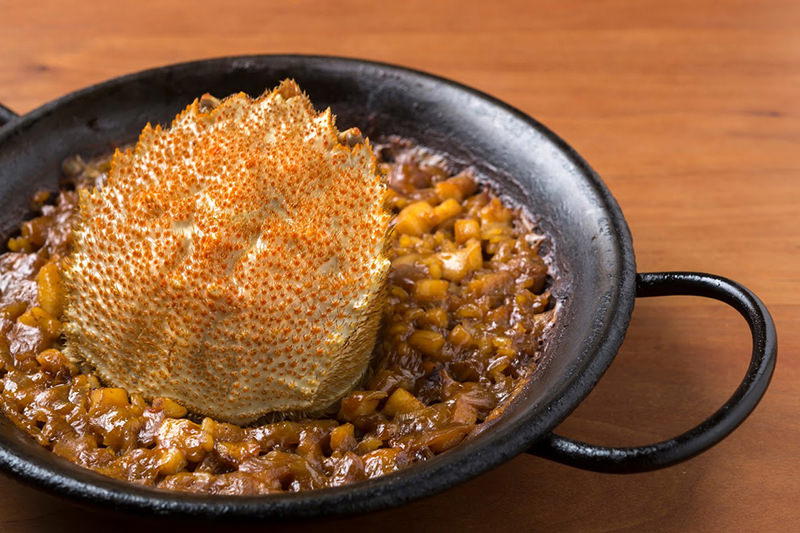
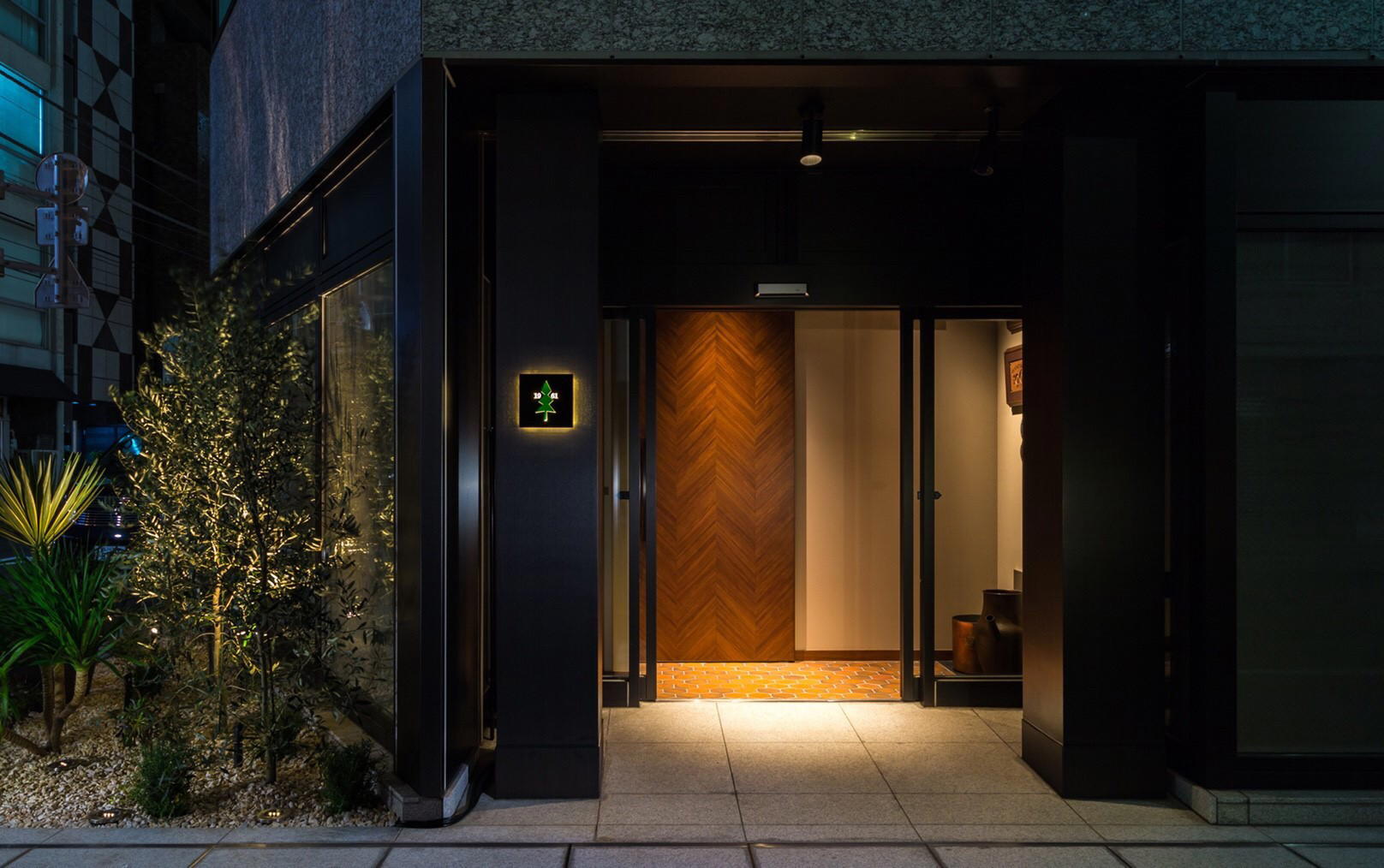

Bars in Tokyo
All bars in Tokyo →




Details
- Intimate
- Elegant
- Classic
- Quiet
- Special Occasion
- Date Night
- Solo
- Chefs Counter
- Open Kitchen
- Sake Program
- Local Sourcing
- Sustainable Seafood
- Omakase
- Counter Dining
- Sake
- Pescatarian Friendly
Current opening hours
- Monday
- 12–2 PM, 6–11 PM
- Tuesday
- 12–2 PM, 6–11 PM
- Wednesday
- 12–2 PM, 6–11 PM
- Thursday
- 12–2 PM, 6–11 PM
- Friday
- 12–2 PM, 6–11 PM
- Saturday
- 12–2 PM, 6–11 PM
- Sunday
- 12–2 PM, 6–11 PM
Hours can change for holidays and private events. Hours as of .
Warm and inviting with soft plaster walls, natural stone flooring, and deliberately low ceilings mimicking a traditional home; intimate counter seating with direct chef interaction.