


1 Michelin Star · Tabelog 100 #37
Our verdict
A Michelin-starred counter in Nishiazabu where kaiseki structure meets wagyu in a precise, course-by-course format. Chef Takaaki Tsuneyasu builds the evening around seasonal Japanese foundations before a procession of wagyu preparations takes over: beef-tail spring rolls, char-grilled tongue, and a concluding beef cutlet. Dinner runs Monday through Saturday, evenings only, at the top end of Tokyo's restaurant price tier.

Pearl is the En Primeur Club membership app, where members save venues, book tables and use the concierge.
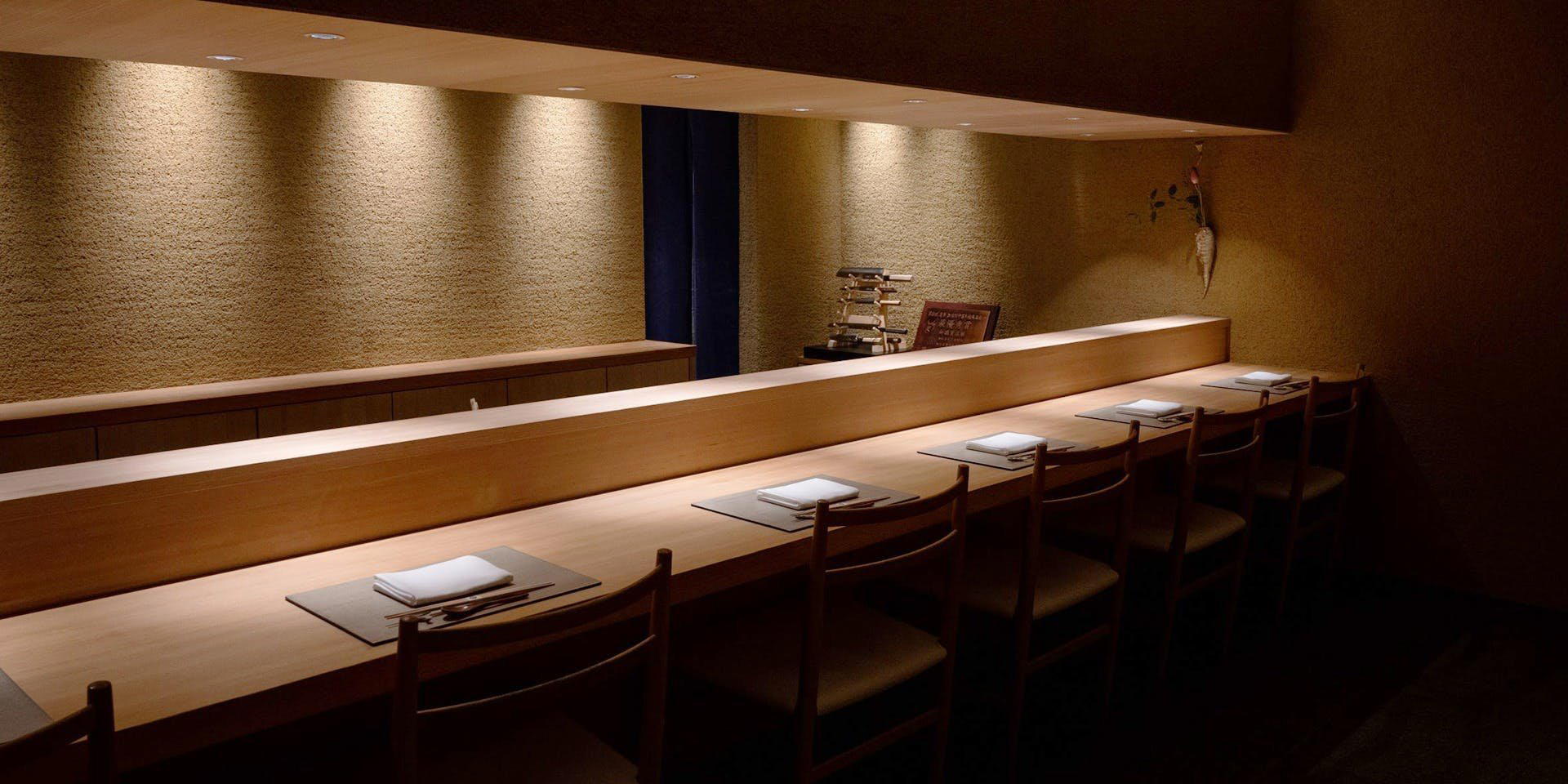
Where Kaiseki Discipline Meets Wagyu at the Counter
Tokyo's top-tier beef restaurants have split into two recognisable camps over the past decade. One group leans on theatre: the sizzle of the teppan, dramatic plating, and tableside spectacle as the main event. The other group applies the structural rigour of kaiseki, the seasonal, sequenced Japanese multi-course format, to wagyu as an ingredient rather than a performance. Towa, on the second floor of a quiet Nishiazabu building in Minato City, sits firmly in the second camp. The menu opens with tsukuri and wanmono in the classical manner, honouring the season before the first piece of beef appears. That sequencing is the point: wagyu here arrives within a disciplined framework, not as the entire identity of the evening.
That structural choice puts Towa in a different competitive conversation from the open-flame teppanyaki counters that dominate perceptions of premium beef dining in Japan. The performance at Towa is quieter but no less deliberate. Each course signals intent. The kitchen's command of kaiseki pacing means that by the time the wagyu variations begin, the diner has already been oriented to the season, the region, and the philosophy of restraint that governs the rest of the meal. Michelin awarded the restaurant a star in 2024, placing it within Tokyo's recognised tier of serious Japanese restaurants rather than the broader, more visible world of wagyu spectacle.
The Counter Logic: Preparation as the Main Narrative
Counter dining in Tokyo has its own grammar. At sushi counters like Harutaka, the chef's hand movements and the rhythm of nigiri placement carry the performance. At kaiseki houses like RyuGin, the procession of lacquerware and ceramic vessels does much of the communicating. Towa combines both registers: the sequential logic of kaiseki and the counter-proximity that makes preparation visible and immediate. The name itself carries layered meaning, a play on chef Takaaki Tsuneyasu's own name and a phrase invoking everlasting prosperity, which reflects the kind of personal and ritualistic investment that typically characterises owner-operated counter restaurants in this neighbourhood.
Char-grilling the tongue at close quarters, assembling the beef-tail spring rolls with the precision that kaiseki demands, and presenting the culminating beef cutlet as a considered main rather than a showpiece: these are the moments where the counter format earns its purpose. The diner is not watching a chef perform for an audience; they are witnessing a sequence of decisions being executed with care. That distinction matters in a city where counter seats have become status objects, and the actual quality of interaction between kitchen and guest has become a meaningful point of differentiation.
The Menu's Architecture: Season First, Wagyu Second
The menu's structure tells you what Towa prioritises. Tsukuri, the sashimi course, and wanmono, the clear soup course, are the opening movements, and their inclusion signals formal kaiseki training and a commitment to Japanese seasonal produce before the wagyu sequence begins. This is not a beef restaurant that has added a few token Japanese courses for context. The kaiseki opening is substantive, and it sets the register for everything that follows.
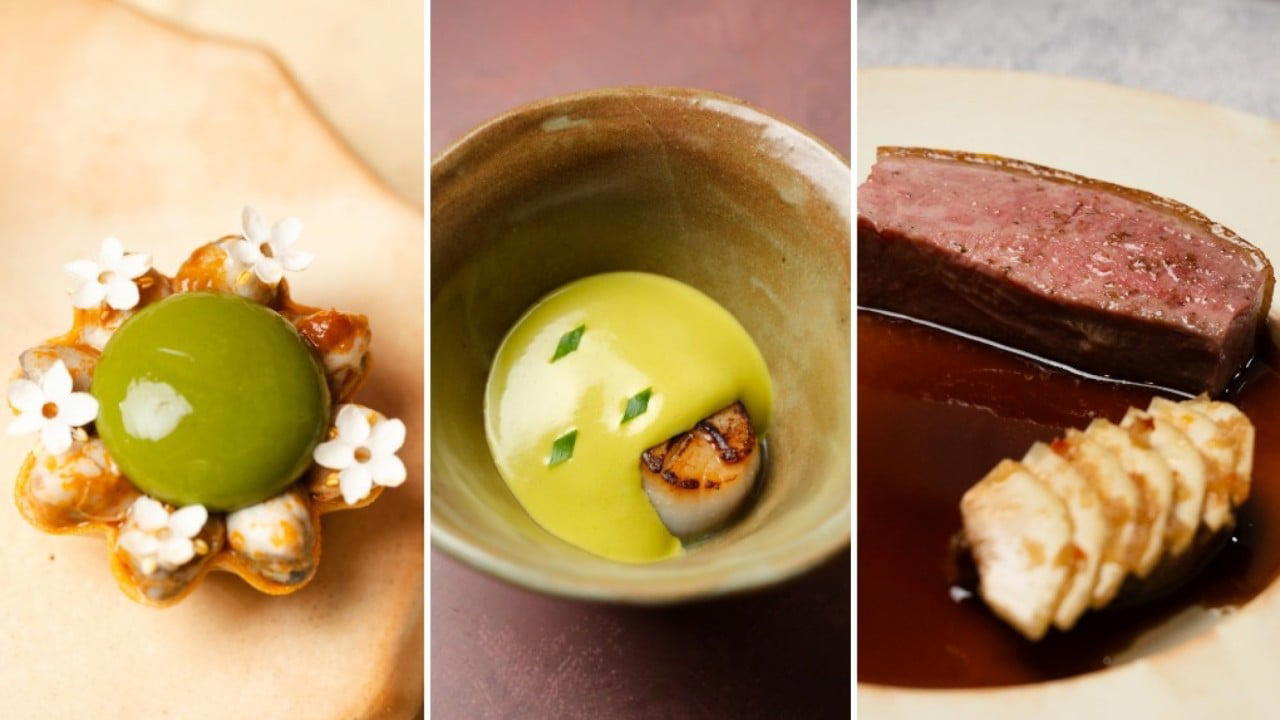
The wagyu progression then unfolds in three distinct preparations. Beef-tail spring rolls represent an approach that is technically demanding and relatively unusual in formal Japanese contexts, drawing on the collagen-rich cut in a way that requires long preparation time. Char-grilled tongue works a different part of the animal and a different cooking method, with the direct heat bringing a textural contrast to the more refined courses around it. The beef cutlet that closes the sequence is the most classically satisfying moment: katsu in a formal kaiseki setting carries a deliberate tension between the comfort-food associations of the preparation and the precision of its execution in this context.
This kind of ingredient-focused sequencing within kaiseki structure has parallels in how other Japanese cities approach premium produce. In Kyoto, Gion Sasaki applies similar seasonal discipline to a kaiseki format that celebrates local ingredients across many courses. In Osaka, HAJIME takes a different direction entirely, using innovation as the governing logic. Towa's approach is neither maximally traditional nor experimental. It occupies the productive middle ground where formal structure meets a single ingredient explored across multiple preparations.
Nishiazabu and the Neighbourhood Context
Nishiazabu has long functioned as one of Tokyo's quieter addresses for serious restaurants. It lacks the density and visibility of Ginza or Roppongi Hills, but that lower profile is part of its appeal for the restaurants that choose to operate there. The neighbourhood's dining character tends toward the serious and the discreet: restaurants that do not need foot traffic to fill their seats, and that attract guests who have sought them out rather than stumbled upon them. Towa's second-floor location in the Modan Forumo Nishiazabu building reinforces that quality of purposeful discovery. You go because you know to go.
The broader Minato City dining scene places Towa within reach of Tokyo's other top-tier Japanese restaurants, and the area's concentration of Michelin-recognised addresses creates a peer group defined by precision and restraint rather than celebrity or spectacle. French restaurants operating at the same price point in Tokyo, including L'Effervescence and Sézanne, share the neighbourhood's general ethos of quiet ambition. Crony represents another strand of that ambition in its innovative French format. The common thread across these addresses is that the cooking justifies the price tier through craft and specificity rather than room scale or theatrical presentation.
Planning a Visit
Towa operates Monday through Saturday, evenings only, from 6 to 11:30 pm, and is closed on Sundays. The price range sits at the top of Tokyo's restaurant tier (¥¥¥¥), consistent with Michelin-starred kaiseki and wagyu restaurants in the city. Visitors combining Tokyo with travel elsewhere in Japan may find useful context in EP Club's coverage of akordu in Nara, Goh in Fukuoka, 1000 in Yokohama, and 6 in Okinawa for comparative reference across Japan's regional dining registers.
For those building a broader Tokyo itinerary, EP Club's full Tokyo restaurants guide covers the city's range across price tiers and cuisine types. Complementary resources include the Tokyo hotels guide, Tokyo bars guide, Tokyo wineries guide, and Tokyo experiences guide. For international comparison in the kaiseki-adjacent fine dining space, Atomix in New York City applies a similarly sequenced, course-structured logic to Korean fine dining, while Le Bernardin in New York City represents the Western-restaurant equivalent of single-ingredient focus sustained across an entire menu.
Questions About Towa
- What kind of setting is Towa?
- Towa is a Michelin-starred (2024) counter restaurant on the second floor of a building in Nishiazabu, Minato City, Tokyo. It operates at the ¥¥¥¥ price tier, making it one of Tokyo's higher-end dinner addresses. The format combines kaiseki structure with a wagyu-focused menu, in a setting consistent with the discreet, precision-led restaurants that characterise the Nishiazabu neighbourhood.
- What is the standout dish at Towa?
- The menu, as documented in Towa's Michelin recognition, includes three notable wagyu preparations: beef-tail spring rolls, char-grilled tongue, and a beef cutlet that serves as the main course. Within a kaiseki sequence that opens with tsukuri and wanmono, the beef cutlet carries the most structural weight as the culminating dish. Chef Takaaki Tsuneyasu's approach uses kaiseki sequencing to frame each wagyu preparation as a distinct chapter rather than presenting wagyu as a single undifferentiated event.
Comparable Options
| Venue | Cuisine | Price | Awards | Notes |
|---|---|---|---|---|
| TowaThis venue (the venue you are viewing) | Kaiseki with Wagyu | $300–500 | 1 Michelin Star · Tabelog 100 #37 | Not listed |
| Harutaka | Edo-Style Omakase Sushi | $200–300 | 3 Michelin Stars · World's 50 Best #76 | Sushi |
| RyuGin | Modern Kaiseki | $500+ | 3 Michelin Stars · World's 50 Best #41 | Kaiseki, Japanese |
| L'Effervescence | Modern French with Japanese Influences | $200–300 | 3 Michelin Stars · World's 50 Best #69 | French |
| HOMMAGE | Modern French with Japanese Influences | $150–200 | 2 Michelin Stars · World's 50 Best #78 | Innovtive French, French |
| MAZ | Innovative Peruvian-Japanese Fusion | $150–200 | 2 Michelin Stars · World's 50 Best #28 | Innovative |
Recognition history
Dated appearances from independent guides and award organizations, with the underlying list record or original source where available.
Michelin 1 Star
Michelin
Opinionated About Dining Top Restaurants in Japan Recommended
Opinionated About Dining
Tabelog 100 #37 · No. 37
Tabelog · Tabelog 100 - Japanese cuisine - TOKYO - 2025
Full recognition history (4 entries)
Michelin 1 Star
Michelin
Towa
Featured Guides
Continue exploring
More in Tokyo
Restaurants in Tokyo
All restaurants in Tokyo →


Bars in Tokyo
All bars in Tokyo →






Details
- Elegant
- Sophisticated
- Minimalist
- Intimate
- Special Occasion
- Date Night
- Chefs Counter
- Private Dining
- Sake Program
- Local Sourcing
- Omakase
- Tasting Menu
Current opening hours
- Monday
- 6–10 PM
- Tuesday
- 6–10 PM
- Wednesday
- 6–10 PM
- Thursday
- 6–10 PM
- Friday
- 6–10 PM
- Saturday
- 6–10 PM
- Sunday
- Closed
Hours can change for holidays and private events. Hours as of .
Modern minimalist with ocher walls, gentle lighting creating sophisticated shadows, and classic Japanese aesthetics.