

1 Michelin Star · Tabelog 100 #7
Our verdict
A Michelin-starred kaiseki counter in Nishihara, Shibuya, Shigeyuki works at the intersection of technical precision and freewheeling creativity. The chef's signature approach, briefly heating decoratively arranged sashimi to draw out moisture, and tailoring dashi stock to each dish rather than serving it as soup, places this intimate room in Tokyo's most thoughtful tier of Japanese dining.

Pearl is the En Primeur Club membership app, where members save venues, book tables and use the concierge.
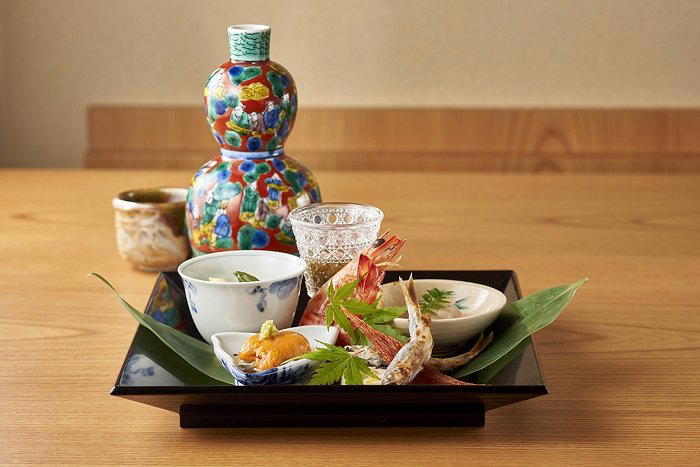
Where Shibuya's Residential Edge Meets Inventive Japanese Cooking
Tokyo's most interesting Japanese restaurants rarely occupy the city's obvious luxury corridors. Ginza and Azabu host a well-documented tier of kaiseki and washoku counters, places like Azabu Kadowaki and Kagurazaka Ishikawa, that operate inside an internationally legible fine-dining grammar. A smaller, quieter cohort works further from that axis, in residential pockets where the clientele is more local and the creative latitude is wider. Shigeyuki, on a backstreet in Nishihara, Shibuya, belongs to the second group. What defines the restaurant is a cooking sensibility that departs from convention at several key junctures and makes no apology for it.
Technique as Creative Argument
The editorial angle that matters most here is not the cuisine type, Japanese, broadly, but the relationship between classical technique and invention. Japanese cooking has one of the world's most codified technical traditions. Dashi, the foundational stock, is typically served as part of the meal in soup form: suimono, miso shiru, or variations within the kaiseki sequence. The chef at Shigeyuki has removed soup from the format entirely. Instead, dashi is tailored to each individual dish, functioning as a seasoning layer and depth mechanism rather than as a course in its own right. This is not an omission; it is a structural argument about how the meal should move.
The same logic applies to the sashimi preparation. In most Japanese fine-dining contexts, raw fish is served cold or at room temperature, with textural precision and sourcing quality doing the work. Here, decoratively arranged sashimi are briefly heated to draw out moisture. The technique is unusual enough that Michelin inspectors flagged it directly in their citation, noting that "the look surprises, the taste reassures." That phrase is worth pausing on: the visual language of the dish signals departure, and the flavour brings the diner back to familiar ground. It is a precise description of how creative cooking can operate without alienating its audience.
This approach connects to a broader pattern visible across Japan's more adventurous fine-dining scene. Restaurants like HAJIME in Osaka and Gion Sasaki in Kyoto sit at different points on the spectrum between rigorous tradition and formal experimentation. Shigeyuki occupies a particular register: the cooking reads as Japanese without being historically bound to any single regional school, and the departures from convention feel driven by considered preference rather than novelty for its own sake.
The Interior as Context
The folk-art character of the dining room is not incidental. A chest of drawers inherited from the chef's grandparents occupies space in the interior, and the overall atmosphere is described as carrying the warmth of family memory. In Tokyo's fine-dining ecosystem, interior registers tend to cluster: spare, minimalist zen on one end; sleek, contemporary luxury on the other. Shigeyuki sits outside both. The folk-art aesthetic signals a different set of priorities, one where the meal feels embedded in personal and domestic history rather than performing timeless refinement. That atmospheric choice reinforces the cooking's willingness to deviate from form.
For context, Nishihara itself is a residential quarter of Shibuya, several minutes from the main station crowd and distinct in character from the commercial blocks around Daikanyama or the gallery density of Tomigaya. Restaurants in this band of Shibuya tend to rely on neighbourhood regulars and word-of-mouth rather than foot traffic, which shapes both the format and the tone of service.
Where Shigeyuki Sits in Tokyo's Starred Tier
Tokyo's Michelin ecosystem is the most densely starred of any city, and a single star in 2024 places a restaurant in a competitive tier that includes well over 200 entries. Within that field, one-star Japanese restaurants vary enormously: some are highly traditional, some are technically innovative, some occupy the border between washoku and other culinary traditions. The comparison set for Shigeyuki is not every starred restaurant in the city, but the subset that trades in creative departure from classical Japanese form. Venues like Myojaku, Ginza Fukuju, and Jingumae Higuchi each occupy distinct positions within this space, and Shigeyuki distinguishes itself through the specific nature of its technique departures rather than through format or scale alone.
The price range is listed at ¥¥¥, which places it below the ¥¥¥¥ tier occupied by multi-star institutions like RyuGin or Harutaka. This is not the most expensive band of Tokyo fine dining, but it is not casual. The positioning suggests a restaurant that competes on creative identity rather than on the prestige premium that comes with higher price brackets and longer track records. For reference, akordu in Nara and Goh in Fukuoka represent the creative-Japanese tier in their respective cities; Shigeyuki occupies an analogous position in Tokyo's residential west.
An Evening With Some Levity
The Michelin guide's language about the chef's "freewheeling personality" making the evening fun is notable precisely because it is unusual for that publication to emphasise atmosphere over craft. In the kaiseki and high-end washoku world, formality of service is often a feature in itself, and restaurants in that category rarely get described through the lens of personality or humour. The implication is that Shigeyuki operates with a lighter social register than its Michelin status might suggest. This matters for how to read the experience: it is not a reverential, hushed dining room where the meal is consumed in silence, but a space where the chef's character is present and legible throughout the meal.
That combination of technical seriousness and personal warmth is harder to sustain than either element alone. For travellers interested in the full range of Tokyo's dining options, see our full Tokyo restaurants guide, and for context on where to stay and drink around Shibuya, our full Tokyo hotels guide and our full Tokyo bars guide cover the relevant territory. Those interested in experiences beyond restaurants can consult our full Tokyo experiences guide.
For additional context on the tradition Shigeyuki draws from and departs from, Isshisoden Nakamura in Kyoto and Kashiwaya Osaka Senriyama represent the more canonical end of Japanese fine dining, offering a useful contrast. Those exploring the broader Yokohama-Tokyo axis might also consider 1000 in Yokohama and, for something further afield, 6 in Okinawa. See also our full Tokyo wineries guide for pairing options. For additional Japanese dining reference, Gion Sasaki in Kyoto covers the more tradition-rooted end of the creative spectrum.
Planning Your Visit
Reservations: Specific booking method is not published; approach via a hotel concierge or specialist reservation service for the most reliable access at this type of Shibuya counter. Budget: ¥¥¥, placing it in the mid-to-upper range of Tokyo's starred tier, below multi-star ¥¥¥¥ institutions. Location: 2 Chome-17-3 Nishihara, Shibuya, Tokyo 151-0066. The Nishihara address puts the restaurant in a quieter residential section of Shibuya, most practical by taxi or a short walk from Yoyogi-Uehara or Yoyogi-Hachiman stations. Dress: No stated code, but the Michelin-starred context warrants smart casual at minimum. Timing: As a recently starred restaurant with a small dining room, advance planning is advisable, particularly during Tokyo's autumn dining season when competition for reservations at this tier is at its highest.
Frequently asked questions
What's the price range at Shigeyuki?
Pricing at Shigeyuki is listed as ¥¥¥.
How hard is it to get a table at Shigeyuki?
No booking platform or direct phone number is publicly listed for Shigeyuki, which in Tokyo's Michelin ecosystem typically signals a counter-format restaurant with limited covers. The 2024 Michelin star will have increased demand considerably; a hotel concierge with Tokyo connections or a specialist reservation service is the most reliable route in. Walk-ins are unlikely to be viable.
What do critics highlight about Shigeyuki?
The 2024 Michelin citation identifies three specific qualities: the visual impact of the sashimi presentation, the technique behind briefly heating it to concentrate flavour, and the chef's approach of adapting dashi stock per dish rather than defaulting to a single soup base. The guide also notes that the chef's personality keeps the evening lighter in tone than is standard for starred Japanese dining in Tokyo, and that the folk-art interior, including a chest of drawers from the chef's grandparents, contributes a sense of personal history uncommon in this tier.
Nearby-ish Comparables
A quick peer reference to anchor this venue in its category.
| Venue | Cuisine | Price | Awards | Notes |
|---|---|---|---|---|
| ShigeyukiThis venue (the venue you are viewing) | Seasonal Japanese Kaiseki | $200–300 | 1 Michelin Star · Tabelog 100 #7 | Not listed |
| Harutaka | Edo-Style Omakase Sushi | $200–300 | 3 Michelin Stars · World's 50 Best #76 | Sushi |
| RyuGin | Modern Kaiseki | $500+ | 3 Michelin Stars · World's 50 Best #41 | Kaiseki, Japanese |
| L'Effervescence | Modern French with Japanese Influences | $200–300 | 3 Michelin Stars · World's 50 Best #69 | French |
| HOMMAGE | Modern French with Japanese Influences | $150–200 | 2 Michelin Stars · World's 50 Best #78 | Innovtive French, French |
| MAZ | Innovative Peruvian-Japanese Fusion | $150–200 | 2 Michelin Stars · World's 50 Best #28 | Innovative |
Recognition history
Dated appearances from independent guides and award organizations, with the underlying list record or original source where available.
Michelin 1 Star
Michelin
Tabelog 100 #7 · No. 7
Tabelog · Tabelog 100 - Japanese cuisine - TOKYO - 2025
Full recognition history (3 entries)
Michelin 1 Star
Michelin
Continue exploring
More in Tokyo
Restaurants in Tokyo
All restaurants in Tokyo →



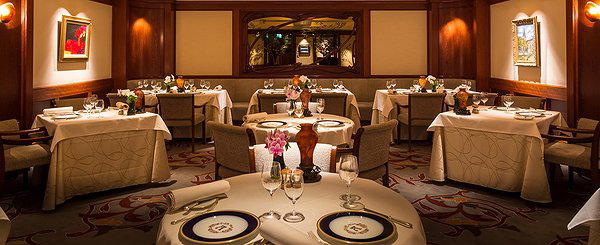
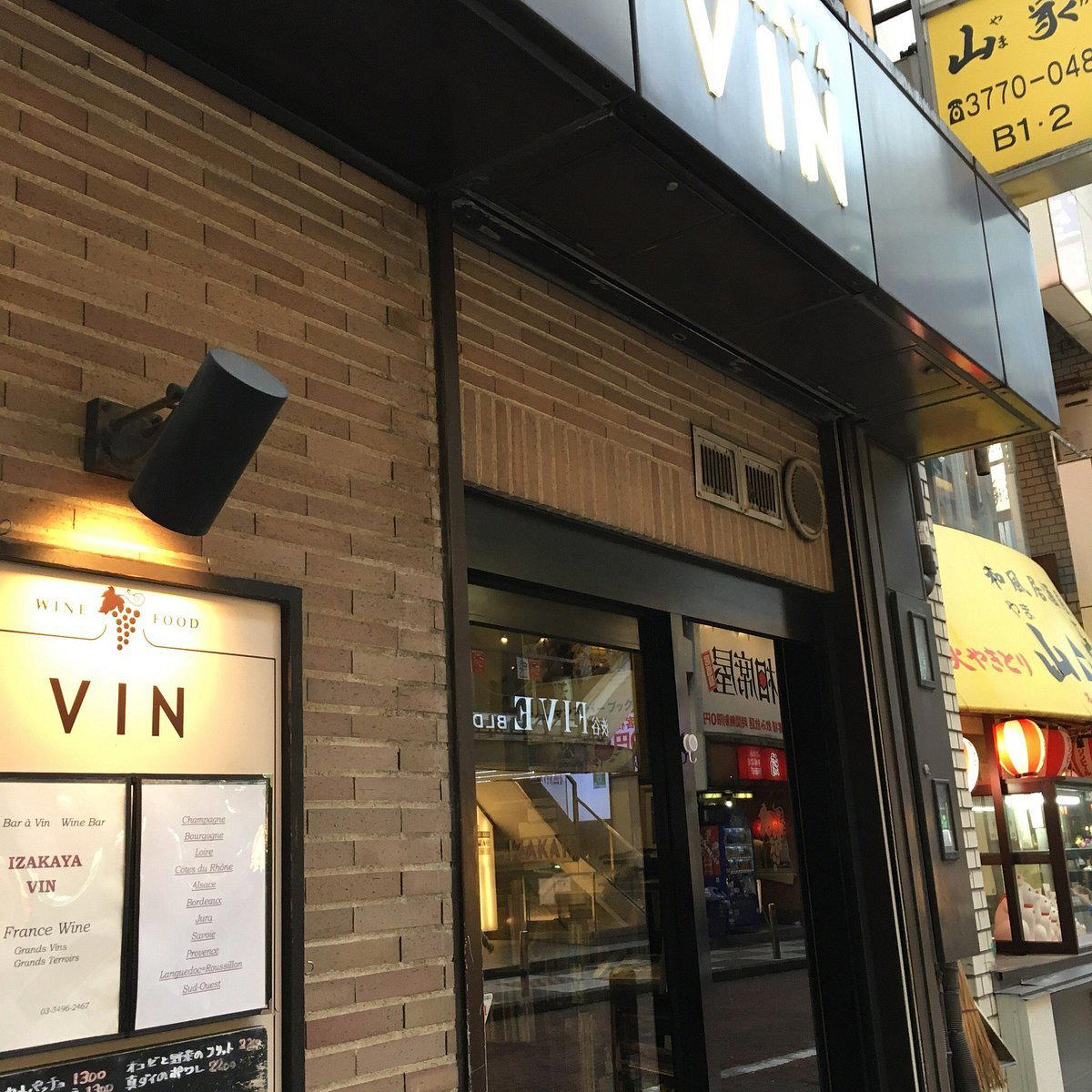
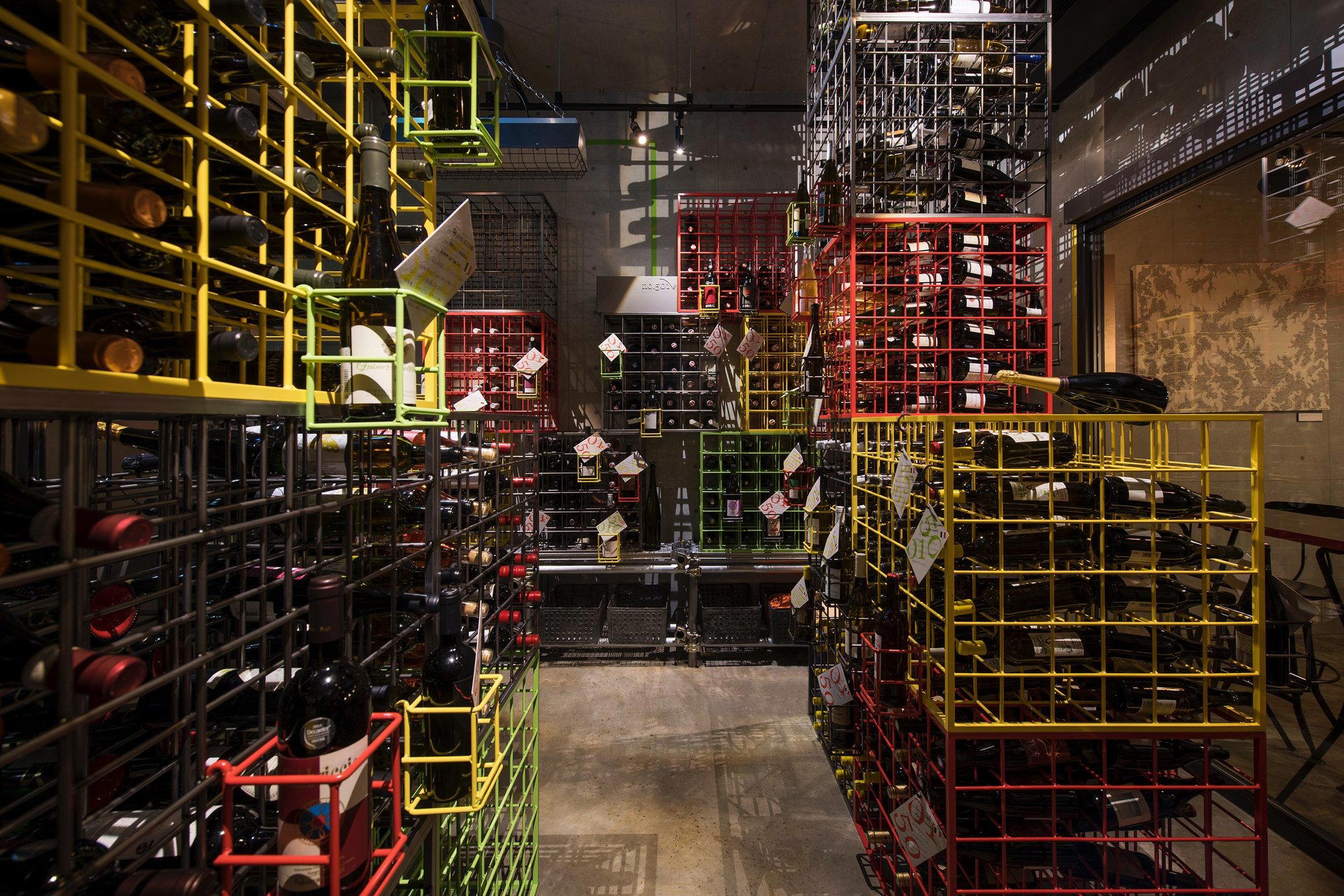
Bars in Tokyo
All bars in Tokyo →



Details
- Intimate
- Elegant
- Cozy
- Sophisticated
- Quiet
- Date Night
- Special Occasion
- Chefs Counter
- Sake Program
- Counter Dining
- Tasting Menu
- Sake
Current opening hours
- Monday
- 5:30–10 PM
- Tuesday
- 5:30–10 PM
- Wednesday
- 5:30–10 PM
- Thursday
- 5:30–10 PM
- Friday
- 5:30–10 PM
- Saturday
- 5:30–10 PM
- Sunday
- 5:30–10 PM
Hours can change for holidays and private events. Hours as of .
Lantern-soft lighting bathes pale hinoki wood, creating a quiet sense of ceremony and warmth.