



Michelin Selected · La Liste Top Hotels · Virtuoso Luxury Hotel Partner
On Midosuji, Osaka's most prominent commercial boulevard, The St. Regis Osaka occupies a position few luxury hotels in the city can match for access and address. With 160 rooms finished in Kawashima silk and French marble, butler service around the clock, and dining directed by the team behind two-Michelin-starred Ryuzu, the property earned 95 points from La Liste's 2026 Top Hotels ranking.

Pearl is the En Primeur Club membership app, where members save venues, book tables and use the concierge.
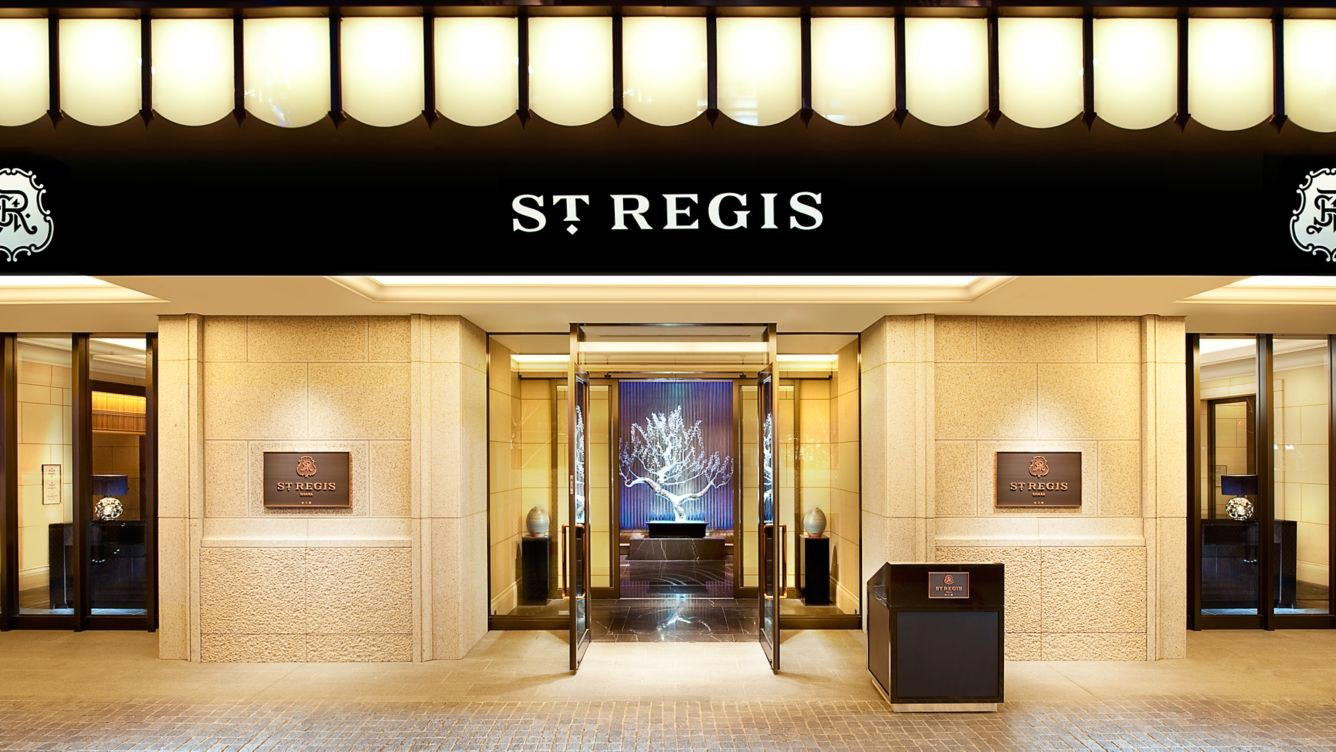
Midosuji and the Address Question
In Osaka's luxury hotel market, address still matters enormously. The city's upper tier splits between properties anchored to the waterfront towers of Nakanoshima, like Conrad Osaka and InterContinental Osaka, and those positioned along Midosuji, the broad, gingko-lined boulevard that functions as the city's central commercial spine. The St. Regis Osaka belongs firmly to the latter camp, at 3-6-12 Honmachi, Chuo Ward, a location that places it within walking distance of Shinsaibashi's retail density while sitting adjacent to the corporate district of Honmachi. For travellers whose itinerary extends to Kyoto, Nara, or Kobe, the central placement compounds: direct rail connections from nearby stations make same-day returns from all three cities practical without significant planning overhead.
That geographical position is meaningful context when comparing the St. Regis to its direct competitors. The Ritz-Carlton, Osaka sits above Osaka Station to the north; W Osaka pitches further into the Shinsaibashi entertainment zone. The St. Regis occupies the midpoint, commercial but not corporate-anonymous, fashionable but not nightlife-adjacent. La Liste's 2026 Leading Hotels ranking awarded the property 95 points, a score that positions it within the credible upper bracket of the city's offer.
Arriving and Planning Your Stay
Getting to the hotel from Kansai International Airport involves a train or bus to Namba, followed by two stops on the Osaka Metro to reach the Honmachi area. The route is reliable and avoids airport taxi pricing, though travellers arriving by taxi should carry the hotel name written in Japanese script: spoken English phonetics for "St. Regis" diverge enough from the Japanese pronunciation to create confusion at the kerb. The hotel's concierge and butler teams handle onward logistics, including connections to Kyoto and Nara, which become direct from this part of the city.
For those planning around the wider Kansai region, the Midosuji location is a genuine operational asset. Day trips to Kyoto run under an hour by express rail; Nara is comparable. Travellers who want to extend into deeper Japan after Osaka might look at HOTEL THE MITSUI KYOTO in Kyoto or Amanemu in Mie as logical continuations. Those building a broader Japan itinerary from Tokyo might begin or end at Bvlgari Hotel Tokyo before heading west.
The Rooms: Silk, Marble, and Floor Matters
Osaka's upper-tier hotels have converged on a recognisable formula: large rooms by Japanese standards, high-specification bathrooms, and some form of city-view premium on upper floors. The St. Regis's 160 guest rooms and suites hold their position in that field through material quality rather than scale alone. Headboards use Kawashima silk woven with local motifs, gingko leaves and cherry blossoms, while bathrooms pair French marble with Japanese-style soaking tubs and rainforest showers. Thread counts on the bedding sit at 300, with feather pillows as standard. Technology provision runs to 42-inch HD screens, Pioneer Blu-ray players, and Nespresso machines, calibrated to a certain idea of premium that has aged reasonably well.
Floor selection matters here in a way worth specifying before arrival. The building rises to the 27th floor, and rooms on the upper levels on the east side of the property capture mountain views and morning light that lower floors do not. Those figures are worth requesting explicitly at booking: the difference between a mid-floor city-facing room and an upper-east room with mountain and sunrise exposure is material to the stay experience, not incidental.
Butler service, the brand's signature programme, operates around the clock and in Osaka takes on a distinctly local character: discreet, precise, and proactive in ways that differ from the more expressive butler culture at St. Regis properties in other markets. Arrival tea or coffee, garment pressing, packing and unpacking assistance are standard. Guests at properties elsewhere in Japan, including Gora Kadan in Hakone or Asaba in Izu, encounter a version of hospitality rooted in ryokan tradition; the St. Regis interpretation merges that local service register with an international luxury format.
Dining: Michelin Credentials and Three Formats
Osaka's reputation as Japan's most food-serious city creates high expectations for hotel dining programmes, and properties in the premium tier increasingly address this by anchoring to named culinary talent rather than running generic in-house operations. The St. Regis positions its dining portfolio under the direction of Chef Ryuta Iizuka, whose own restaurant, Ryuzu, holds two Michelin stars. That credential sets a credibility floor for the hotel's food offer that a standalone hotel kitchen cannot replicate.
The dining formats across the property cover meaningfully distinct territory. Brasserie RÉGINE works through a French framework that draws on Kansai produce and seasonal ingredients from the surrounding region. La Veduta, modelled on a northern Italian country villa aesthetic, operates an open kitchen visible from the dining room, handling both lunch and dinner. WAJO, the teppanyaki room, builds its menu around the concept of representing Osaka's gastronomic identity through prime seasonal ingredients cooked over iron. Each format sits in a different competitive niche within Osaka's eating landscape, and the aggregate offer is more considered than typical hotel restaurant programming. For context on how this compares to the wider Osaka dining scene, the full Osaka restaurants guide maps the city's independent and hotel-based food offer in depth.
The St. Regis Bar and the Spa Floor
The St. Regis Bar operates on a design logic that distinguishes it from the standard hotel bar format. The room references the Momoyama period, the late 16th century when Japan began its first significant engagement with Western trade and culture, expressed through deep turquoise tones and candlelit settings that read quite differently from the glassier rooftop bar model that dominates competitor properties. Afternoon tea, champagne, and original cocktails form the core of the programme, carrying the brand's New York heritage traditions through a Japanese aesthetic filter.
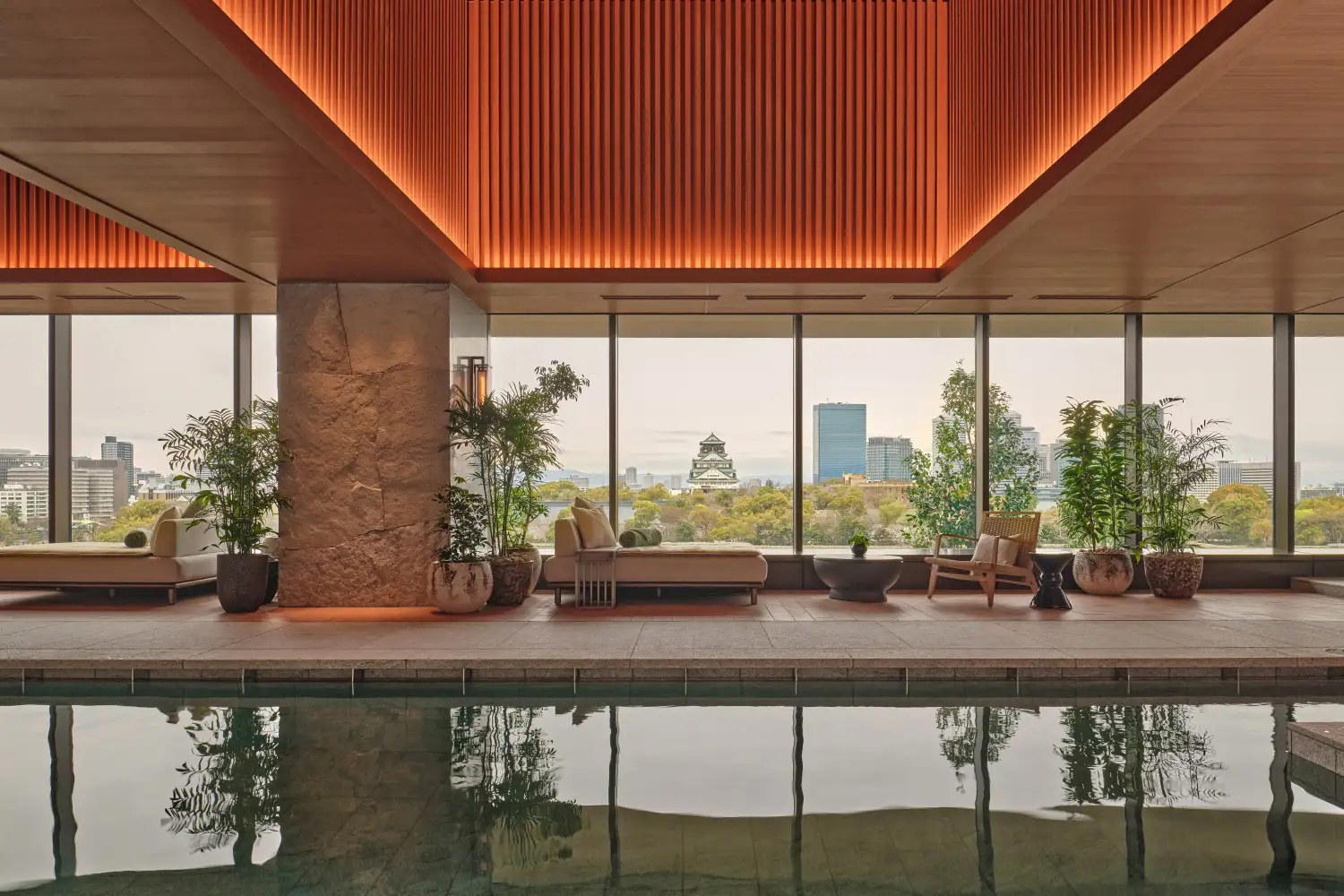
Spa occupies the 14th floor and operates under the Iridium brand, with treatments developed in partnership with Sothys of Paris. The room design leans into a modern Japanese material palette, combining that visual register with Sothys's French treatment methodology. A separate 12th-floor terrace provides city views in a quieter setting than the bar, useful for those who want the skyline perspective without the full bar programme.
How It Sits in the Market
Within Osaka's premium accommodation tier, the St. Regis occupies a specific niche: large-format luxury with a long-standing brand framework, Michelin-connected dining, and a location that works as a base for the wider Kansai region rather than a destination property in its own right. It does not compete on boutique scale or design-led differentiation the way some smaller operators do. Properties like Cuvée J2 Hôtel Osaka by Onko Chishin or Four Seasons Hotel Osaka appeal to different priorities. The St. Regis case rests on the Midosuji address, the butler programme, the Michelin-linked dining credentials, and a 95-point La Liste recognition that provides external verification of where it sits in the field.
For travellers building multi-property Japan routes, the hotel fits cleanly alongside options like Benesse House in Naoshima, Halekulani Okinawa, or Nishimuraya Honkan in Kinosaki-cho as part of an itinerary that moves between international luxury formats and more rooted Japanese hospitality styles. Those interested in comparable international St. Regis-tier properties might also reference The Fifth Avenue Hotel in New York City or Aman New York for a sense of how the upper tier of urban luxury operates in other markets, or Aman Venice for the European comparison. Other Japan alternatives worth mapping include ENOWA Yufu in Yufu, Fufu Kawaguchiko, Fufu Nikko, Jusandi in Ishigaki, and Sekitei in Hatsukaichi-shi. For those who want city-centre Osaka at a different price point, Centara Life Namba Hotel Osaka and Hotel Granvia Osaka serve as useful reference points lower in the market.
A Lean Comparison
Comparable venues nearby, for context on price, style, and recognition.
| Venue | Price | Awards | Notes |
|---|---|---|---|
| The St. Regis OsakaThis venue (the venue you are viewing) | $300–500 | Michelin Selected · La Liste Top Hotels | Not listed |
| The Osaka Station Hotel, Autograph Collection | $100–200 | Michelin Selected | Kita, Railway-inspired luxury hotel in skyscraper directly connected to JR Osaka Station. |
| Cuvée J2 Hôtel Osaka by Onko Chishin | Not listed | Small Luxury Hotels of the World Member | Chūō, Champagne-themed luxury boutique with one room per floor |
| Candeo Hotels Osaka The Tower | Not listed | Michelin Selected | Kita, High-rise tower hotel with sky spa focus |
| Osaka Excel Hotel Tokyu | $100–200 | Preferred Hotels Member | Chūō, Osaka Kaleidoscope concept blending lively opulence with city night views |
| Zentis Osaka | Not listed | Michelin Selected · Design Hotels Member | Kita, Contemporary urban boutique with modular functional spaces |
Recognition history
Dated appearances from independent guides and award organizations, with the underlying list record or original source where available.
Michelin Selected
Michelin
La Liste Top Hotels
La Liste
Forbes Recommended
Forbes
Virtuoso Luxury Hotel Partner
Virtuoso
Full recognition history (5 entries)
Forbes 4-Star
Forbes
Continue exploring
More in Osaka
Hotels in Osaka
All hotels in Osaka →


Bars in Osaka
All bars in Osaka →
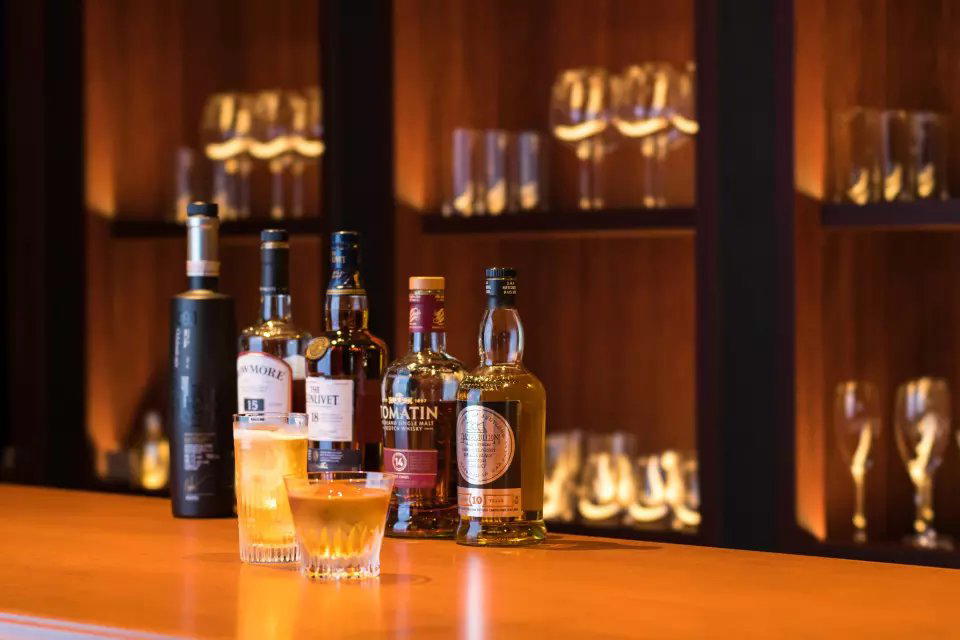
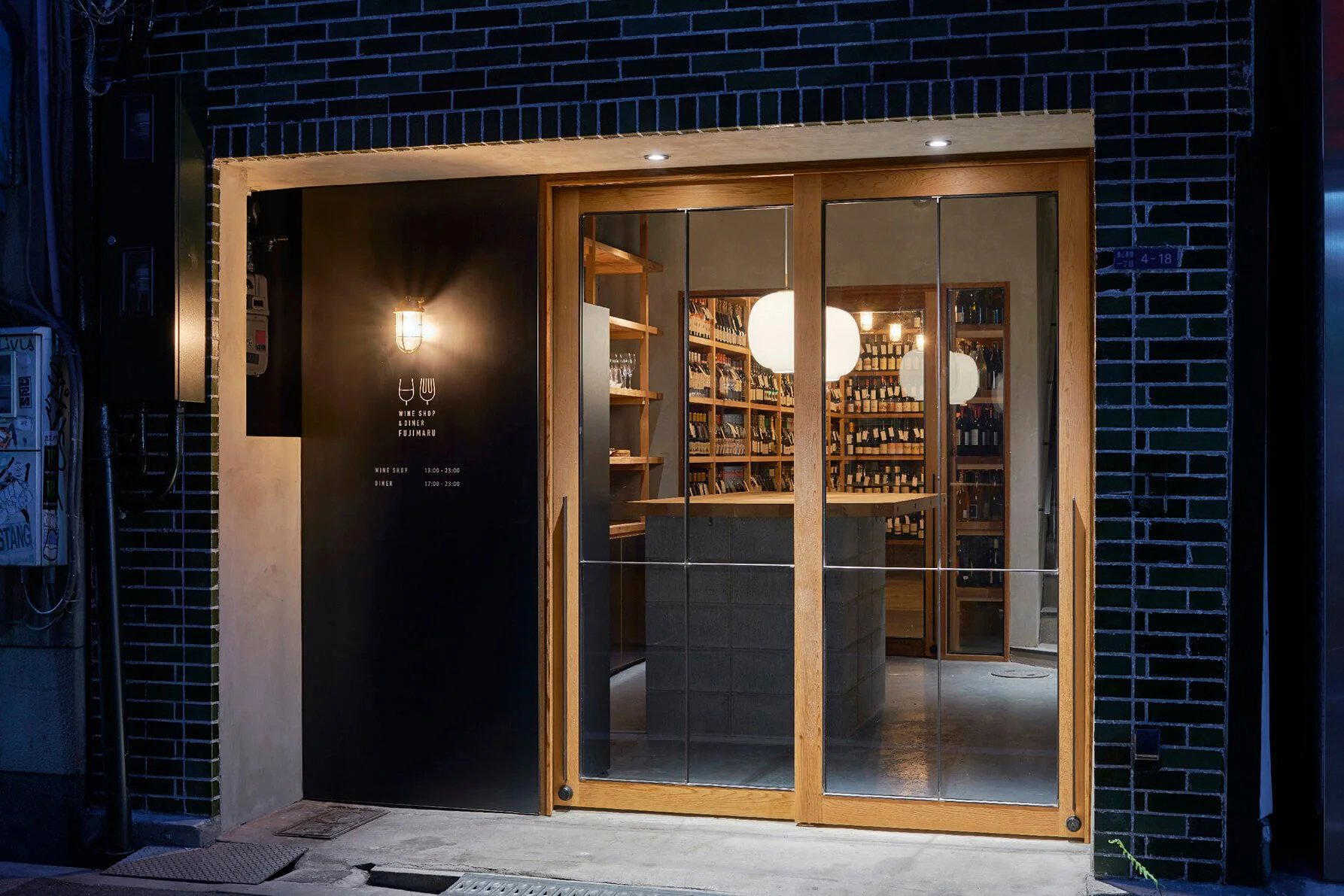
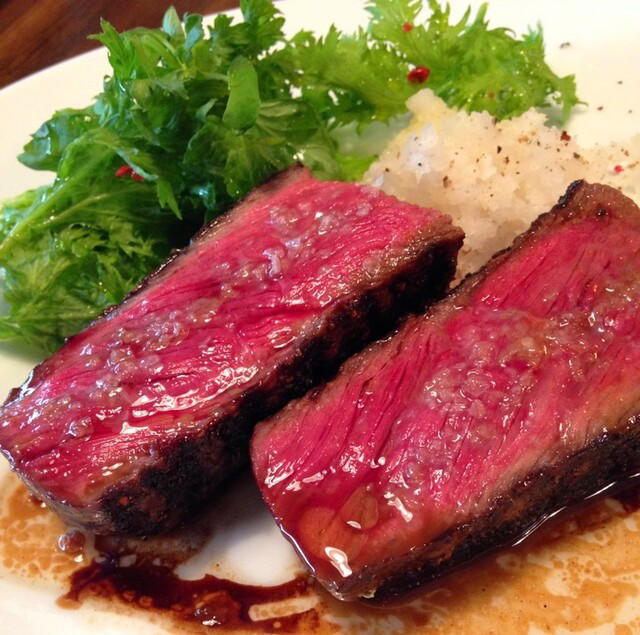
Restaurants in Osaka
All restaurants in Osaka →

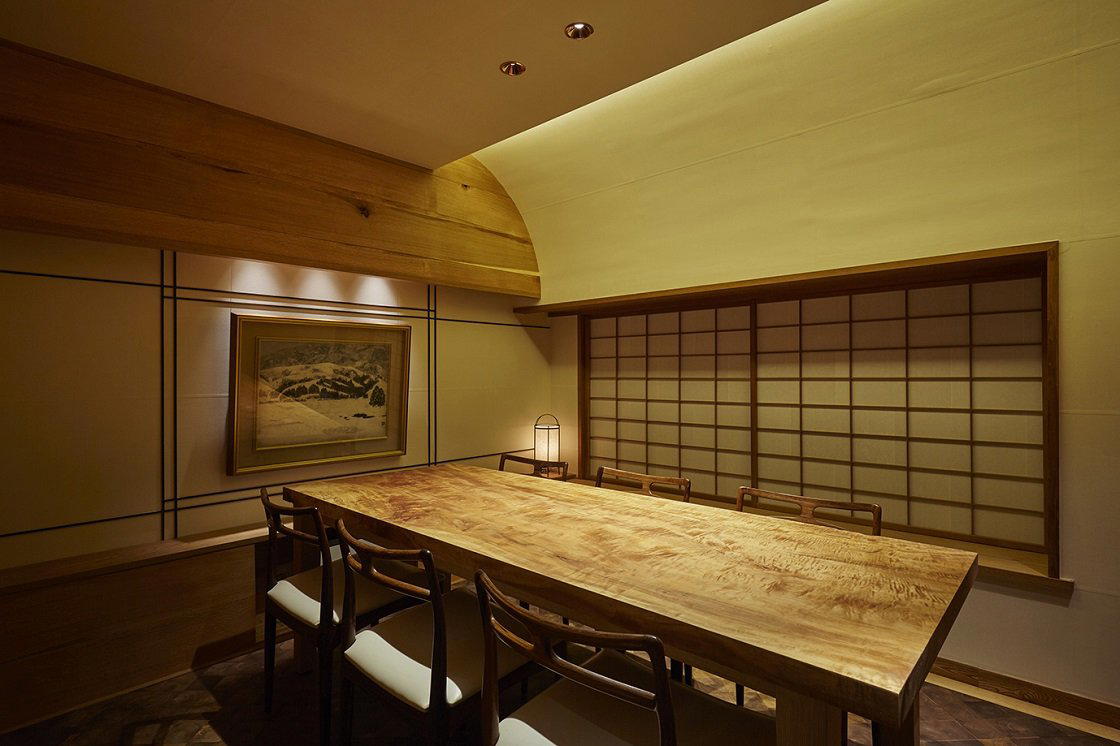


Wineries in Osaka
Browse all →
Details
- Elegant
- Sophisticated
- Ornate
- Business Trip
- Romantic Getaway
- Anniversary
- Butler Service
- Panoramic View
- Terrace
- Spa
- Fitness Center
- Room Service
- Concierge
- Business Center
- Wi Fi
- Skyline
- Street Scene
- Wheelchair Accessible
- Elevator
Elegant and serene with sophisticated lighting, deep soaking bathtubs, and peaceful rooftop garden retreats.