Michelin Plate · La Liste Top Restaurants · Tabelog 100 #52
Our verdict
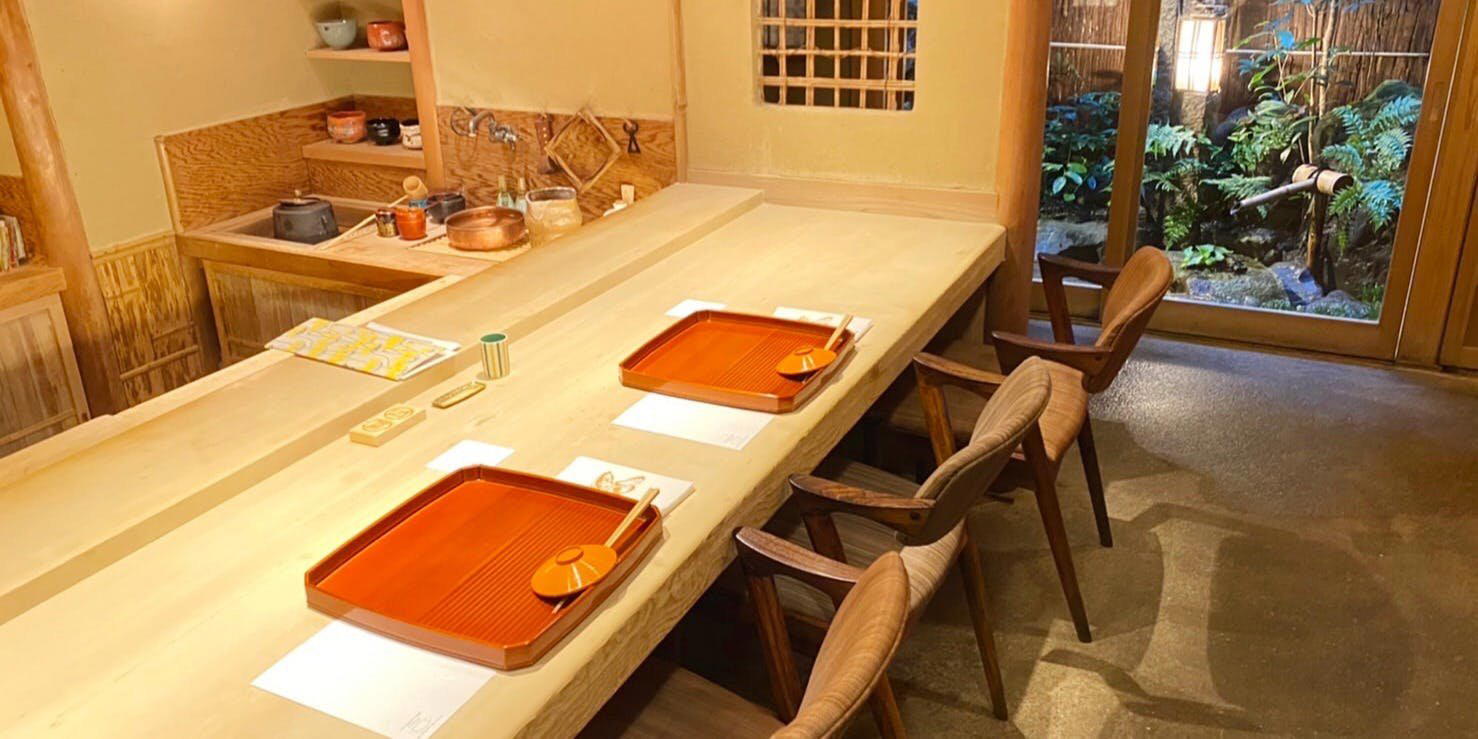
Tempura Matsu operates a specialist tempura counter in Ukyo Ward, a residential quarter well west of Kyoto's tourist corridor. Under Chef Kiyoshi Chikano, the kitchen holds La Liste recognition at 92 points (2025 and 2026), Opinionated About Dining ranking among Japan's top restaurants, and a 2024 Michelin Plate. Two tight daily sessions at ¥¥¥ pricing serve an intentional, researched guest base.

Pearl is the En Primeur Club membership app — saves, bookings, and concierge access live there. Same editors, same standards.
- Address
- Japan, 〒615-0925 Kyoto, Ukyo Ward, Umezu Onawabacho, 21-26 天ぷら松
- Phone
- +81 75-881-9190
- Hours
- Mon 12–1:30 PMTue 12–1:30 PM, 6–7:30 PMWed ClosedThu–Sun 12–1:30 PM, 6–7:30 PM
- Website
- aquadina.com
- Directions
- Get directions
The menu
What to order
- Shrimp_chawamushi
- Toro_rice
- Octopus
- Lotus_root_tempura
Umezu and the Case for Eating Tempura Far From the Tourist Corridor
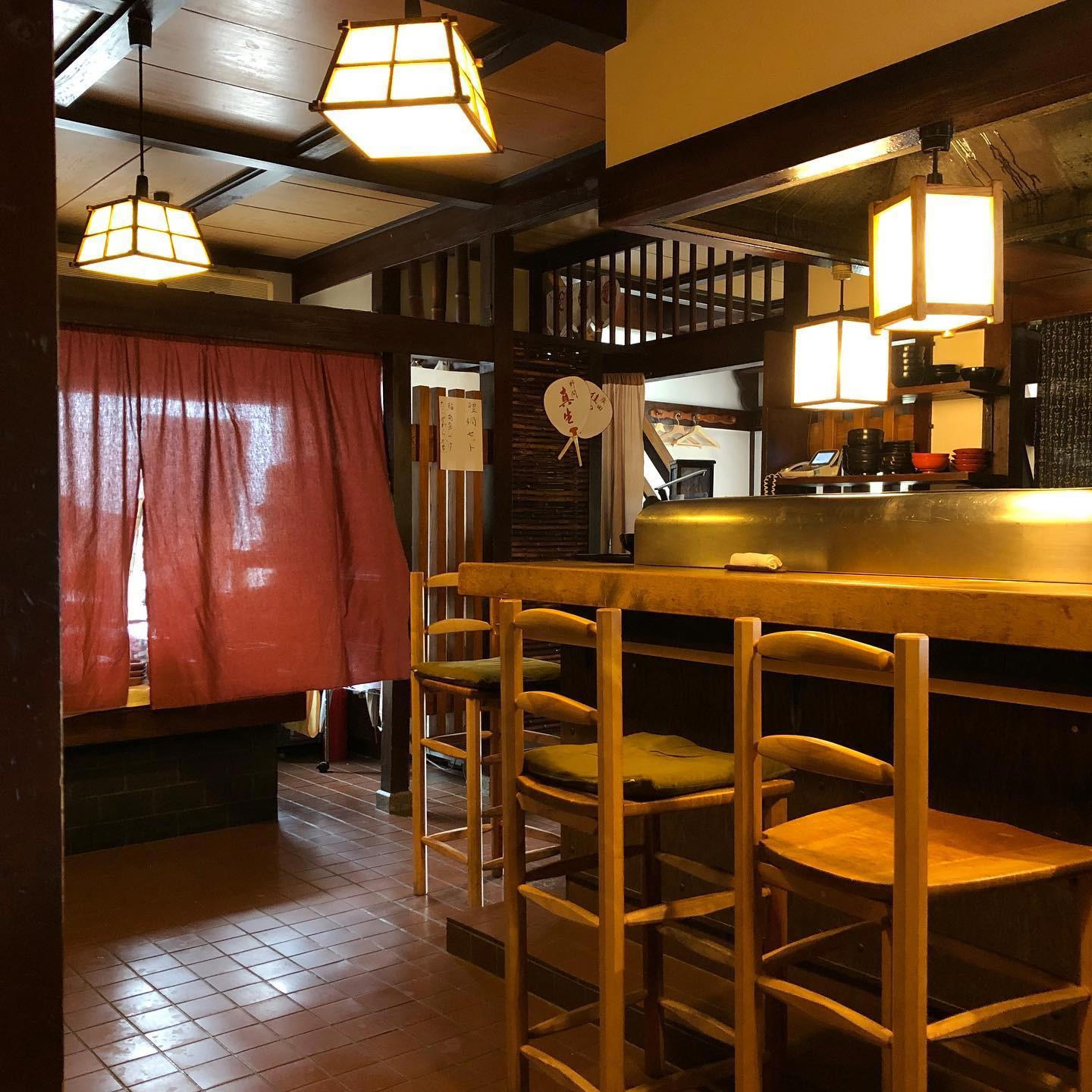
Ukyo Ward sits west of the Kamo River, removed from the temple-circuit density of Higashiyama and the retail pressure of Kawaramachi. The streets around Umezu Onawabacho have the character of residential Kyoto: narrow lanes, tiled rooftops, the occasional tofu shop or small shrine. It is the kind of neighbourhood that filters out visitors who plan only two or three days and follow the same loop. Tempura Matsu occupies a house on this quieter register of the city, and that address is not incidental. It sets the expectations before you have looked at a single dish.
Kyoto's high-end dining map tends to concentrate kaiseki and its relatives in Gion, Higashiyama, and Pontocho. Operations at the ¥¥¥¥ tier, among them Gion Senryu and Kyoboshi, cluster in or near those entertainment districts, relying on foot traffic, proximity to ryokan, and a specific kind of formal ceremonial atmosphere. Tempura Matsu at ¥¥¥ price range and in a residential western ward operates differently. It pulls from a narrower, more intentional guest pool, the kind that researches before booking rather than wandering in.
What Tempura Matsu Is Inside the Broader Tempura Tradition
Tempura as a serious restaurant discipline occupies a different conceptual space in Kyoto than it does in Tokyo. In Tokyo, the genre's prestige centres have long been in Ginza or Minami-Aoyama, where counters such as Harutaka in Tokyo represent the northern end of the capital's premium omakase culture. Kyoto tempura borrows from that same austere counter tradition but inflects it with the city's preference for restraint, seasonal precision, and ingredients sourced from the basin's surrounding farmland and rivers.
Chef Kiyoshi Chikano works within that Kyoto-tempura register. The framework here, as at comparable houses such as Miyagawacho Tensho and Tenjaku, is omakase-style sequencing of battered and fried ingredients, with the cook's control of oil temperature, batter hydration, and ingredient timing doing the work that a kaiseki chef spreads across multiple preparations. The discipline is narrow and therefore unforgiving.
For a comparison outside Japan, Mudan Tempura in Taipei illustrates how far the format has traveled and how differently it reads outside its origin geography. Closer to home, Numata in Osaka represents the Kansai region's version of the same discipline, where the seasoning tends slightly lighter than the Tokyo standard. Tempura Matsu in Umezu sits in this Kansai-inflected tradition, shaped by Kyoto's insistence on ingredient primacy over technique display.
Awards and Peer Position
The recognition record at Tempura Matsu maps a consistent mid-to-upper tier across several credentialed sources. La Liste scored the restaurant at 92 points in both 2025 and 2026, signalling stable quality rather than a single anomalous year. Opinionated About Dining, which derives its rankings from aggregated expert opinion and is among the more granular guides for Japan's specialist dining scene, placed Tempura Matsu at rank 85 in Japan in 2023, 91 in 2024, and 104 in 2025, a movement that reflects a competitive field rather than a decline in the kitchen.
That combination of rankings places Tempura Matsu in interesting company. It scores alongside and often above generalist Kyoto restaurants operating at higher price points. Among the ¥¥¥ tier in Kyoto, where Enyuan Kobayashi operates across a different cuisine register, Tempura Matsu distinguishes itself through specialist focus. The argument the awards data makes is that this kitchen, in this location, is executing at a level that warrants attention regardless of whether the address is convenient.
Restaurants across the Kansai corridor earning comparable La Liste scores include HAJIME in Osaka at the haute end and akordu in Nara in a different register. Further afield, Goh in Fukuoka and 1000 in Yokohama represent how Japan's credentialed dining scene extends well beyond Tokyo and Kyoto's central wards. 6 in Okinawa shows a similar pattern at the country's geographic edge. Tempura Matsu's position in that national context is that of a firmly credentialed specialist in an underrepresented western Kyoto location.
The Umezu Address as Filtering Mechanism
Residential Kyoto has a way of sorting its restaurants by seriousness of intent. The kaiseki houses of Gion derive some of their prestige from neighbourhood osmosis, from the proximity to geiko culture, to the old machiya fabric, to centuries of entertainment-district associations. Umezu carries different associations: practical, agricultural, close to the Katsura River plain that historically supplied Kyoto's vegetable markets. A tempura kitchen in this quarter is not trading on postcard scenery. It is making a case through the plate alone.
That geography has practical consequences for the visitor. Getting to Umezu from central Kyoto requires intention: the address in Ukyo Ward is not on the way to anything else on the standard itinerary. Visitors who make the journey tend to do so specifically for the meal, which changes the composition of the room and, by extension, the atmosphere. A dining room where every guest has made a deliberate trip reads differently from one populated by walk-ins or hotel-concierge referrals.
Kyoto's dining culture rewards this kind of lateral movement. The restaurants that sit outside the Gion-Pontocho corridor, whether at the ¥¥¥¥ kaiseki level or the mid-tier specialist level, tend to have lower ambient noise, more consistent pacing, and a kitchen less distracted by throughput pressure.
Service Windows and Planning Notes
The operating structure at Tempura Matsu follows the tight two-session format common to serious Japanese counter restaurants. Lunch runs 12:00 to 1:30 pm; dinner runs 6:00 to 7:30 pm. Wednesday is closed. Both sessions on every other day of the week are available, which gives more scheduling flexibility than counters running a single daily service.
The ninety-minute window is standard for omakase-format counters in Japan and reflects a kitchen sequencing ingredient by ingredient rather than managing a multi-hour production. For first-time visitors, the lunch session in particular suits those combining the meal with afternoon exploration of the Arashiyama or Katsura areas, both of which are accessible from Ukyo Ward without crossing back to central Kyoto.
Reservations: Budget: ¥¥¥ price tier. Hours: Lunch 12:00–1:30 pm, Dinner 6:00–7:30 pm; closed Wednesday. Address: Umezu Onawabacho 21-26, Ukyo Ward, Kyoto.
Where Tempura Matsu Fits in a Kyoto Dining Plan
Anyone assembling a serious Kyoto restaurant itinerary should consult our full Kyoto restaurants guide, which maps the city's dining scene from kaiseki to specialist counters across all price tiers. For everything else the city offers, our full Kyoto hotels guide, our full Kyoto bars guide, our full Kyoto wineries guide, and our full Kyoto experiences guide cover the wider picture.
Frequently asked questions
What kind of recognition has Tempura Matsu received?
What's Tempura Matsu's location?
Tempura Matsu is located at Japan, 〒615-0925 Kyoto, Ukyo Ward, Umezu Onawabacho, 21-26 天ぷら松, Kyoto.
What should I eat at Tempura Matsu?
Tempura Matsu operates as a specialist tempura counter under Chef Kiyoshi Chikano in an omakase format, meaning the kitchen sequences the meal rather than offering à la carte choices. The menu follows what the chef selects, typically building through seafood and seasonal vegetables in the tradition of serious Japanese tempura counter dining. Arriving with dietary restrictions worth communicating in advance is advisable given the fixed progression. The restaurant holds La Liste recognition at 92 points and an OAD Top 104 Japan ranking for 2025, both of which speak to the kitchen's consistency within its discipline.
How would you describe the cuisine at Tempura Matsu?
Is Tempura Matsu expensive?
Pricing at Tempura Matsu is listed as ¥¥¥.
What are the opening hours for Tempura Matsu?
Hours at Tempura Matsu: Hours: Monday 12–1:30 pm, 6–7:30 pm Tuesday 12–1:30 pm, 6–7:30 pm Wednesday Closed Thursday 12–1:30 pm, 6–7:30 pm Friday 12–1:30 pm, 6–7:30 pm Saturday 12–1:30 pm, 6–7:30 pm Sunday 12–1:30 pm, 6–7:30 pm.
Who is the chef connected to Tempura Matsu?
The chef associated with Tempura Matsu is Kiyoshi Chikano.
What It’s Closest To
| Venue | Cuisine | Price | Awards | Notes |
|---|---|---|---|---|
| Tempura MatsuThis venue — the venue you are viewing | Modern Kaiseki with Tempura | $100–150 | Michelin Plate · La Liste Top Restaurants | Not listed |
| Gion Sasaki | Modern Kaiseki | $300–500 | 3 Michelin Stars · La Liste Top Restaurants | Kaiseki, Japanese |
| cenci | Innovative Italian-Japanese Fusion | $100–150 | 1 Michelin Star · World's 50 Best #76 | Italian |
| Ifuki | Sumibi Kappo Kaiseki | $200–300 | 2 Michelin Stars · La Liste Top Restaurants | Kaiseki |
| Kyokaiseki Kichisen | Kyoto Kaiseki | $200–300 | 2 Michelin Stars · La Liste Top Restaurants | Japanese |
| Kyo Seika | Seasonal Chinese Fine Dining in Kyoto | Not listed | 1 Michelin Star | Chinese |
Recognition history
Dated appearances from independent guides and award organizations, with the underlying list record or original source where available.
Michelin Plate
Michelin
La Liste Top Restaurants
La Liste
Opinionated About Dining Top Restaurants in Japan Ranked #102
Opinionated About Dining
Tabelog 100 #52 · No. 52
Tabelog · Tabelog 100 - Tempura - 2025
Full recognition history (8 entries)
La Liste Top Restaurants
La Liste
Opinionated About Dining Top Restaurants in Japan Ranked #104
Opinionated About Dining
Opinionated About Dining Top Restaurants in Japan Ranked #91
Opinionated About Dining
Opinionated About Dining Top Restaurants in Japan Ranked #85
Opinionated About Dining