
Tabelog 100 #64
Our verdict
Daiei sits in Kobe’s steak-and-teppanyaki conversation from the older, quieter side of the city rather than the hotel-dining circuit. Its appeal is grounded in provenance, grill craft, and a compact room format, with Tabelog 100 Steak / Teppanyaki WEST recognition in 2025 placing it among the region’s serious beef addresses.

Pearl is the En Primeur Club membership app — saves, bookings, and concierge access live there. Same editors, same standards.
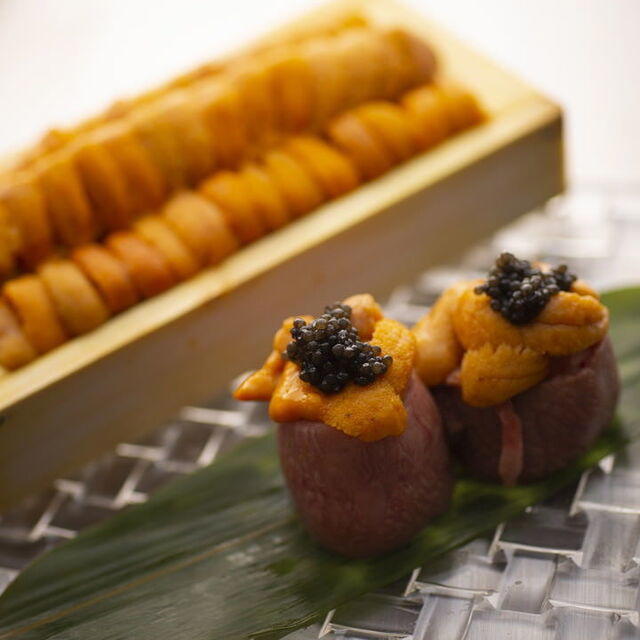
The menu
What to order
- Kobe beef steak (A5 Kobe steak)
- Beef sashimi platter
- Uni / beef / caviar sushi
- A5 beef carpaccio with truffle
- House beef curry
Approaching Kobe changes the mood of Kobe dining. The city’s steak reputation is often sold through polished counters, but the more useful meals can happen in straightforward rooms, where the focus returns to the grill, the pace of service, and the question that matters most: how carefully the beef is cooked, and how little needs to be added to it.
Daiei belongs to that Kobe steak conversation. The category is teppanyaki and steak, but the useful distinction is not theatrical cooking versus Western steakhouse service. In Kobe, the better comparison is between restaurants that treat steak as a luxury label and restaurants that treat it as a focused meal built around heat, timing, and restraint. Tabelog included Daiei in its 2025 recognition for the category, with a listed score of 3.69 and a dinner budget of JPY 8,000 - JPY 9,999, which places it in a regional cohort judged around consistency rather than novelty.
Kobe beef culture without the hotel-dining script
Kobe’s steak scene has two parallel tracks. One is export-facing: English menus, heavy branding, and a polished explanation of premium beef. The other is local and more pragmatic, built around compact rooms, repeatable cooking, and the understanding that fat, heat, and rest are central to the meal. Daiei sits closer to the second track in editorial terms. That matters because steak is not a generic luxury phrase here; it is part of a regional dining culture in which careful handling can shape the meal before the grill is ever switched on.
The restaurant’s listed format reinforces that reading. Attention stays on teppanyaki and steak, while the overall experience can be understood as less about the hushed, appointment-only style now common in high-end Japanese beef dining. The result is not casual in the sense of cheap or improvised. It is casual in the Kansai sense: serious food without requiring the choreography of a grand dining room.
That balance also explains why the venue makes sense in Kobe rather than as a generic luxury stop. Some cities turn wagyu and steak into a tasting-menu hierarchy, with beef appearing as one course inside a broader luxury sequence. Kobe has less need to translate the ingredient. Here, steak and teppanyaki can be the whole point, and the surrounding meal does not have to apologize for that focus.
Ingredient handling is the argument, not a garnish
In Japanese steak dining, handling is not decorative language. It shapes cut choice, fat behavior, portion rhythm, and what drinks work alongside the meal. Daiei’s public classification as teppanyaki and steak points to a format designed for beef as the center of gravity rather than as one luxury course among many. The strongest Kobe steak meals often follow that structure: fewer distractions, tighter heat control, and a meal built around the grill.
Price also helps define the competitive set, even when it should not dominate the story. Daiei operates above Kobe’s everyday noodle, curry, and coffee circuit, but below the international luxury steakhouse tier that sells ceremony as much as beef. In the local comparison frame, Kanmidokoro Akachaya, Tsukemen Shigeta, and Men Hikyu Rokkoumichi ten occupy the inexpensive end of the city’s dining map, while Karapincha and Moriguchi sit in more modest meal brackets. Daiei belongs to a different decision: a beef-led dinner where the premium is paid for focused cooking and grill discipline.
The handling angle is also why Kobe remains a useful city for travelers who care about steak beyond brand recognition. The name of the city travels globally in beef culture, but the city itself gives context to the label. A meal here can show how steak functions in a local format, not just how it photographs on a certificate or menu page. That is the editorial reason to consider Daiei: it gives the city’s steak tradition a Kobe setting rather than a stage set.
How to place it in a Kobe itinerary
The practical decision is simple: this is a dinner-focused steak address for travelers who want Kobe’s beef culture without turning the evening into a luxury performance. Small groups can treat it as a deliberate meal, while diners who care about the cooking process will be drawn to the teppanyaki format. The experience is better treated as a planned dinner than an opportunistic stop, especially because the restaurant sits in a higher local price bracket.
Kobe also changes the pacing of the night. Pairing the meal with Kobe sightseeing requires some planning, but the trade-off is a clearer view of how the city eats beyond its most visitor-facing version. For adjacent Kobe planning, compare other beef-led rooms generically, then widen the itinerary with other Kobe dining, coffee, and casual restaurants. Broader city coverage sits in, with planning context in.
For readers building a wider Japan food route, the useful comparison is category rather than name: specialist venues with a clear ingredient focus. That might mean beef, seafood, curry, coffee, or other tightly defined formats in other Japanese cities. Outside Japan, Japanese dining formats can travel in many directions, though Kobe’s steak culture is better understood on its home ground.
The verdict is less about spectacle than fit. Daiei is for diners who want Kobe steak culture interpreted through a Kobe teppanyaki-steak room with documented recognition and a grill-led rationale. Travelers chasing hotel polish may prefer more formal counters; those interested in how Kobe’s beef reputation functions beyond the postcard version will find the stronger argument here.
Frequently asked questions
Does Daiei work for a family meal?
Daiei is best understood as a teppanyaki and steak restaurant in Kobe, with a listed dinner price range of JPY 8,000 - JPY 9,999. It suits diners looking for a planned beef-led meal rather than a quick casual stop.
What's the overall feel of Daiei?
Daiei reads as a focused steak and teppanyaki room rather than a polished hotel dining room. Its Tabelog 2025 recognition and listed score of 3.69 give it the profile of a Kobe address with documented local credibility.
What does dinner at Daiei typically cost?
Pricing at Daiei is listed as JPY 8,000 - JPY 9,999.
What days is Daiei closed?
Specific closing days are not provided here. Check directly with Daiei before planning a visit.
What's Daiei's location?
Kobe.
Comparable Spots, Quickly
Comparable venues for orientation by cuisine and category.
| Venue | Cuisine | Price | Awards | Notes |
|---|---|---|---|---|
| DaieiThis venue (the venue you are viewing) | Traditional Kobe Beef Teppanyaki Steakhouse | $50–100 | Tabelog 100 #64 | Not listed |
| Miyasu | Kobe Beef Steakhouse | $100–150 | Tabelog 100 #35 | Chūō |
| Ito Grill | Classic Kobe yoshoku & charcoal‑grilled Kobe beef | $100–150 | Tabelog 100 #91 | Chūō |
| KOKUBU Steak House | Kobe Beef Teppanyaki | $100–150 | Not listed | Chūō |
| Propeller | Kobe Steakhouse | $30–50 | Tabelog 100 #47 | Chūō |
| Toriryori Ranpu | Chicken Dishes / Izakaya | $30–50 | Tabelog 100 #95 | Chūō |
Recognition history
Dated appearances from independent guides and award organizations, with the underlying list record or original source where available.
Tabelog 100 #64 · No. 64
Tabelog · Tabelog 100 - Steak / Teppanyaki - WEST - 2025
Continue exploring
More in Kobe
Restaurants in Kobe
All restaurants in Kobe →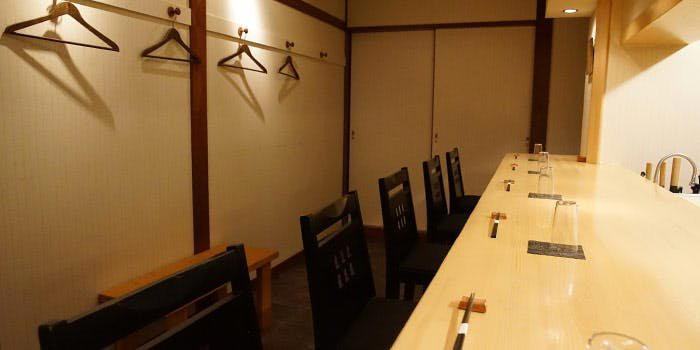
Bars in Kobe
Browse all →



Details
- Classic
- Cozy
- Intimate
- Well Known
- Date Night
- Business Dinner
- Group Dining
- Special Occasion
- Celebration
- Family
- Chefs Counter
- Open Kitchen
- Standalone
- Local Sourcing
- A La Carte
- Counter Dining
- Set Menu
- Beer
- Sake
- Wine
- Allergy Accommodating
Current opening hours
- Monday
- 5–9:30 PM
- Tuesday
- 5–9:30 PM
- Wednesday
- 5–9:30 PM
- Thursday
- Closed
- Friday
- 5–9:30 PM
- Saturday
- 5–9:30 PM
- Sunday
- 5–9:30 PM
Hours can change for holidays and private events. Last verified .
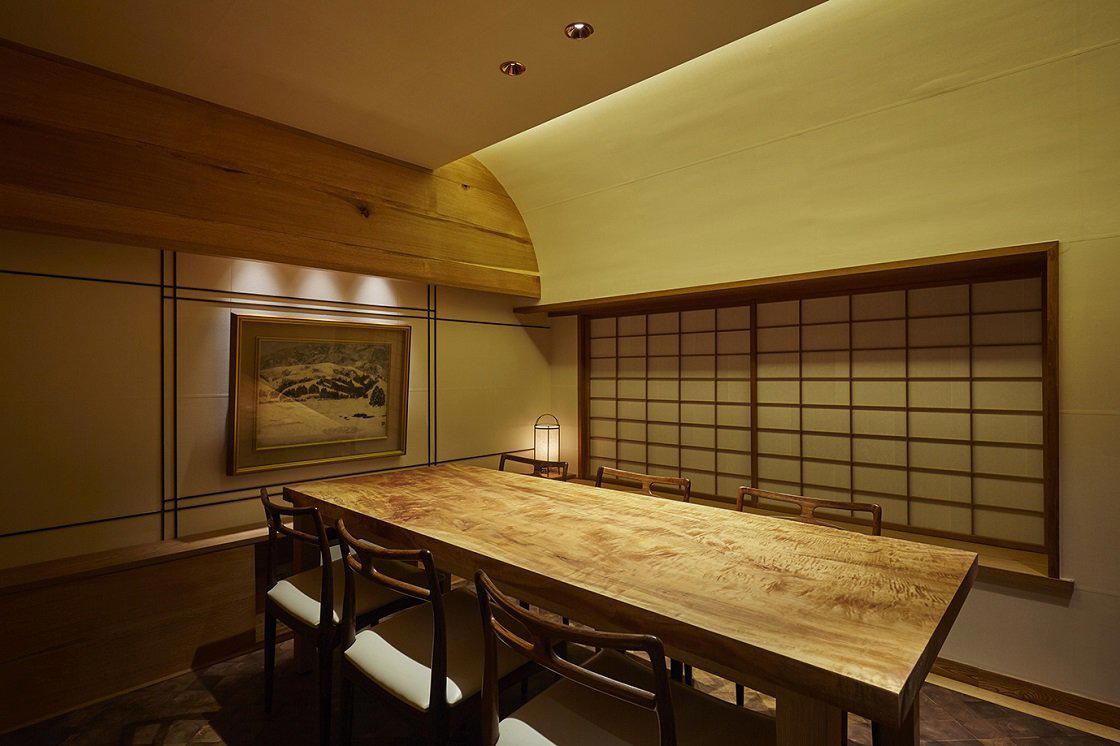
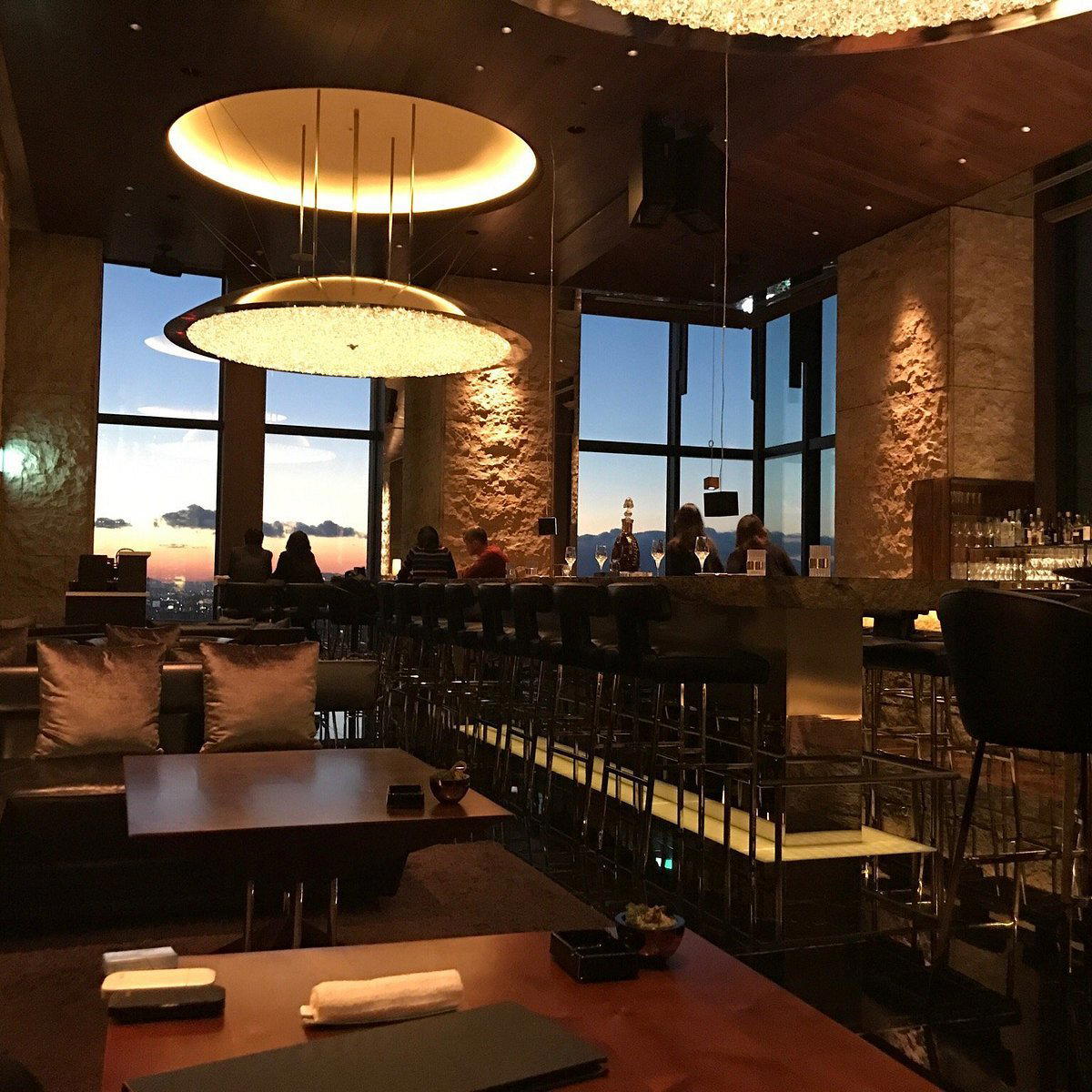
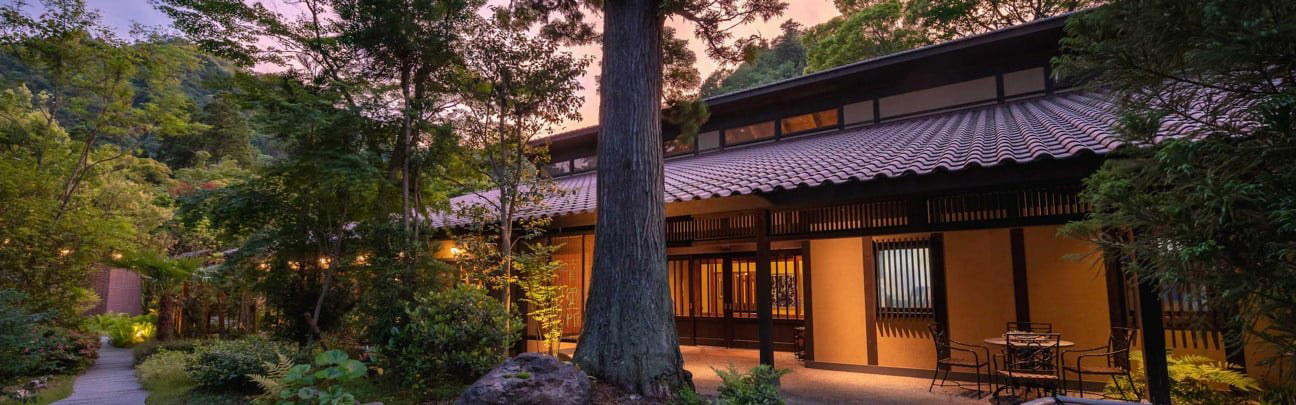
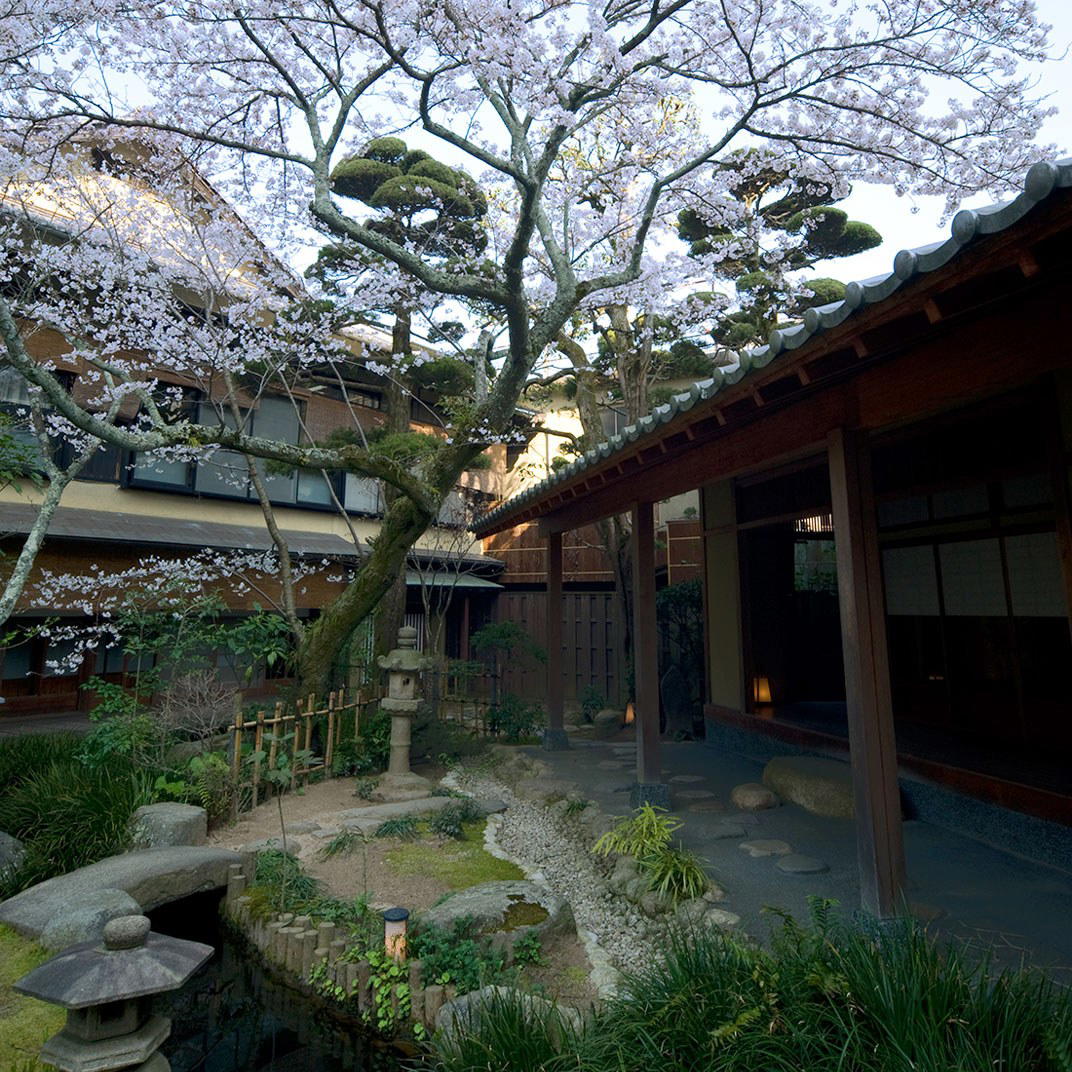
Warm, low-lit counter-and-table setting centered on the teppan grill, with a classic neighborhood feel where the owner-chef cooks in front of guests and interacts personally, creating an intimate yet relaxed atmosphere.