
Tabelog 100 #66
Our verdict
Kobe beef dining in Sannomiya often splits between counter-theatre teppanyaki and slower, table-led beef courses. Kobe Plaisir Honten belongs to the more structured end of that spectrum, with teppanyaki, steak and shabu-shabu formats under one roof, plus repeated Tabelog 100 recognition for steak and teppanyaki in western Japan.

Pearl is the En Primeur Club membership app — saves, bookings, and concierge access live there. Same editors, same standards.
The menu
What to order
- Kobe beef teppanyaki steak
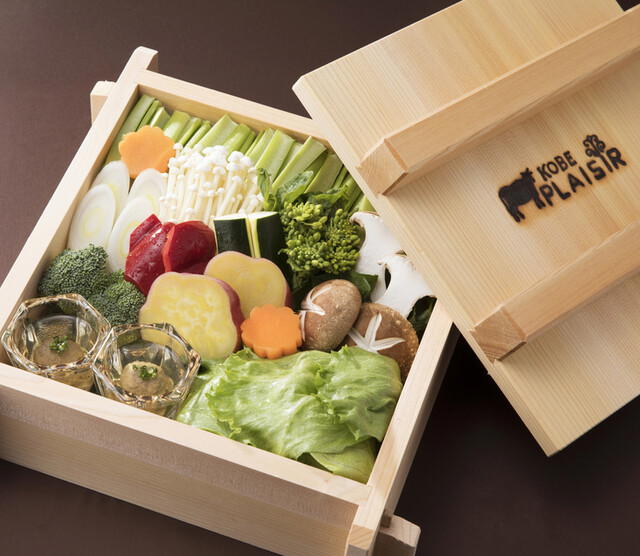
- Kobe beef seiro-mushi (steamed)
- Kobe beef shabu-shabu
- Kobe beef 100% hamburger (weekday lunch)
The first cue is not ceremony but control: in Kobe, a room built around the mechanics of beef service, with the point of the meal placed in plain view rather than treated as an afterthought. In Kobe, that matters. The city’s name has become shorthand for luxury beef abroad, yet locally the better meal is often defined less by branding than by format: whether the meat is cut and cooked in front of the guest, simmered in broth, or presented as a composed steak course with drinks paced around it.
Kobe Plaisir Honten sits inside that decision. Its listed category range, teppanyaki, steak and shabu-shabu, makes the menu architecture useful for travellers who want to understand beef-focused dining beyond a single grill plate. The restaurant is listed by Tabelog Hyakumeiten for 2025, with a Tabelog score of 3.66 and published budget guidance of Dinner: JPY 10,000 - JPY 14,999; Lunch: JPY 6,000 - JPY 7,999. That recognition places it in a competitive beef-and-iron-plate conversation rather than in a purely casual tourist-steak frame.
Three beef formats, three different readings of Kobe dining
Kobe’s beef restaurants often ask a simple question before the meal begins: performance or patience? Teppanyaki answers with timing, surface heat and counter proximity. Steak shifts attention to cut, doneness and plate rhythm. Shabu-shabu changes the logic again, using broth and pacing to make beef part of a shared table rather than a chef-led sequence. A restaurant that keeps all three formats in play gives diners a clearer view of how beef is adapted to different Japanese service traditions.
That structure is the editorial point here. The choice of format changes the meal’s social temperature. Counter-style teppanyaki suits visitors who want the cooking process to be part of the experience. Steak service works better for a quieter beef course. Shabu-shabu is the more communal lane, particularly for families or groups who want conversation to carry as much weight as the grill.
This is where Kobe Plaisir Honten differs from a single-purpose steakhouse. The menu does not reduce the city’s beef culture to one spectacle. It gives three established frameworks and lets the occasion determine the route. For travellers comparing beef rooms across the city, other Kobe dining rooms sit in the same broader beef-focused conversation, while our full Kobe restaurants guide is the cleaner way to map the wider field.
Kobe dining is practical, but the better rooms still filter for intent
Kobe is where this style of dining becomes legible to visitors: transport, hotels, coffee rooms and beef counters all sit within the same broader city rhythm. That convenience can flatten expectations, because the city contains everything from quick meals to occasion restaurants. The stronger addresses separate themselves by format discipline rather than decoration. In this case, Tabelog Hyakumeiten recognition is a useful signal because the listing is tied to the steak, teppanyaki and beef-focused dining context rather than a vague popularity claim.
The room’s appeal also tells a story. It is not just a place to order beef; it is a restaurant built around several kinds of beef dinner: business, family, visitor-led tasting and celebration. The presence of teppanyaki, steak and shabu-shabu on the same listing matters because those formats create different kinds of meals before any individual dish is chosen.
For a fuller day around the area, Kobe rewards contrast. Other Kobe dining rooms show how the city’s dining range reaches beyond beef, while quieter stops can reset the pace before a more structured dinner. Visitors planning across categories can pair dinner research with our full Kobe hotels guide, our full Kobe bars guide, our full Kobe wineries guide and our full Kobe experiences guide.
How to choose the meal without reducing it to a steak order
The smartest approach is to decide what kind of beef experience is wanted before choosing dishes. Teppanyaki is the clearest choice for technique: heat control, timing and a counter-focused view matter. Steak is better for diners who want the cut to anchor the meal without turning the cooking into theatre. Shabu-shabu suits a slower table, especially when the point is shared pacing rather than a chef-facing sequence.
Drinks broaden the meal rather than simply adding luxury markers. In a beef-focused Kobe room, the pairing conversation does not have to default only to red wine. Sake, wine and other drinks can each make sense depending on whether the meal leans toward teppanyaki, steak or shabu-shabu, especially when lighter courses or broth-based pacing enter the order.
The wider Japanese beef category is also useful context. Simmered beef formats frame the ingredient through sweetness and broth, while grill formats and other dining rooms show how iron-plate cooking and table service create different expectations. Lighter stops and casual meals underline the same point: Japanese dining is often format-led before it is ingredient-led. Kobe’s serious beef rooms are no different. Choose the structure first, then let the beef make its case inside that frame.
Frequently asked questions
When can I go to Kobe Plaisir Honten?
Check the latest opening times directly with Kobe Plaisir Honten before visiting.
What price level is Kobe Plaisir Honten?
Pricing at Kobe Plaisir Honten is listed as Dinner: JPY 10,000 - JPY 14,999; Lunch: JPY 6,000 - JPY 7,999.
What's the address for Kobe Plaisir Honten?
Kobe Plaisir Honten is located in Kobe.
What is Kobe Plaisir Honten known for?
Kobe Plaisir Honten is known for teppanyaki, steak and shabu-shabu in Kobe, and is listed by Tabelog Hyakumeiten for 2025 with a score of 3.66.
City Peers
Comparable venues by cuisine and category.
| Venue | Cuisine | Price | Awards | Notes |
|---|---|---|---|---|
| Kobe Plaisir HontenThis venue (the venue you are viewing) | Kobe beef teppanyaki & Hyogo vegetables | $50–100 | Tabelog 100 #66 | Not listed |
| tea room mahisa | Specialty tea cafe | $10–20 | Tabelog 100 #78 | JPY 1,000 - JPY 1,999 |
| Tsuki Usagi | Halal Kobe Beef Japanese | $200–300 | Not listed | Not listed |
| Kobe Beef Steak Sakura | Premium Kobe Beef Teppanyaki | $100–150 | Not listed | Not listed |
| El Raco Den Takeuchi | Traditional Catalan Spanish restaurant | $30–50 | Tabelog 100 #17 | JPY 15,000 - JPY 19,999 |
| European Ryori Mon | Classic Yoshoku (Japanese Western-style) | $30–50 | Tabelog 100 #4 | JPY 2,000 - JPY 2,999 JPY 2,000 - JPY 2,999 View spending breakdown |
Recognition history
Dated appearances from independent guides and award organizations, with the underlying list record or original source where available.
Tabelog 100 #66 · No. 66
Tabelog · Tabelog 100 - Steak / Teppanyaki - WEST - 2025
Continue exploring
More in Kobe
Restaurants in Kobe
All restaurants in Kobe →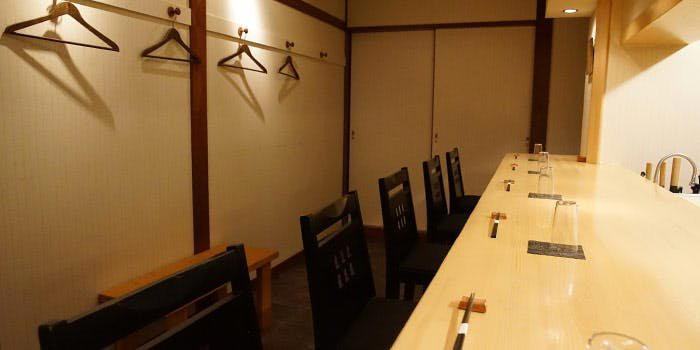
Bars in Kobe
Browse all →



Kobe Plaisir Honten
The wine
- Wine program
- Curated wine list
- Extensive wine list
- Sake program
- Craft cocktails
Details
- Elegant
- Sophisticated
- Romantic
- Modern
- Intimate
- Special Occasion
- Celebration
- Date Night
- Business Dinner
- Group Dining
- Family
- Chefs Counter
- Open Kitchen
- Private Dining
- Standalone
- Sake Program
- Craft Cocktails
- Extensive Wine List
- Local Sourcing
- Farm To Table
- Set Menu
- A La Carte
- Counter Dining
- Sake
- Wine
- Cocktails
Current opening hours
- Monday
- Closed
- Tuesday
- 11:30 AM–2 PM, 5–9 PM
- Wednesday
- 11:30 AM–2 PM, 5–9 PM
- Thursday
- 11:30 AM–2 PM, 5–9 PM
- Friday
- 11:30 AM–2 PM, 5–9 PM
- Saturday
- 11:30 AM–2 PM, 5–9 PM
- Sunday
- 11:30 AM–2 PM, 5–8:30 PM
Hours can change for holidays and private events. Last verified .
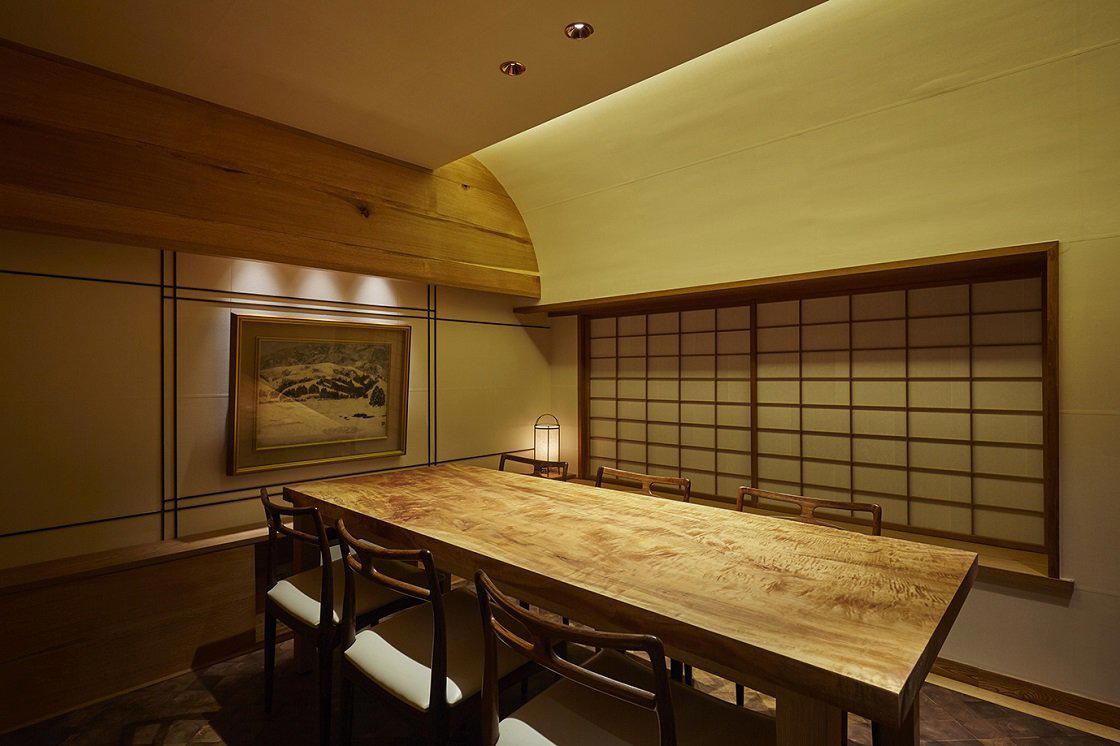
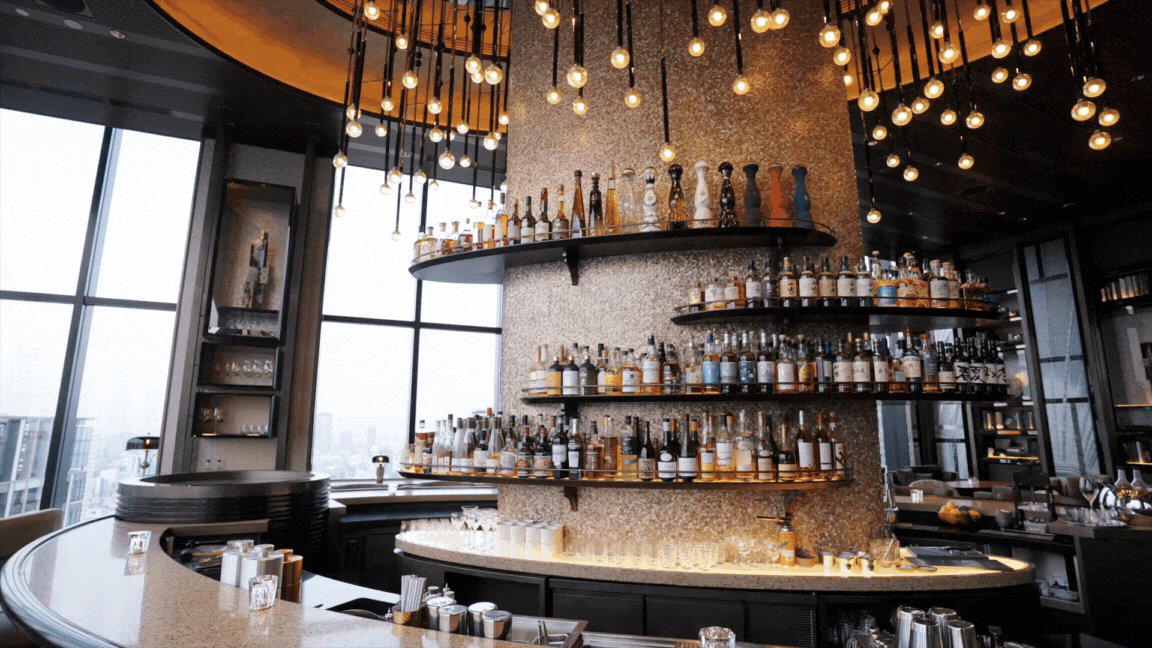
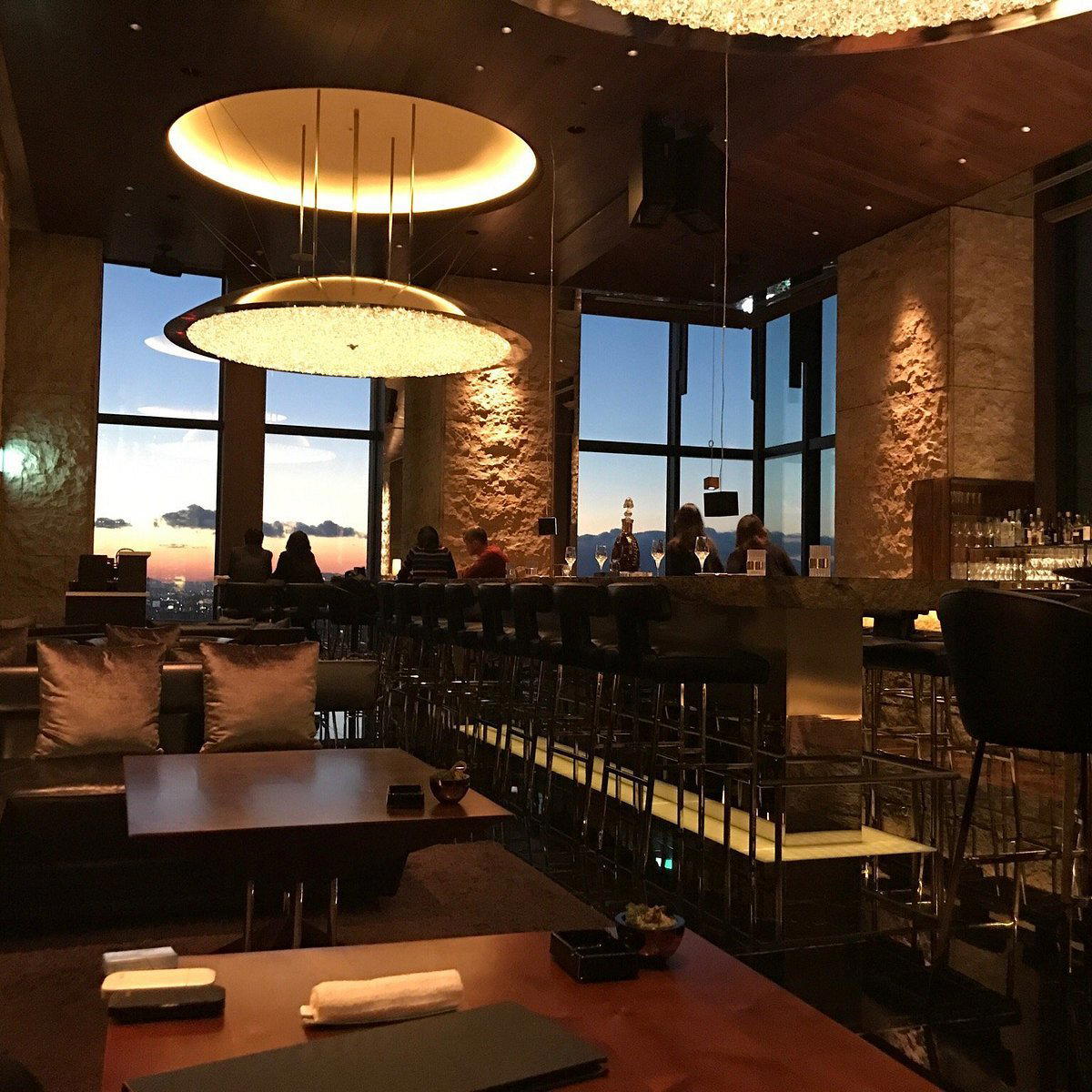
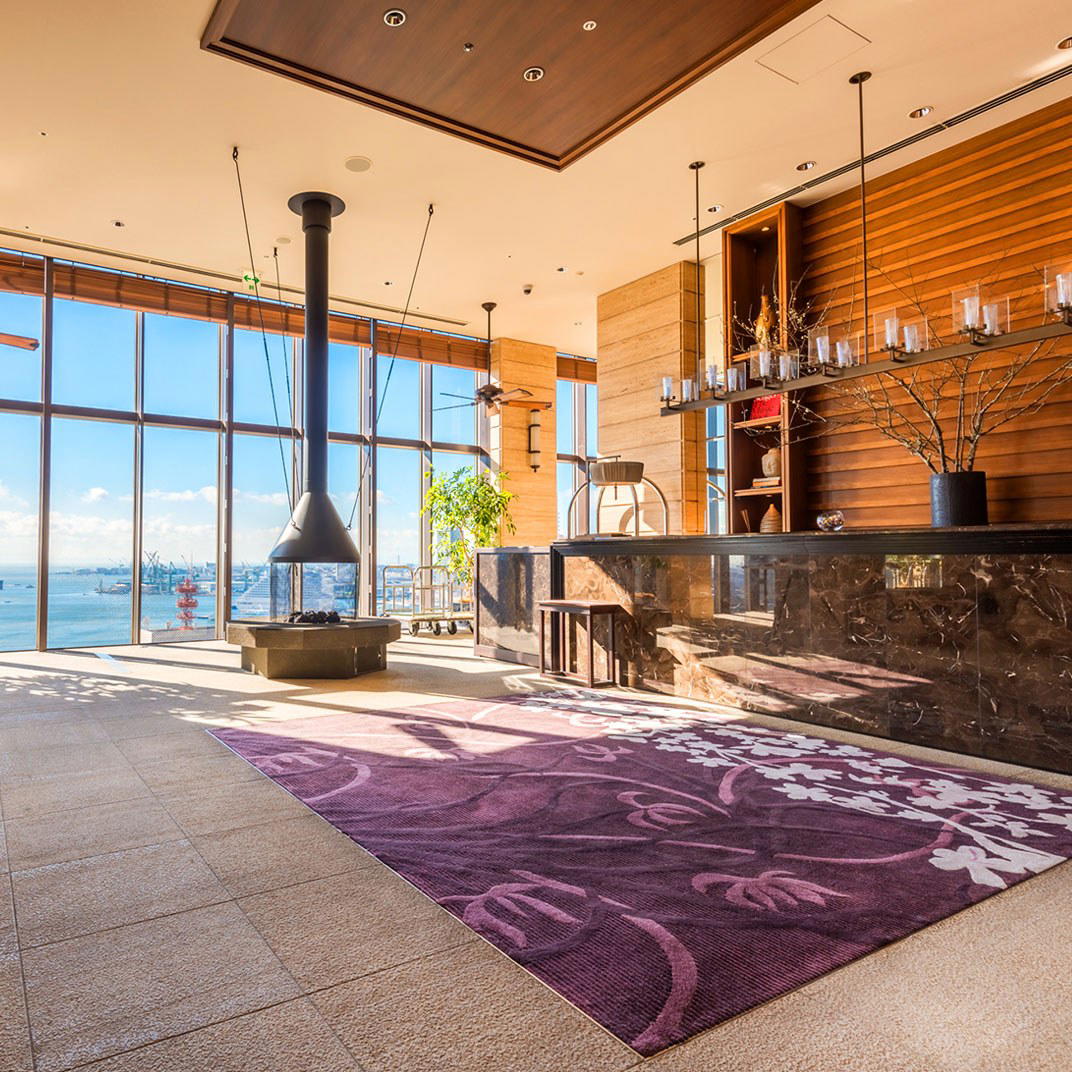
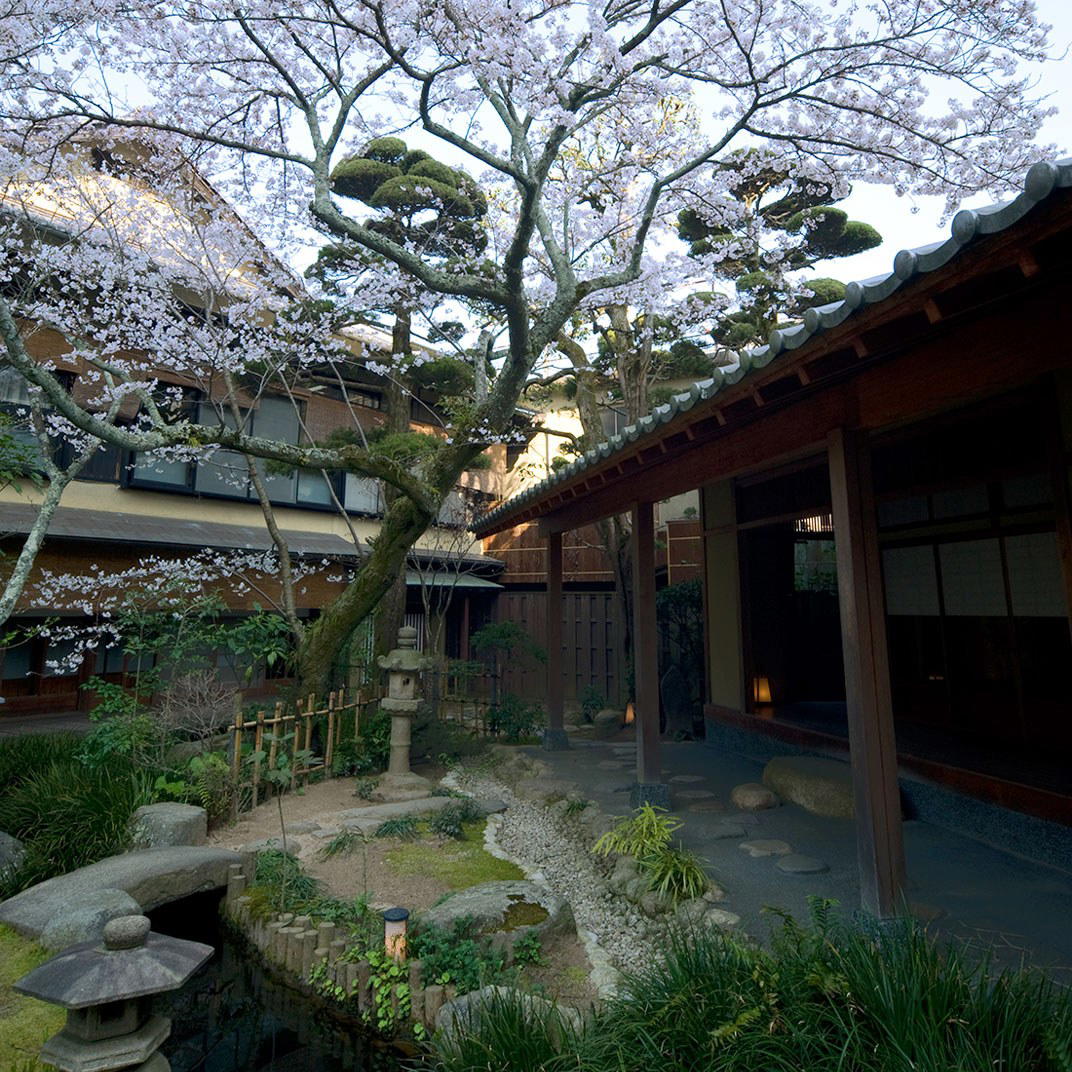
Elegant hotel-restaurant setting with teppanyaki counters and private room, offering a refined yet warm atmosphere suited to anniversaries and special occasions, with chefs cooking on steel plates in front of diners.