
A Michelin Plate-recognised Japanese restaurant in Kyoto's Nakagyo Ward, Ryori Rihaku sits at the mid-range tier of the city's deep dining spectrum. It draws diners looking for considered Japanese cooking without the formality or price of Kyoto's starred kaiseki houses. Located in Nishinokyo, it occupies a quieter register than the tourist-dense Gion corridor.
Pearl is the En Primeur Club membership app — saves, bookings, and concierge access live there. Same editors, same standards.
- Address
- 9-16番地 Nishinokyo Nagamotocho, Nakagyo Ward, Kyoto, 604-8421, Japan
- Phone
- +81 75-802-8028
- Directions
- Get directions
 Saves & bookings on Pearl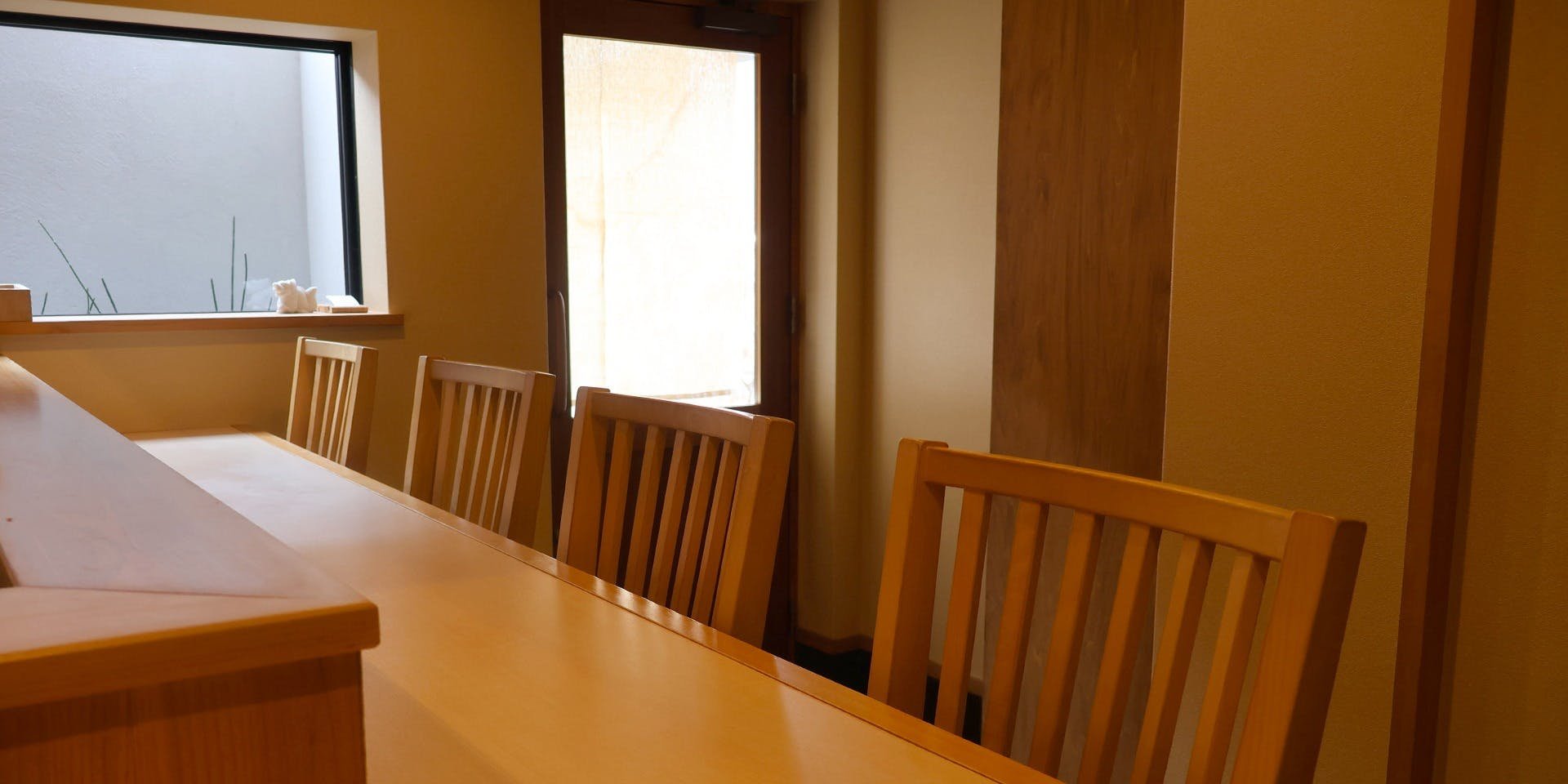
A Quieter Corner of Kyoto's Japanese Dining Scene
Ryori Rihaku is a Kyoto restaurant in Nishinokyo, Nakagyo Ward, serving Japanese-Chinese Fusion Kappo at a mid-range price point. Kyoto's dining reputation rests almost entirely on kaiseki, the multi-course seasonal format that dominates the city's Michelin lists and commands four-symbol price points at restaurants like Gion Matayoshi, Kikunoi Roan, and Kenninji Gion Maruyama. But the city's Japanese cooking scene extends well beyond that high-formality tier. In the residential streets of Nakagyo Ward, away from the concentrated dining corridors of Gion and Higashiyama, a quieter category of Japanese restaurant operates: smaller, more neighbourhood-rooted, and priced to serve a local clientele as much as visiting ones.
Ryori Rihaku sits in that register. Located in Nishinokyo Nagamotocho, the restaurant earned a Michelin Plate in 2024, a recognition that signals kitchen quality and consistency without conferring the starred status that would push it into a different commercial bracket entirely. The address itself tells part of the story: this is not a restaurant designed to be found by accident on a Gion laneway walk.
The Nishinokyo Context: Away from the Pilgrimage Routes
Nakagyo Ward's Nishinokyo district occupies the area around Toji-in and Ryoanji's southern approaches, temple-dense but less trafficked than the postcard circuits. Dining here follows a different rhythm than the Higashiyama slope or the Nishiki Market periphery. Restaurants in this part of Kyoto tend to operate for the neighbourhood first, and the wider dining public second. That dynamic shapes what gets cooked and how it gets served: less theatrical plating designed for social media, more attention to the kind of seasonal discipline that Kyoto cooking has always prized even outside the formal kaiseki format.
For visitors accustomed to navigating Kyoto's dining scene through its starred institutions, Isshisoden Nakamura, Kodaiji Jugyuan, or the broader range of ¥¥¥¥ houses, Ryori Rihaku represents a different kind of entry point. The ¥¥ price positioning places it closer to what a Kyoto resident might choose for a considered midweek dinner than to the occasion-dining tier that defines the city's international profile.
Sustainability and Seasonality in Kyoto's Mid-Range Japanese Kitchens
Japanese cuisine's relationship with sustainability operates differently from the Western farm-to-table framing that has dominated European and American food writing. In Kyoto's kitchen tradition, the concepts of shun (peak seasonal ingredients) and mottainai (waste avoidance) predate modern environmental discourse by centuries. The kaiseki framework built around these principles is well documented at the city's starred houses, but the same values run through the mid-range Japanese dining tier as well, often with less ceremony around them.
Restaurants at the restaurant's price point often source through local wholesale markets, where seasonal availability drives menu decisions more directly than at larger establishments with the purchasing scale to import year-round. This is not a philosophy statement; it is a practical economic reality of running a smaller Japanese kitchen. The result, for the diner, is a menu that shifts with the calendar in ways that a fixed-format kaiseki at a larger institution may actually do less of.
Kyoto's vegetable tradition is worth noting in this context. Kyo-yasai, the city's designated heritage vegetables, include varieties like kamo nasu (Kamo eggplant), manganji togarashi (a sweet pepper), and kujo negi (a bunching onion), all of which appear across the mid-range Japanese dining spectrum when in season. Whether these feature at the restaurant specifically is not confirmed, but their presence in Nakagyo Ward kitchens of this type is structurally common.
Where Ryori Rihaku Sits in Kyoto's Price Tiers
To understand the restaurant's positioning, it helps to map Kyoto's Japanese dining price tiers against their practical implications. The city's ¥¥¥¥ houses, Gion Sasaki, Ifuki, Kyokaiseki Kichisen among them, operate in the formal kaiseki format, often with advance reservation requirements of weeks or months and fixed multi-course structures that can exceed ¥30,000 per head. The ¥¥¥ tier includes some kaiseki-adjacent formats and more contemporary Japanese approaches. The ¥¥ bracket, where the restaurant operates, is the accessible end of quality Japanese dining in Kyoto: still recognised by Michelin's quality threshold, but without the logistical barriers that make the starred houses difficult to access on short notice.
This matters for how you plan around it. For visitors building a multi-night Kyoto itinerary, a ¥¥ Michelin Plate restaurant in a residential neighbourhood serves a different function. It is a dinner for a night when the format, the formality, and the invoice of the city's prestige establishments are not what the evening calls for.
| Restaurant | Cuisine | Price | Michelin Status |
|---|---|---|---|
| The restaurant | Japanese | ¥¥ | Plate (2024) |
| Gion Matayoshi | Kaiseki/Japanese | ¥¥¥¥ | Starred |
| Kikunoi Roan | Kaiseki/Japanese | ¥¥¥¥ | Starred |
| Gion Sasaki | Kaiseki/Japanese | ¥¥¥¥ | Starred |
| Ifuki | Kaiseki | ¥¥¥¥ | Starred |
Planning a Visit
The restaurant is located at 9-16番地 Nishinokyo Nagamotocho, Nakagyo Ward, Kyoto. Reservations are essential.
For Japanese cooking at comparable or higher recognition levels elsewhere in Japan, Myojaku in Tokyo, Azabu Kadowaki in Tokyo, HAJIME in Osaka, akordu in Nara, Goh in Fukuoka, Harutaka in Tokyo, 1000 in Yokohama, and 6 in Okinawa each represent distinct regional expressions worth mapping against the Kyoto experience.
Cost and Credentials
Comparable venues nearby, for context on price, style, and recognition.
| Venue | Cuisine | Price | Awards | Notes |
|---|---|---|---|---|
| Ryori RihakuThis venue — the venue you are viewing | Nakagyō, Japanese-Chinese Fusion Kappo | $$$ | Michelin Plate | Not listed |
| Pontocho Masuda | Nakagyō, Kyoto-style Obanzai | $$$ | Michelin Plate | Not listed |
| Totoyoshi | Nakagyō, Seafood Kappo | $$$ | Michelin Plate | Not listed |
| Konno | Higashiyama, Modern Japanese Omakase | $$$$ | Michelin Plate | Not listed |
| Matakichi | Not listed | $$$$ | Michelin Plate | Higashiyama, Refined Kyoto Omakase & Kaiseki |
| Gion Senryu | Higashiyama, Seasonal Tempura Omakase | $$$ | Michelin Plate | Not listed |
Recognition history
Dated appearances from independent guides and award organizations, with the underlying list record or original source where available.
Michelin Plate
Michelin
Continue exploring
More in Kyoto
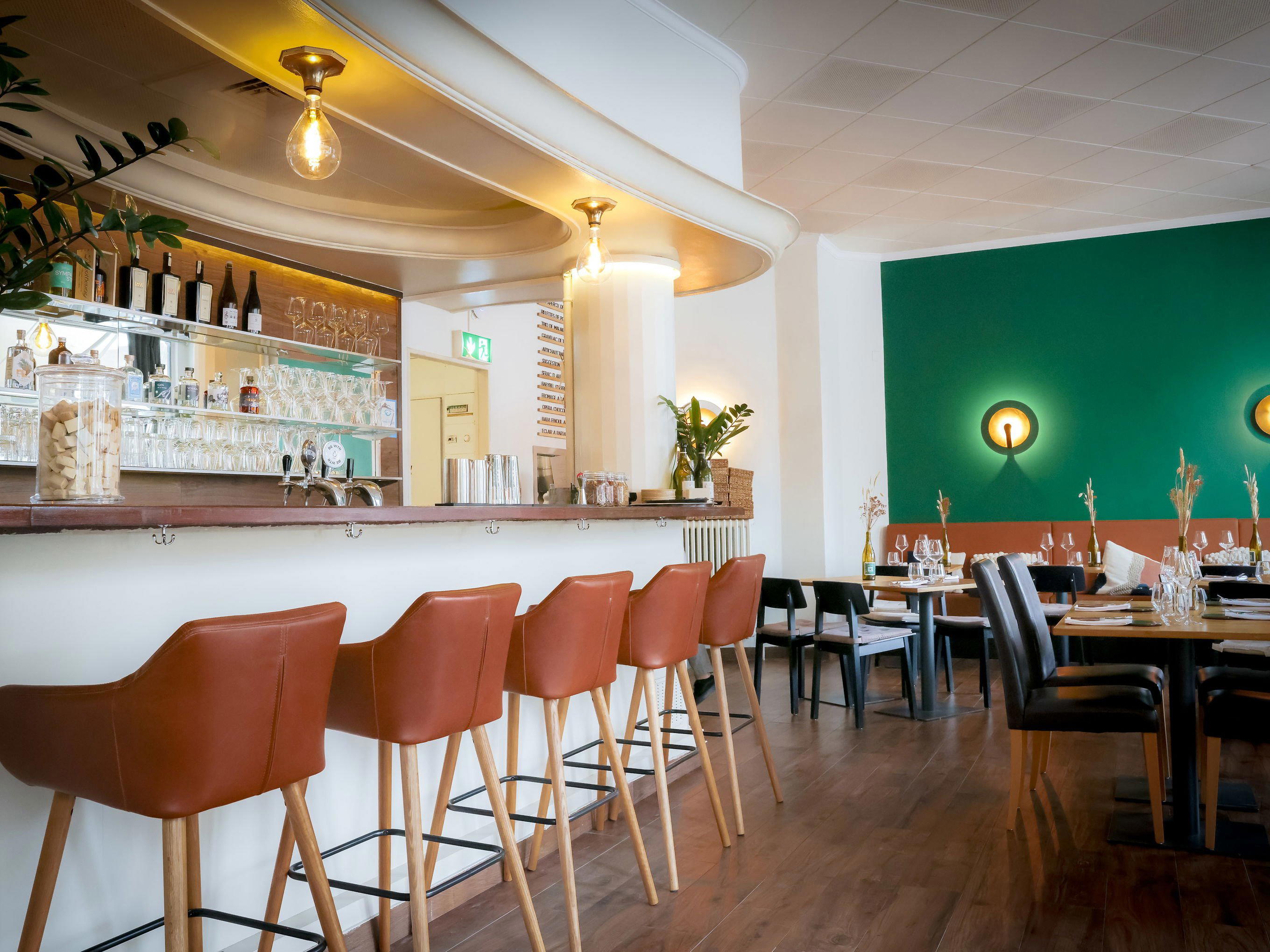
Restaurants in Kyoto
Browse all →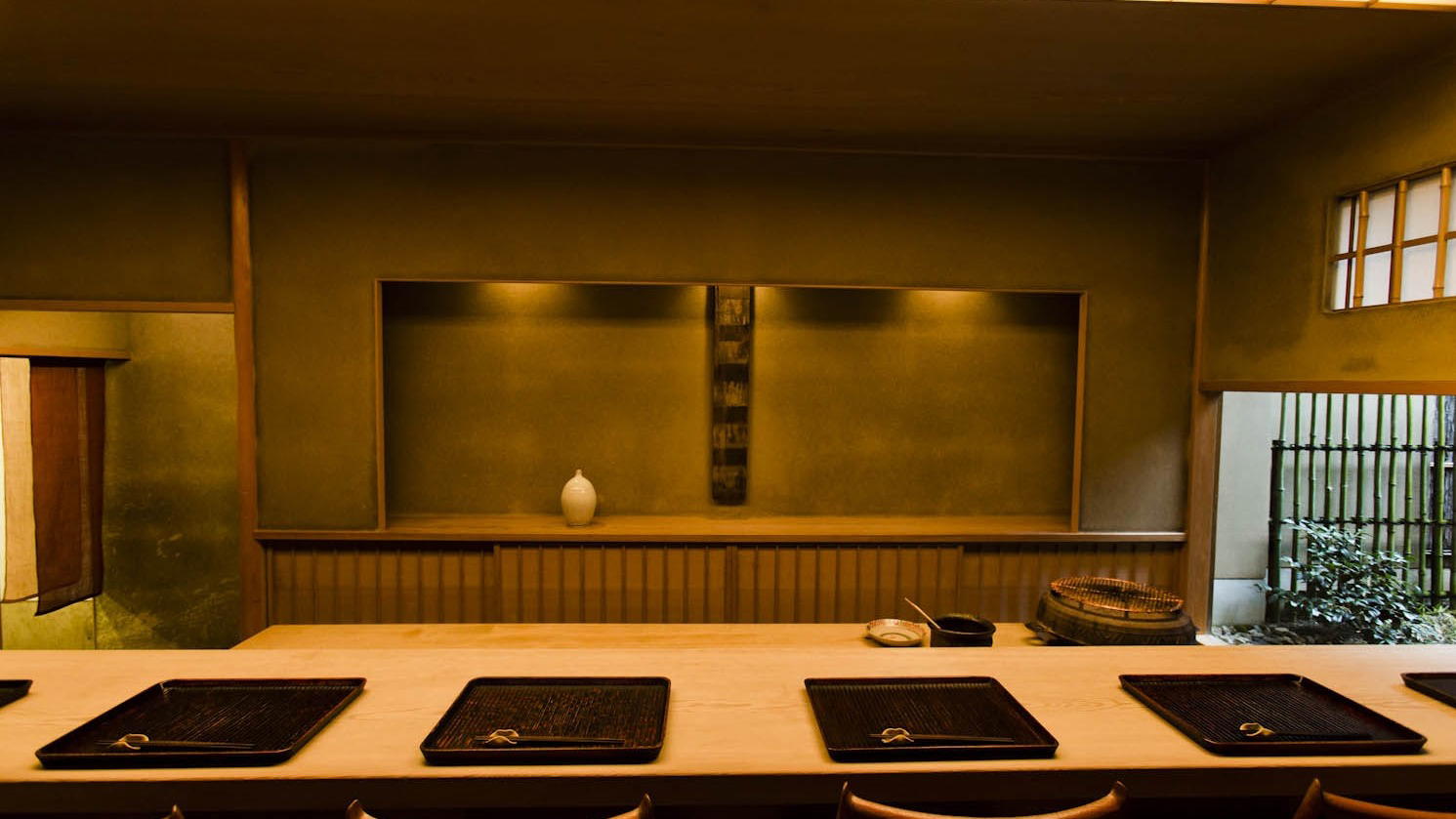
Bars in Kyoto
Browse all →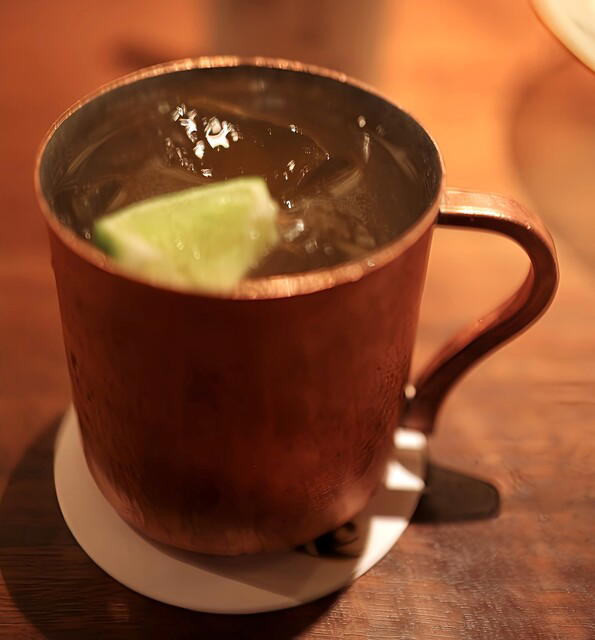
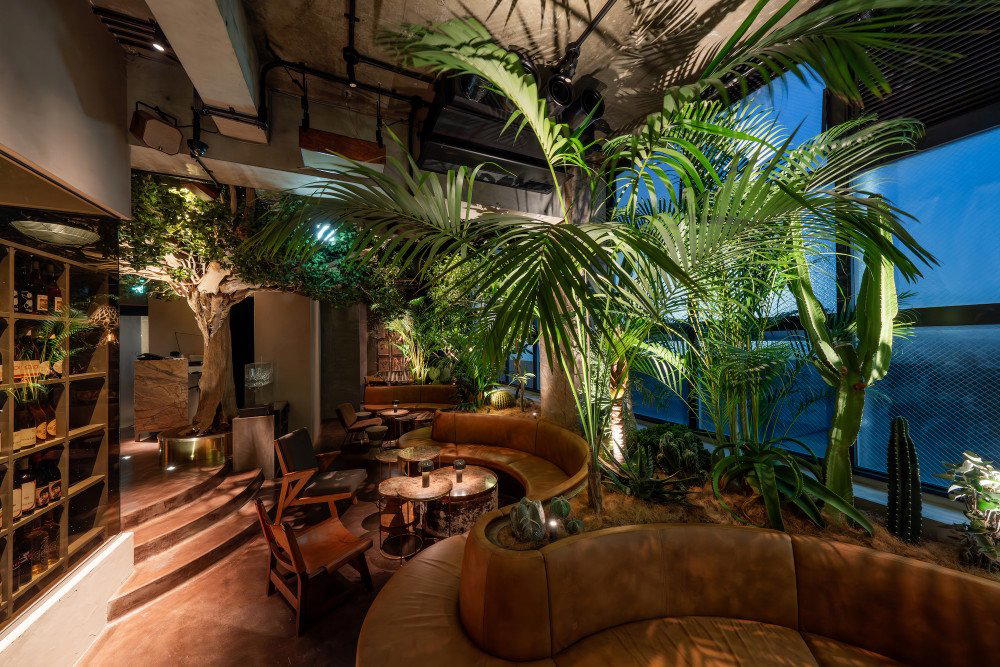
Hotels in Kyoto
Browse all →
Wineries in Kyoto
Browse all →
At a Glance
- Intimate
- Elegant
- Quiet
- Solo
- Special Occasion
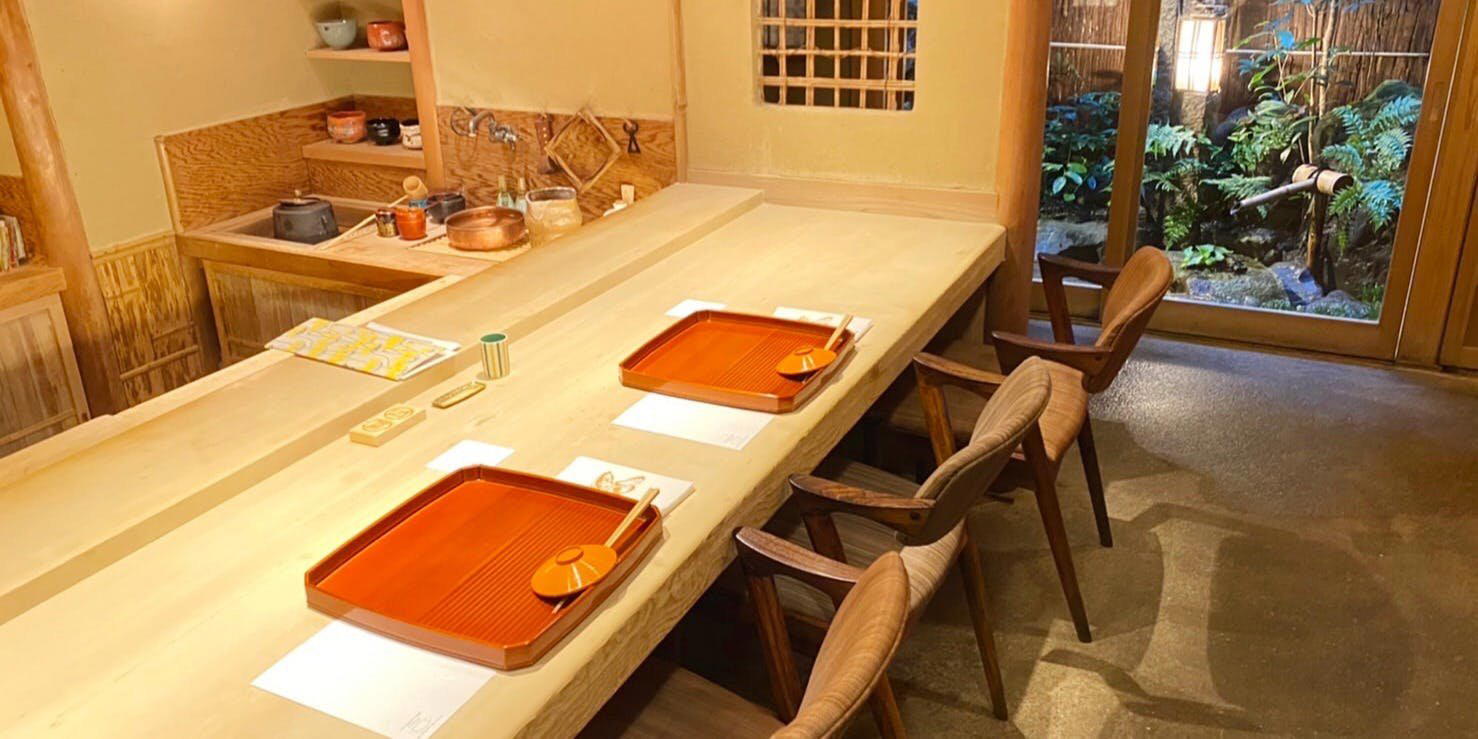
- Chefs Counter
- Open Kitchen
- Sake Program
- Local Sourcing
Current opening hours
- Monday
- 5:30–10 PM
- Tuesday
- 5:30–10 PM
- Wednesday
- 5:30–10 PM
- Thursday
- 5:30–10 PM
- Friday
- 5:30–10 PM
- Saturday
- 5:30–10 PM
- Sunday
- Closed
Hours can change for holidays and private events. Last verified .
Calm, relaxing atmosphere in a hideout-style residential location with intimate counter seating for seven guests, emphasizing a peaceful dining experience away from bustling areas.