
Situated in the heart of Gion's Minamigawa district, Matakichi holds a Michelin Plate recognition for 2024 and sits within the mid-tier of Kyoto's serious Japanese dining scene. where competition from kaiseki-heavy neighbours makes precision the baseline expectation rather than a differentiator.
Pearl is the En Primeur Club membership app — saves, bookings, and concierge access live there. Same editors, same standards.
- Address
- Japan, 〒605-0074 Kyoto, Higashiyama Ward, Gionmachi Minamigawa, 570-120 万治ビル
- Phone
- +81 75-366-5177
- Website
- gion-matayoshi.com
- Directions
- Get directions
 Saves & bookings on Pearl
Gion's Southern Strip and the Logic of Eating Here
The southern stretch of Gionmachi Minamigawa operates as one of Kyoto's most concentrated corridors of Japanese dining. On any evening, the narrow lane fills with the sound of wooden sandals on stone, lantern light catching the facades of machiya townhouses, and the faint smell of dashi drifting from half-open doors. It is a street that has been feeding serious diners for generations, and the weight of that history shapes everything a kitchen here must do to earn its place. Matakichi occupies a berth on this strip inside the Manji Building at address 570-120, where it holds a 2024 Michelin Plate.
The Michelin Plate sits one tier below a star. It places Matakichi inside a cohort of restaurants that Michelin inspectors consider worth eating at without yet assigning the single-star consistency threshold. At ¥¥¥ pricing, that recognition sets expectations: this is not the ¥¥¥¥ kaiseki format you find at Kenninji Gion Maruyama or Kikunoi Roan.
Japanese Cuisine in Kyoto: What the Cultural Weight Demands
Kyoto is not simply a city that happens to have good restaurants. It is the city where Japanese culinary aesthetics were largely codified. Kaiseki, the multi-course format built on seasonal ingredients, restrained presentation, and the philosophy of ma (deliberate negative space), originated in Kyoto's temple culture and was refined over centuries in its merchant and aristocratic households. Even restaurants that do not serve formal kaiseki work in the shadow of that tradition. The expectation of seasonality is not a menu marketing point here; it is a structural discipline that kitchens either meet or visibly fail to meet.
For diners arriving from Tokyo, where high-end Japanese dining increasingly mirrors international fine-dining conventions, Kyoto kitchens like those on Gionmachi Minamigawa can feel like a recalibration. The pace is different, the vocabulary of flavour leans toward subtlety, and the relationship between kitchen and local ingredient suppliers tends to be older and more embedded. Comparable Japanese restaurant experiences in Tokyo, such as Myojaku and Azabu Kadowaki, operate with their own rigour, but Kyoto's specific geography, and its proximity to Nishiki Market's produce, Uji's tea, and the Tanba region's vegetables, gives its kitchens a sourcing logic that is difficult to replicate elsewhere.
Where Matakichi Sits in the Gion Competitive Set
Gion is saturated with Japanese dining at every price point, and the ¥¥¥ tier is particularly contested. A few doors away in spirit if not always in address are restaurants that have accumulated multiple Michelin stars across years of operation. Gion Matayoshi and Isshisoden Nakamura both represent the upper end of Gion's formal Japanese dining hierarchy. Kodaiji Jugyuan, in the eastern hills just south of Gion proper, provides another useful reference point for how Kyoto's mid-to-upper Japanese restaurants frame tradition against a more contemplative setting.
Within the immediate ¥¥¥ bracket, Matakichi's. That sample size is modest, which suggests either a relatively young reputation, limited seating, or both. Either way, the early signal from diners is positive, and a Michelin Plate awarded in 2024 provides independent verification that the kitchen is executing at a creditable level.
The comparison table below positions Matakichi against nearby reference points on practical logistics:
| Venue | Cuisine | Price Tier | Michelin Recognition | Google Rating |
|---|---|---|---|---|
| Matakichi | Japanese | ¥¥¥ | Plate (2024) | 4.7 (81 reviews) |
| Gion Sasaki | Kaiseki / Japanese | ¥¥¥¥ | Starred | , |
| Ifuki | Kaiseki | ¥¥¥¥ | Starred | , |
| Kyo Seika | Chinese | ¥¥¥ | , | , |
| cenci | Italian | ¥¥¥ | , | , |
The table illustrates something structurally true about Kyoto dining: the ¥¥¥¥ tier is dominated by kaiseki specialists who have built long track records with the Michelin Guide. Matakichi's position at ¥¥¥ with a Plate recognition makes it a reasonable entry point into the Gion dining scene for visitors who want credentialed Japanese cooking without committing to the longer, more formal, and more expensive kaiseki format.
Gion as a Dining District: Timing and Approach
Gion operates on seasonal rhythms that affect both what kitchens are doing and how the neighbourhood itself feels to move through. Spring, when cherry blossoms arrive along Maruyama Park and the Shirakawa canal, draws the highest visitor density of the year, and reservation availability across Gionmachi Minamigawa tightens considerably from late March through mid-April. Autumn, when the maple canopy along Higashiyama turns, produces a second surge in October and November. Both periods reward advance planning by several weeks at minimum for Michelin-recognised tables.
The practical consideration for a venue like Matakichi is that Gion's evenings fill early. The street's pedestrian density peaks before 8pm as tour groups clear out, and the remaining crowd tends to be local or serious visiting diners. For one coherent experience of the neighbourhood's character, arriving in the early evening, before the lanterns are lit and the atmosphere settles into something quieter, provides a different register than a late reservation.
For wider Kyoto coverage, our full Kyoto restaurants guide maps the city's dining scene across neighbourhoods and price tiers. Those planning a multi-city Japan trip may also want to cross-reference Harutaka in Tokyo, HAJIME in Osaka, akordu in Nara, Goh in Fukuoka, 1000 in Yokohama, and 6 in Okinawa to build a coherent picture of how Japan's regional fine-dining scenes diverge. For staying and drinking in Kyoto, see our Kyoto hotels guide, our Kyoto bars guide, and our Kyoto experiences guide. Wine-focused visitors can consult our Kyoto wineries guide for the city's small but growing natural wine scene.
Planning Your Visit
Matakichi is located at 570-120 Gionmachi Minamigawa, Higashiyama Ward, inside the Manji Building. The address places it on the southern section of the Gion geisha district, walkable from Gion-Shijo Station on the Keihan Line. The ¥¥¥ price tier positions it in the mid-range of serious Japanese dining in the city. Given the Michelin Plate recognition, booking ahead rather than attempting a walk-in is advisable, particularly during sakura season (late March to mid-April) and koyo (autumn foliage, mid-October to mid-November), when Gionmachi tables fill at greater speed than at other times of year.
What Should I Order at Matakichi?
What the Michelin Plate recognition for 2024 and the ¥¥¥ pricing do indicate is that this is a kitchen operating within Kyoto's Japanese culinary tradition at a competent, inspector-recognised level. In practical terms, that means one sensible approach is to follow the kitchen's lead. Kyoto's Japanese restaurants at this tier typically orient their menus around seasonal produce, and one coherent meal will reflect whatever is at peak quality at the time of your visit rather than a fixed list of dishes ordered against type. If the kitchen offers a set course option, that format will almost always represent how the team intends the meal to be experienced.
Nearby-ish Comparables
Comparable venues nearby, for context on price, style, and recognition.
| Venue | Cuisine | Price | Notes |
|---|---|---|---|
| MatakichiThis venue — the venue you are viewing | Refined Kyoto Omakase & Kaiseki | $$$$ | Not listed |
| Sosakukappo Otani | Creative Kappo | $$$$ | Nakagyō |
| Kiu | Modern Japanese Omakase with Italian Fusion | $$$$ | Shimogyō |
| Ankyu | Seasonal Kaiseki | $$$$ | Higashiyama |
| Oryori Hayashi | Traditional Kaiseki | $$$$ | Kamigyō |
| Mita | Kyoto Kaiseki | $$$$ | Nakagyō |
Recognition history
Dated appearances from independent guides and award organizations, with the underlying list record or original source where available.
Michelin Plate
Michelin
Continue exploring
More in Kyoto
Restaurants in Kyoto
Browse all →
Bars in Kyoto
Browse all →

Hotels in Kyoto
Browse all →
Wineries in Kyoto
Browse all →
At a Glance
- Intimate
- Elegant
- Quiet
- Sophisticated
- Date Night
- Special Occasion
- Celebration
- Chefs Counter
- Open Kitchen
- Private Dining
- Sake Program
- Sommelier Led
- Local Sourcing
Current opening hours
- Monday
- 11:30 AM–3 PM, 5:30–9 PM
- Tuesday
- 11:30 AM–3 PM, 5:30–9 PM
- Wednesday
- 11:30 AM–3 PM, 5:30–9 PM
- Thursday
- 11:30 AM–3 PM, 5:30–9 PM
- Friday
- 11:30 AM–3 PM, 5:30–9 PM
- Saturday
- 11:30 AM–3 PM, 5:30–9 PM
- Sunday
- 11:30 AM–3 PM, 5:30–9 PM
Hours can change for holidays and private events. Last verified .
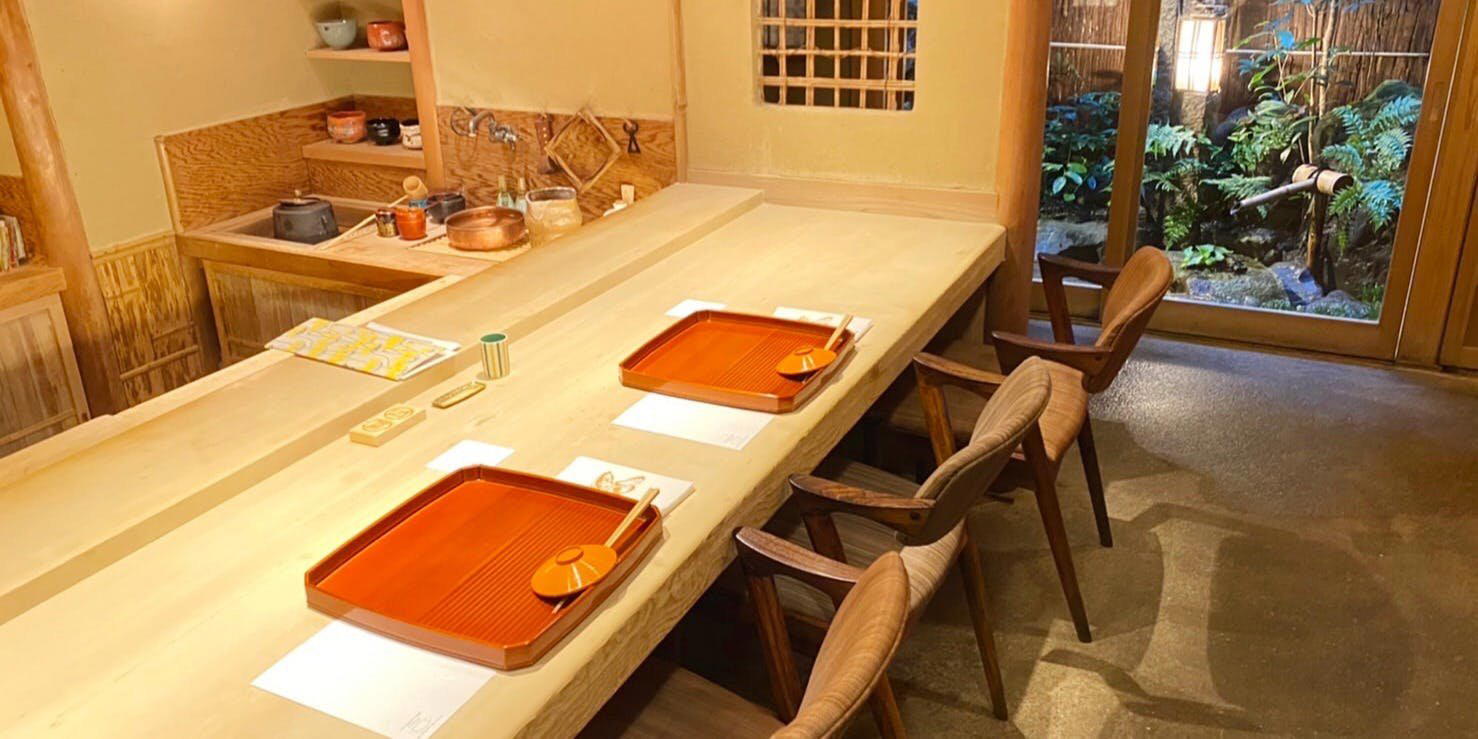
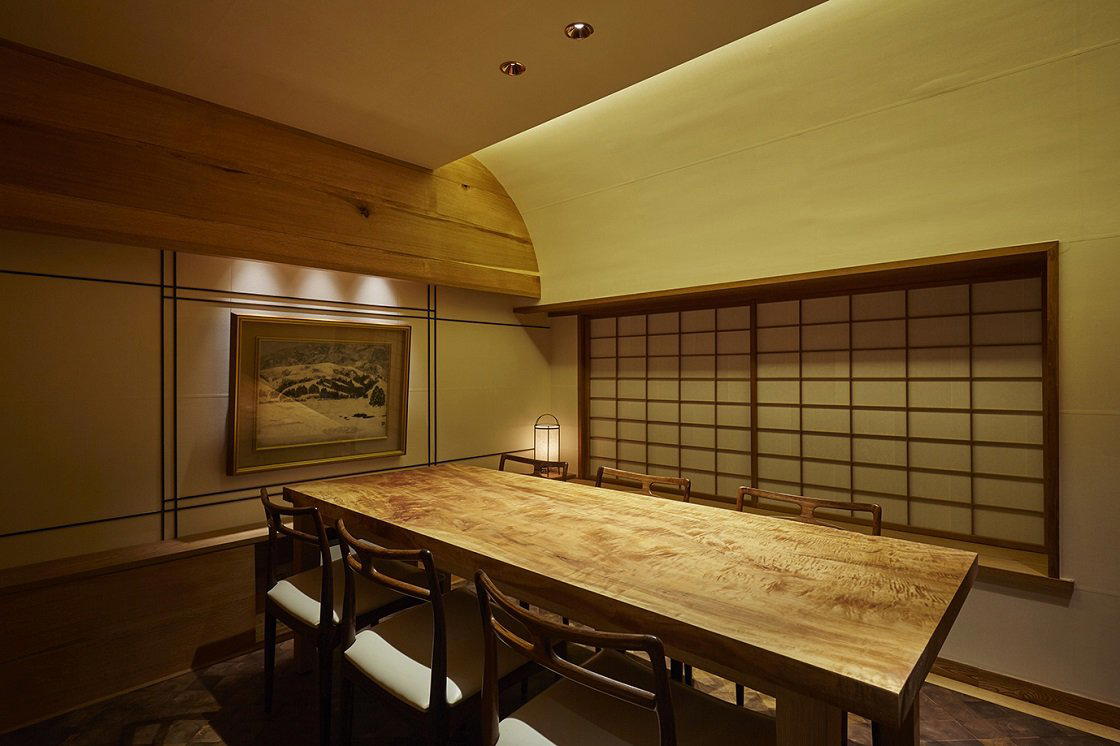
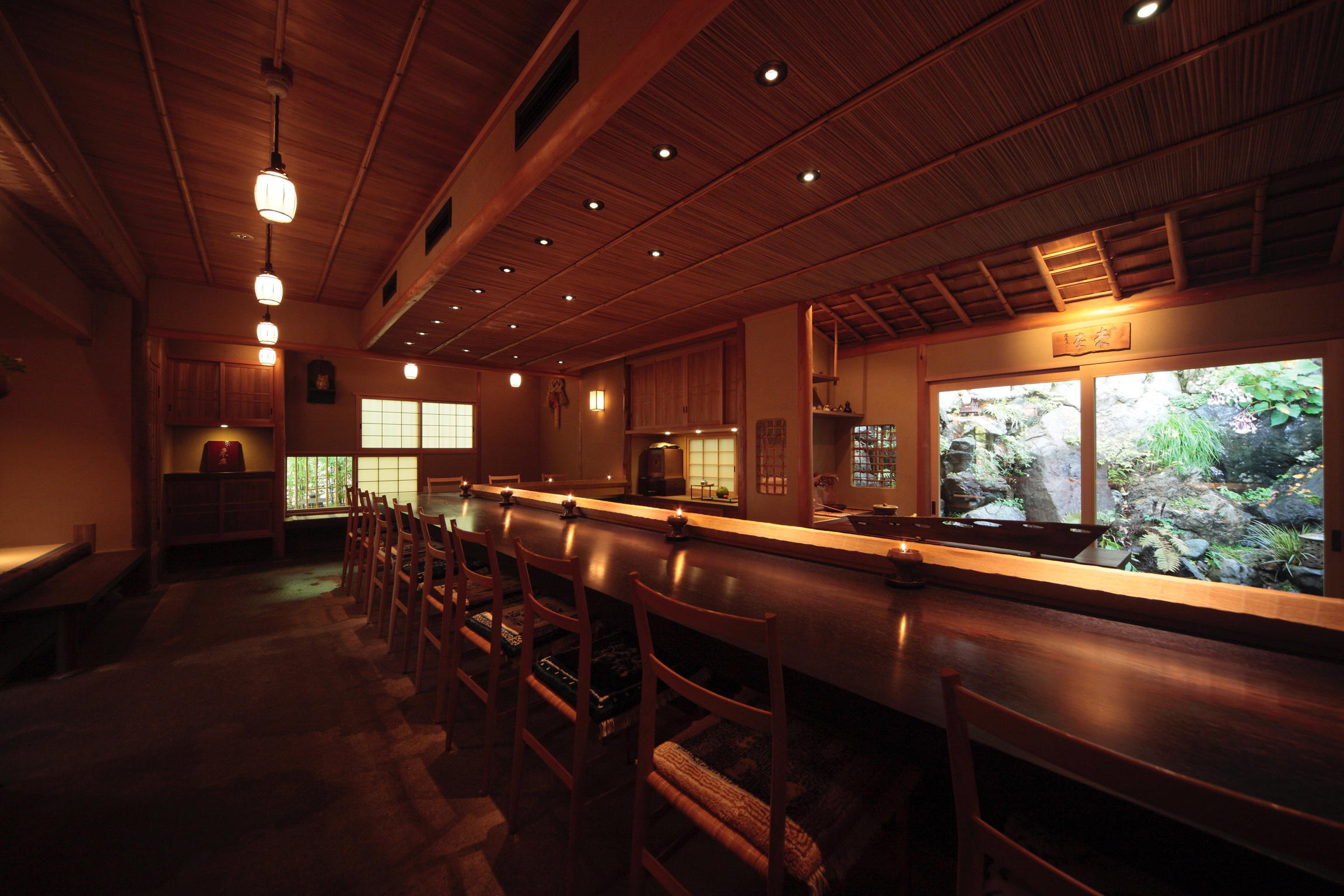
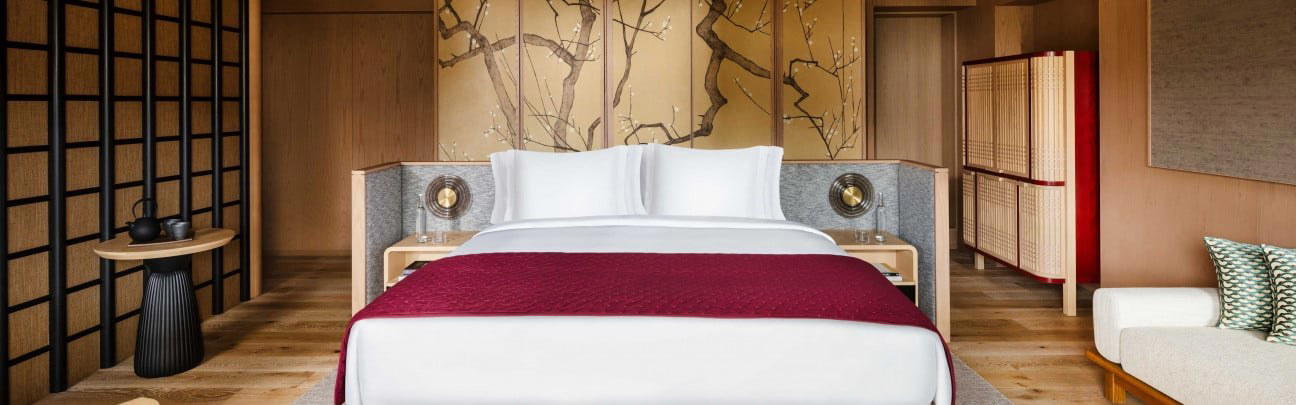
Refined, modern Japanese space with soft lighting and hushed service; counter seating creates an intimate connection with the kitchen while private rooms offer discretion; the atmosphere whispers of elegance without pretension.