
Michelin Plate
Our verdict
A Michelin Plate-recognised kappo counter in Nakagyo Ward where the chef draws directly from a family-run fish shop to shape the menu. Generous in scope and unhurried in pace, the meal closes with onigiri and miso soup, a deliberate, grounding finish. For the mid-range price point, the seafood sourcing depth is hard to match in this part of the city.

Pearl is the En Primeur Club membership app, where members save venues, book tables and use the concierge.
The menu
What to order
- Tempura
- Onigiri
- Miso
A Counter in the Atrium, a Family at the Dock
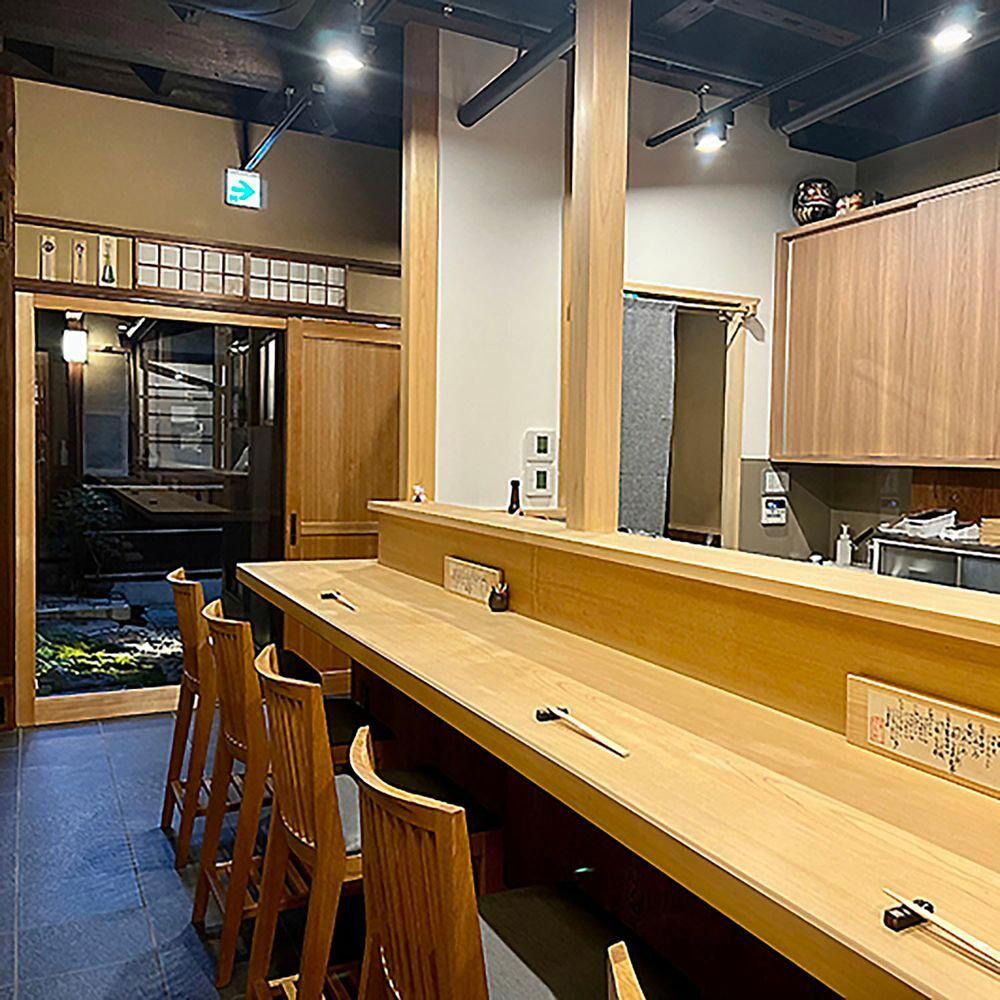
Kyoto's mid-city dining grid, the dense residential and commercial blocks of Nakagyo Ward, does not perform for tourists in the way Gion or Higashiyama do. Its restaurants tend to face inward, toward regulars, neighbourhood rhythms, and the kind of trust built through repeated visits rather than reservation platforms. Totoyoshi sits squarely in that register. The setting, a counter inside an atrium, reads as deliberate: it is an intimate format that announces a focused, ingredient-led program rather than theatrical kaiseki production.
The physical structure of the space matters here. An atrium counter, open above, creates a particular quality of light and a sense of being both enclosed and exposed. Conversations carry differently in that kind of room. You are aware of the chef's movement and pacing in ways that a walled private dining room would erase. It is a format common to kappo across Kyoto and Osaka, where the counter is understood as the primary unit of hospitality rather than a secondary option for solo diners.
Kappo at the Mid-Range Tier: What the Format Delivers
Kappo as a category sits between the formal rigidity of full kaiseki and the looser informality of izakaya. The chef retains control over sequence and selection, but the mood is more conversational and the pacing more responsive. At the ¥¥¥ price tier, Totoyoshi occupies a position that is accessible relative to Kyoto's leading kaiseki houses, establishments like Isshisoden Nakamura or Gion Matayoshi typically trade at ¥¥¥¥, while still demanding genuine engagement from the guest. This is not a casual drop-in restaurant.
Michelin's 2025 Plate recognition places Totoyoshi within the inspector-acknowledged tier: cooking that is described as good and prepared with care, without the star designation that would attach to Kenninji Gion Maruyama or Kikunoi Roan. Within Nakagyo, that recognition carries weight: the neighbourhood does not generate the same volume of international press attention as Gion, so Michelin acknowledgment here functions as a more meaningful local signal.
The Supply Chain as Editorial Statement
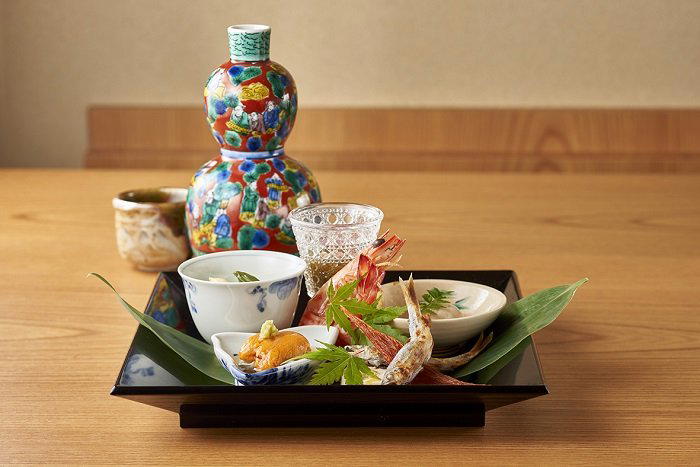
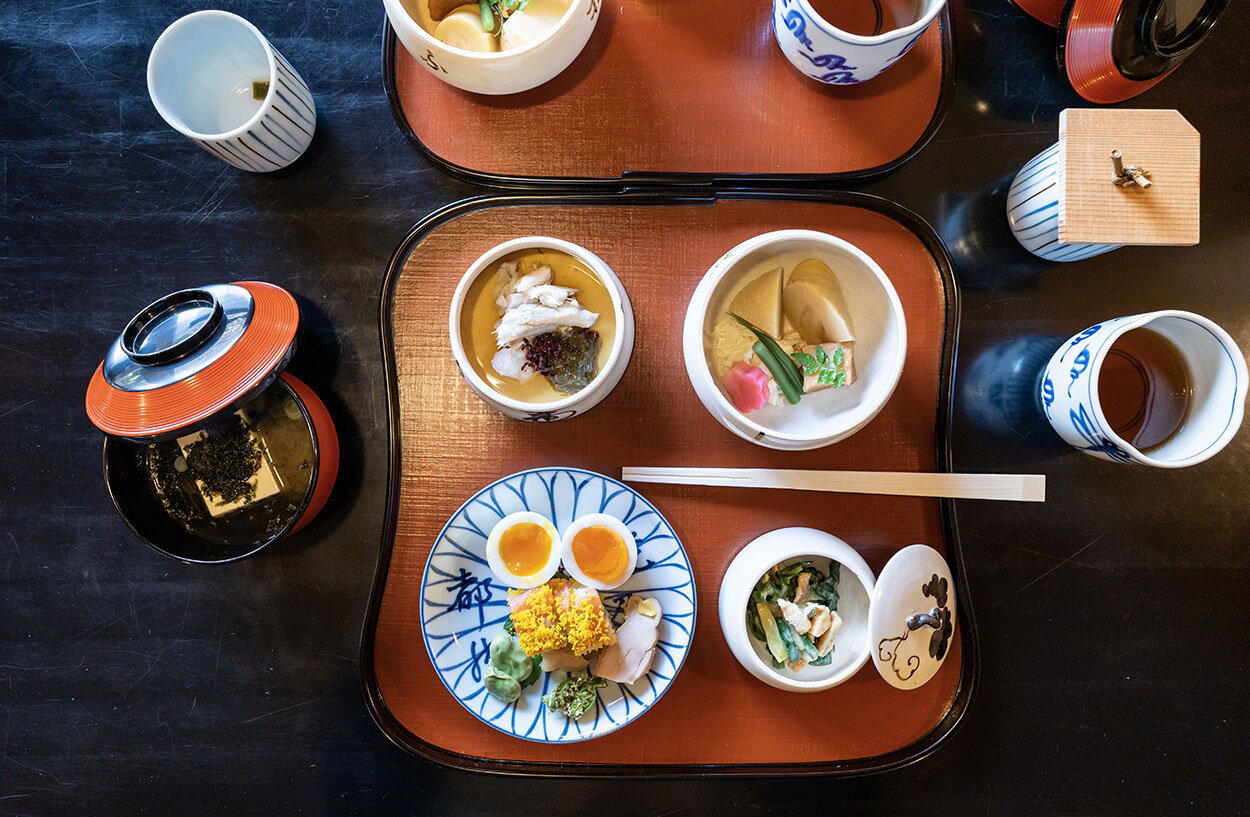
What distinguishes Totoyoshi within its tier is the provenance structure behind the menu. The chef draws seafood from a family-operated fish shop, a direct supply relationship that is qualitatively different from sourcing through a market intermediary. In practice, this means the selection reflects what the family considers worth buying on a given day, not what a procurement system has pre-allocated. The menu range is notably wide, designed to put multiple dishes in front of a single diner rather than progressively building through a single narrative arc.
This approach has precedent in kappo tradition: the broader the selection, the more the meal resembles a structured exploration of what the season and the catch support. Portions are sized to encourage range rather than depth on any single item, the logic being that a guest should move through six or eight expressions of the kitchen's thinking rather than two or three larger plates. For diners accustomed to tasting-menu discipline, this requires a small adjustment in how you engage. The meal rewards curiosity rather than patience.
Fried items, specifically noted as served one by one, in the manner of a tempura-specialist counter, suggest the kitchen takes the temperature and timing of hot preparations seriously. In tempura-dedicated restaurants, the gap between the fryer and the plate is measured in seconds. Applying that same logic within a kappo framework is a commitment to craft that a larger-format restaurant would find operationally difficult to sustain. For context on what serious fry-sequencing looks like at a higher price tier, Kodaiji Jugyuan offers a useful comparison point further south in the city.
The Closing Ritual: Onigiri and Miso
The meal ends with onigiri and miso soup. This is not a casual afterthought. The closing of a Japanese meal carries as much intention as the opening, and choosing to finish with rice-formed by hand and dashi-based soup rather than a composed dessert is a deliberate positioning. It reads as comfort and closure simultaneously, and in the context of a neighbourhood counter, it extends the feeling of being fed by someone who knows you rather than processed through a format designed for strangers.
That closing gesture is part of what makes Totoyoshi an extension of its immediate streets. Nakagyo Ward is a working part of Kyoto: family businesses, long-tenured restaurants, provisioners who have supplied the same clients for decades. The restaurant's relationship with the family fish shop, and its decision to end the meal with something as unassuming as onigiri, are consistent with a place that measures itself by neighbourhood standards rather than international recognition hierarchies.
Where Totoyoshi Fits in Kyoto's Wider Dining Picture
Kyoto produces a particular style of counter dining, technically serious, restrained in presentation, reliant on supply relationships built over years, that has influenced Japanese restaurant culture far beyond the city. Counters in Tokyo such as Myojaku and Azabu Kadowaki reflect that lineage. Further afield, Harutaka in Tokyo, HAJIME in Osaka, and Goh in Fukuoka each represent the way Kyoto's precision-led ethos has been adapted across different cities and formats. Even further out, counters like akordu in Nara, 1000 in Yokohama, and 6 in Okinawa show how broadly that counter-dining discipline has dispersed. Totoyoshi does not operate at the apex of any of those networks, but it reflects their foundations: direct sourcing, counter proximity, and the meal as relationship rather than performance.
For a broader picture of what Kyoto's dining tier looks like across price points, the full Kyoto restaurants guide covers the range. The city's hospitality infrastructure, accommodation, bars, and experiences, is equally well-documented in our Kyoto hotels guide, Kyoto bars guide, and Kyoto experiences guide. Wine-focused travellers should consult the Kyoto wineries guide for what the region's producers are doing with domestic varietals.
Planning Your Visit
Address: Kanrocho 666, Nakagyo Ward, Kyoto 604-0994. Price range: ¥¥¥ (mid-range for Kyoto). Recognition: Michelin Plate 2025. Reservations: Dress: No dress code is specified, but the counter setting and price tier suggest smart casual is appropriate. Timing: The meal's structure, multiple smaller portions, fried items served individually, and a closing course of onigiri and miso, suggests an unhurried, multi-course pace rather than a quick dinner. Allow adequate time.
Frequently asked questions
What is the signature dish at Totoyoshi?
The fried preparations, served individually in the manner of a tempura counter, are specifically cited as a point of care. A broad selection of dishes is characteristic of the format, the menu is structured to encourage range rather than anchor itself to a single signature item.
What is the ideal way to book Totoyoshi?
Given that this is a Michelin Plate-recognised counter in Nakagyo Ward with a format suited to a limited number of covers, the practical approach is to pursue direct contact through local concierge networks or Kyoto-based dining reservation services, particularly if visiting during high-demand periods (cherry blossom season in late March to mid-April, or autumn foliage in November). Booking well in advance is the lower-risk approach; same-day availability at this type of counter in Kyoto is uncommon during peak travel months.
Credentials Lens
A quick peer reference to anchor this venue in its category.
| Venue | Cuisine | Price | Awards | Notes |
|---|---|---|---|---|
| TotoyoshiThis venue (the venue you are viewing) | Seafood Kappo | Not listed | Michelin Plate | Not listed |
| Gion Sasaki | Modern Kaiseki | $300–500 | 3 Michelin Stars · La Liste Top Restaurants | Kaiseki, Japanese |
| cenci | Innovative Italian-Japanese Fusion | $100–150 | 1 Michelin Star · World's 50 Best #76 | Italian |
| Ifuki | Sumibi Kappo Kaiseki | $200–300 | 2 Michelin Stars · La Liste Top Restaurants | Kaiseki |
| Kyokaiseki Kichisen | Kyoto Kaiseki | $200–300 | 2 Michelin Stars · La Liste Top Restaurants | Japanese |
| Kyo Seika | Modern Chinese Fine Dining | $150–200 | 1 Michelin Star · Tabelog Bronze #216 | Chinese |
Recognition history
Dated appearances from independent guides and award organizations, with the underlying list record or original source where available.
Michelin Plate
Michelin
Full recognition history (2 entries)
Michelin Plate
Michelin
Continue exploring
More in Kyoto
Restaurants in Kyoto
All restaurants in Kyoto →
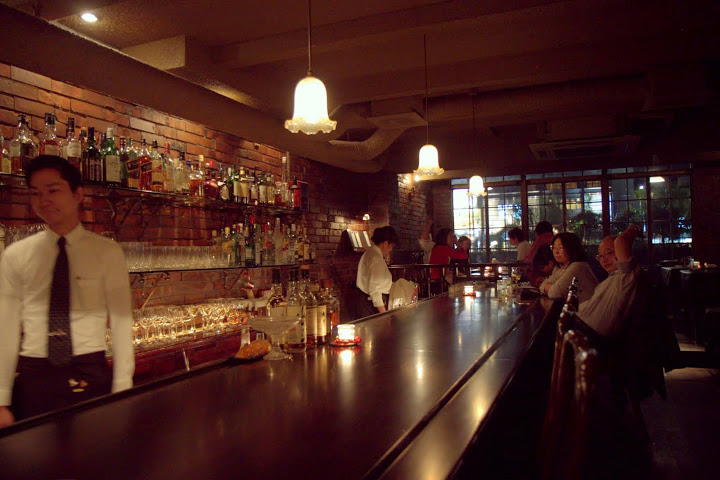
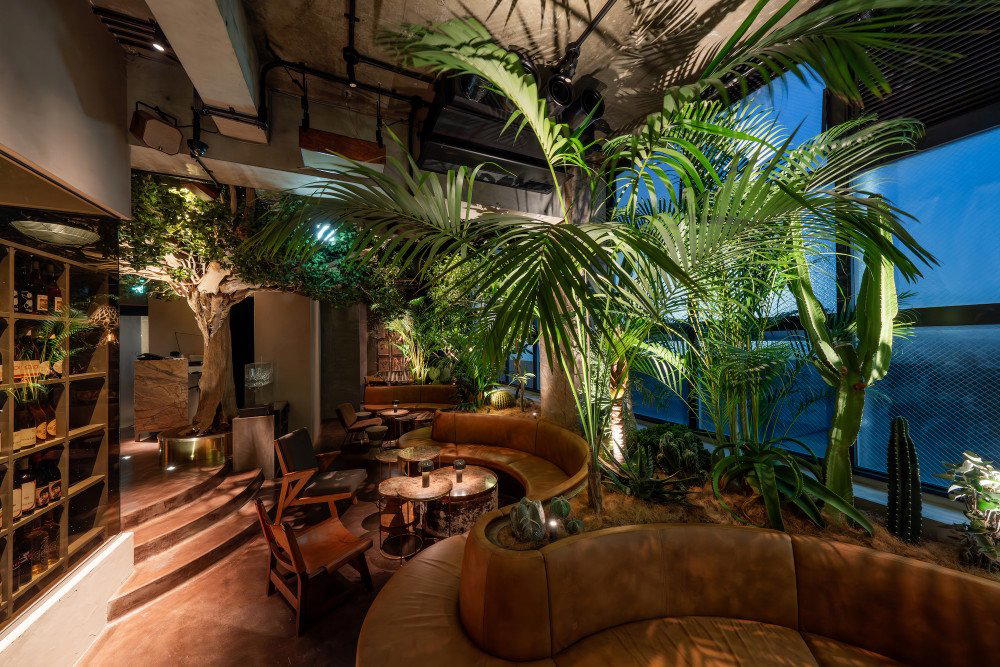
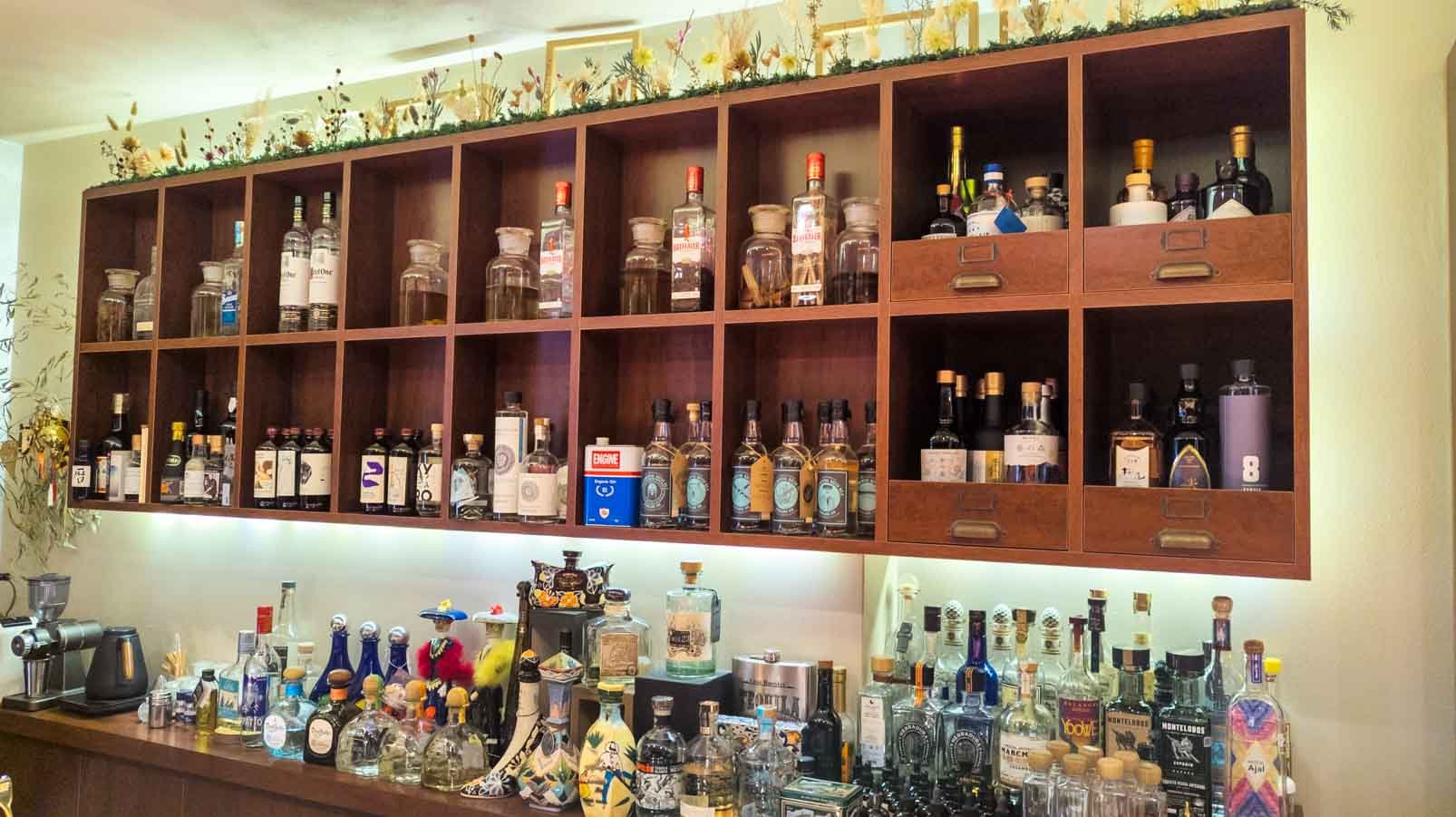
Bars in Kyoto
All bars in Kyoto →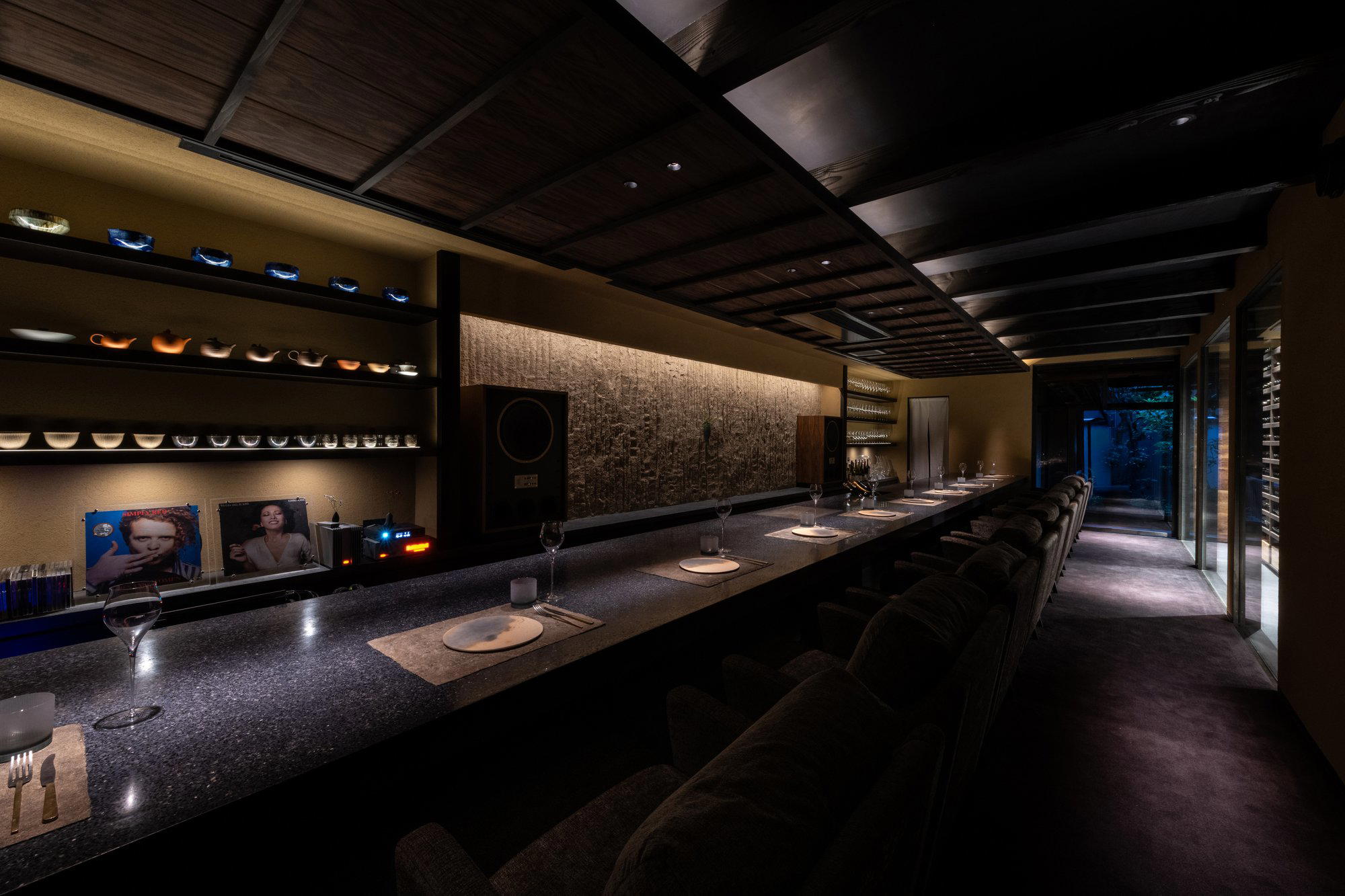
Hotels in Kyoto
All hotels in Kyoto →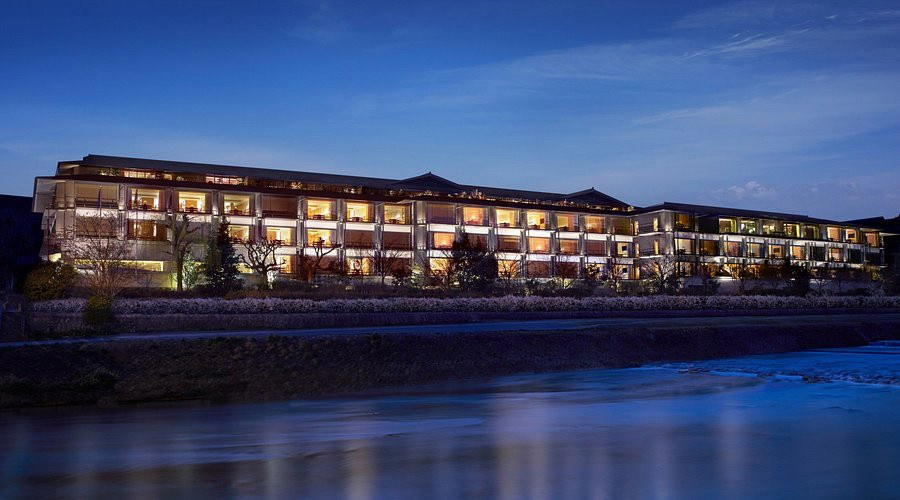
Wineries in Kyoto
Browse all →
Details
- Intimate
- Elegant
- Quiet
- Sophisticated
- Date Night
- Solo
- Special Occasion
- Chefs Counter
- Sake Program
- A La Carte
- Counter Dining
- Small Plates
- Sake
- Wine
Current opening hours
- Monday
- 5–10 PM
- Tuesday
- 5–10 PM
- Wednesday
- Closed
- Thursday
- 5–10 PM
- Friday
- 5–10 PM
- Saturday
- 5–10 PM
- Sunday
- 5–10 PM
Hours can change for holidays and private events. Hours as of .
Hush of refinement within a luminous atrium, with deliberate gestures and quiet luxury.