
A two-Michelin-star kaiseki counter in Gion's Higashiyama Ward, Ryō-shō sits inside a remodelled wooden machiya where Chef Makoto Fujiwara applies French flameworking techniques to orthodox Japanese foundations. Salmon arrives mi-cuit, beef is rested through multiple stages at the grill, and wanmono follows classical discipline. The result has drawn consecutive Michelin recognition in 2024 and 2025.
Pearl is the En Primeur Club membership app — saves, bookings, and concierge access live there. Same editors, same standards.
- Address
- 570-166 Gionmachi Minamigawa, Higashiyama Ward, Kyoto, 605-0074, Japan
- Phone
- +81 75-541-3557
- Website
- ryo-sho.jp
- Directions
- Get directions
 Saves & bookings on Pearl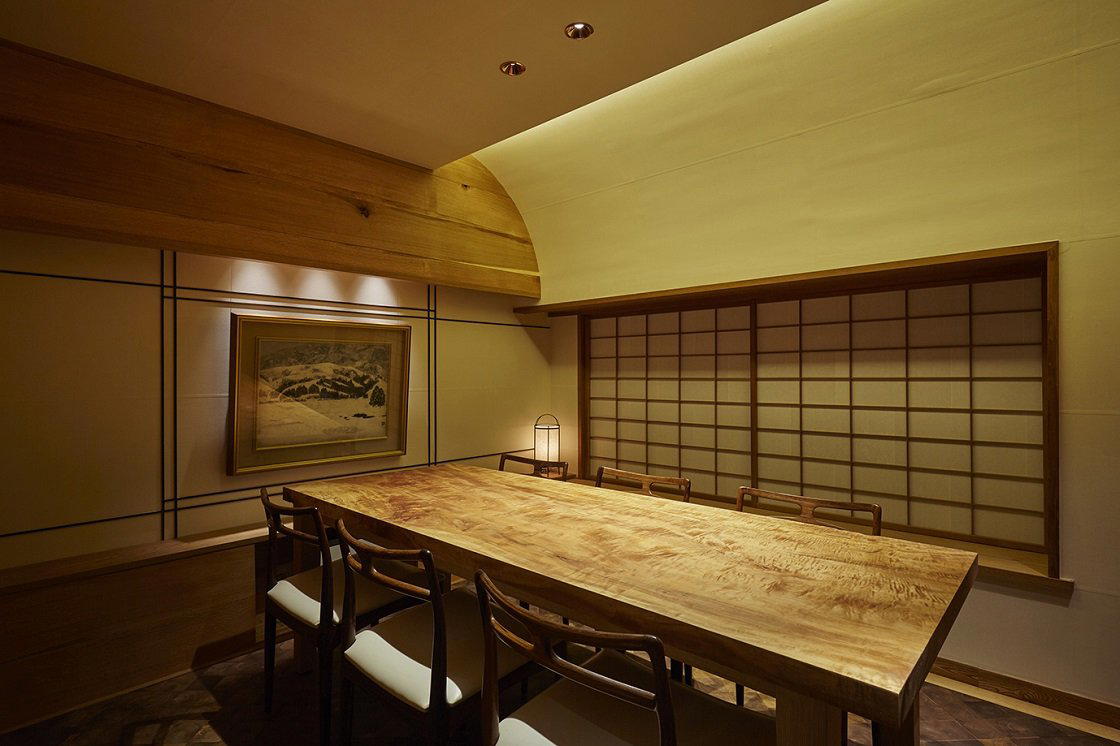
Where Gion's Culinary Discipline Meets Technical Ambition
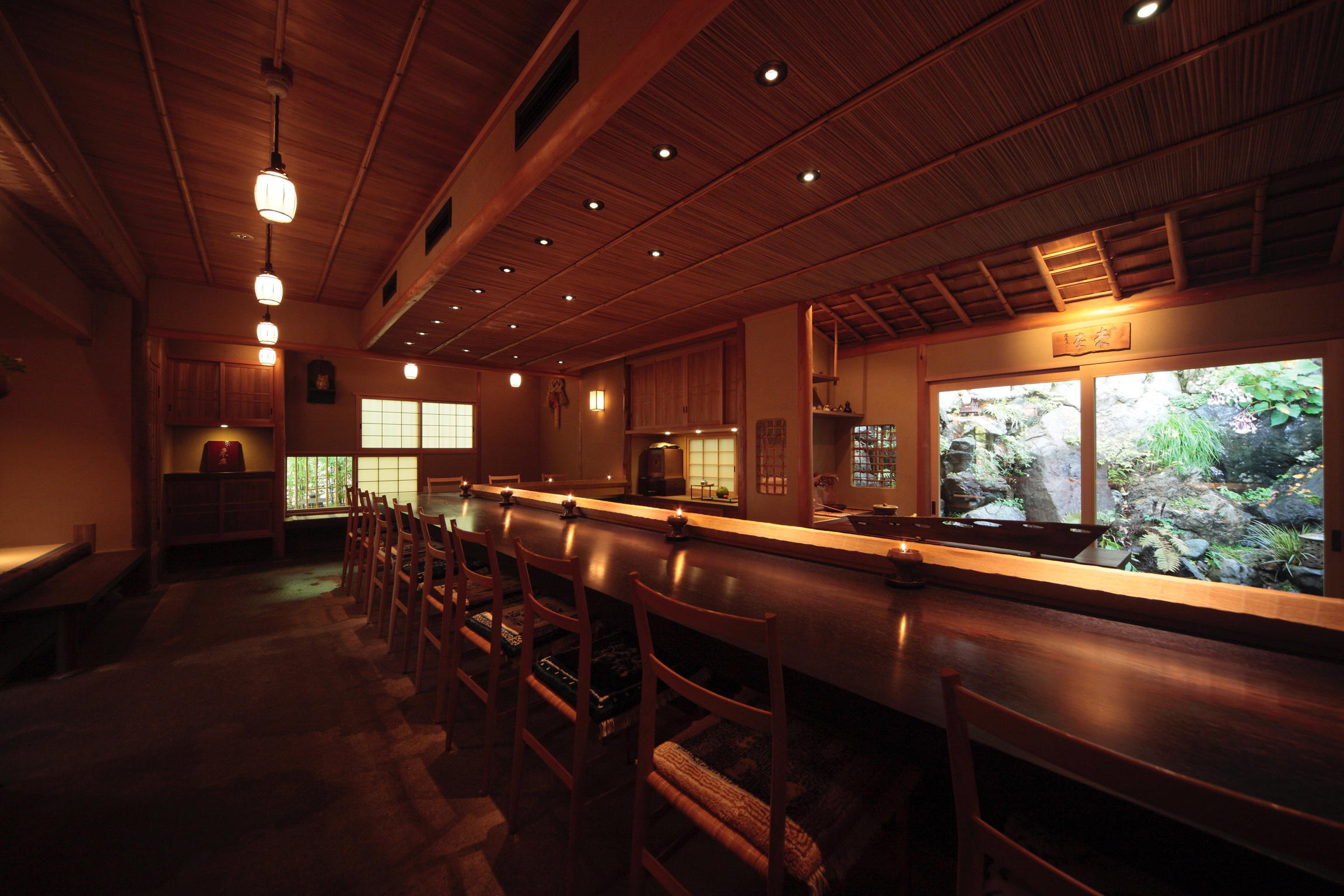
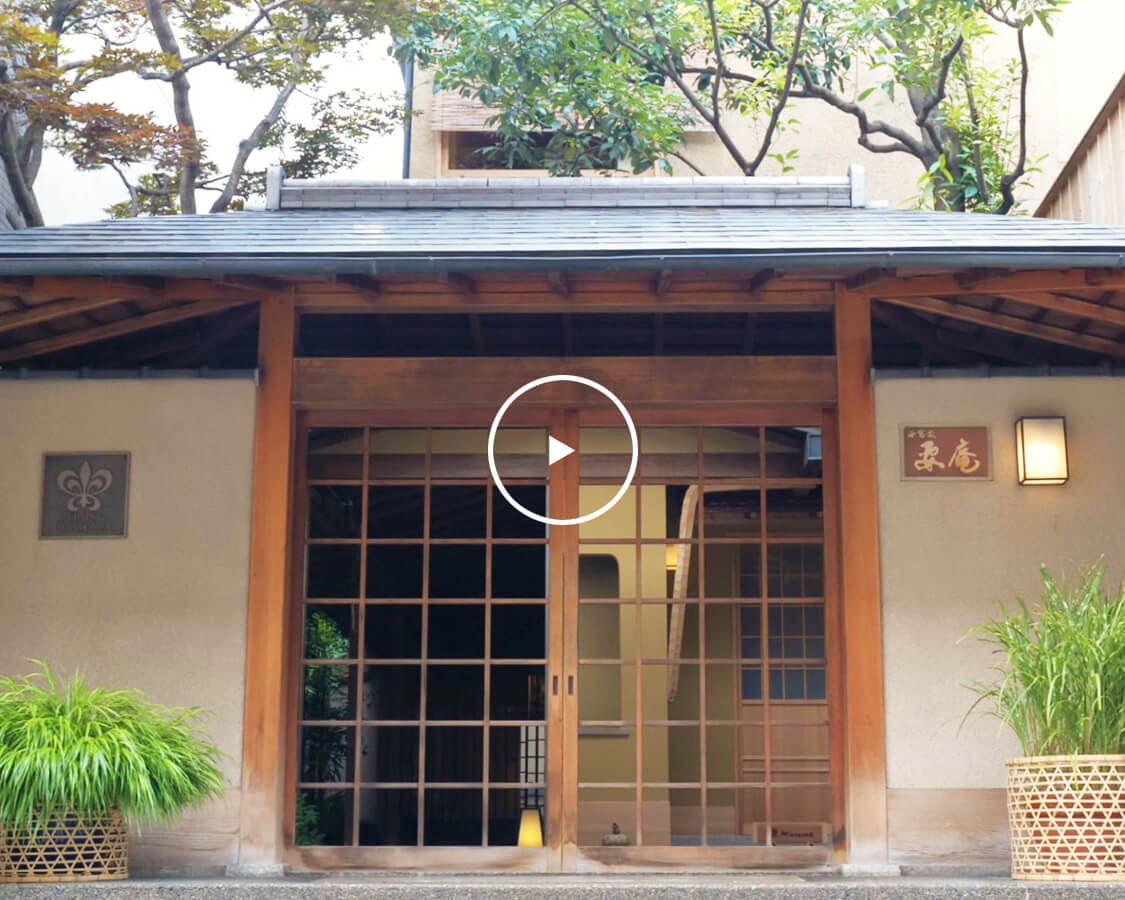
The machiya townhouses that line Gionmachi Minamigawa were built for restraint. Low eaves, latticed facades, and the particular silence of a Higashiyama side street compose a setting in which the building itself asks you to slow down before you've crossed the threshold. Ryō-shō occupies one of these remodelled wooden structures at 570-166 Gionmachi Minamigawa.
That atmosphere is not incidental to what Kyoto's two-Michelin-star tier has become. Gion concentrates some of Japan's most formally recognised kaiseki and Japanese-cuisine counters within walking distance of each other, and the neighbourhood's physical character, preserved machiya fabric, temple approaches, and a long civic memory of ceremonial dining, shapes both what chefs attempt here and how guests receive it. Venues like Gion Matayoshi and Kenninji Gion Maruyama sit within the same district, anchoring a concentration of serious Japanese cooking that has few equivalents in the country.
The Critical Case: Two Stars in Consecutive Years
Michelin awarded Ryō-shō two stars in both 2024 and 2025, the kind of consecutive recognition that matters more than a single-year entry because it indicates consistency under sustained scrutiny. The Michelin citation for the restaurant is specific about what earned those stars: mastery of classical Japanese cuisine deployed as a foundation for technical advancement, with French techniques applied to grilled items and snacks rather than imported wholesale from a different culinary tradition. That distinction is worth dwelling on. French technique appears here as a precision tool in a Japanese grammar, not as a fusion signal.
Among the cited applications, salmon served mi-cuit and beef rested through multiple stages of grilling stand as the clearest evidence of where that cross-disciplinary approach operates. Mi-cuit, literally half-cooked, is a French low-temperature method that preserves moisture and texture in ways that conventional Japanese heat application does not prioritise; applying it to masu salmon within a kaiseki or Japanese tasting format says something deliberate about where the kitchen has looked for technical solutions to Japanese ingredient challenges. The multiple-rest grilling method for beef is less theatrical but demands equal precision: temperature management across interruptions requires a clear mental model of how the protein behaves, not simply experience at the grill.
The Michelin language around the restaurant is also telling in what it emphasises about classical forms. Wanmono, the clear-broth soup course that represents among the more technically demanding and philosophically weighted moments in a kaiseki sequence, is described as handled with orthodox respect. Side dishes follow that same conservatism. The critical reading is that Ryō-shō does not innovate uniformly across the menu; it innovates precisely, at points where French technique solves a problem or extends a possibility, and holds the classical line where the classical line is the point. That selectivity is itself a form of discipline.
Ryō-shō in Kyoto's Competitive Set
Kyoto's upper-tier Japanese restaurants occupy a crowded and exacting peer group. Isshisoden Nakamura and Kikunoi Roan represent the city's deep kaiseki tradition, where multi-generational lineage and institutional weight carry as much authority as current critical reception. Kodaiji Jugyuan sits in the same price bracket. What distinguishes the restaurant within that set is the specific claim embedded in its name: ryōshō translates as aspiring to the heavens.
That positioning matters for how to read the two-star status. In Kyoto, two Michelin stars on a restaurant that identifies itself through ambition rather than lineage signals something different from two stars on an institution. The consecutive stars across 2024 and 2025 suggest it can.
For a broader map of where the restaurant sits within Japan's Michelin-recognised Japanese cooking, the comparison extends beyond Kyoto. Myojaku in Tokyo and Azabu Kadowaki in Tokyo represent the capital's approach to serious Japanese cuisine at comparable price points. HAJIME in Osaka pursues a different kind of technical ambition at the three-star level. Regionally, akordu in Nara and Goh in Fukuoka show how Japan's secondary cities are producing kitchens that challenge Tokyo and Kyoto's concentration of recognition. Harutaka in Tokyo, 1000 in Yokohama, and 6 in Okinawa extend that picture further.
The Interior as Evidence
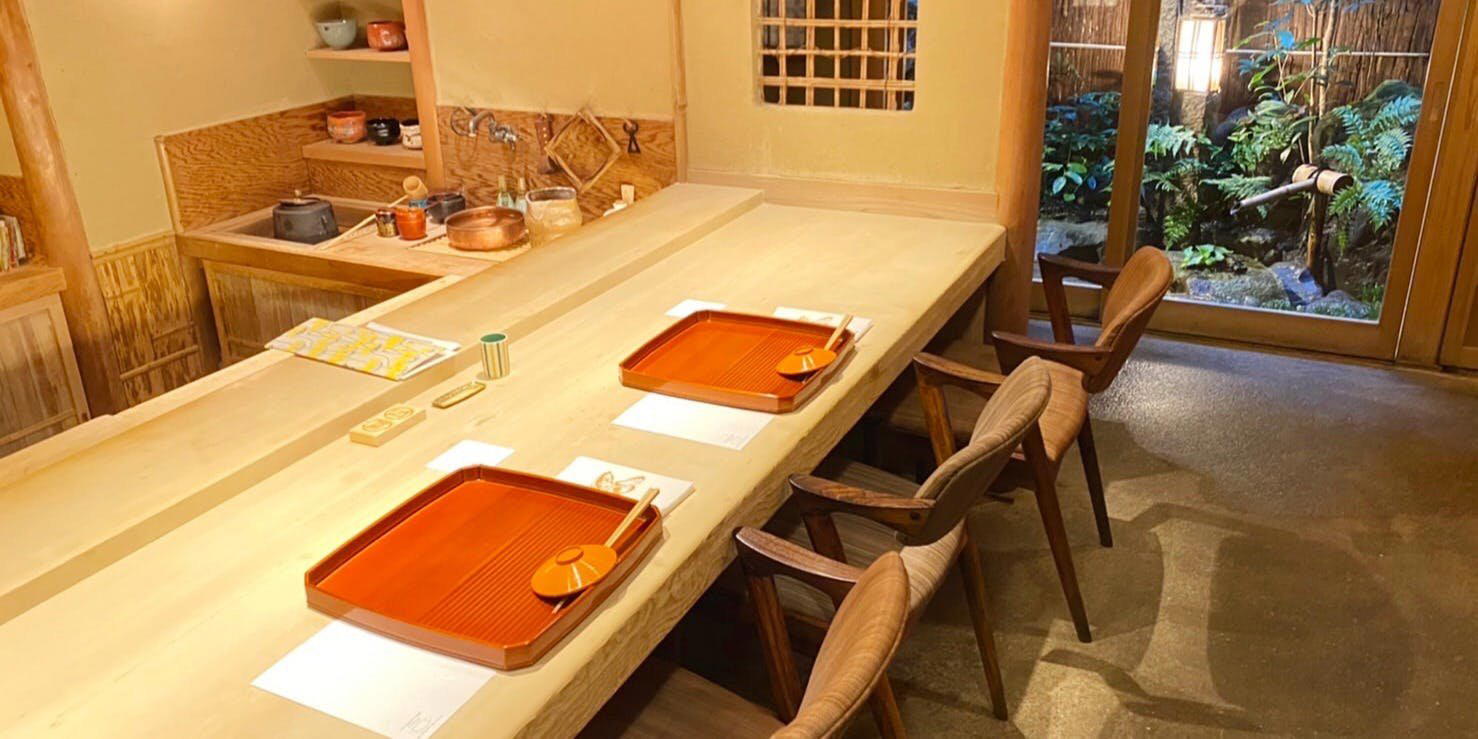
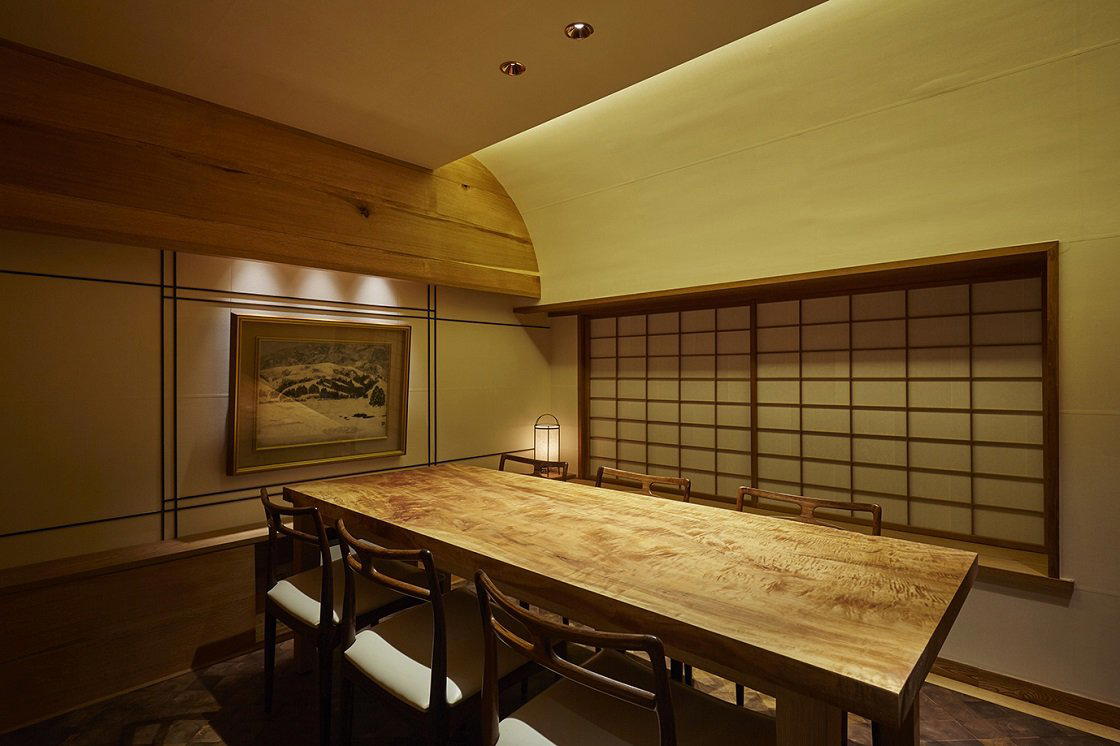
Sukiya architecture, the aesthetic tradition associated with the tea house and with an approach to space that values incompleteness and asymmetry over formal perfection, is not a decorative choice in a restaurant like this. It frames the dining experience as something to be read carefully, where the placement of an antique bowl next to a piece of contemporary ceramic carries the same interpretive weight as a course sequence that moves between orthodox and technically modified preparations. The remodelled machiya at Gionmachi Minamigawa is not a heritage stage set; it is a working restaurant whose physical environment reinforces what the kitchen is doing: holding a tradition in one hand while extending it with the other.
The mix of antique and modern dishware mentioned in the Michelin record is a practical expression of that dual orientation. In Japanese fine dining, dishware is part of the course, not a backdrop for it; the vessel shapes how a preparation is received, and the decision to use both historical pieces and contemporary ones maps directly onto the kitchen's approach to its source material.
Planning a Visit
The restaurant is located at 570-166 Gionmachi Minamigawa, Higashiyama Ward, Kyoto, within the preserved machiya belt of Gion. The price range sits at ¥¥¥¥, consistent with Kyoto's two-star tier. Booking demand at this level in Gion should be anticipated well in advance.
| Venue | Cuisine / Style | Price | Michelin | Location |
|---|---|---|---|---|
| The restaurant | Japanese (French-inflected technique) | ¥¥¥¥ | 2 Stars (2024, 2025) | Gionmachi Minamigawa, Higashiyama |
| Gion Sasaki | Kaiseki / Japanese | ¥¥¥¥ | Michelin-recognised | Gion |
| Ifuki | Kaiseki | ¥¥¥¥ | Michelin-recognised | Kyoto |
| Kyokaiseki Kichisen | Japanese | ¥¥¥¥ | Michelin-recognised | Kyoto |
Fast Comparison
Comparable venues nearby, for context on price, style, and recognition.
| Venue | Cuisine | Price | Awards | Notes |
|---|---|---|---|---|
| Ryō-shō | Modern Kaiseki | $$$$ | Michelin 2 Star | Higashiyama |
| Sanso Kyoyamato | Traditional Japanese Kaiseki | $$$$ | Michelin 2 Star | Higashiyama |
| Yusokuryori Mankamero | Yusoku Ryori & Kaiseki | $$$$ | Michelin 2 Star | Kamigyō |
| Gion Maruyama | Kyoto Kaiseki | $$$$ | Michelin 2 Star | Higashiyama |
| Kodaiji Wakuden | Luxury Kaiseki | $$$$ | Michelin 2 Star | Higashiyama |
| Kiyama | Traditional Kaiseki Washoku | $$$$ | Michelin 1 Star | Nakagyō |
Recognition history
Dated appearances from independent guides and award organizations, with the underlying list record or original source where available.
Michelin 2 Stars
Michelin
Michelin 2 Stars
Michelin
Michelin 2 Stars
Michelin
Continue exploring
More in Kyoto
Restaurants in Kyoto
Browse all →
Bars in Kyoto
Browse all →
Hotels in Kyoto
Browse all →
Wineries in Kyoto
Browse all →
At a Glance
- Elegant
- Sophisticated
- Intimate
- Classic
- Celebration
- Special Occasion
- Date Night
- Chefs Counter
- Private Dining
- Sake Program
- Extensive Wine List
Current opening hours
- Monday
- Closed
- Tuesday
- 6–7:30 PM
- Wednesday
- 6–7:30 PM
- Thursday
- 6–7:30 PM
- Friday
- 6–7:30 PM
- Saturday
- 11:30 AM–12 PM, 6–7:30 PM
- Sunday
- 11:30 AM–12 PM, 6–7:30 PM
Hours can change for holidays and private events. Last verified .
Tranquil and elegant Sukiya-style architecture with beautiful vessels, paintings, and antique Imari porcelain.