


Michelin Plate · Wine Spectator Best of Award of Excellence · We're Smart World 2 Radishes
Our verdict
ristorante DONO occupies the second floor of a building overlooking the torii gate of Heian Shrine in Okazaki, bringing Italian cooking into direct conversation with Kyoto's seasonal ingredient culture. Chef Pino Saccheri, second son of Sojiki Nakahigashi's owner, tends his own fields and forages edible wild plants, translating that harvest into risotto, pasta, and vegetable-forward dishes with a Michelin Plate recognition in both 2024 and 2025.

Pearl is the En Primeur Club membership app, where members save venues, book tables and use the concierge.
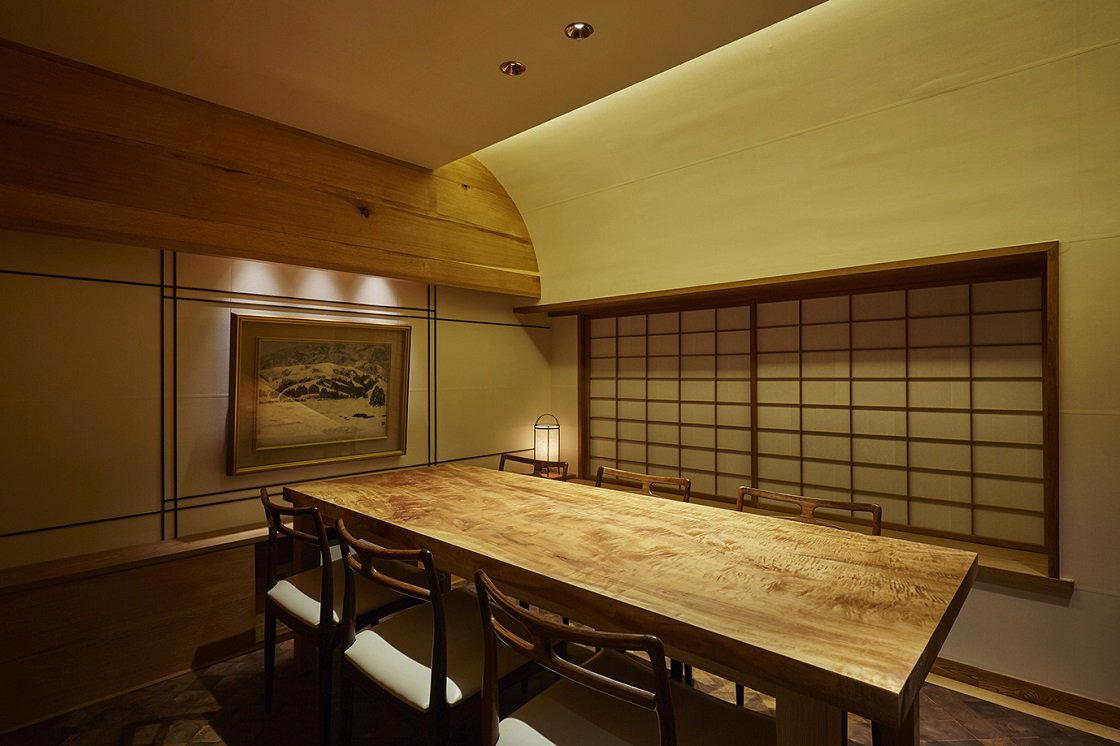
A View That Sets the Terms
The approach to ristorante DONO already frames the meal. From the second floor of Beau Passage Kyoto Okazaki, the dining room window looks directly onto the vermillion torii gate of Heian Shrine, one of Kyoto's most recognisable architectural landmarks. That view is not incidental, it anchors a restaurant whose central argument is that Italian cooking and Japanese seasonal philosophy are less distinct than they first appear. Both traditions assign moral weight to the origin of ingredients, the moment of harvest, and the cook's obligation not to waste what the earth provides.
That convergence is rarer than the proliferation of Italian restaurants in Japan might suggest. Most Italian cooking in the country adapts European recipes to Japanese produce without interrogating the relationship. DONO, whose name translates roughly as sharing with others what is given, frames the exercise as one of gratitude rather than fusion, a distinction that shows up in what reaches the table.
Kyoto's Italian Tier: Where DONO Sits
Kyoto's premium Western restaurant scene divides roughly between French-influenced fine dining, kaiseki at its various price points, and a smaller cohort of Italian restaurants that take local produce seriously. Among that Italian cohort, cenci occupies a comparable tier at ¥¥¥, while Bini, Vena, and BOCCA del VINO each represent distinct positions within the city's Western dining conversation. TAKAYAMA sits further toward Japanese fine dining in both format and price. DONO's ¥¥¥ positioning places it above casual trattoria spending but below the city's leading kaiseki rooms, comparable to kaiseki establishments like Gion Sasaki and Ifuki in spend category, though the experience is structurally different.
The Michelin Plate awarded in both 2024 and 2025 signals consistent kitchen execution without reaching starred territory. In Kyoto's competitive dining environment, that recognition puts DONO in a clearly defined tier: technically accomplished, ingredient-conscious, and worth a dedicated evening, without the booking pressure of a starred room.
For context on Italian restaurants operating at the far end of the ambition spectrum elsewhere in the region, HAJIME in Osaka and akordu in Nara show how Western technique gets reinterpreted across the Kansai region, each with a different set of local ingredients and cultural pressures shaping the result.
The Menu: Italian Forms, Kyoto Materials
The menu at DONO organises itself around Italian structural logic, risotto, pasta, the arc of antipasto to secondo, but the ingredients are sourced from Chef Saccheri's own cultivation and seasonal foraging in the hills around Kyoto. Edible wild plants and personally grown vegetables take precedence over the menu's protein elements, which remain present but secondary. The kitchen describes a fully plant-based meal as available for guests who request it at reservation, a practical signal of where the kitchen's emphasis genuinely lies rather than a marketing afterthought.
The seasonal and agricultural orientation connects directly to the Nakahigashi family context. Sojiki Nakahigashi, one of Kyoto's most respected foraging-driven kaiseki restaurants, built its reputation precisely on gathering wild plants and translating them through traditional Japanese technique. DONO applies the same sourcing rigour to Italian form. The crossover is not stylistic; it is agricultural.
Wine and the Table: The Pairing Logic at DONO
Italian cuisine and Italian wine are among the most structurally codified pairings in the world, which makes the sommelier's role at a restaurant like DONO particularly consequential. The wine program at DONO draws from a list with strengths in Piedmont, broader Italy, and France, with notable depth in Burgundy and Bordeaux and representation from California. The inventory of approximately 7,500 bottles across roughly 1,300 selections places this firmly in the category of a serious cellar rather than a functional list, and the pricing sits at a mid-range markup ($$), meaning access to quality bottles does not require a disproportionate investment relative to the food spend.
In the context of Italian cuisine specifically, Piedmont as a wine anchor makes particular sense. The region's Nebbiolo-based wines, from Barolo and Barbaresco, carry the structural weight to accompany richly textured risotto and slow-cooked preparations, while the region's white varieties and lighter reds offer flexibility across vegetable-forward courses. For guests whose meal trends plant-based, Burgundy's Pinot Noir and Chardonnay, both well represented on the list, provide lighter, more mineral-driven options that won't overwhelm delicate foraged greens or early-season vegetables.
The wine-and-food pairing logic at DONO is therefore embedded in the menu's architecture. A kitchen that builds courses around seasonal vegetables and foraged plants demands a wine program with enough granularity to track that variation across the year. A 7,500-bottle inventory suggests the cellar can do that work. Guests with specific pairing interests are well served raising those preferences with the sommelier before the meal begins rather than selecting from the list cold.
For comparative reference on how Italian wine programs operate in very different contexts, Frasca Food and Wine in Boulder and 8½ Otto e Mezzo Bombana in Hong Kong illustrate how Italian wine lists function when removed from the Italian peninsula, each drawing on regional logic but shaped by a different local dining culture.
DONO in the Broader Japan Context
Italy-meets-Japan dining has precedents across the country, but the framing varies considerably. Harutaka in Tokyo, Goh in Fukuoka, 1000 in Yokohama, and 6 in Okinawa each represent how different cities apply Western fine-dining logic to deeply local ingredient contexts. DONO's version is perhaps the most explicitly philosophical: the name, the family provenance, and the cultivation practice all reinforce a single argument about what cooking is for.
Kyoto itself supports that argument. The city's food culture has always prioritised the integrity of the ingredient over the drama of preparation. That tendency runs from the city's kaiseki tradition through its tofu and yuba specialties and into the handful of Western restaurants that take their cue from the same logic. Our full Kyoto restaurants guide maps the wider scene, while our Kyoto bars guide, hotels guide, wineries guide, and experiences guide cover the broader city.
Planning Your Visit
Reservations: Booking in advance is advisable given the small scale of the venue and the Okazaki location's appeal to both local and visiting diners. Guests requesting a plant-based menu should note that preference at the time of reservation. Budget: ¥¥¥ for food; wine pricing at $$ suggests mid-range markup with accessible entry points alongside more serious bottles. Location: Second floor of Beau Passage Kyoto Okazaki, Sakyo Ward, with the Heian Shrine torii gate visible from the dining room. Meals served: Dinner only. Dress:
Frequently asked questions
What price level is ristorante DONO?
Pricing at ristorante DONO is listed as ¥¥¥.
The Quick Read
A short peer table to compare basics side-by-side.
| Venue | Cuisine | Price | Awards | Notes |
|---|---|---|---|---|
| ristorante DONOThis venue (the venue you are viewing) | Vegetable-Focused Seasonal Italian | $100–150 | Michelin Plate · Wine Spectator Best of Award of Excellence | Not listed |
| Gion Sasaki | Modern Kaiseki | $300–500 | 3 Michelin Stars · La Liste Top Restaurants | Kaiseki, Japanese |
| cenci | Innovative Italian-Japanese Fusion | $100–150 | 1 Michelin Star · World's 50 Best #76 | Italian |
| Ifuki | Sumibi Kappo Kaiseki | $200–300 | 2 Michelin Stars · La Liste Top Restaurants | Kaiseki |
| Kyokaiseki Kichisen | Kyoto Kaiseki | $200–300 | 2 Michelin Stars · La Liste Top Restaurants | Japanese |
| Kyo Seika | Modern Chinese Fine Dining | $150–200 | 1 Michelin Star · Tabelog Bronze #216 | Chinese |
Recognition history
Dated appearances from independent guides and award organizations, with the underlying list record or original source where available.
Michelin Plate
Michelin
We're Smart World 2 Radishes
We're Smart World
Wine Spectator Best of Award of Excellence
Wine Spectator
Full recognition history (5 entries)
Michelin Plate
Michelin
Michelin Plate
Michelin
Continue exploring
More in Kyoto
Restaurants in Kyoto
All restaurants in Kyoto →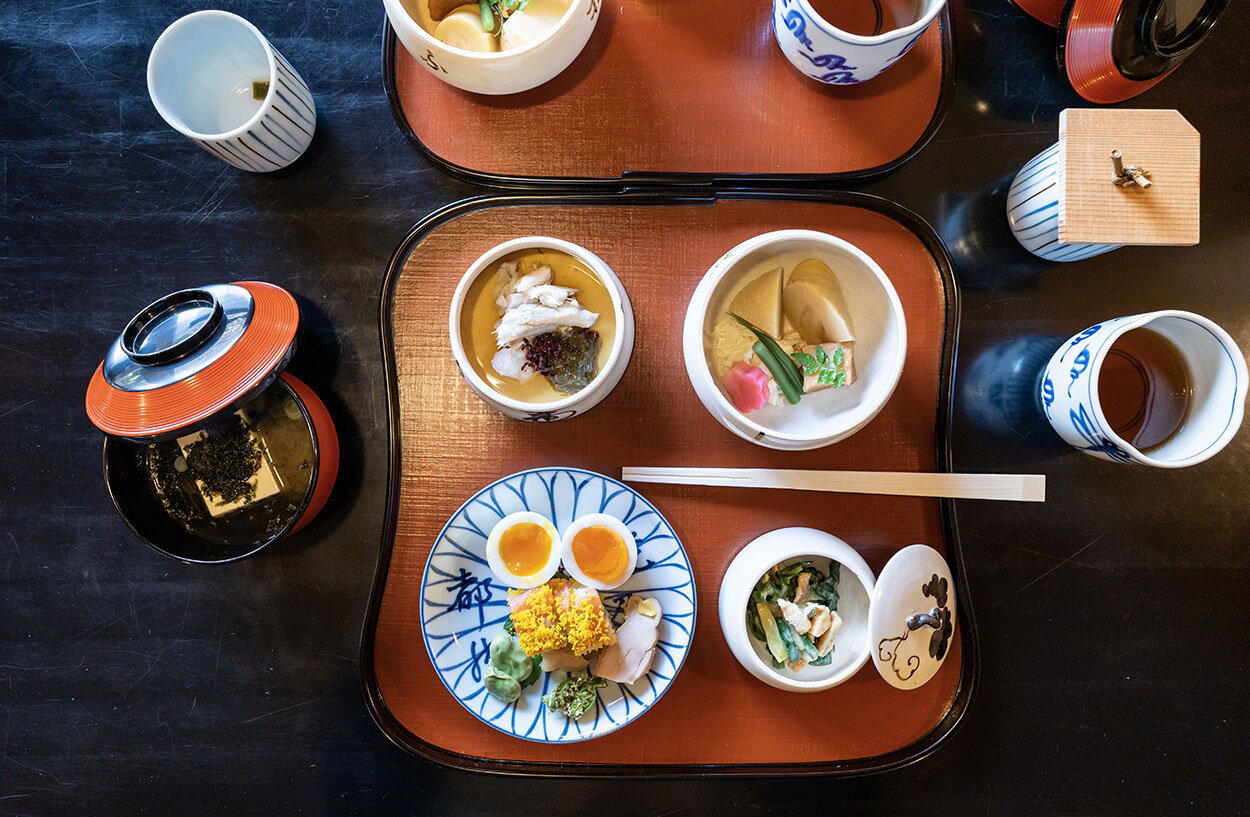
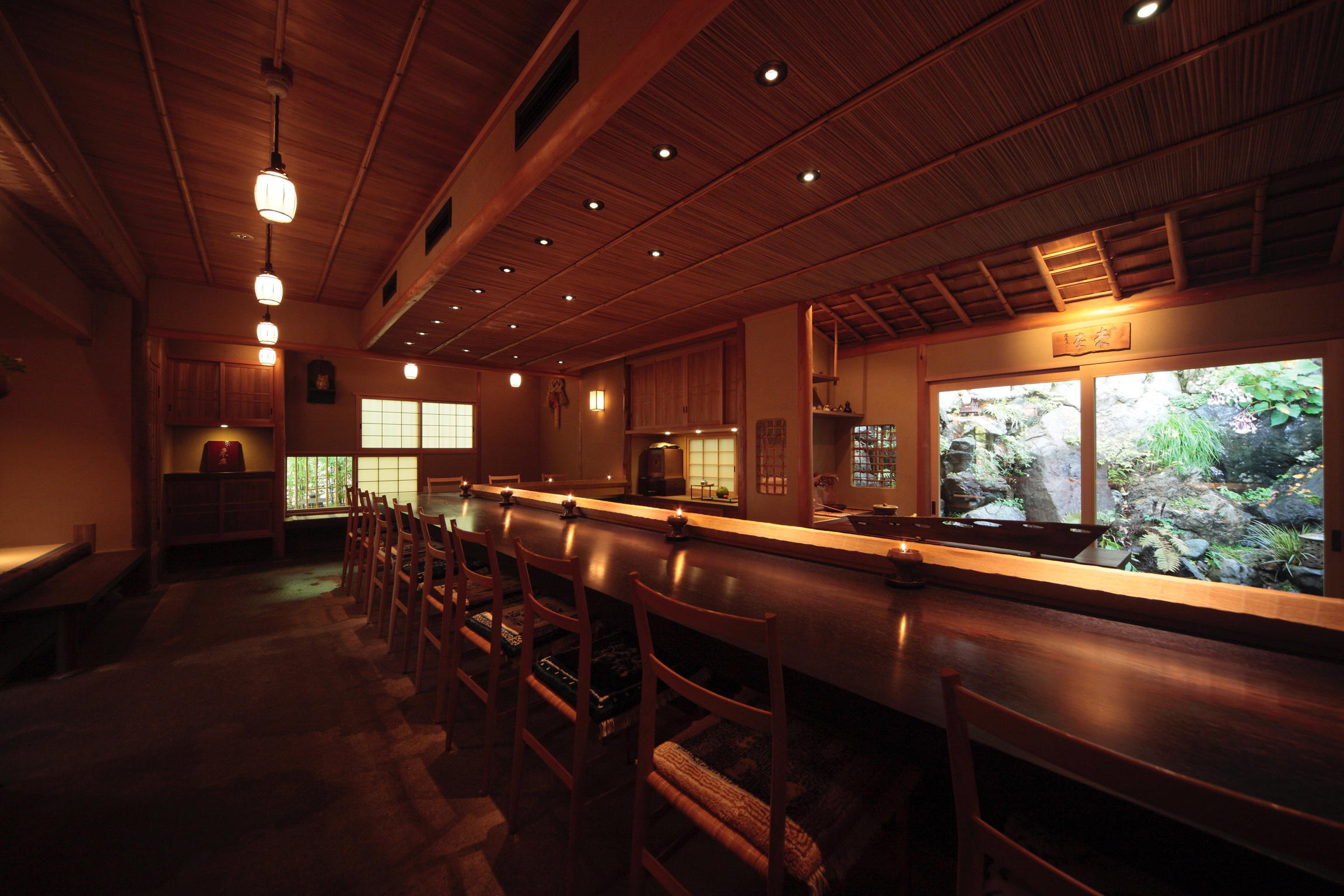
Bars in Kyoto
All bars in Kyoto →
Hotels in Kyoto
All hotels in Kyoto →

Wineries in Kyoto
Browse all →
ristorante DONO
The wine
ristorante DONO holds the Wine Spectator Best of Award of Excellence, which Wine Spectator gives to lists of usually 350 or more selections.
- Wine Spectator
- Wine Spectator Best of Award of Excellence
- Selections
- 305
- Bottles in cellar
- 2,500
- List strengths
- Italy
- Sake program
Details
- Elegant
- Sophisticated
- Scenic
- Intimate
- Special Occasion
- Open Kitchen
- Private Dining
- Sake Program
- Local Sourcing
- Street Scene
Current opening hours
- Monday
- Closed
- Tuesday
- 5–10 PM
- Wednesday
- 12–3 PM, 5–10 PM
- Thursday
- 12–3 PM, 5–10 PM
- Friday
- 12–3 PM, 5–10 PM
- Saturday
- 12–3 PM, 5–10 PM
- Sunday
- Closed
Hours can change for holidays and private events. Hours as of .
Refined interior with large windows framing Heian Shrine views, 400-year-old bricks, marble tables, and a wood-fired kiln in the open kitchen, creating a serene and artistic atmosphere.