Positioned on the forested slopes of Higashiyama, Park Hyatt Kyoto occupies a quieter register than the city's grand central hotels, closer to the temple precincts of Kōdai-ji than to the tourist corridors below. The property draws a repeat clientele who return for its integration with Kyoto's eastern hills, its proximity to Gion's kaiseki circuit, and a level of service that prioritises restraint over performance.
Pearl is the En Primeur Club membership app — saves, bookings, and concierge access live there. Same editors, same standards.
- Address
- 京都市東山区高台寺, 360 Masuyacho, Kyoto, 605-0826, Japan
- Phone
- +81755311234
- Website
- hyatt.com
- Directions
- Get directions
 Saves & bookings on Pearl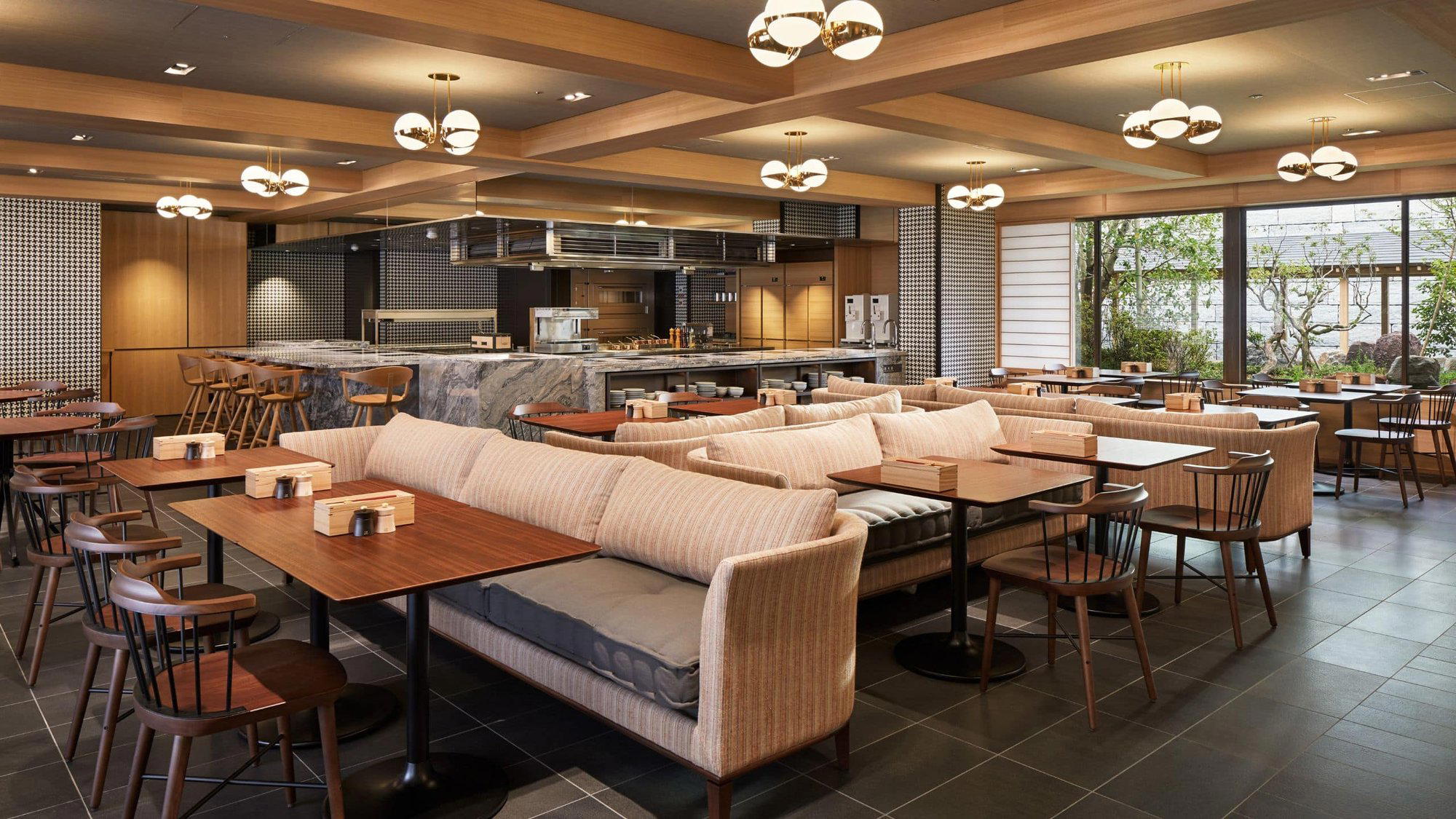
Where the City Pulls Back
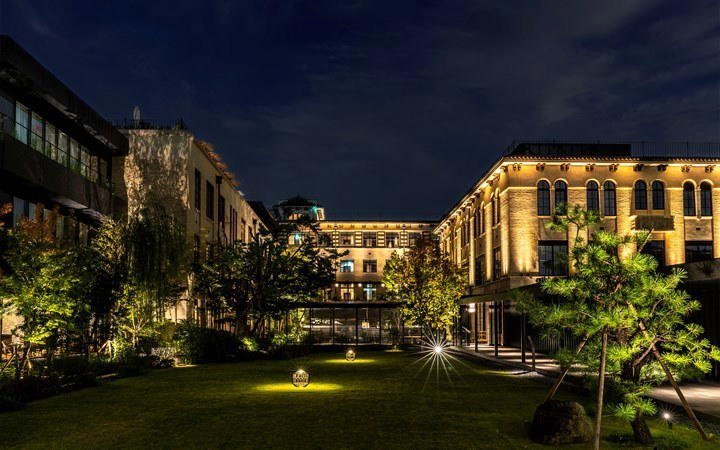
There is a particular quality to the eastern hills of Kyoto at dusk, when the stone lanterns along Ninen-zaka start to glow and the crowds thin toward Maruyama Park. Park Hyatt Kyoto sits within that specific geography, on the Higashiyama slopes near Kōdai-ji temple, at an elevation that gives it a different relationship to the city than properties on the flat grid below. Guests approaching from the Gion side encounter a building that reads more like a high-end ryokan in its material choices, stone, timber, subdued lighting, than like a global hotel flag. That visual register is deliberate.
The Higashiyama district is Kyoto's most concentrated zone of historic temple architecture and traditional craft streets. Kōdai-ji, Ryōzen Kannon, the approach to Kiyomizudera, these are within walking distance, and the hotel's location means guests operate on a different timetable to the bus-tour circuit. Early mornings here, before the Ninenzaka shops open, belong almost entirely to residents and to guests staying close enough to walk out at seven in the morning without a plan.
The Logic of the Repeat Guest
Hotels in this price tier in Kyoto divide into two operating models. The first is the large international property on or near Karasuma-Oike, positioned for business travel, conferences, and first-time visitors who want central access. The second is the smaller, neighbourhood-anchored property that earns its premium from proximity to specific cultural nodes and from a service approach calibrated to guests who already know the city. Park Hyatt Kyoto belongs emphatically to the second category.
What the repeat guest understands about this property is that its value is relational rather than infrastructural. The room count is low enough that staff learn preferences across stays. The location means that guests who have already done the main temple circuit on a previous visit can use it as a base for the slower version of Kyoto: the antique dealers on Shinmonzen, the private tea ceremony rooms that require introductions, the early-morning walks through Chion-in before the grounds fill. Those guests are not looking for a concierge who will recite the standard highlights. They already know the highlights. They want access to the layer beneath.
For this reason, the hotel's position adjacent to Gion matters as much as its architecture. Gion's kaiseki circuit, counters like Gion Sasaki and Kikunoi Honten, along with the city's broader top tier including Hyotei and Mizai, operates on advance booking windows that can run three to six months for prime seats. Guests who are already familiar with that rhythm use the hotel as the fixed point around which their dining schedule is arranged, not the other way around. The hotel is the container; the kaiseki reservations are the itinerary.
Kyoto's Kaiseki Tier and Where the Hotel Sits Within It
Kyoto holds more Michelin stars per capita than almost any city outside the immediate Tokyo metropolitan area, and the kaiseki form is the dominant expression of that density. The tradition of multi-course seasonal cooking, rooted in temple cuisine and refined through centuries of Gion hospitality, produces a dining culture in which the meal itself is the primary event of the evening. A hotel that sits at the edge of this district, within walking distance of several of Japan's most decorated counters, functions as a staging point for that experience in a way that a hotel on the other side of the city cannot replicate.
Guests familiar with the kaiseki circuit beyond Kyoto, those who have dined at Isshisoden Nakamura, tracked tasting menus in Osaka at HAJIME, or followed the precision cooking tradition that extends from Tokyo counters like Harutaka through to regional institutions across the country, understand Kyoto as the source code for much of Japan's formal dining culture. Staying in Higashiyama rather than central Kyoto is a positioning decision as much as a logistical one.
The broader Japanese dining geography that Park Hyatt Kyoto guests tend to move through also extends into less-trafficked territory: the seasonal kaiseki logic of mountain towns such as Takashima, where 湖畔荘 draws guests for lakeside cooking, or the craft-centred dining scene in the Noto Peninsula. Restaurants like 三本木 名取制 in Nanao and 庄羽屋 in Nishikawa Machi represent the regional extension of a cooking sensibility that has its most formalised expression in Kyoto. Guests who use this hotel as a base often approach Japan as a connected dining itinerary rather than a single-city trip. For the Kyoto portion of a longer Japan route, it is worth noting that akordu in Nara and Goh in Fukuoka sit within day-trip or overnight range, making the Higashiyama base workable for a wider regional circuit.
The hotel's address places it a short walk from Gion's main streets and the Higashiyama temple corridor on foot. For guests arriving from Kyoto Station, taxi is especially direct option given the neighbourhood's restricted vehicle access. The hotel itself is at 360 Masuyacho, Higashiyama-ku, with Kōdai-ji immediately to the north and the Ninen-zaka historic lane close by.
For a full picture of where the restaurant sits within the city's dining and hospitality scene, the Kyoto restaurants guide covers the kaiseki tier alongside international options ranging from regional French to precision tasting menus. Comparisons with the technical formalism of Korean-influenced menus at Atomix in New York City or the classical French rigour of Le Bernardin, both points of reference for guests who move between global dining tiers. For the Sapporo end of a longer Japan trip, 夕仙山乃 offers northern Hokkaido cooking as a counterpoint to Kyoto's seasonality-driven formality. And Birdland in Sakai represents the yakitori tier for guests whose itinerary extends to Osaka's southern suburbs.
Comparison Snapshot
Comparable venues nearby, for context on price, style, and recognition.
| Venue | Cuisine | Price | Notes |
|---|---|---|---|
| Park Hyatt KyotoThis venue — the venue you are viewing | French-inspired Teppanyaki | $$$$ | Not listed |
| Gion Kon | Kappo Japanese Cuisine | $$$$ | Gion |
| 焼肉やまちゃん | Premium Wagyu Yakiniku Omakase | $$$$ | Kawaramachi, Chuo Ward |
| Yoshizen | Kappo Kaiseki | $$$$ | Higashiyama |
| 天ぷら 京星 | Kyoto-Style Tempura | $$$$ | 祇園 |
| 富小路やま岸 | 京懐石 | $$$$ | 河原町 |
Continue exploring
More in Kyoto
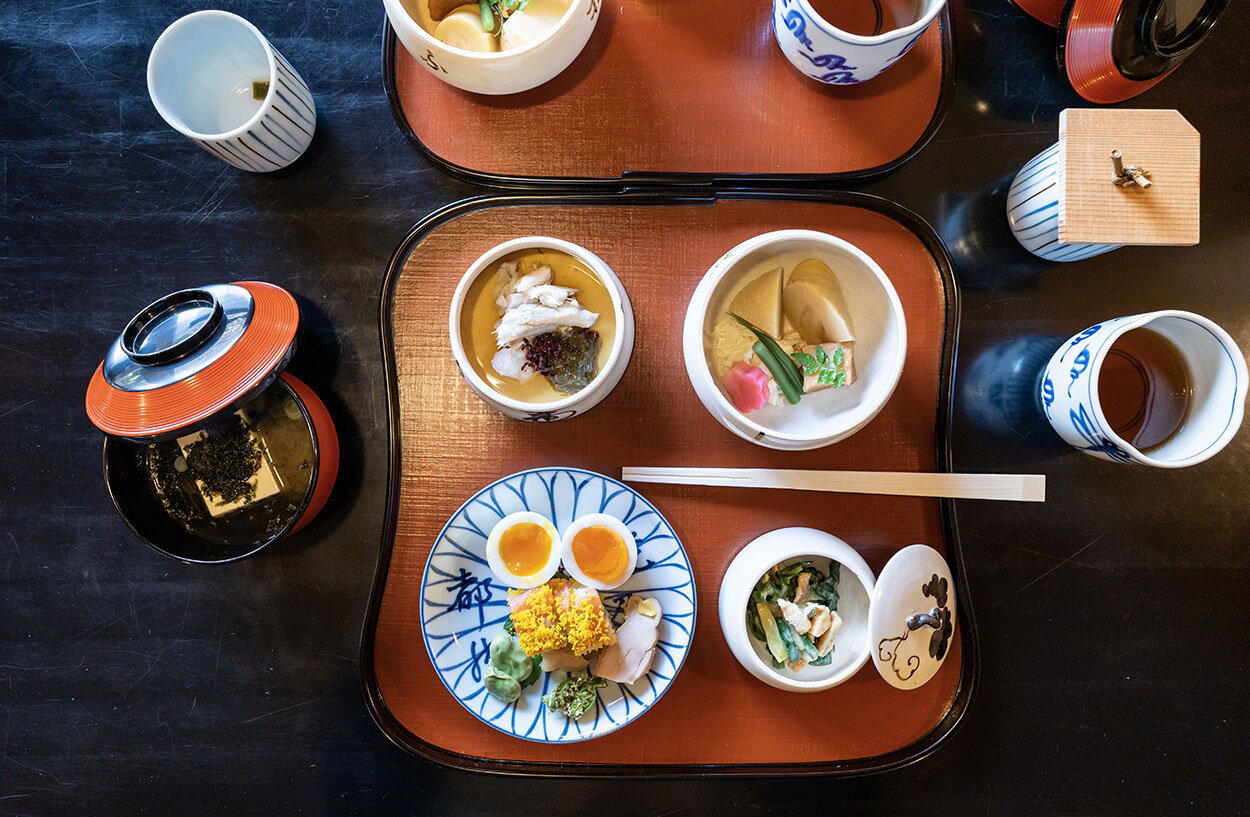
Restaurants in Kyoto
Browse all →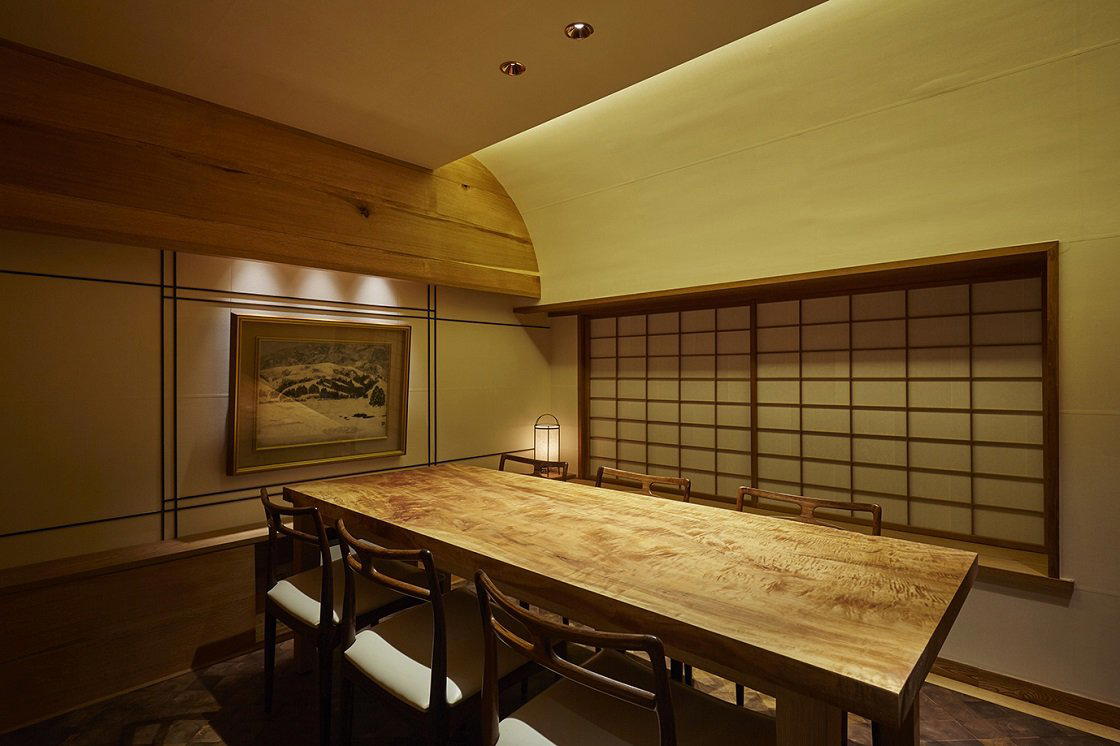
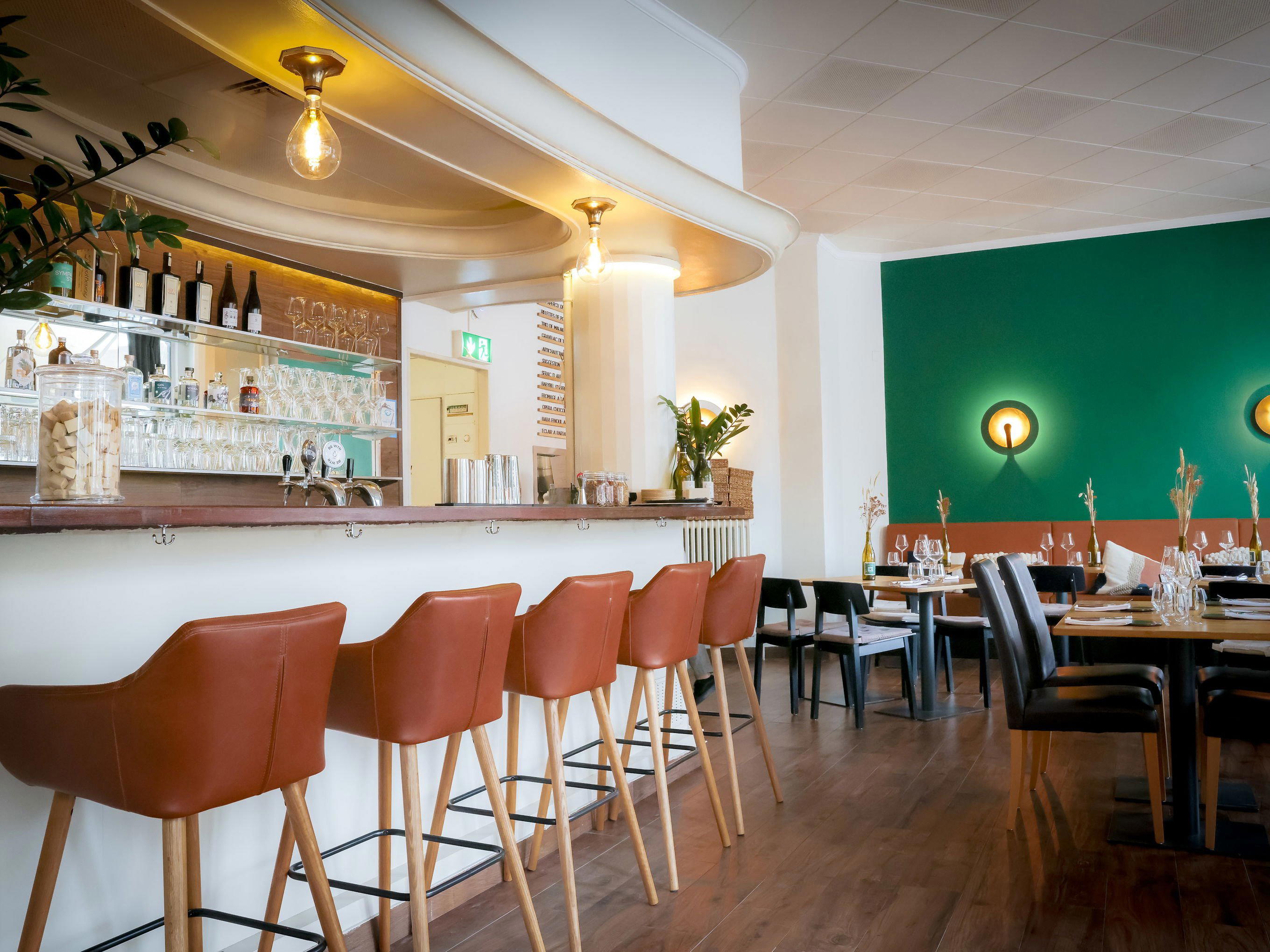
Bars in Kyoto
Browse all →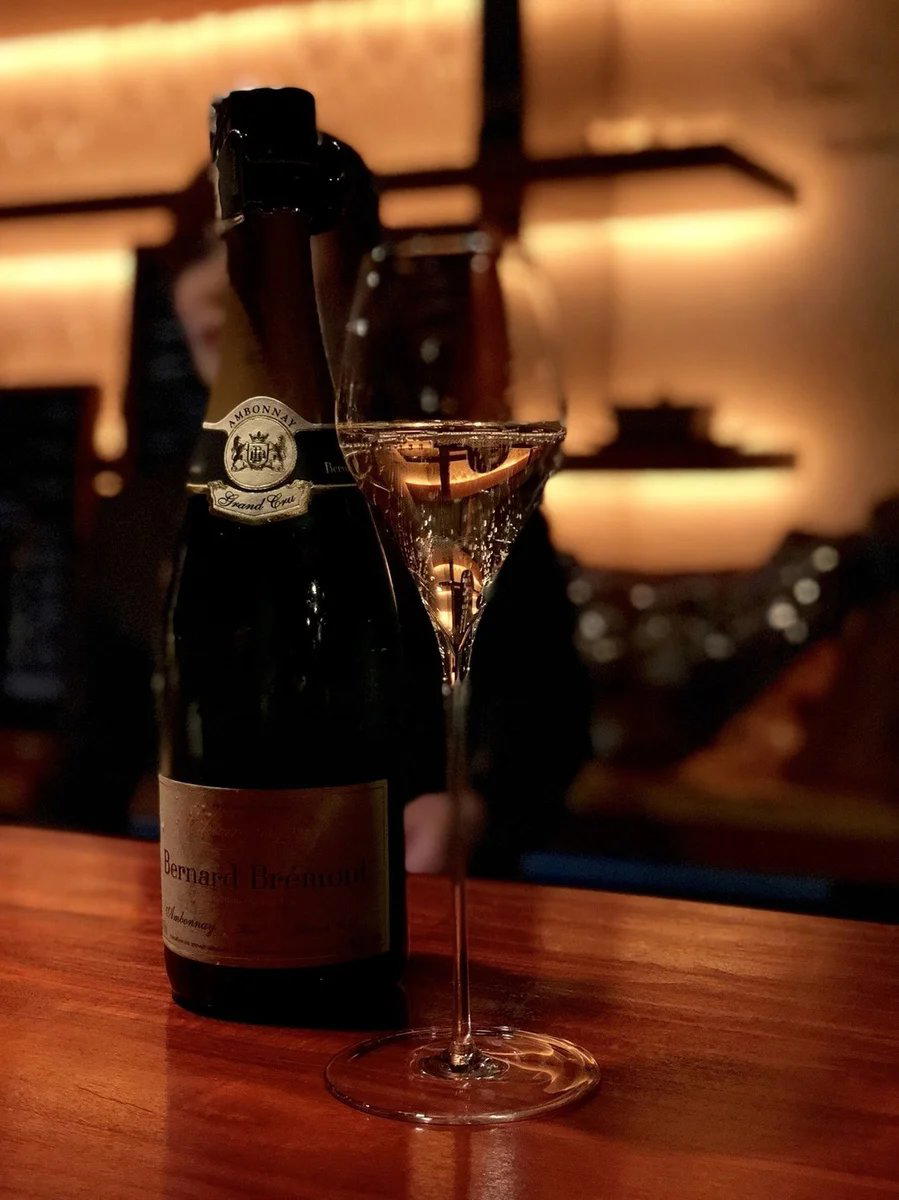
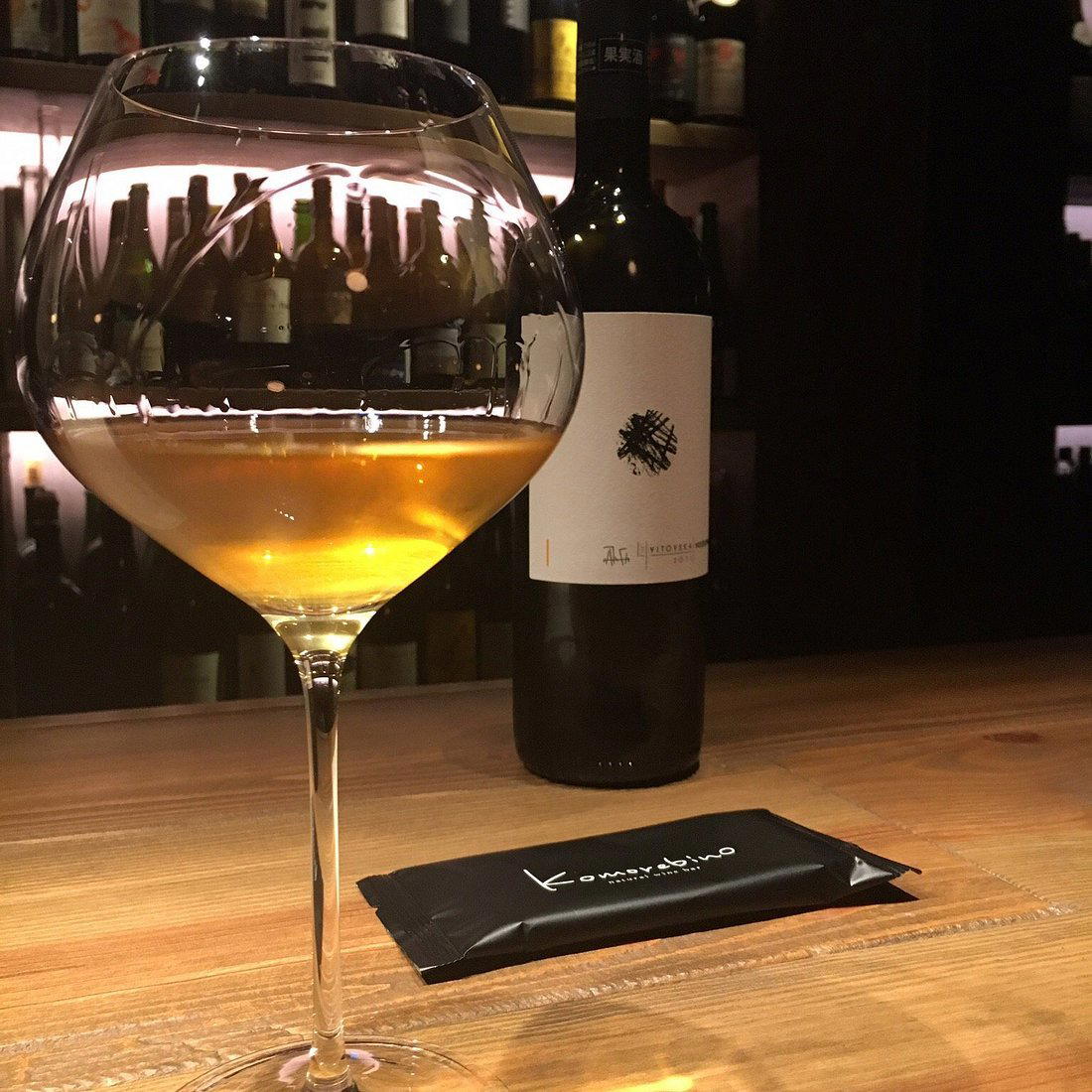
Hotels in Kyoto
Browse all →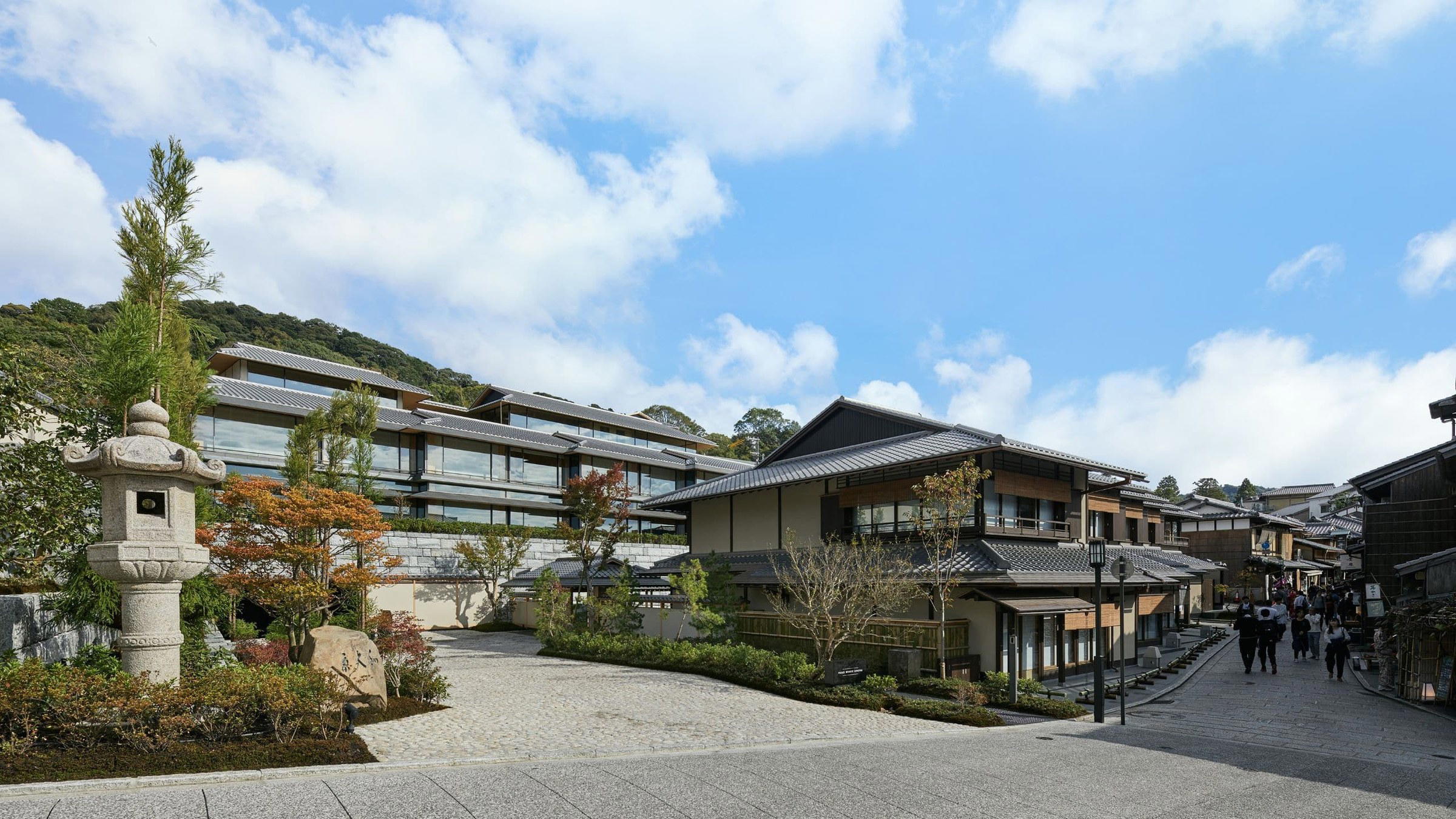
Wineries in Kyoto
Browse all →
At a Glance
- Elegant
- Sophisticated
- Scenic
- Intimate
- Special Occasion
- Date Night
- Business Dinner
- Chefs Counter
- Panoramic View
- Hotel Restaurant
- Sake Program
- Local Sourcing
- Skyline
- Mountain
Refined and intimate with dramatic floor-to-ceiling windows framing pagoda and mountain views, dramatic lighting enhancing the fine-dining theater of open teppanyaki grill.