焼肉やまちゃん sits in Kyoto's Nakagyo Ward, where the city's grilling tradition operates at a quieter register than Osaka's louder yakiniku circuit. For an occasion that calls for something personal rather than palatial, this neighbourhood address offers the kind of table that stays in the memory through quality over ceremony. Bookings and current hours are best confirmed directly before visiting.
Pearl is the En Primeur Club membership app — saves, bookings, and concierge access live there. Same editors, same standards.
- Address
- 中京区蛸屋町157-11, 京都市, 京都府, 604-8062
 Saves & bookings on Pearl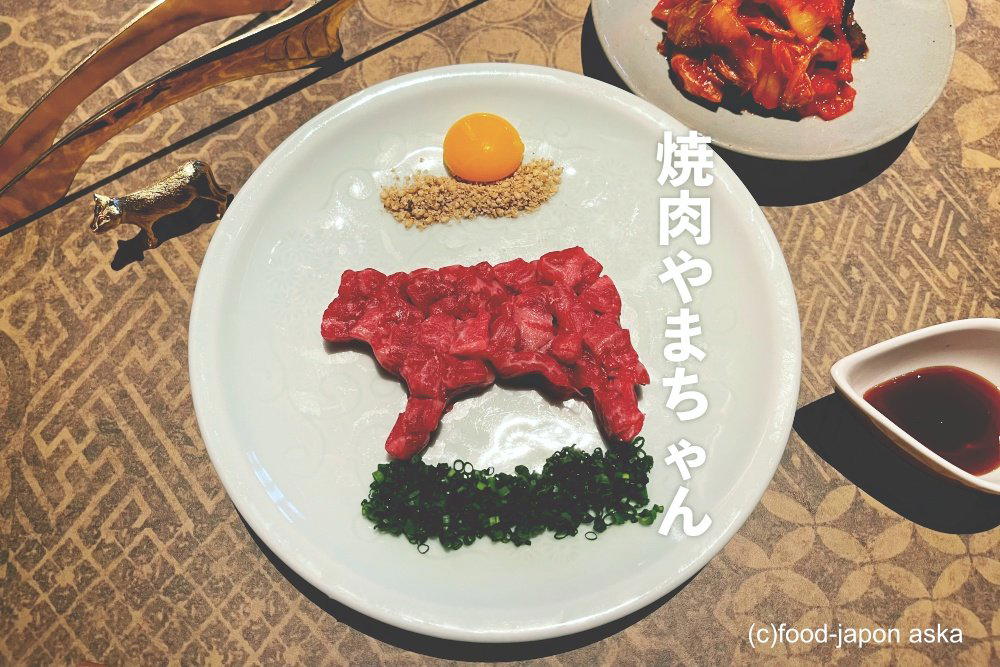
Smoke, Ceremony, and the Case for Yakiniku in Kyoto
焼肉やまちゃん is a premium wagyu yakiniku omakase restaurant in Kyoto, priced at about $1,650 per person. Yakiniku in this city occupies a different register from the genre's louder expressions in Osaka or Tokyo. Kyoto's version tends toward the neighbourhood scale, where occasion dining happens without ceremony being imported wholesale from kaiseki tradition.
焼肉やまちゃん, located at 中京区蛸屋町157-11 in the Nakagyo Ward, sits inside that quieter tradition.
Where Yakiniku Sits in Kyoto's Dining Order
Kyoto's dining reputation is built almost entirely on kaiseki. The city gave the form its structural logic, and its highest-profile tables, places like Gion Sasaki, Hyotei, Kikunoi Honten, Mizai, and Isshisoden Nakamura, all operate at the ¥¥¥¥ tier and require planning ahead. That upper bracket serves a specific kind of occasion: the anniversary, the formal celebration, the corporate dinner.
Yakiniku serves a different occasion. The shared act of grilling at the table removes the formality that kaiseki installs. It shifts the atmosphere toward conversation and direct pleasure rather than composed presentation. In the broader Kansai region, this kind of dinner has its own premium tier, but it does not require the institutional weight of a tasting counter. That makes it well-suited for celebrations that want warmth over grandeur, milestone dinners where the participants matter more than the architecture of the room.
Across Japan, yakiniku as a form has evolved considerably from its postwar origins. Premium practitioners now work with designated beef grades, single-origin cuts, and serving sequences that mirror omakase logic, portions arriving in a considered order rather than all at once. 焼肉やまちゃん presents premium wagyu yakiniku omakase in Kyoto.
The Occasion Argument for a Neighbourhood Yakiniku Table
There is a strong case for choosing a neighbourhood yakiniku address over a high-profile kaiseki room for certain occasions. Milestone meals work best when the people at the table can actually talk. Kaiseki's sequential formality, however brilliantly executed at places like Gion Sasaki or Mizai, structures the evening around the kitchen's pace. Yakiniku returns control to the table. You cook when you want. You order another round when the conversation demands it. The dinner expands or contracts around the people, not the tasting sequence.
This logic holds across Japan's grilling culture. Goh in Fukuoka and HAJIME in Osaka represent Kansai dining at its most constructed and formal. Harutaka in Tokyo and akordu in Nara demonstrate how fine dining in Japan operates with quiet authority rather than overt display. Against that backdrop, a local yakiniku address in Nakagyo functions as a counterpoint: lower in ceremony, not lower in seriousness.
Nakagyo Ward as a Dining Neighbourhood
Nakagyo occupies the central band of Kyoto, bordered by the Oike and Shijo arterials. It is where a significant portion of Kyoto's daily restaurant life operates. The ward's density supports the kind of place that builds a local following over time rather than cycling through visitors. A yakiniku restaurant here is competing for regulars, which tends to produce a different kind of consistency than a tourist-facing address.
The concentration of kaiseki addresses in Kyoto's outer wards, particularly in Gion and along the Higashiyama ridge, has historically pushed grilling-format restaurants toward the city's commercial centre. Nakagyo's street-level restaurant strip includes everything from ramen to izakaya formats, with yakiniku addresses scattered through it. That mix is relevant context: an address at 蛸屋町157-11 is embedded in a functioning local food ecosystem, not positioned as an outlier or a destination concept.
Category Peers
Comparable venues nearby, for context on price, style, and recognition.
| Venue | Cuisine | Price | Notes |
|---|---|---|---|
| 焼肉やまちゃんThis venue — the venue you are viewing | Premium Wagyu Yakiniku Omakase | $$$$ | Not listed |
| Kyoto Kitcho Arashiyama | Traditional Kaiseki | $$$$ | Ukyō |
| ゑび秀 | Traditional Kyoto Oden Omakase | $$$$ | Higashiyama |
| 美山荘 | Traditional Japanese摘草料理 (Mountain Vegetable Kaiseki) | $$$$ | 花脊 (Hanase) |
| Gion Fuji | Michelin-starred Tempura Omakase | $$$$ | Higashiyama |
| 浜作 | Traditional Kaiseki | $$$$ | Nakagyō |


At a Glance
- Elegant
- Sophisticated
- Intimate
- Business Dinner
- Special Occasion
- Date Night
- Celebration
- Chefs Counter
- Open Kitchen
- Private Dining
- Local Sourcing
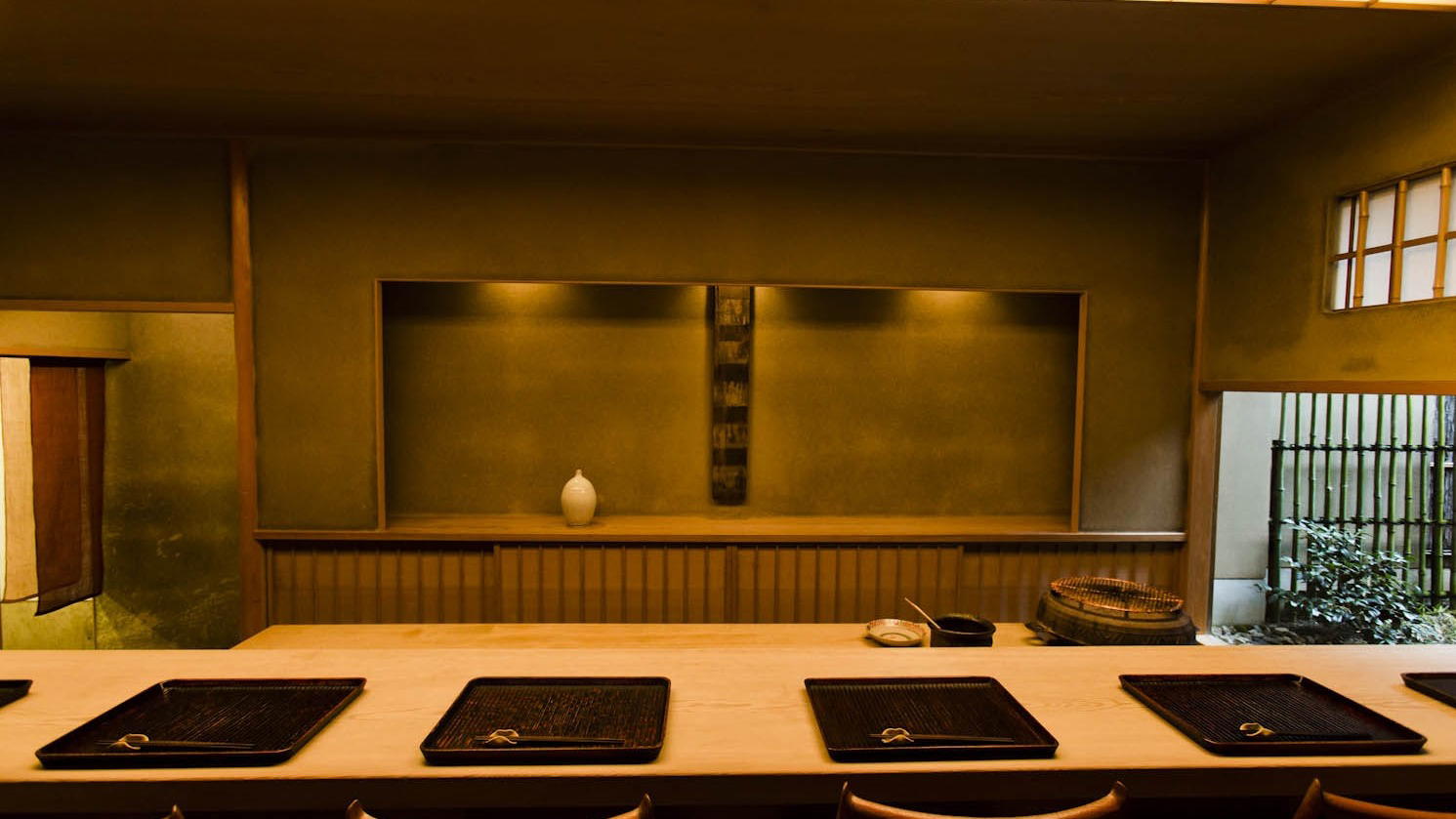
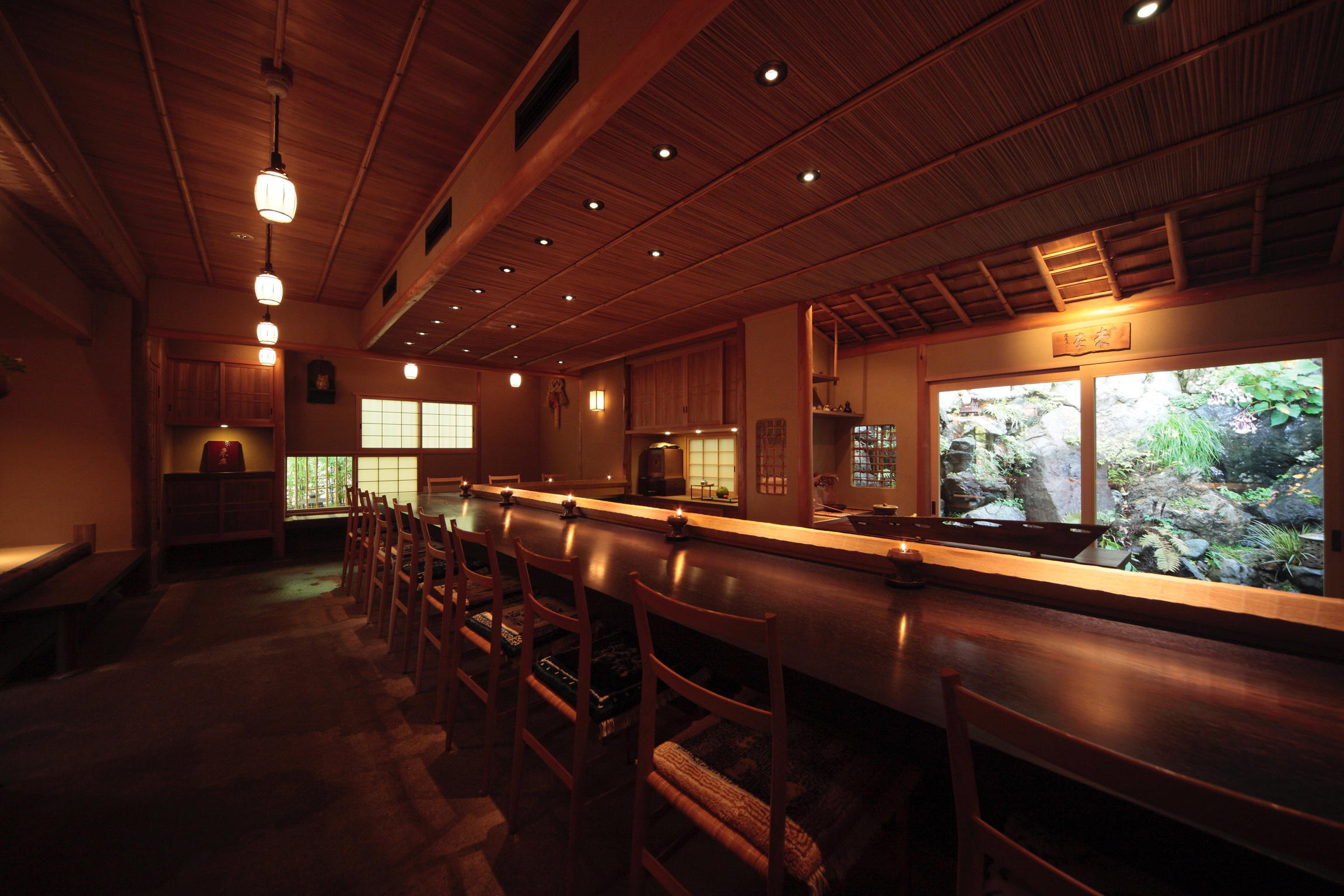
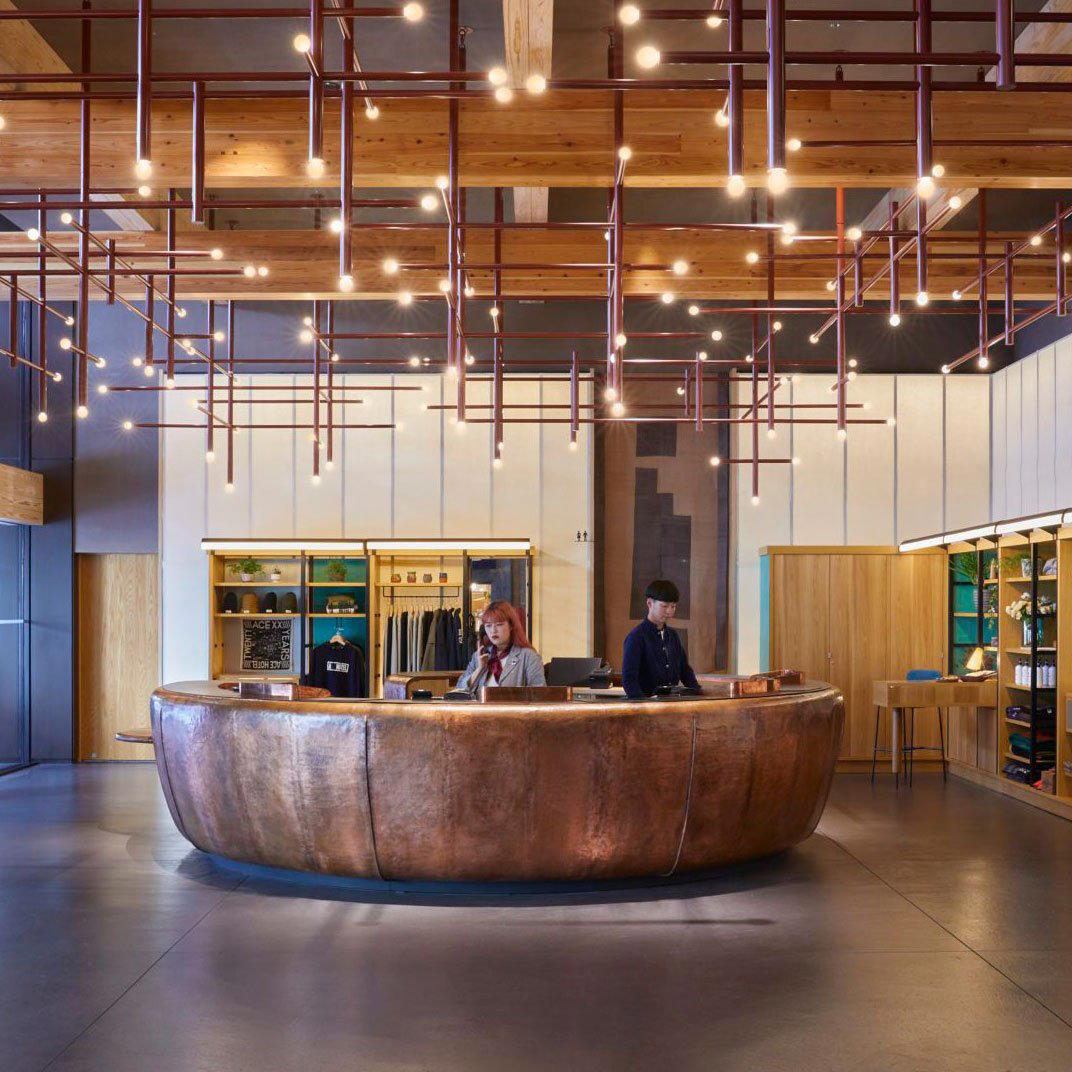
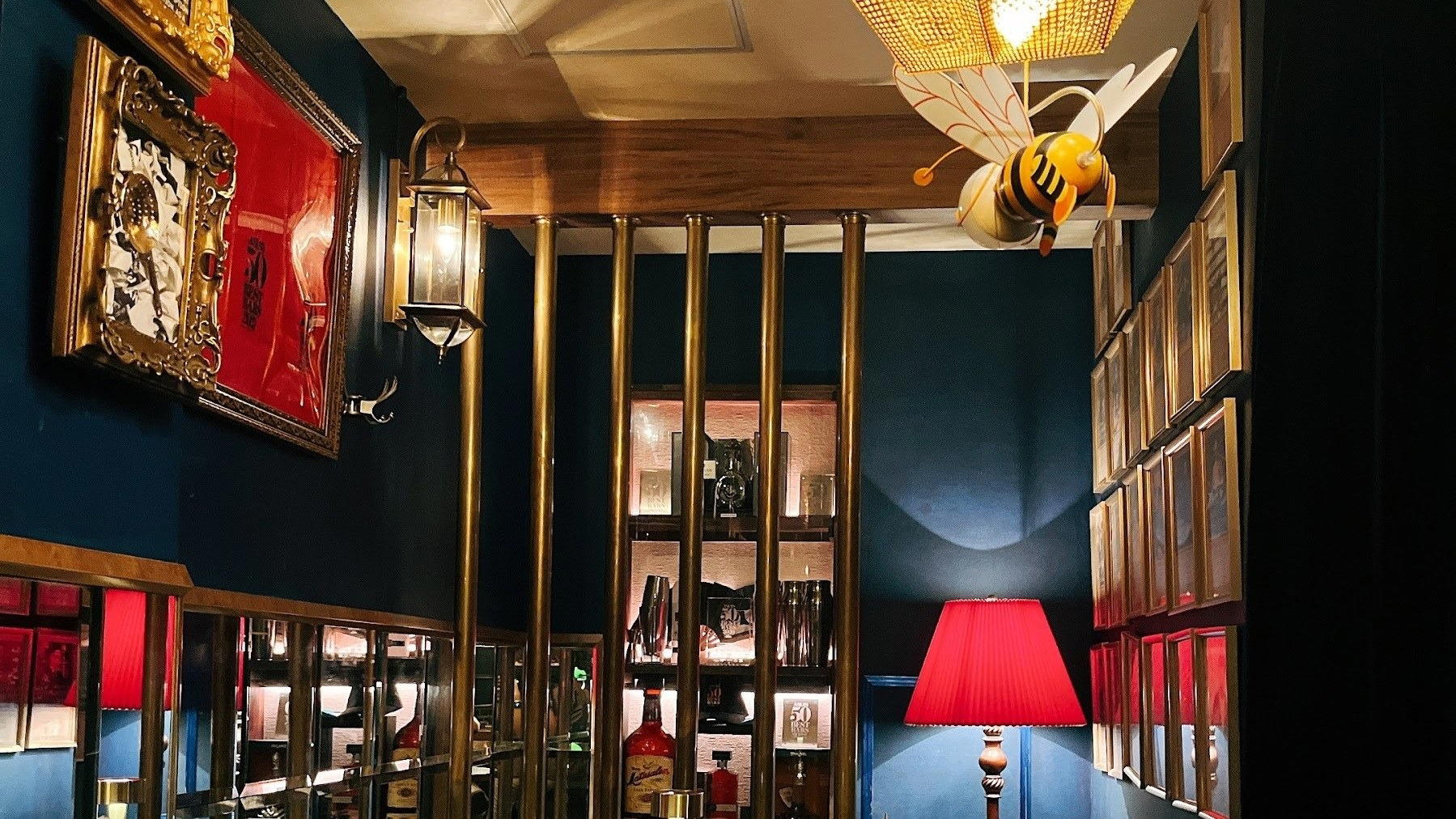
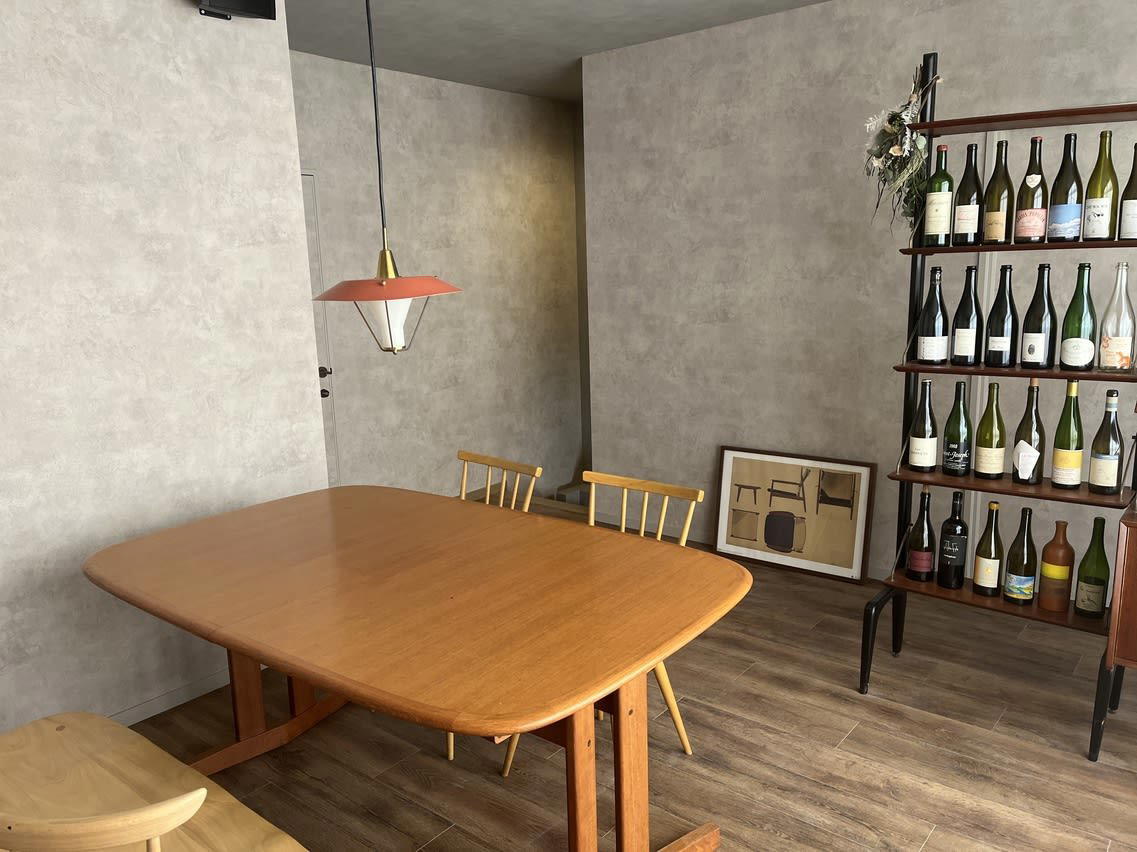
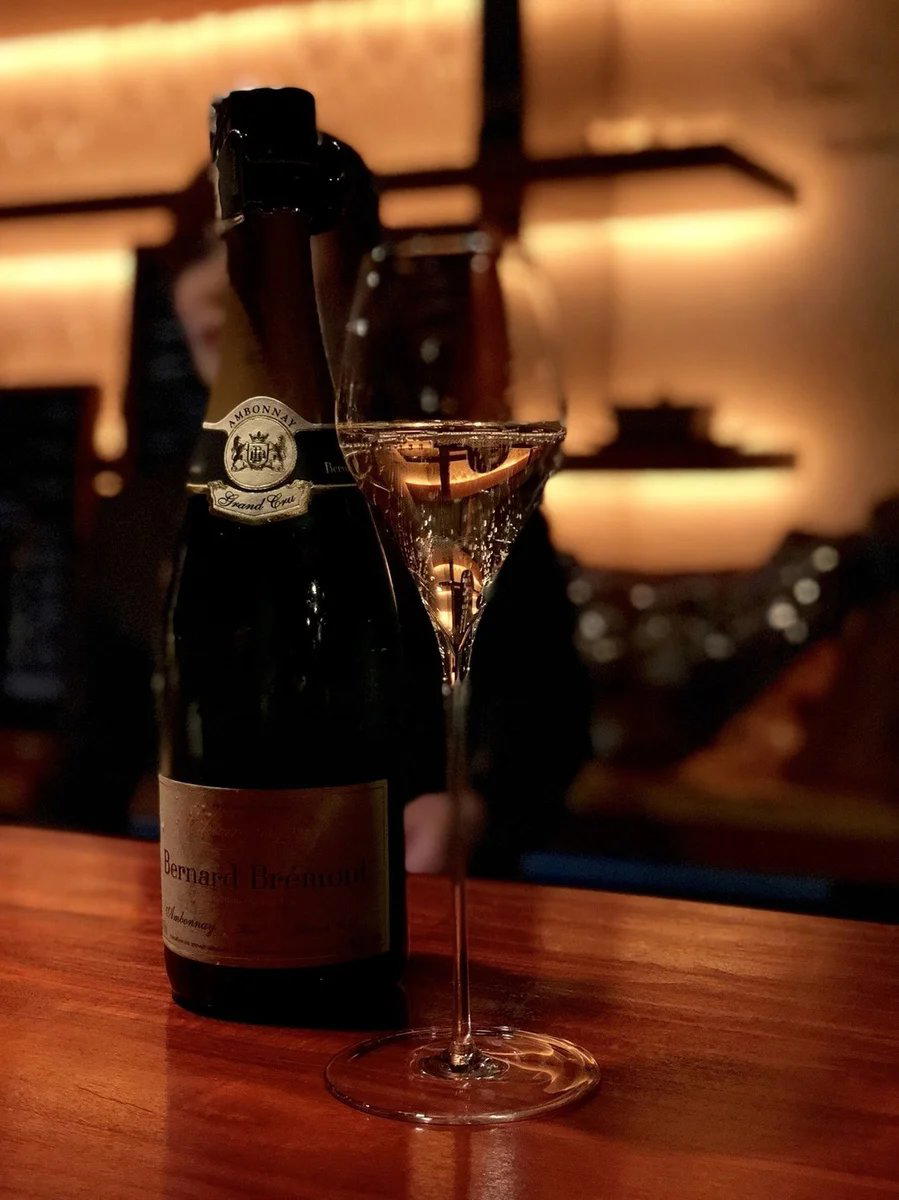
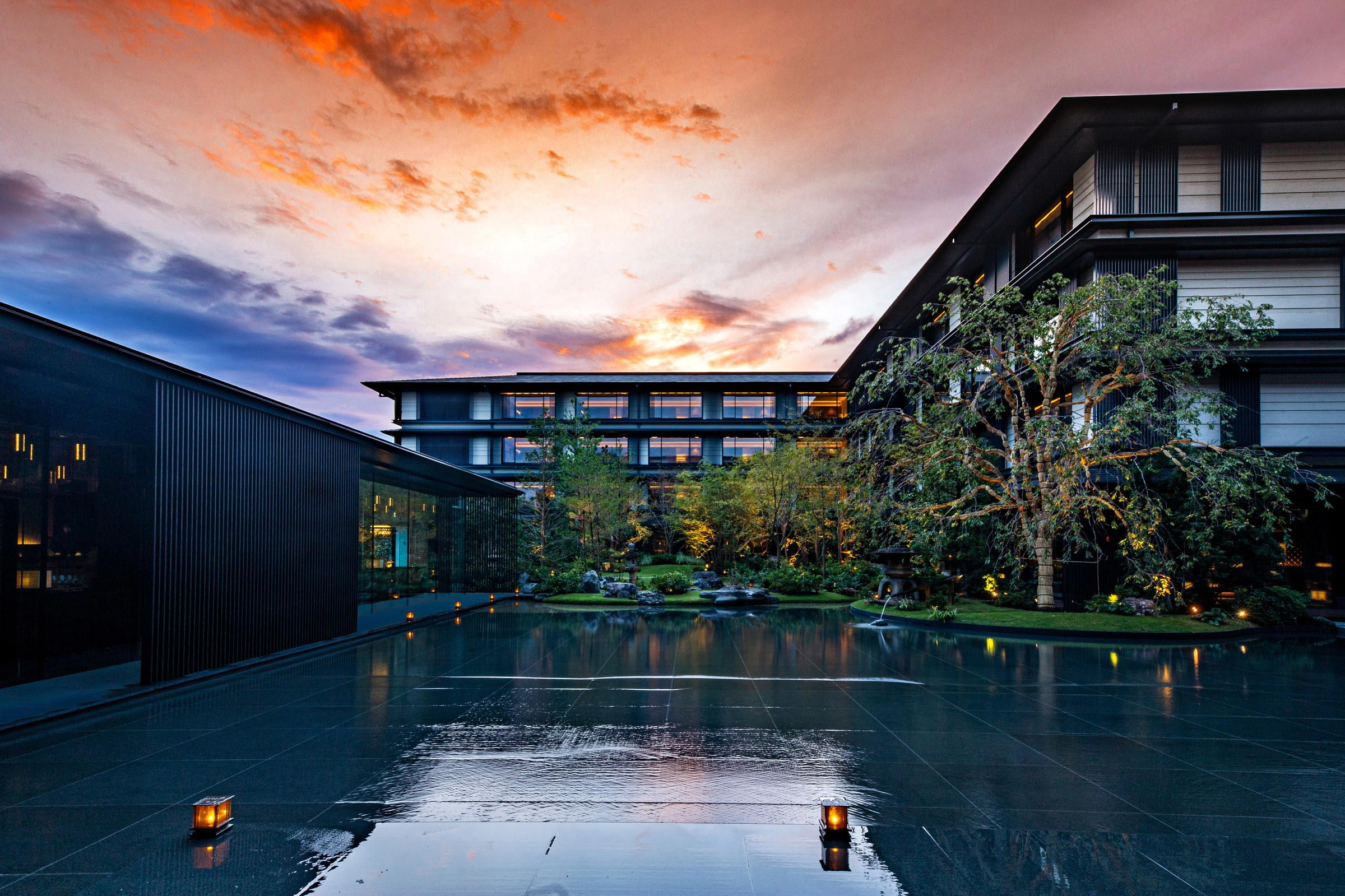
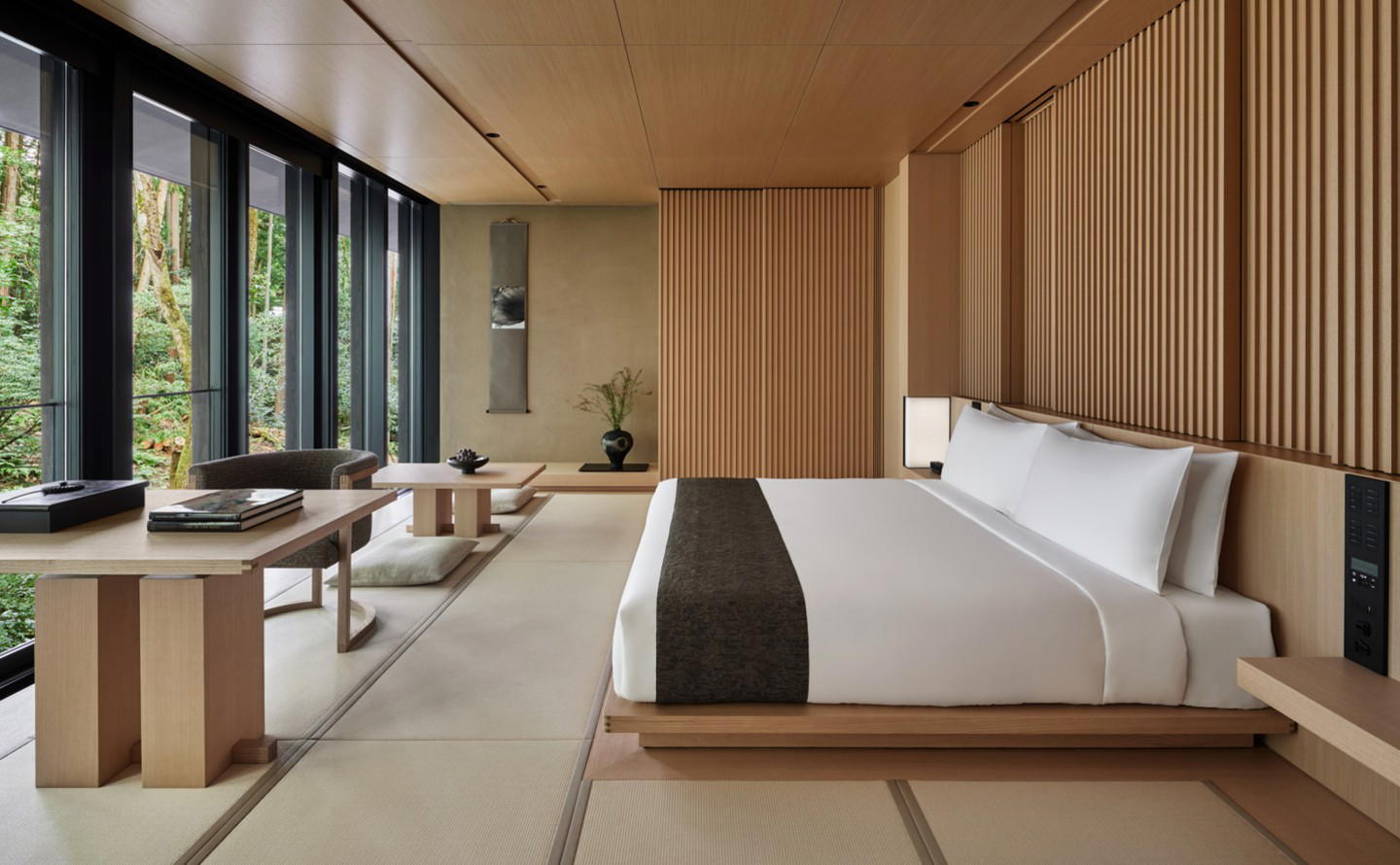
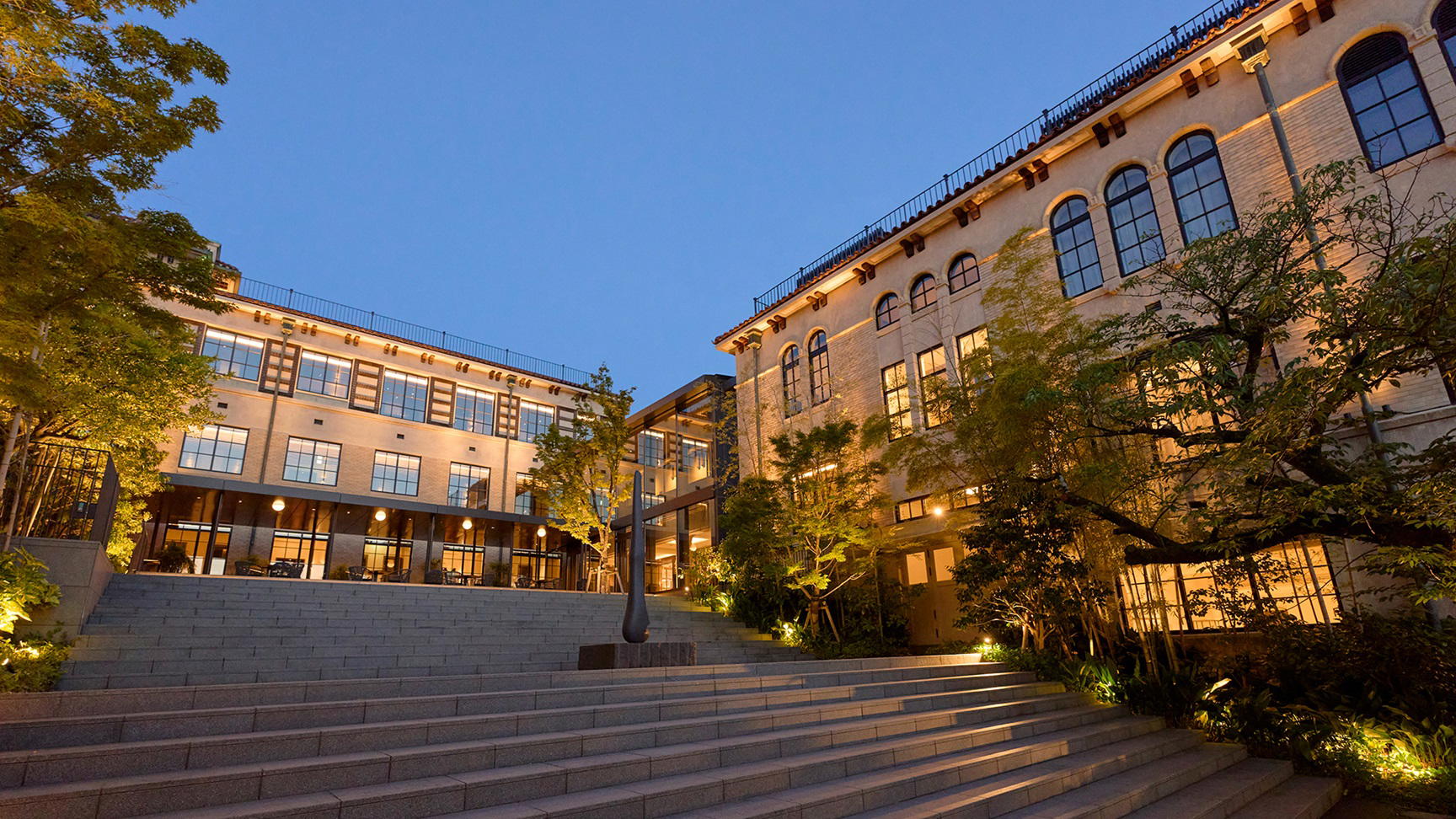
Intimate counter and table setting with refined Japanese aesthetic; sophisticated atmosphere suited for special occasions and business entertaining.