Gion Kon occupies a considered place within Kyoto's kaiseki-adjacent dining scene, where the Gion district's particular relationship with occasion and ceremony shapes every aspect of the meal. Set against a neighbourhood defined by centuries of refined ritual, the restaurant draws those marking milestones rather than simply dining out. Advance booking is advised for Kyoto's premium tier, where demand consistently exceeds availability.

Pearl is the En Primeur Club membership app — saves, bookings, and concierge access live there. Same editors, same standards.
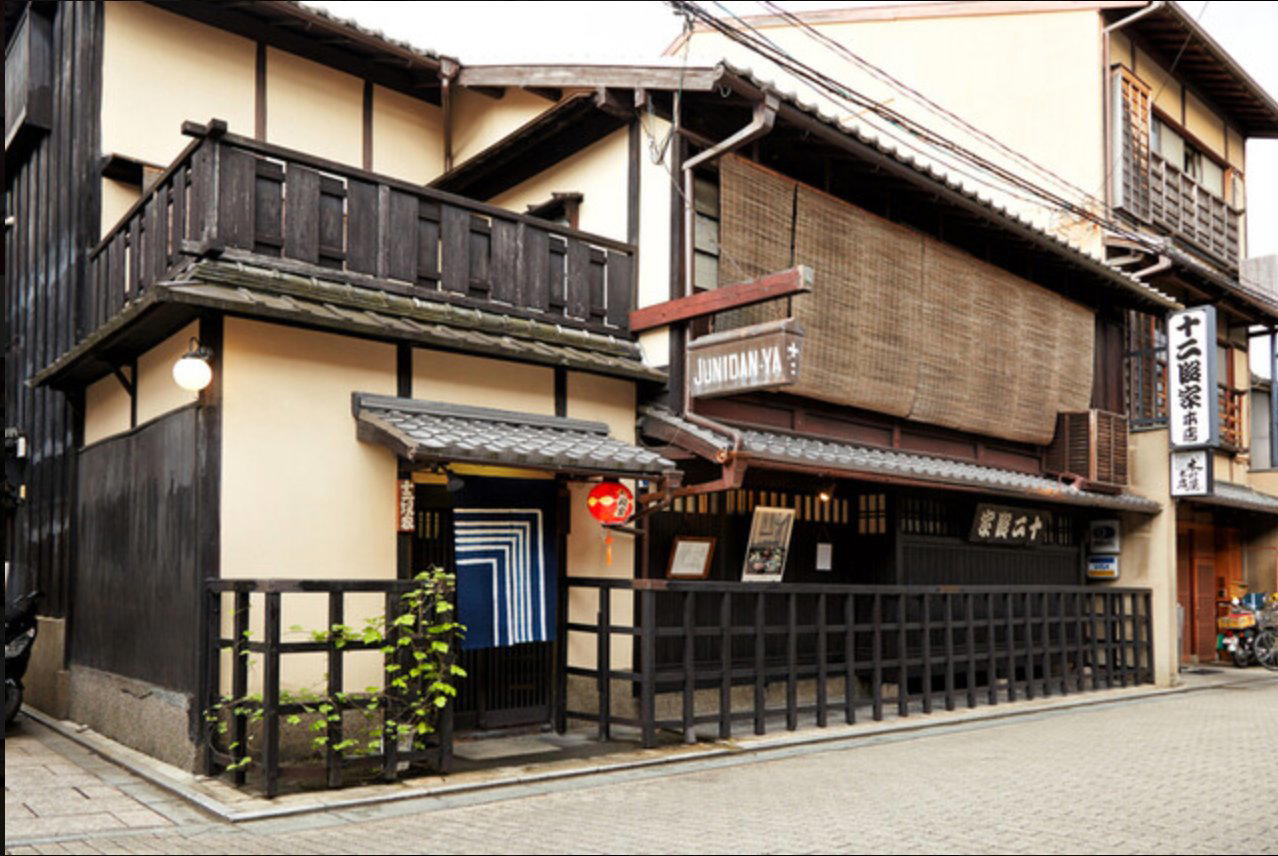
Where the Occasion Precedes the Meal
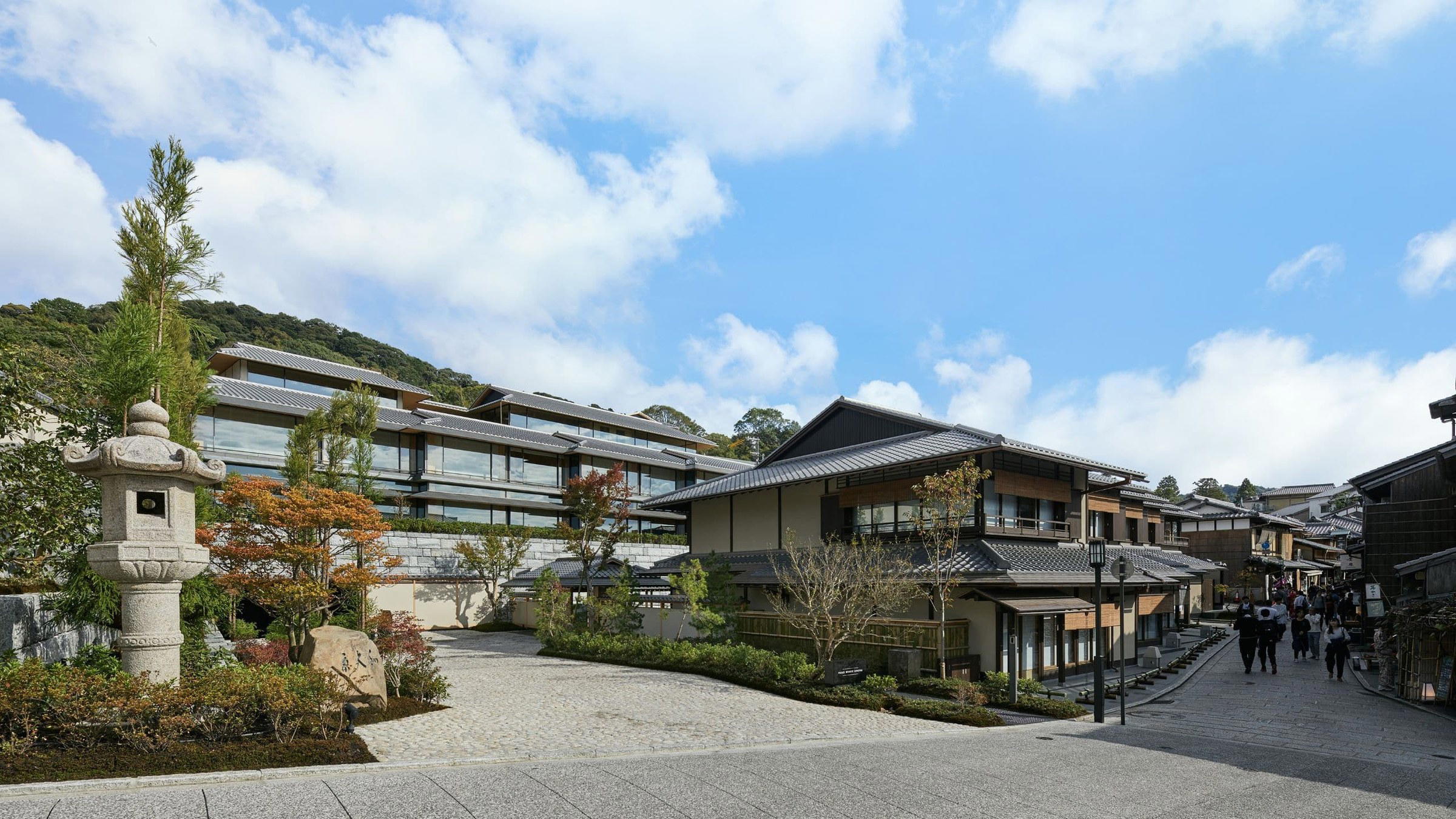
Kyoto's Gion district has long operated as a stage for moments that matter. The machiya townhouses, the stone-paved lanes approaching Yasaka Shrine, the quiet discipline of ochaya culture: all of it creates an atmosphere in which a meal is never simply a meal. It is a marker. Gion Kon sits inside that tradition, in Kyoto's Gion district, a part of the city where the built environment and the dining ritual have historically reinforced each other, where guests arrive having already decided that tonight is different.
This is a context worth understanding before you book. Kyoto's premium dining tier, which includes houses like Gion Sasaki, Hyotei, and Kikunoi Honten, draws both domestic and international guests specifically for celebratory occasions: engagements marked over lacquerware, anniversaries timed to autumn foliage, business relationships sealed across multi-course kaiseki. The pressure on seats during cherry blossom season (late March to mid-April) and the momiji period (mid-November) is considerable. Gion Kon operates within that same seasonal calendar.
The Ritual Architecture of Kaiseki Dining
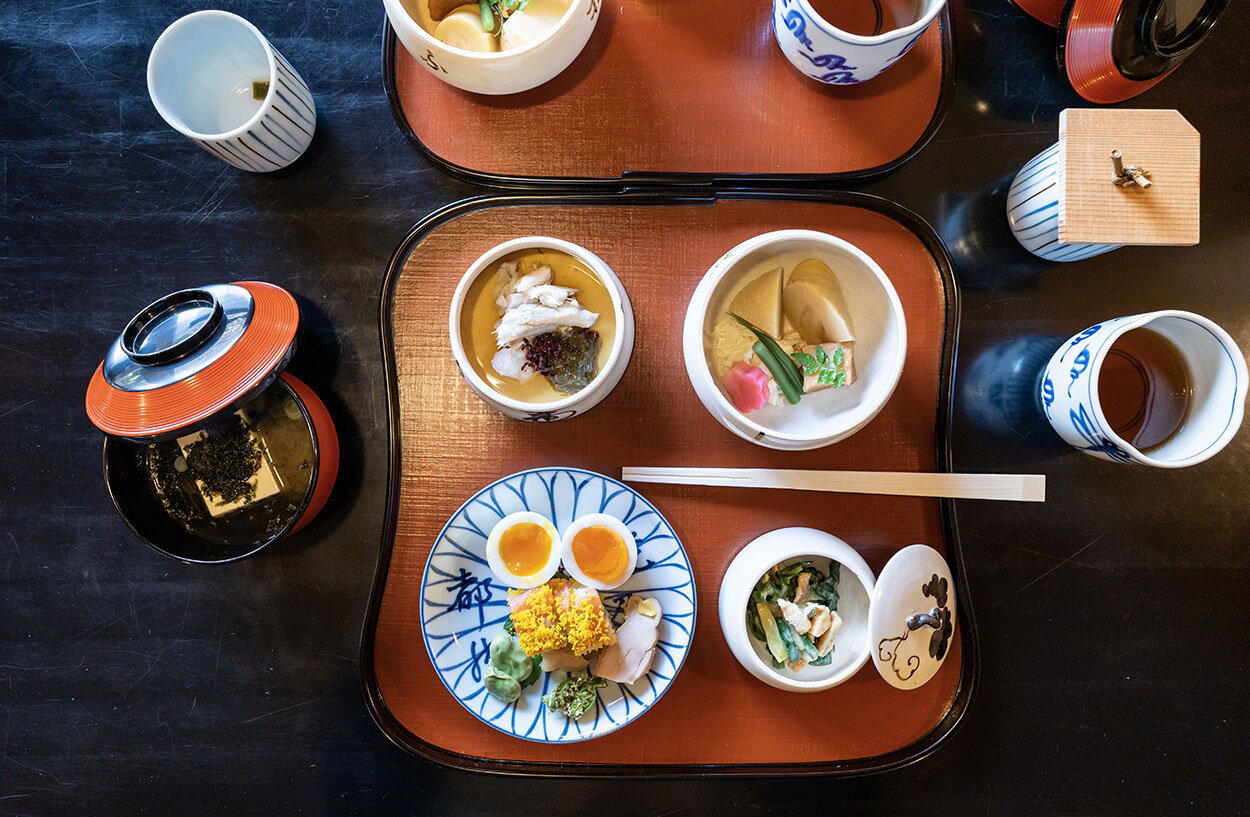
Kaiseki, the formal multi-course tradition with roots in Kyoto's tea ceremony culture, is the cuisine most associated with the city's highest-occasion dining. Its structure, moving through sakizuke, hassun, yakimono, and beyond, was designed from the outset to create duration and deliberateness: a meal that unfolds rather than arrives. The format is inherently suited to celebration because it imposes a shared rhythm on a table, encouraging conversation rather than rushing it.
Within Kyoto's competitive kaiseki tier, restaurants distinguish themselves through ingredient sourcing, the quality of their tableware, and the precision of dashi construction. Properties like Mizai and Isshisoden Nakamura each occupy a defined position within that comparable set, with recognition that reflects long-standing critical attention. Where Gion Kon positions itself within those distinctions would require direct engagement with the restaurant, though its Gion address places it at the geographical heart of the tradition.
For those approaching from outside the kaiseki framework, the category rewards some preparation. The seasonal discipline is strict: a spring menu built around takenoko (bamboo shoots) will bear no resemblance to an autumn menu anchored by matsutake mushrooms. Booking for a specific seasonal window is not merely practical advice; it shapes what kind of meal you will actually have.
Occasion Dining in the Gion Context
What distinguishes Gion as a dining address, compared with other Kyoto neighbourhoods, is the density of experience surrounding the restaurant visit itself. Arriving on foot through the Hanamikoji area in early evening, when paper lanterns outside ochaya begin to glow and the sound of shamisen occasionally drifts from behind closed screens, creates a frame for dinner that few other districts in Japan can replicate. The meal becomes part of an evening rather than the whole of it.
This framing matters practically when planning a milestone occasion. Pairing a dinner reservation in Gion with earlier access to Kennin-ji temple or a pre-arranged walk through the district with a local guide creates an evening with genuine architectural shape, not just a restaurant booking. Japan's dining culture at the premium level, visible at properties like HAJIME in Osaka or Harutaka in Tokyo, increasingly rewards guests who arrive with context rather than simply appetite.
The regional contrast is also instructive. Osaka's premium tier, represented by HAJIME's tasting format, tends toward precision-driven modernism. Tokyo's omakase counters compress intimacy into small-seat technical showcases. Kyoto's kaiseki houses, the restaurant among them, remain invested in duration, in the slow passage of courses that mirrors the changing of seasons. For a celebratory occasion, that difference in pace has real consequences for the kind of memory you leave with.
Planning a Milestone Meal in Kyoto
Securing a table at a serious Kyoto restaurant during peak periods requires planning on a scale that surprises many first-time visitors. Particularly recognised houses, drawing on decades of domestic reputation and increasing international visibility post-2010, now operate booking windows that can extend months ahead for prime seasonal dates. Domestic diners have historically had an advantage through concierge and introduction networks; international visitors increasingly rely on specialist booking services or luxury hotel concierge teams with established relationships.
The restaurant's specific booking mechanics are best confirmed directly, though the general principle holds across its neighbourhood comparable set: a milestone dinner in Gion during autumn foliage or cherry blossom season should not be treated as a last-minute decision. The Kyoto premium dining tier, surveyed in our full Kyoto restaurants guide, rewards forward planning at every level.
Dress code conventions at Kyoto's established houses sit between smart-casual and formal. The specific expectations at the restaurant should be verified on booking, but the neighbourhood itself sets a tone: guests at ochaya engagements and tea ceremony venues nearby tend toward understated elegance rather than casual dress, and the broader environment shapes what feels appropriate when arriving for dinner.
For travellers building a Japan itinerary around occasion dining, the Kansai region offers a density of serious restaurants that has few equivalents elsewhere. Beyond Kyoto, akordu in Nara applies European technique to local ingredients with a precision that reads as its own kind of formality, while Goh in Fukuoka represents the southern edge of Japan's kaiseki-influenced fine dining circuit. Those planning extended itineraries may also find points of comparison in regional Japanese restaurants across less-visited prefectures, where the same seasonal discipline operates at lower price points and shorter booking windows.
Internationally, structural analogues to Kyoto's kaiseki occasion dining include Le Bernardin in New York City, where format seriousness and occasion expectation have co-evolved over decades, and Atomix in New York City, which applies a similarly disciplined multi-course Korean framework to celebratory dining. The parallel is imperfect but useful: all three traditions treat the meal as a constructed experience with a beginning, middle, and end, rather than a collection of dishes.
A Pricing-First Comparison
Comparable venues nearby, for context on price, style, and recognition.
| Venue | Cuisine | Price | Notes |
|---|---|---|---|
| Gion KonThis venue — the venue you are viewing | Gion, Kappo Japanese Cuisine | $$$$ | Not listed |
| Yoshikawa | Not listed | $$$$ | Nakagyō, Traditional Japanese Tempura Kaiseki |
| 鮓割烹 なか一 | Not listed | $$$$ | Gion, Sushi Kappo (Edomae Sushi & Kyoto Kaiseki) |
| にくの匠 三芳 | Gion, Wagyu Niku Kappo | $$$$ | Not listed |
| Kyo-Suiran (京 翠嵐) | Not listed | $$$$ | Arashiyama, French-Inspired Traditional Kaiseki |
| 要庵西富家 (要庵 西富家) | Not listed | $$$$ | Gion/Kawaramachi, Traditional Kaiseki Ryokan |
At a Glance
- Elegant
- Intimate
- Classic
- Sophisticated
- Special Occasion
- Chefs Counter
- Sake Program
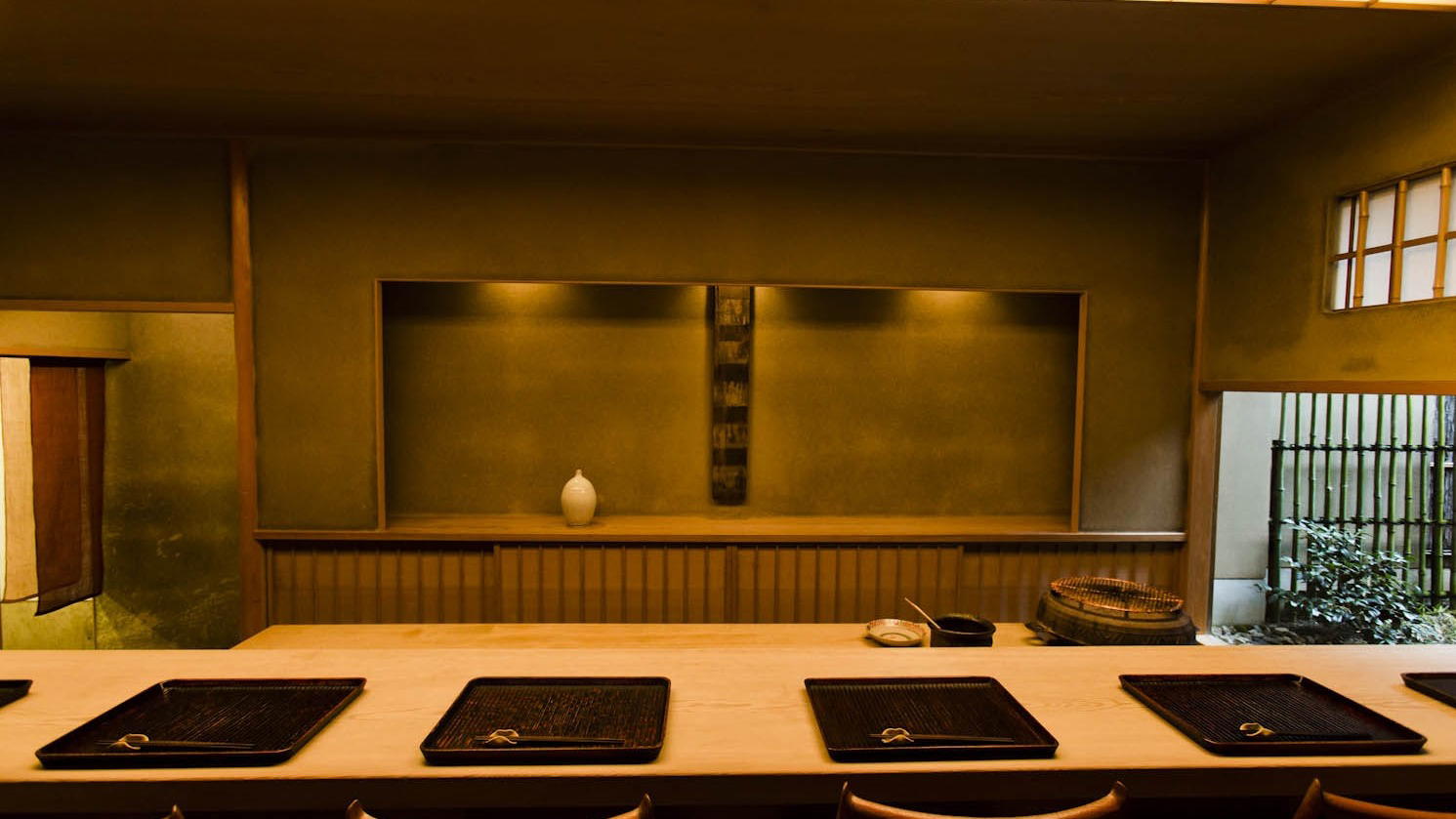
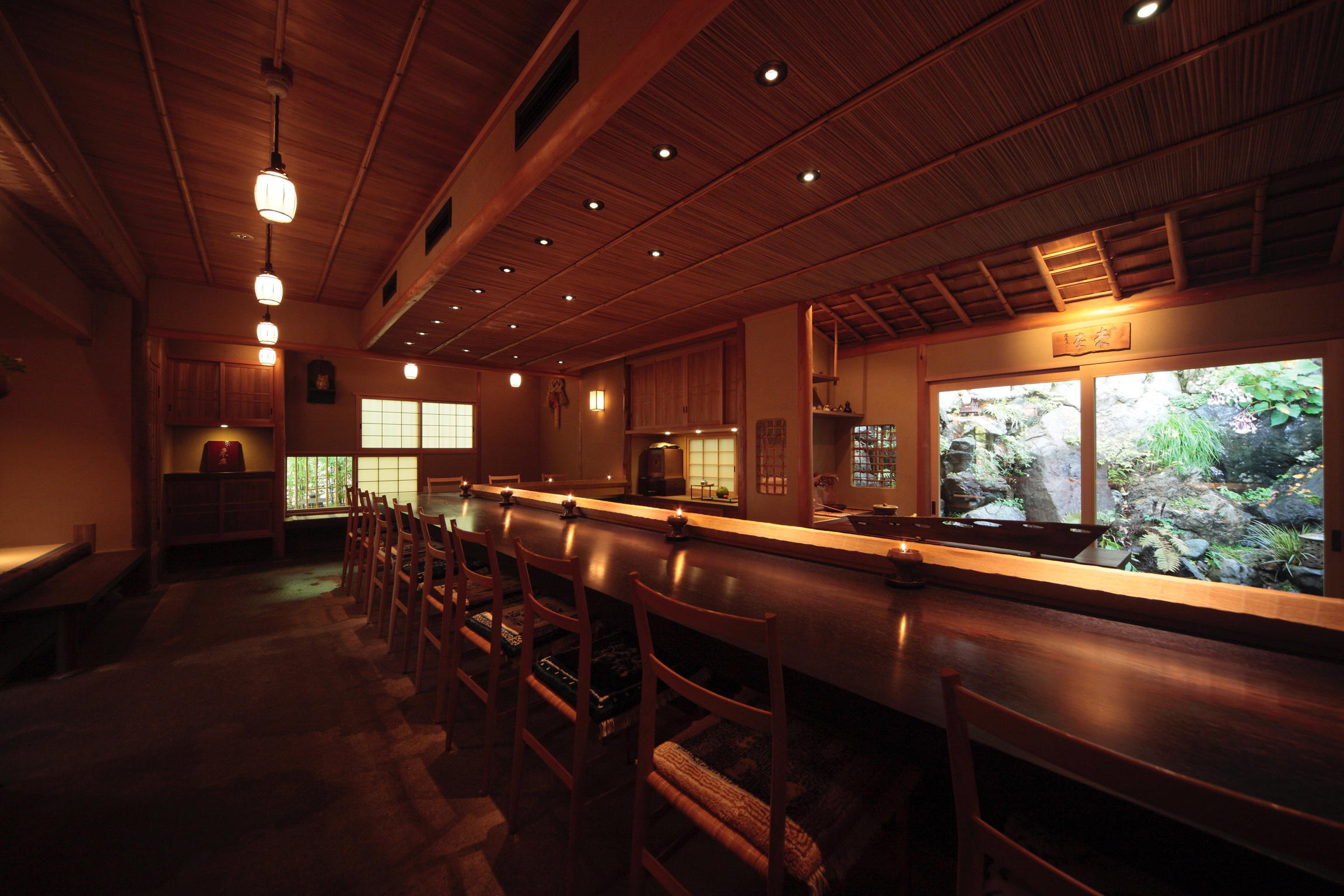
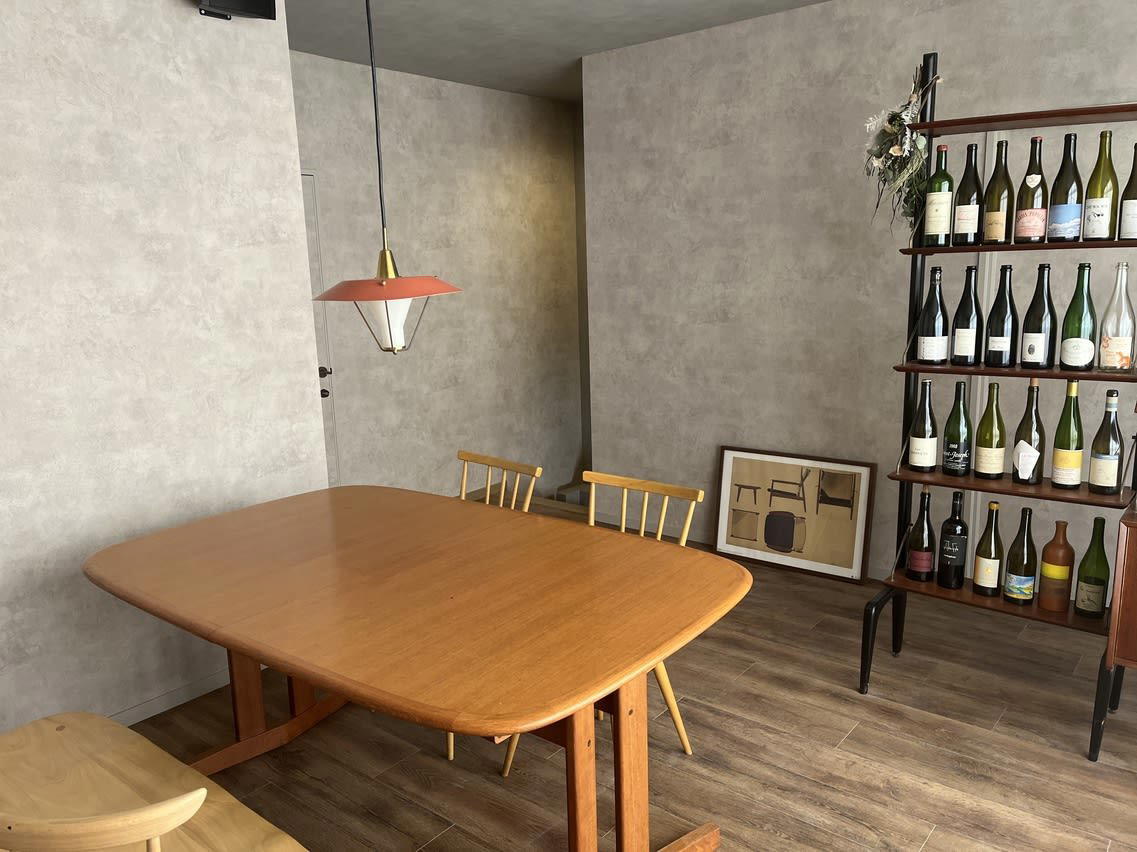
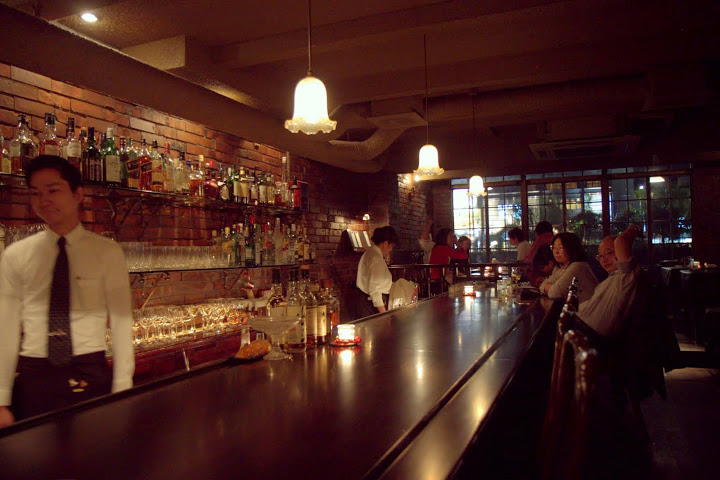
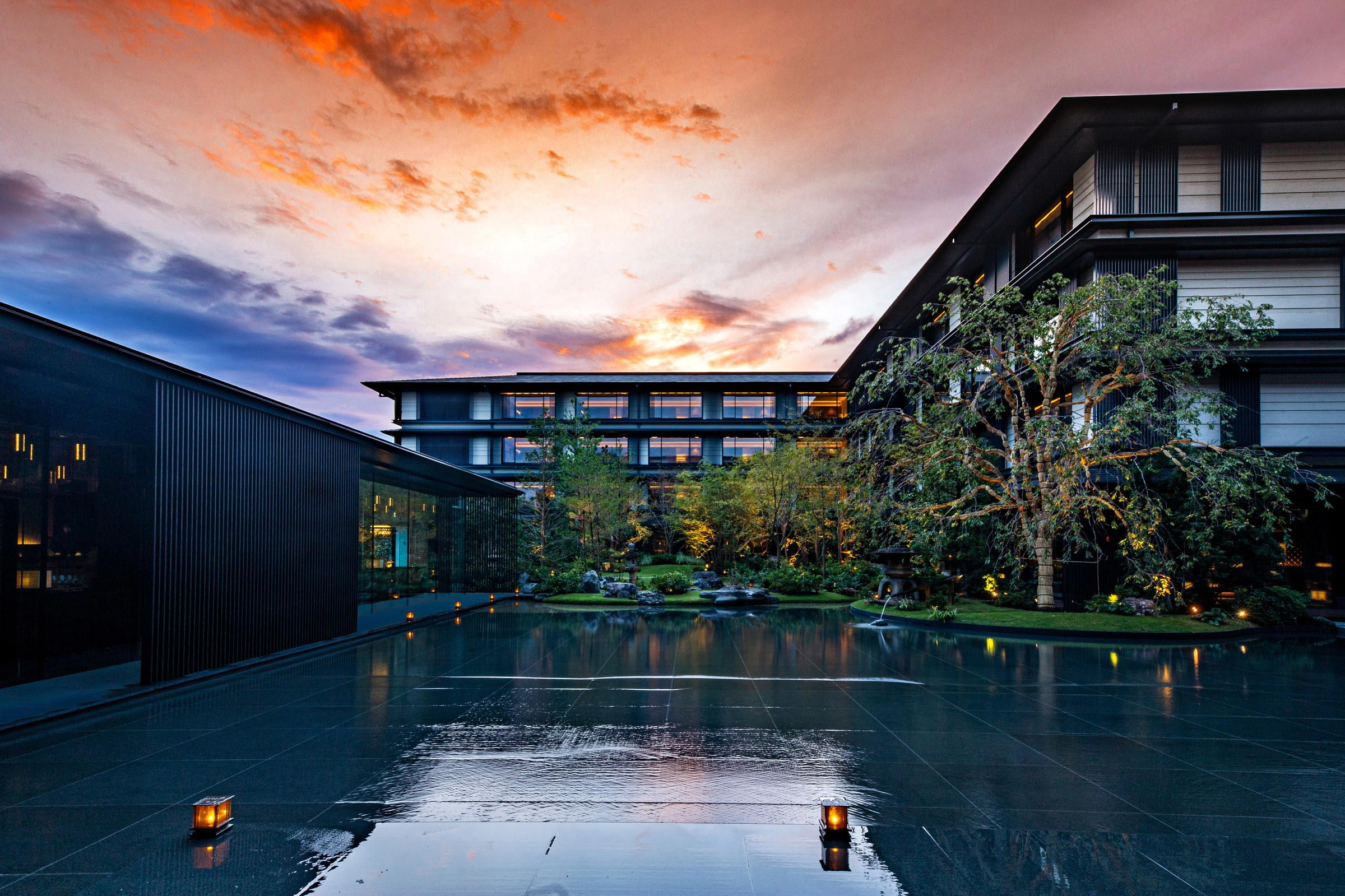
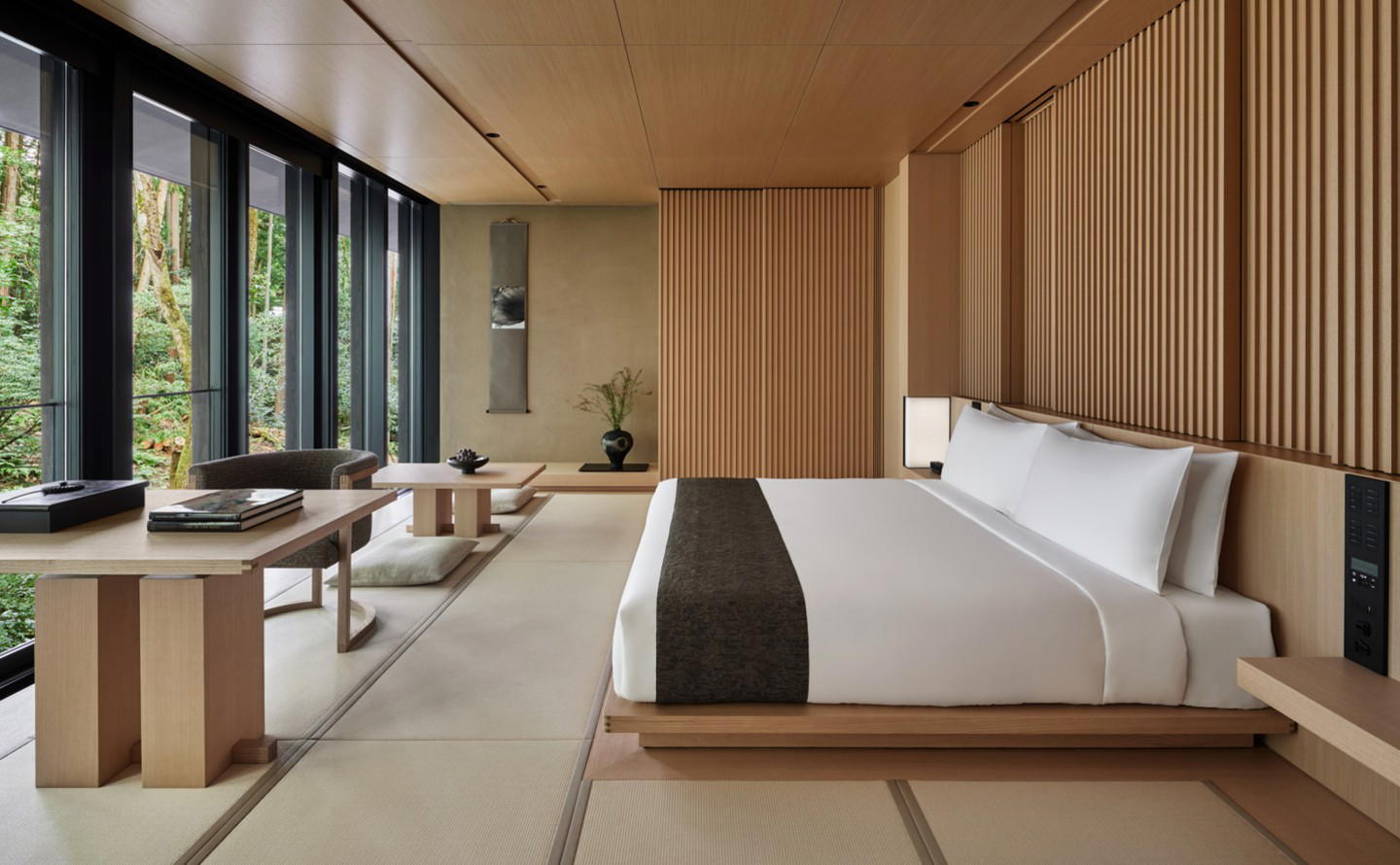
Traditional and relaxing with counter seating and tatami rooms, evoking an authentic Kyoto machiya atmosphere.