Our verdict
Otona occupies a specific register in Tokyo dining: the kind of room where the same faces reappear month after month, drawn back less by novelty than by consistency and craft. The name itself signals its intended audience — adults, in the fullest Japanese sense of the word. For visitors approaching Tokyo's premium restaurant tier, it merits serious attention.

Pearl is the En Primeur Club membership app — saves, bookings, and concierge access live there. Same editors, same standards.
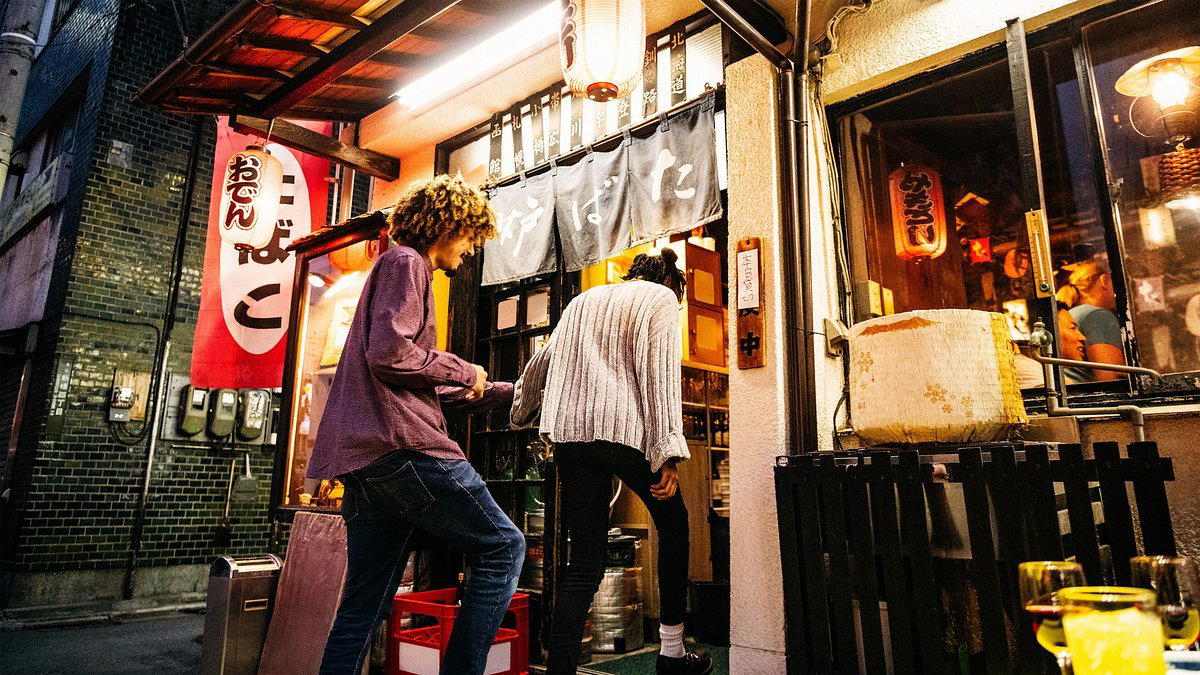
The Room That Earns Repeat Business
There is a category of Tokyo restaurant that does not advertise itself loudly. No splashy social presence, no waiting-list theatre, no chef celebrity. What these rooms offer instead is a kind of earned gravity: regulars who return not because the experience changes dramatically, but because it does not. Otona operates in that register. The name translates loosely as 'adult' — and the implied promise is one of seriousness, restraint, and a cooking vocabulary aimed at guests who have already moved past novelty-seeking.
In Tokyo's premium dining tier, that positioning is a deliberate choice. The city's leading restaurants have split into two broad camps over the past decade: destination experiences built for international recognition and media attention, and rooms built for the people who actually live and eat here. Otona belongs to the latter cohort, and that distinction shapes everything from pacing to portion calibration.
What Keeps the Regulars Returning
The most reliable signal of a restaurant's actual quality is not its award count — it is who fills the room on a Tuesday in February. For venues with genuinely loyal clientele, the answer is almost always the same guests who were there in October and will return in April. The unwritten menu at these places is not printed on any card: it is the sequence of dishes the kitchen knows a particular guest prefers, the pour that arrives before it is asked for, the table position that has quietly become someone's table.
This is the hospitality tradition Otona operates within. Japanese dining culture has long distinguished between the transactional visit and the relationship visit, and the highest-functioning rooms in Tokyo are built around the latter. At venues in this tier, the kaiseki rhythm, that deliberate procession of small courses calibrated to season and guest, functions less as a set menu and more as a conversation that develops over multiple visits. First-time guests receive a version of that conversation; returning guests receive the one that has been edited for them specifically.
Comparable venues in Tokyo's top tier, such as RyuGin in Roppongi or L'Effervescence in Nishi-Azabu, have built strong international followings alongside deeply embedded local regulars. The balance between those two audiences shapes how a kitchen prices, sequences, and communicates. A room with predominantly returning local guests tends to run with more implicit knowledge and less explanation, the food does not need to introduce itself.
Tokyo's Premium Tier: Where Otona Sits
Understanding Otona requires some map-reading of Tokyo's broader restaurant geography. The city's top-end dining scene is dense and internally differentiated in ways that outside rankings rarely capture.
Within that geography, Tokyo's premium Japanese dining rooms have held their price positioning even as the weak yen has made them dramatically more accessible to international visitors. That accessibility has changed the composition of some rooms considerably. Venues with allocation-based or introduction-only booking have been more insulated from this shift; those with open reservations have seen their regular-to-first-timer ratio tilt toward the latter. Where Otona sits on that spectrum affects the experience in ways no menu description can capture.
For context on the wider field: Harutaka represents the pinnacle of Tokyo's sushi omakase tier, with a counter format and booking structure that filters heavily toward repeat guests. Sézanne and Crony represent the French-influenced end of Tokyo's premium dining, where the regular clientele skews younger and more international. Otona's positioning reads as distinct from all three.
Booking and Planning
Tokyo's premium dining rooms reward advance planning in proportion to their local reputation. Rooms built around regulars tend to hold fewer seats for walk-ins or last-minute online reservations; the booking cadence reflects who the kitchen is cooking for. Venues that have developed a strong returning clientele often allocate a meaningful share of covers to known guests before opening any remainder to new enquiries.
For visitors, the practical implication is to plan further ahead than the venue's tier might suggest. A room without a Michelin three-star or a 50 Best listing may appear easier to access than its actual availability reflects, the queue is just less visible because it runs through relationships rather than reservation platforms.
| Venue | Cuisine | Price Tier | Booking Approach |
|---|---|---|---|
| Otona | Japanese | Premium | |
| Harutaka | Sushi | ¥¥¥¥ | Introduction preferred |
| RyuGin | Kaiseki | ¥¥¥¥ | Online reservation |
| L'Effervescence | French | ¥¥¥¥ | Online reservation |
| Sézanne | French | ¥¥¥¥ | Online reservation |
Japan's Wider Fine Dining Context
Otona is one data point in a country with one of the world's densest concentrations of serious cooking. For those building a broader Japan itinerary, the regional spread matters: HAJIME in Osaka represents the city's most ambitious French-Japanese synthesis; Gion Sasaki in Kyoto occupies the upper register of kaiseki in its home city; akordu in Nara brings a European-trained perspective to a city more associated with temples than tasting menus; and Goh in Fukuoka reflects that city's increasingly confident fine dining identity.
Beyond the major cities, Japan's regional dining scene has developed enough depth to justify detours. Nanao's leading table, a notable address in Sapporo, and venues in Takashima and Nishikawa Machi point toward a country where serious cooking has spread well beyond the capital. Birdland in Sakai and Bistro Ange in Toyohashi extend that map further into prefectures where Western dining traditions have taken root in unexpected ways.
For those building a Tokyo shortlist from scratch, our full Tokyo restaurants guide maps the city's premium tier in more granular detail. Internationally, the craft-focused counter format Otona represents has analogues at venues like Atomix in New York and the sustained French precision of Le Bernardin, different traditions, but a shared commitment to cooking for guests who return rather than guests who arrive.
Frequently asked questions
What do people recommend at Otona?
Because specific menu data is not publicly available for Otona, the most reliable guidance comes from the venue directly. In Tokyo's premium Japanese dining rooms more broadly, regulars tend to gravitate toward seasonal courses that reflect what the kitchen is most confident in at a given time of year rather than fixed signature dishes. For venues in this tier, the equivalent of a recommendation from a regular is often simply a note to the kitchen that you are open to their judgment, which is how the leading meals at these rooms tend to unfold.
How hard is it to get a table at Otona?
In Tokyo, difficulty of access at premium Japanese rooms correlates less with published awards than with the composition of the regular clientele. If Otona's covers are predominantly held by returning guests, the effective availability for first-time visitors is lower than a simple search might suggest. At comparable ¥¥¥¥ venues in Tokyo, planning three to four weeks ahead is a reasonable baseline; rooms with heavier regular populations may require more lead time or a local contact.
What has Otona built its reputation on?
The name itself is the clearest signal: Otona positions toward a Japanese adult sensibility, restraint over spectacle, consistency over novelty, a service register that assumes fluency rather than explaining itself. In Tokyo's premium tier, that positioning is a choice that aligns a venue with its local regular clientele more than with international recognition circuits. The reputation that results is quieter and slower-building than award-driven fame, but also more durable.
Can Otona adjust for dietary needs?
For specific dietary requirements, direct contact with the venue before booking is standard practice across Tokyo's premium Japanese dining rooms. Kaiseki-format restaurants in particular require advance notice to adjust course structure, since many preparations are planned days ahead. Tokyo's fine dining culture is generally accommodating when given sufficient notice; last-minute requests at the table are harder for kitchens to absorb without affecting the intended sequence.
Is Otona suitable for guests visiting Tokyo for the first time?
Premium Tokyo rooms built around a returning local clientele can be navigated successfully by first-time visitors, but they reward some prior knowledge of Japanese dining conventions, pacing, the role of silence in service, and the difference between a fixed-course room and an à la carte one. For visitors new to the city's top tier, it is worth reading our full Tokyo restaurants guide before booking, which covers how to approach reservation etiquette and what to expect from a room at this level.
How It Stacks Up
| Venue | Cuisine | Price | Awards | Notes |
|---|---|---|---|---|
| OtonaThis venue (the venue you are viewing) | French-Italian Bistro | $50–100 | Not listed | Not listed |
| Harutaka | Edo-Style Omakase Sushi | $200–300 | 3 Michelin Stars · World's 50 Best #76 | Sushi |
| L'Effervescence | Modern French with Japanese Influences | $200–300 | 3 Michelin Stars · World's 50 Best #69 | French |
| RyuGin | Modern Kaiseki | $500+ | 3 Michelin Stars · World's 50 Best #41 | Kaiseki, Japanese |
| Crony | Modern French with Japanese Influences | $150–200 | 2 Michelin Stars · World's 50 Best #34 | Innovative, French |
| Florilège | Modern French-Japanese Plant-Based Fine Dining | $50–100 | 2 Michelin Stars · World's 50 Best #31 | French |
Continue exploring
More in Tokyo
Restaurants in Tokyo
All restaurants in Tokyo →




Bars in Tokyo
All bars in Tokyo →





Details
- Sophisticated
- Elegant
- Date Night
- After Work
- Casual Hangout
- Wine Cellar
- Historic Building
- Standalone
- Extensive Wine List
- A La Carte
- Small Plates
- Wine
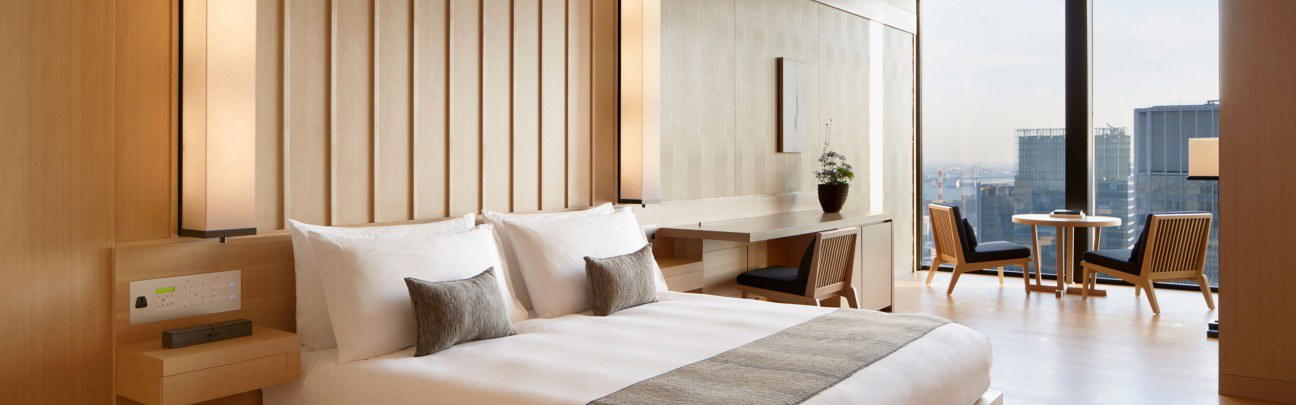
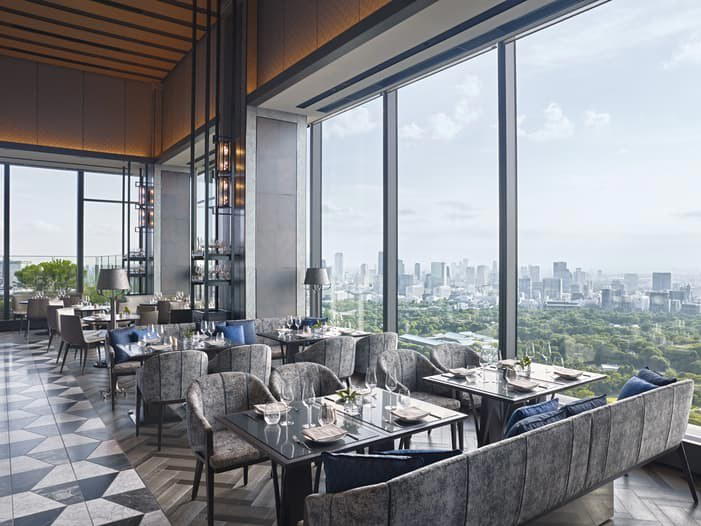
Stylish and refined with a view of the wine cellar accessible via a decorative staircase; designed as an adult-oriented casual bistro rooted in the local community.