
Michelin Plate
Our verdict
Cheval brings a French address into Tokyo’s dining map, where European technique is often filtered through Japanese seasonality, smaller rooms, and a more restrained sense of service. With no public award or chef-led mythology to lean on, the useful way to read it is through category: a French restaurant in a city that treats the genre as craft rather than costume.

Pearl is the En Primeur Club membership app — saves, bookings, and concierge access live there. Same editors, same standards.
- Address
- Japan, 〒103-0011 Tokyo, Chuo City, Nihonbashiodenmacho, 12−20 Kkビル 1F
- Phone
- +81 3-3527-2442
- Hours
- Mon–Tue 5–11 pmWed ClosedThu–Sun 5–11 pm
- Directions
- Get directions
The menu
What to order
- Fukagawa risotto inspired by Fukagawa-meshi
Tokyo’s French restaurants often announce themselves quietly: a polished door, a compact dining room, the low rhythm of service rather than theatrical arrival. In that setting, Cheval belongs to a familiar local pattern. French cuisine in Tokyo is rarely a straight import from Paris; it tends to become smaller in scale, more controlled in pacing, and more attentive to product than to grand-room ceremony.
That matters because the city’s relationship with French cooking has matured past novelty. Diners now read the category through technique, sourcing, and format, not through borrowed Parisian scenery. A restaurant serving French food in Tokyo has to answer a sharper question than it would in many cities: does it understand the grammar of the cuisine while accepting the discipline of the local dining culture?
French technique, Tokyo scale
Cheval is listed as French, and that restraint is useful. With MICHELIN Guide recognition for sophisticated plates and an elegant, boutique setting, the restaurant should be approached through the broader Tokyo-French tradition rather than through a personality narrative. The city has long rewarded kitchens that translate French structure into a tighter register: sauces handled with precision, courses paced with restraint, and dining rooms that often feel closer to a specialist atelier than a boulevard brasserie.
That does not make every French restaurant in Tokyo comparable. Some lean formal, others move closer to wine-led dining, and a growing middle tier treats French technique as a flexible framework rather than a fixed script. Cheval sits in that conversation as a French address with guide-level recognition rather than a venue defined by public chef mythology. The emphasis remains where it should be for this category: menu shape, service rhythm, and how convincingly the kitchen handles the tension between French depth and Tokyo’s cleaner, more edited dining style.
For readers mapping the city’s French and modern European range, it is better to think in clusters than rankings. Other Tokyo dining rooms show how varied the city’s French-language dining can be, from seafood-led precision to more experimental formats. Cheval should be read within that wider field, not as an isolated name.
The city changes the French template
Parisian neighbourhood identity is often built around repetition: regulars, a known room, a menu that changes enough to feel alive without abandoning its grammar. Tokyo adapts that idea differently. The restaurant here is less about noisy familiarity and more about exactness, discretion, and a sense that the room has been calibrated for diners who already know how they want to eat.
That is where a French restaurant in Tokyo can be more revealing than a grand dining room with heavy symbolism. The category becomes a study in restraint. Butter, reduction, wine, and course structure remain part of the French vocabulary, but the city’s dining habits press against excess. Portions, pacing, and presentation usually become more compressed. The result, when handled well, is not fusion in the vague sense; it is French cooking placed under Tokyo’s editorial eye.
Cheval’s name may suggest the old European register, but the relevant context is local. Tokyo diners have access to a dense field of sushi counters, kappo rooms, tempura specialists, yakiniku houses, bars, cafés, and formal tasting menus. A French restaurant here competes not only with other French kitchens, but with a citywide expectation of concentration. That expectation is unforgiving, and it is also what makes the category interesting.
How to place it in a Tokyo itinerary
For planning, treat Cheval as a French meal within a broader Tokyo dining sequence rather than as a standalone headline. The city rewards contrast: a polished French dinner reads differently after a counter meal, a casual curry stop, or a seafood-focused modern restaurant. Our full Tokyo restaurants guide is the better starting point for building that rhythm, while Our full Tokyo hotels guide, Our full Tokyo bars guide, Our full Tokyo wineries guide, and Our full Tokyo experiences guide help frame the rest of the trip around the meal.
Travellers extending the itinerary beyond Tokyo can use the same logic elsewhere in Japan and across Asia: compare category, not hype. A regional detour might place a traditional Japanese meal beside the Tokyo French frame; casual stops in other cities can broaden the picture. For French cooking outside Japan, unnamed dining rooms in other global cities show how the same culinary language shifts by place.
Frequently asked questions
What style of cooking does Cheval do?
Cheval serves French cuisine.
Do I need a reservation for Cheval?
Plan ahead for Cheval in Tokyo, since MICHELIN-recognized French dining rooms are usually better treated as planned meals than improvised stops. The confirmed details are its French cuisine and guide recognition, not a casual walk-in format.
What's the signature at Cheval?
The confirmed detail is French cuisine in Tokyo, with MICHELIN Guide recognition for sophisticated plates and an elegant, boutique setting. Read the restaurant through its cooking style rather than a named signature dish.
Is Cheval okay with children?
Cheval is listed as a French restaurant in Tokyo and recognized by the MICHELIN Guide for an elegant, boutique setting. Families should check directly with the restaurant rather than assuming a particular child policy from the listing alone.
What kind of setting is Cheval?
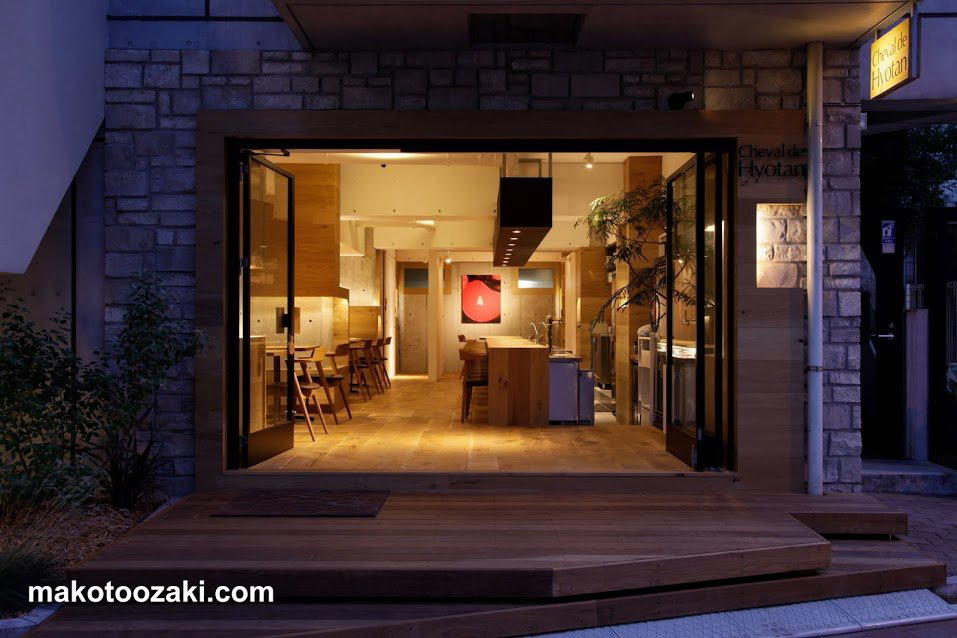
Cheval is a French venue in Tokyo recognized by the MICHELIN Guide for an elegant, boutique setting, so expect the experience to be framed around that polished restaurant format rather than loud, all-day dining. That description is the safest guide to the room.
Can Cheval handle vegetarian requests?
The fixed detail here is the cuisine type: French. For vegetarian requests or other dietary needs, contact Cheval directly in advance rather than relying on assumptions about what the kitchen can adapt.
Reputation & Price
Comparable venues nearby, for context on price, style, and recognition.
| Venue | Cuisine | Price | Awards | Notes |
|---|---|---|---|---|
| ChevalThis venue — the venue you are viewing | Seasonal French with Japanese influences | $50–100 | Michelin Plate | Not listed |
| La Matiere | Classic French in Kagurazaka | $50–100 | Tabelog 100 #9 | Shinjuku, Classic French in Kagurazaka |
| ライラ | Modern French | $100–150 | Michelin Plate | Minato, Modern French with Japanese influences |
| KINO_ | Innovative French with Hokkaido ingredients | $100–150 | Tabelog 100 #73 | Shibuya, Innovative French with Hokkaido ingredients |
| Comptoir Misago | Minato, Cozy French Bistro & Wine Bar | Not listed | Not listed | Not listed |
| レテール | Classic French Fine Dining | $200–300 | 1 Michelin Star · Tabelog Bronze #226 | Shinjuku, Modern French Seafood Counter Dining |
Recognition history
Dated appearances from independent guides and award organizations, with the underlying list record or original source where available.
Michelin Plate
Michelin · 2026 Michelin Plate









Details
- Cozy
- Intimate
- Romantic
- Classic
- Date Night
- Business Dinner
- Group Dining
- Special Occasion
- After Work
- Standalone
- Wine Cellar
- Extensive Wine List
- Sommelier Led
- Local Sourcing
- Tasting Menu
- A La Carte
- Wine
Current opening hours
- Monday
- 5–11 pm
- Tuesday
- 5–11 pm
- Wednesday
- Closed
- Thursday
- 5–11 pm
- Friday
- 5–11 pm
- Saturday
- 5–11 pm
- Sunday
- 5–11 pm
Hours can change for holidays and private events. Last verified .
Small, quietly elegant French restaurant with a relaxed, cozy atmosphere suited to conversation and wine-focused dining rather than a formal occasion.