
Situated in Shibuya's Sarugakucho district, レザンファン ギャテ occupies a corner of Tokyo where French culinary tradition has taken firm root across decades. The name itself — Les Enfants Gâtés, French for 'the spoiled children' — signals a sensibility that sits somewhere between classical rigour and quiet indulgence. For Tokyo's French dining tier, this address in Daikanyama's quiet residential fringe represents a particular kind of commitment to the form.
Pearl is the En Primeur Club membership app — saves, bookings, and concierge access live there. Same editors, same standards.
- Address
- 2-3 Sarugakucho, Shibuya, Tokyo 150-0033, Japan
- Phone
- +81334762929
- Website
- terrine-gates.com
- Directions
- Get directions
 Saves & bookings on Pearl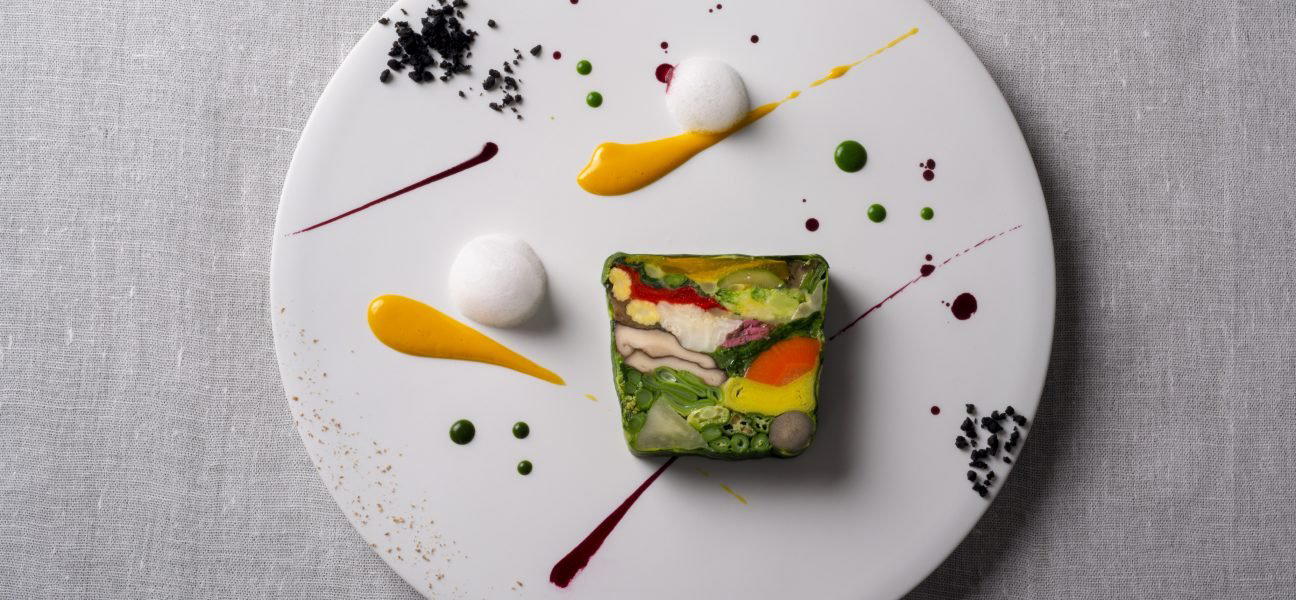
French Cuisine in Tokyo: A Tradition That Predates the Michelin Era
French cooking arrived in Tokyo long before the Michelin Guide set up operations in Japan in 2007, and its presence in the city has never been merely imitative. By the 1980s, Tokyo had developed a French dining culture sophisticated enough to support multiple generations of chef training, local ingredient interpretation, and a dining public that could distinguish between classical brigade cooking and the newer idioms arriving from Lyon and Paris. Shibuya ward, where レザンファン ギャテ holds its address at 2-3 Sarugakucho, became one of the quieter but more durable pockets of that tradition, particularly in the Daikanyama and Sarugakucho streets that connect the two neighbourhoods.
The name Les Enfants Gâtés — the spoiled children — carries a particular resonance in this context. French restaurant naming in Tokyo has tended toward the earnest and the aspirational; a name with irony embedded in it suggests a kitchen confident enough to resist the usual signals.
The Daikanyama Frame: What the Neighbourhood Tells You
Sarugakucho sits at the edge of Daikanyama, a district that Tokyo's French dining scene has claimed more durably than almost anywhere else in the city outside Minami-Aoyama. The area lacks the concentrated luxury-hotel adjacency of Ginza or the corporate lunch traffic of Marunouchi, which means the restaurants that survive here do so on the basis of a neighbourhood clientele and a destination-dining draw that sustains through word of mouth rather than foot traffic. That dynamic tends to produce cooking that is more internally consistent and less trend-responsive than what you find in higher-visibility districts.
For comparison, L'Effervescence in Nishi-Azabu and Sézanne in the Four Seasons Marunouchi operate at the ¥¥¥¥ tier with sustained Michelin recognition and significant international visibility. Crony in Minami-Aoyama represents the newer innovative-French cohort. レザンファン ギャテ occupies a different position in this map: neighbourhood-rooted, quieter in its external signals, and drawing a clientele that returns regularly rather than ticking an occasion box.
What French Cooking Means in This Setting
French cuisine in Tokyo has bifurcated over the past two decades. One stream has moved toward the hyper-seasonal, Japan-inflected idiom that uses French technique as a framework while sourcing almost entirely from domestic producers, the approach that defines the upper tier of addresses like L'Effervescence and, in its own way, RyuGin's kaiseki lineage. The other stream has maintained closer fidelity to classical French structure: sauce-based cooking, classical protein treatments, European sourcing where it matters, and menus organised around the logic of a meal rather than the logic of an Instagram sequence.
The address in Daikanyama, the name, and the character of the surrounding street suggest レザンファン ギャテ belongs more to the second tradition. This is not a comment on quality, Tokyo's French restaurants in the classical vein can be exceptionally precise, but it is a meaningful distinction for anyone planning a visit. The question of which stream a restaurant inhabits shapes everything from the pace of the meal to the wine list to whether you are expected to eat in a specific order.
France's own dining culture has been renegotiating these terms for a generation, with the neo-bistro movement and the return of classical techniques both claiming ground simultaneously. Tokyo's French scene reflects that tension with a slight delay and a different set of local pressures, including the extraordinary quality of Japanese produce, the sophistication of Japanese service expectations, and a clientele that often knows French cooking at a level that would surprise diners in Paris.
Positioning Within Tokyo's Broader Fine Dining Map
Tokyo's restaurant count at serious price points is large enough to constitute a full market rather than a collection of individual destinations. The city holds more Michelin stars in aggregate than any other, and the French tier within that, running from multi-starred institutions to single-star neighbourhood addresses, is deep and internally competitive. For visitors calibrating where レザンファン ギャテ fits, the useful frame is neighbourhood character rather than raw award count.
The Sarugakucho address places it in the same residential-commercial fabric as Harutaka, which operates in the ¥¥¥¥ omakase tier in Ginza, a different district and cuisine type, but similarly reliant on a destination draw rather than walk-in volume. Japan's broader fine dining geography extends well beyond Tokyo: HAJIME in Osaka and Gion Sasaki in Kyoto each represent the regional depth of the country's high-end dining culture, while addresses like akordu in Nara and Goh in Fukuoka demonstrate how far the serious-dining circuit extends beyond the major conurbations. Within Tokyo specifically, our full Tokyo restaurants guide maps the full range of options by neighbourhood and cuisine type.
Internationally, the comparison set for a French restaurant at this address and in this neighbourhood might include the kind of serious, non-spectacle French cooking represented by Le Bernardin in New York City, which maintains classical rigour at the top of its category, or the cross-cultural precision of Atomix in New York City, which similarly operates outside the most obvious luxury-district clustering.
Planning a Visit
Sarugakucho is a short walk from Daikanyama Station on the Tokyu Toyoko Line, which connects directly to Shibuya in two minutes and to Nakameguro in one. The street is quieter than either of those hubs, which means arrival is direct and the surrounding area offers pre- or post-dinner options in the Daikanyama book and coffee district. For visitors building a broader Japan itinerary, the regional depth of the country's dining culture is worth factoring in: addresses like 一本木 瀬川割烹 in Nanao, 古代山乃 in Sapporo, and 湖畔荘 in Takashima represent the kind of regional excellence that rewards extending beyond Tokyo. Closer to the city, 庄羽屋 in Nishikawa Machi, Birdland in Sakai, and Bistro Ange in Toyohashi each offer a regional counterpoint to the capital's concentration of serious restaurants.
The address, 2-3 Sarugakucho, Shibuya, Tokyo 150-0033, is confirmed.
Quick reference: 2-3 Sarugakucho, Shibuya, Tokyo 150-0033. Nearest station: Daikanyama (Tokyu Toyoko Line).
How レザンファン ギャテ Tokyo compares with similar nearby venues.
| Venue | Cuisine | Price | Awards |
|---|---|---|---|
| レザンファン ギャテ | Not listed | Not listed | Tabelog 100 #54 (2025) |
| Chirimulo | Not listed | JPY 999 - JPY 999 View spending breakdown | Not listed |
| have more curry | Not listed | JPY 1,000 - JPY 1,999 JPY 1,000 - JPY 1,999 | Not listed |
| Daikanyama Issai Kassai | Izakaya | ¥¥ | Not listed |
| Äta | French | ¥¥ | Not listed |
Recognition history
Dated appearances from independent guides and award organizations, with the underlying list record or original source where available.
Tabelog 100 #54 · No. 54
Tabelog · Tabelog 100 - French - TOKYO - 2025










At a Glance
- Elegant
- Intimate
- Sophisticated
- Date Night
- Special Occasion
- Business Dinner
- Private Dining
- Sake Program
- Sommelier Led
Current opening hours
- Monday
- Closed
- Tuesday
- 11:30 AM–2 PM, 5:30–9 PM
- Wednesday
- 11:30 AM–2 PM, 5:30–9 PM
- Thursday
- 11:30 AM–2 PM, 5:30–9 PM
- Friday
- 11:30 AM–2 PM, 5:30–9 PM
- Saturday
- 12–2 PM, 6–9:30 PM
- Sunday
- 12–2 PM, 6–9:30 PM
Hours can change for holidays and private events. Last verified .
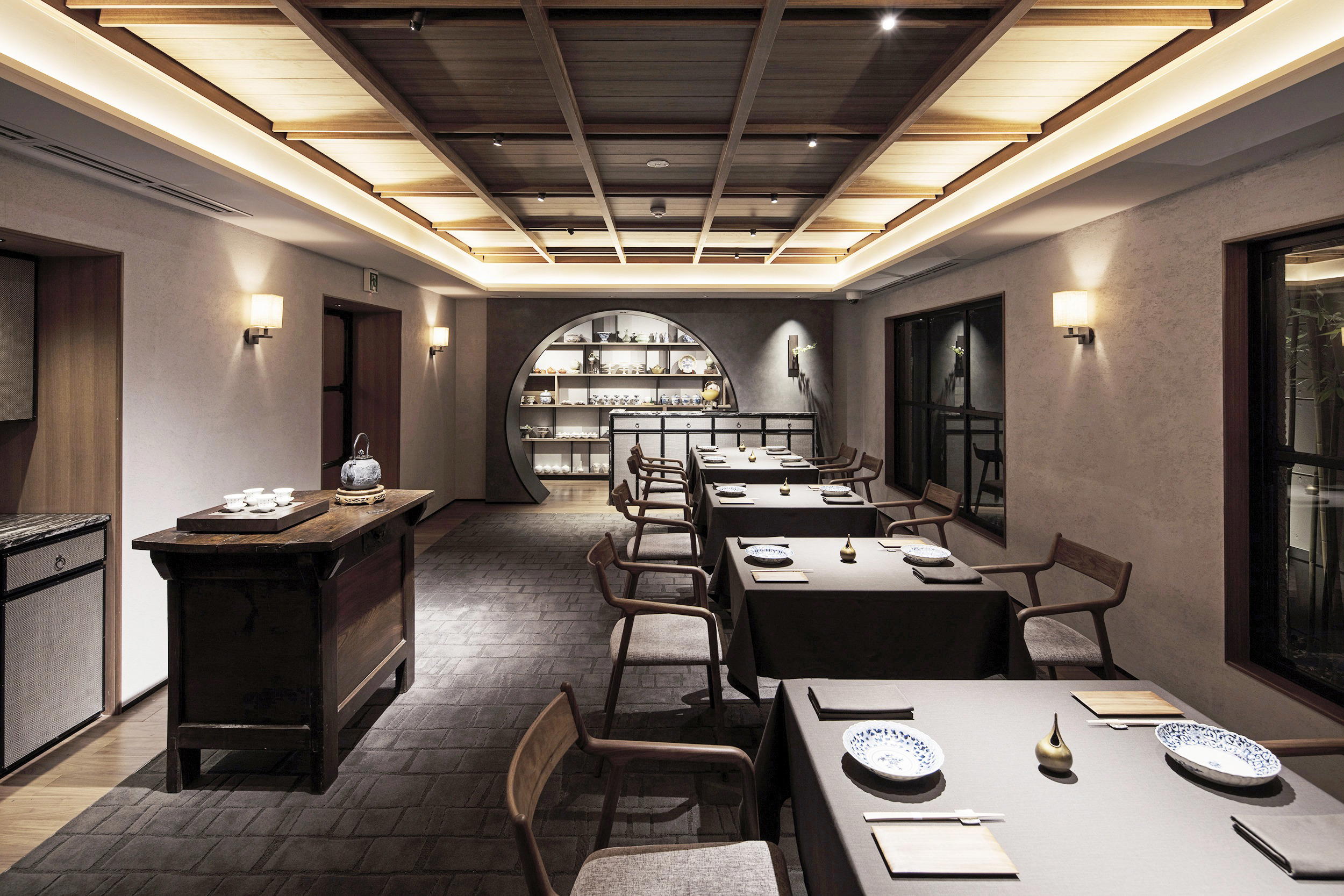
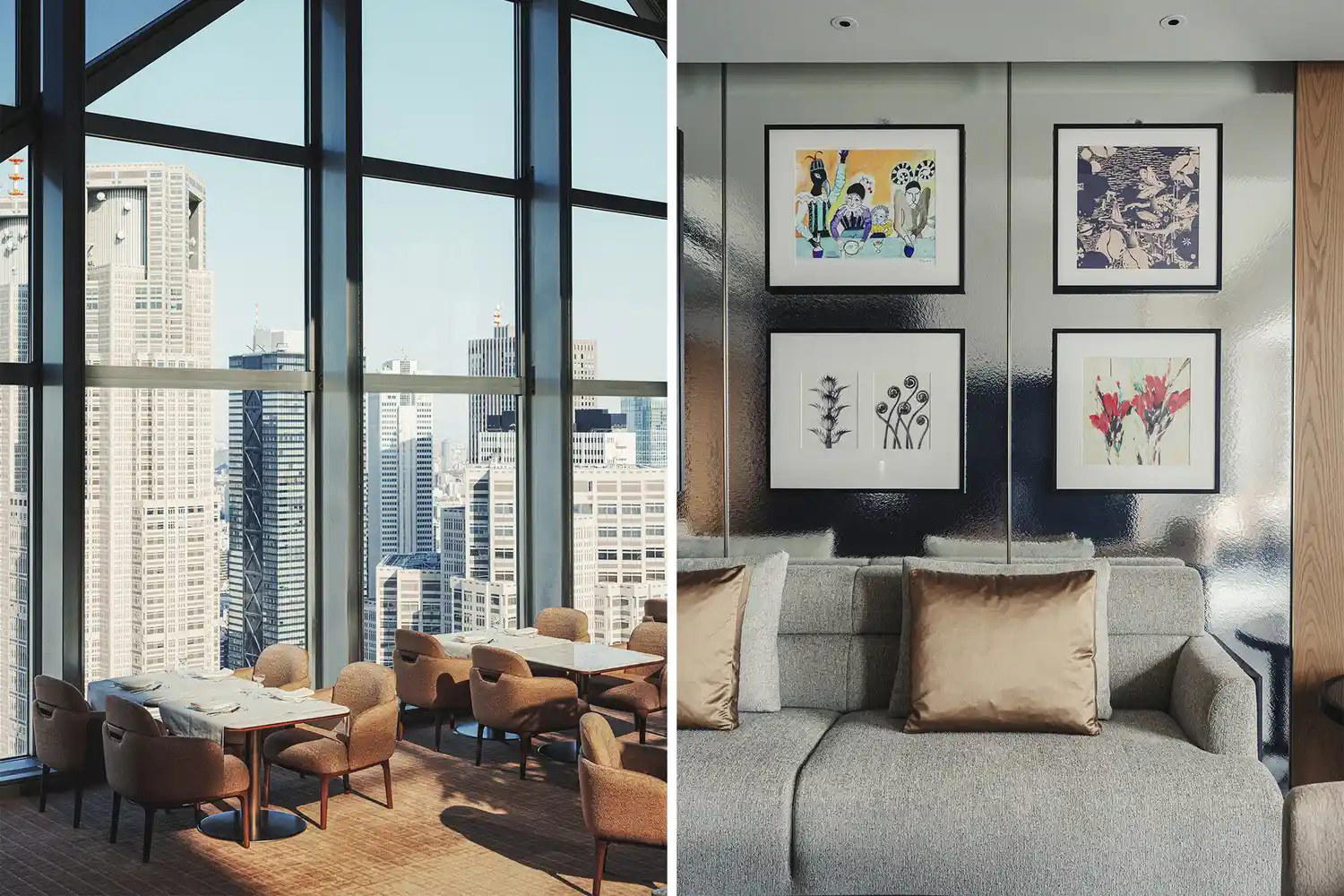
Intimate 24-seat standalone house in a Daikanyama back alley with elegant, artistic presentation of dishes evoking a low-profile address French dining experience.
Know Before You Go
- Getting there
- 2-3 Sarugakucho, Shibuya, Tokyo 150-0033, Japan