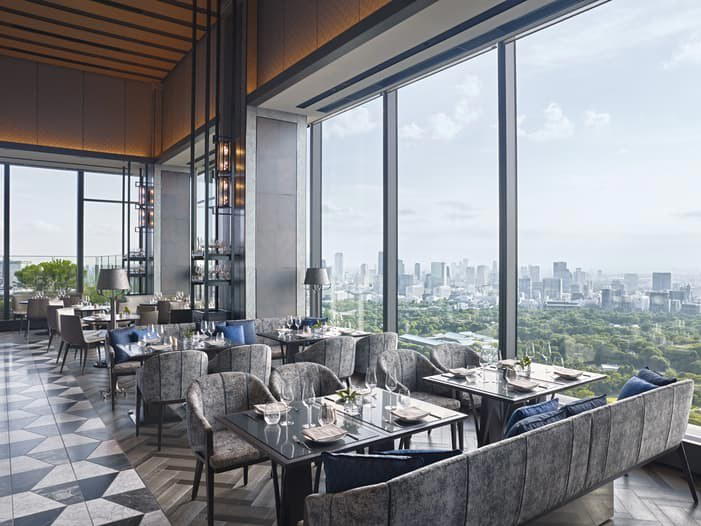
ダイニング&バー テンクウ serves French-Japanese fusion on the 27th floor of Hotel Metropolitan Tokyo Marunouchi, with skyline views, a leisurely pace, and wine, sake, and cocktails.
Pearl is the En Primeur Club membership app — saves, bookings, and concierge access live there. Same editors, same standards.
- Address
- Japan, 〒100-0005 Tokyo, Chiyoda City, Marunouchi, 1 Chome−7−12 サピアタワ 27F ホテルメトロポリタン 丸の内 27階
- Phone
- +81332110141
- Website
- marunouchi.metropolitan.jp
- Directions
- Get directions
 Saves & bookings on Pearl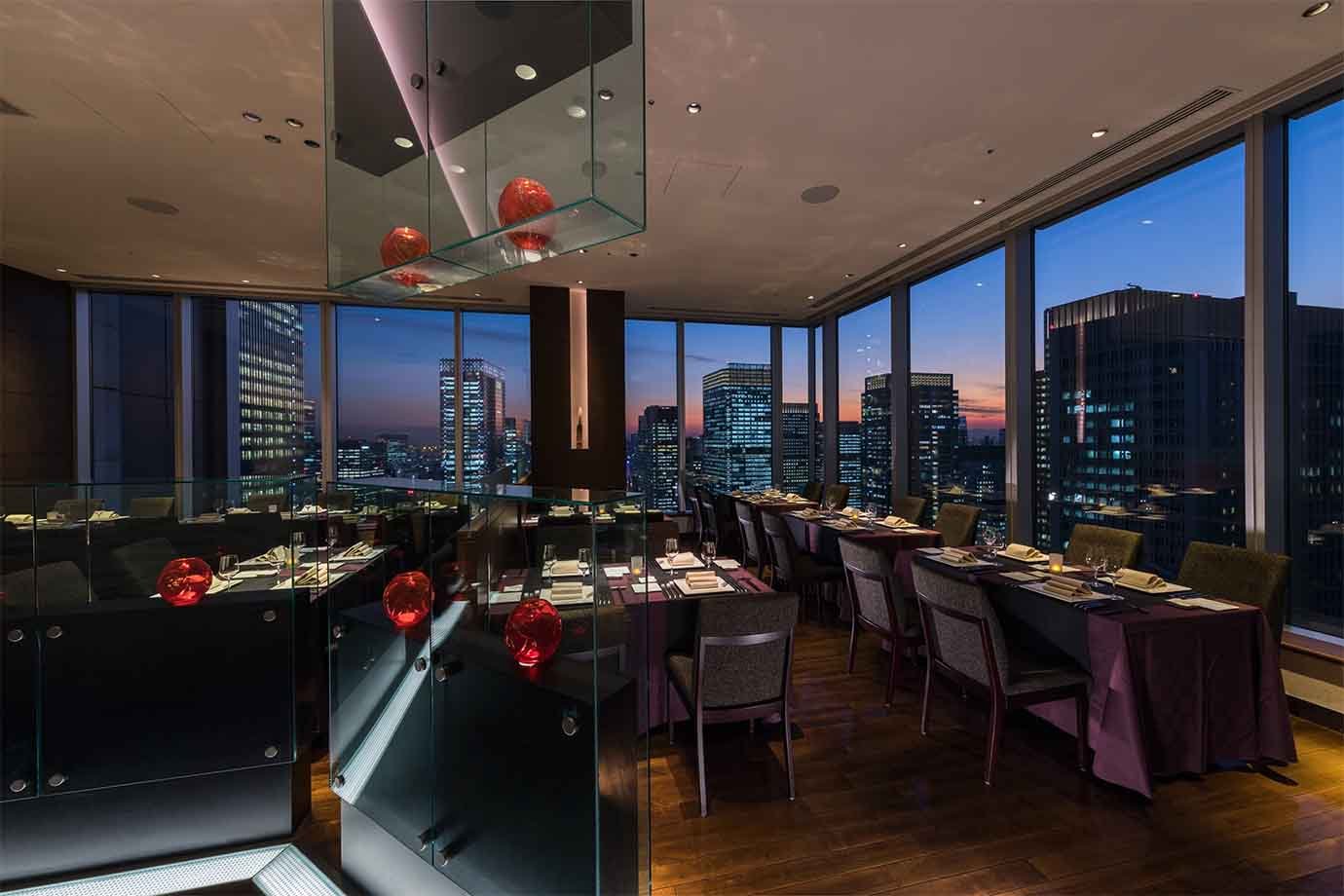
Sky-High Dining in Marunouchi: Where Tokyo's Business District Meets the Clouds
Hotel dining in Tokyo has always occupied a distinct tier in the city's restaurant hierarchy. When the Hotel Metropolitan Marunouchi opened inside Sapia Tower in 2007, it brought a new kind of vertical hospitality to the district directly east of Tokyo Station: polished, accessible, and positioned between the ¥¥¥ mid-luxury bracket and the ¥¥¥¥ Michelin-chasing upper stratum. Dining & Bar Tenkuu sits on the 27th floor of that tower, and its placement in Marunouchi tells you something about the audience it serves. This is a neighbourhood of finance houses, international law firms, and transit infrastructure that connects to every major shinkansen corridor in the country. The dining room here is not chasing the omakase counter crowd; it is speaking to a different, and larger, constituency of well-travelled professionals and hotel guests who want a reliable, well-located meal above the city.
The Cultural Logic of the Hotel Rooftop in Japan
Japan has a long tradition of skyline dining that differs meaningfully from its Western counterpart. Where rooftop restaurants in New York or London tend to trade heavily on the view as a lifestyle statement, Tokyo's refined hotel dining rooms have historically anchored themselves in hospitality ritual. The omotenashi ethic, the philosophy of anticipatory, non-transactional service that runs through Japanese hospitality from ryokan to city hotel, applies just as much at 27 floors as at ground level. At venues like Tenkuu, the view is a given; the expectation is that the service and kitchen will meet that elevation rather than coast on it. This cultural context matters because it shapes what regulars and informed visitors actually assess when they return: the coherence of the experience as a whole, not any single theatrical element.
Marunouchi itself reinforces this positioning. The district underwent a sustained redevelopment cycle from the early 2000s onward, transforming from a dense but somewhat monolithic business zone into a mixed-use precinct with serious restaurant infrastructure. The Brick Square complex, the Marunouchi Building, and the broader Sapia Tower development each introduced dining options targeting the afternoon business lunch and the post-work dinner in roughly equal measure. Tenkuu operates within that framework: a destination for the Shinkansen traveller arriving from Osaka or Kyoto, and for the Tokyo-based professional looking for a setting that does not require a three-month advance reservation.
Altitude as Editorial Statement
In Tokyo's densely vertical geography, where you eat is often as legible as what you eat. The 27th floor of Sapia Tower places Tenkuu in the company of a particular kind of establishment: high-floor hotel dining rooms with unobstructed city views that serve as both a reward for a long day of travel and a reliable platform for business entertainment. This is a different competitive set from the kaiseki rooms of Roppongi or the sushi counters of Ginza. For context, RyuGin (Kaiseki) and Harutaka (Sushi) operate at the ¥¥¥¥ tier with Michelin credentials that demand months of planning and a specific kind of engagement from the diner. Tenkuu addresses a different need, the need for a well-executed meal in a dramatic setting without the friction of that booking process.
The French-influenced hotel dining format, which dominates this tier across Tokyo, has its own internal hierarchy. L'Effervescence and Sézanne represent the ceiling of that format in the city, both operating at ¥¥¥¥ with critical recognition that places them in international conversations. Crony sits closer to the ¥¥¥¥ innovative French register. Tenkuu occupies a more accessible position in this spectrum, which is part of its utility for visitors who want the refined setting without the full commitment of a destination-dining evening.
Marunouchi as a Dining District
Understanding Tenkuu's role requires understanding Marunouchi's dining character. The district is not where Tokyo's most adventurous eating happens, that role belongs to Shinjuku, Shibuya, and pockets of Nakameguro and Ebisu. Marunouchi trades in reliability, transit convenience, and a certain corporate elegance. It draws a disproportionate share of international business travellers who arrive via Tokyo Station (one of the busiest rail hubs in the world, serving both local metro lines and long-distance shinkansen routes) and need a dinner option within walking distance of their hotel. For that specific traveller, Tenkuu answers a real question. The bar program, which the venue name signals as a co-equal offering alongside the dining room, is similarly positioned: a place to debrief after a day of meetings rather than a destination for cocktail connoisseurs chasing technical bartending credentials.
Japan's broader dining geography offers useful comparison. Venues like HAJIME in Osaka and Gion Sasaki in Kyoto represent the regional fine-dining tier outside Tokyo, destination restaurants that draw serious diners from across the country. akordu in Nara and Goh in Fukuoka show how mid-sized Japanese cities have developed credible fine-dining infrastructure of their own. Within Tokyo, Tenkuu sits in a different register from all of these, not in competition with them, but serving a distinct purpose that those venues do not.
Planning Your Visit
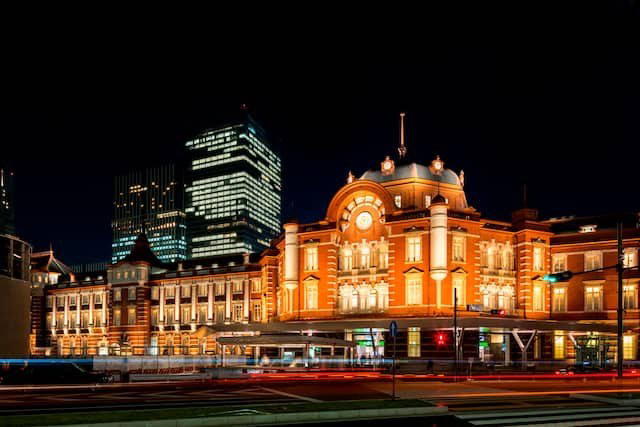
Sapia Tower sits immediately adjacent to Tokyo Station's Yaesu North Exit, making it among the more transit-accessible hotel dining addresses in the city. The 27th floor location means the room's character shifts depending on time of day: the business lunch occupies a different atmosphere from the post-sunset dinner service when the city's lights become the dominant backdrop. Visitors arriving from other Japanese cities via shinkansen should note that the station connection is direct, with no need for a taxi or additional transit leg.
For those building a longer Tokyo itinerary around serious eating, our full Tokyo restaurants guide maps the city's dining options across price tiers and neighbourhoods. Regional travellers with flexibility in their Japan itinerary may also consider the distinctive offerings at 一本木 石川製 in Nanao, 古代山乃 in Sapporo, 湖南庵 in Takashima, and 鳥羽屋 in Nishikawa Machi. For international reference points in the hotel dining conversation, Le Bernardin in New York City and Atomix in New York City represent the high end of what hotel-adjacent fine dining can achieve at the global level. Further afield, Birdland in Sakai and Bistro Ange in Toyohashi show how Japan's regional restaurant culture has matured well beyond the major urban centres.
Logistics at a Glance
| Venue | Price Tier | Cuisine Type | Location | Booking Lead Time |
|---|---|---|---|---|
| Dining & Bar Tenkuu | Not confirmed | Not confirmed | Marunouchi, 27F Sapia Tower | |
| Harutaka | ¥¥¥¥ | Sushi | Ginza | 3+ months |
| L'Effervescence | ¥¥¥¥ | French | Nishi-Azabu | 2-3 months |
| Sézanne | ¥¥¥¥ | French | Marunouchi | 2-3 months |
| Crony | ¥¥¥¥ | Innovative French | Shibuya | 1-2 months |
Recognition Snapshot
Comparable venues nearby, for context on price, style, and recognition.
| Venue | Cuisine | Price | Notes |
|---|---|---|---|
| ダイニング&バー テンクウThis venue — the venue you are viewing | French-Japanese Fusion | $$$ | Not listed |
| Otona | French-Italian Bistro | $$$ | Kinshicho |
| Iizaka | French with Seasonal Japanese Ingredients | $$$ | Shinjuku |
| ルメルシマン オカモト | Modern French with Hokkaido ingredients | $$$ | Minato |
| La Matiere | Classic French in Kagurazaka | $$$ | Shinjuku |
| ロクターヴ ハヤト コバヤシ | Modern French Gastronomy | $$$ | Shibuya |







At a Glance
- Elegant
- Scenic
- Sophisticated
- Modern
- Date Night
- Business Dinner
- Celebration
- Special Occasion
- Hotel Restaurant
- Panoramic View
- Open Kitchen
- Extensive Wine List
- Sake Program
- Craft Cocktails
- Local Sourcing
- Skyline
Current opening hours
- Monday
- 6–10 AM, 11:30 AM–3:30 PM, 5–10 PM
- Tuesday
- 6–10 AM, 11:30 AM–3:30 PM, 5–10 PM
- Wednesday
- 6–10 AM, 11:30 AM–3:30 PM, 5–10 PM
- Thursday
- 6–10 AM, 11:30 AM–3:30 PM, 5–10 PM
- Friday
- 6–10 AM, 11:30 AM–3:30 PM, 5–10 PM
- Saturday
- 6–10 AM, 11:30 AM–4 PM, 5–10 PM
- Sunday
- 6–10 AM, 11:30 AM–4 PM, 5–10 PM
Hours can change for holidays and private events. Last verified .
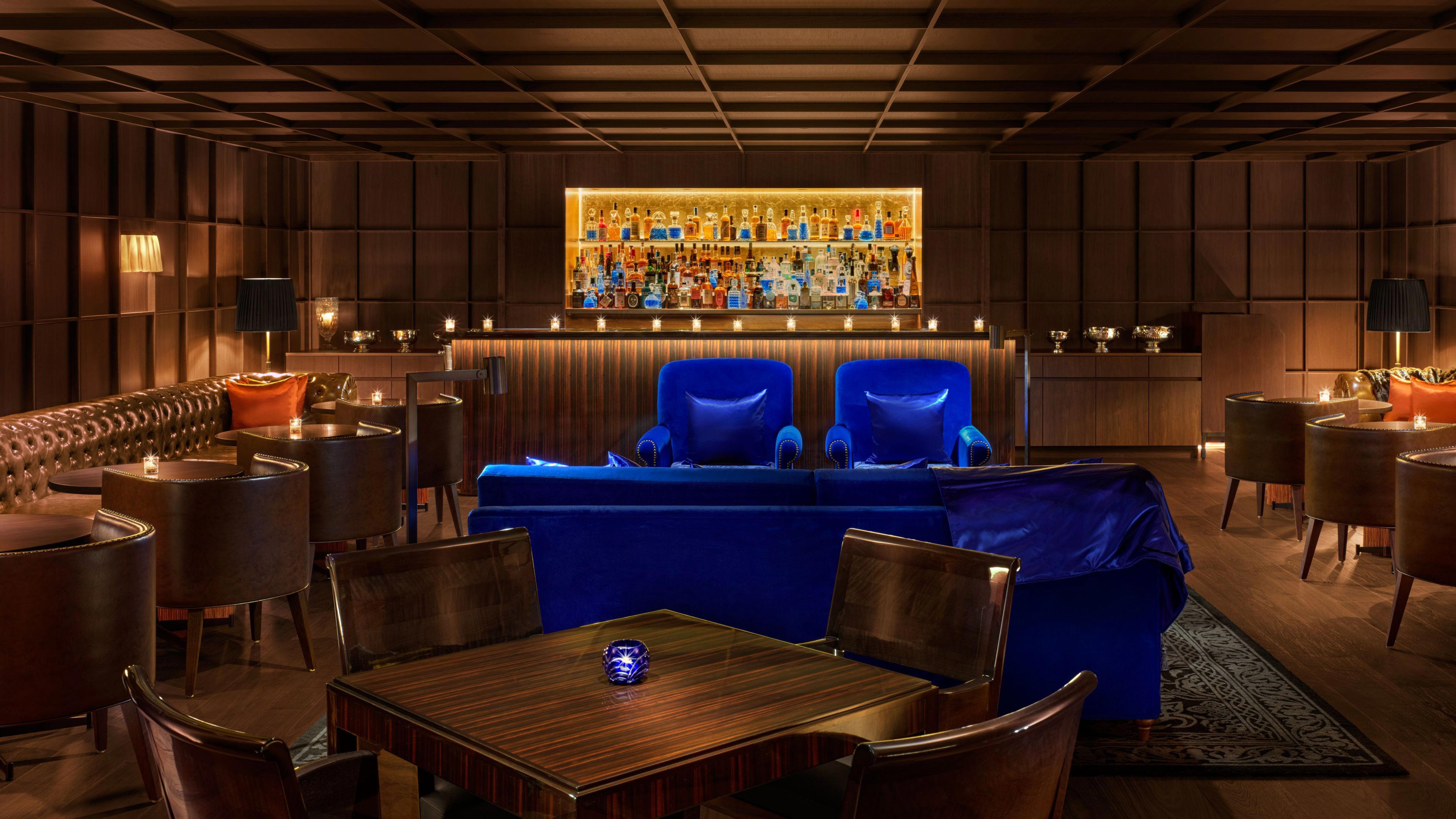
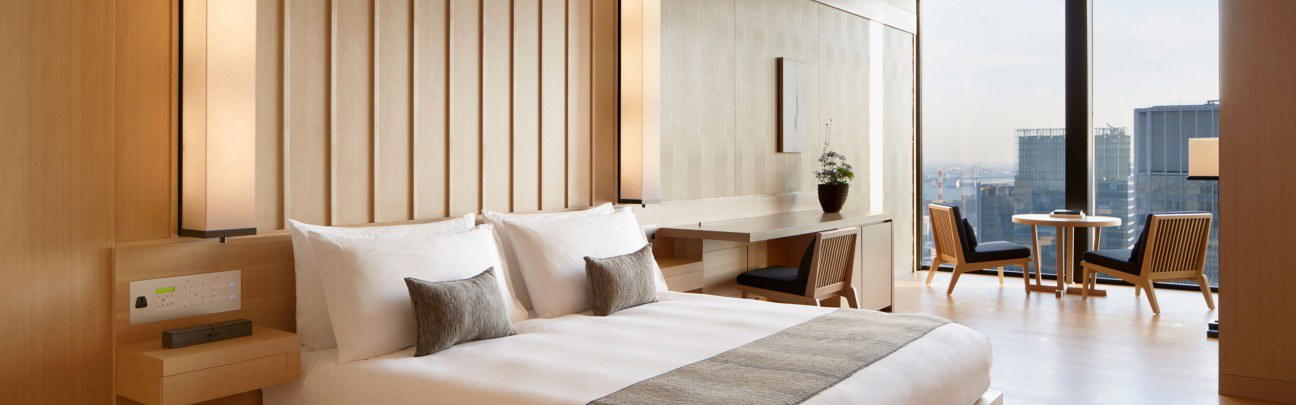
Bright and open during daytime with natural light flooding through expansive windows; elegant decor featuring Edo Kiriko cut glass and Seven Gods of Fortune motifs; sophisticated evening atmosphere overlooking the Tokyo cityscape.