Ogura (おぐ羅) sits on the fourth floor of Haneda International Terminal's Edo Koji dining street, where airport food courts give way to something closer to a neighbourhood soba and Japanese cuisine house. The setting channels the character of an Edo-period merchant quarter, and the menu follows the same logic: disciplined, format-driven, and rooted in the kind of washoku traditions that reward incremental attention.
Pearl is the En Primeur Club membership app — saves, bookings, and concierge access live there. Same editors, same standards.
- Address
- 羽田空港2-6-5 (国際線ターミナル 4F 江戸小路), 大田区, 東京都, 144-0041
 Saves & bookings on Pearl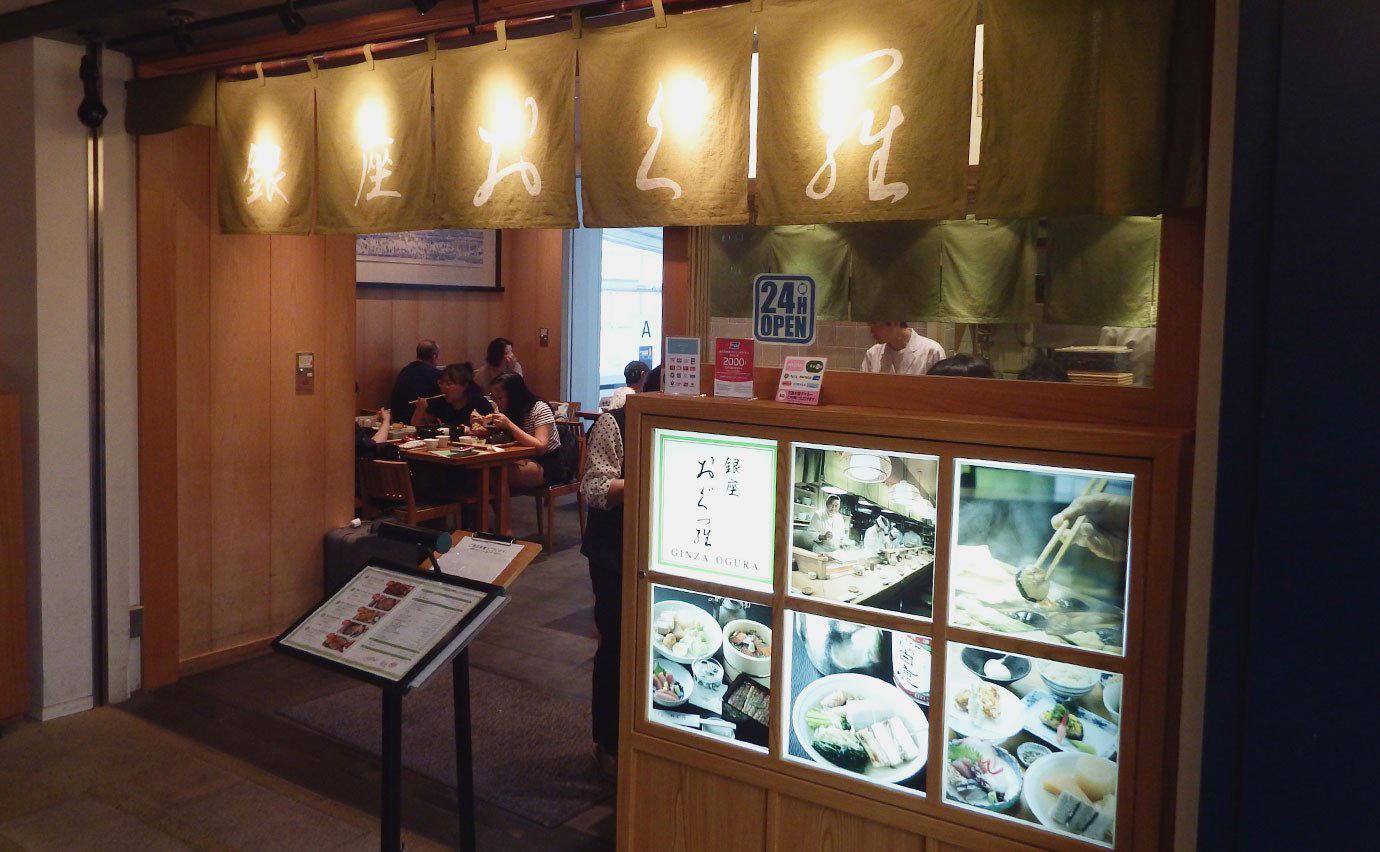
Edo Koji and the Airport That Built a Street
Most international airports solve the transit meal problem with global chain franchises and price-inflated mediocrity. Ogura (おぐ羅) is a restaurant in Haneda's International Terminal 4F Edo Koji precinct in Tokyo, offering traditional oden and yakitori izakaya at a mid-range price tier. Haneda's fourth-floor Edo Koji takes the opposite position. The corridor was designed to evoke an Edo-period townscape, with low facades, lantern-style lighting, and a sequence of restaurants that map more closely to Tokyo neighbourhood dining than to concourse food retail. Within that framework, Ogura (おぐ羅) occupies a slot that tells you something about how the space was curated: it is a Japanese restaurant shaped by the logic of the classic set-meal format, not by the airport imperative to please every possible international preference at once.
The Edo Koji concept is worth understanding before you think about the food. Tokyo's airport dining has historically lagged the city itself by a decade or more in quality and ambition. The Haneda international terminal redevelopment changed that calculus by commissioning a dining precinct built around format authenticity rather than brand recognition. The result is a stretch of corridor where the architecture does contextual work and the restaurants inside it are selected to reinforce that context rather than contradict it.
What the Menu Structure Reveals
The editorial angle on any Japanese restaurant that operates within a set-meal or defined-format structure is almost always the same: the menu's architecture is its argument. A kaiseki progression tells you the kitchen believes in sequence and transition. A soba house with limited supplementary dishes tells you it believes in discipline and focus. The structure at Ogura aligns with the latter tradition, where the menu is narrow by design, and that narrowness is a form of positioning.
Japanese cuisine has a long tradition of restaurants that define themselves by what they do not offer as much as by what they do. The soba and washoku format, in particular, rewards restraint: the quality of the dashi, the temperature of the noodle, the calibration of the dipping sauce. These are not showy signals. They are incremental ones, and they only register if the menu is focused enough to let them. For comparison, consider how differently structured menus operate at venues like RyuGin, where kaiseki's formal progression sequences ten or more courses through seasonal contrasts, or at Sézanne, where French tasting logic borrows kaiseki's pacing but applies it to imported ingredients and technique. Ogura's context is different: it operates closer to the everyday washoku register, where the set meal is a cultural default rather than a premium theatrical event.
This positioning matters for how you read the venue. It is not competing with the omakase counters of Ginza or the contemporary French rooms of Minami-Aoyama. Its comparable set is the mid-range Japanese dining category that serves an informed, time-pressed audience: travellers who know what good dashi tastes like and are prepared to eat seriously even in transit. That is a smaller, more specific audience than the concourse burger queue, and the menu structure signals it clearly.
Airport Context as Editorial Lens
Japan's railway and airport dining infrastructure has historically functioned as a proxy for the country's relationship with everyday food quality. The ekiben tradition, the ramen stalls inside Shinjuku Station, the department store basement food halls: these are not concessions to captive audiences but extensions of the broader food culture into transit spaces. Haneda's Edo Koji fits that lineage. The positioning is less about premium airport dining and more about the normalisation of serious food in non-restaurant contexts.
For international visitors arriving or departing through Haneda, the fourth floor offers a different kind of cultural orientation than the duty-free floor below. The washoku format at Ogura is, among other things, an entry point into the logic of Japanese set-meal dining: the hierarchy of small dishes, the central starch, the soup that anchors the meal's temperature register. Understanding that logic at the airport, before or after engaging with the city's more formal dining rooms, is not a consolation prize. It is contextually useful.
For those planning to engage with Tokyo's broader restaurant scene, the range of formats available across the city is considerable. Harutaka and L'Effervescence operate at the summit of the omakase and contemporary French tiers respectively. Crony sits at a more accessible price point within the innovative French category. Ogura, within this context, represents the transit-accessible washoku register: a place where the meal is serious without requiring a tasting menu commitment.
Japan's Broader Dining Map
Haneda's position at the gateway to Japan also makes it a logical place to consider the country's regional dining range. The washoku format that Ogura represents has variations across Japan that are worth tracking: kaiseki in Kyoto at Gion Sasaki, French-Japanese synthesis at HAJIME in Osaka, and the natural wine and local produce focus at akordu in Nara. Regional Japanese formats extend further to Goh in Fukuoka and more specialist venues like 一本杉 川島 in Nanao, 大自然山乃 in Sapporo, 湖郷庵 in Takashima, and 羽根屋 in Nishikawa Machi. The range illustrates how deeply format-specific Japanese dining is at every tier: each region and register has its own logic, and understanding the set-meal structure at a place like Ogura gives you a useful baseline for reading all of them.
For context on how Japanese-influenced dining travels internationally, Atomix in New York City applies Korean fine dining's set-card format with Japanese pacing discipline, while Le Bernardin in New York City represents the French tasting format that shaped how many Western diners first understood sequenced meal architecture. Additional Japanese dining references include Birdland in Sakai and Bistro Ange in Toyohashi, both of which operate in regional formats that diverge from the Tokyo mainstream.
Planning Your Visit
Style and Standing
Comparable venues nearby, for context on price, style, and recognition.
| Venue | Cuisine | Price | Notes |
|---|---|---|---|
| Ogura (おぐ羅)This venue — the venue you are viewing | Traditional Oden and Yakitori Izakaya | $$ | Not listed |
| Handmade buckwheat Matsunaga | Handmade Soba & Japanese Sake | $$ | Shibuya |
| Sake to Misonikomi Misonikomin | Japanese Udon / Miso Nikomi | $$ | Bunkyō |
| Kyu Yamu Tei Shimokita sou | Japanese Curry | $$ | Setagaya |
| 銀座久兵衛 | japanese | Not listed | Chūō |
| Hikiniku to Kome Shibuya | Hamburger steak set menu (Japanese-style) | $$ | Shibuya |








At a Glance
- Classic
- Cozy
- Intimate
- Date Night
- Business Dinner
- After Work
- Sake Program
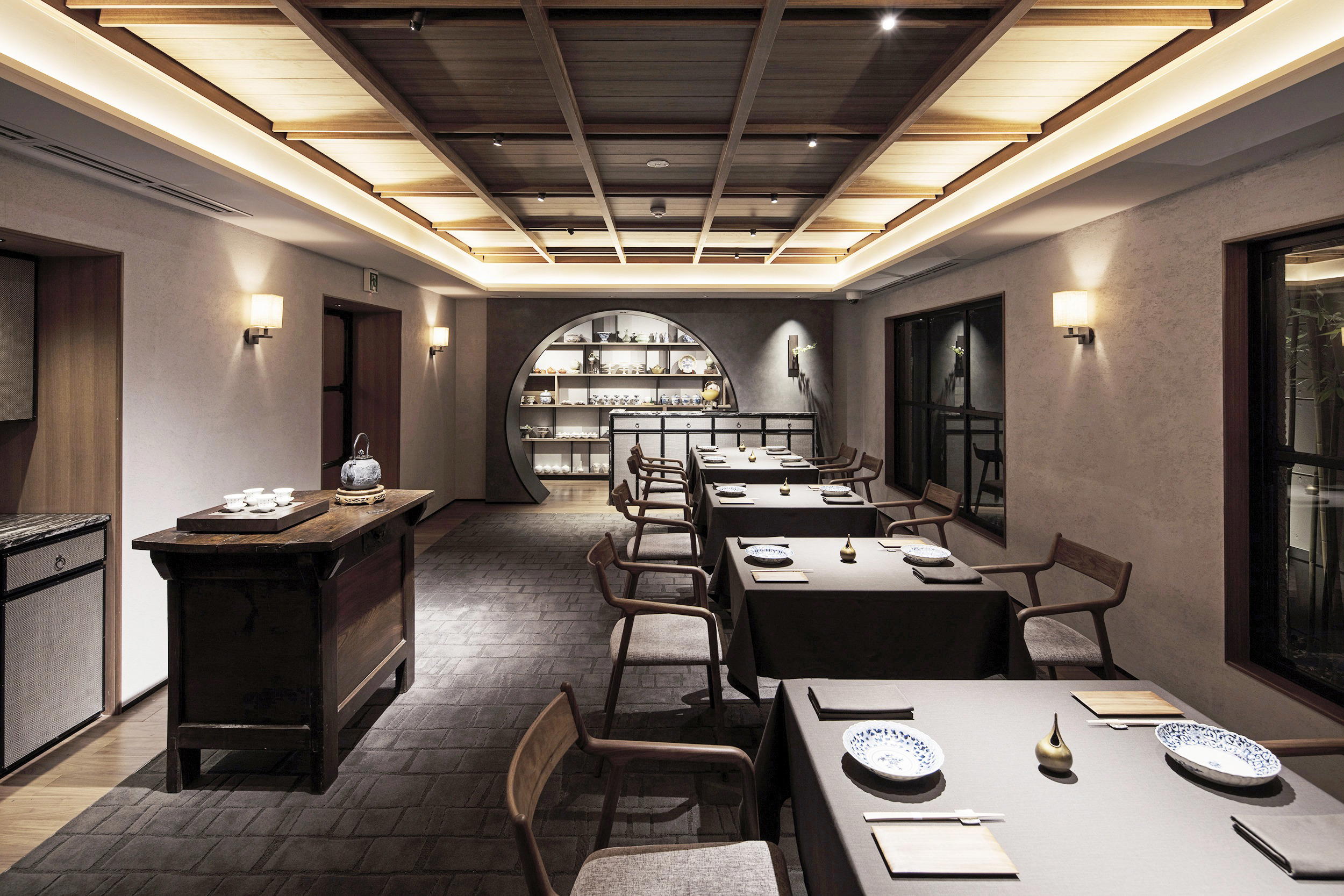
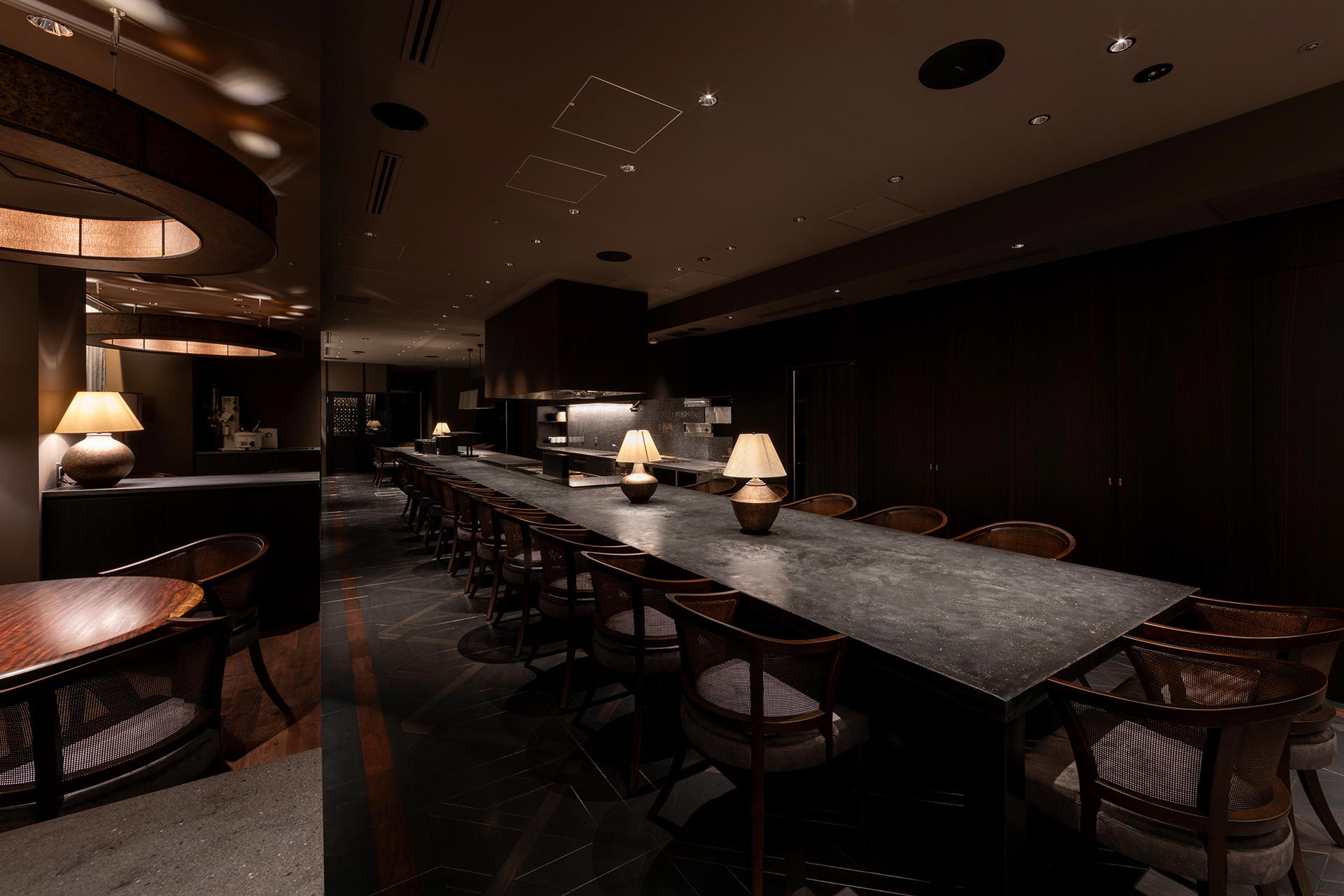
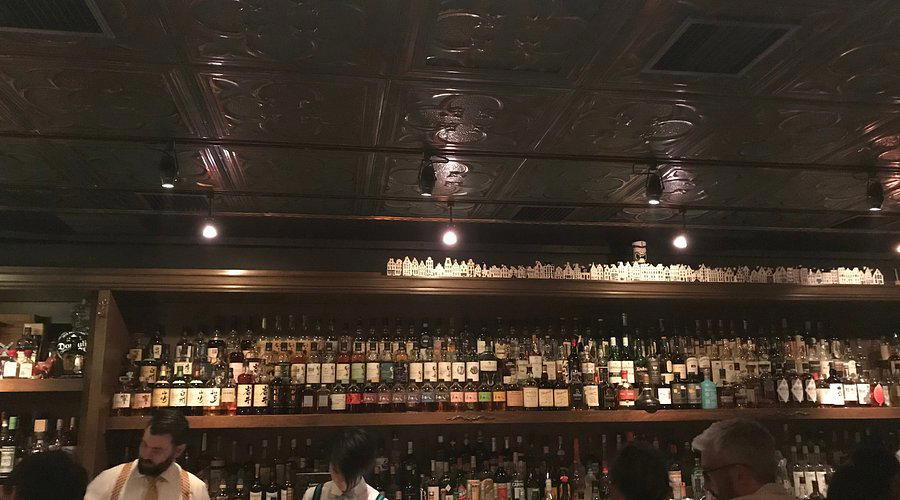
Mature, calm, and cozy atmosphere ideal for relaxed dining.