
Tabelog Silver #93
Our verdict
An eight-seat house restaurant in Fukuchiyama's Miwa district, NOMI RESTAURANT holds a Tabelog Silver Award (2026) with a score of 4.35, placing it among the Kansai region's most recognised intimate dining formats. Courses run JPY 30,000–39,999 at both lunch and dinner. The location demands a car, but the premise, innovative Japanese cuisine anchored to local Fukuchiyama ingredients, draws visitors who have already covered Kyoto city's kaiseki circuit.

Pearl is the En Primeur Club membership app, where members save venues, book tables and use the concierge.
A Long Way from the Kawaramachi Grid
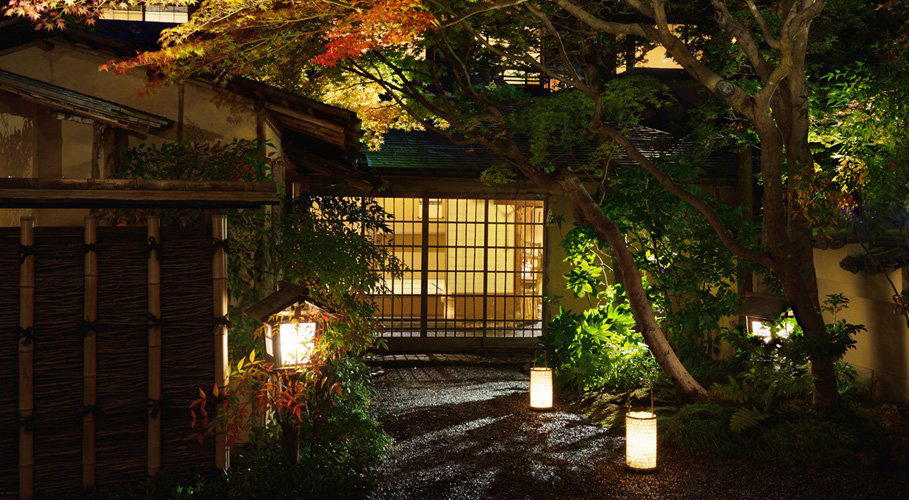
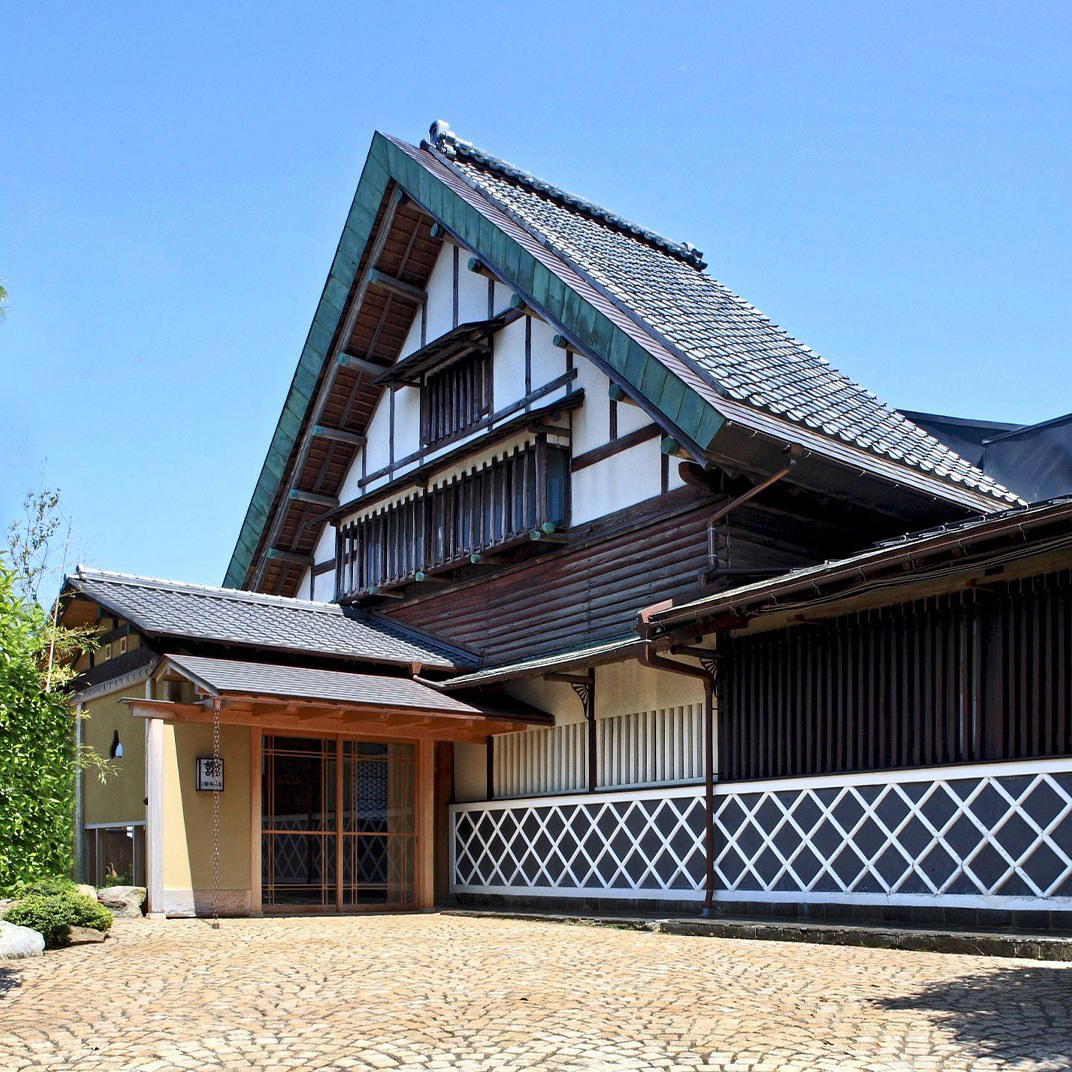
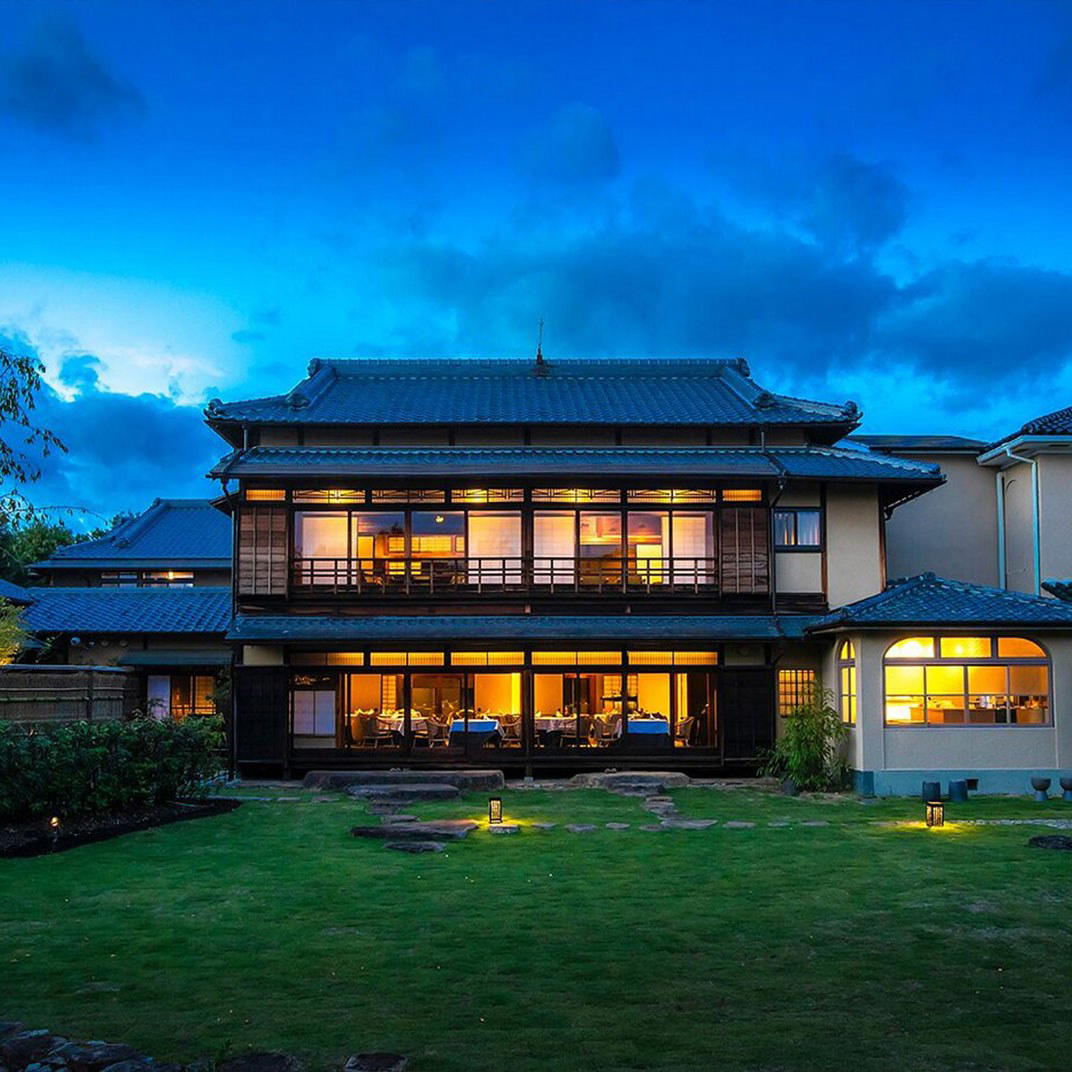
Rural Kyoto Prefecture has always operated on a different hospitality logic from the city centre. While Gion and Higashiyama concentrate kaiseki houses within walking distance of each other, places like Gion Sasaki, Hyotei, and Kikunoi Honten drawing on centuries of urban tea-culture precedent, the prefecture's northern reaches around Fukuchiyama have historically offered no equivalent fine-dining infrastructure. Travellers passing through the Miwa district on their way between Kyoto and the San'in coast encountered farmhouses and cedar forest, not tasting menus. NOMI RESTAURANT represents what happens when that logic is interrupted: a serious, award-holding kitchen installed not in a city-centre machiya but in what the venue itself describes as a house restaurant, roughly an hour north of the Kyoto urban core.
Reaching the address at 710-3 Miwacho Shimokawai requires a car. The coordinates, latitude 35.23, longitude 135.24, place it in agricultural Fukuchiyama, well outside any tourism cluster. That geography is not a footnote; it is the operating premise. The distance acts as a filter, producing a guest list composed almost entirely of people who made a specific decision to be there.
The Format: Eight Seats, Full Price, No Compromise
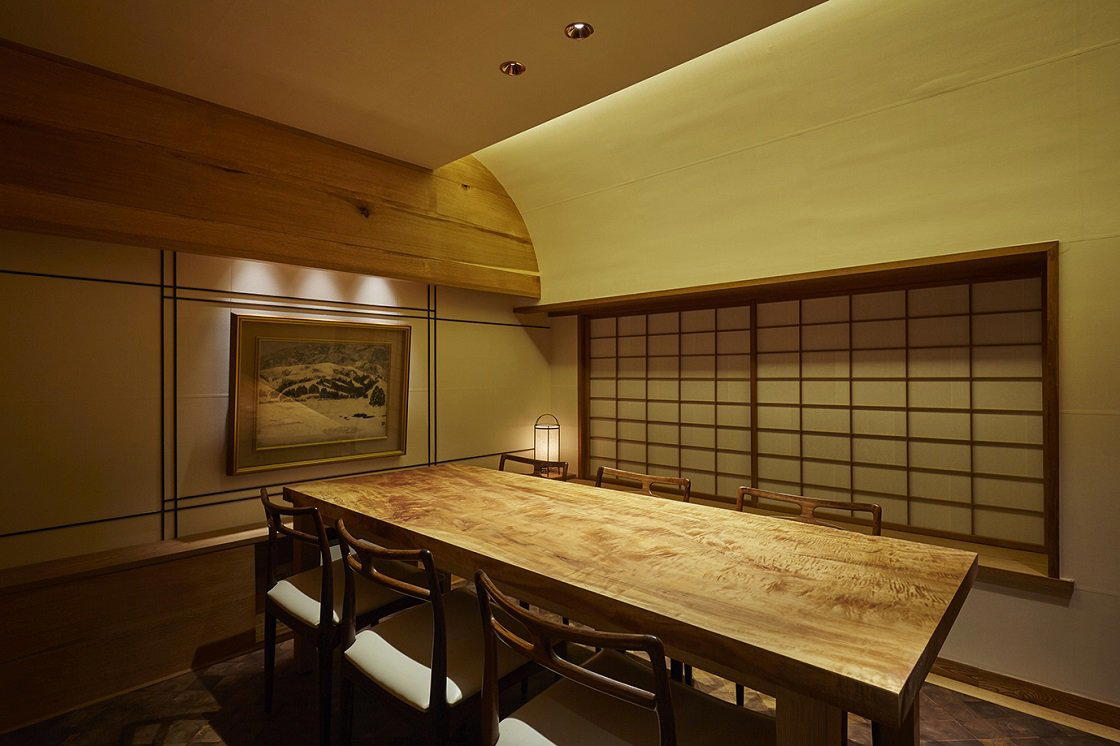
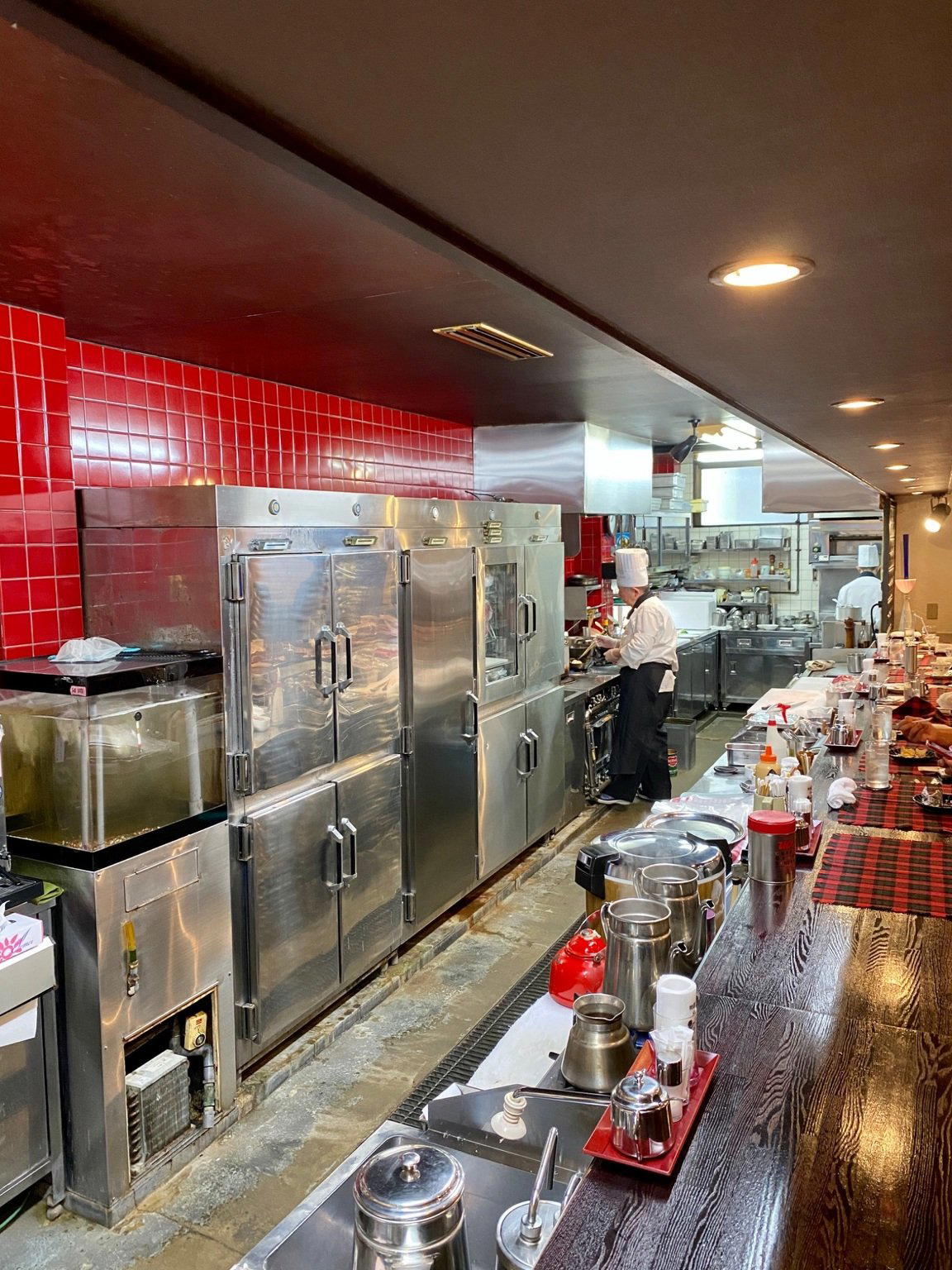
The house-restaurant format has a specific register in Japanese fine dining. It differs from a converted townhouse or a restaurant-within-a-hotel in one structural way: the domestic architecture is not renovated away but retained as context. Guests move through a space that reads as residential, with the kitchen operating as the social and productive centre. At eight seats maximum, with the room available for exclusive private use, NOMI operates closer to the kappo intimacy model than to a kaiseki dining room with multiple tables, a format better represented in the city by Mizai or Isshisoden Nakamura.
The price band, JPY 30,000 to JPY 39,999 per person at both lunch and dinner, sits at the upper tier of Tabelog's tracked spending for the venue. Review-based averages suggest dinner runs toward the higher end of that band, while lunch averages slightly lower, in the JPY 20,000–29,999 range by some reviewer accounts. Either way, this is not an exploratory or casual spend. It belongs to the same budget tier as Harutaka in Tokyo and far above mid-range Kyoto alternatives. The question that pricing raises is what NOMI offers that Kyoto's urban high-end does not, and the answer the Tabelog scores suggest is something more to do with produce-directness and culinary positioning than with prestige address.
From Regional Curiosity to Silver-Tier Recognition
Editorial angle here is evolution. A decade ago, a venue like this, in Fukuchiyama, in an unmodified house, without a verifiable website or publicist, would not have appeared in any national fine-dining conversation. The Tabelog Award system changed the calculus. By aggregating review volume and score weighting into a ranked shortlist, it surfaces venues that word-of-mouth circuits had been tracking for years but that lacked the metropolitan platform to break through. NOMI's Tabelog Silver Award for 2026, with a score of 4.35 and a national rank of 93rd in that award group, represents exactly that kind of surfacing.
For context on what that score means in practice: Tabelog Silver sits below Gold (typically awarded to venues with scores above 4.5 and sustained critical mass) but well above the Bronze tier. A 4.35 in Kyoto Prefecture, where kaiseki competition is concentrated and scores are generally compressed at the leading, carries weight. Comparable award holders in the Kansai region at this tier tend to share two traits: a clearly defined culinary identity and a booking model that keeps capacity tight enough to sustain quality control. NOMI satisfies both. The Tabelog description references knife precision and ingredient-responsive cooking as core to its identity, a characterisation consistent with innovative Japanese cuisine that draws from local Fukuchiyama materials rather than defaulting to Kyoto city's established sourcing networks.
The trajectory implied here is upward. From what began as a largely local reputation, a house in Miwa doing serious food for guests willing to drive, NOMI has acquired the kind of national recognition that changes its guest composition. The booking calculus now includes visitors from Osaka, Tokyo, and internationally who treat the location as a feature of the experience rather than an obstacle to it. That shift, from regional insider knowledge to awarded destination, is the defining evolution the venue has undergone.
Where NOMI Sits Against Its Peers
Kyoto Prefecture's high-end dining scene is still overwhelmingly kaiseki in format and Kyoto-city in geography. Venues like HAJIME in Osaka demonstrate that innovative Japanese cuisine can earn top-tier recognition while departing sharply from traditional kaiseki structure. akordu in Nara shows a similar logic, destination dining outside a major city, anchored to local produce and a tightly controlled format. NOMI's positioning maps more closely to these than to the Gion kaiseki corridor.
Internationally, the model has parallels at restaurants like Atomix in New York City, where a defined culinary identity and controlled capacity have driven recognition that far exceeds what the address alone would suggest, or Le Bernardin in New York City as a reference point for sustained technical authority over time. Closer in format and geography, Goh in Fukuoka and 6 in Okinawa represent the same national pattern: small-format venues in non-capital cities that have broken through to national Tabelog recognition on the strength of clear cooking identity rather than location premium. 1000 in Yokohama operates in a similar register.
Planning Your Visit
| Detail | NOMI RESTAURANT | Gion Sasaki (city peer) | akordu Nara (rural peer) |
|---|---|---|---|
| Location type | House restaurant, rural Fukuchiyama | Gion district, Kyoto city | Nara city periphery |
| Seat count | 8 | Counter + private rooms | Small counter format |
| Price band (dinner) | JPY 30,000–39,999 | JPY 30,000+ (¥¥¥¥ tier) | Comparable range |
| Transport | Car required | Taxi / walk from Gion | Short taxi from Kintetsu Nara |
| Private use | Available (full room) | Private rooms available | Not confirmed |
| Award tier (2026) | Tabelog Silver, 4.35 | Tabelog recognised | Tabelog recognised |
| Smoking policy | Non-smoking | Non-smoking | Non-smoking |
Service runs two sittings: lunch 12:00–15:00 and dinner 18:00–21:00, seven days a week including public holidays. Closing days are not fixed, so confirming before travel matters. Reservations are available by phone (+81-773-59-2255). Payment accepts Visa and Mastercard; electronic money and QR code payments are not accepted. Parking is on-site, which is consistent with the car-dependent access model. There are no private rooms, but the full eight-seat room is available for exclusive private hire.
For broader planning context, see our full Kyoto restaurants guide, Kyoto hotels guide, Kyoto bars guide, Kyoto wineries guide, and Kyoto experiences guide.
Frequently asked questions
How do I find NOMI RESTAURANT?
NOMI RESTAURANT is located at 710-3 Miwacho Shimokawai, Fukuchiyama, Kyoto 620-1313, Japan, Kyoto.
Is NOMI RESTAURANT Michelin-listed?
NOMI RESTAURANT has received recognition including:
What do regulars order at NOMI RESTAURANT?
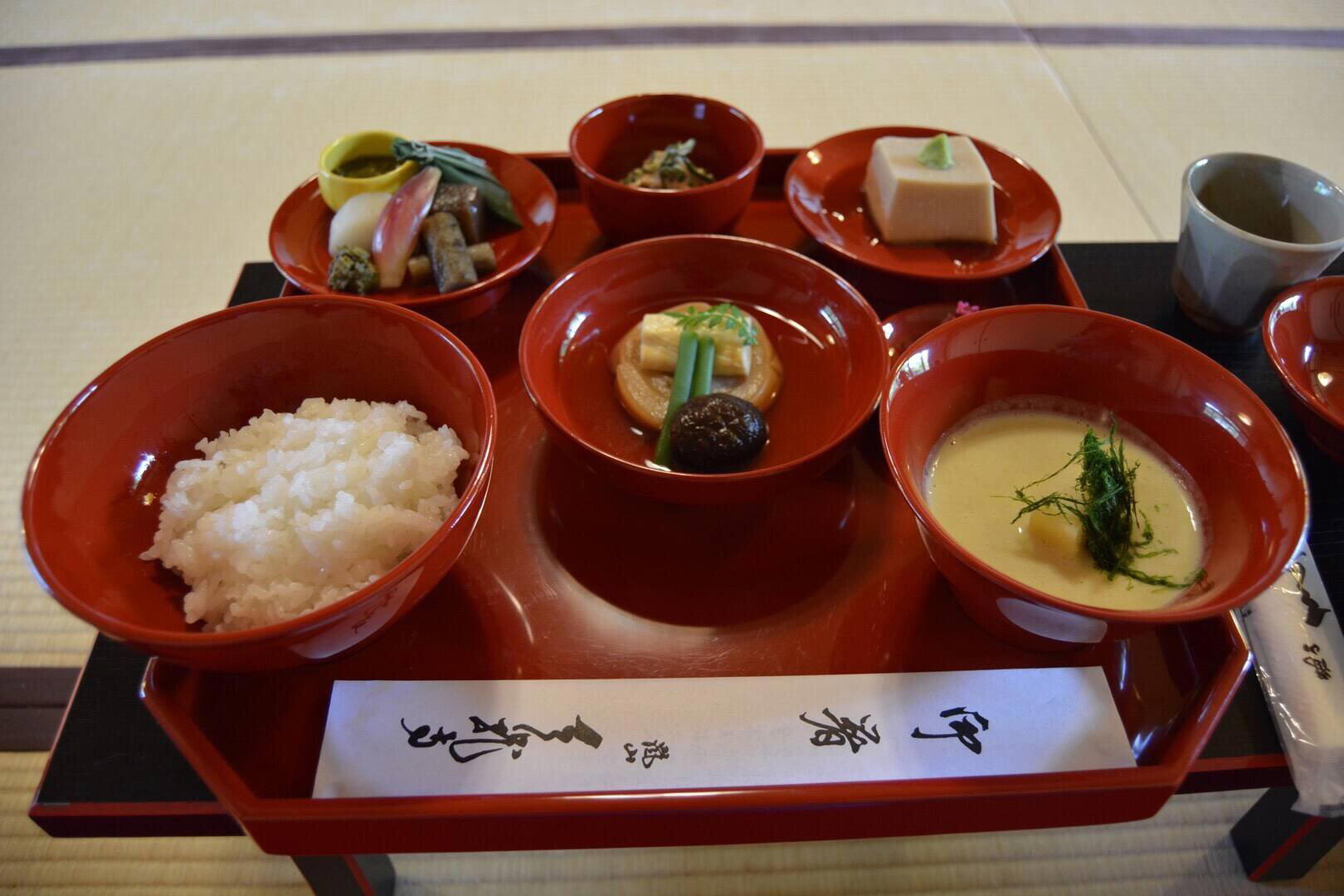
NOMI operates within an innovative Japanese format at a fixed price range of JPY 30,000–39,999 per person for both lunch and dinner, which strongly suggests a set course structure rather than à la carte ordering. In that context, regulars are not choosing individual dishes, they are committing to the full progression the kitchen sets for the day, shaped by what Tabelog reviewers describe as the state of ingredients at a given moment. The eight-seat counter means the kitchen is cooking for a single, unified group at any service, so variation from visit to visit tends to be the draw for those who return.
What type of food is NOMI RESTAURANT known for?
The Minimal Set
| Venue | Cuisine | Price | Awards | Notes |
|---|---|---|---|---|
| NOMI RESTAURANTThis venue (the venue you are viewing) | Seasonal Japanese Kaiseki | $200–300 | Tabelog Silver #93 | Not listed |
| Gion Sasaki | Modern Kaiseki | $300–500 | 3 Michelin Stars · La Liste Top Restaurants | Kaiseki, Japanese |
| cenci | Innovative Italian-Japanese Fusion | $100–150 | 1 Michelin Star · World's 50 Best #76 | Italian |
| Ifuki | Sumibi Kappo Kaiseki | $200–300 | 2 Michelin Stars · La Liste Top Restaurants | Kaiseki |
| Kyokaiseki Kichisen | Kyoto Kaiseki | $200–300 | 2 Michelin Stars · La Liste Top Restaurants | Japanese |
| Kyo Seika | Modern Chinese Fine Dining | $150–200 | 1 Michelin Star · Tabelog Bronze #216 | Chinese |
Recognition history
Dated appearances from independent guides and award organizations, with the underlying list record or original source where available.
James Beard Award Outstanding Restaurant Graphics
James Beard Award
Tabelog Silver #93
Tabelog