

Within Tenryu-ji’s UNESCO-listed temple in Kyoto, Shigetsu presents refined shojin ryori—plant-based temple cuisine—served in tranquil tatami rooms with garden views, offering a contemplative fine-dining experience rooted in Zen.
Pearl is the En Primeur Club membership app — saves, bookings, and concierge access live there. Same editors, same standards.
- Address
- Japan, 〒616-8385 Kyoto, Ukyo Ward, Sagatenryuji Susukinobabacho, 68
- Phone
- +81 75-882-9725
- Website
- tenryuji.com
- Directions
- Get directions
 Saves & bookings on Pearl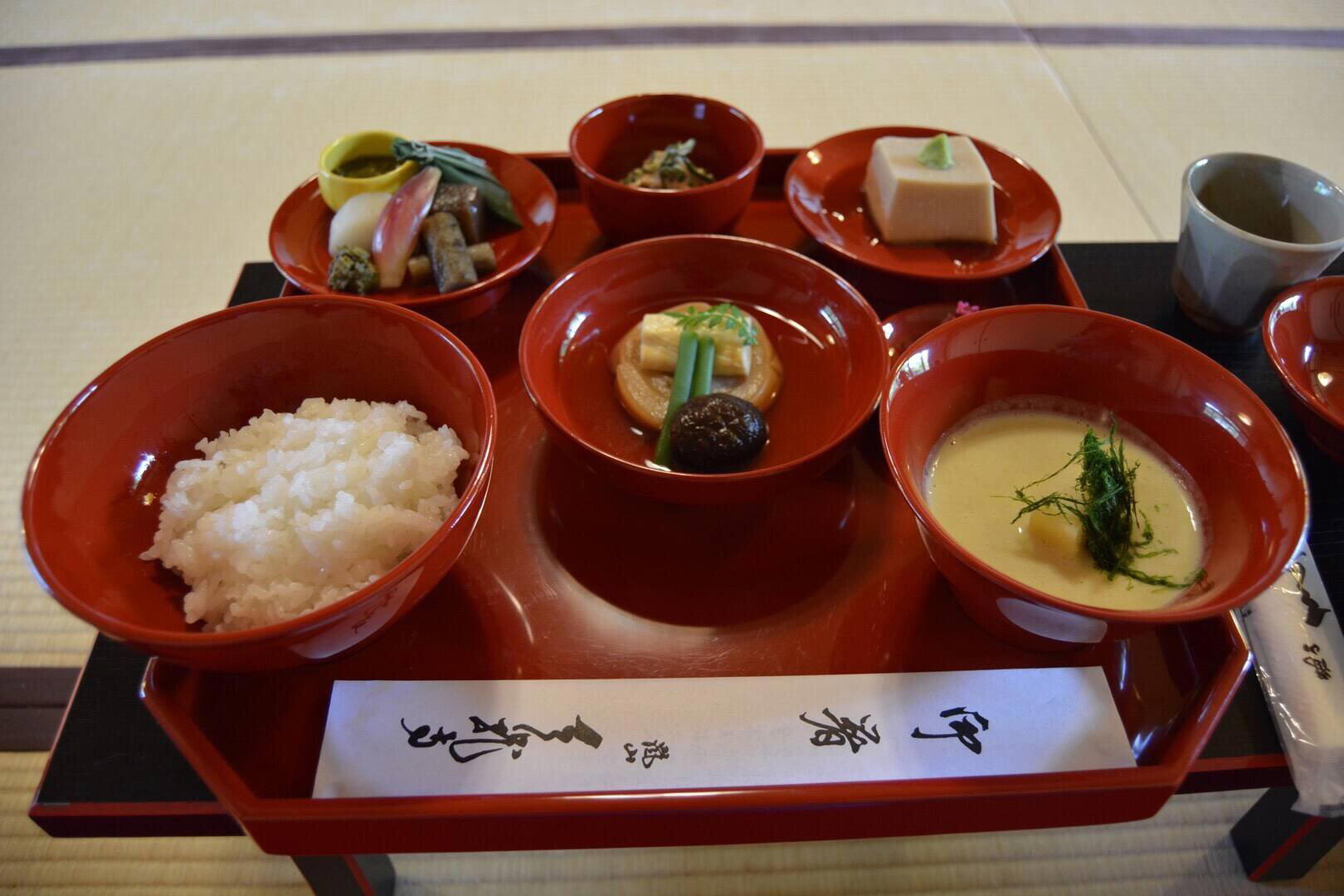
A Temple Garden Before You Eat Anything
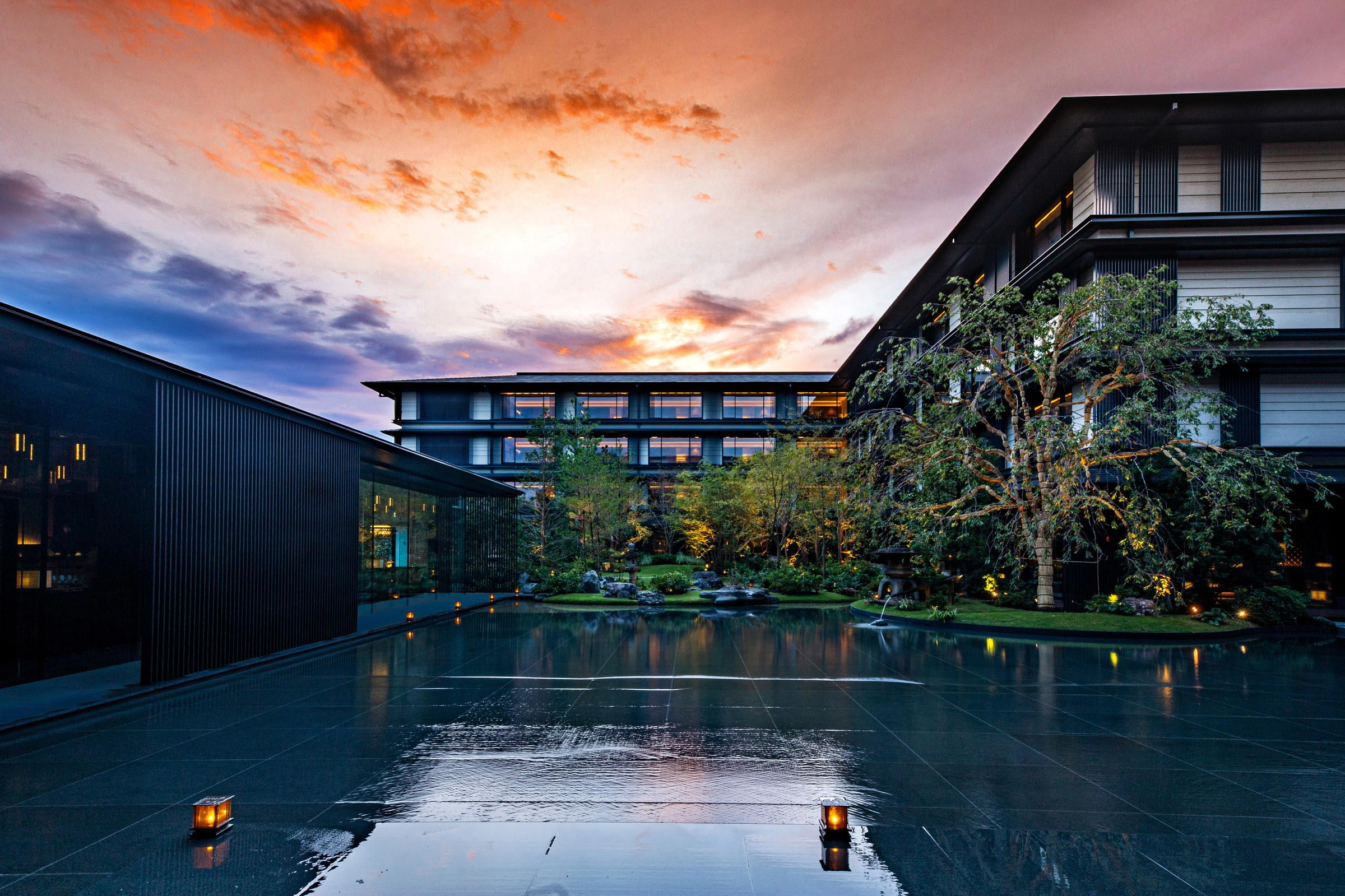
The approach to Shigetsu requires passing through the outer gates of Tenryuji Temple, a World Heritage site in Arashiyama's Sagatenryuji district. The Sogenchi garden, designed by the Zen monk Muso Soseki in the fourteenth century, frames what you see before you sit down. That sequencing is not incidental. Shojin-ryori, the vegetarian cuisine codified inside Buddhist monasteries over centuries, is premised on the idea that eating is an act continuous with the world around it, not separate from it. Arriving through a protected garden rather than off a commercial street makes that premise felt rather than merely stated.
What Shojin-Ryori Actually Is
Shojin-ryori predates kaiseki by several centuries and sits at the root of much of what Kyoto cooking later became. It emerged from the strict dietary codes of Buddhist monks who abstained from meat, fish, and pungent alliums, working instead with seasonal vegetables, soy products, and mountain forage. The discipline was not austerity for its own sake but a practice of attention: every ingredient had to justify its place, and waste was incompatible with the underlying philosophy. At Shigetsu, that philosophy translates into a menu built around sesame tofu, deep-fried tofu combined with vegetable preparations, and dressed seasonal vegetables, with food cuttings repurposed as compost rather than discarded. The format is not fusion or reinterpretation. It is shojin-ryori practiced within its own terms.
That distinction matters when comparing it to the ¥¥¥¥ kaiseki houses that now define Kyoto's international dining reputation. Restaurants like Gion Sasaki, Hyotei, and Kikunoi Honten operate in a price tier that positions them as destination meals for visitors and domestic guests willing to spend significantly. Shigetsu sits at ¥¥, which for a venue with consecutive Michelin Bib Gourmand recognition in 2024 and 2025 places it in a genuinely different category: a form of serious cooking that remains accessible, partly because the ingredient logic of shojin-ryori, which excludes premium seafood and aged proteins, keeps costs lower than a comparable kaiseki format would allow.
The Culinary Lineage Behind the Discipline
The editorial angle here runs through tradition rather than individual biography, but Chef Kotani's role in maintaining a practice this historically specific is worth framing correctly. Shojin-ryori is not a cuisine that benefits from improvisation or personal reinterpretation in the way that a chef-driven tasting menu might. Its constraints are the point. Mastery within those constraints means understanding the original monastic logic well enough to reproduce it honestly, which demands a different kind of training and temperament than the lineages that run through, say, Kyoto's kaiseki houses or the counter sushi progression visible at venues like Harutaka in Tokyo. The credibility of a shojin-ryori table depends on fidelity to a codified tradition rather than on innovation, and two consecutive Bib Gourmand awards from Michelin indicate that fidelity is being maintained at a level that external assessors consider worth marking.
Presentation, Format, and the Vermilion Plates
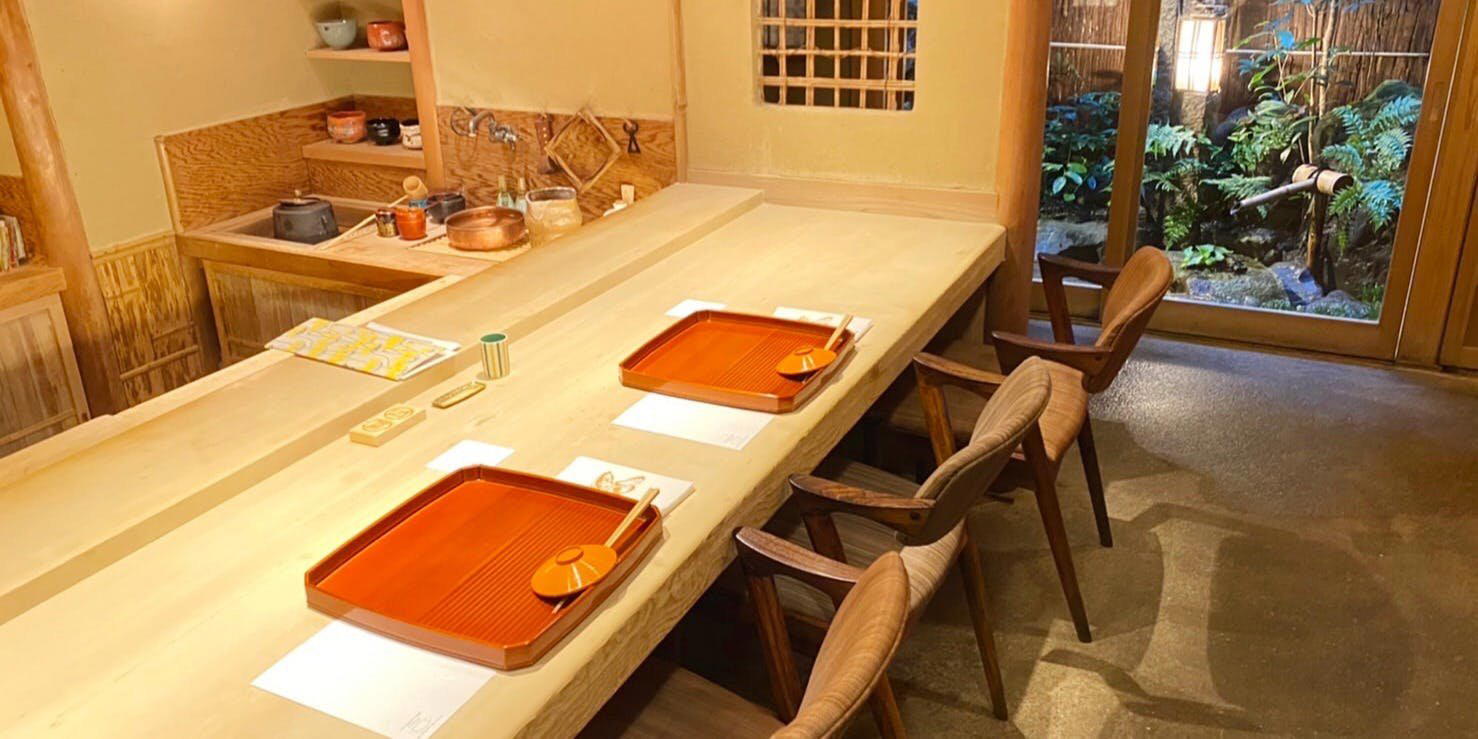
Shojin-ryori has always had a visual dimension that goes beyond mere plating convention. The use of vermilion-lacquered plates at Shigetsu reflects Zen ceremonial aesthetics, in which the color red carries specific associations with vitality and ritual function. Against that lacquerwork, the muted tones of dressed vegetables and pale sesame tofu become compositionally deliberate rather than incidentally arranged. The format as a whole reads differently from the contemporary tasting menu logic at Michelin-starred restaurants like Mizai or HAJIME in Osaka, where plating expresses individual creativity. At Shigetsu, presentation serves the tradition rather than the chef's signature, which is a meaningful distinction for anyone thinking about what kind of meal they are booking.
The Environmental Argument, Without the Marketing Language
Shojin-ryori's environmental credentials are structural rather than adopted as a position. A diet without meat or fish removes the carbon load from animal husbandry and reduces pressure on marine resources by definition. Shigetsu's approach to composting food cuttings extends that logic into kitchen operations. None of this is framed as a selling point in the way that contemporary plant-based restaurants often frame their credentials. It is simply the operational consequence of practicing a cuisine that was designed before the language of sustainability existed, because its founding principles already required treating ingredients as finite and precious. Compared to the omakase tier in cities like Tokyo, where premium tuna alone can account for a significant portion of a meal's environmental footprint, the contrast is structural.
Kyoto Context: Where Shigetsu Sits in the City's Dining Map
Arashiyama sits at the western edge of Kyoto, removed from the central dining cluster around Gion and Higashiyama where much of the city's kaiseki concentration is found. That geography shapes the Shigetsu visit. You are not dropping in between two other bookings. The surrounding range of bamboo groves, river views, and temple precincts means the meal is typically part of a longer engagement with the area rather than a standalone evening reservation. The ¥¥ price point makes it a viable anchor around which to build a half-day itinerary, something that ¥¥¥¥ kaiseki venues like Isshisoden Nakamura or the similarly positioned restaurants listed in our full Kyoto guide do not easily allow on a comparable budget.
For visitors building a wider Japan itinerary, Shigetsu represents a format that has no direct equivalent in cities like Fukuoka, where Goh operates in a completely different register, or in Yokohama, where 1000 reflects a contemporary international approach. Even within Nara, where akordu draws on local produce through a European lens, the monastic vegetarian tradition of shojin-ryori remains specific to Kyoto's temple culture. For context on hotels and other experiences in the area, our Kyoto hotels guide, Kyoto bars guide, and Kyoto experiences guide are the relevant starting points, along with the Kyoto wineries guide for those extending into the region's sake and wine culture.
Planning a Visit
Shigetsu operates on the grounds of Tenryuji Temple in Arashiyama, Kyoto's Ukyo Ward. Chef Kotani oversees the kitchen. The temple grounds setting means access is tied to temple visiting hours, so confirming opening times directly before arrival is advisable, particularly during the spring and autumn peak seasons when Arashiyama draws large visitor numbers. The restaurant sits at 68 Sagatenryuji Susukinobabacho, Ukyo Ward, Kyoto.
Quick reference: Shojin-ryori, ¥¥, Tenryuji Temple grounds, Arashiyama, Kyoto.
Accolades, Compared
| Venue | Cuisine | Price | Awards |
|---|---|---|---|
| ShigetsuThis venue — the venue you are viewing | Shojin | ¥¥ | Bib Gourmand |
| Gion Sasaki | Kaiseki, Japanese | ¥¥¥¥ | Michelin 3 Star |
| cenci | Italian | ¥¥¥ | Michelin 1 Star |
| Ifuki | Kaiseki | ¥¥¥¥ | Michelin 2 Star |
| Kyokaiseki Kichisen | Japanese | ¥¥¥¥ | Michelin 2 Star |
| Kyo Seika | Chinese | ¥¥¥ | Michelin 1 Star |
Recognition history
Dated appearances from independent guides and award organizations, with the underlying list record or original source where available.
Michelin Bib Gourmand
Michelin
Michelin Bib Gourmand
Michelin
We're Smart World 4 Radishes
We're Smart World
Michelin Bib Gourmand
Michelin
Continue exploring
More in Kyoto
Restaurants in Kyoto
Browse all →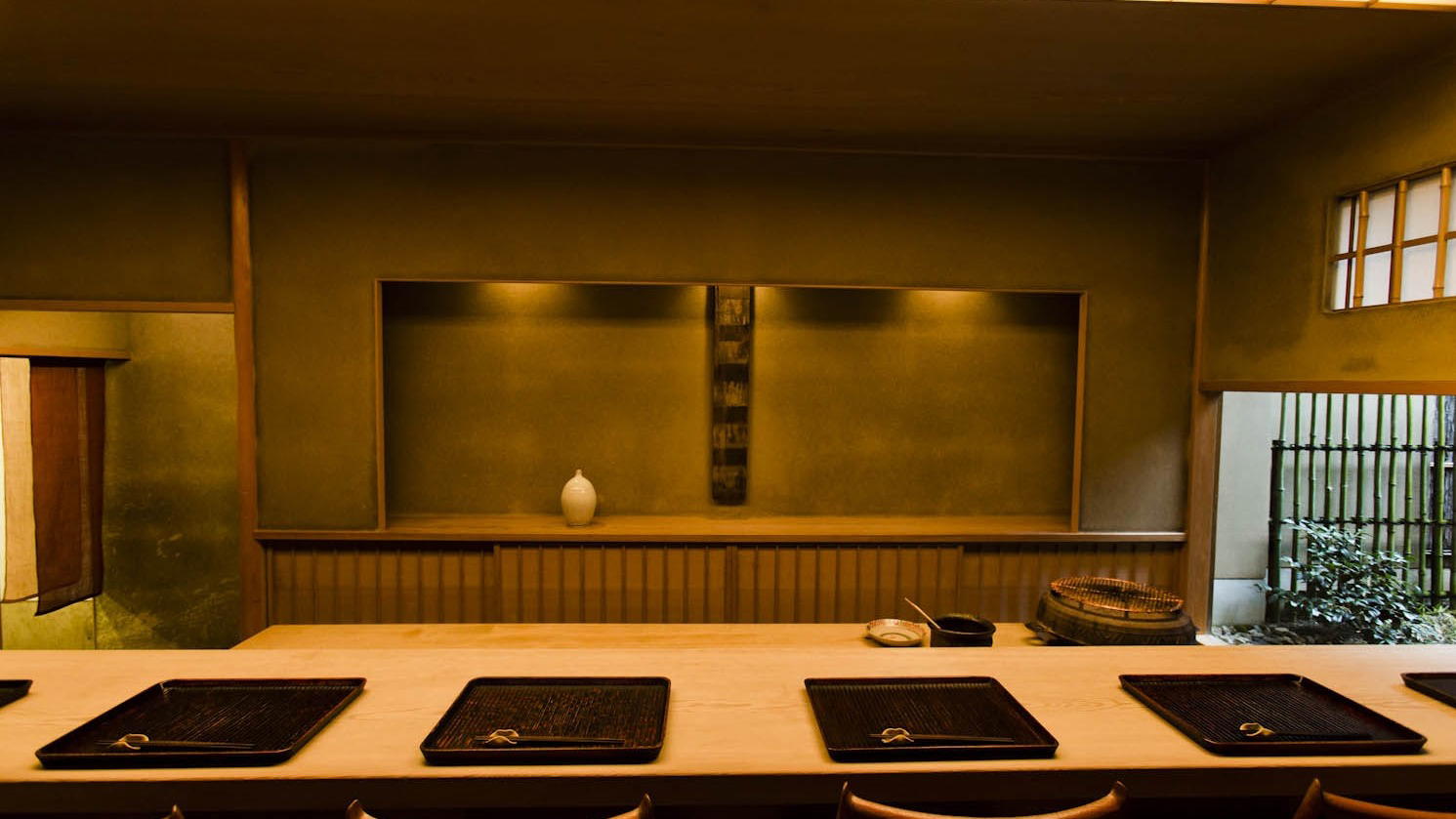
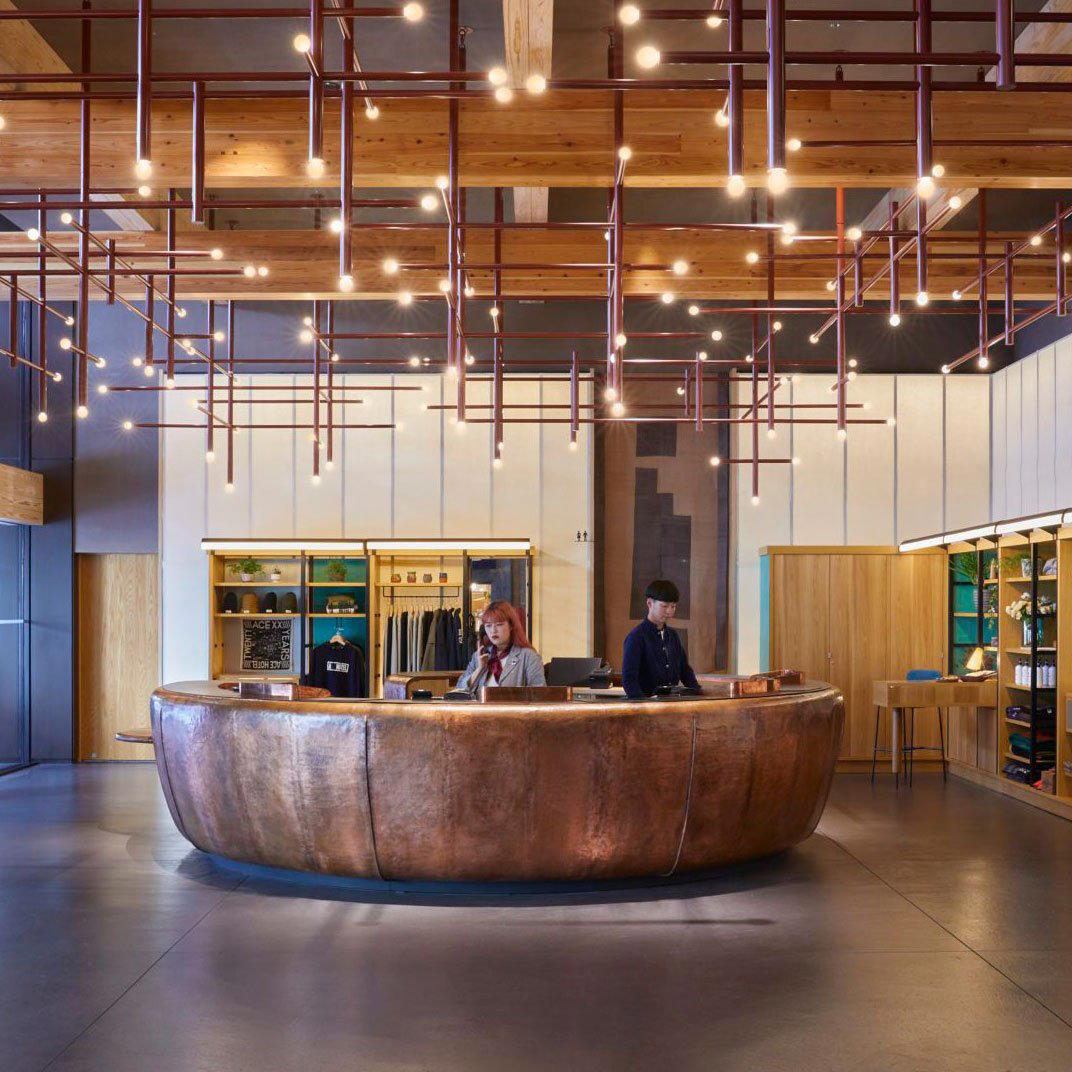
Bars in Kyoto
Browse all →

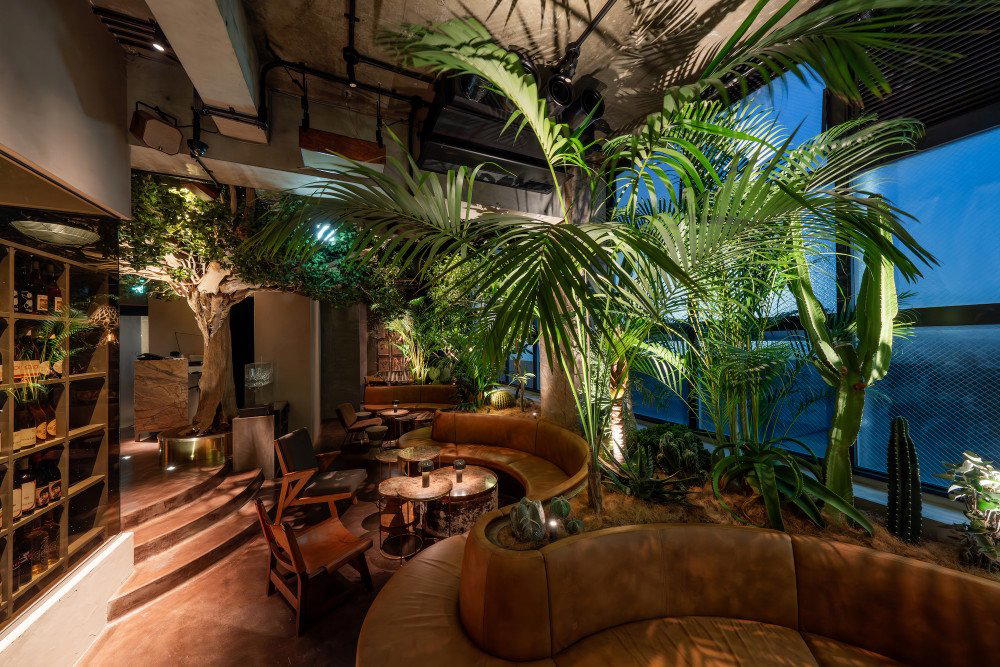
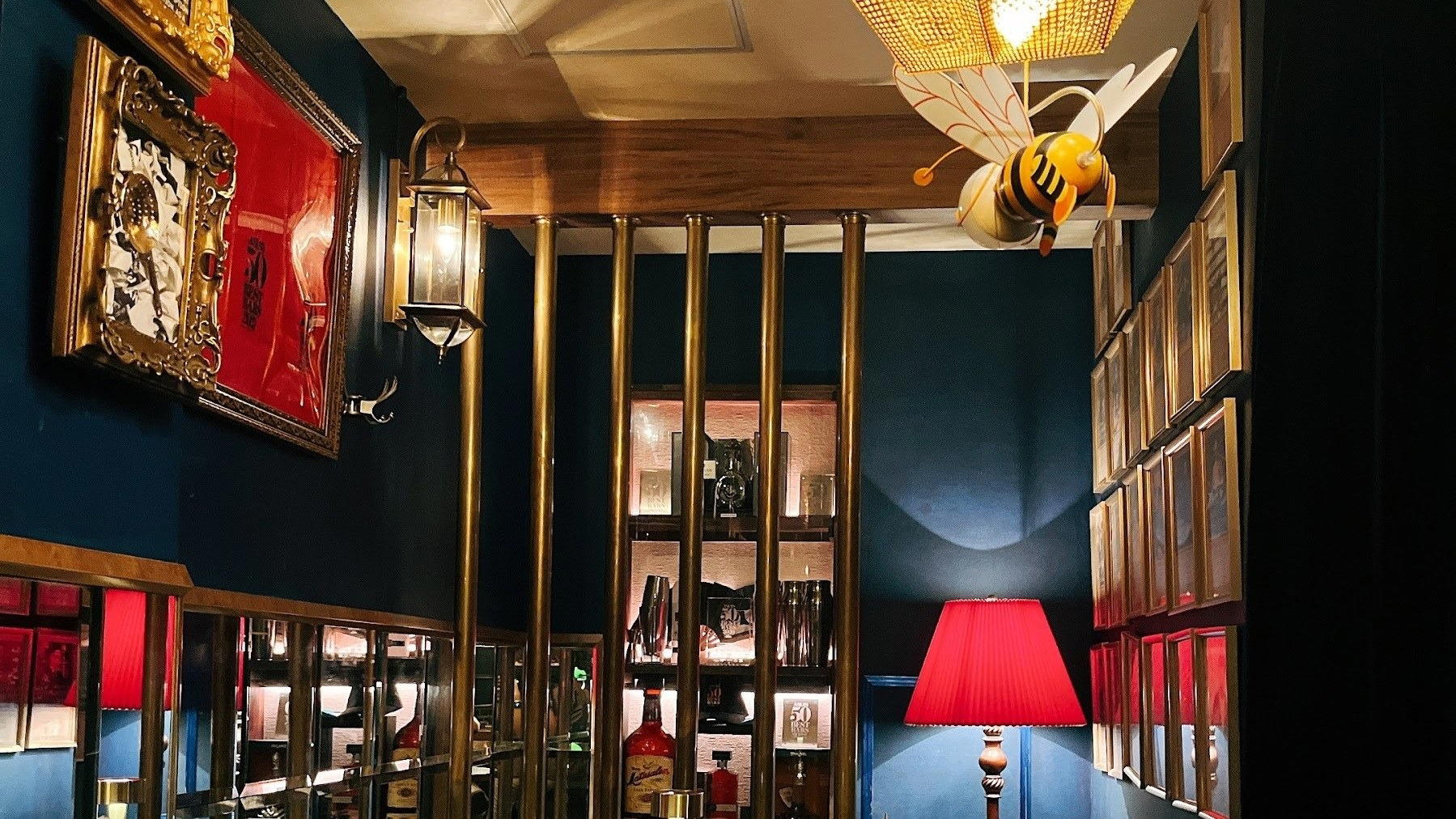
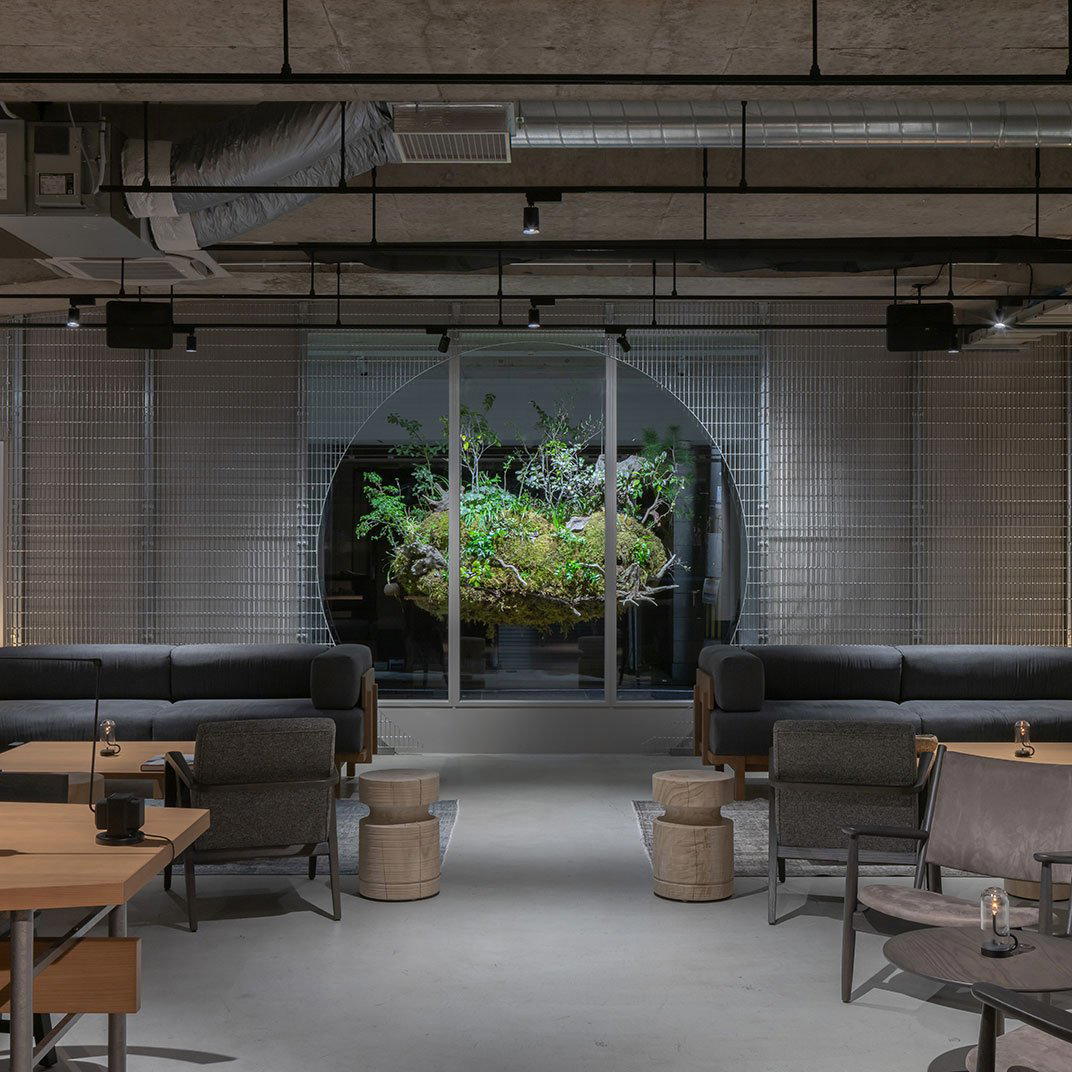
Hotels in Kyoto
Browse all →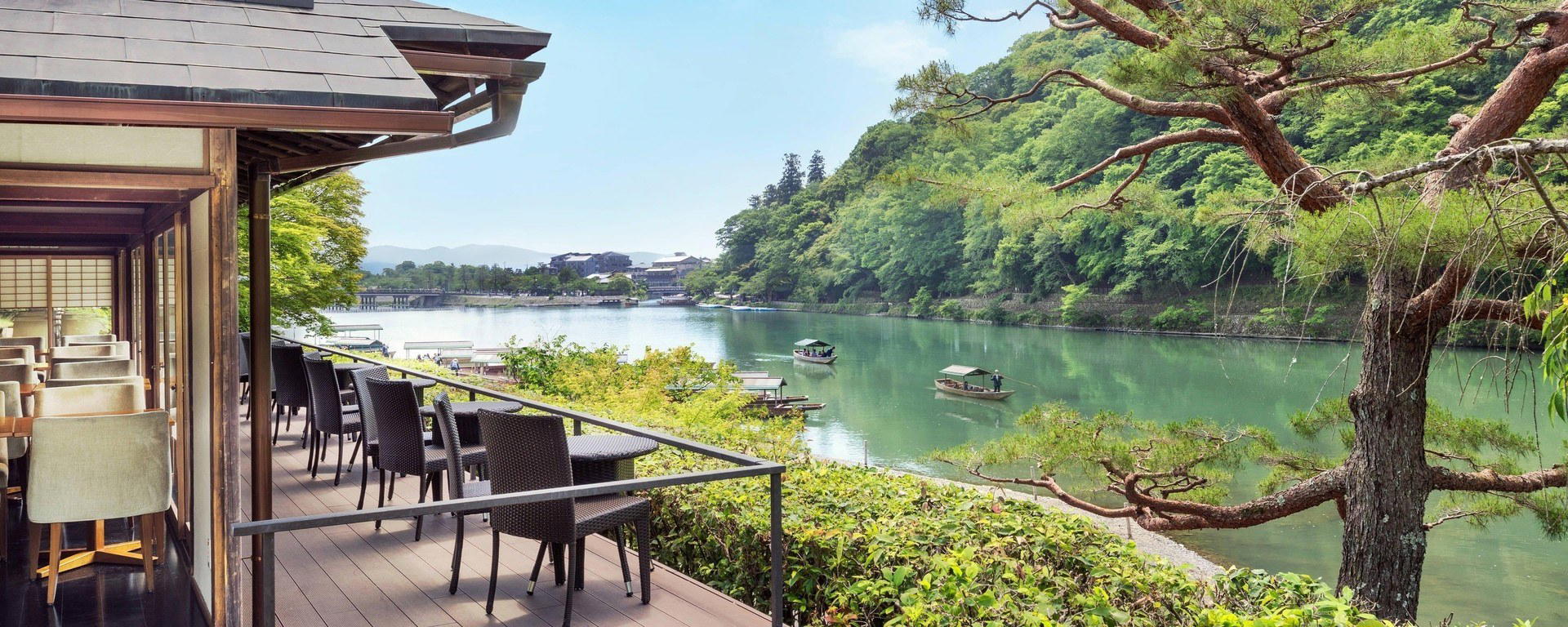

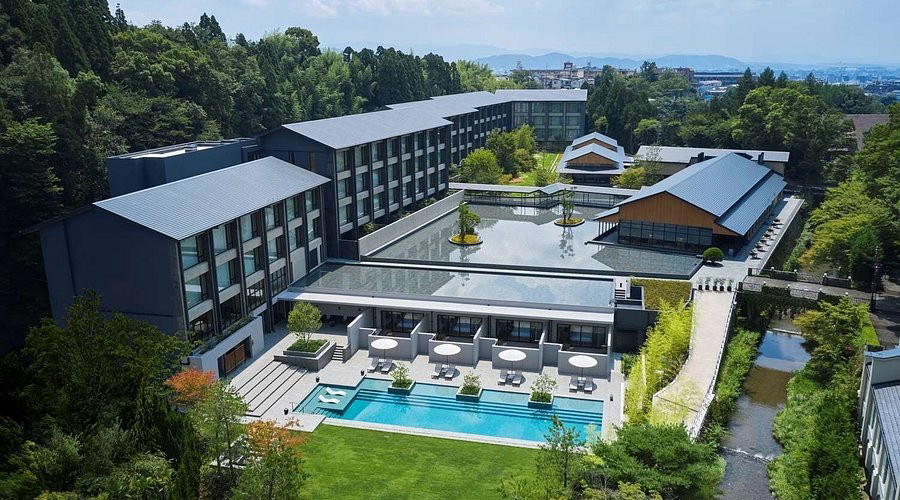

Wineries in Kyoto
Browse all →
At a Glance
- Quiet
- Elegant
- Scenic
- Classic
- Intimate
- Special Occasion
- Solo
- Garden
- Historic Building
- Hotel Restaurant
- Sake Program
- Garden
Current opening hours
- Monday
- 11 AM–2 PM
- Tuesday
- 11 AM–2 PM
- Wednesday
- 11 AM–2 PM
- Thursday
- Closed
- Friday
- 11 AM–2 PM
- Saturday
- 11 AM–2 PM
- Sunday
- 11 AM–2 PM
Hours can change for holidays and private events. Last verified .
Tranquil temple atmosphere with tatami mats, shoji screens, soft light, and serene garden views promoting mindful dining.
Know Before You Go
- Getting there
- Japan, 〒616-8385 Kyoto, Ukyo Ward, Sagatenryuji Susukinobabacho, 68