Our verdict
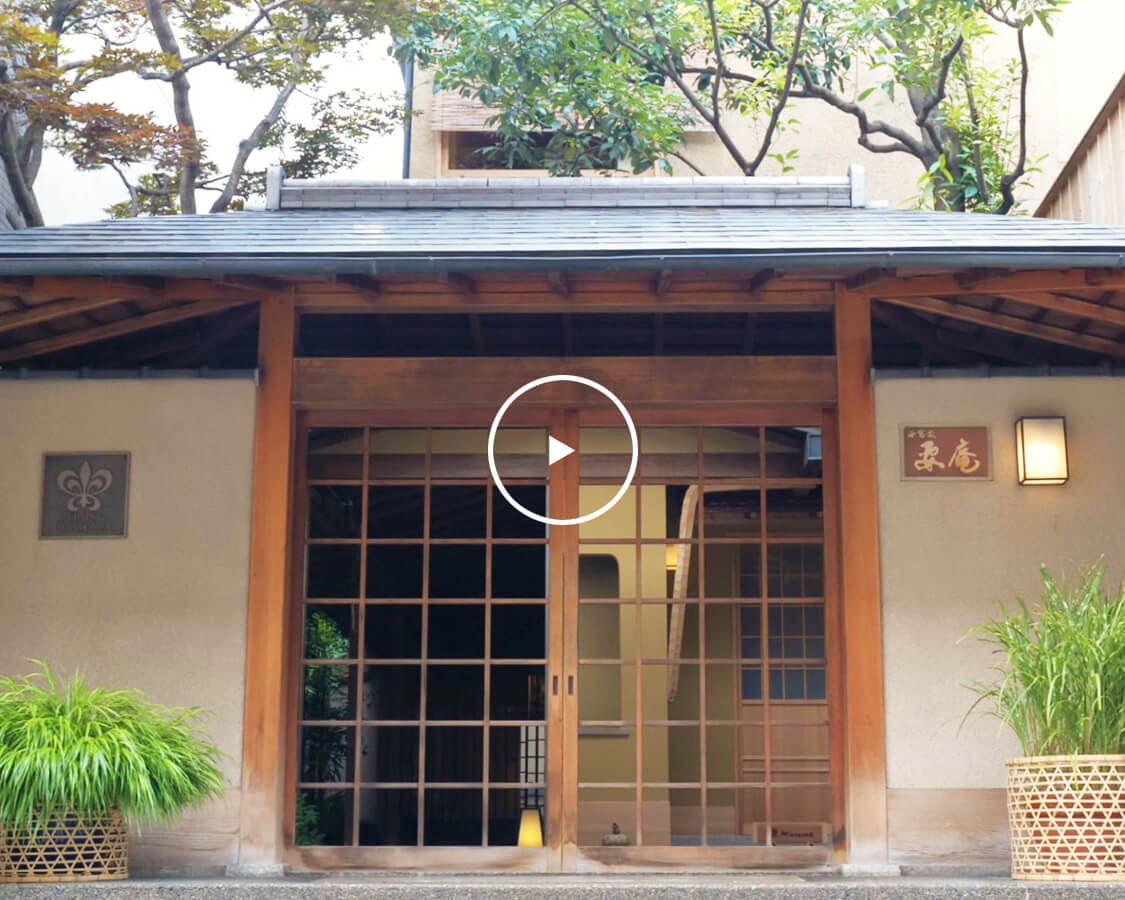
Nikuryori Kanae sits within Nakagyo Ward's quieter residential fabric, where the kaiseki format has been redirected entirely around beef. Ranked #554 on the Opinionated About Dining 2025 list of top restaurants in Japan, it occupies a specific niche: the beef kaiseki counter, where wagyu is treated with the same seasonal discipline and sequential logic that governs traditional Kyoto kaiseki. An address worth knowing for those tracking Japan's more specialised omakase formats.

Pearl is the En Primeur Club membership app, where members save venues, book tables and use the concierge.
The menu
What to order
- Kuroge Wagyu Sashimi
- Braised Tongue with Seasonal Vegetable Soup
- Ramen with Chili Oil and Grapefruit
- Shabu-Shabu
- Ramshin Steak Sandwich
- Grilled Skirt Steak
Where Kaiseki Logic Meets Wagyu Precision
Kyoto's kaiseki tradition is built on a particular discipline: the progression of small, seasonally calibrated courses, each one a contained argument about ingredient, technique, and temperature. The format demands that no single element dominate. What Nakagyo Ward's Nikuryori Kanae does is take that structural logic and apply it entirely to beef, a reorientation that sounds like a provocation but, in execution, reads as a coherent extension of the kaiseki principle. The result is a category of its own: beef kaiseki, where wagyu is not the centrepiece dropped into a conventional sequence but the thread running through every course.
In Kyoto specifically, the weight of kaiseki orthodoxy is considerable. Houses like Hyotei, Kikunoi Honten, and Gion Sasaki operate within a centuries-old framework that treats restraint as a form of respect. The beef kaiseki format does not abandon that restraint; it redirects it. Each preparation, whether a dashi built around beef, a slow-cooked cut served at a deliberate temperature, or a grilled section timed within the broader arc of the meal, carries the same compositional seriousness as the seafood and vegetable progressions it echoes. This is not a steakhouse in kaiseki clothing. The format is applied, not borrowed.
The Atmosphere of a Nakagyo Counter
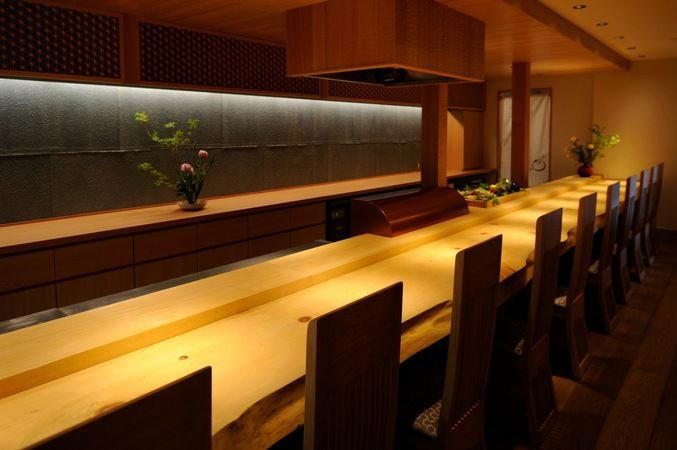
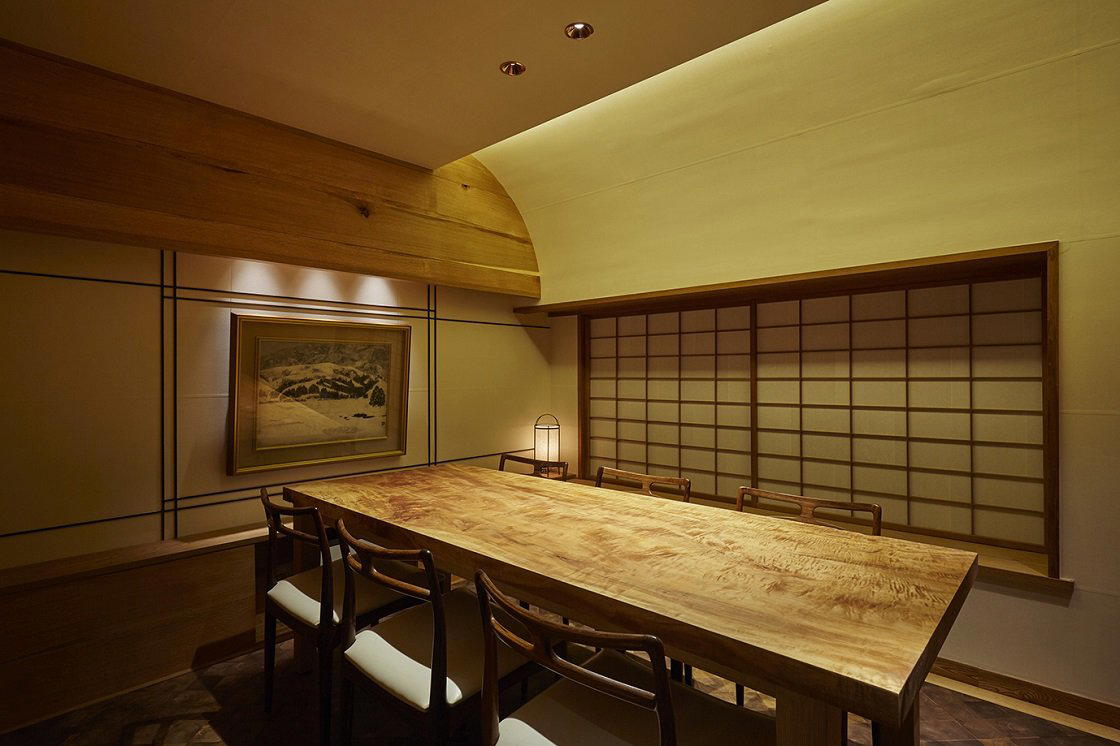
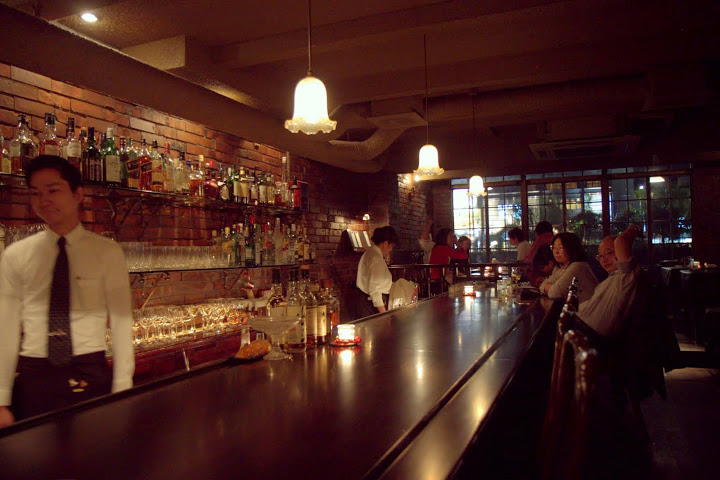
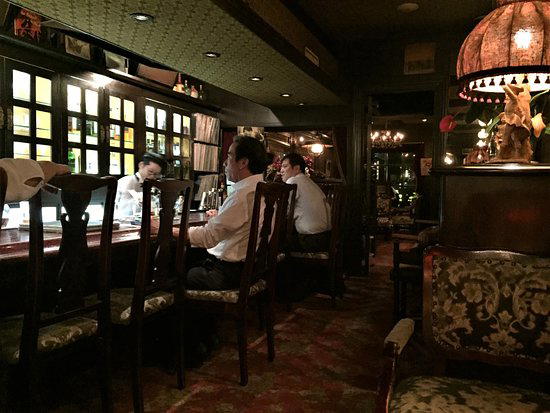
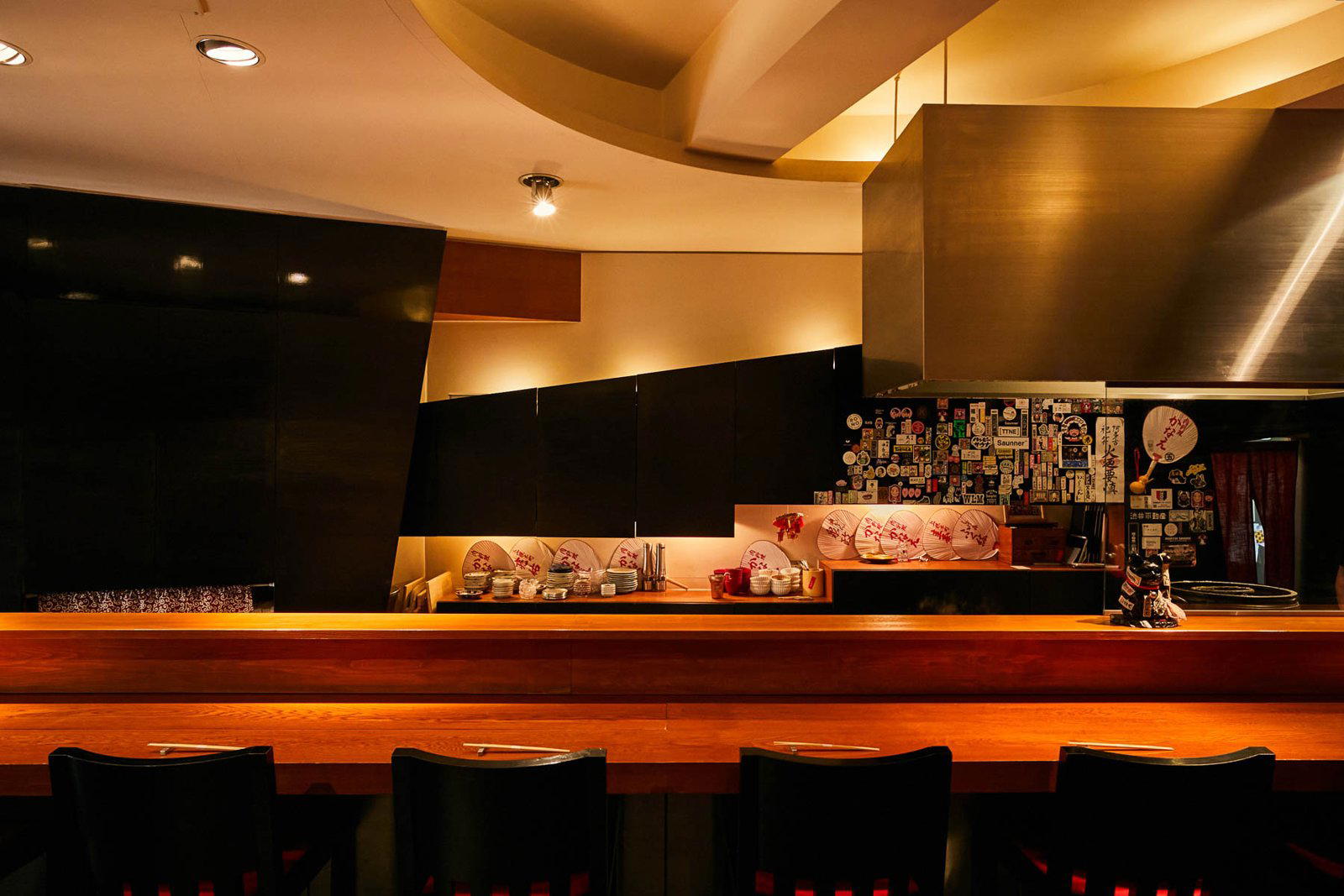
Nakagyo Ward sits between the tourist-heavy corridors of Gion and the broad commercial avenues running toward Kyoto Station, and its quieter residential pockets have become addresses for the kind of small counter that sustains itself on repeat visitors and word-of-mouth. The physical setting at 500-5 Kamikorikicho carries none of the designed drama of newer omakase openings. The atmosphere particular to these counters, intimate seating, close proximity to the preparation, a pace set by the kitchen rather than the table, is exactly what Nikuryori Kanae offers.
That physical closeness matters more here than in a large-format restaurant. At a beef kaiseki counter, the sensory information arrives incrementally: the low sound of a precise cut, the change in the room's temperature as something moves from fire to plate, the shift in aromatic register between a broth course and a grilled preparation. The sequential nature of kaiseki makes each transition legible. You understand, course by course, how the kitchen is thinking about the animal and the meal as a structure. This is a different proposition from eating wagyu in a tasting-menu format where beef is the conclusion. Here, the beginning, middle, and end are all built from the same source material.
How Beef Kaiseki Sits Within Japan's Specialist Counter Scene
The beef kaiseki format exists across Japan in a small number of addresses, and the Kyoto and Osaka versions tend toward different registers. Osaka's Gyuho operates in the kappō style, with a more direct relationship between the cook and the counter. Tokyo's Niku Kappō JŌ takes the kappō-beef combination in a direction shaped by that city's density of high-end tasting counters. Kyoto's version, as Nikuryori Kanae demonstrates, tends to absorb more of the classical kaiseki framework: the course structure is more formal, the pacing more deliberate, the seasonal logic more explicitly referenced. For those already familiar with how kaiseki houses like Isshisoden Nakamura construct a meal, the beef kaiseki format at a place like Kanae will feel structurally legible.
Opinionated About Dining ranked Nikuryori Kanae #554 among Japan's leading restaurants in 2025. In a country with thousands of serious dining addresses, that placement signals a counter operating well above the regional average, though it sits below the Michelin-starred kaiseki tier represented by houses like Hyotei and Kikunoi Honten.
Ryosuke and Kanae Kitaguchi: Husband-and-Wife Counter Format
The husband-and-wife operation at Nikuryori Kanae is not incidental to the experience. Small counters run by couples are a recognised format in Kyoto's dining ecosystem, where the front-of-house and kitchen relationship is compressed into a single, intimate space. What this means in practice is a continuity between service and preparation that larger operations cannot replicate. The counter does not feel managed; it feels attended. Japan's most closely held dining addresses across cities from Tokyo to Nara often share this structural characteristic: the people cooking and the people serving are the same people, and the resulting atmosphere carries a particular quality of accountability.
Planning a Visit
Nikuryori Kanae's address in Nakagyo Ward puts it within reasonable distance of central Kyoto. Given the counter format and the specialised nature of the cuisine, advance reservation is advisable; this is not a walk-in proposition. For broader reference, Japan's beef kaiseki counters in this tier typically operate on a single nightly sitting or two closely spaced seatings, with menus set by the kitchen. Menu customisation at this format level is rarely available.
| Venue | Format | Price Tier | City | OAD Ranking (2025) |
|---|---|---|---|---|
| Nikuryori Kanae | Beef Kaiseki | Not published | Kyoto | #554 |
| Gyuho | Beef Kappō | ¥¥¥¥ | Osaka | |
| Niku Kappō JŌ | Beef Kappō | ¥¥¥¥ | Tokyo | |
| Gion Sasaki | Kaiseki | ¥¥¥¥ | Kyoto |
For a broader view of Kyoto's dining options, see our full Kyoto restaurants guide. Additional city coverage is available through our Kyoto hotels guide, our Kyoto bars guide, our Kyoto wineries guide, and our Kyoto experiences guide. Those exploring Japan's specialist counter scene more broadly may also want to cross-reference HAJIME in Osaka, Goh in Fukuoka, 1000 in Yokohama, 6 in Okinawa, and Miyoshi.
Frequently asked questions
Where exactly is Nikuryori Kanae?
Nikuryori Kanae is located at 500-5 Kamikorikicho, Nakagyo Ward, Kyoto, 604-0923, Japan, Kyoto.
What kind of recognition has Nikuryori Kanae received?
Nikuryori Kanae has received recognition including: Opinionated About Dining Top Restaurants in Japan Ranked #554 (2025).
What's the must-try dish at Nikuryori Kanae?
Nikuryori Kanae operates within the beef kaiseki format, meaning the meal unfolds as a sequence of wagyu-centred courses built on kaiseki's seasonal progression logic rather than a single headline dish. The counter is run by Ryosuke and Kanae Kitaguchi, and that husband-and-wife format typically means each course is considered within a unified culinary vision. OAD ranked Nikuryori Kanae among the top 554 restaurants in Japan in 2025, suggesting the full sequence, not any one plate, is the point.
What cuisine category does Nikuryori Kanae fall under?
Who runs the kitchen at Nikuryori Kanae?
The chef associated with Nikuryori Kanae is Ryosuke & Kanae Kitaguchi.
The Short List
Comparable venues nearby, for context on price, style, and recognition.
| Venue | Cuisine | Price | Awards | Notes |
|---|---|---|---|---|
| Nikuryori KanaeThis venue (the venue you are viewing) | Meat Kaiseki (Niku-Kappo) | $150–200 | Not listed | Not listed |
| 食堂おがわ | Modern Japanese Izakaya | $50–100 | Tabelog Silver #96 | 西木屋町, Japanese Izakaya-Style Counter Dining |
| Salon de Muge | Traditional Japanese Bento and Sweets | $30–50 | Tabelog 100 #75 | Higashiyama, Traditional Japanese Bento and Sweets |
| Shokudo Miyazaki | Refined Kyoto Omakase | $50–100 | Not listed | Kiyamachi, Refined Kyoto Omakase |
| Warajiya | Traditional Kyoto eel hotpot & porridge (unagi kaiseki-style) | $50–100 | Tabelog 100 #25 | Higashiyama, Traditional Kyoto eel hotpot & porridge (unagi kaiseki-style) |
| 悠々 | Michelin 1-Star Kyoto Kappo | $50–100 | Not listed | 北大路 (Kitaoji), Michelin 1-Star Kyoto Kappo |
Recognition history
Dated appearances from independent guides and award organizations, with the underlying list record or original source where available.
Opinionated About Dining Top Restaurants in Japan Recommended
Opinionated About Dining
Full recognition history (2 entries)
Opinionated About Dining Top Restaurants in Japan Ranked #554
Opinionated About Dining