
Gion Nishi occupies a quiet address in Kyoto's Higashiyama Ward, sitting within one of Japan's most concentrated corridors of high kaiseki practice. The restaurant draws on the deep seasonality and sourcing discipline that define Gion's dining character, placing it in conversation with Kyoto's most considered culinary traditions. For visitors tracing the city's commitment to ingredient ethics and waste reduction, it warrants close attention.
Pearl is the En Primeur Club membership app — saves, bookings, and concierge access live there. Same editors, same standards.
- Address
- Japan, 〒605-0829 Kyoto, Higashiyama Ward, Tsukimicho, 21−2 1階
- Phone
- +81755324124
- Website
- gion-nishi.com
- Directions
- Get directions
 Saves & bookings on Pearl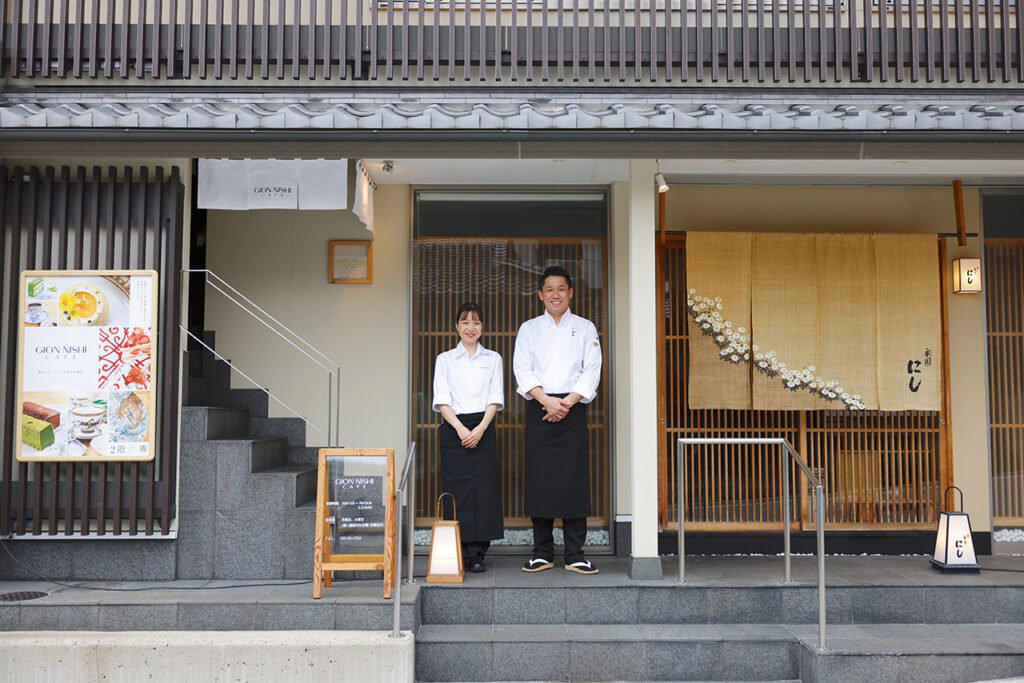
Where Higashiyama's Culinary Discipline Begins
Arrive in Tsukimicho on a weekday evening and the street delivers the particular quiet that Higashiyama Ward is known for: stone lanes, low lanterns, the occasional shuffle of geta on pavement. This corner of Kyoto has been a corridor of serious dining for centuries, and the physical experience of approaching a restaurant here carries weight that purpose-built dining districts elsewhere in Japan rarely match. Gion Nishi sits within that atmosphere, at an address that places it inside one of the city's most scrutinised concentrations of kaiseki and Japanese fine dining.
That neighbourhood context matters because it sets the competitive frame immediately. Gion's restaurants do not operate in isolation. They operate in direct comparison with each other and with a tradition so codified that every sourcing decision, every seasonal pivot, and every plate that reaches the counter becomes legible to guests who move between them. Gion Nishi operates within this web of comparison, which is the most useful way to approach it.
The Ethics of Seasonality in Kyoto Kaiseki
Kyoto kaiseki is, at its structural core, a sustainability practice before it is an aesthetic one. The tradition's insistence on seasonal ingredients, its refusal to reach for produce outside its natural window, and its deep reliance on local mountain vegetables, river fish, and fermented staples all reflect a sourcing ethic that predates any contemporary conversation about food systems by several centuries. What modern fine dining calls a sustainability framework, kaiseki simply calls cooking.
Within that tradition, the question worth asking of any Gion restaurant is how seriously it maintains that discipline when market forces push in the other direction. Premium imported ingredients, year-round availability of luxury proteins, and the pressure to deliver spectacle for international guests have reshaped many menus that once adhered strictly to what Kyoto's surrounding prefectures produce. The restaurants that hold the line tend to be the ones that build sourcing relationships over decades rather than seasons, working with the same farmers in Nishiyama and the same tofu makers in Fushimi that supplied their kitchens a generation ago.
The Higashiyama corridor, where Gion Nishi is located, has historically housed kitchens that maintained those relationships with unusual fidelity, partly because the neighbourhood's clientele historically expected it, and partly because the proximity to Yasaka Shrine and the seasonal festivals that animate the Gion calendar kept the kitchen tied to a rhythm that larger, more tourist-facing restaurants could afford to ignore. Restaurants along this stretch also benefit from proximity to Nishiki Market's specialist suppliers, whose product lines track the calendar more precisely than wholesale distributors.
For visitors tracing Kyoto's commitment to ethical sourcing across multiple meals, the pattern that emerges is one of tiered intensity. Isshisoden Nakamura, one of the city's oldest continuing operations, provides one reference point for what multi-generational sourcing loyalty looks like at its most established. Gion Nishi sits in a different position within that tradition, and comparing the two illuminates how the same foundational ethics can produce quite different approaches to procurement, menu construction, and the treatment of ingredient surplus.
Waste Reduction as Kitchen Philosophy
The kaiseki format's approach to waste is instructive for anyone interested in how fine dining traditions have handled the question long before it became a talking point. In classical kaiseki, every component of a seasonal ingredient is used across multiple courses, with preparation methods chosen partly to honour what might otherwise be discarded. The outer leaves of a Kyoto vegetable appear in a soup that precedes the course built around its heart. Fish bones contribute to dashi. Nothing reaches the kitchen without a plan for its entirety.
This is not a marketing position in the Kyoto context. It is the structural consequence of building a menu around what the season makes available rather than around what a supplier catalogue offers year-round. When restaurants like HAJIME in Osaka make environmental ethics explicit in their programming, or when internationally recognised addresses such as Lazy Bear in San Francisco and Le Bernardin in New York City build sourcing narratives into their public identity, they are often articulating in contemporary language what classical Japanese cuisine has practised structurally for generations. The difference is that in Kyoto's kaiseki tradition, the ethics are embedded in the format, not layered on top of it.
Gion Nishi operates within that embedded tradition. The address in Higashiyama Ward places it inside a neighbourhood where that kind of practice is a baseline expectation rather than a differentiating feature, which is itself a useful signal about the peer group it belongs to. For context on how other serious Japanese kitchens approach the same questions across different cities and formats, akordu in Nara and Goh in Fukuoka provide instructive regional comparisons.
Planning a Visit
Higashiyama Ward is accessible from central Kyoto via the Keihan Main Line to Gion-Shijo Station, with the Tsukimicho address reachable on foot within ten to fifteen minutes through the covered shopping streets that lead toward the shrine. The neighbourhood's serious dining rooms tend to operate on reservation-only formats, and Gion in particular rewards booking well in advance given the concentration of travellers moving through the area during cherry blossom season in late March to April and the autumn colour peak in November. Those two windows represent the most competitive booking periods across the city's kaiseki addresses, from Gion Sasaki through to the newer generation of Gion restaurants. Visiting outside those windows, particularly in the quieter months of June, July, and late January, generally means greater access and a more considered pace of service. For a broader orientation to Kyoto's dining, our full Kyoto restaurants guide maps the city's key neighbourhoods and culinary tiers in detail.
For comparable price-tier planning, Kyoto's upper kaiseki bracket runs from roughly ¥20,000 to ¥40,000 per person at dinner, a range that also covers the menus at Hyotei and Kikunoi Honten. Visitors building multi-city itineraries in the Kansai and wider Japan region may also find it useful to consider how Gion Nishi fits alongside Harutaka in Tokyo, Abon in Ashiya, affetto akita in Akita, Aji Arai in Oita, Ajidocoro in Yubari District, and Akakichi in Imabari or aki nagao in Sapporo when mapping a longer journey through Japan's serious dining rooms.
How Gion Nishi Kyoto compares with similar nearby venues.
| Venue | Cuisine | Price |
|---|---|---|
| hakubi | Chinese | ¥¥¥ |
| Nishibuchi Hanten | Chinese | Not listed |
| Gion Negiyaki Kana Higashi ten | Not listed | JPY 2,000 - JPY 2,999 |
Recognition history
Dated appearances from independent guides and award organizations, with the underlying list record or original source where available.
Tabelog Bronze #319
Tabelog
Tabelog 100 #67 · No. 67
Tabelog · Tabelog 100 - Japanese cuisine - WEST - 2025
Tabelog Bronze
Tabelog
Continue exploring
More in Kyoto
Restaurants in Kyoto
Browse all →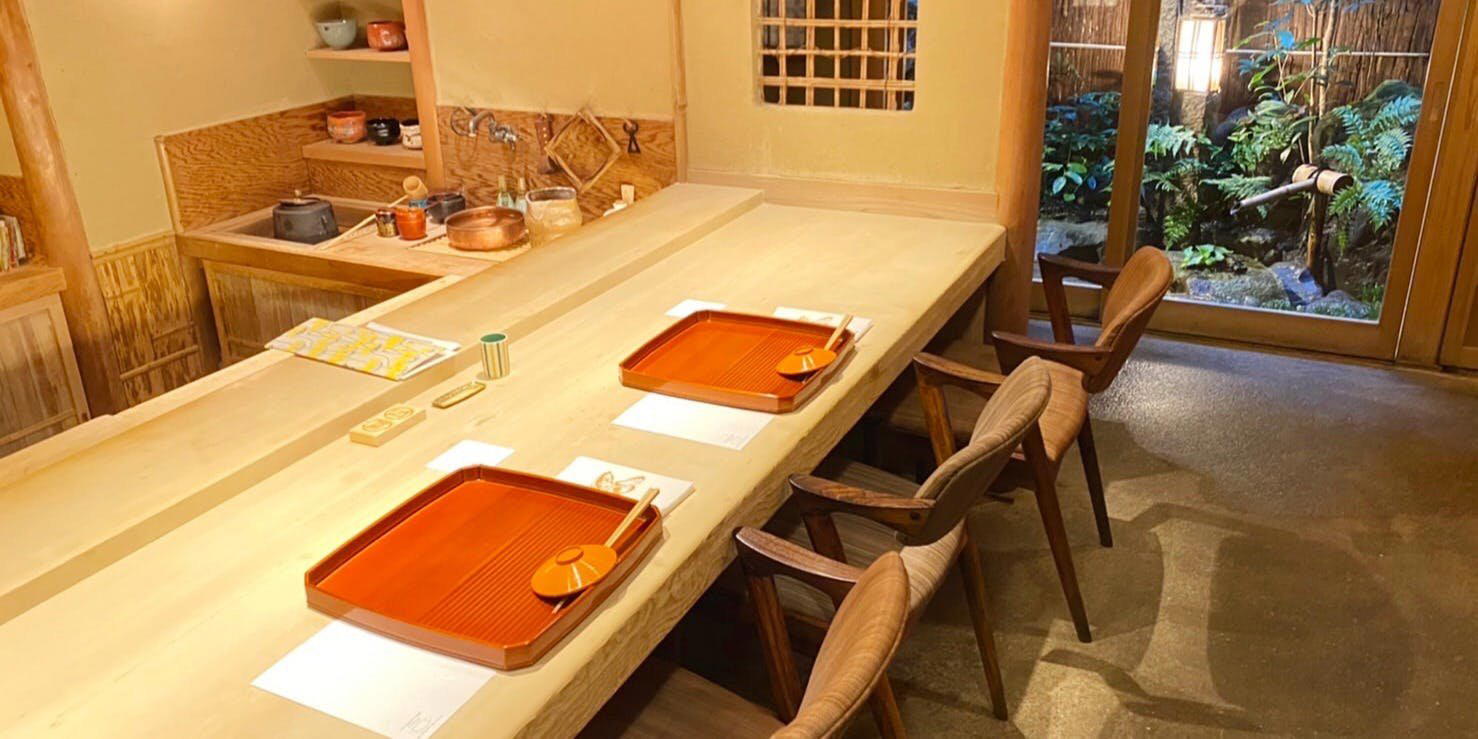

Bars in Kyoto
Browse all →



Hotels in Kyoto
Browse all →

Wineries in Kyoto
Browse all →
At a Glance
- Quiet
- Elegant
- Intimate
- Classic
- Special Occasion
- Date Night
- Historic Building
- Sake Program
Current opening hours
- Monday
- Closed
- Tuesday
- 6–11 PM
- Wednesday
- 12–3 PM, 6–11 PM
- Thursday
- 12–3 PM, 6–11 PM
- Friday
- 12–3 PM, 6–11 PM
- Saturday
- 12–3 PM, 6–11 PM
- Sunday
- 12–3 PM, 6–11 PM
Hours can change for holidays and private events. Last verified .
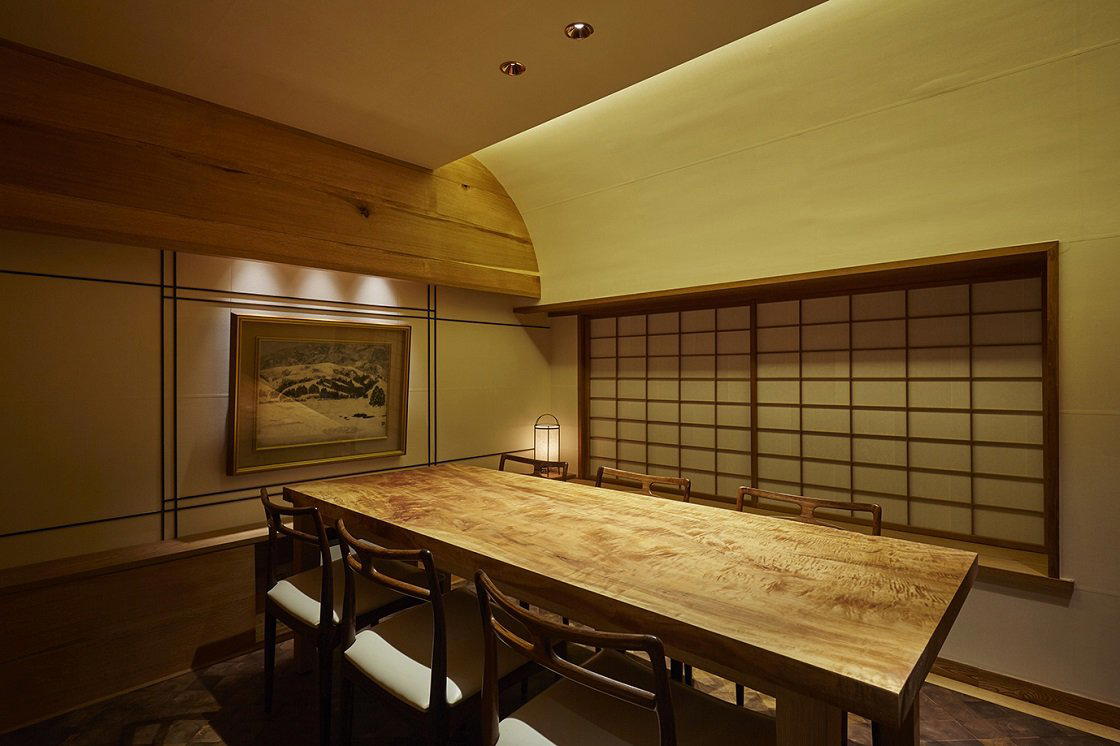
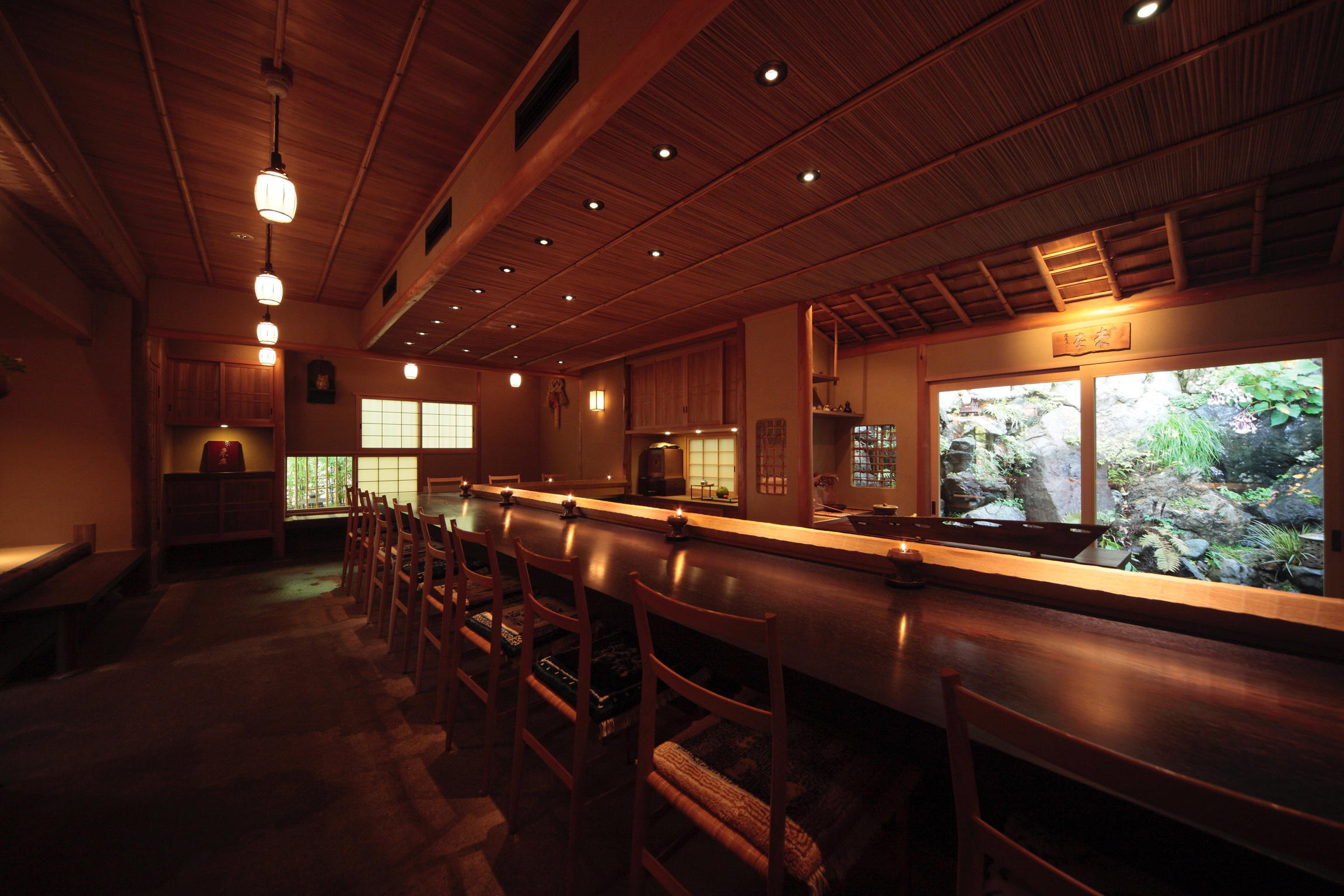
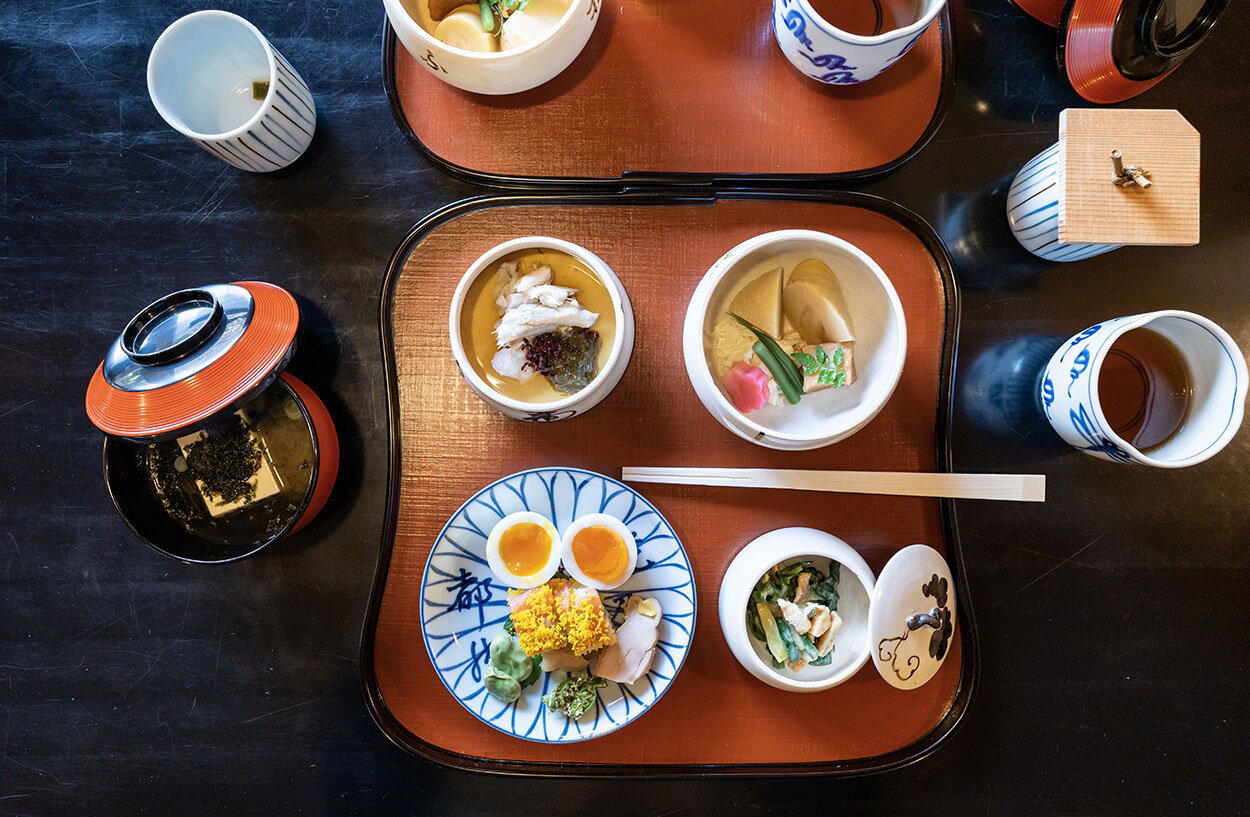
Serene and tranquil minimalist interior with teahouse architecture, beautiful tableware, and peaceful atmosphere enhancing the kaiseki experience.
Know Before You Go
- Getting there
- Japan, 〒605-0829 Kyoto, Higashiyama Ward, Tsukimicho, 21−2 1階