
Michelin Selected
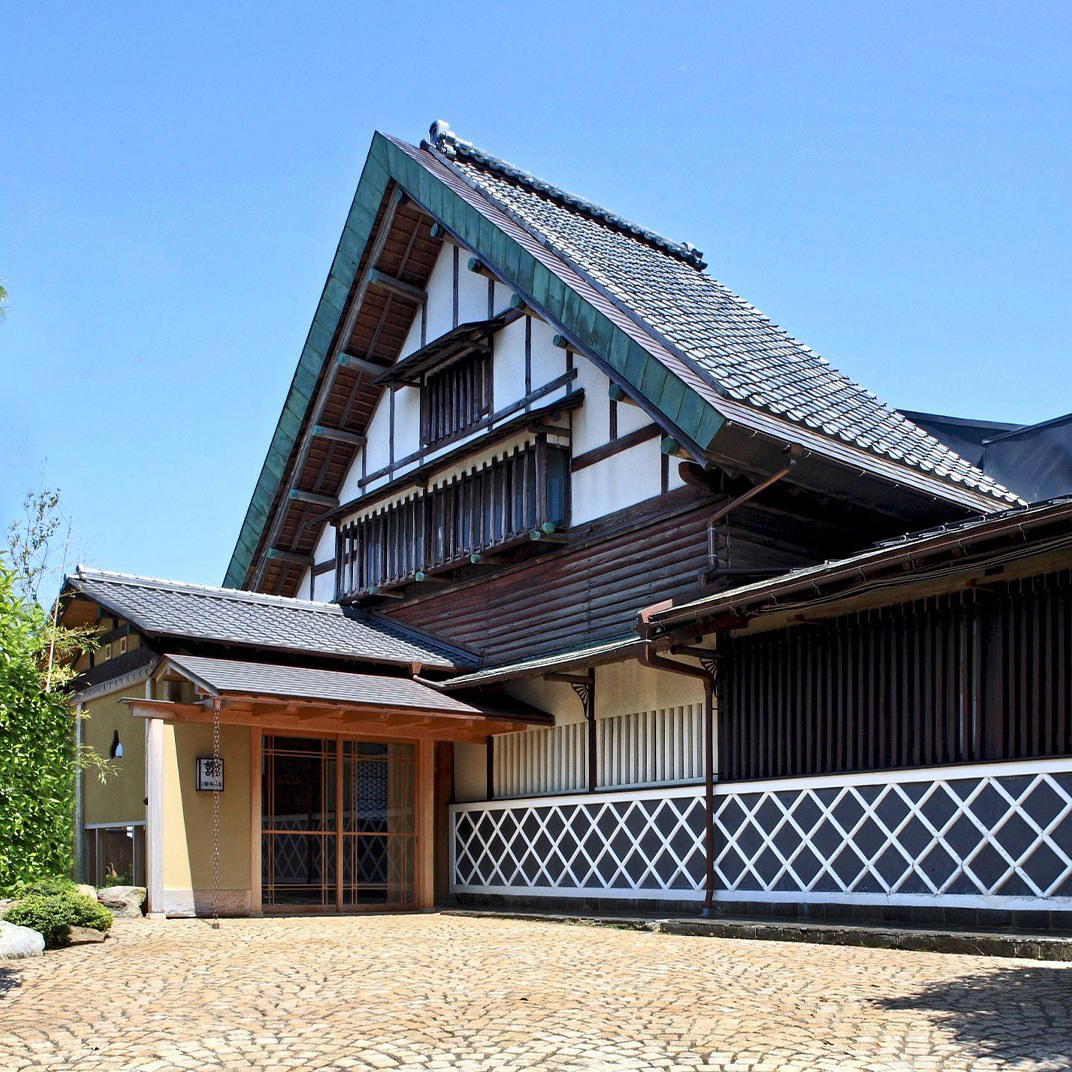
A Michelin Selected ryokan in Miyazu, Kyoto Prefecture, Genmyoan sits at the edge of Amanohashidate, one of Japan's three celebrated views. The property places guests within the traditional spatial logic of a Japanese inn, where architecture, water, and landscape are inseparable from the experience of staying.

Pearl is the En Primeur Club membership app — saves, bookings, and concierge access live there. Same editors, same standards.
- Address
- 32-1 Monju, Miyazu, Kyoto 626-0001, Japan
- Phone
- +81 772-22-2171
- Website
- genmyoan.com
- Directions
- Get directions
Where the Sandbar Begins
Amanohashidate, the pine-covered sandbar that stretches across Miyazu Bay, has been considered one of Japan's three canonical scenic views since at least the Edo period. The designation is not a piece of tourism marketing — it appears in classical poetry, ink painting, and geographic writing going back centuries. Genmyoan sits directly at the Monju end of that sandbar, which means the relationship between the built structure and the water beyond it is not incidental; it is the architectural premise around which the property is organised.
This matters because the category of ryokan that commands Michelin attention in Japan increasingly trades on exactly that kind of site specificity. The Michelin Hotel Selection for 2025 includes Genmyoan among its recognised properties, placing it in a cohort that rewards spatial intelligence — the ability to give guests an experience of place that a standard hotel room cannot replicate. Comparable properties in that tier, such as Monjuso Shorotei also in Miyazu, similarly anchor their identity to the bay and the sandbar rather than to international brand values.
The Architecture of a Traditional Inn
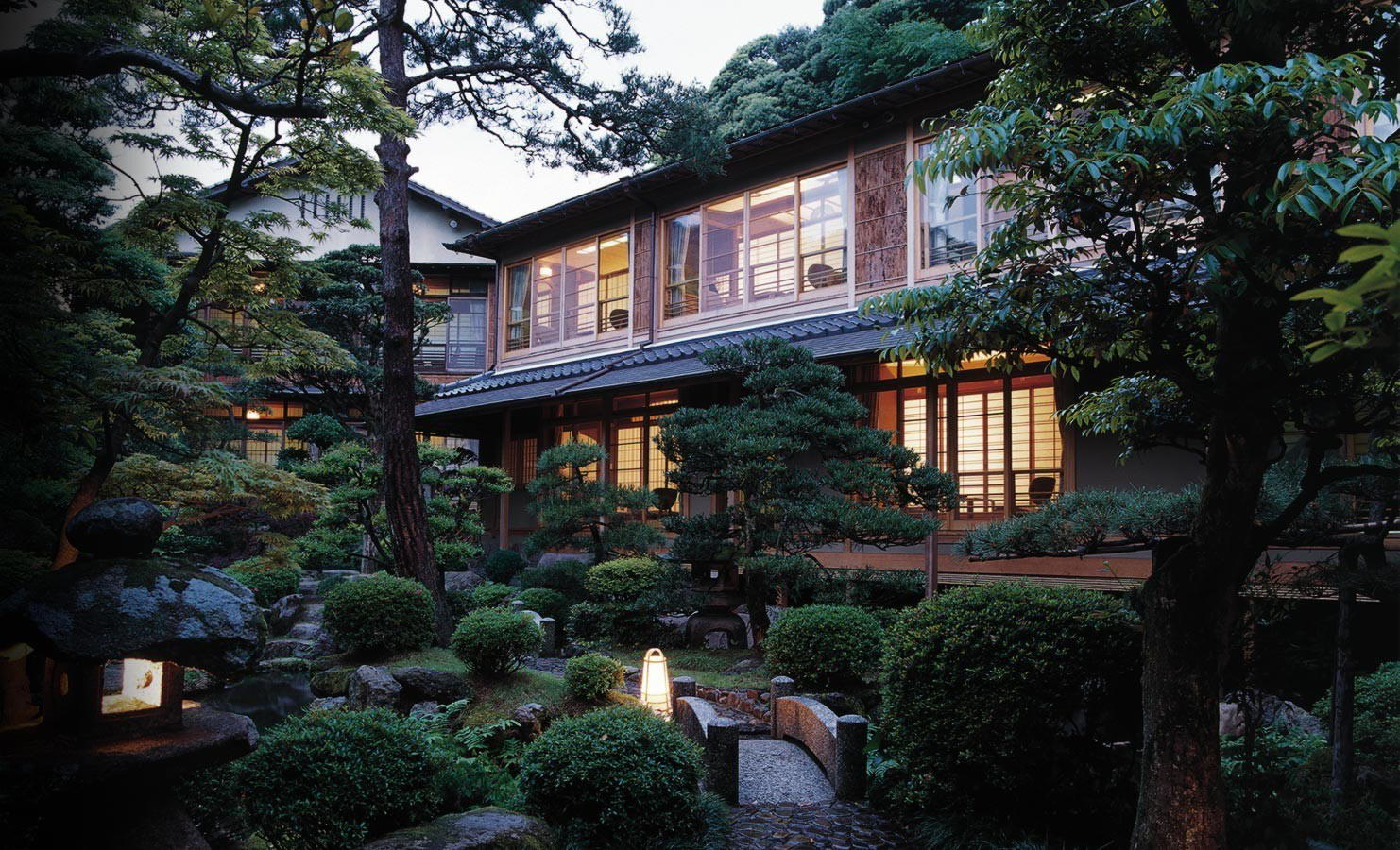
The dominant spatial logic at a ryokan of this type is the sequence: arrival, corridor, room, garden, bath, meal. Each transition is intentional, and the architecture of Genmyoan follows that progression with the material vocabulary of Kyoto-adjacent craftsmanship, timber framing, shoji screens, tatami floors, and engawa verandas that function as threshold spaces between interior and exterior. The engawa is worth dwelling on as an architectural device. In vernacular Japanese residential design, it sits between the interior tatami room and the garden, belonging fully to neither. It is a space for watching rain, for morning tea while observing light on water, for a kind of semi-attentive stillness that Western hotel design rarely accommodates.
At a bayfront property like this one, the engawa effectively becomes a viewing platform, its geometry calibrated to frame the water and the pine-covered sandbar across it. This is a design tradition with deep roots in Japanese garden and temple architecture, where the relationship between a structure and its view is composed as carefully as a painting. Properties at the high end of the Michelin Selected tier in Japan's historic ryokan regions, including Asaba in Izu, Gora Kadan in Hakone, and Nishimuraya Honkan in Kinosaki, each demonstrate that the spatial sequence and the framed view are as central to the offer as the dining or the onsen.
Kaiseki and the Logic of a Bay Kitchen
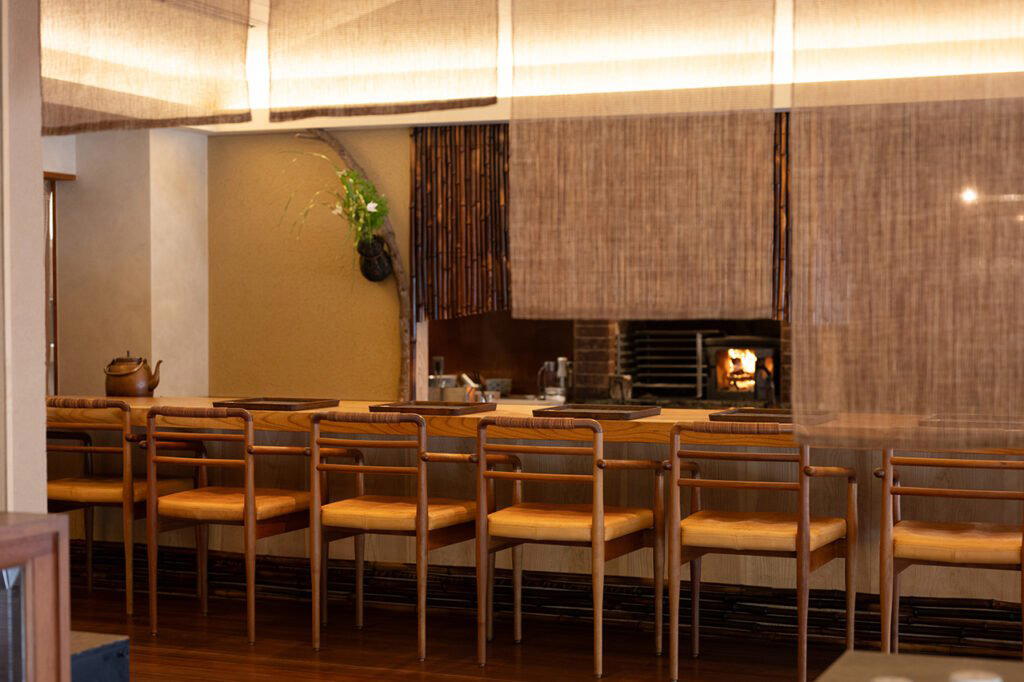
Ryokan dining in Japan operates within the kaiseki tradition, where seasonal produce, regional sourcing, and a fixed multi-course progression define the format. The Tango Peninsula and Miyazu Bay are particularly well-positioned within that tradition: the bay is a productive source of winter crab (Kyoto's celebrated Matsuba-gani comes from the Sea of Japan coast here), and the agricultural hinterland behind Miyazu produces vegetables, tofu, and rice associated with Kyoto-style kyo-ryori. A ryokan kitchen at this address, therefore, has access to a regional larder that gives kaiseki its locational specificity, the reason a kaiseki dinner in Miyazu differs structurally from one in, say, the same format at HOTEL THE MITSUI KYOTO or at an urban property like Bvlgari Hotel Tokyo.
Meals are served in-room or in private dining spaces as a matter of ryokan convention rather than a special arrangement, and the pace is unhurried. The full meal sequence at a property of this type typically runs two to three hours, which is not a logistical warning so much as a structural feature of how a Japanese inn is designed to be used.
Onsen and the Thermal Logic of the Region
Miyazu and the Tango Peninsula sit within the geothermal corridor that runs along the Sea of Japan coast, the same corridor that supplies the onsen towns of Kinosaki to the east. Properties in this zone offer natural hot spring bathing as a baseline expectation rather than a differentiating feature, and the bathing architecture at traditional ryokan here reflects that long practice: stone surrounds, wooden soaking tubs, and outdoor rotenburo that connect thermally and visually to the natural setting. The bath and the view across the bay or into a garden are compositionally linked in the way that, at a mountain ryokan such as Zaborin in Kutchan or Fufu Nikko, the bath connects to forest or snow landscape.
Getting There and Situating the Stay
Miyazu sits roughly two hours from Kyoto by limited express train on the Kintetsu and Kyoto Tango Railway network, or approximately two and a half hours from Osaka. The journey itself passes through the Tanba highlands before dropping into the coastal plain above the bay, a transition that makes the arrival at Amanohashidate feel geographically earned. Most guests approach Genmyoan on foot or by taxi from Amanohashidate Station, which is a short distance from the Monju end of the sandbar at the property's address of 32-1 Monju.
The standard stay at a ryokan of this type is one or two nights. Single-night visits are common among guests combining Miyazu with a Kyoto itinerary, but two nights allows time for the unhurried rhythm the property is designed around: morning bath, walk on the sandbar, meal, late bath, second morning. Bookings should be made well in advance for the winter crab season from November through March, when coastal ryokan along the Tango Peninsula operate at high demand. For broader context on planning a stay in the area, our full Miyazu restaurants guide covers the region in detail.
Where Genmyoan Sits in the Wider Japanese Ryokan Field
Michelin's hotel selection in Japan has done useful work in mapping the ryokan tier. The properties it includes range from grand historic establishments to smaller, carefully maintained inns, and the selection signal functions as a quality floor rather than a ceiling. Genmyoan's inclusion places it in verified territory for travellers who have also been looking at properties such as Kamenoi Besso in Yufu, Sekitei in Hatsukaichi, Satoyama-Jujo in Niigata, or Amanemu in Mie. These are properties that occupy the thoughtful mid-to-upper range of Japanese inn culture, distinct from the hyper-designed boutique tier represented by, for instance, Benesse House on Naoshima, and equally distinct from the global luxury hotel framework of Badrutt's Palace or Hôtel de Paris Monte-Carlo.
That framing, combined with the Michelin recognition and the site at one of Japan's three great vistas, positions this as a property whose value is inseparable from geography, which is exactly what the leading traditional inn architecture is designed to demonstrate.
Comparable Spots, Quickly
| Venue | Price | Awards |
|---|---|---|
| GenmyoanThis venue — the venue you are viewing | $750–1,000 | Michelin Selected |
| Bvlgari Hotel Tokyo | Not listed | 3 Michelin Keys · World's 50 Best #24 |
| Aman Kyoto | Not listed | 2 Michelin Keys · World's 50 Best #74 |
| Aman Tokyo | Not listed | 2 Michelin Keys · World's 50 Best #11 |
| Palace Hotel Tokyo | Not listed | 3 Michelin Keys · World's 50 Best #73 |
| Amanemu | Not listed | 3 Michelin Keys · La Liste Top Hotels |
Recognition history
Dated appearances from independent guides and award organizations, with the underlying list record or original source where available.
Michelin Selected
Michelin
Continue exploring
More in Miyazu
Hotels in Miyazu
Browse all →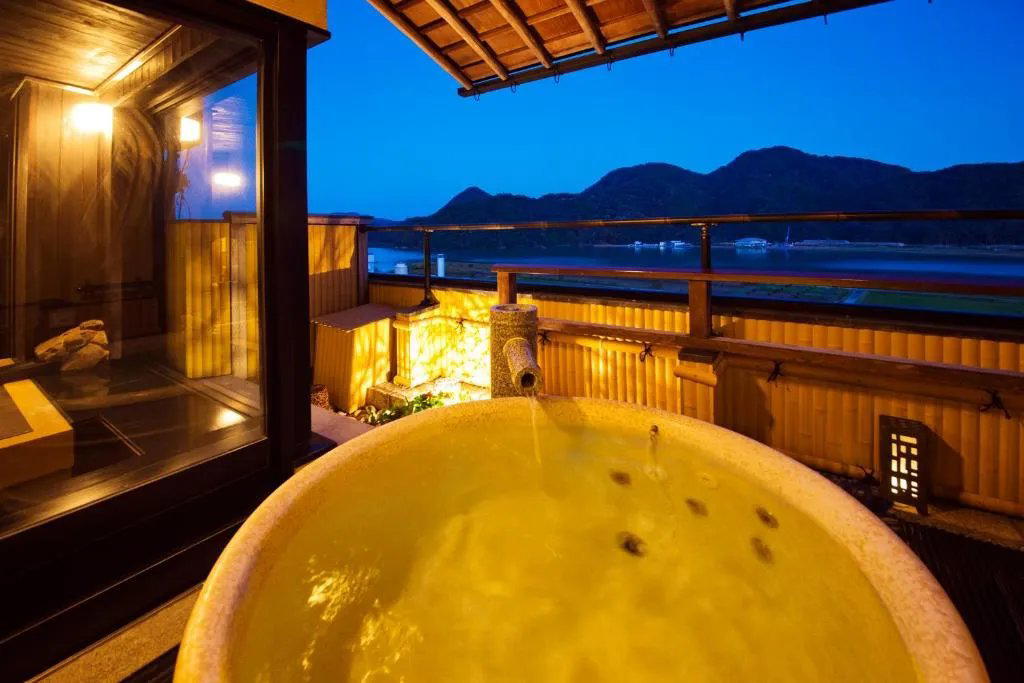
Details
- Quiet
- Scenic
- Elegant
- Classic
- Intimate
- Sophisticated
- Romantic Getaway
- Honeymoon
- Anniversary
- Wellness Retreat
- Panoramic View
- Historic Building
- Wi Fi
- Room Service
- Concierge
- Waterfront
- Mountain
- Step Free Entrance
Calm and elegant with warm wooden interiors, traditional Japanese craftsmanship, low-positioned windows framing nature, and a serene atmosphere enhanced by art collections and kimono-clad staff.