
Niomon MUI is a counter kappo in Kyoto's Sakyo Ward where the menu runs to dozens of daily options and the chefs adapt each dish to guest preferences in real time. The philosophy encoded in the name, 'mui' meaning no contrivances, everything natural, shapes a format that sits between rigid kaiseki and informal izakaya. Michelin Plate recognised, 4.6 on Google across 34 reviews.
Pearl is the En Primeur Club membership app — saves, bookings, and concierge access live there. Same editors, same standards.
- Address
- 41-1 Shinmarutacho, Sakyo Ward, Kyoto, 606-8386, Japan
- Phone
- +81 75-761-5230
- Website
- instagram.com
- Directions
- Get directions
 Saves & bookings on Pearl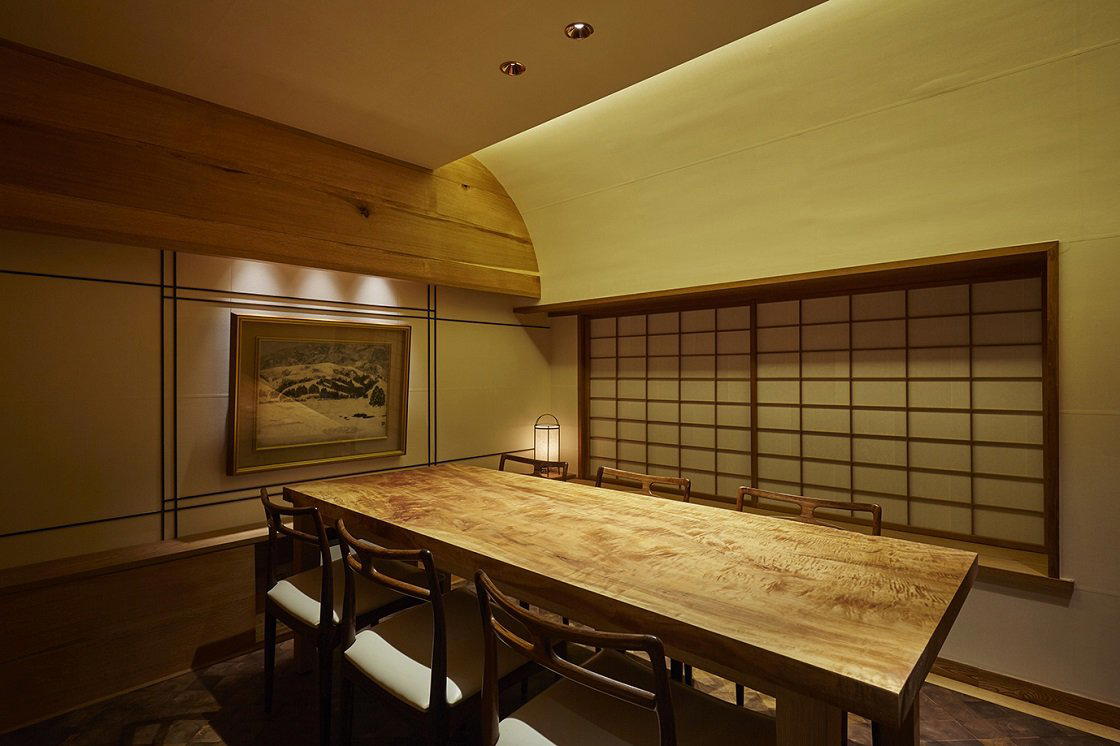
Counter Kappo and the Art of Reading the Room
Kyoto's fine dining conversation is dominated by kaiseki, the sequential, course-locked format that has defined the city's culinary identity for centuries. But running parallel to that tradition is kappo, a counter style where the kitchen wall comes down and the meal takes shape through dialogue between chef and diner. Niomon MUI is a Kappo Japanese restaurant in Kyoto's Sakyo Ward at 41-1 Shinmarutacho, priced at about $120 per person.
Kappo is sometimes framed as kaiseki's casual cousin, but that undersells the collaborative demand it places on the kitchen team. Where kaiseki chefs orchestrate a fixed arc, kappo chefs must read each guest, calibrate preparation style, and maintain discipline across a menu that can shift entirely from one seating to the next. The team at Niomon MUI works from a menu packed with dish names and ingredient listings.
A Menu Built for Dialogue
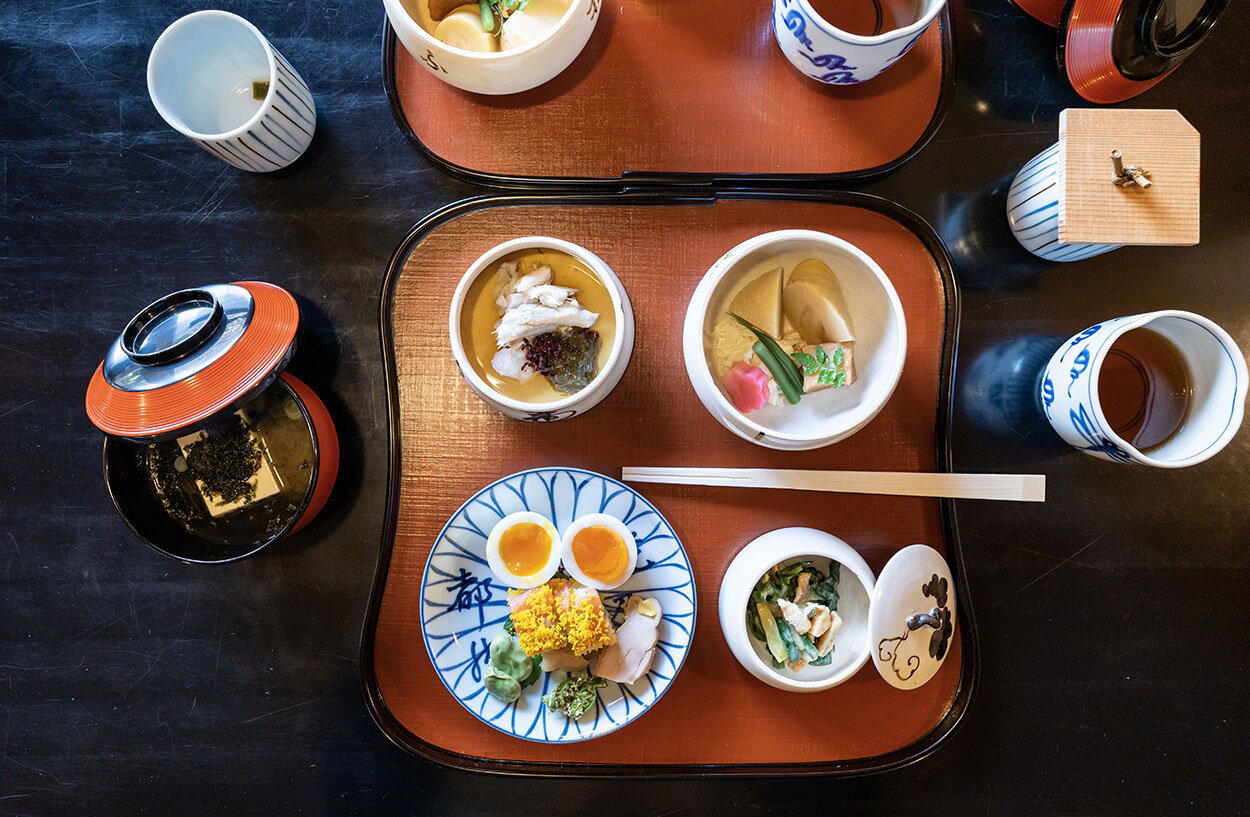
The format at Niomon MUI opens with an assortment of appetisers served while guests survey the full menu and make their selections. It gives diners time to settle before committing. Ingredients change daily, sourced according to what is available and in condition, and preparations are kept direct: grilled, simmered, deep-fried.
That restraint connects to the name itself. 'Mui' translates roughly as no contrivances, everything natural, a philosophy that shapes how the kitchen approaches both sourcing and cooking method. It also informs the flexibility the chefs extend to guests: sushi is available on request, the closing course can be donburi, chazuke, or somen noodles in soy-sauce broth, and the team will adjust dishes to individual preference throughout the meal. This is not the passive accommodation of a set menu with allergy substitutions; it is a kitchen structured around active responsiveness.
The Team Dynamic at the Counter
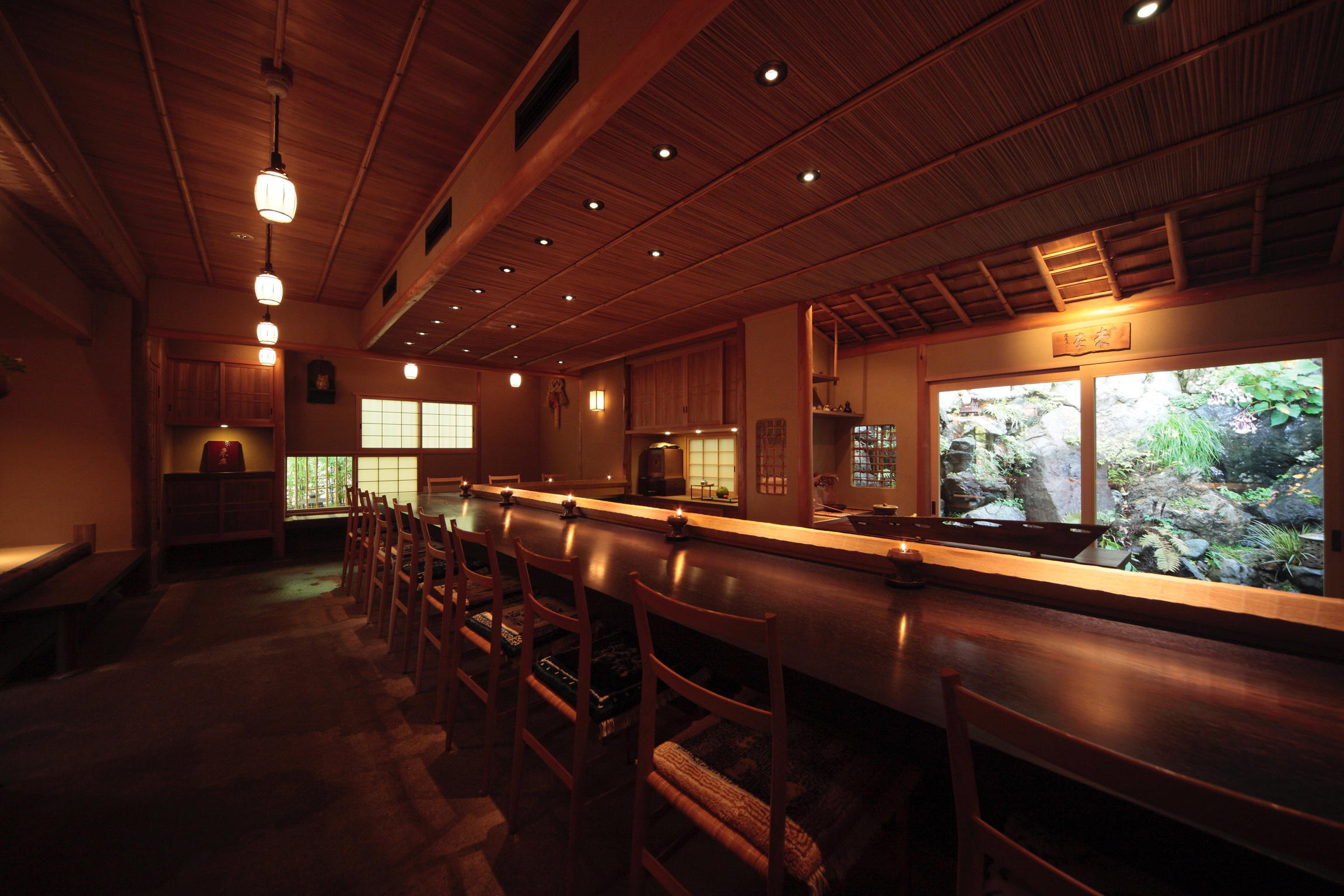
Counter kappo places front-of-house and kitchen in the same physical space, which removes the relay structure that mediates most restaurant service. At the restaurant, the counter format means the chefs are observing guests from the moment the meal begins. Preference signals, pace, appetite, how the appetisers were approached, feed directly into how subsequent courses are shaped. The information flows directly between kitchen and table.
The guiding principle the chef works from is drawn from a mentor's instruction: a chef must have a gentle spirit. In a kappo context, attentiveness to guests is not an ancillary quality; it is the core professional skill. A kitchen that can read a table accurately and adjust in real time requires tight internal communication, between the lead chef, any supporting cooks, and whoever is handling drink service at the counter.
Sakyo Ward and Kyoto's Northern Dining Register
The restaurant sits in Sakyo Ward, the northeastern extension of Kyoto that runs from the university district up toward the foothills of Higashiyama. This is not the tourist-dense corridor of Gion or Pontocho. The neighbourhood's dining character is quieter and more local in orientation, which suits a counter format that depends on conversation and repeat custom rather than high seat turnover.
Within Kyoto's broader restaurant scene, the restaurant occupies a distinct position. The city's most formally recognised tables, places like Isshisoden Nakamura, Gion Matayoshi, and Kenninji Gion Maruyama, operate within the kaiseki framework at ¥¥¥¥ price points. The restaurant's ¥¥¥ pricing and kappo format place it in a different register: more engaged in format than kaiseki's choreographed distance, less expensive, and more dependent on the evening's conversation for its shape. Kikunoi Roan and Kodaiji Jugyuan represent other points on the spectrum, but the kappo counter model is its own category entirely.
For comparative reference across Japan, the counter tradition appears in different configurations: the precision-focused omakase model at Harutaka in Tokyo and Myojaku in Tokyo, or the chef-directed format at Azabu Kadowaki in Tokyo. Further afield, HAJIME in Osaka, akordu in Nara, Goh in Fukuoka, 1000 in Yokohama, and 6 in Okinawa each demonstrate how Japan's counter-dining tradition diversifies across regions and price points. The restaurant's position within that map is specific: a kappo counter that prioritises real-time adaptation over fixed structure.
In Context: Similar Options
Comparable venues nearby, for context on price, style, and recognition.
| Venue | Cuisine | Price | Awards | Notes |
|---|---|---|---|---|
| Niomon MUIThis venue — the venue you are viewing | Kappo Japanese | $$$ | Michelin Plate | Not listed |
| Pontocho Masuda | Kyoto-style Obanzai | $$$ | Michelin Plate | Nakagyō |
| Berangkat | Modern Japanese with Southeast Asian influences | $$$ | Bib Gourmand | Nakagyō |
| Gion Senryu | Seasonal Tempura Omakase | $$$ | Michelin Plate | Higashiyama |
| Nikuryori Shibuya | Japanese Wagyu Omakase | $$$ | Michelin Plate | Shimogyō |
| COPPIE | Modern Japanese Izakaya with Italian Fusion | $$$ | Michelin Plate | Shimogyō |
Recognition history
Dated appearances from independent guides and award organizations, with the underlying list record or original source where available.
Michelin Plate
Michelin
Michelin Plate
Michelin
Michelin Plate
Michelin
Continue exploring
More in Kyoto
Restaurants in Kyoto
Browse all →
Bars in Kyoto
Browse all →
Hotels in Kyoto
Browse all →
Wineries in Kyoto
Browse all →
At a Glance
- Intimate
- Elegant
- Cozy
- Sophisticated
- Special Occasion
- Solo
- Date Night
- Chefs Counter
- Open Kitchen
- Sake Program
- Local Sourcing
Current opening hours
- Monday
- 5–11 PM
- Tuesday
- 5–11 PM
- Wednesday
- 5–11 PM
- Thursday
- 5–11 PM
- Friday
- 5–11 PM
- Saturday
- 5–11 PM
- Sunday
- 5–11 PM
Hours can change for holidays and private events. Last verified .
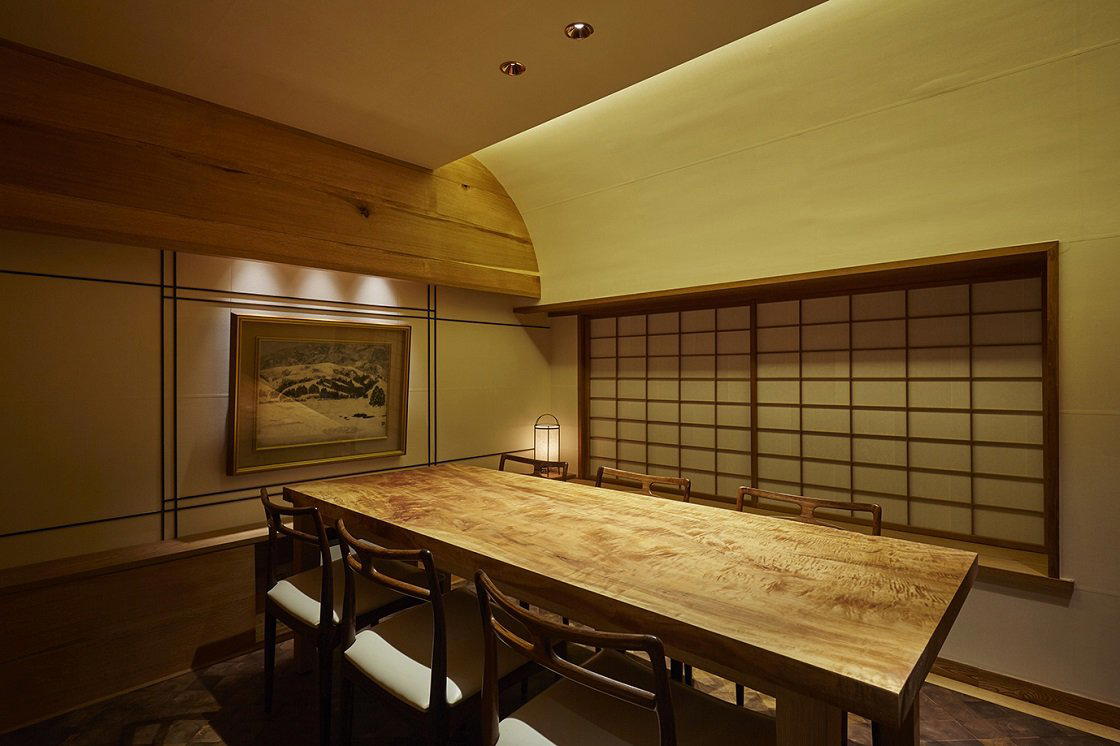
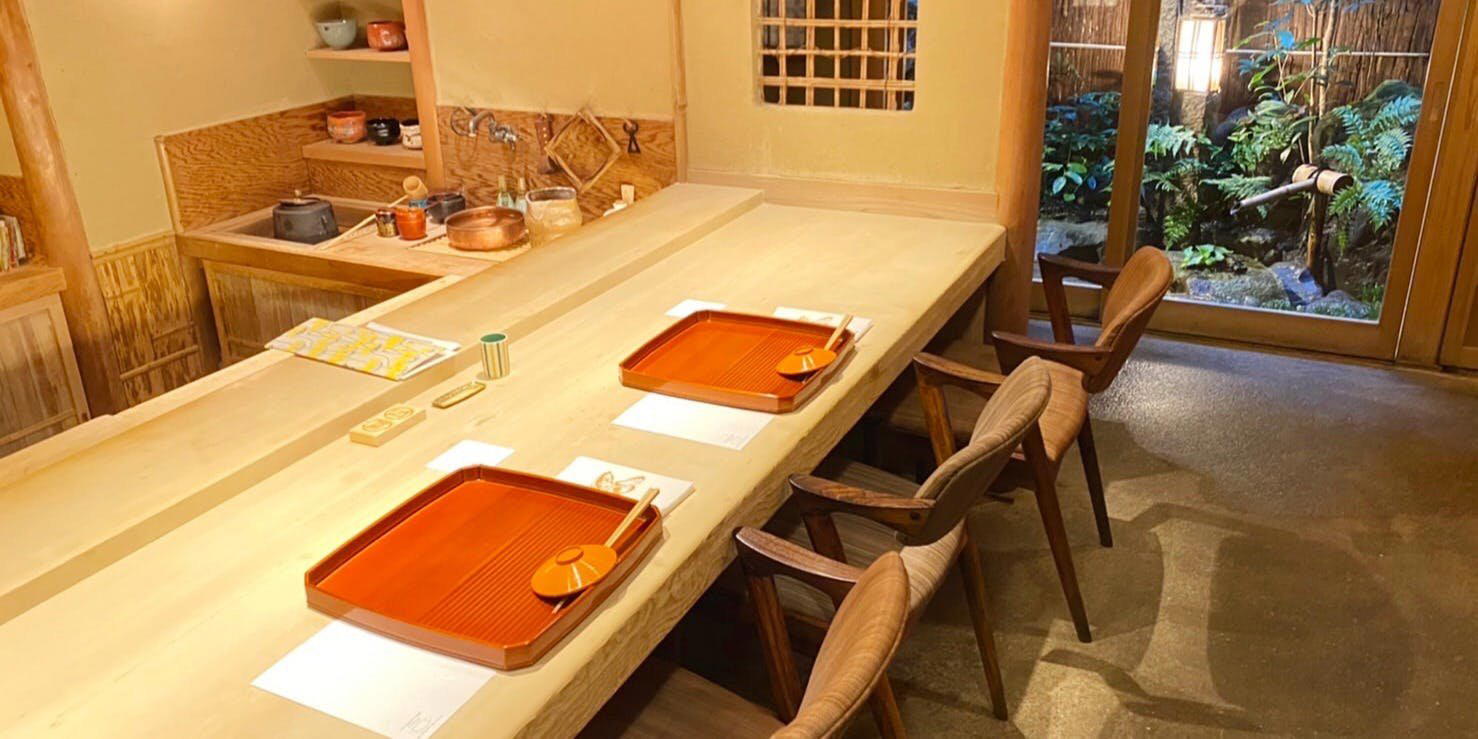
Cozy, lantern-lit counter seating with a serene, hushed atmosphere of pale cedar and attentive, personable service.