
Michelin Plate
Our verdict
A Roppongi omakase counter with two consecutive Michelin Plate recognitions, Nebuka applies French and Japanese technique to vegetable-focused seasonal menus. The name references deep-rooted vines, a philosophy carried into close producer relationships and ingredient sourcing.

Pearl is the En Primeur Club membership app, where members save venues, book tables and use the concierge.
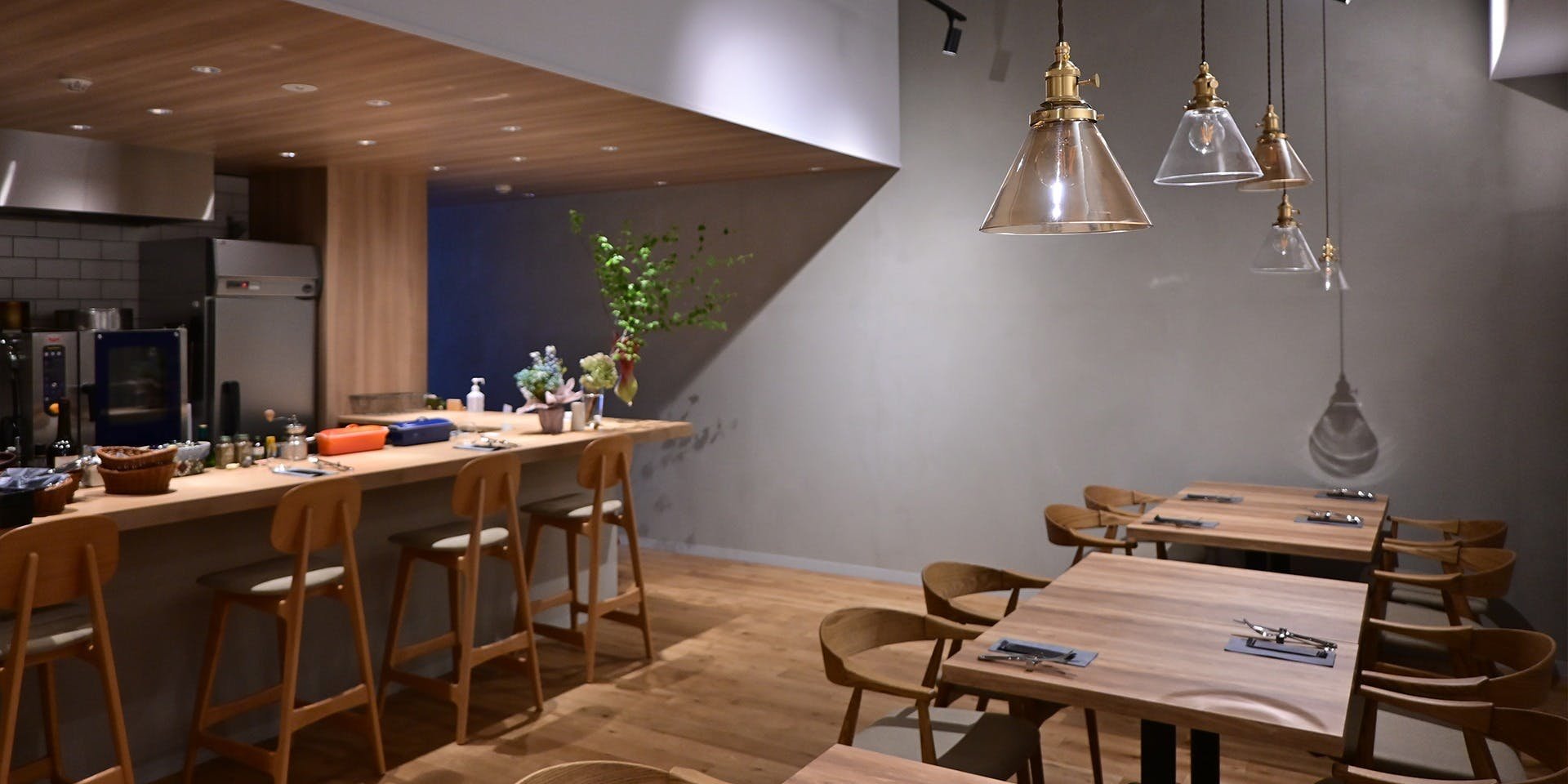
Roppongi's Vegetable-Focused Omakase Tier
Among Tokyo's contemporary restaurants, the sharpest editorial divide is not between Japanese and Western cooking but between protein-led tasting formats and those built around seasonal produce. The latter category remains smaller, and within it, counters that hold sustained Michelin recognition for the approach are fewer still. Nebuka, located on the sixth block of Roppongi in Minato City, has held the Michelin Plate in both 2024 and 2025, a consecutive recognition that positions it clearly within Tokyo's documented mid-to-upper contemporary tier, below the star brackets occupied by counters such as RyuGin or L'Effervescence, but inside the same critical frame of reference.
The Michelin Plate is not a star, but it carries a defined meaning in the Guide's own language: cooking of good quality. Two consecutive Plate listings signal that Nebuka's kitchen has been reviewed across at least two separate inspection cycles and returned the same result. In a city where the Guide covers hundreds of addresses annually, that consistency matters more than a single-year mention.
The Omakase Format and What It Signals
Tokyo's omakase format has diversified considerably over the past decade. What began as a sushi-specific term now describes set-menu tasting structures across sushi, kaiseki, French, and crossover contemporary categories. Nebuka sits in that crossover tier, using an omakase structure to deliver seasonal vegetable-focused menus that draw on both French culinary training and Japanese technique. The kitchen produces pasta dishes alongside more classically framed courses, a signal of a genuinely bilingual culinary vocabulary rather than fusion as an aesthetic.
Vegetable-centred omakase at this price point (¥¥¥, the third of four tiers) occupies a specific position in the Tokyo market. It sits above the entry-level contemporary counters but below the ¥¥¥¥ addresses where multi-course protein-led menus dominate and where the per-head cost can reach into the higher five figures in yen. Comparable ¥¥¥ contemporaries include addresses such as hakunei and nôl, both of which also pursue seasonal produce-driven formats in Tokyo. The competitive set also extends to more technique-forward addresses like FUSOU and HYÈNE, though those lean harder into European frameworks.
Producer Relationships as Editorial Lens
The name itself carries interpretive weight. Nebuka references the Japanese phrase for a grapevine with deep roots, the logic being that the strongest vines draw most from the ground beneath them. In restaurant terms, this translates directly into the kitchen's sourcing posture: documented relationships with producers, an ingredient-forward plating philosophy, and menus that follow seasonal availability rather than imposing a fixed structure on it. The restaurant was opened by the proprietor of an existing wine bar, which adds a drinks-program dimension to the sourcing orientation, producer relationships in wine and in vegetables are treated as parallel commitments.
Ingredient-first cooking of this kind tends to read differently on the plate than chef-forward tasting menus. Rather than elaborate construction or technique as spectacle, the emphasis is on presentation that places the ingredient at the centre, described in the venue's own documentation as simple arrangement that foregrounds what arrived from the farm rather than what was done to it in the kitchen. For the guest, this shifts the tasting experience toward seasonality recognition: what is this vegetable, where is it from, and why now?
Service and Room Character
The service team at Nebuka is documented as young, with a tone described as bright and pleasant, language that distinguishes it from the more formal, restrained service registers of kaiseki rooms at the ¥¥¥¥ level. This matters for how the restaurant sits in Roppongi's broader hospitality context. Roppongi is not a neighbourhood associated with austere dining ritual; it runs considerably more international and informal than, say, Ginza or Nihonbashi. A contemporary counter with approachable service fits the neighbourhood's character without compromising the seriousness of the food.
The address, Miyazaki Building, 202, Roppongi 6-chome, places it in a building unit format common to Tokyo's mid-tier dining scene, where destination restaurants occupy upper floors of residential or mixed-use buildings rather than street-level retail. This is not a walk-in address. It functions as a reservation-first destination where guests arrive with intent.
For broader regional comparison, the contemporary crossover format Nebuka represents has counterparts across Japan's major dining cities. HAJIME in Osaka and Gion Sasaki in Kyoto each represent different inflections of Japanese fine dining at the highest recognition tier, while addresses like akordu in Nara and Goh in Fukuoka show how France-Japan crossover cooking plays in smaller markets. The international conversation extends further: César in New York City and Jungsik in Seoul represent the contemporary format in different metropolitan contexts.
Within Tokyo, JULIA offers another reference point for how contemporary European influence lands in the city's mid-to-upper tier. 1000 in Yokohama and 6 in Okinawa extend the regional picture for readers considering Japan beyond the capital.
Planning a Visit
Nebuka sits at the ¥¥¥ price tier, which places it below the ¥¥¥¥ addresses that dominate Tokyo's Michelin-starred bracket and makes it a more accessible entry point into the omakase format for guests not committed to the higher end of the market. The Roppongi location is well-served by the Tokyo Metro Hibiya and Oedo lines, both with Roppongi Station exits.
Readers building a broader Tokyo itinerary can use our full Tokyo restaurants guide, our full Tokyo hotels guide, our full Tokyo bars guide, our full Tokyo wineries guide, and our full Tokyo experiences guide as complementary references.
Quick reference: Nebuka, Roppongi 6-chome, Minato City, Tokyo. Price tier: ¥¥¥. Reservation required.
Frequently asked questions
What kind of setting is Nebuka?
Nebuka operates as a reservation-first contemporary counter in Roppongi, Minato City. The format is omakase, a set menu determined by the kitchen, with a seasonal vegetable focus and technique drawn from both French and Japanese traditions. The Michelin Plate in 2024 and 2025 places it in the recognised quality tier of Tokyo's ¥¥¥ contemporary segment, and the documented service tone is approachable rather than formal. The room sits in a building-unit format typical of Tokyo's mid-tier destination dining, not a street-level drop-in.
Is Nebuka a family-friendly restaurant?
The omakase format, which delivers a fixed seasonal menu without à la carte substitution, suits guests who are comfortable with chef-led dining at the ¥¥¥ price tier. That context makes Nebuka less suitable for young children or guests who require menu flexibility. In Tokyo's contemporary dining segment, this is standard for the format rather than specific to Nebuka. Adult guests with an interest in seasonal vegetable cooking and producer-sourced ingredients fit the address well.
What do people recommend at Nebuka?
The documented kitchen philosophy centres on seasonal vegetables arranged simply to foreground the ingredient. Given the chef's combined French and Japanese training, the pasta courses represent the clearest expression of the bilingual approach and are consistent with what the kitchen is known for.
In Context: Similar Options
| Venue | Cuisine | Price | Awards | Notes |
|---|---|---|---|---|
| NebukaThis venue (the venue you are viewing) | Modern French Vegetable Omakase | $100–150 | Michelin Plate | Not listed |
| Harutaka | Edo-Style Omakase Sushi | $200–300 | 3 Michelin Stars · World's 50 Best #76 | Sushi |
| RyuGin | Modern Kaiseki | $500+ | 3 Michelin Stars · World's 50 Best #41 | Kaiseki, Japanese |
| L'Effervescence | Modern French with Japanese Influences | $200–300 | 3 Michelin Stars · World's 50 Best #69 | French |
| HOMMAGE | Modern French with Japanese Influences | $150–200 | 2 Michelin Stars · World's 50 Best #78 | Innovtive French, French |
| MAZ | Innovative Peruvian-Japanese Fusion | $150–200 | 2 Michelin Stars · World's 50 Best #28 | Innovative |
Recognition history
Dated appearances from independent guides and award organizations, with the underlying list record or original source where available.
Michelin Plate
Michelin
Full recognition history (3 entries)
Michelin Plate
Michelin
Michelin Plate
Michelin
Continue exploring
More in Tokyo
Restaurants in Tokyo
All restaurants in Tokyo →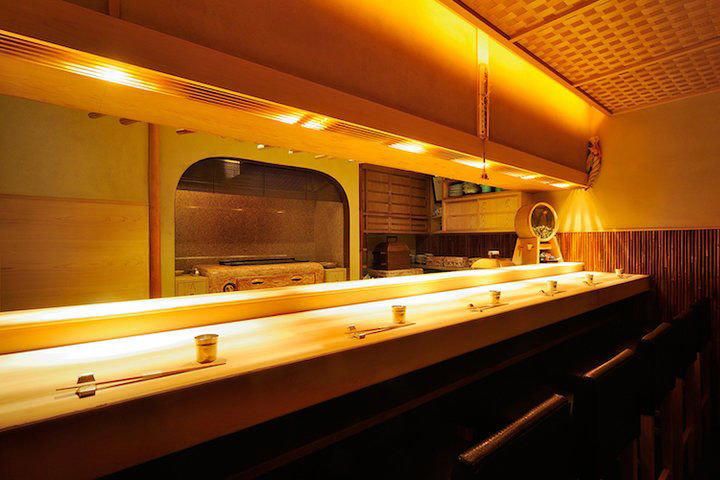

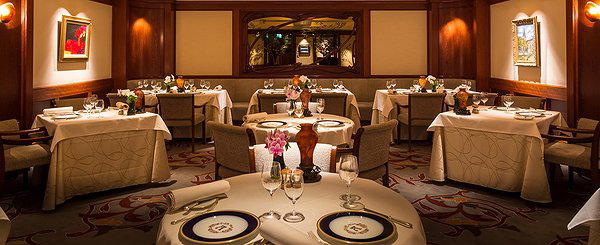
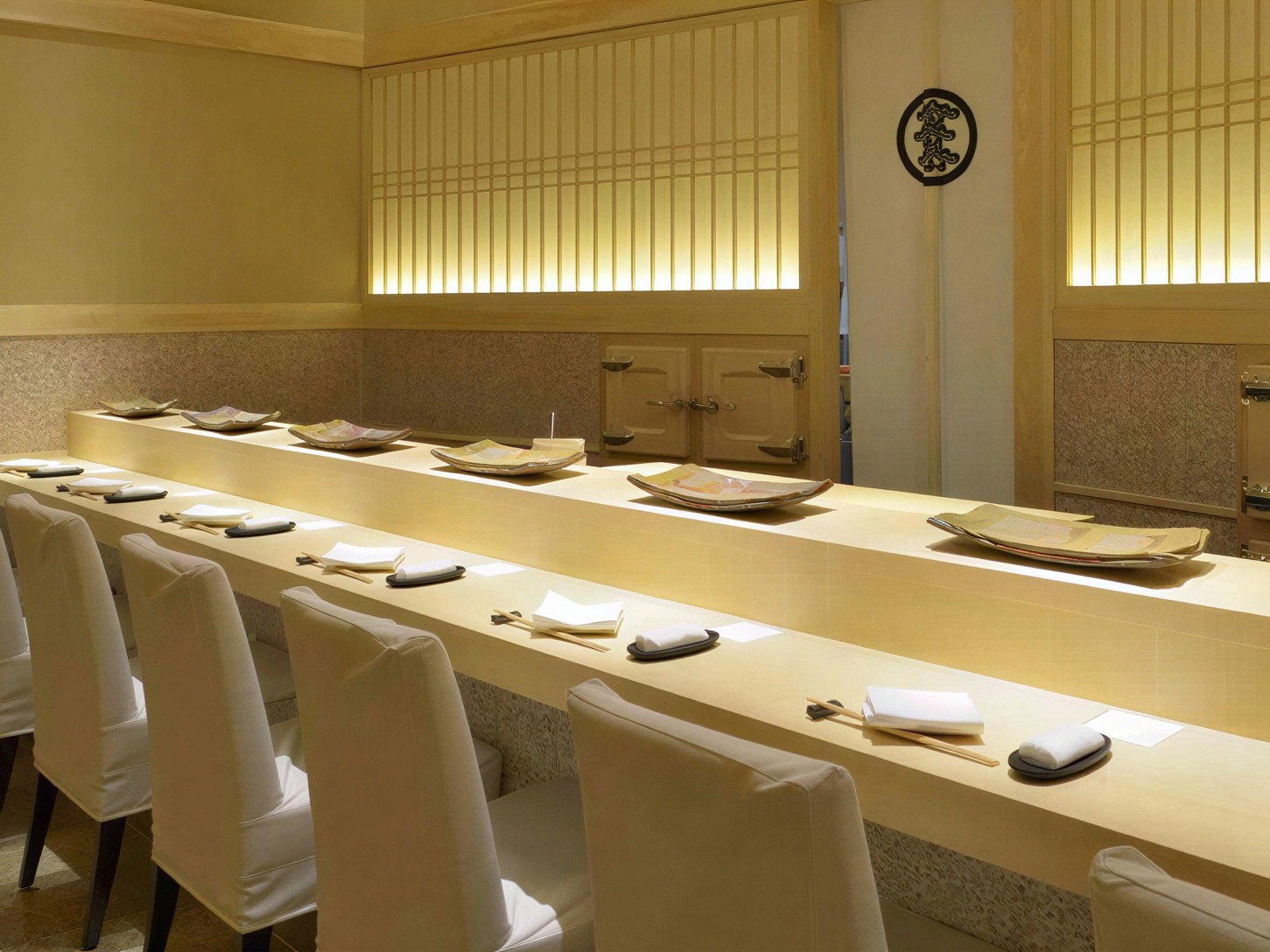
Bars in Tokyo
All bars in Tokyo →





Details
- Intimate
- Elegant
- Modern
- Cozy
- Date Night
- Special Occasion
- Chefs Counter
- Open Kitchen
- Extensive Wine List
- Sake Program
- Sommelier Led
- Local Sourcing
- Omakase
- A La Carte
- Wine
- Sake
- Vegetarian Friendly
- Vegan Options
- Gluten Free Options
Current opening hours
- Monday
- 6 PM–12 AM
- Tuesday
- Closed
- Wednesday
- Closed
- Thursday
- 6 PM–12 AM
- Friday
- 6 PM–12 AM
- Saturday
- 6 PM–12 AM
- Sunday
- 6 PM–12 AM
Hours can change for holidays and private events. Last verified .
Warm lighting with natural wood and clay materials, hushed atmosphere around open counter and hearth, intimate and relaxing space.