
On the tenth floor of Marunouchi Terrace in central Tokyo, The Upper brings regional French cooking, salade Lyonnaise, bouillabaisse, duck confit, to a rooftop brasserie setting with open city views. Holding a Michelin Plate in both 2024 and 2025, it occupies a distinct tier: mid-price French dining that prioritises recognisable provincial tradition over tasting-menu ambition, with a terrace that frames the Marunouchi skyline.
Pearl is the En Primeur Club membership app — saves, bookings, and concierge access live there. Same editors, same standards.
- Address
- Japan, 〒100-0005 Tokyo, Chiyoda City, Marunouchi, 1 Chome−3−4 丸の内テラス 10F
- Phone
- +81 3-5962-9909
- Website
- the-upper.jp
- Directions
- Get directions
 Saves & bookings on Pearl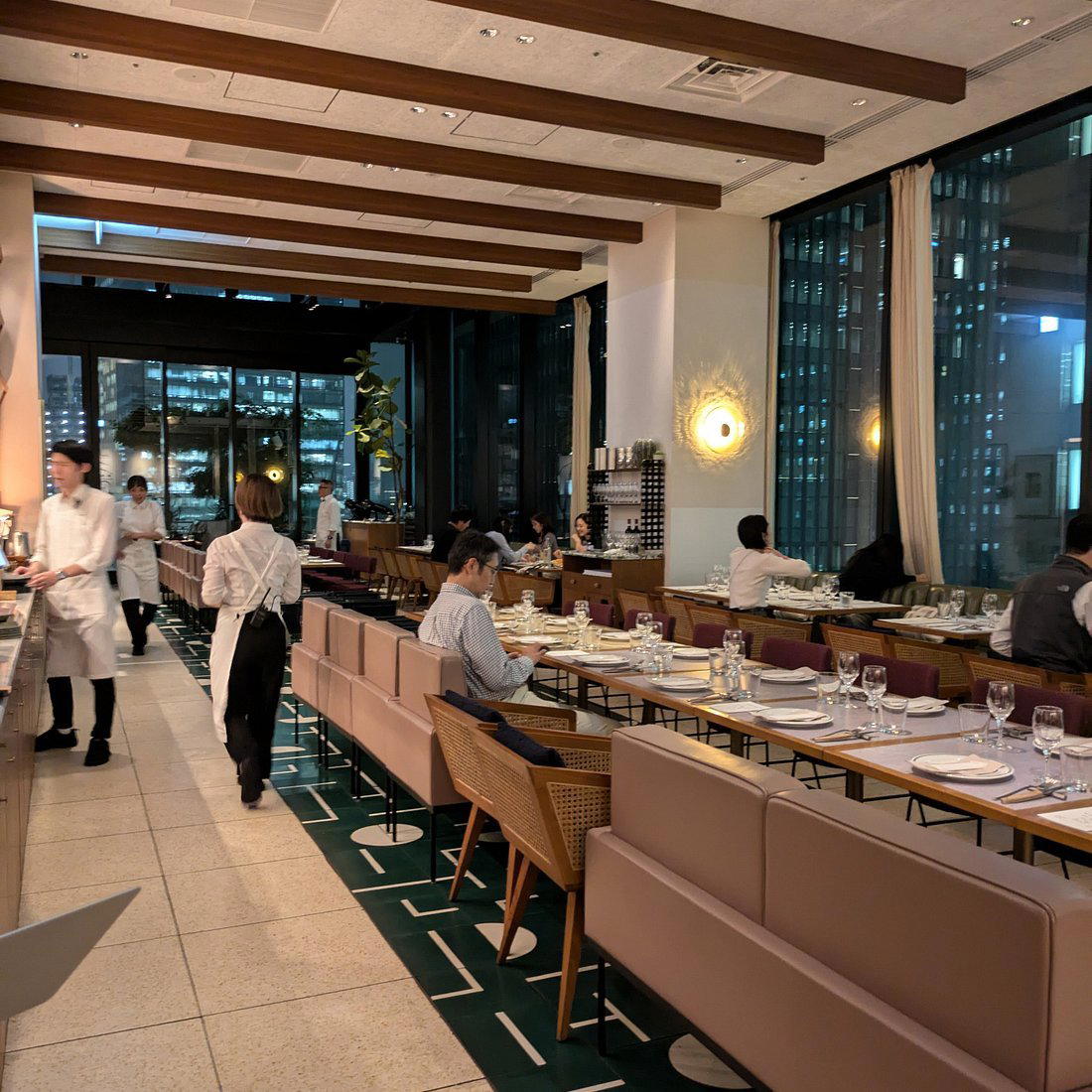
Brasserie French at altitude: what The Upper represents in Tokyo's dining picture
Tokyo's French dining scene has bifurcated sharply over the past decade. At one end sit the multi-course tasting rooms, L'Effervescence, Sézanne, ESqUISSE, where Japanese precision meets French classical or contemporary ambition, and where the bill rarely leaves change from ¥30,000 per head. At the other sits a far thinner category: the brasserie, the kind of room where a Lyonnaise salad arrives on a wide plate and the wine pours don't require a seminar. The Upper occupies that second category, and it does so from the tenth floor of Marunouchi Terrace, one of Tokyo's more thoughtfully composed mixed-use towers, positioned at the western edge of the Marunouchi business district.
That address matters. Marunouchi is not a neighbourhood where casual dining normally dominates the upper floors of new buildings. The surrounding towers house some of the city's more formal propositions, Château Restaurant Joël Robuchon operates nearby in Ebisu as a point of comparison for the city's formal French register, which makes The Upper's mid-price brasserie positioning a deliberate counterpoint rather than an accident of real estate.1 across 689 reviews confirms steady execution and consistent appeal rather than viral novelty.
The regional French argument: Lyon, Marseille, and the Périgord on a Tokyo rooftop
The menu at the restaurant reads as a direct defence of French provincial cooking, the dishes that have anchored regional tables for generations rather than the architectural constructions that dominate the city's higher-end French rooms. Salade Lyonnaise anchors the Lyon tradition: frisée, lardons, poached egg, the kind of assembly that rewards the quality of its components rather than technical invention. Bouillabaisse carries the Marseille waterfront into Marunouchi, a dish whose identity is entirely bound to the rigour of its fish stock and the quality of the saffron-forward rouille alongside it. Duck confit carries the Périgord signature, slow-rendered thigh with crisp skin and yielding interior, a dish whose geography is inseparable from its technique.
This is where the terroir argument applies, even transplanted to central Tokyo. These dishes exist because French regions developed them from what was local and abundant: Lyon's pork culture, the Mediterranean's fish supply, the Dordogne's duck and goose fats. A brasserie that takes those originals seriously is making an implicit provenance argument, telling the diner that the Loire is different from Burgundy and that Marseille is not Lyon. The restaurant's menu selection suggests that argument is the point. For a comparison of how French regional identity translates differently across Asia's dining capitals, Les Amis in Singapore offers a useful reference in the fine-dining register, while Hotel de Ville Crissier in Crissier remains the Swiss benchmark for classical French ambition.
The rooftop as context, not spectacle
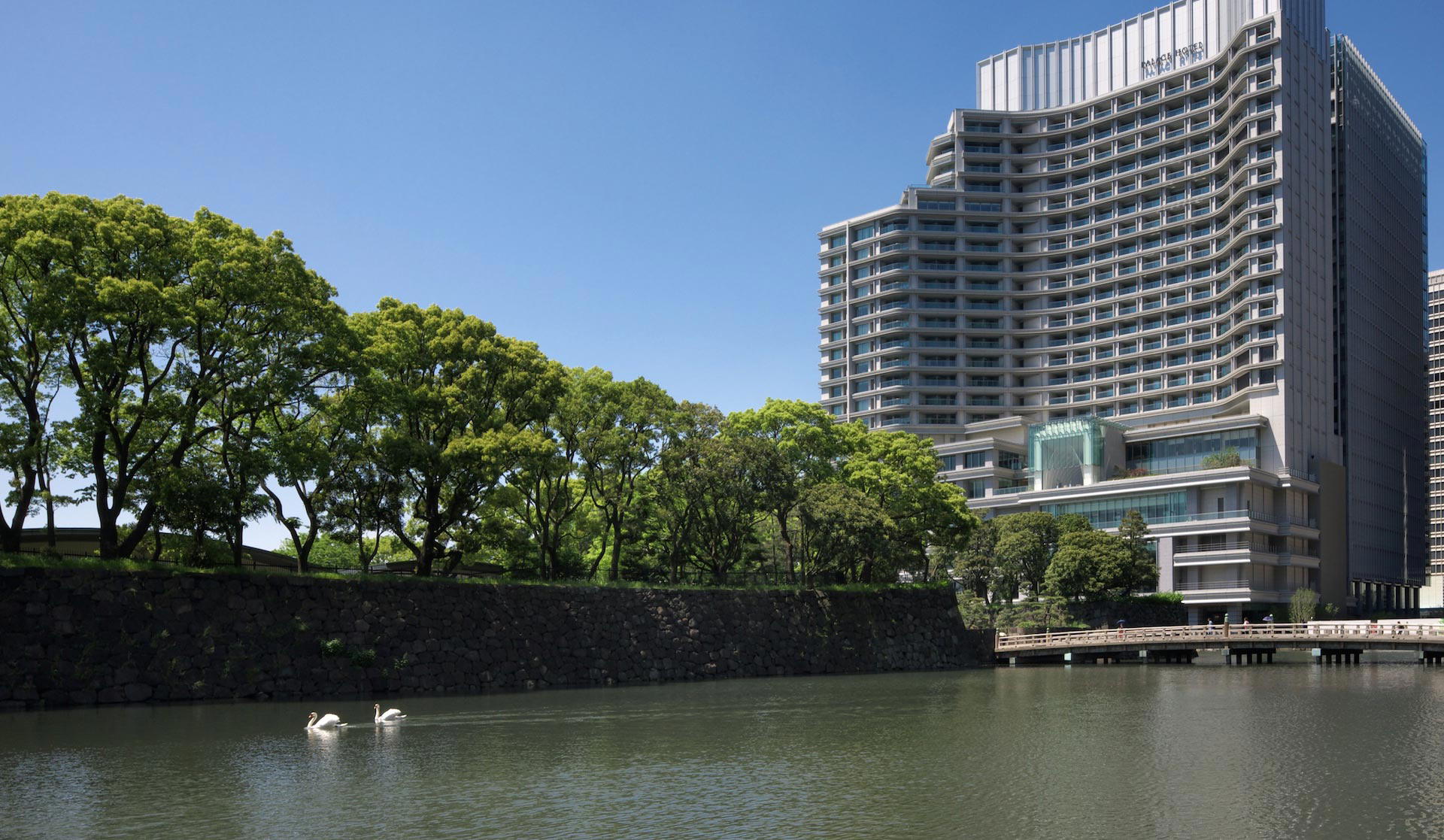
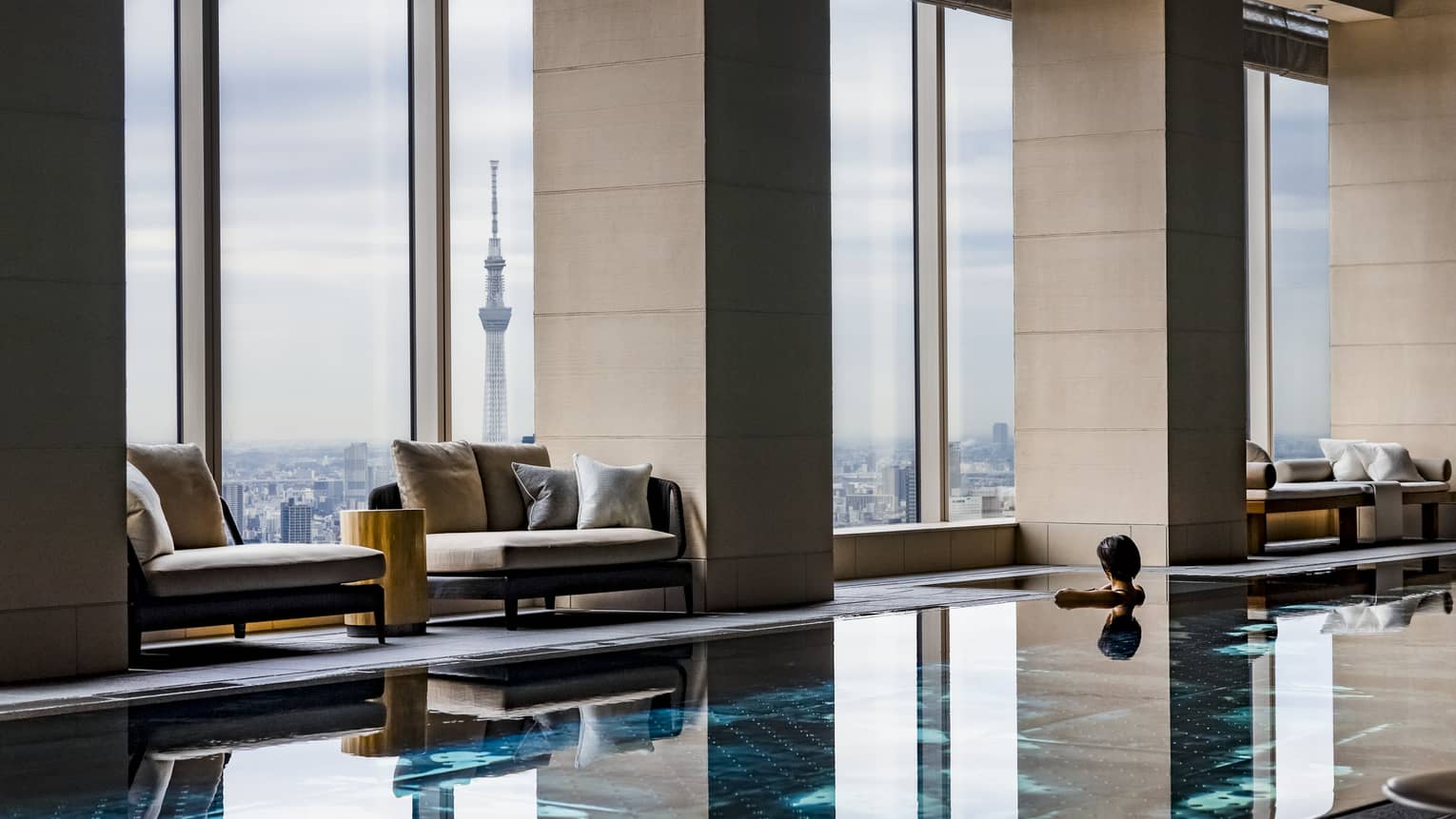
The terrace at the restaurant occupies the tenth floor of Marunouchi Terrace at 1-3-4 Marunouchi, Chiyoda City. From that height, the view across central Tokyo, the station district below, the Imperial Palace gardens to the west, provides the kind of spatial orientation the city rarely offers at street level. Tokyo resists the rooftop bar model that defines skyline dining in Bangkok or Hong Kong; the city's low-rise sprawl tends to swallow altitude before it delivers drama. The restaurant works partly because Marunouchi's relative openness allows the terrace to function. A brasserie that combines a provincial French menu with a considered outdoor setting in this district is a combination that Tokyo's ¥¥ French tier does not frequently offer.
Inside, the tone the venue's own descriptions point toward is one of affable noise rather than hushed ceremony, conversation audible, service approachable, a dining room that functions as a working brasserie rather than a set piece. That character aligns the restaurant with a different comparable set than the contemplative dining rooms of Florilège or the omakase counters that define Tokyo's most internationally discussed dining narrative. The competitive reference is closer to the city's better hotel all-day venues and French mid-market rooms, where the proposition is reliable cooking in a sociable setting at a price that doesn't require occasion-level justification.
Where The Upper fits in the wider Japanese French picture
France's influence on Japanese fine dining runs deep and wide. Osaka's HAJIME operates at the philosophical extreme of French-trained Japanese cooking. Kyoto's Gion Sasaki represents kaiseki at its most refined. Nara's akordu, Fukuoka's Goh, Yokohama's 1000, and Okinawa's 6 each represent local answers to broader questions about cuisine, identity, and influence. At the brasserie level, the question is simpler: can a kitchen deliver honest regional French cooking, dishes with clear geographic identities, at a price point that makes a weekday lunch or a weeknight dinner a credible decision rather than a calendar event?
The venue's recognition signals that the cooking meets the guide's baseline competence threshold without reaching starred territory. In Tokyo's French dining context, that positioning is appropriate for what the restaurant is: a brasserie, not a destination tasting room. The distinction matters because it sets correct expectations. Visitors arriving with the appetite for a three-hour progression of small courses should look at the ¥¥¥¥ tier, L'Effervescence or ESqUISSE as the natural alternatives. Visitors wanting a bouillabaisse and a glass of something cold on an open terrace in the business heart of the city have fewer well-executed options, and the restaurant addresses that gap directly.
Planning your visit
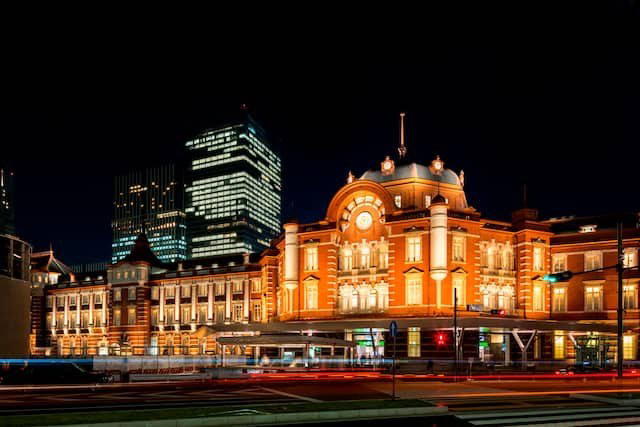
The restaurant sits on the tenth floor of Marunouchi Terrace at 1-3-4 Marunouchi, Chiyoda City, Tokyo, a building easily reached on foot from Tokyo Station's Marunouchi North Exit, which is approximately two minutes' walk. The ¥¥ price range places it comfortably within the accessible dining tier for central Tokyo, with no tasting-menu commitment required. Given the terrace's appeal and the Marunouchi location's natural lunchtime and after-work peaks, booking ahead is sensible.
Frequently asked questions
- What's the leading thing to order at the restaurant?
- The menu anchors on French regional classics with clear geographic identities. The bouillabaisse is the dish that most directly tests whether a kitchen is committed to the regional argument, a properly made version requires good fish stock, quality saffron, and a rouille that holds together. Duck confit and salade Lyonnaise round out the provincial picture. Given the Michelin Plate recognition in both 2024 and 2025, the kitchen is executing these dishes to a consistent standard, which makes the classically inclined orders the logical focus.
- How far ahead should I plan for the restaurant?
- At the ¥¥¥ price tier, the restaurant sits in a category where demand is driven by location as much as culinary reputation. Marunouchi's density of office workers and Tokyo Station's visitor traffic means the terrace fills quickly on weekend evenings and prime lunch slots. Booking at least a week ahead for weekends is prudent. Tokyo's upper-tier French rooms, the starred and multi-starred addresses, typically require months of lead time, so the restaurant's booking window is considerably more accessible by comparison.
- What's the defining dish or idea at the restaurant?
- The defining idea is the brasserie itself as a format: a room that treats French regional cooking as the point rather than as a starting position for invention. The consecutive Michelin Plate recognitions (2024, 2025) confirm reliable execution, and the menu's commitment to salade Lyonnaise, bouillabaisse, and duck confit signals a kitchen that is making the case for provenance and tradition over novelty. In a Tokyo French dining scene dominated by highly evolved tasting menus at the leading and casual café-bistros at the bottom, that middle register is underrepresented, which is what gives the restaurant its specific function in the city's dining picture.
Reputation First
Comparable venues nearby, for context on price, style, and recognition.
| Venue | Cuisine | Price | Awards | Notes |
|---|---|---|---|---|
| THE UPPERThis venue — the venue you are viewing | Tokyo Brasserie French | $$$ | Michelin Plate | Not listed |
| caillou | Seasonal French Haute Couture Bistro | $$$ | Michelin Plate | Meguro |
| bonélan | Classic French Bistro | $$$ | Michelin Plate | Shibuya |
| L'AMITIE | French Bistro | $$$ | Bib Gourmand | Shinjuku |
| Quatre Vingt Douze | Modern French Fine Dining | $$$ | Michelin Plate | Setagaya |
| Le Bouton | Modern French Bistro | $$$ | Michelin Plate | Minato |
Recognition history
Dated appearances from independent guides and award organizations, with the underlying list record or original source where available.
Michelin Plate
Michelin
Michelin Plate
Michelin
Michelin Plate
Michelin






At a Glance
- Lively
- Modern
- Elegant
- Sophisticated
- Business Dinner
- Date Night
- Group Dining
- Celebration
- Rooftop
- Terrace
- Open Kitchen
- Private Dining
- Extensive Wine List
- Craft Cocktails
- Sake Program
- Skyline
- Garden
Current opening hours
- Monday
- 11 AM–11 PM
- Tuesday
- 11 AM–11 PM
- Wednesday
- 11 AM–11 PM
- Thursday
- 11 AM–11 PM
- Friday
- 11 AM–11 PM
- Saturday
- 11 AM–11 PM
- Sunday
- 11 AM–10 PM
Hours can change for holidays and private events. Last verified .
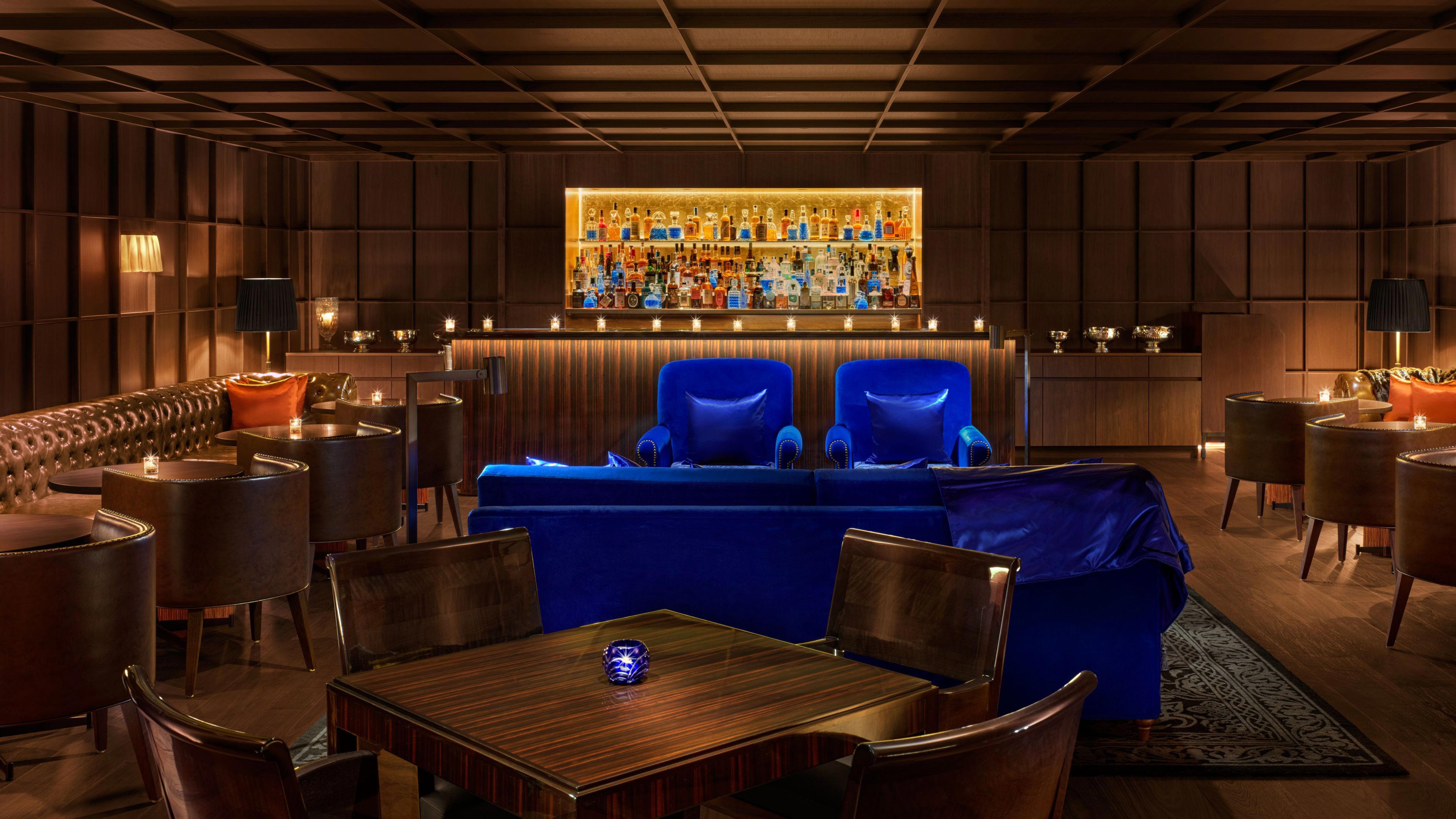
Festive lively interior with modern casual elegance transitions to lush green terrace bathed in natural light, creating a balanced lively yet refined atmosphere.