Myomi
On the fifth floor of a Jongno building along Yulgok-ro, Myomi occupies a slice of Seoul's smaller, more deliberate dining tier — where the conversation is about Korean ingredients meeting refined technique rather than spectacle. The address puts it within reach of Gyeongbokgung's cultural gravity, and the cooking sits in a bracket defined by precision over volume.
Pearl is the En Primeur Club membership app — saves, bookings, and concierge access live there. Same editors, same standards.
- Address
- South Korea, Seoul, Jongno District, Yulgok-ro, 83 5층
- Phone
- +8225158088
- Website
- myomiseoul.com
- Directions
- Get directions
 Saves & bookings on Pearl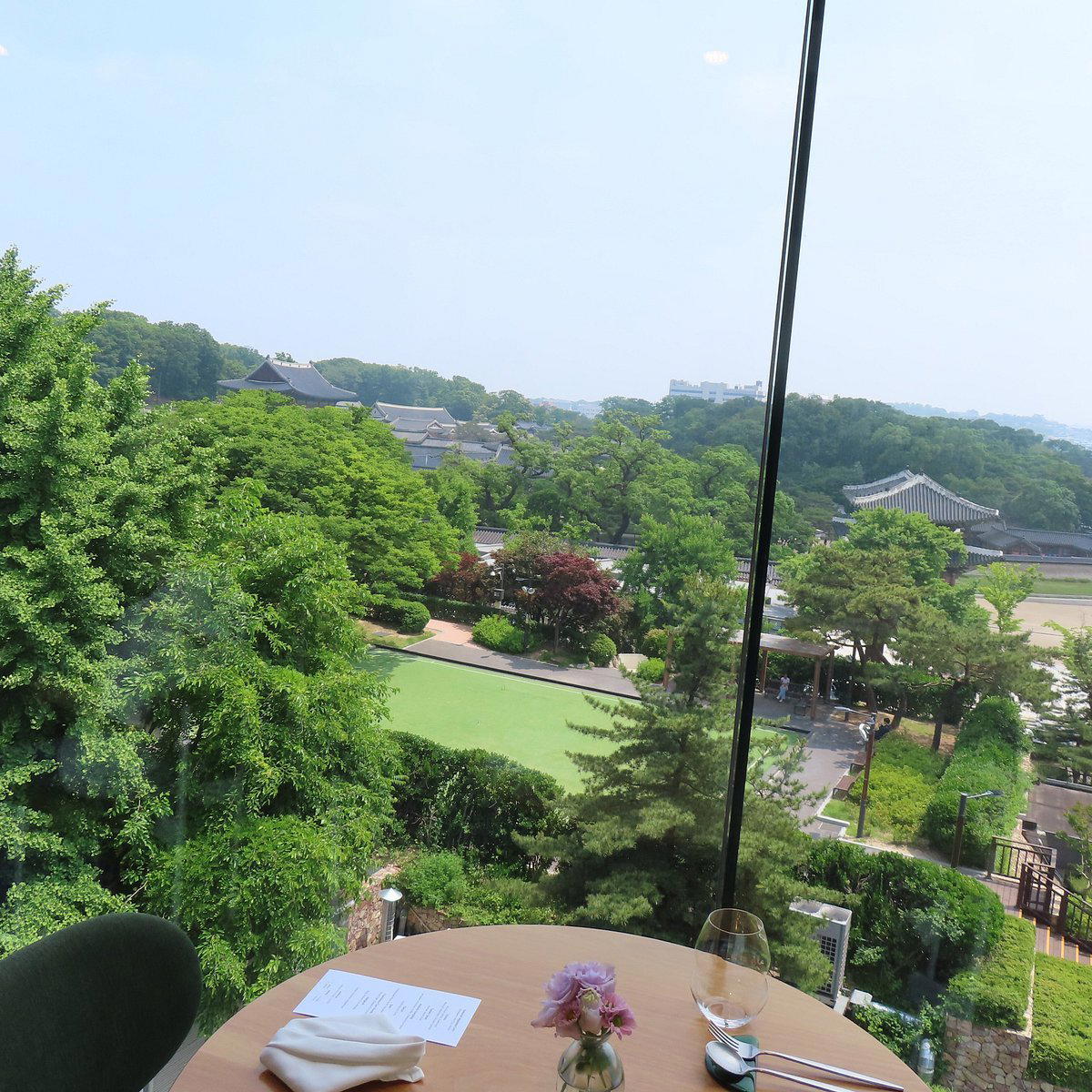
Fifth Floor, Jongno: The Address as Editorial Statement
Jongno District carries more historical weight per city block than almost anywhere else in Seoul. Yulgok-ro runs through it with a quiet formality — named after the Joseon-era scholar Yi I, flanked by hanok rooflines and the stone walls of Gyeongbokgung's perimeter. Restaurants that choose this address are, consciously or not, making a statement about register. The neighbourhood does not attract the kind of casual foot traffic that fills tables by default. Diners arrive with intention. That self-selecting quality shapes what kitchens in this pocket of the city feel licensed to attempt.
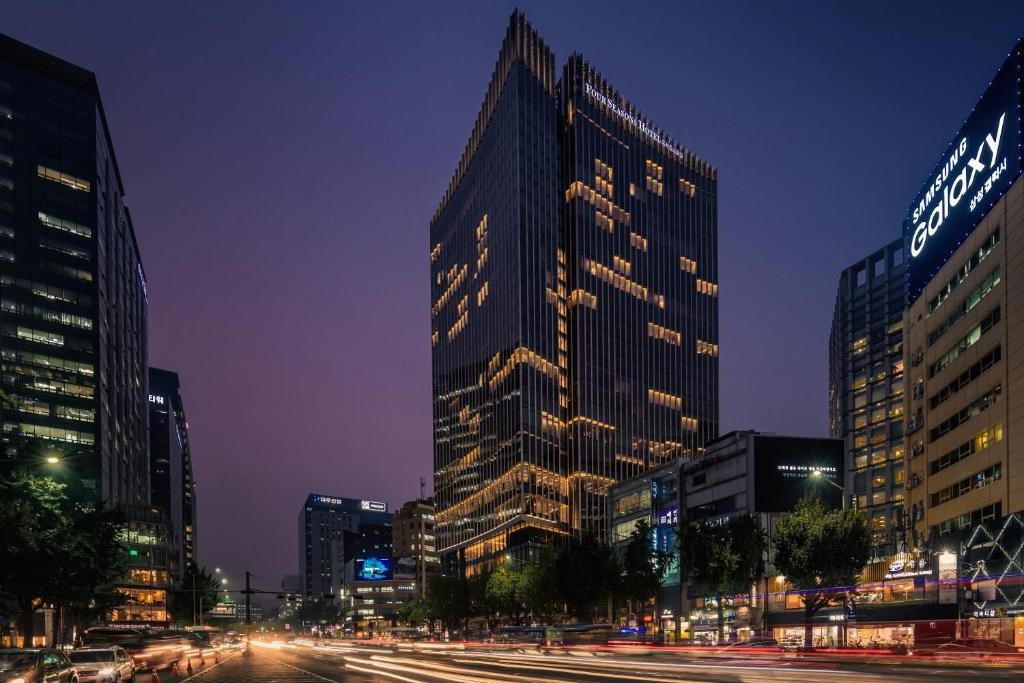
Myomi sits on the fifth floor of a building at number 83 Yulgok-ro, which already signals something: multi-storey dining in Seoul often means the ground floor was already taken by something louder and cheaper, and the climb filters for commitment. That vertical remove from street-level noise is part of the spatial logic of a growing number of Seoul's more considered rooms.
The Technique-Ingredient Conversation in Seoul's Fine Dining Tier
Seoul's upper dining tier has spent the last decade working through a productive tension between imported culinary grammar and the specific logic of Korean ingredients. This is not a local phenomenon — the same negotiation happens at Atomix in New York City, where Korean-born chefs translate doenjang, perilla, and fermented depth into a format legible to international tasting-menu audiences. The more interesting question is what happens when that conversation stays domestic, speaking first to a Korean diner who already knows the ingredient and is therefore evaluating the technique on its own terms.
At the higher end of Seoul's contemporary Korean spectrum, venues like Mingles and Jungsik have established a recognisable template: French or European structural logic applied to jeotgal, ganjang, and seasonal produce from specific Korean regions. That template has now diffused broadly enough that newer rooms in this tier have to differentiate within it rather than simply by adopting it. The question for any Jongno address entering this space is how it positions against that established peer group, whether it leans toward the more academically Korean approach of a place like Kwonsooksoo, or toward the looser, more ingredient-playful register of Soigné or alla prima.
The Jongno location itself tilts the expectation toward the former. This is not Gangnam, where the dining infrastructure is built around international luxury signals. Jongno has an older, more Confucian sense of what seriousness looks like at the table, restraint over provocation, depth over novelty.
Local Ingredients as the Real Subject
One of the clearest shifts across Seoul's contemporary dining rooms over the past five years is the elevation of Korean regional produce from supporting cast to primary argument. Where an earlier generation of fine-dining kitchens in the city might have used French technique to transform Korean ingredients into something European-adjacent, the more current position treats the ingredient as the non-negotiable anchor and asks technique to serve it rather than translate it.
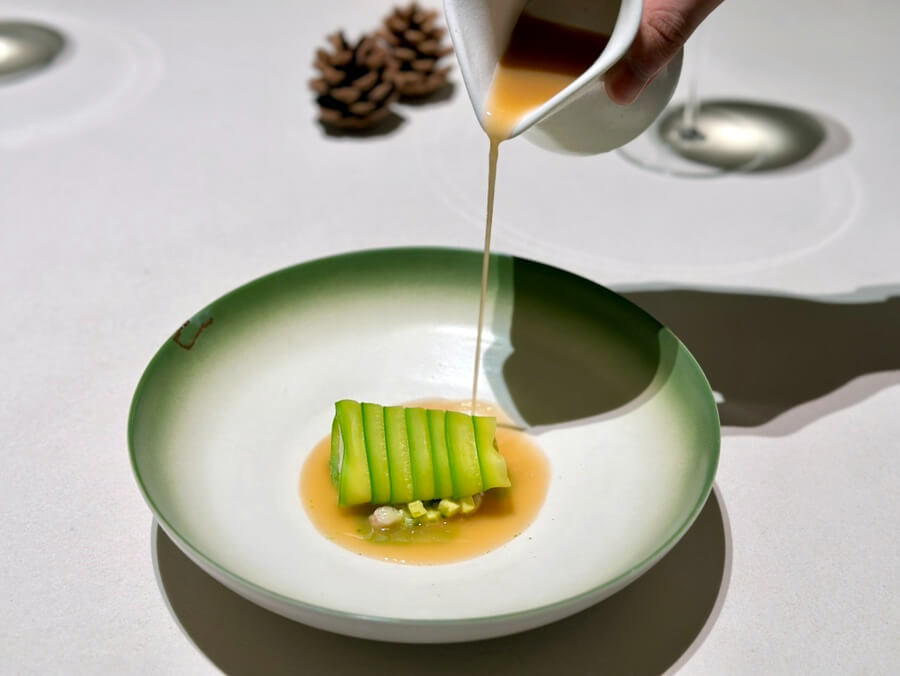
This means that seasonal calendars matter more than they once did. Spring mountainside greens, gosari, chwinamul, the various wild herbs that define the first weeks after the last frost, carry a different charge than imported micro-herbs ever could. Autumn brings chestnuts from Gongju, persimmons from Sangju, and the particular sweetness of Korean pear that has no direct European equivalent. A kitchen committed to this rhythm is, in effect, building a menu that changes its argument with every season rather than cycling through variations on a fixed format. Compared to the more ingredient-agnostic approach of places like Mori in Busan or the grilled-focused logic of Black Pork BBQ in Seogwipo, a Jongno fine-dining room operates in a different register entirely, one where the seasonal and the ceremonial are hard to disentangle.
The broader Korean dining scene demonstrates how seriously provenance is now taken across price points. Fermentation-led addresses from Jeju, including Badang Lounge, and regional specialists like Gyeongju Wonjo Kongguk and Hwangnam Bread in Gyeongju each anchor their identity in a specific local product logic. Fine dining in Jongno sits at the top of that same value chain, but the underlying argument, that place produces flavour, and flavour should be the point, runs through the whole Korean food culture.
Where Myomi Sits in the Competitive Map
Seoul's ₩₩₩₩ contemporary Korean tier is not thin. Within a short radius of Jongno and across the Han River in Gangnam, a diner can choose between the structured formality of Onjium, the Korean-French hybrid logic of Zero Complex, and the atmospheric ambition of Eatanic Garden. Each makes a different claim on the same diner's calendar. What differentiates them is less any single dish and more the overall editorial position the kitchen takes toward the interaction between Korean raw material and applied technique.
For comparison, the Korean fine-dining conversation has reached New York with enough seriousness that a room like Le Bernardin now shares critical vocabulary with Seoul's top tier, both operating in a space where technique is assumed and the differentiation happens at the level of philosophy and sourcing. Closer to home, Soigné and alla prima represent the more experimental end of Seoul's innovative dining, while the Dining Room in Busan and regionally focused tables like Gobojeong Galbi in Suwon and Doosoogobang show how Korean ingredient-centred cooking operates across formats and price points. Also worth noting in the broader peninsula context: 88돼지 in Jeju and Hinode in Seogwipo demonstrate how Jeju's distinct ingredient culture produces its own dining logic, distinct from the mainland fine-dining conversation.
Myomi's Yulgok-ro address keeps it in the gravitational pull of Jongno's older, more considered dining culture rather than the internationalist luxury register of Cheongdam or Apgujeong. That is a positioning choice with consequences: the diner walking in arrives primed for depth rather than spectacle. For the full picture of where Myomi sits within Seoul's dining scene, see our full Seoul restaurants guide.
Planning a Visit
Myomi is located at 83 Yulgok-ro, fifth floor, in Jongno District. The address is accessible via Anguk station on Seoul Metro Line 3, which places it within a few minutes' walk and at the edge of one of the city's most walkable cultural precincts. Given the density of serious dining in this part of the city, booking ahead is the sensible approach for any evening visit, particularly on weekends when Jongno draws visitors alongside regulars.
How Myomi Seoul compares with similar nearby venues.
| Venue | Cuisine | Price |
|---|---|---|
| The Green Table | French Contemporary | ₩₩₩ |
| Dining In Space | French | Not listed |
| Keunkiwajip | Korean | Not listed |
| ANAM | Dwaeji-gukbap | ₩ |
Continue exploring
More in Seoul
Restaurants in Seoul
Browse all →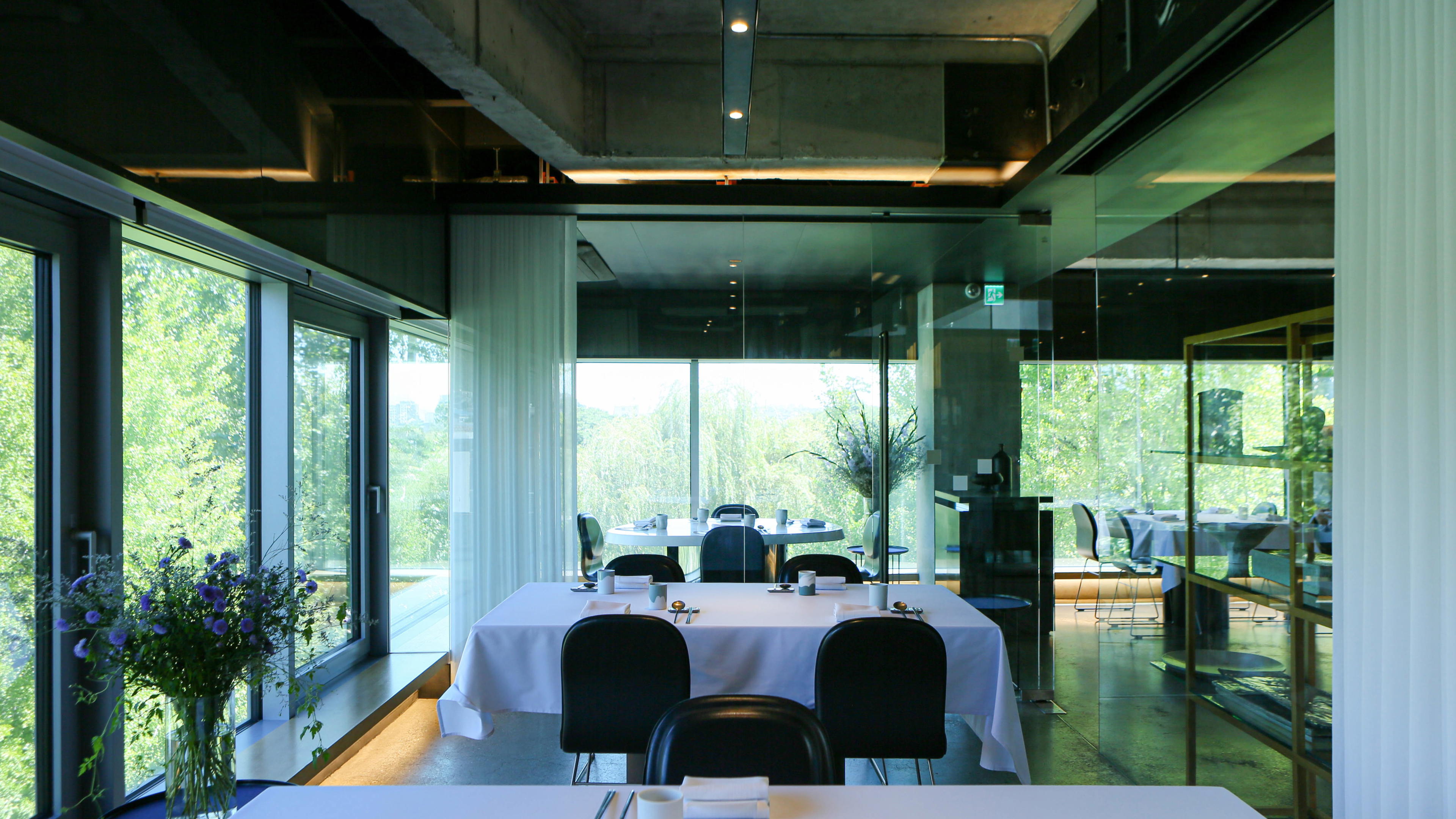
At a Glance
- Elegant
- Sophisticated
- Modern
- Intimate
- Special Occasion
- Date Night
- Celebration
- Open Kitchen
- Standalone
- Design Destination
- Local Sourcing
- Street Scene
Current opening hours
- Monday
- Closed
- Tuesday
- 12–3 PM, 6–10 PM
- Wednesday
- 12–3 PM, 6–10 PM
- Thursday
- 12–3 PM, 6–10 PM
- Friday
- 12–3 PM, 6–10 PM
- Saturday
- 12–3 PM, 6–10 PM
- Sunday
- Closed
Hours can change for holidays and private events. Last verified .
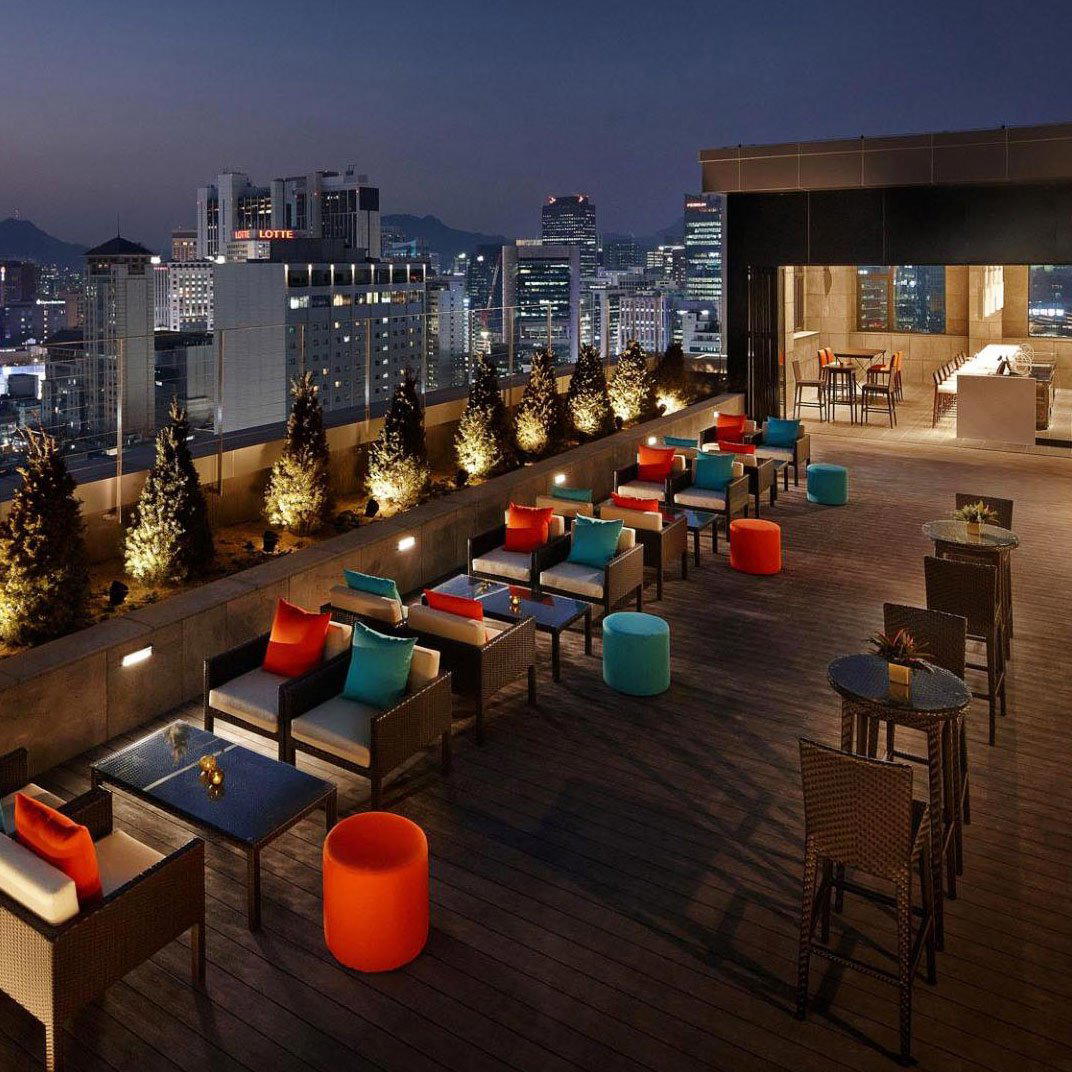
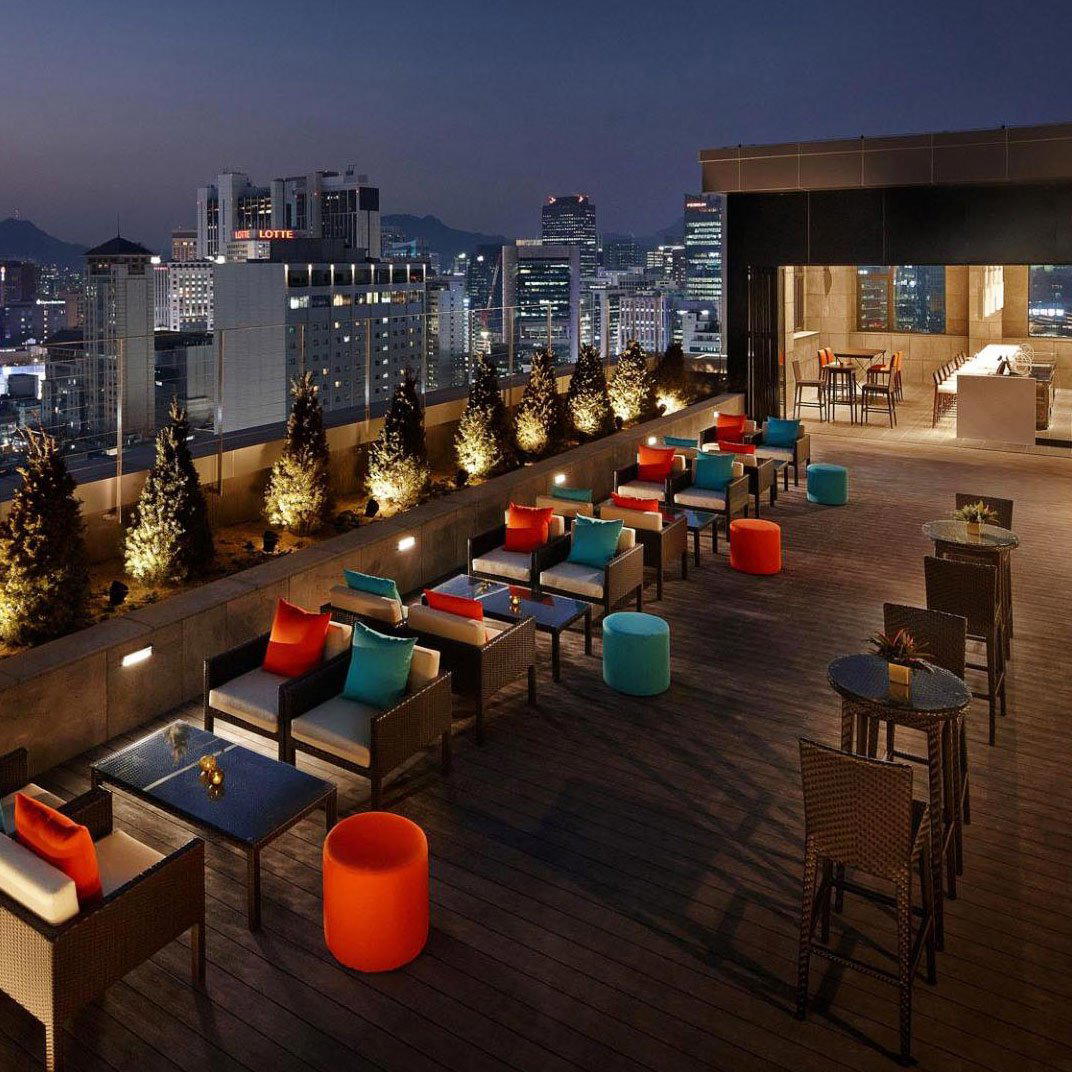
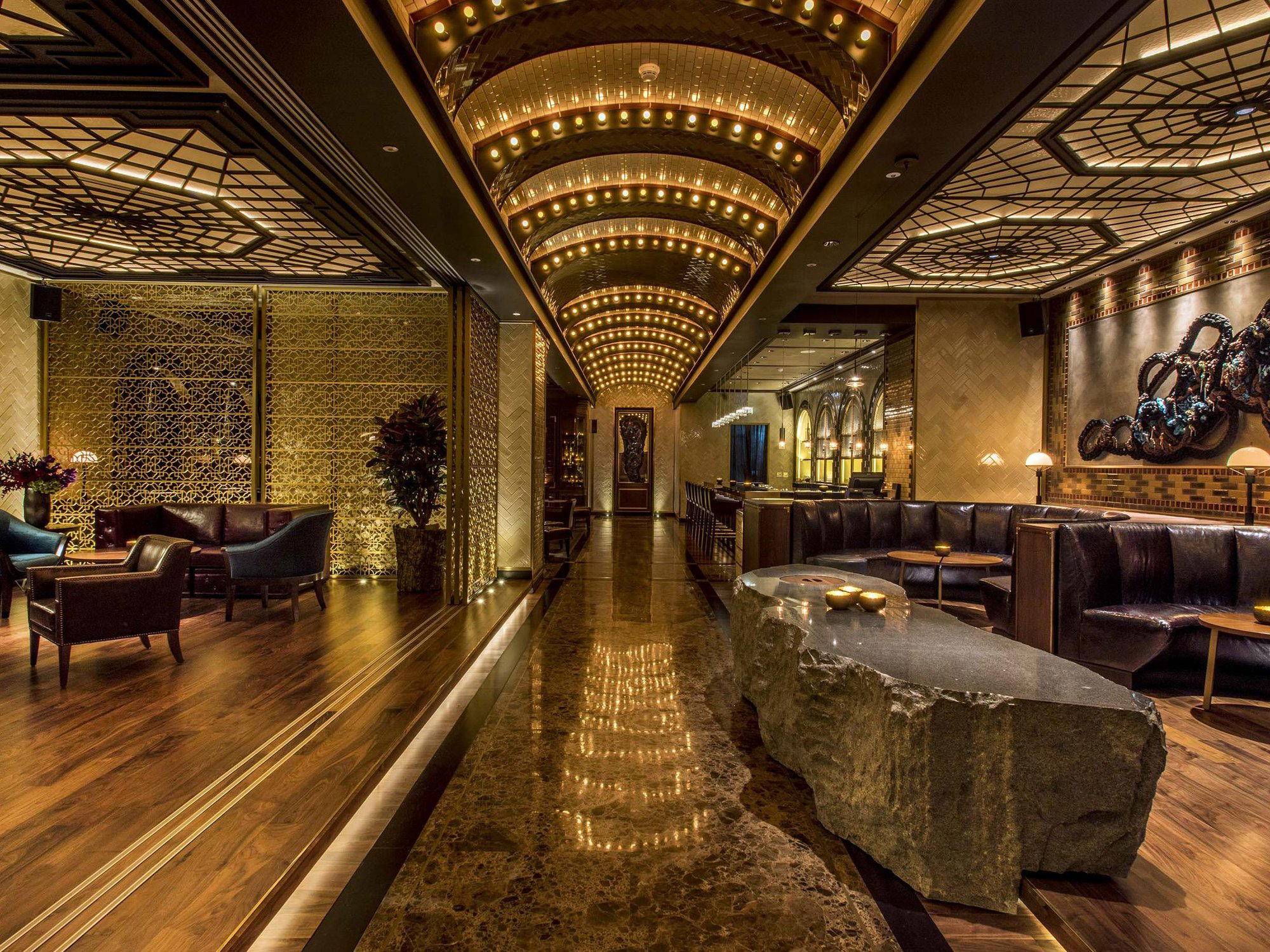
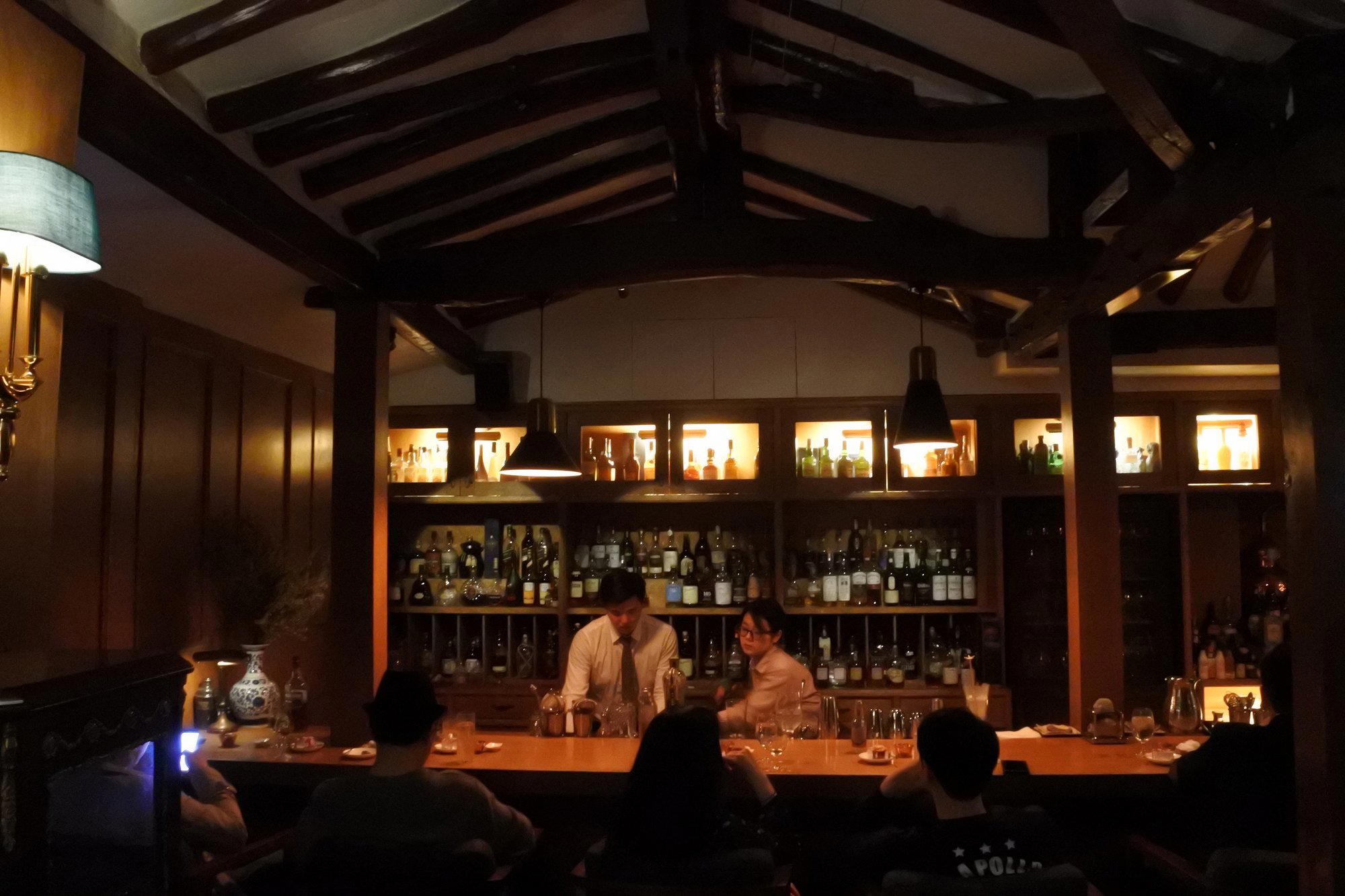
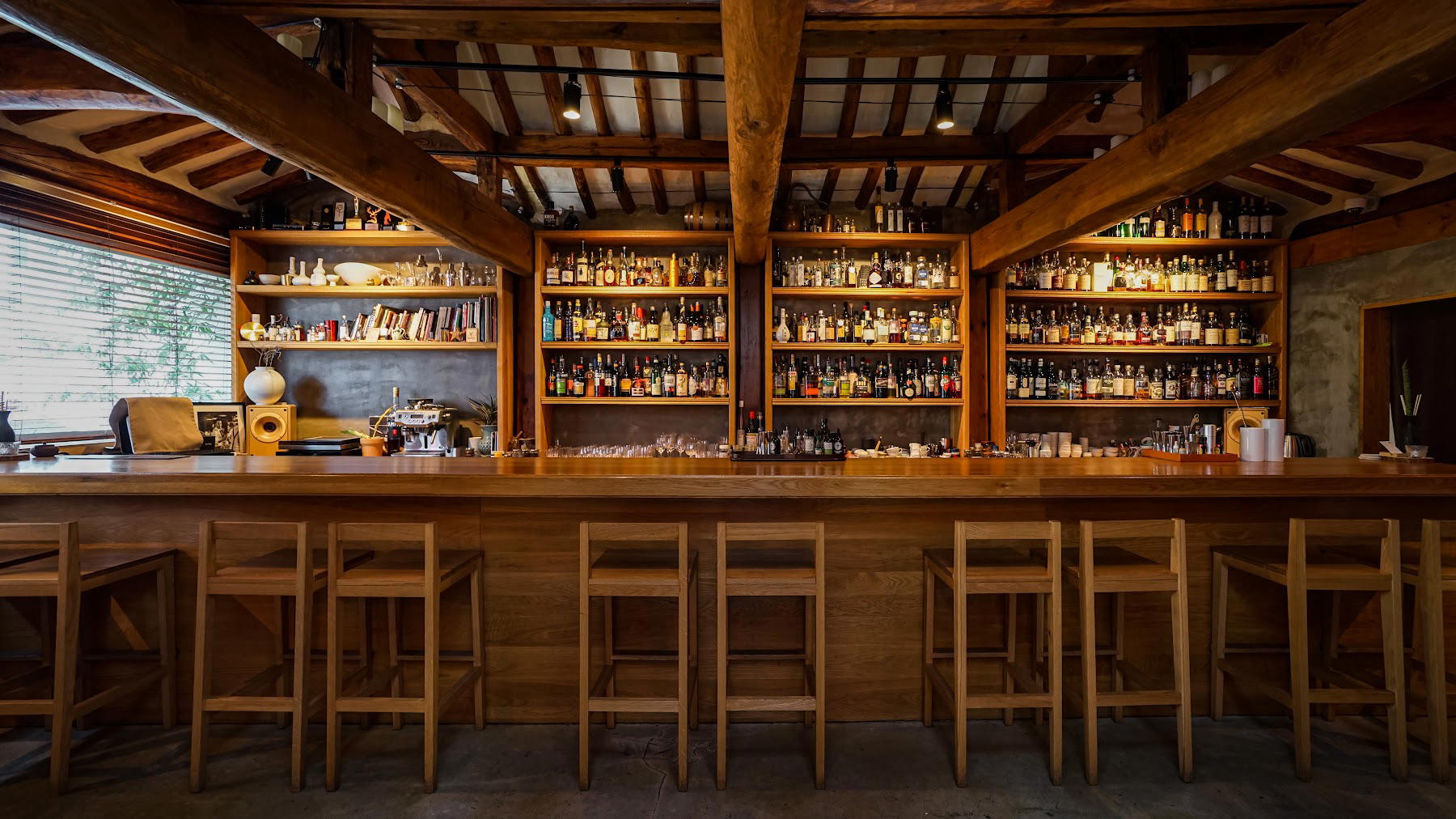
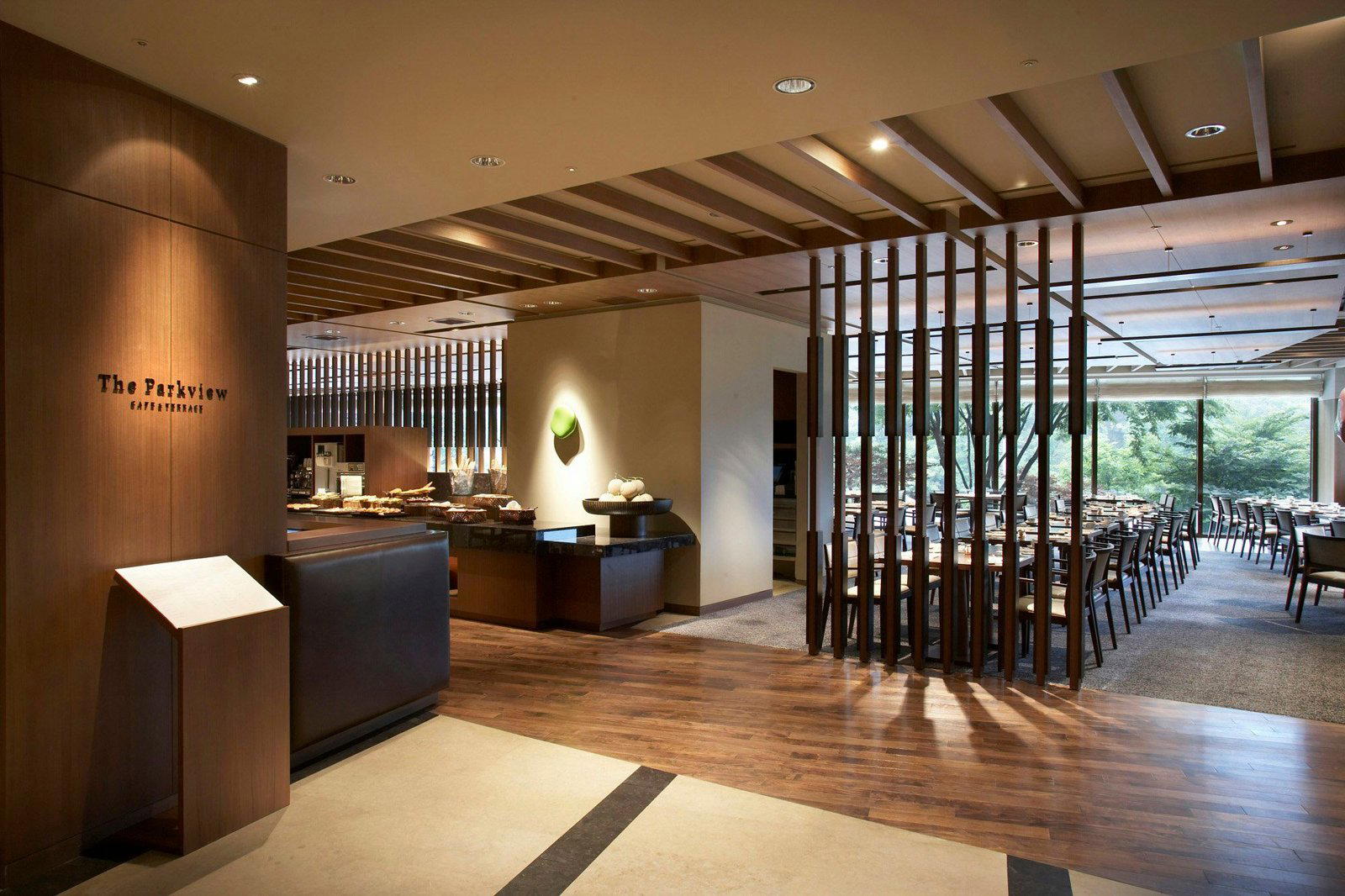
Sophisticated and refined atmosphere on the fifth floor with elegant presentation and carefully curated seasonal menus that create an upscale dining experience.
Know Before You Go
- Getting there
- South Korea, Seoul, Jongno District, Yulgok-ro, 83 5층