ê°ê² by ìµì¤í¸
가게 by 옥스트 occupies a second-floor address on Apgujeong-ro 80-gil in Gangnam, positioning itself within Seoul's most competitive fine-dining corridor. The format places equal weight on kitchen craft, floor service, and beverage programming, reflecting a collaborative team dynamic that defines the upper tier of the city's contemporary dining scene. Reservations are advised for any visit to this Apgujeong address.
Pearl is the En Primeur Club membership app — saves, bookings, and concierge access live there. Same editors, same standards.
- Address
- South Korea, Seoul, Gangnam District, Apgujeong-ro 80-gil, 19-1 2층
- Phone
- +821045842154
- Website
- instagram.com
- Directions
- Get directions
 Saves & bookings on Pearl
Apgujeong's Second Floor, Seoul's Competitive Upper Tier
The address tells part of the story. Apgujeong-ro 80-gil sits inside Gangnam's most concentrated stretch of high-end dining, where the density of serious kitchens per block rivals comparable districts in Tokyo or Paris. A second-floor entrance on a side alley off the main boulevard is a deliberate calibration: visible enough to confirm the reservation, removed enough to filter out casual foot traffic. This is a format choice that Seoul's upper dining tier has been refining for years, and 가게 by 옥스트 belongs to that pattern.
Seoul's fine-dining cohort has expanded sharply over the past decade. Venues like Mingles, Jungsik, and Kwonsooksoo anchored international recognition for Korean fine dining in the 2010s, pulling the city into conversations previously dominated by Tokyo and Copenhagen. What followed was a second wave: tighter, more experimental formats occupying the same Gangnam and Apgujeong postcodes, each staking a position in a market now sophisticated enough to distinguish between French-technique Korean, contemporary kaiseki-adjacent, and straight avant-garde. 가게 by 옥스트 enters that competitive field from the Apgujeong side, where real estate costs and neighbourhood expectation set a particular standard before a single dish arrives.
The Collaboration Model and Why It Matters Here
The defining characteristic of Seoul's most serious contemporary restaurants is not, as it was ten years ago, the headline chef. The city's dining conversation has matured to a point where the relationship between kitchen, floor, and beverage program carries as much weight as any single credential. This shift mirrors what happened in Copenhagen in the early 2010s and in New York a few years later, where venues like Atomix and Le Bernardin demonstrated that sustained recognition depends on the whole system holding together, not on kitchen talent alone.
At 가게 by 옥스트, the name itself signals this collaborative orientation. The pairing of 가게 (ggage, roughly meaning a small, deliberate establishment) with 옥스트 points toward a joint authorship model rather than a single-chef vehicle. In the current Seoul market, that framing is a positioning choice as much as a philosophical one. Venues operating under dual or collective identity tend to place equal structural weight on the sommelier's beverage narrative and the front-of-house team's service choreography. The evening, at this level, is designed as a score with multiple contributing voices rather than a monologue from the pass.
This approach has parallels across Seoul's most-discussed addresses. Soigné has long framed its format around the interplay between kitchen and floor. alla prima operates with a similarly collaborative creative structure. The pattern reflects a broader truth about how top-tier dining in Korean cities is evolving: the room, the pour, and the plate are treated as a single designed experience rather than separate departments. For diners approaching 가게 by 옥스트 for the first time, this means the service interaction and beverage pairing deserve the same attention as whatever arrives from the kitchen.
Gangnam's Fine-Dining Context: Where This Venue Sits
Positioning within Gangnam's upper tier is worth understanding before booking. The district now supports several distinct price and format bands. At the accessible end, a growing number of contemporary Korean lunch counters operate in the ₩₩₩ range. The ₩₩₩₩ band, where venues like 7th Door, Eatanic Garden, Onjium, and Zero Complex compete, is where format ambition, beverage program depth, and ingredient sourcing are expected to justify the outlay. 가게 by 옥스트's Apgujeong address places it in conversation with this cohort, even where specific pricing is not yet publicly indexed.
What separates Apgujeong from adjacent Cheongdam-dong or Sinsa-dong, as a dining location, is the concentration of format experimentation alongside established luxury. The neighbourhood has absorbed several opening cycles and developed a guest base that arrives with specific expectations around seasonal progression, local sourcing, and beverage coherence. For reference, the broader Korean dining scene — from Mori in Busan to Dining Room in Busan to regional anchors like Gobojeong Galbi in Suwon and Doosoogobang — demonstrates how much range exists across the country's dining formats. Seoul's Apgujeong bracket is the highest-pressure competitive tier within that national field.
Planning Your Visit
가게 by 옥스트 is located at Apgujeong-ro 80-gil 19-1, second floor, in Gangnam District, Seoul. Given the neighbourhood's dining density and the format's apparent positioning in the upper-tier collaborative model, advance reservation planning is warranted. Seoul's most-discussed contemporary restaurants typically open booking windows two to four weeks ahead for weekdays, with weekend slots filling faster. Guests exploring the wider Seoul scene should consult our full Seoul restaurants guide for context on comparable addresses. Those travelling beyond the capital will find the regional picture filled out by venues ranging from Jeju's Badang Lounge and 88돼지 to the historic food culture of Gyeongju, where Hwangnam Bread and Gyeongju Wonjo Kongguk represent entirely different registers of Korean culinary practice. The contrast between Apgujeong's contemporary ambition and these regional expressions is, in itself, a useful frame for understanding what 가게 by 옥스트 is attempting and why the location is not incidental.
For Jeju-side dining during wider South Korea itineraries, Black Pork BBQ in Seogwipo and Hinode in 서귀포시 offer reference points in a very different format register, useful calibration for a trip that moves between Seoul's fine-dining density and the island's more direct, produce-led approach.
How ê°ê² by ìµì¤í¸ Seoul compares with similar nearby venues.
| Venue | Cuisine | Price |
|---|---|---|
| Sushi Matsumoto | Sushi | ₩₩₩₩ |
| Vault Steakhouse | Steakhouse | ₩₩₩₩ |
| Onyva | French | ₩₩ |
| L'Amitié | French | ₩₩₩ |
| Mingles | Korean | ₩₩₩₩ |

At a Glance
- Intimate
- Sophisticated
- Minimalist
- Date Night
- Special Occasion
- Chefs Counter
- Sake Program
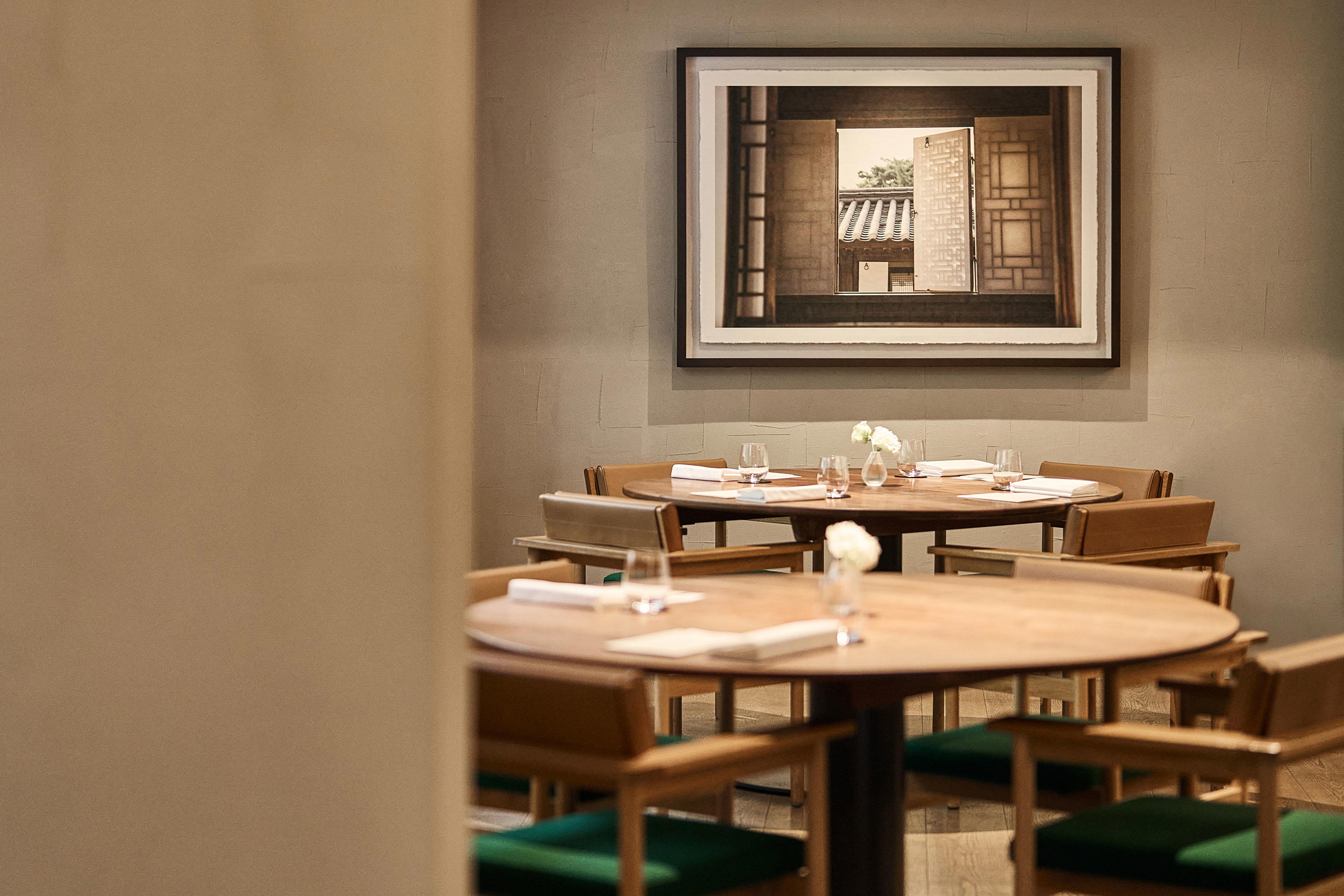
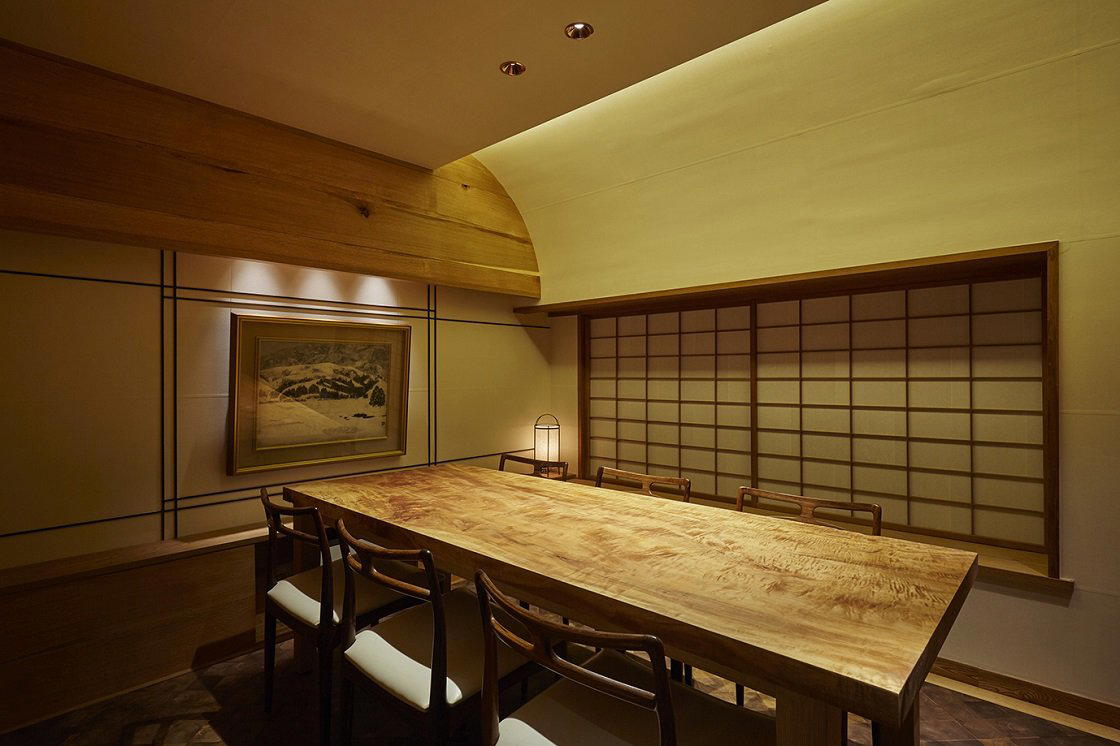
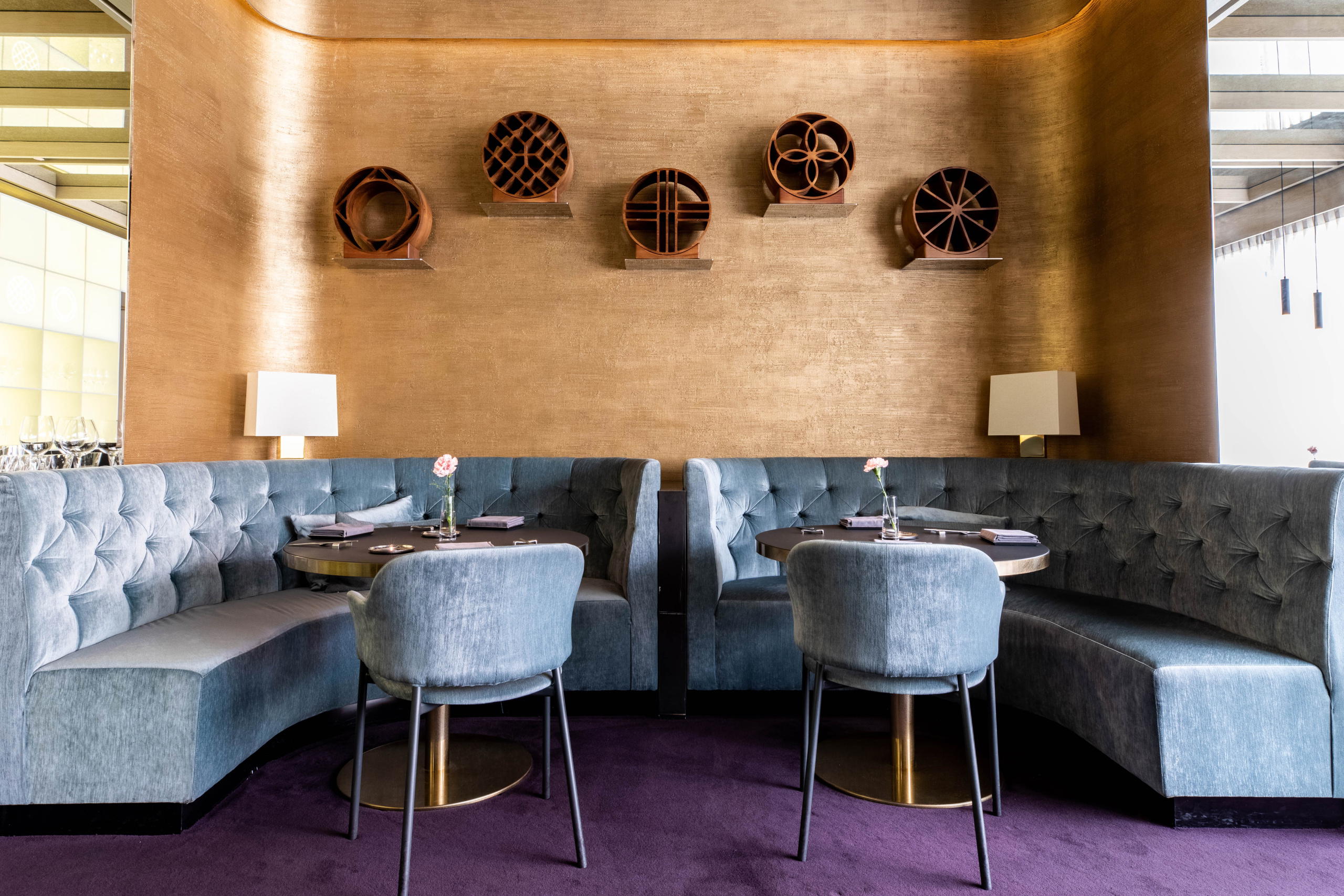
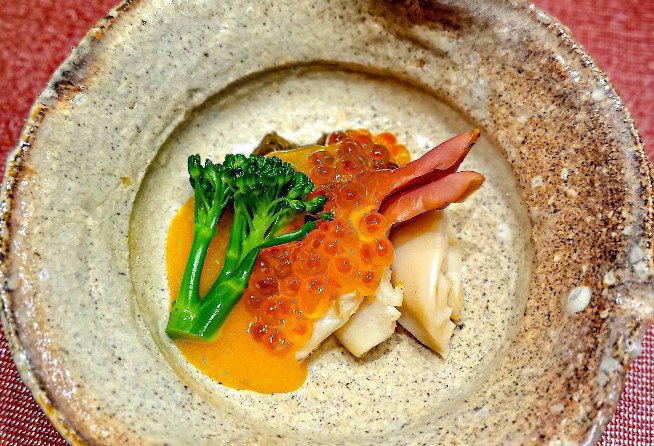
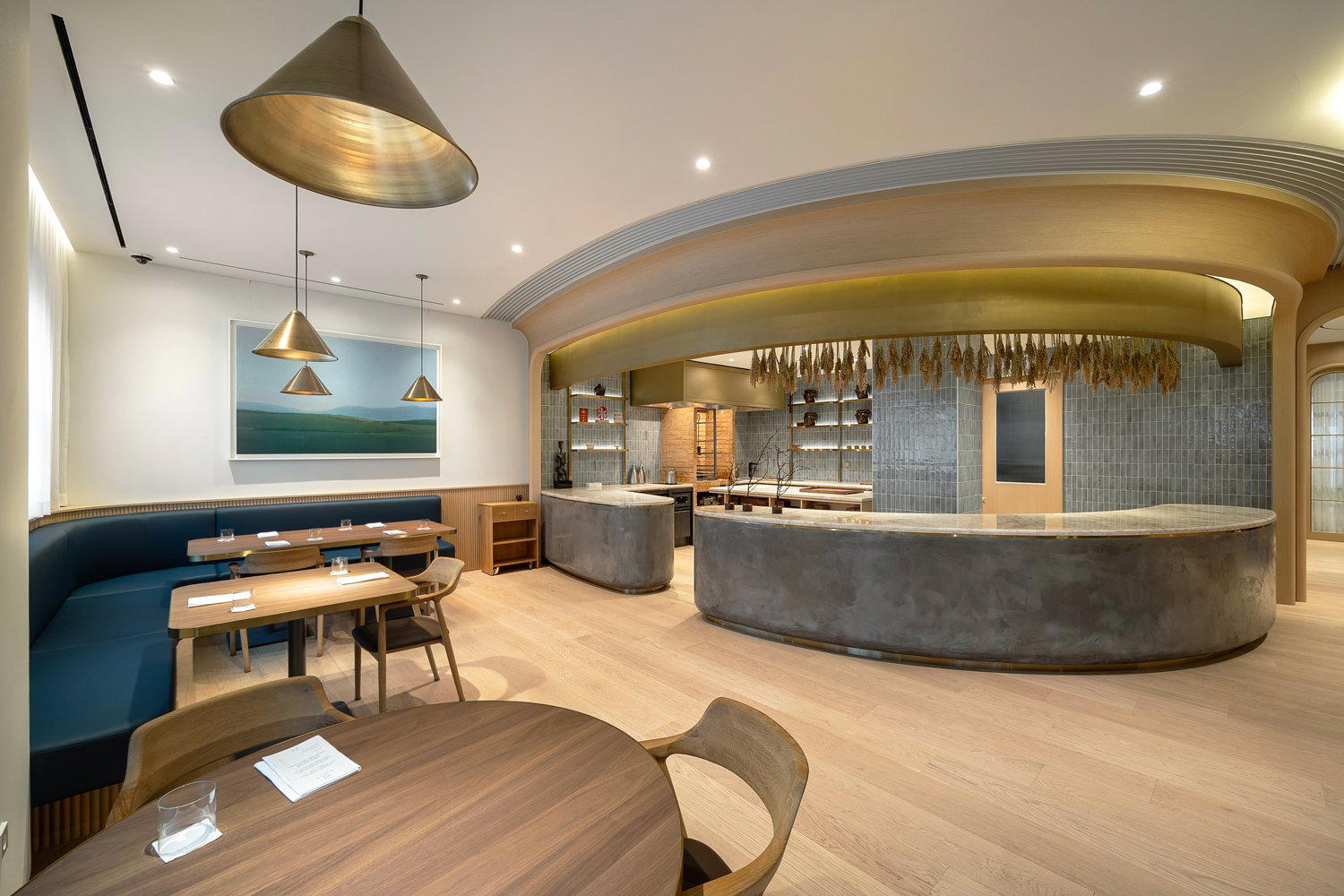
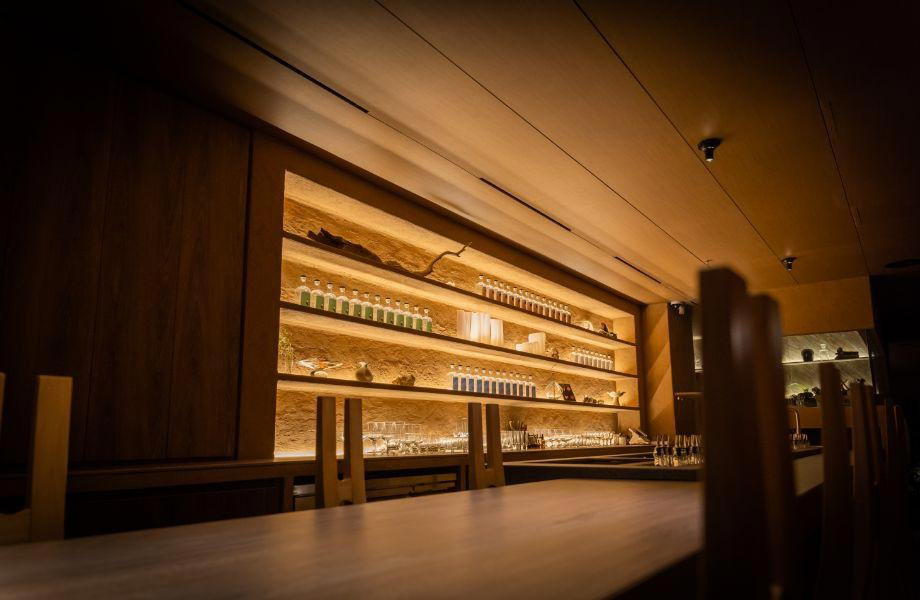
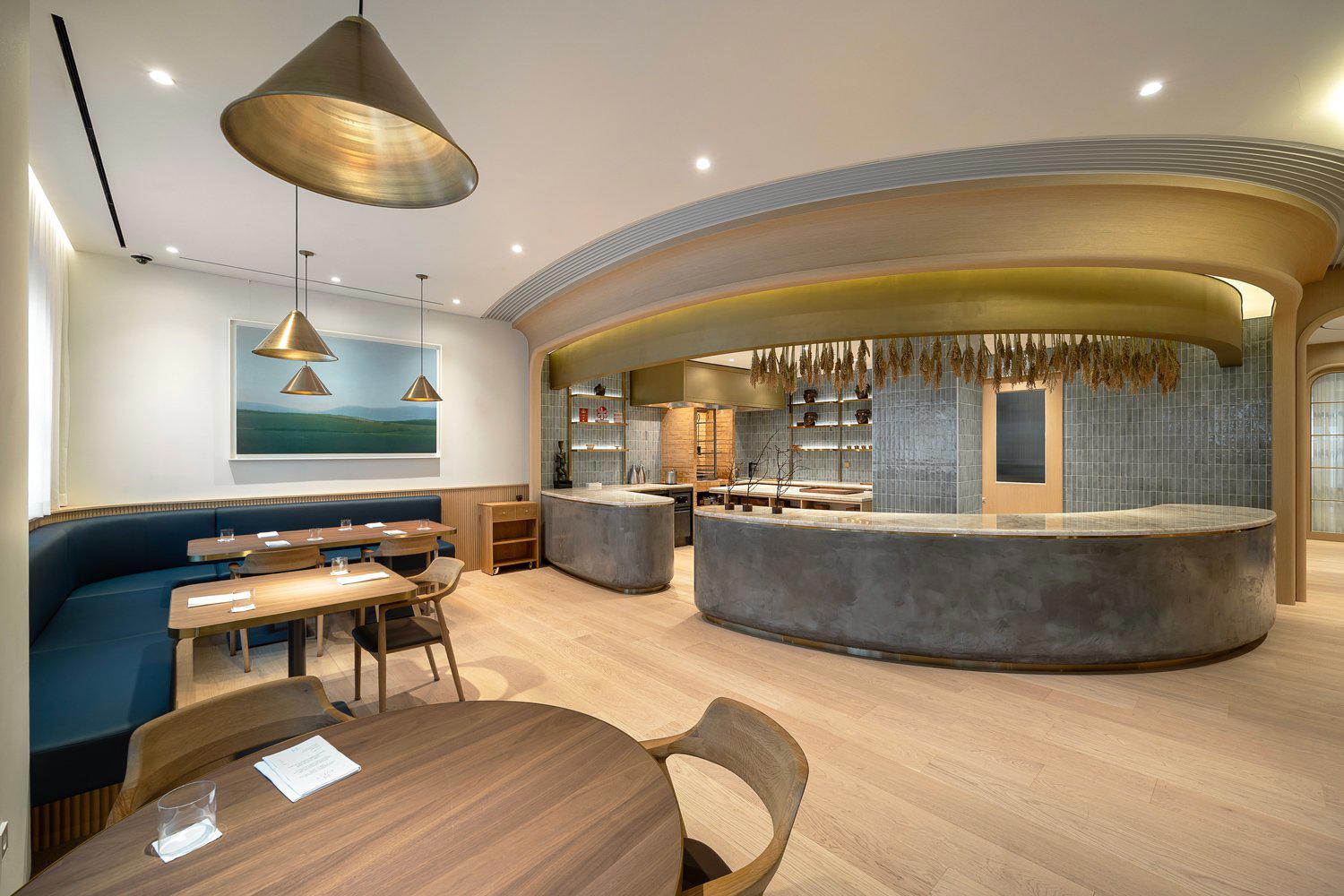
Dimly lit minimalist space with focused spotlighting on the chef's counter, creating an intimate and serene high-end dining atmosphere.
Know Before You Go
- Getting there
- South Korea, Seoul, Gangnam District, Apgujeong-ro 80-gil, 19-1 2층