o'neul
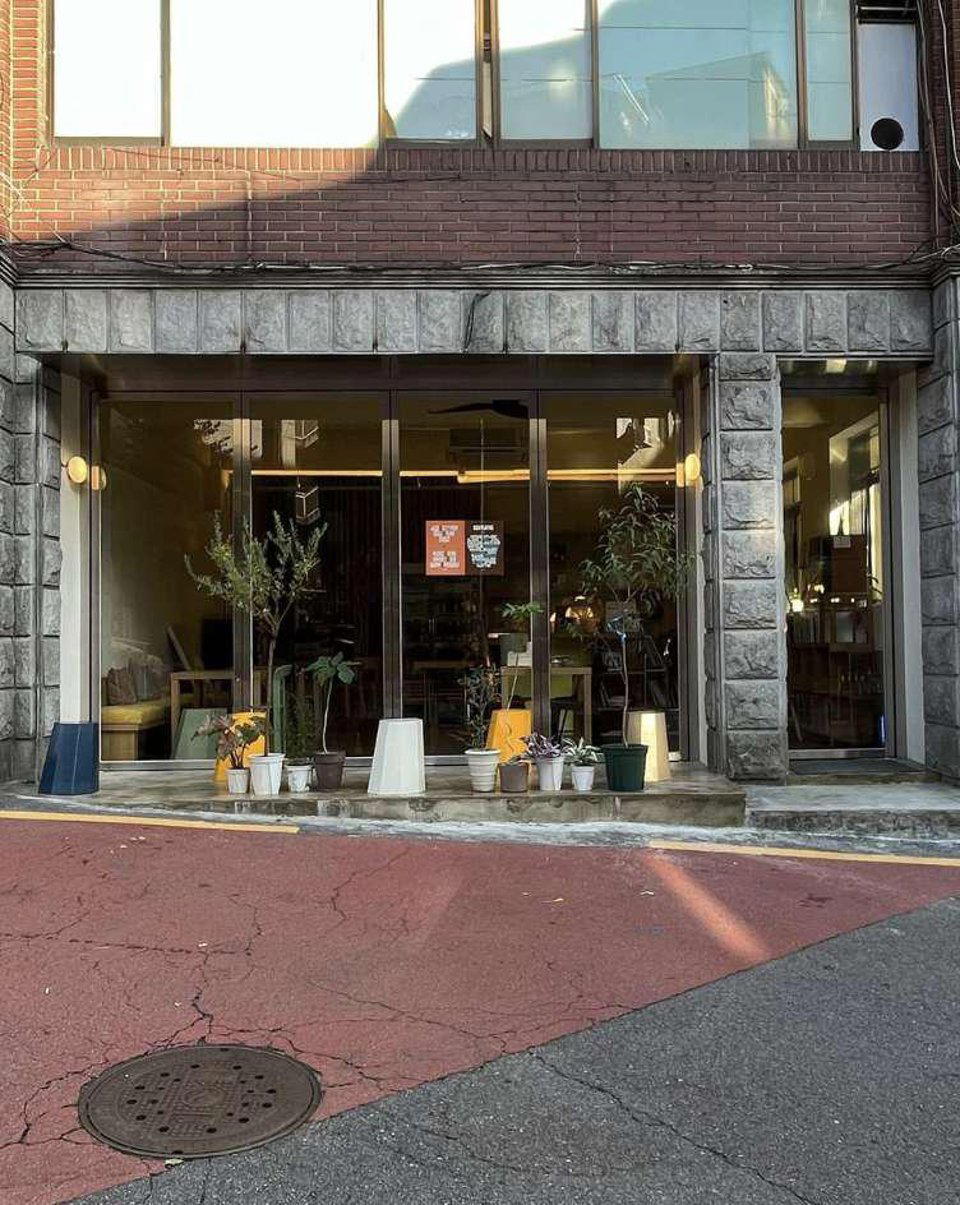
Located at 60 Jangmun-ro in Seoul's Yongsan District, o'neul occupies a corner of the city where neighbourhood dining culture runs deeper than restaurant tourism. The address places it within reach of Itaewon's more considered side, where returning customers rather than first-timers set the room's tone. For those who track Seoul's serious dining circuit, o'neul is a name that circulates among regulars before it reaches wider lists.
Pearl is the En Primeur Club membership app — saves, bookings, and concierge access live there. Same editors, same standards.
- Address
- 60 Jangmun-ro, Yongsan District, Seoul, South Korea
- Phone
- +82 2 792 1054
- Website
- restaurantoneul.com
- Directions
- Get directions
 Saves & bookings on Pearl
Where the Room Belongs to Regulars
Yongsan District has spent the better part of a decade shedding its transient reputation. The area around Jangmun-ro, close to the ridge lines that separate Itaewon from Hanam-dong, now holds a cluster of restaurants that measure their success less in walk-in volume and more in the density of familiar faces. o'neul, at number 60 on that street, fits this pattern precisely.
South Korea's capital has developed a tier of restaurants that sit outside the obvious tourist circuit and the Michelin-chased reservation rush, operating instead on a loyalty model familiar to anyone who has tracked Kwonsooksoo or watched Mingles build its following over years rather than seasons.
The Yongsan Setting and What It Signals
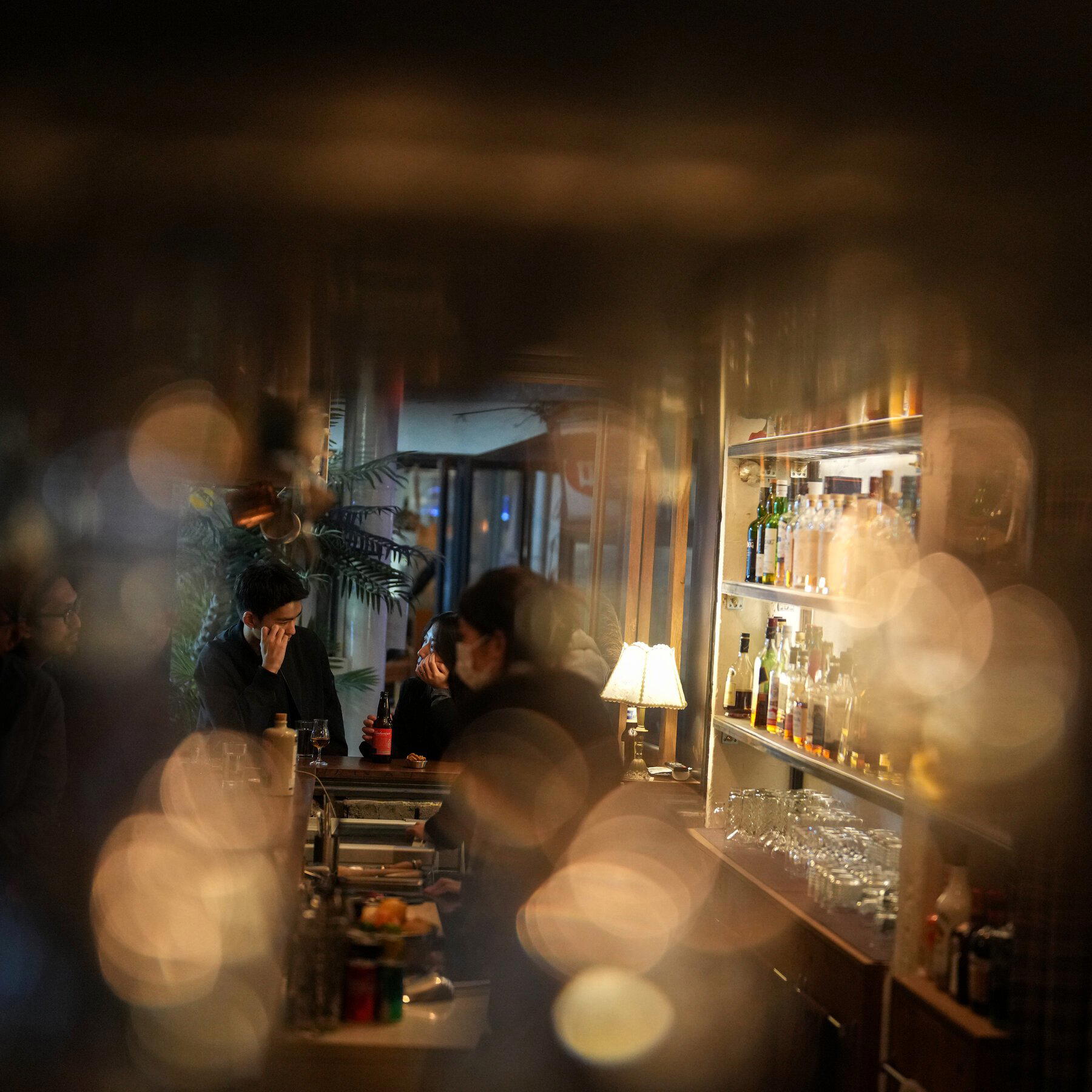
The Yongsan address is meaningful. Unlike the high-visibility corridors of Cheongdam or the tasting-menu concentration around Apgujeong, Jangmun-ro operates at a different register. Foot traffic here is purposeful. Diners arrive because they planned to, not because they were passing. That self-selecting audience tends to produce a room with a particular quality: lower ambient performance, more sustained conversation, the kind of atmosphere that comes from people comfortable in a space they've returned to rather than performing their first visit.
Seoul's dining geography has fractured into distinct character zones over the past five years. The Gangnam-side fine dining corridor, where venues like Jungsik and Soigné anchor the contemporary scene, operates under different social pressures than the north-of-the-river addresses. Yongsan sits in a useful middle position: accessible from both halves of the city, without the gravitational pull of either. For a restaurant that cultivates repeat custom, the location is a quiet advantage.
What Keeps Them Coming Back
The regulars' perspective is one reliable lens on a restaurant like o'neul, precisely because there is no extensive awards dossier or widely published critical record to lean on. What circulates instead is the kind of word that travels through networks of people who take their eating seriously: the sense that a meal here holds up on the second visit, and the third, and that the room doesn't change its character depending on who walks in.
This is a meaningful distinction in a city where certain restaurants recalibrate noticeably when they sense a reviewer or a known figure in the room. The restaurants that sustain real regulars tend to maintain a consistent register regardless of the audience. The alla prima model in Seoul's innovative dining category shows one version of this, where format discipline matters more than flexibility. At o'neul, the draw appears to operate through consistency of experience rather than a marquee set piece.
Across Seoul's wider dining circuit, from the temple food traditions documented at places like Baegyangsa Temple to the contemporary Korean formats explored at Kwon Sook Soo in Gangnam-gu, the restaurants that develop genuine regular audiences tend to share a common quality: the menu changes in ways that reward familiarity rather than punish it. Returning diners feel the evolution rather than arriving at something unrecognisable.
Placing o'neul in the Seoul Context
What the Yongsan address and the regulars-first character suggest is a positioning outside the formal tasting-menu tier occupied by venues like Soigné or the highest-end Korean fine dining occupied by Onjium. The room reads more like the middle tier of Seoul's serious dining: places where the cooking is considered and the experience is deliberate, without the ceremony-to-food ratio that defines the leading bracket.
That tier is especially interesting in Seoul right now. The city's premium bracket is well-documented and internationally tracked. The layer beneath it, where restaurants like alla prima work in innovative formats and neighbourhood institutions develop multi-year followings, is where the more durable dining culture lives. South Korea's regional dining scene reflects a similar pattern: Mori in Busan and Double T Dining in Gangneung each demonstrate how a strong local regular base can produce a reputation that travels without the venue having to chase recognition.
For comparison, international venues that operate on similar loyalty dynamics, think Lazy Bear in San Francisco with its community-rooted format, or the long-term regulars who sustain institutions like Le Bernardin in New York City across decades, tend to share an investment in the repeat experience that distinguishes them from destination restaurants built for one extraordinary visit.
Planning a Visit
o'neul is located at 60 Jangmun-ro, Yongsan District, Seoul. The address is reachable via Itaewon station on Line 6, with the walk to Jangmun-ro taking roughly ten minutes through a neighbourhood that rewards slow attention. Given the venue's positioning toward a regular clientele, advance contact before visiting is advisable: venues of this character in Seoul frequently operate on reservation-led schedules rather than open walk-in sittings.
For those building a broader Seoul itinerary across the Yongsan and north-side dining area, the surrounding region offers further depth: Doosoogobang in Suwon, Injegol in Inje County, and Market Café in Incheon extend the picture of what serious eating looks like beyond Seoul's core. For Jeju-side context, Cheon Jee (천지) and The Flying Hog in Seogwipo are worth tracking. Closer to Seoul, 에버리움펜션 in Cheoin rounds out the regional picture for those exploring beyond the capital.
Cuisine and Credentials
Comparable venues nearby, for context on price, style, and recognition.
| Venue | Cuisine | Price | Notes |
|---|---|---|---|
| o'neulThis venue — the venue you are viewing | Modern Traditional Korean Fine Dining | $$$$ | Not listed |
| 본앤브레드 신관레스토랑 (본앤브레드) | Korean Hanwoo Omakase | $$$$ | Majang-dong, Seongdong-gu |
| Myomi | Modern Korean Fine Dining | $$$$ | 가회동 |
| Joo Ok Restaurant | Contemporary Korean Fine Dining | $$$$ | Sajik-dong |
| Dooreyoo (두레유) | Modern Korean Temple-Inspired Cuisine | $$$ | Bukchon Hanok Village |
| 우텐더 (Wootender) (우텐더) | Premium Korean Hanwoo BBQ | $$$ | Apgujeong |
At a Glance
- Elegant
- Modern
- Intimate
- Sophisticated
- Special Occasion
- Date Night
- Business Dinner
- Private Dining
- Sake Program
- Local Sourcing
Current opening hours
- Monday
- 12 AM–10 PM
- Tuesday
- 12 AM–10 PM
- Wednesday
- 12 AM–10 PM
- Thursday
- 12 AM–10 PM
- Friday
- 12 AM–10 PM
- Saturday
- 12 AM–10 PM
- Sunday
- Closed
Hours can change for holidays and private events. Last verified .
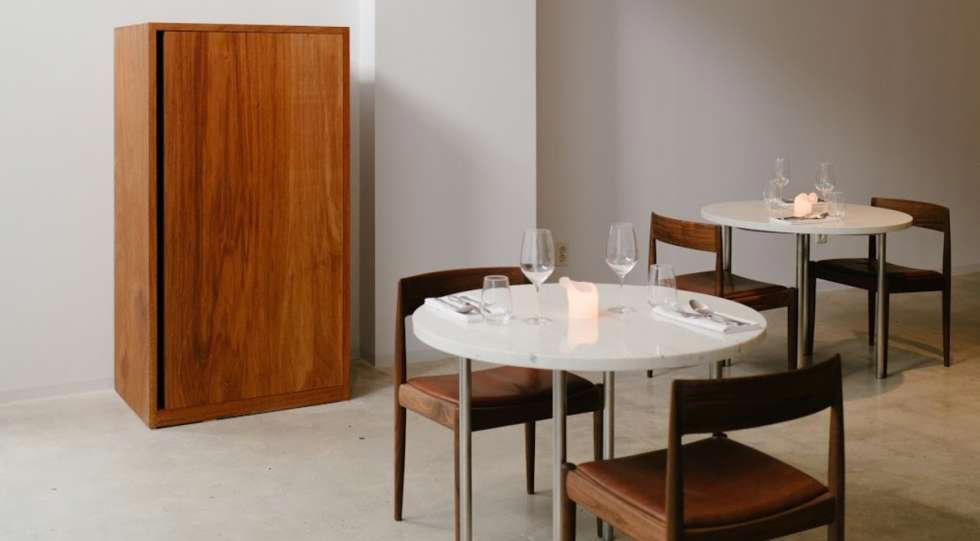
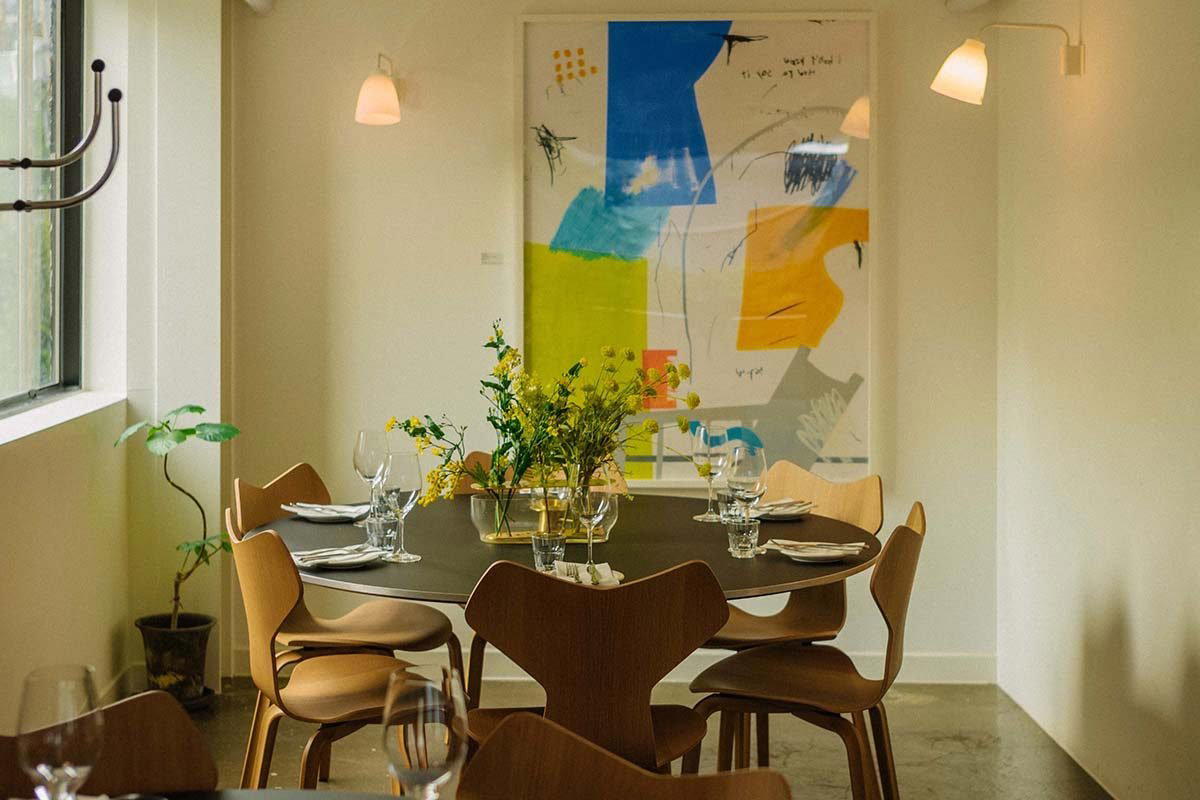
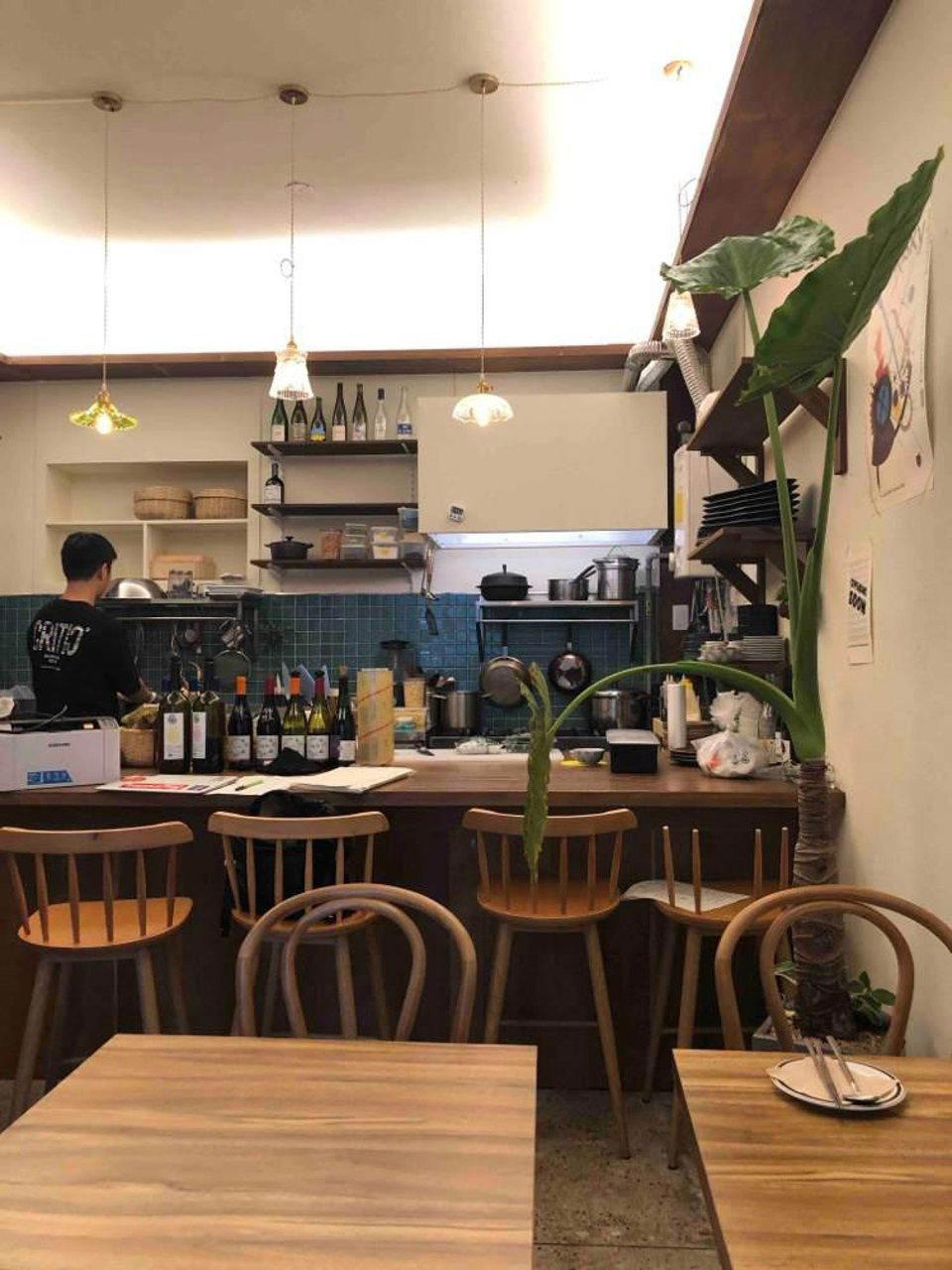
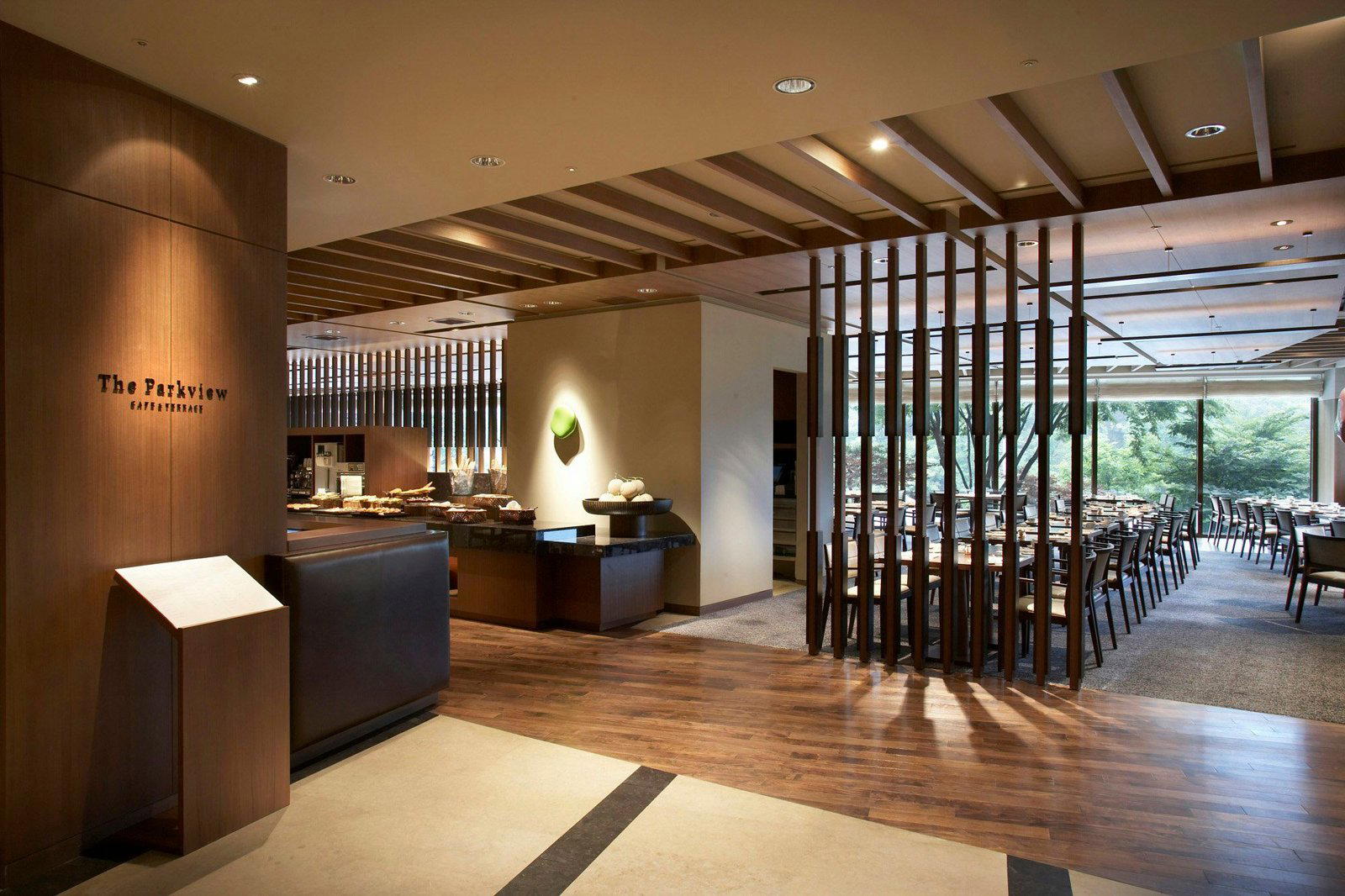
Airy, unadorned space designed to soothe the senses with elegantly simple plating.