Woo Tender
Woo Tender is a Seoul dining address that positions itself within the city's growing occasion-dining tier, where premium Korean cooking meets deliberate, milestone-worthy settings. Check directly for current booking windows and menu details.
 Discover on Pearl
Pearl is the En Primeur Club membership app — saves, bookings, and concierge access live there. Same editors, same standards.
Seoul's Occasion Tier and Where Woo Tender Fits
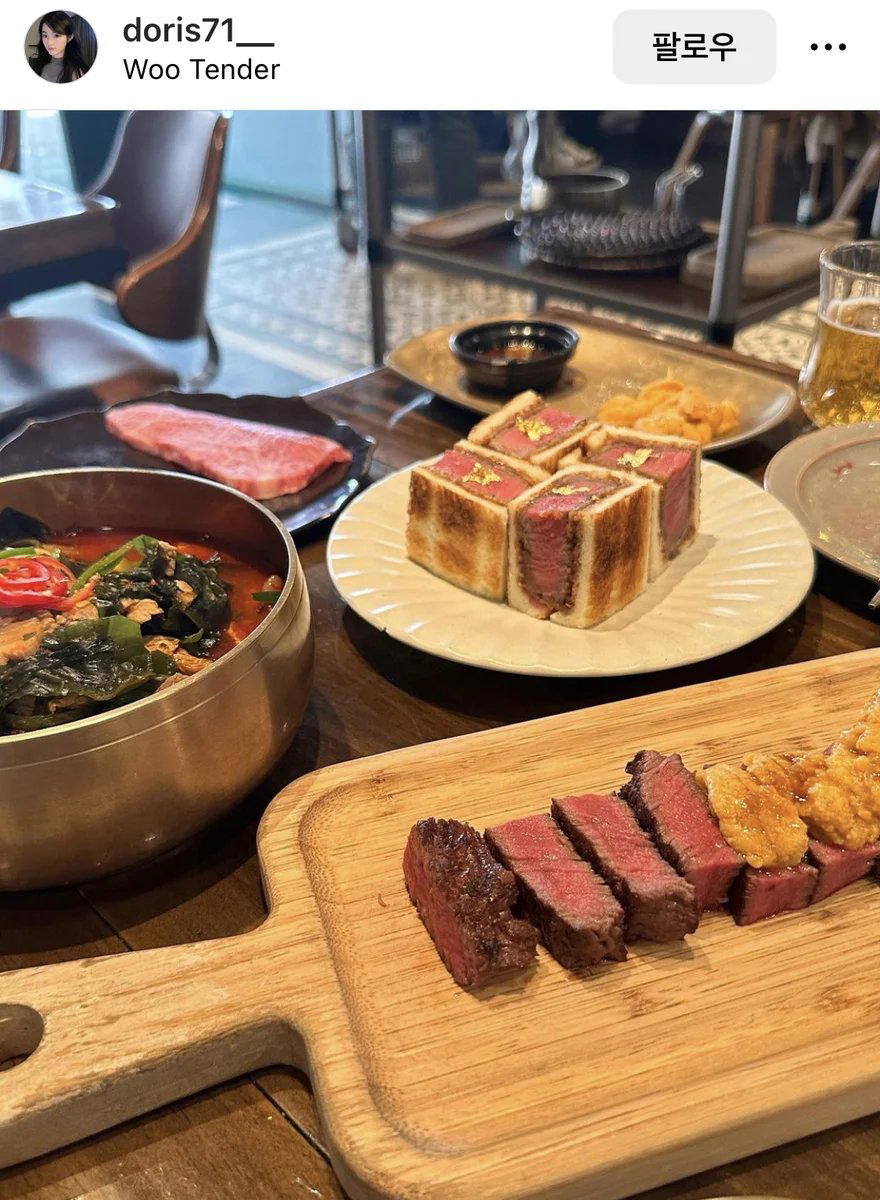
Seoul's premium dining scene has undergone a structural shift over the past decade. Where the city once channelled celebration meals through hotel banquet rooms and established Korean barbecue houses, it now sustains a distinct tier of rooms designed for high-stakes dining: anniversaries, milestone birthdays, corporate recognition meals, and dinners where the setting is expected to match the significance of the occasion. Woo Tender operates in that tier. Woo Tender is a Seoul restaurant serving Premium Hanwoo Beef Korean BBQ, with a Google rating of 4.5 from 335 reviews and an average spend of about $100 per person.
For context on how competitive this bracket is: venues like Mingles, Jungsik, and Kwonsooksoo have defined the upper end of Seoul's Korean fine dining for years, each carrying Michelin recognition and extended international reach. Below them, a second wave of ambitious rooms, including alla prima and Soigné, has built loyal followings through focused menus and tightly managed formats. Woo Tender competes within this landscape not through volume or celebrity, but through a precision of intent that occasion diners specifically seek.
The Setting as Statement
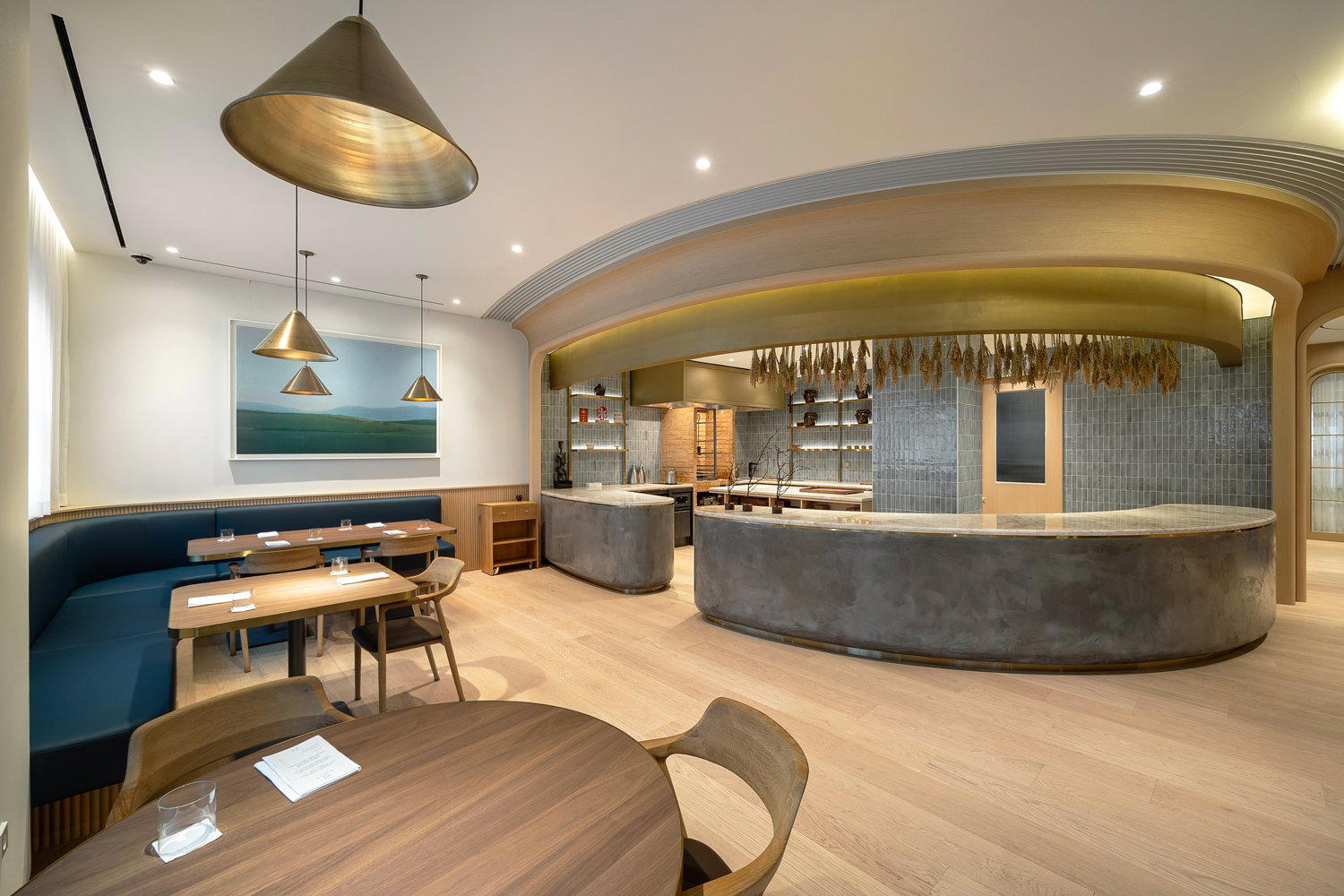
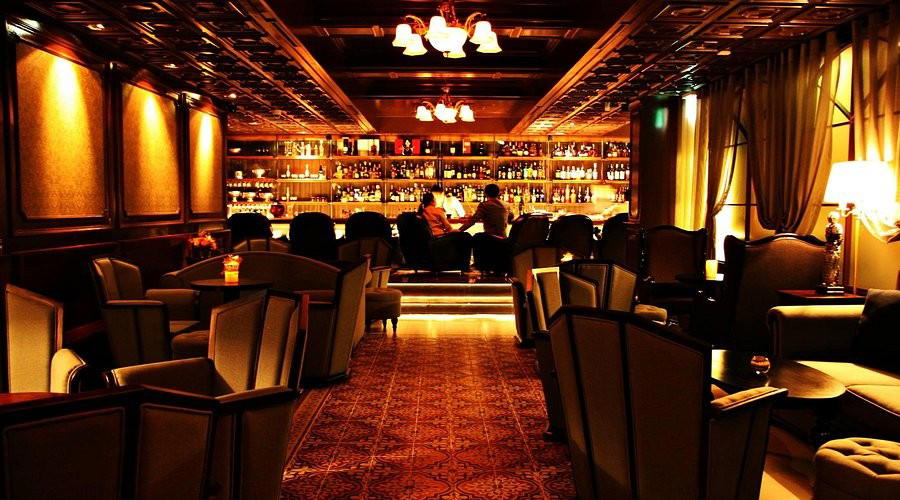
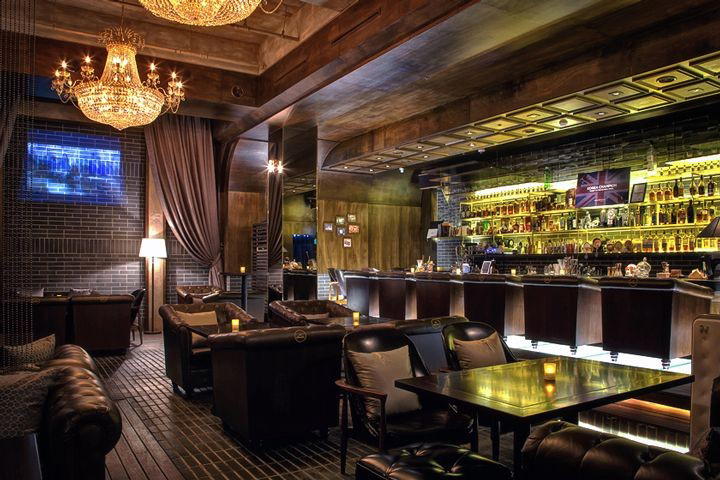
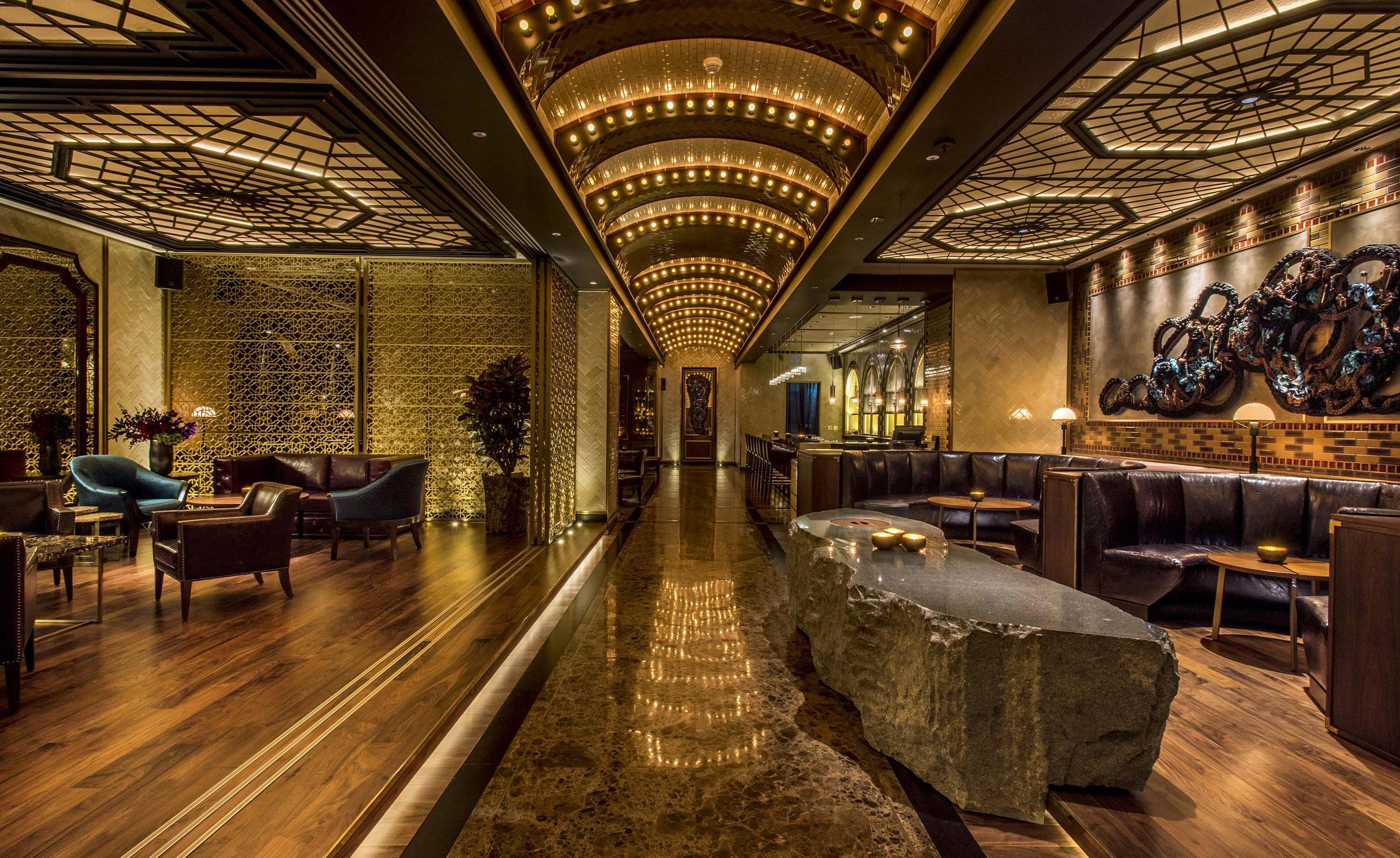
In Seoul's premium dining tier, the room itself is considered part of the offering. This is not incidental. Korean culture places significant weight on the environment of a significant meal: the table, the light, the silence between courses all carry meaning at celebratory dinners in a way that differs from, say, the convivial noise of a high-end Tokyo izakaya or the theatrical service of a Paris grand brasserie. Seoul's occasion-dining rooms tend toward restraint, materials that reference natural textures, lighting calibrated to flattery rather than function, and service choreography that keeps attention on the guests rather than on itself.
What can be said is that the name and positioning signal a deliberate approach to atmosphere, one that aligns with the expectations of Seoul diners booking a room specifically for a meaningful meal. Venues operating at this level in the city, including comparators such as Zero Complex (Korean-French, ₩₩₩₩) and Eatanic Garden (Contemporary, ₩₩₩₩), maintain a consistency of environment that the occasion requires. Woo Tender's bracket implies similar discipline.
Cuisine and the Korean Fine Dining Tradition
Korean cuisine at the premium end draws on a tradition of seasonal restraint, fermentation depth, and a philosophy of balance across temperature, texture, and flavour that predates most of what Western fine dining calls innovation. The ganjang-jang fermentation traditions, the careful management of doenjang and gochujang as layering agents rather than dominant flavours, and the structural role of banchan as a compositional system, these are the building blocks that Seoul's leading kitchens now express in contemporary format. The question for any room in this tier is how it balances fidelity to that tradition against the expectations of a diner who is also comparing the meal to experiences in Tokyo, Copenhagen, or New York.
Seoul's position as a fine dining city has international credibility now. Atomix in New York City demonstrated that Korean fine dining technique travels to the highest tiers of international recognition. Mingles, Onjium, and Jungsik have done similar work for the city's domestic scene. Against that backdrop, Woo Tender occupies a position where the cuisine is expected to carry both Korean culinary intelligence and the structural rigour that occasion diners associate with serious cooking. The specific menu format, signature preparations, and seasonal approach are best confirmed directly with the venue, as these details evolve with each service period.
Booking a Milestone Dinner in Seoul
For occasion dining in Seoul's upper bracket, advance planning is not optional. Rooms at this level manage reservation windows tightly, and peak periods, including the extended Chuseok and Seollal holiday seasons, February and March graduation and promotion cycles, and the late spring period when corporate entertaining intensifies, book significantly ahead. The pattern across comparable Seoul venues is a two-to-four-week advance window as a minimum for regular service, with popular Saturday slots extending further.
Reservations are recommended. Seoul's fine dining tier is not uniformly listed on aggregator platforms, and some rooms of this calibre manage reservations through direct inquiry only. Checking current status through the venue's own channels or through a hotel concierge with established restaurant relationships remains the most reliable path.
Visitors planning a broader Seoul dining itinerary around an occasion meal should note that the city rewards planning at every tier. Beyond the fine dining bracket, South Korea's regional dining is equally considered, Mori in Busan, Doosoogobang in Suwon, and Badang Lounge in Jeju each represent serious dining in their respective cities. For Jeju in particular, 88돼지 and Black Pork BBQ in Seogwipo speak to the island's distinct ingredient culture. Hwangnam Bread and Busan Steamed Bun in Gyeongju and Gyeongju Wonjo Kongguk offer different registers entirely.
For international reference points, Seoul's occasion-dining tier now draws comparisons with rooms like Le Bernardin in New York City in terms of the seriousness with which service and setting are managed around a significant meal. That comparison is contextual rather than stylistic, the cuisines differ substantially, but the expectation of a room that understands why a particular dinner matters to a guest is shared across both cities' upper tiers.
What to Know Before You Go
Additional venues to reference in the Seoul fine dining context include Dining Room (다이닝룸), Gobojeong Galbi #1 in Suwon, and Hinode (히노데). Woo Tender is open daily from 11:30 AM to 10:30 PM, and reservations are recommended. The dress code is smart casual.
Price Lens
Comparable venues nearby, for context on price, style, and recognition.
| Venue | Cuisine | Price | Awards | Notes |
|---|---|---|---|---|
| Woo TenderThis venue — the venue you are viewing | Gangnam, Premium Hanwoo Beef Korean BBQ | $$$$ | , | |
| 영동 설렁탕 | $$$ | , | Jamwon-dong, Seocho-gu, Traditional Korean Seolleongtang | |
| Ilsim Eel Hongdae Branch | 연남동, Korean Grilled Freshwater Eel | $$$ | , | |
| Tteurak | Cheongdam-dong, Premium Korean Beef BBQ | $$$$ | , | |
| sugsudoga | $$$ | , | Jeongleung-dong, Luxury Korean Beef Omakase | |
| Hyodo Chicken | Jongno-gu, Korean Fried Chicken | $$ | , |
Continue exploring
More in Seoul
Restaurants in Seoul
Browse all →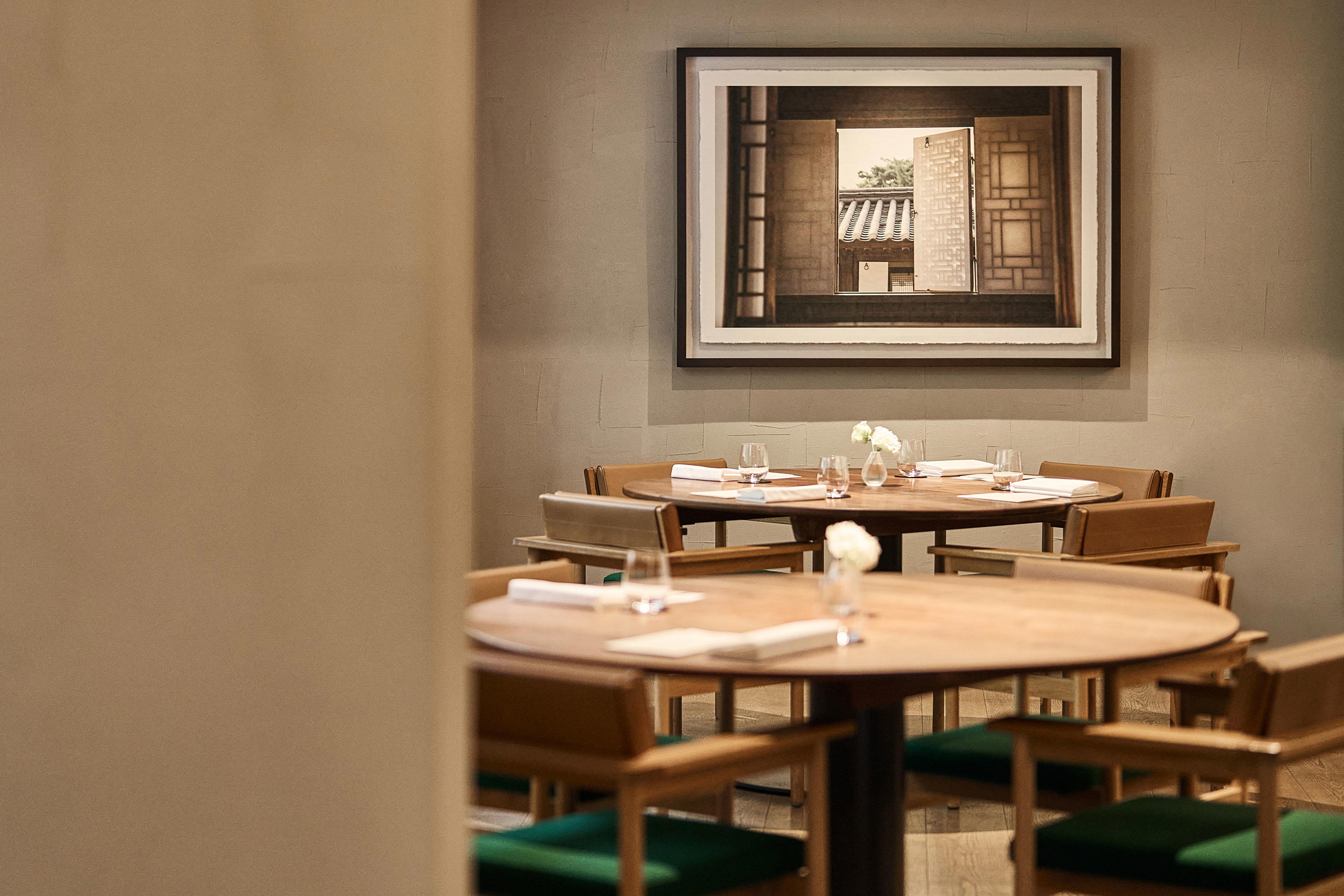
At a Glance
- Elegant
- Cozy
- Modern
- Sophisticated
- Date Night
- Business Dinner
- Special Occasion
- Private Dining
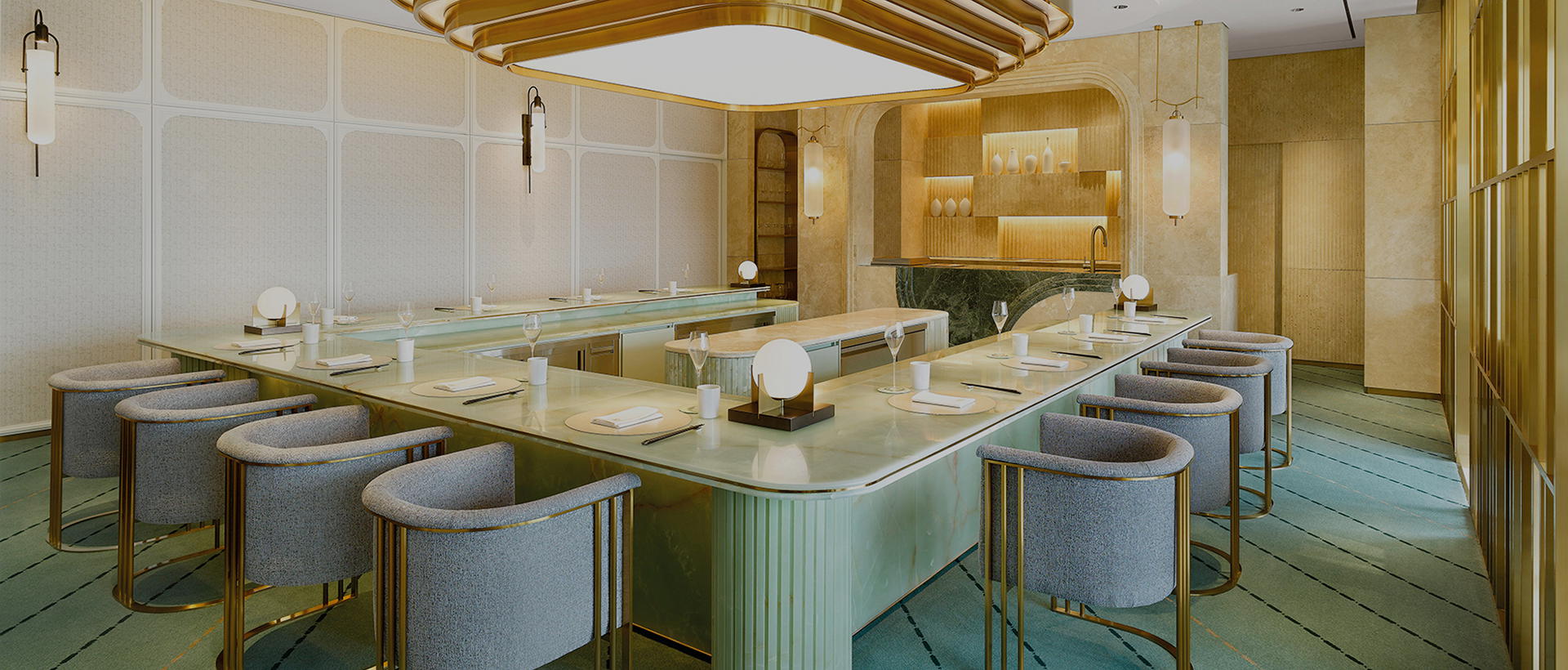
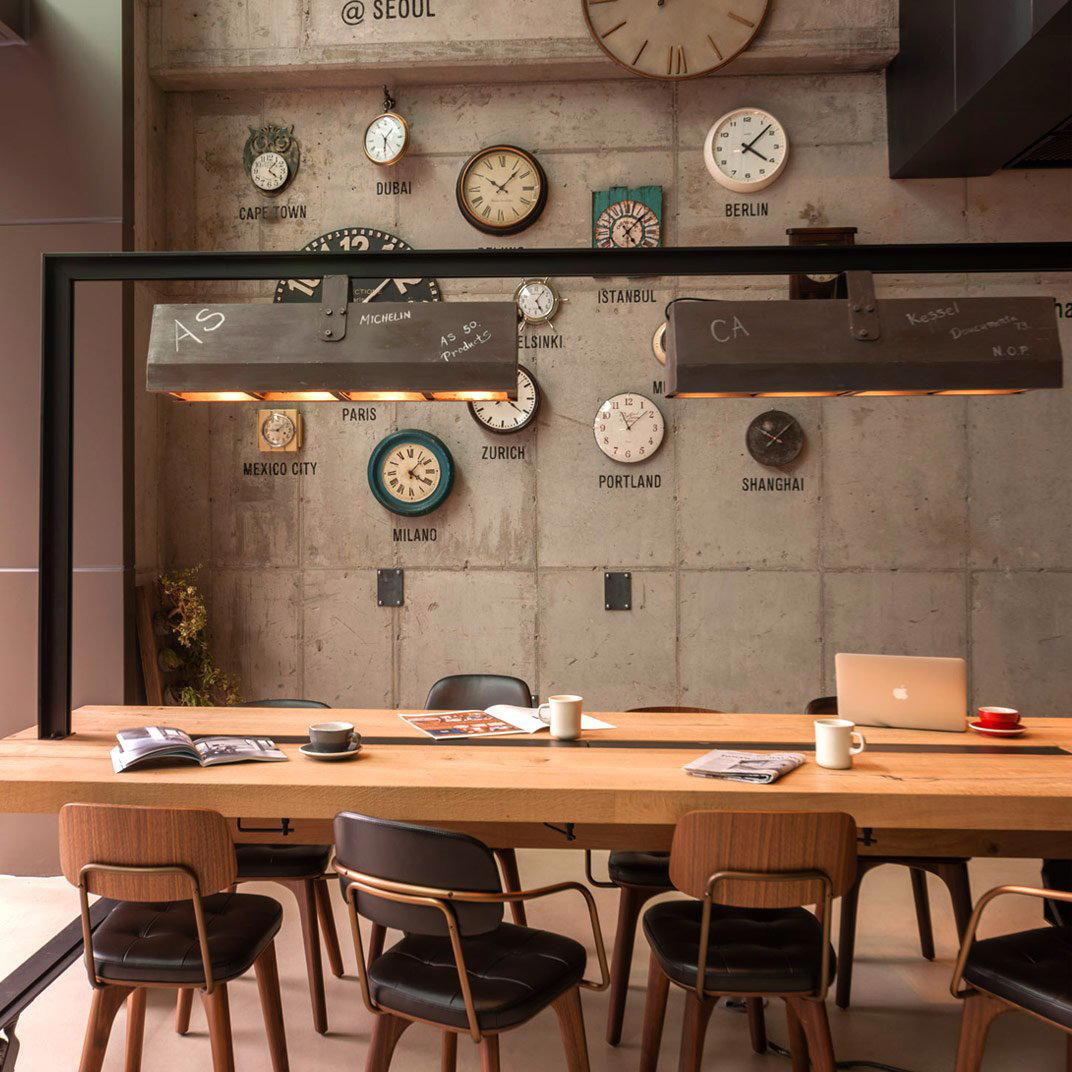
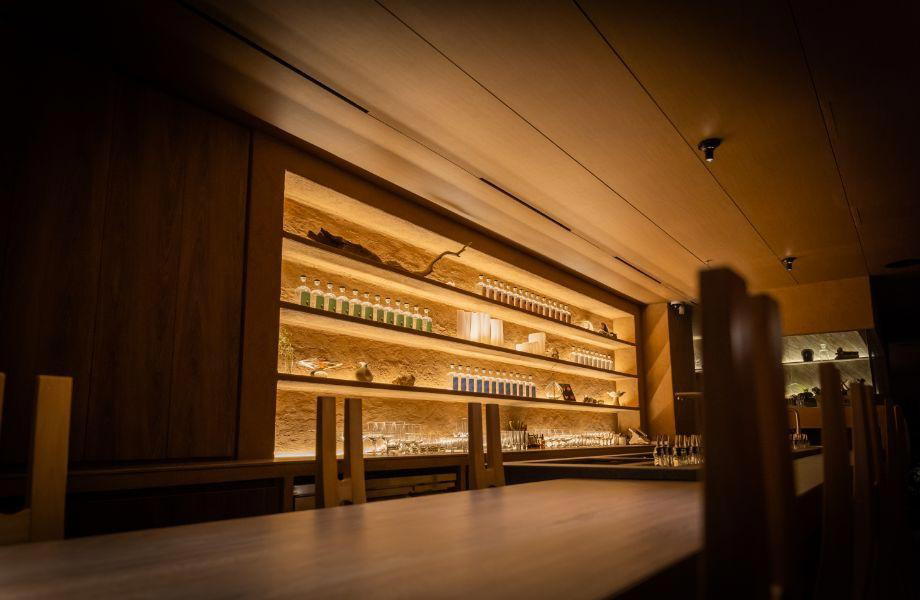
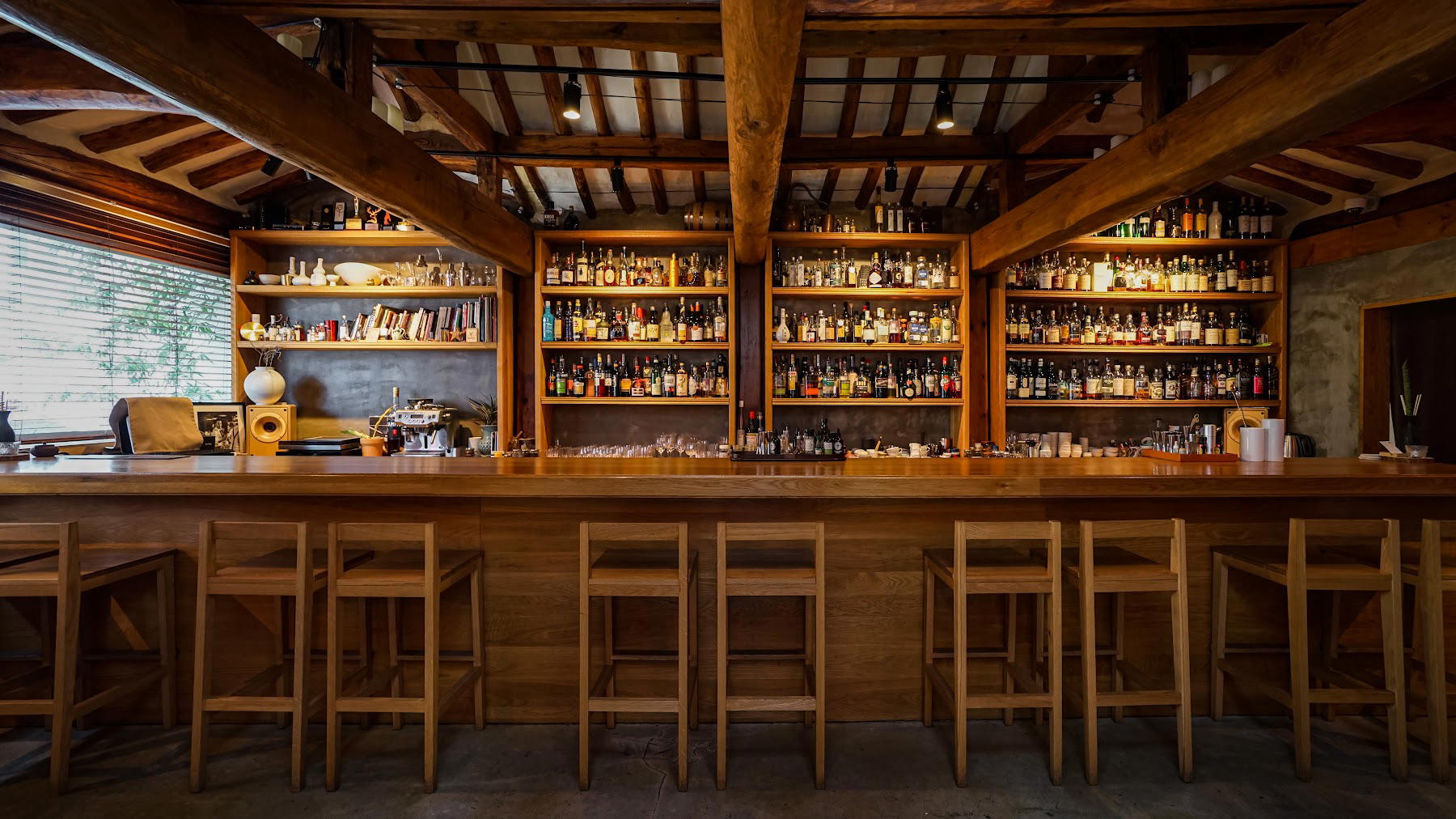
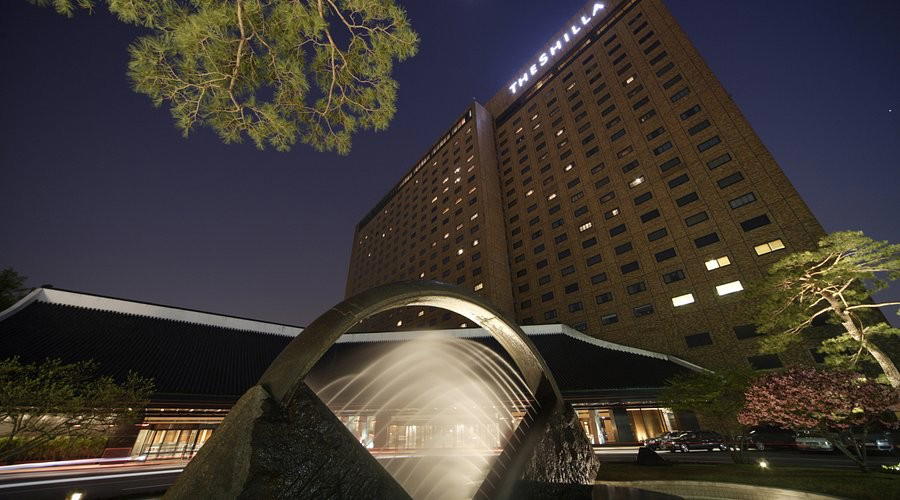
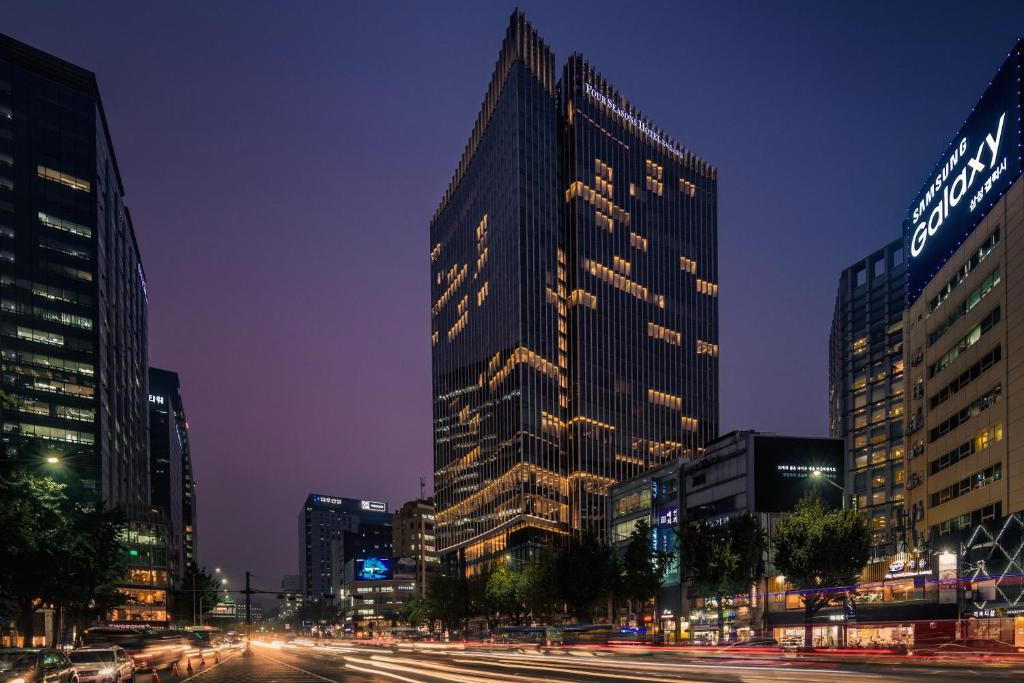
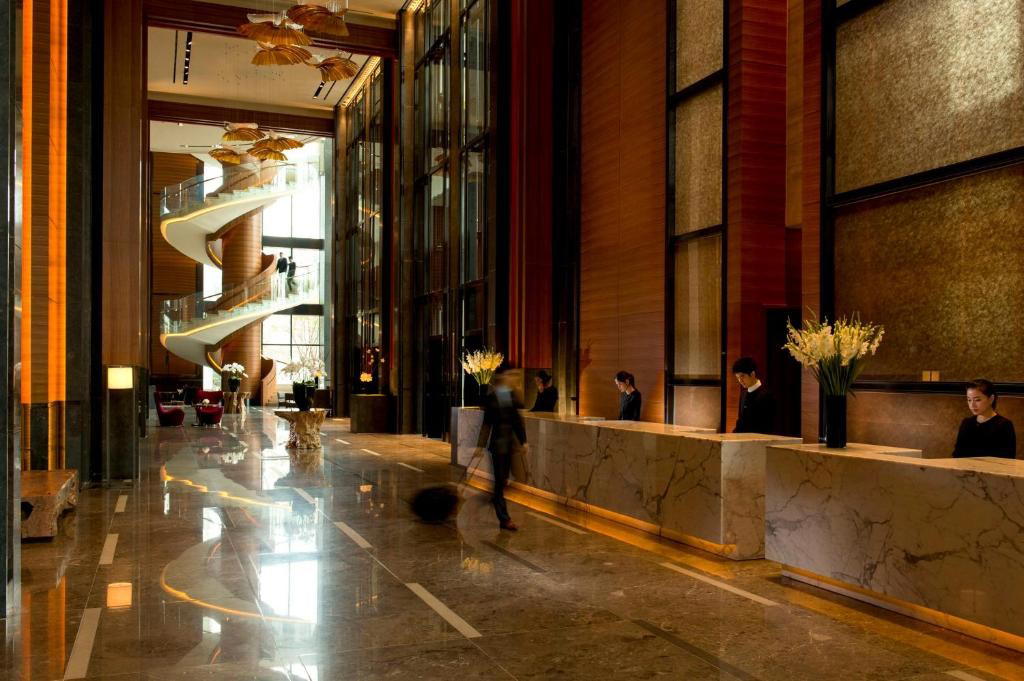
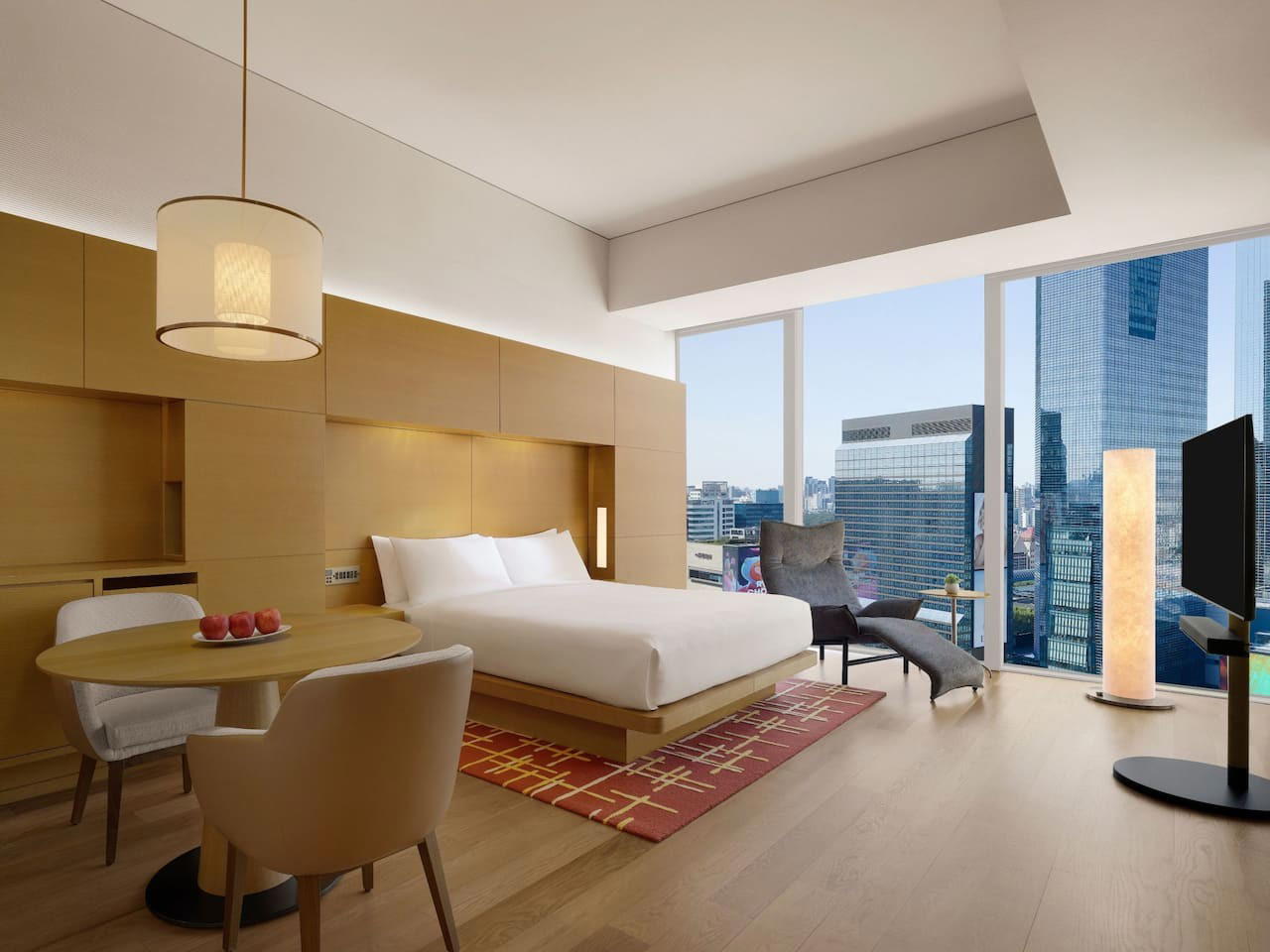
Elegant decor with warm, cozy, and quiet atmosphere ideal for calm meals.