Tteurak
Tteurak occupies a specific register in Seoul's contemporary dining scene, where atmosphere and culinary craft converge with intent. The room rewards attention, and the kitchen operates within a tradition that Seoul has spent a decade refining. For visitors tracking the city's most considered restaurants, it belongs on the same shortlist as the addresses that define the current moment.
Pearl is the En Primeur Club membership app — saves, bookings, and concierge access live there. Same editors, same standards.
- Address
- Seoul, South Korea
- Directions
- Get directions
 Saves & bookings on Pearl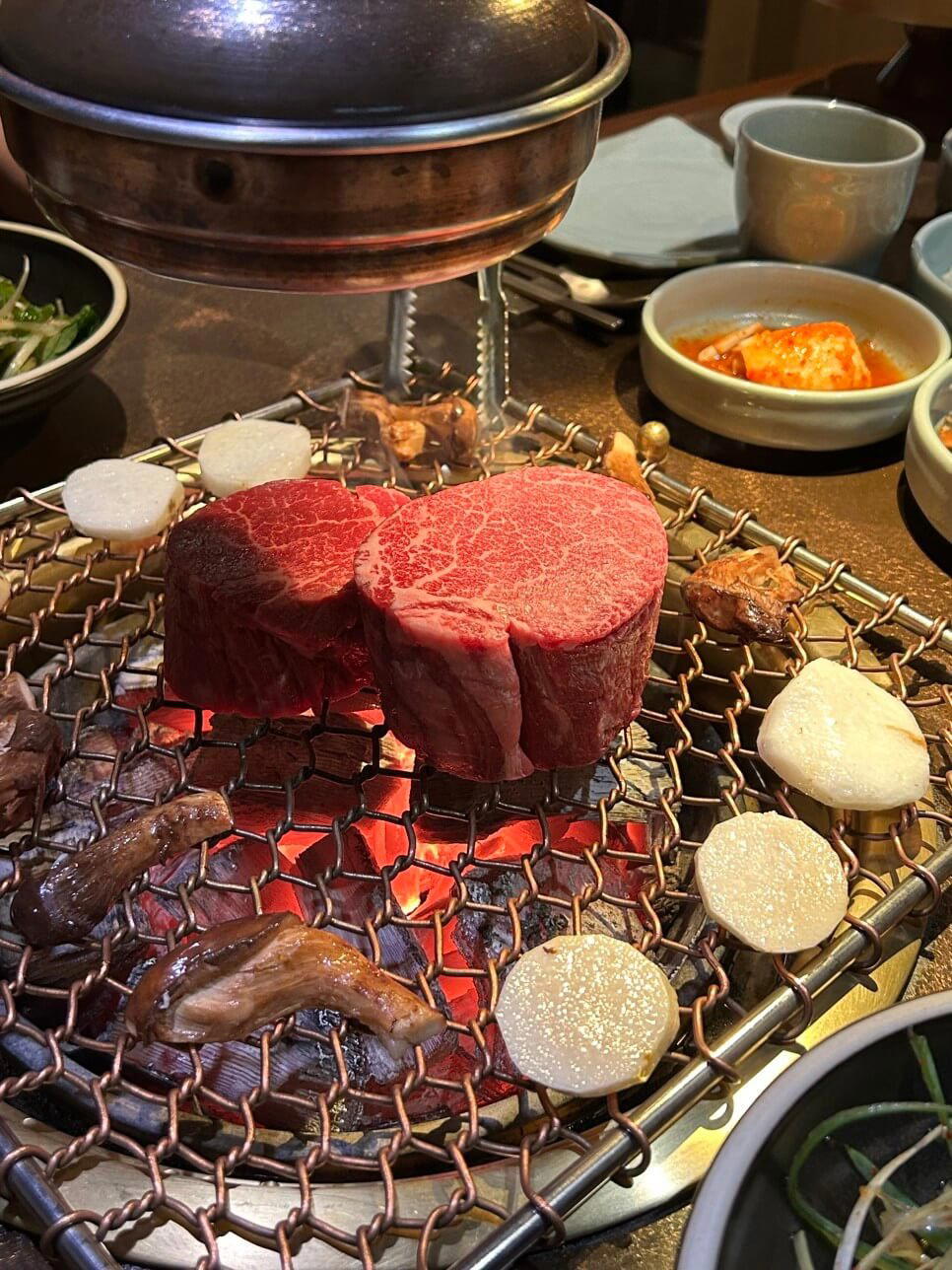
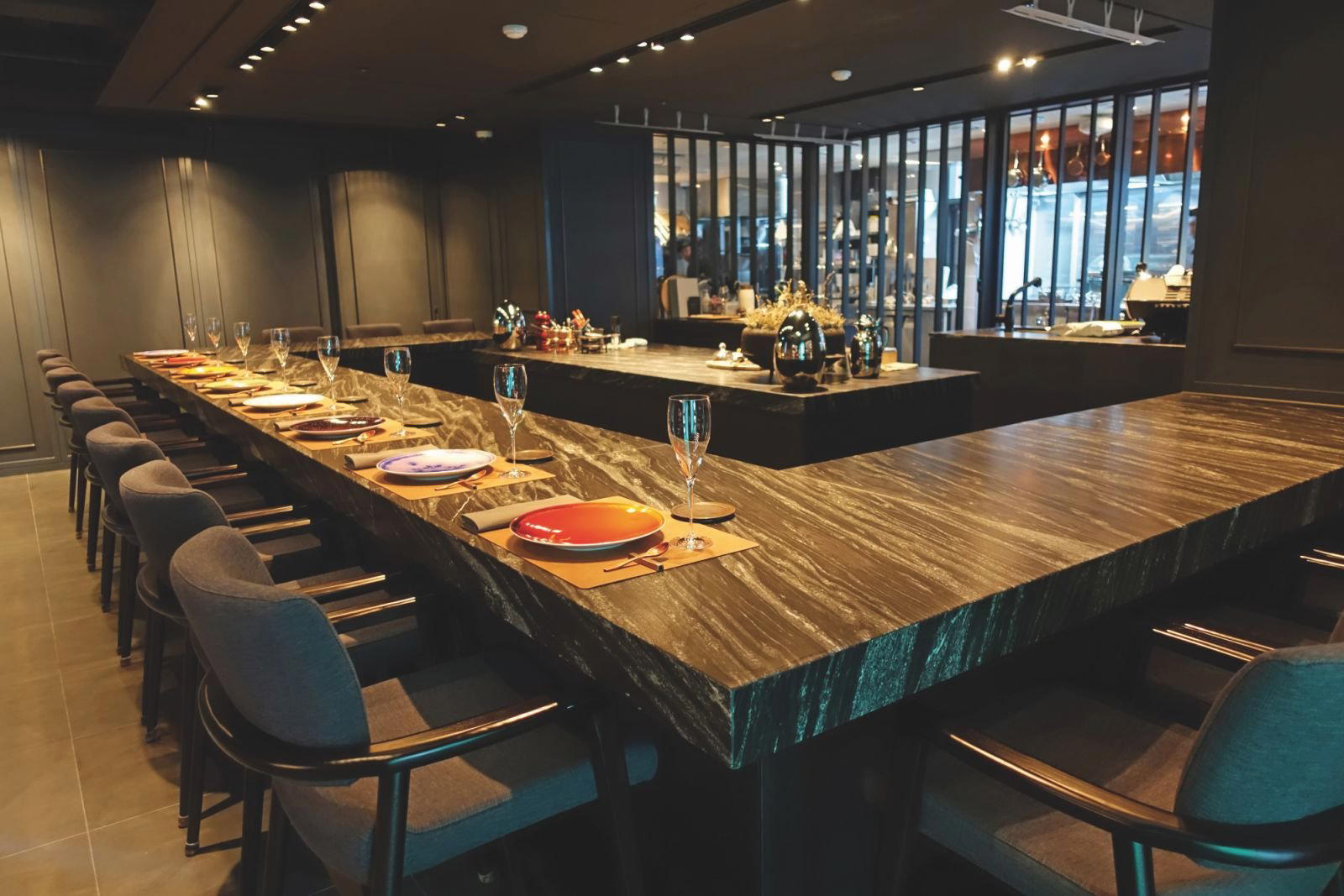
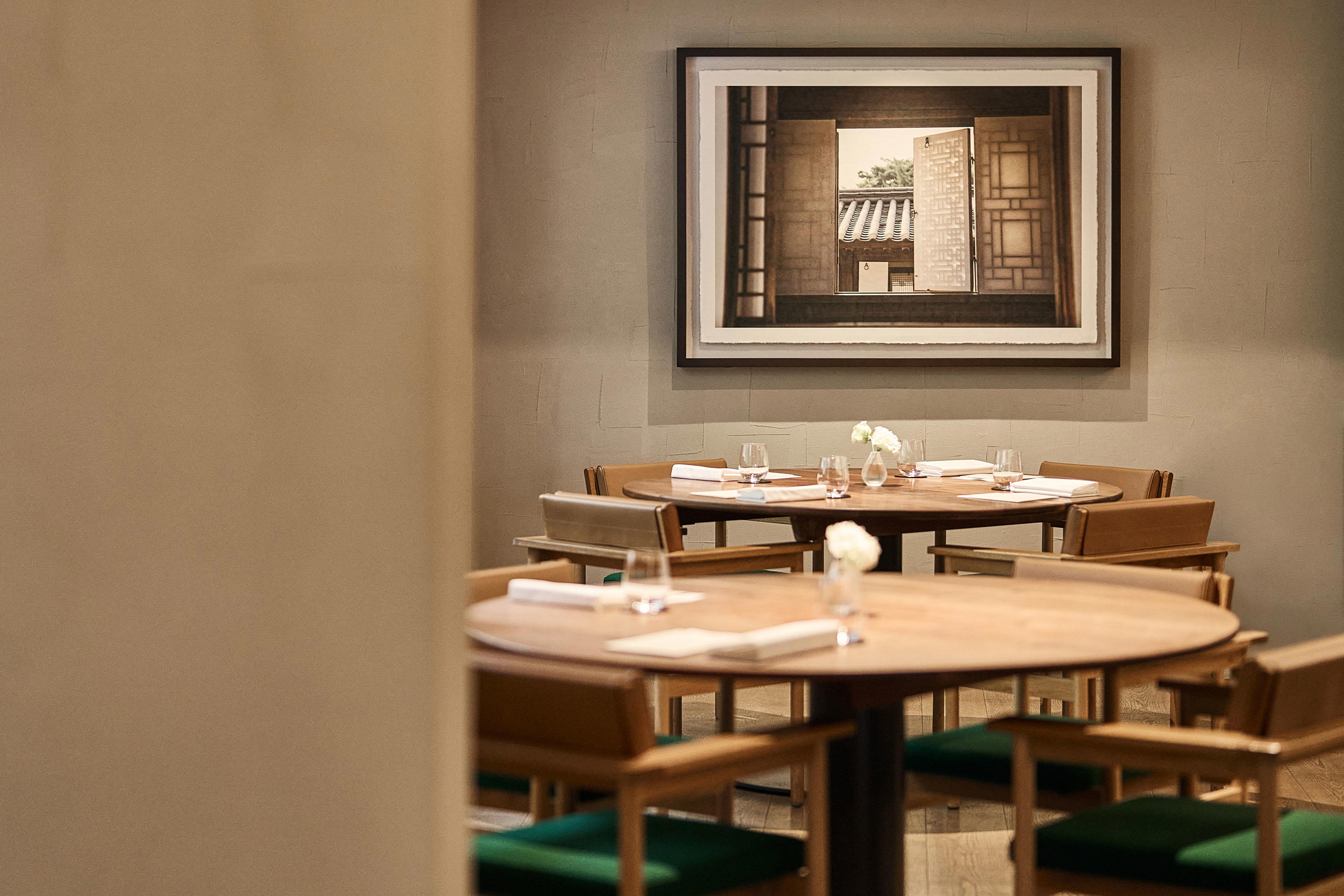
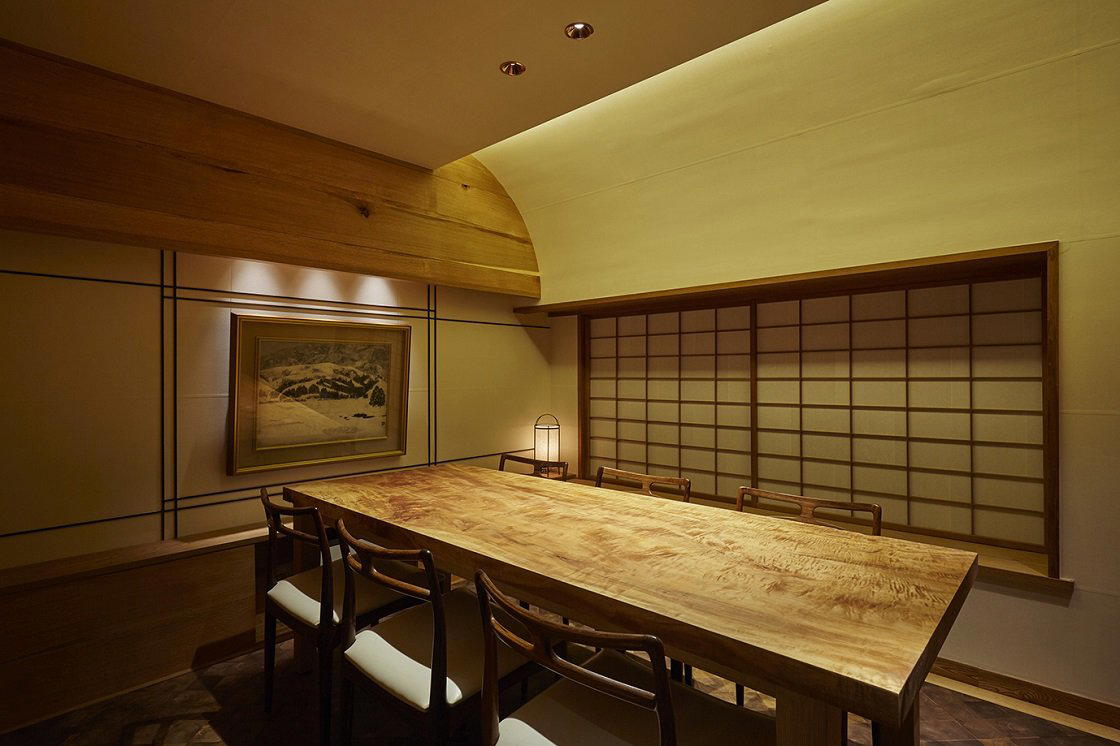
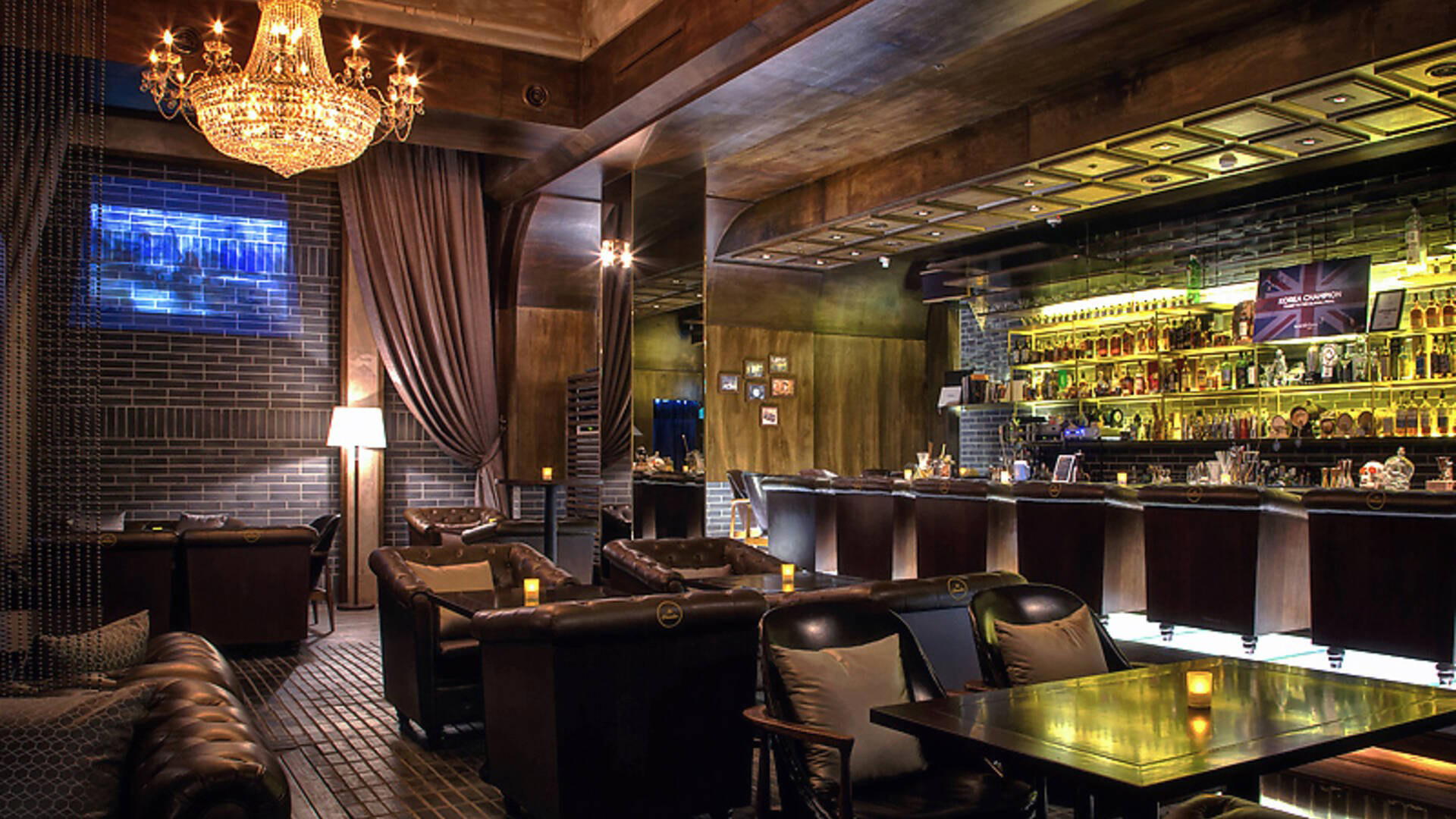
There is a particular quality of stillness that marks Seoul's more serious dining rooms in the evening. Plates move slowly. Voices stay low. The lighting sits at a level that flattens nothing, reveals everything. Tteurak operates in that register, the kind of Seoul address where the physical environment is not decoration but argument, where the room communicates something about the kitchen's intentions before the first course arrives.
Seoul's Serious Dining Room Tier
Seoul's upper dining bracket has clarified considerably over the past decade. The city once imported Western fine dining frameworks wholesale; what has emerged since is something more internally generated, a cohort of restaurants that use Korean culinary logic as the foundation and apply contemporary technique where it adds meaning rather than spectacle. Mingles set an early template for this synthesis. Jungsik proved Seoul could translate Korean ingredients into internationally legible fine dining. Kwonsooksoo anchored a quieter, more austere version of Korean haute cuisine. Tteurak enters that conversation as part of the same generational project, restaurants that are asking what Korean food looks like when held to the same standards applied to the leading rooms in Paris or New York.
Venues like Soigné and alla prima have demonstrated that innovation and restraint are not in tension in Seoul right now. Zero Complex, working at the Korean-French intersection at the ₩₩₩₩ tier, shows how hybrid culinary languages can hold together under rigorous kitchen discipline. Tteurak operates in this environment, where the expectation on entry is already high and where the room, the sequence, and the sourcing are all read as statements of position.
The Atmosphere as First Course
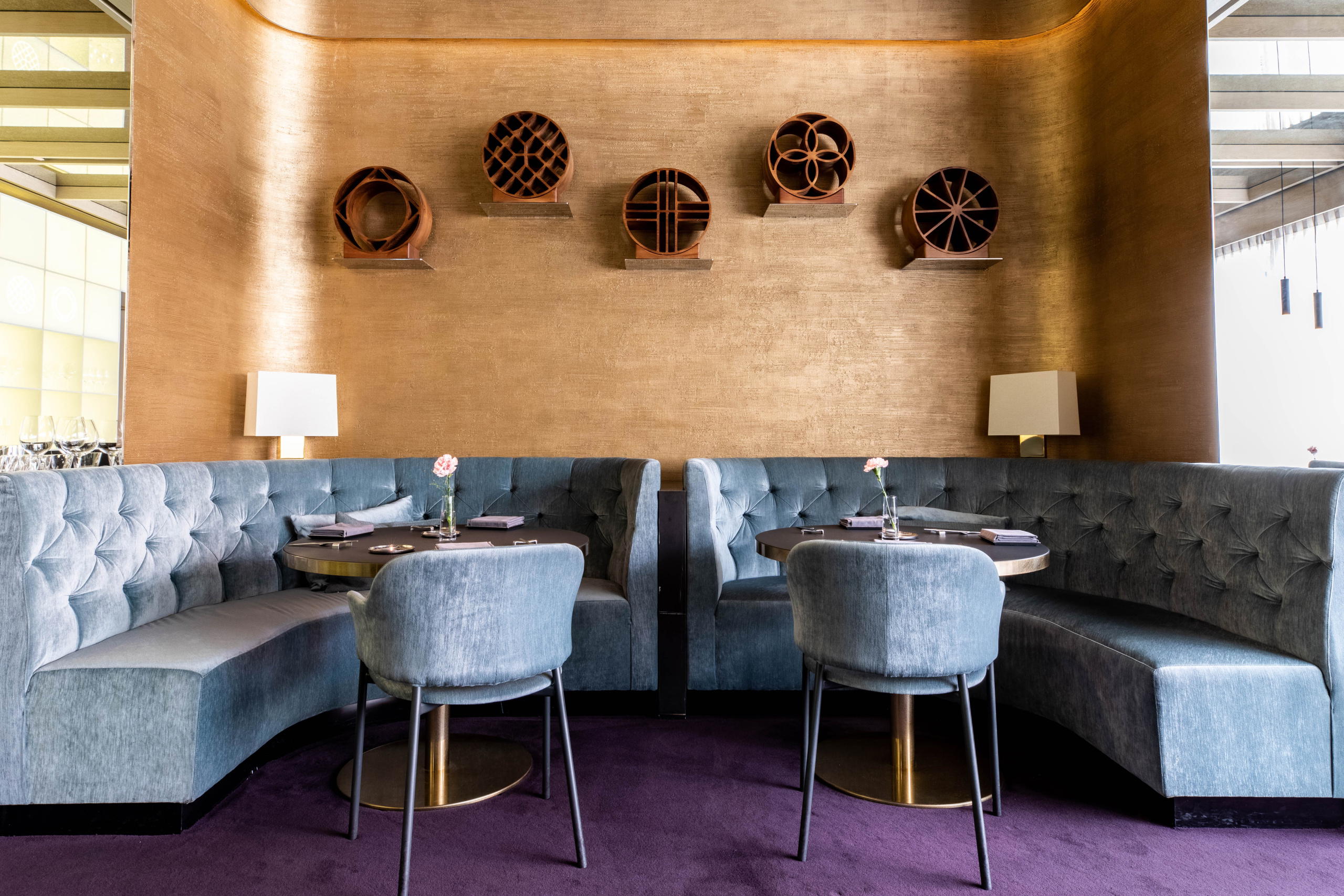
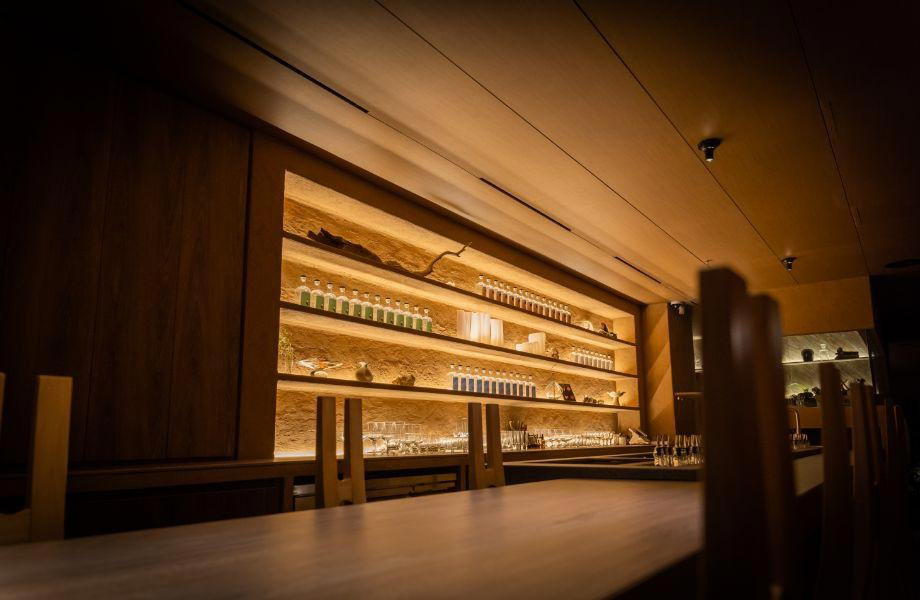
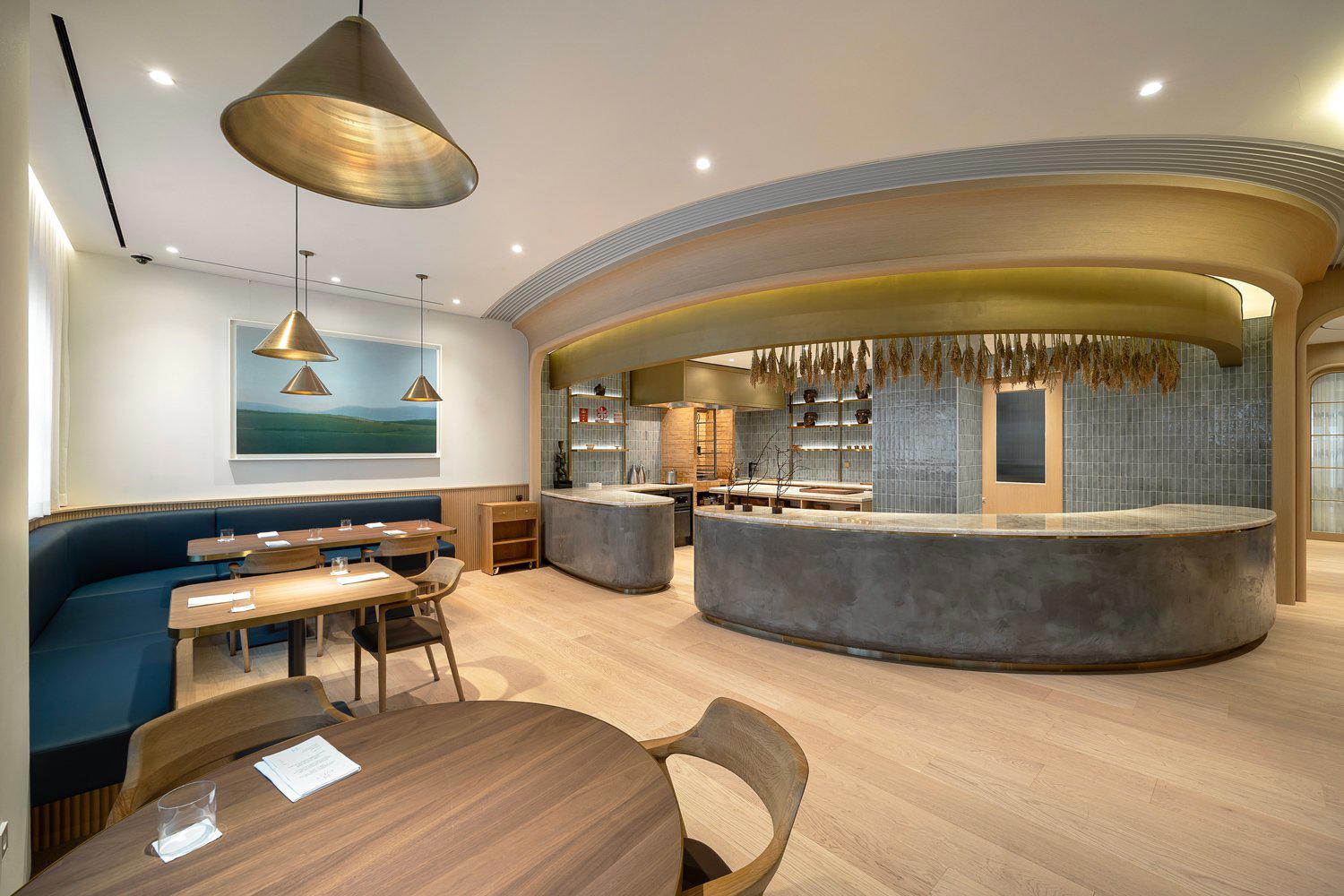
Seoul's contemporary dining rooms tend to signal their seriousness through material choices: stone, natural wood, unadorned ceramicware, light sources positioned to illuminate the plate and soften the perimeter. These are not aesthetic accidents. They reflect a broader shift across the city's top tier toward environments that ask the diner to slow down, to notice, to engage with what is in front of them rather than photograph and move on.
The sound profile of rooms at this level matters as much as the visual register. A well-calibrated dining room in Seoul's serious tier keeps the acoustic environment under control without tipping into the funereal. Conversation carries. The kitchen remains audible without dominating. That balance, harder to achieve than it appears, defines the difference between a restaurant that performs seriousness and one that has actually built it into the room.
Tteurak occupies this space. The atmosphere it projects is consistent with the city's most considered contemporary Korean addresses, where the meal is framed as an extended, deliberate experience rather than an event measured by volume or pace.
Kitchen Logic and the Korean Table
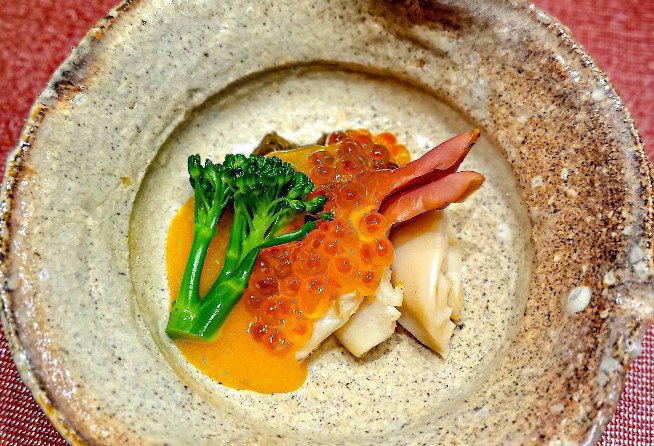
Korean cuisine's fermentation traditions are among the most complex in East Asia, a fact that Seoul's leading restaurants have increasingly placed at the front of their culinary arguments rather than treating as background. Doenjang, ganjang aged for years, gochujang with depth that separates it entirely from its commercial versions: these are not supporting actors in the upper tier of Seoul's contemporary kitchens. They are the point. Mingles built its reputation partly on exactly this argument. The question any new address at this level has to answer is what version of the Korean pantry it is making its own.
The broader Seoul dining scene extends well beyond the city itself. Across South Korea, regional kitchens are making their own case: Mori in Busan represents the southern port city's more seafood-oriented register, while Jeju's distinctive volcanic-island produce shows up in addresses like 88돼지 and Black Pork BBQ in Seogwipo. The Badang Lounge in Jeju and Hwangnam Bread and Busan Steamed Bun in Gyeongju speak to the breadth of what Korean hospitality looks like outside the capital. Tteurak's context is Seoul-specific, but the culinary conversation it participates in is national.
For a useful international reference point, consider how New York's Korean-rooted fine dining addresses have translated this tradition for a different market. Atomix in New York City operates at the highest tier of that translation, earning comparisons to what Le Bernardin in New York City represents for French seafood cooking: a rigorous, pedigreed version of the cuisine that argues for its place at the global table. Seoul's own rooms are now producing the source material that New York's Korean-rooted kitchens are working from.
Where Tteurak Sits in the Current Moment
Seoul's ₩₩₩₩ tier is not uniform. Among the city's most referenced addresses, differentiation comes through culinary language (pure Korean versus hybrid approaches), service register (formal versus less choreographed), and the degree to which fermentation, seasonal sourcing, or technical innovation is foregrounded. Onjium represents one version of Korean classical cuisine held to a very high standard. Eatanic Garden approaches the contemporary tasting menu from a different angle. 7th Door works at the Korean-contemporary intersection with its own set of references.
Tteurak enters this field as a restaurant that takes the atmospheric and culinary demands of the tier seriously. For visitors working through Seoul's upper dining registers, the sequence of rooms worth tracking includes the addresses already cited, and Tteurak belongs in that shortlist. Our full Seoul restaurants guide maps the broader field for those planning an extended stay.
Beyond Seoul's centre, the Korean dining map extends to addresses like Gobojeong Galbi #1 in Suwon, Doosoogobang in Suwon, and Gyeongju Wonjo Kongguk in Gyeongju, each representing a distinct regional register that sits outside the capital's fine dining conversation but is no less serious about its own culinary logic. The Dining Room in Busan and Hinode in Seogwipo round out a picture of Korean hospitality that rewards lateral thinking as much as vertical ambition. alla prima and Soigné remain two of the city's most forward-looking addresses for those who want to see where Seoul's innovative tier is heading.
Know Before You Go
- Location: Seoul, South Korea
- Booking: Advance reservation recommended at this tier; walk-in availability is limited and not guaranteed
- Timing: Seoul's serious dining rooms are typically at their most considered during weekday service; weekend demand is higher across the upper tier
- Context: Sits within Seoul's contemporary Korean fine dining cohort alongside Mingles, Kwonsooksoo, and Jungsik
- Regional exploration: Pair a Seoul visit with dining in Busan, Jeju, or Gyeongju for a fuller picture of Korean culinary range
Where It Fits
Comparable venues nearby, for context on price, style, and recognition.
| Venue | Cuisine | Price | Notes |
|---|---|---|---|
| TteurakThis venue — the venue you are viewing | Premium Korean Beef BBQ | $$$$ | Not listed |
| Calvados Garden | Korean | $$$ | 압구정동 |
| 본앤브레드 신관레스토랑 (본앤브레드) | Korean Hanwoo Omakase | $$$$ | Majang-dong, Seongdong-gu |
| Ilsim Eel Hongdae Branch | Korean Grilled Freshwater Eel | $$$ | 연남동 |
| 뜨락 | Premium Hanwoo Grill | $$$ | 청담동 |
| Myeongdong Yeongyang Center | Traditional Korean Rotisserie Chicken & Samgyetang | $$ | Myeongdong |
At a Glance
- Elegant
- Intimate
- Sophisticated
- Business Dinner
- Date Night
- Group Dining
- Family
- Private Dining
- Corkage Allowed
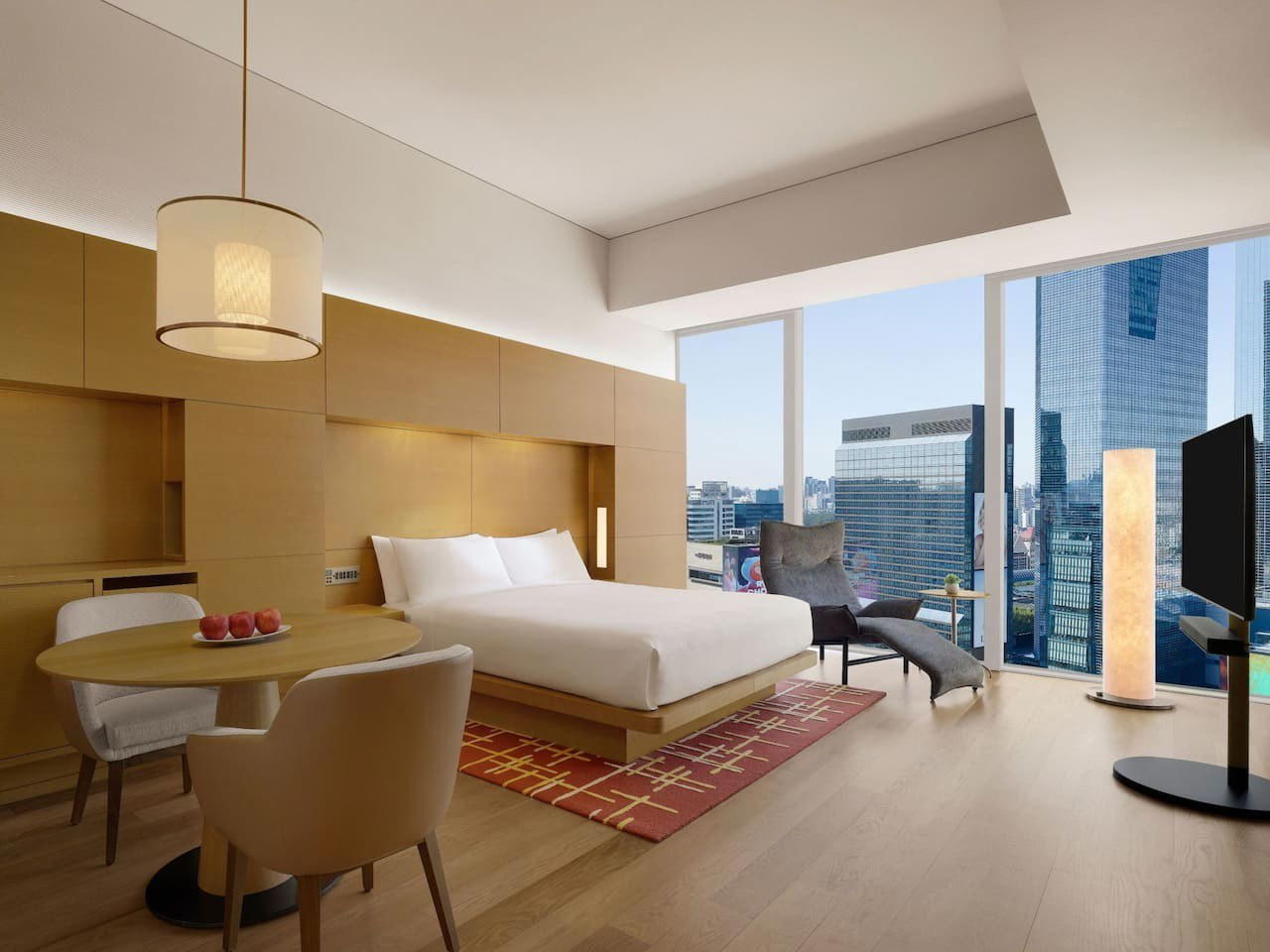
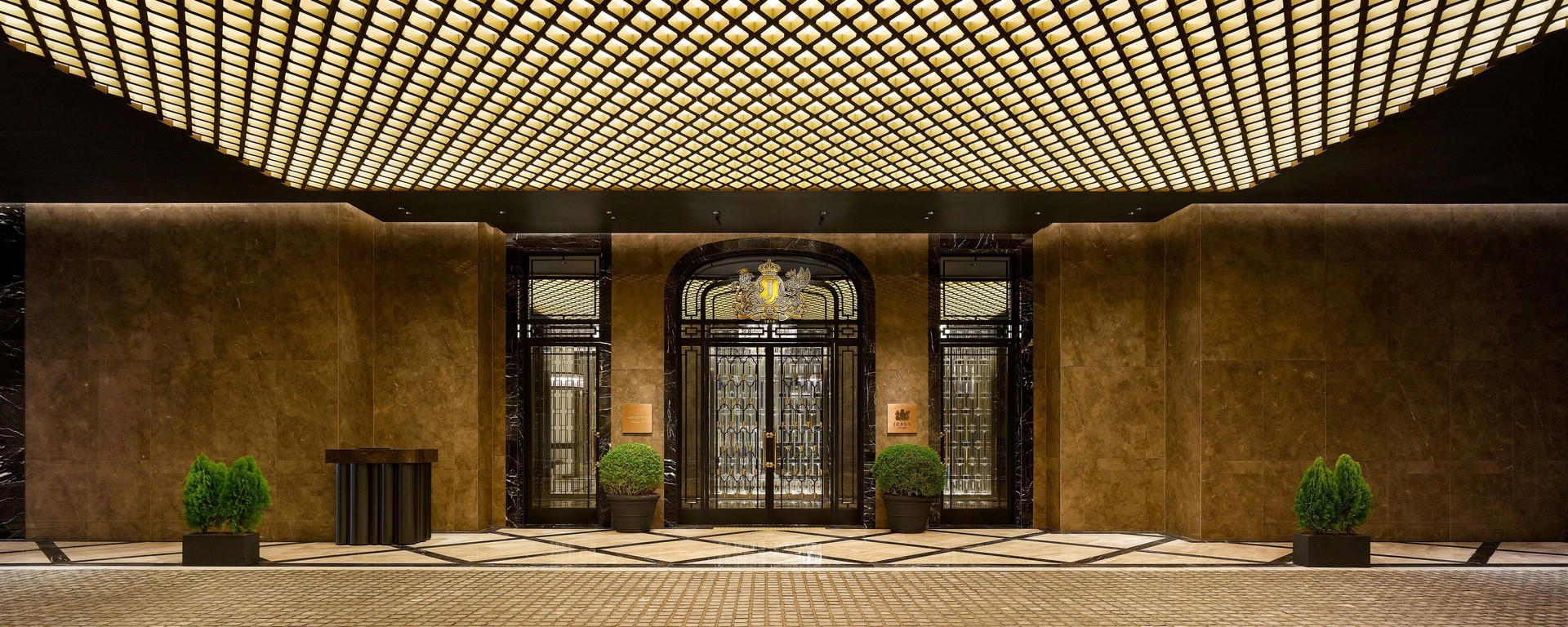
Serene and upscale atmosphere with mostly private rooms for cozy, calm dining.