A plant-based restaurant in the basement of Elite Inn Kyoto Station, MERCY Vegan Factory sits at the intersection of station convenience and dedicated vegan cooking in a city where meat-light Buddhist cuisine has centuries of precedent. The format targets travellers and commuters moving through one of Japan's busiest rail hubs who want something more considered than a platform kiosk.
Pearl is the En Primeur Club membership app — saves, bookings, and concierge access live there. Same editors, same standards.
- Address
- Japan, ã600-8239 Kyoto, Shimogyo Ward, éè°·çº3 ã¨ãªã¼ãã¤ã³äº¬é½é§ å°ä¸ 1é Elite Inn Kyoto Station B1F
- Phone
- +817022842124
- Website
- mercy-vegan.jp
- Directions
- Get directions
 Saves & bookings on Pearl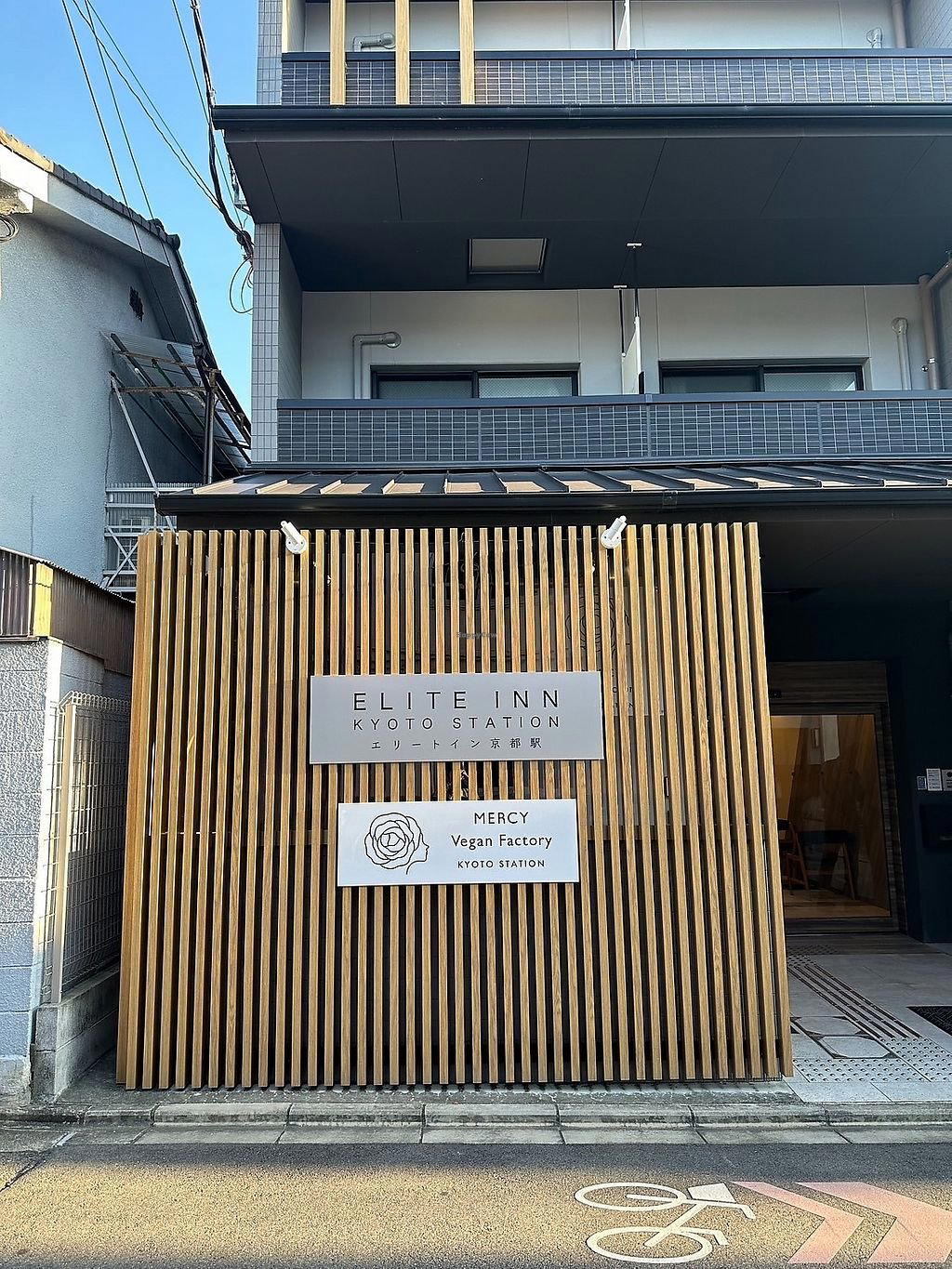
Below the Station, Above the Afterthought
Kyoto Station handles tens of millions of passengers a year, and the dining options that ring its concourses skew heavily toward katsu sets, ramen chains, and bento counters calibrated for speed. Descending to the basement level of Elite Inn Kyoto Station, the dynamic shifts. MERCY Vegan Factory occupies a position that is unusual in Japanese station dining: a kitchen with a declared ideological commitment to plant-based cooking, in a city where that commitment has deep historical roots.
The context matters here. Kyoto's shojin ryori tradition, the Buddhist temple cuisine that eliminates meat, fish, and even pungent vegetables, is centuries old and remains a reference point for serious discussions of plant-based cooking in Japan. That tradition is formal, seasonal, and closely tied to temple precinct restaurants in Higashiyama and Arashiyama. MERCY Vegan Factory operates in a different register entirely: station-level accessibility rather than temple-adjacent ceremony. Understanding where it sits relative to Kyoto's broader vegan spectrum is the first useful frame for evaluating it.
What the Menu Architecture Reveals
A vegan factory format in a high-footfall station environment signals a menu built around throughput and accessibility rather than the slow-paced, course-by-course architecture of shojin ryori. The word "factory" in the name is deliberate, it implies volume, process, and a degree of systematisation that separates this kitchen from the precious, low-seat specialist model.
That is not a criticism. Kyoto's kaiseki counters, places like Gion Sasaki, Hyotei, and Kikunoi Honten, operate on entirely different terms: multi-hour, multi-course, priced at the summit of the market, and built around the rhythms of a single sitting. Mizai and Isshisoden Nakamura operate similarly. MERCY Vegan Factory's station basement address tells you it is solving a different problem: it exists for the traveller who has a train in ninety minutes, wants something plant-based and intentional, and is not prepared to settle for the convenience store rice triangle.
In that framing, menu architecture here is likely built around items that can be prepared, delivered, and consumed efficiently without losing the ideological thread of plant-based cooking. That is a harder design problem than it sounds. Many vegan fast-casual operations in Japanese cities resolve the tension by leaning on familiar formats, curry rice, ramen, donburi, stripped of animal products. Whether MERCY takes that route, or builds something more compositionally original, is a question that specific menu data would answer definitively.
Kyoto's Vegan Scene in 2024
Japanese cities have seen a measurable increase in dedicated vegan establishments over the past decade, driven partly by inbound tourism from markets where plant-based eating is more mainstream, and partly by a domestic demographic shift among younger urban consumers. Kyoto, with its temple tourism and existing shojin ryori infrastructure, attracts a disproportionate share of travellers already oriented toward plant-based eating.
That creates a market that sits between two existing poles: the high-ceremony temple restaurant on one end, and the international vegan traveller arriving with specific dietary requirements and limited Japanese on the other. Station-level vegan operations serve the gap. Compare this to how plant-based dining has developed in other major culinary cities: in New York, formats like those at Atomix have shown that tasting-menu venues can incorporate plant-forward thinking at the highest price tier, while casual plant-based concepts serve the volume end of the market. In Kyoto, the distance between those tiers is even wider, which makes mid-register vegan options at transit hubs more consequential for the average visitor than they might be elsewhere.
Regionally, the contrast is also instructive. HAJIME in Osaka represents one version of plant-forward fine dining in the Kansai region, operating at a three-Michelin-star level with a menu built around vegetables and natural elements. akordu in Nara, just thirty minutes from Kyoto by train, brings a European sensibility to local ingredients. These are reference points for ambition, not direct competitors, but they illustrate how wide the vegan and vegetable-forward spectrum runs across the region.
The Station Dining Tier in Kyoto
Kyoto Station's dining ecosystem is more layered than most visitors expect. The main building's upper floors contain the Isetan department store food hall and a dedicated restaurant floor, while the surrounding streets host everything from izakaya chains to hotel dining rooms. The basement levels of the adjacent hotels, including Elite Inn where MERCY operates, form a quieter sub-tier that tends to attract guests of those hotels and local commuters rather than tourists navigating the station's main circuits.
This positioning has practical implications. A basement restaurant in a business hotel next to a major station is not invisible, but it requires deliberate navigation. It is not the kind of place you encounter by accident while following overhead station signage. That means its customer base skews toward people who have searched for it specifically, a self-selecting group already committed to eating plant-based rather than the casual browser who might pivot on impulse.
For context on what serious destination dining looks like further afield in Japan's broader restaurant scene, Harutaka in Tokyo, Goh in Fukuoka, and regional specialists like 一本杉 川嶋 in Nanao or 湖畔荘 in Takashima illustrate how Japan's dining culture rewards specificity at every price point and format. MERCY's specificity is its vegan commitment in a high-convenience location.
Le Bernardin in New York City operates at the apex of its category in a way that has little bearing on station-level dining, but the comparison is useful for understanding how cuisine-driven identity, rather than occasion-driven identity, can anchor a restaurant in the public imagination. MERCY's category-driven identity as a vegan operation is its primary signal to prospective diners.
Know Before You Go
- Location: B1F, Elite Inn Kyoto Station, Shimogyo Ward, Kyoto 600-8239
- Access: Basement level of Elite Inn Kyoto Station; on foot from Kyoto Station's Hachijo Exit
- Cuisine focus: Vegan
- Price range: About US$35 per person
- Reservations: Walk-in friendly
- Hours: Mon, Wed to Sun 8:30 AM to 5 PM and 6 to 10 PM; closed Tuesday
Budget and Context
Comparable venues nearby, for context on price, style, and recognition.
| Venue | Cuisine | Price | Notes |
|---|---|---|---|
| MERCY Vegan Factory KYOTO STATIONThis venue — the venue you are viewing | Shimogyō, Vegan Japanese | $$$ | Not listed |
| Wabiya Korekidou (侘家古暦堂 祇園花見小路本店) | Not listed | $$$ | Gion, Traditional Japanese Yakitori & Chicken Specialties |
| Planca Ken | Higashiyama, Kyoto Gion Teppanyaki | $$$ | Not listed |
| Yoshoku no Mise Mishina | Not listed | $$$ | Higashiyama, Classic Yoshoku (Japanese-style Western) |
| Sobaya Nikola | Not listed | $$$ | Kamigyō, Modern soba restaurant with sake & wine pairing |
| Manbei | Nakagyō, Kyoto-Style Unagi Rice | $$$ | Not listed |
Continue exploring
More in Kyoto
Restaurants in Kyoto
Browse all →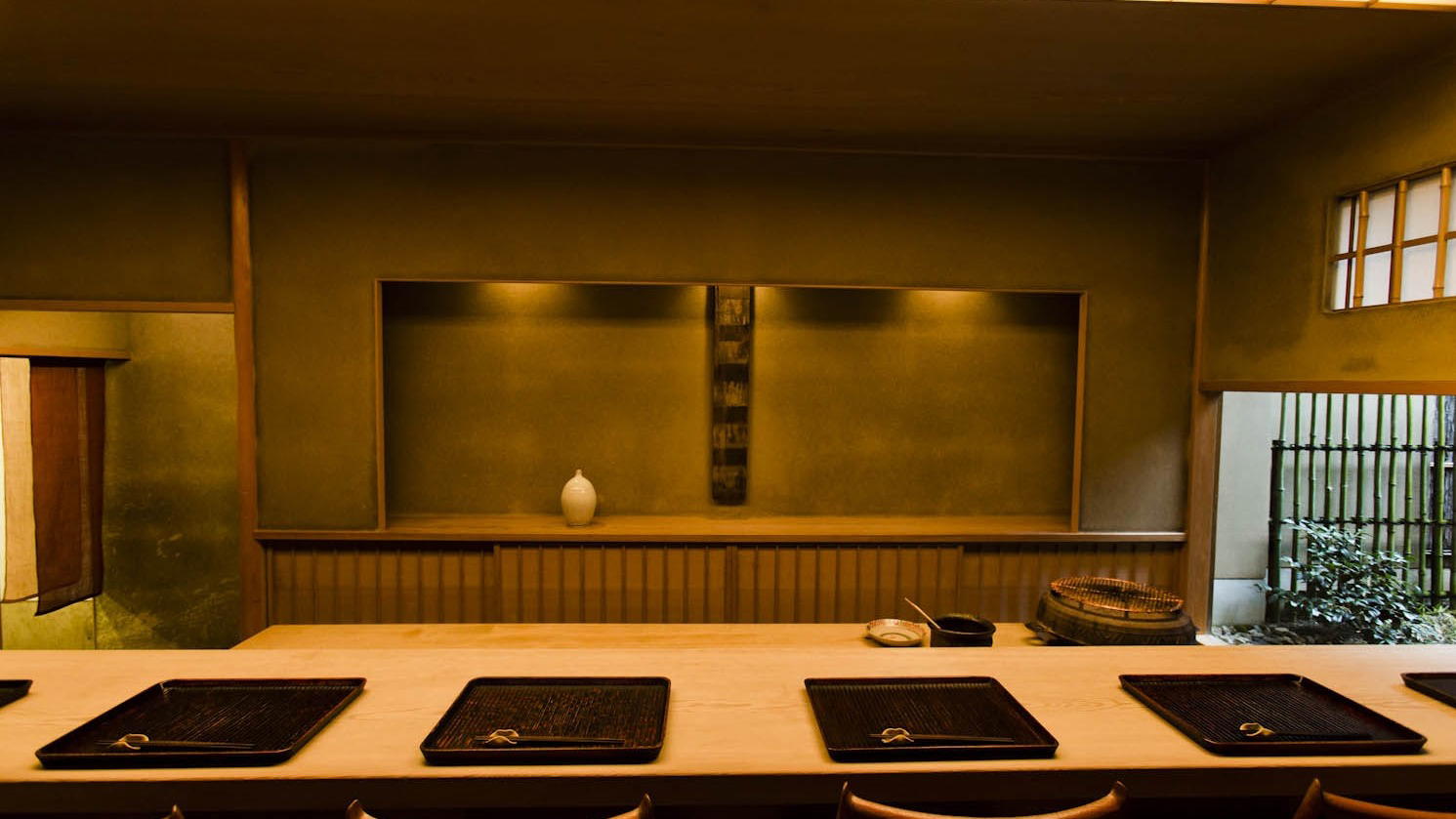
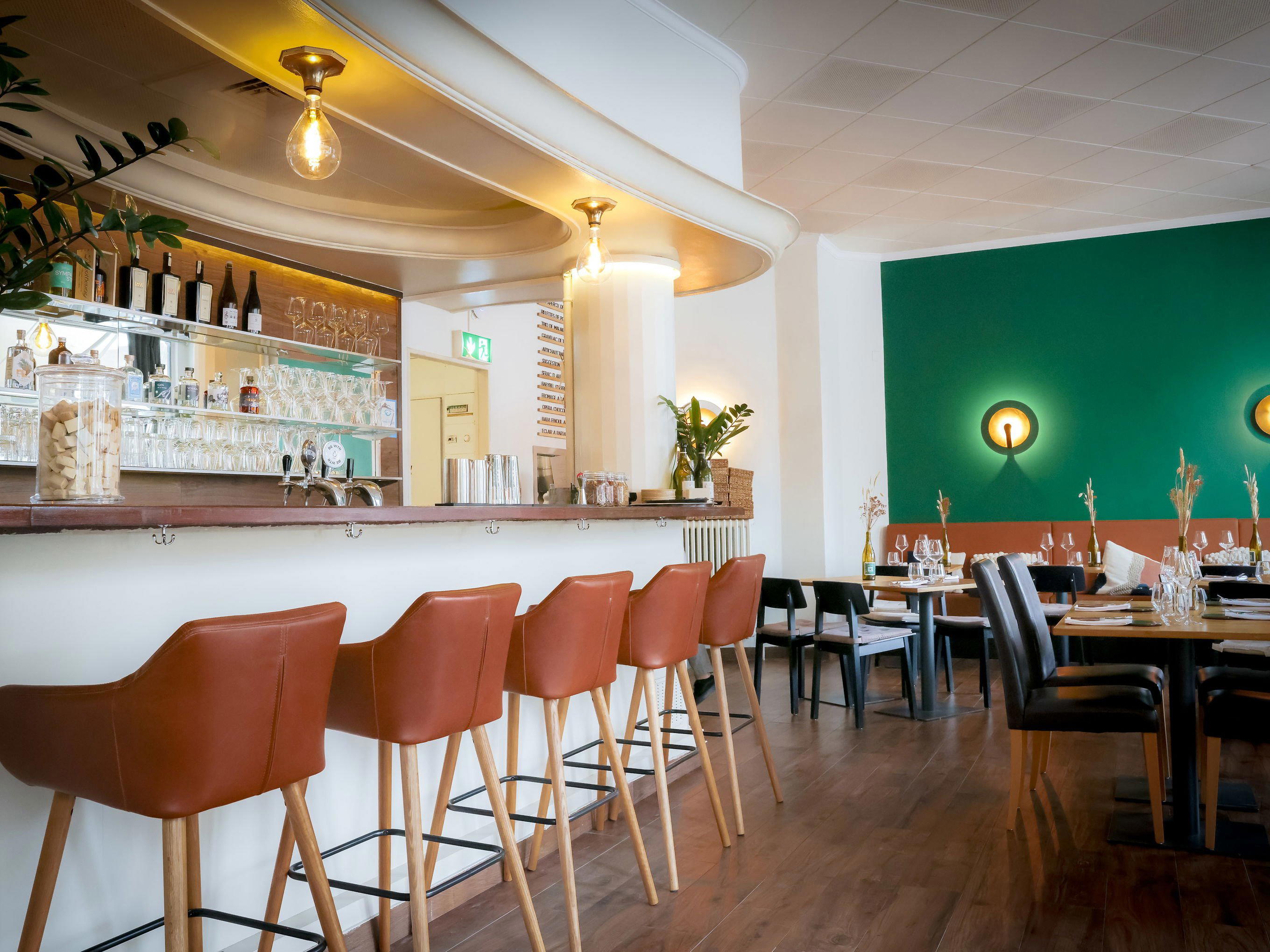
Bars in Kyoto
Browse all →

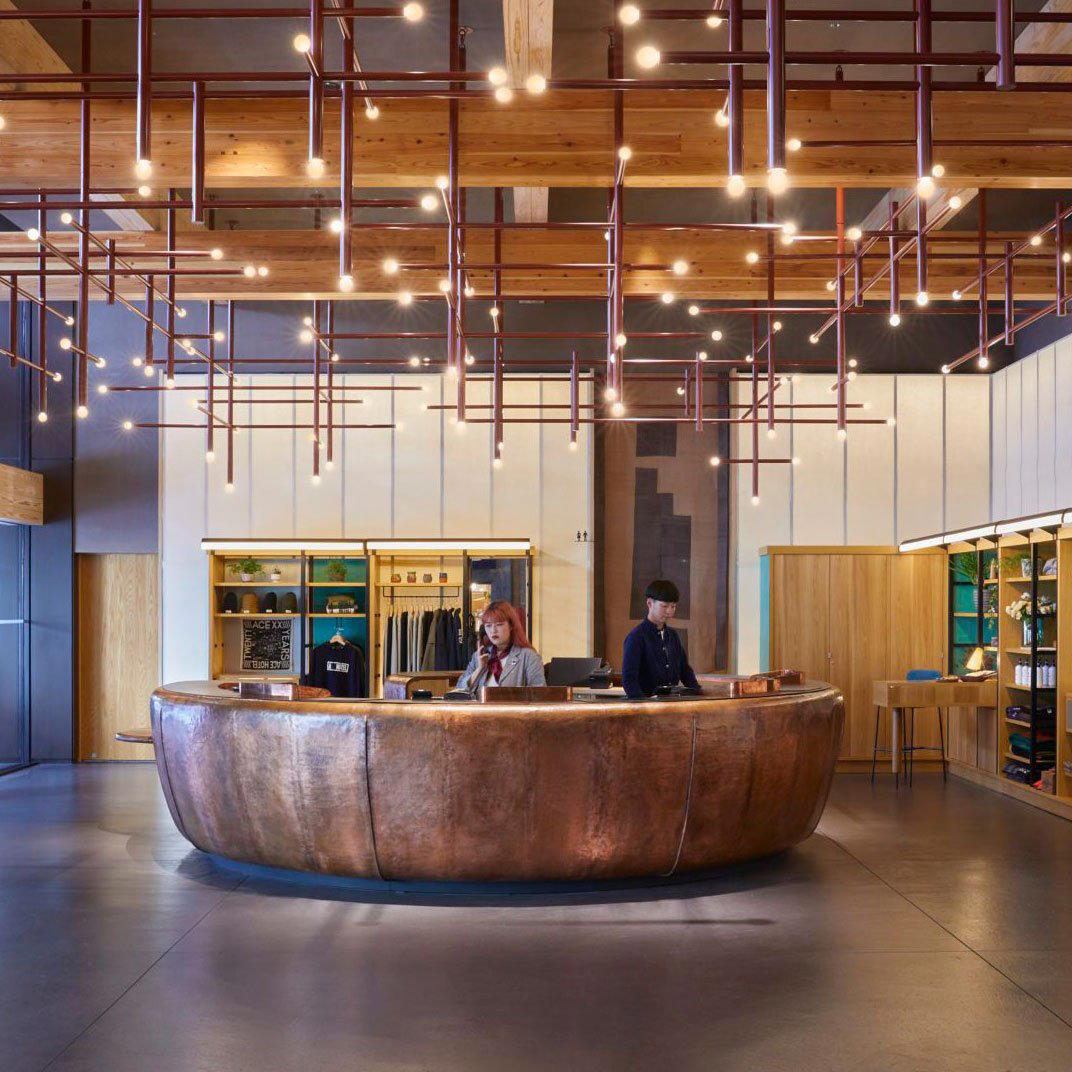
Hotels in Kyoto
Browse all →

Wineries in Kyoto
Browse all →
At a Glance
- Cozy
- Modern
- Trendy
- Casual Hangout
- Solo
- Family
- Brunch
- Hotel Restaurant
- Open Kitchen
- Organic
- Local Sourcing
Current opening hours
- Monday
- 8:30 AM–5 PM, 6–10 PM
- Tuesday
- Closed
- Wednesday
- 8:30 AM–5 PM, 6–10 PM
- Thursday
- 8:30 AM–5 PM, 6–10 PM
- Friday
- 8:30 AM–5 PM, 6–10 PM
- Saturday
- 8:30 AM–5 PM, 6–10 PM
- Sunday
- 8:30 AM–5 PM, 6–10 PM
Hours can change for holidays and private events. Last verified .
Clean, cozy atmosphere with friendly and knowledgeable staff; warm and welcoming environment with beautifully presented meals.