Planca Ken occupies a Gionmachi Kitagawa address in Kyoto's Higashiyama Ward, placing it within walking distance of the neighbourhood's dense concentration of serious dining. The venue sits in a city where wine-forward programming remains the exception rather than the rule, and where the gap between a committed cellar and a token list is immediately apparent to anyone who dines across multiple tiers.
Pearl is the En Primeur Club membership app — saves, bookings, and concierge access live there. Same editors, same standards.
- Address
- Japan, 〒605-0073 Kyoto, Higashiyama Ward, Gionmachi Kitagawa, 282-3 太田ビル 1F
- Phone
- +81757465701
- Website
- hotpepper.jp
- Directions
- Get directions
 Saves & bookings on Pearl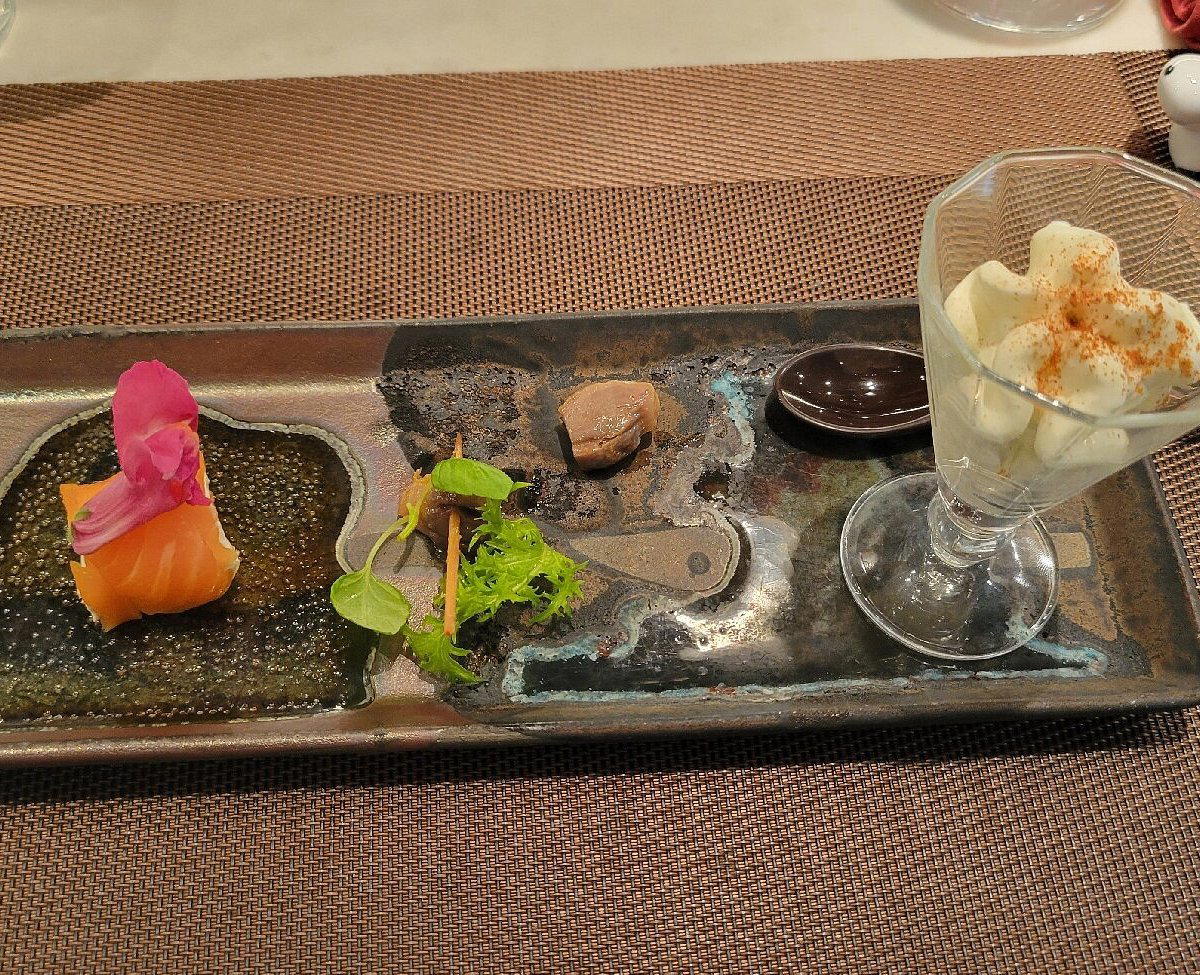
Higashiyama's Dining Register and Where Wine Fits
Gionmachi Kitagawa is one of those Kyoto addresses that functions almost as a credential on its own. The street runs through the heart of Higashiyama Ward, where machiya townhouses press close together and the city's most considered dining rooms have congregated for decades. The area's reputation rests on kaiseki, the seasonally governed tasting format that defines Kyoto's international dining identity, but the neighbourhood has always accommodated adjacent formats, and it is in that adjacent space that wine-led programming finds its footing.
Kyoto's relationship with wine remains more complicated than Tokyo's or Osaka's. The kaiseki tradition is so strongly identified with sake, shochu, and tea pairings that a serious wine list reads as a deliberate editorial choice rather than a default. Venues that build genuine cellars in this city are positioning themselves against a different comparable set, one that looks less like Kikunoi Honten or Hyotei and more like the wine-attentive rooms that have emerged in Osaka and Tokyo over the past decade. That context matters when reading Planca Ken's Gionmachi address: the location is steeped in tradition, but the programming signals something operating with different reference points.
The Physical Approach on Taida Building 1F
The address places Planca Ken in the Taida Building's ground floor, a format common to many of Higashiyama's specialist dining rooms that have migrated into modernised building stock while keeping a street-level presence. Approaching from the main Gion corridor, the neighbourhood offers the full register of cues that make this part of Kyoto legible to anyone who has spent time here: stone-paved lanes, lanterns at dusk, the sound of wooden geta on pavement. What a wine-focused room adds to this environment is a different kind of sensory layer inside, where a cellar's logic becomes as spatially present as any architectural choice.
Direct comparison against the ¥¥¥¥ bracket occupied by Gion Sasaki or Mizai cannot be made with confidence. The address confirms a Gion footprint that generally carries mid-to-upper pricing expectations.
Wine Programming in a City That Privileges Tea and Sake
The editorial angle that distinguishes a wine-forward room in Kyoto is not simply list length. Cellar depth, in this context, means curation philosophy: which regions the buyer privileges, how the list relates to the food format, and whether the sommelier's expertise extends to pairing guidance or remains transactional. In cities like Tokyo, wine-serious restaurants operate within a more established grammar, one where Harutaka and its peers have normalised the idea of a premium cellar alongside Japanese cuisine. In Kyoto, the same commitment occupies more unusual ground.
Wine lists in Kyoto's serious dining rooms tend to fall into two categories. The first is the courtesy list: French and Italian bottles selected to cover broad preferences without particular depth or conviction. The second, rarer category is the considered program, where the buyer has made choices that reflect a point of view about which wines enhance rather than contradict the cuisine's structural logic. Japanese restaurants that build in the second mode often draw from Burgundy, Champagne, and increasingly from Germany and Austria, where acidity-driven wines align with the clean, mineral quality of dashi-based cooking. Venues in Osaka have been faster to adopt this model, with HAJIME among those that have built wine programming into the guest experience at a structural level.
For Planca Ken, the Gion address suggests a room operating in a specialist register rather than mass-market dining. That pattern, in Kyoto, tends to correlate with more intentional beverage programming,
Placing Planca Ken Within Kyoto's Broader Dining Structure
Kyoto's dining structure rewards navigation across formats. The kaiseki tradition represented by rooms like Isshisoden Nakamura sits at one end of the register; more experimental or hybrid formats occupy the middle. Wine-led rooms, wherever they appear, function as a counterpoint to that dominant tradition rather than a continuation of it. The comparison is instructive not because wine is superior to sake as a pairing medium, but because the choice signals something about who a room is speaking to and what assumptions it makes about its guest.
Across Japan, this pattern is visible in several cities. akordu in Nara has built its identity around European wine paired with Japanese ingredients. Goh in Fukuoka works within Japanese fine dining while maintaining an internationally attentive cellar. At a different scale, rooms in smaller cities, from Nanao to Sapporo to Takashima, are developing their own wine-attentive formats. The restaurant's Gion address places it within this wider movement, even if the specifics of how it executes remain to be verified in person.
For international visitors who have dined at wine-serious restaurants in New York, where Le Bernardin and Atomix represent different approaches to beverage depth within high-end tasting formats, the Kyoto version of this conversation carries a different quality. The city's physical environment, the weight of its dining tradition, and the relative scarcity of committed wine programming all mean that finding a room that takes the cellar seriously here requires more research than it would in Tokyo or New York.
Planning a Visit
The restaurant is located at 282-3 Gionmachi Kitagawa in Higashiyama Ward, Kyoto, within easy reach of the Gion-Shijo station on the Keihan line. The Higashiyama area is walkable from most central Kyoto accommodation, and early evening visits allow the neighbourhood's street atmosphere to work alongside the dining experience. Prospective visitors should book in advance.
Credentials Lens
Comparable venues nearby, for context on price, style, and recognition.
| Venue | Cuisine | Price | Notes |
|---|---|---|---|
| Planca KenThis venue — the venue you are viewing | Kyoto Gion Teppanyaki | $$$ | Not listed |
| Sobaya Nikola | Modern soba restaurant with sake & wine pairing | $$$ | Kamigyō |
| Hatsuda | Kyoto-style Yakiniku & Wagyu Bento | $$$ | Sakyō |
| 祇園 一道 | Kyoto Kaiseki Omakase | $$$ | Higashiyama |
| Hotel De Ogawa | Traditional Japanese Izakaya | $$$ | Shimogyō |
| Yakiniku Yamachan | Premium Wagyu Yakiniku with Japanese Fusion | $$$ | Nakagyo-ku |
Continue exploring
More in Kyoto
Restaurants in Kyoto
Browse all →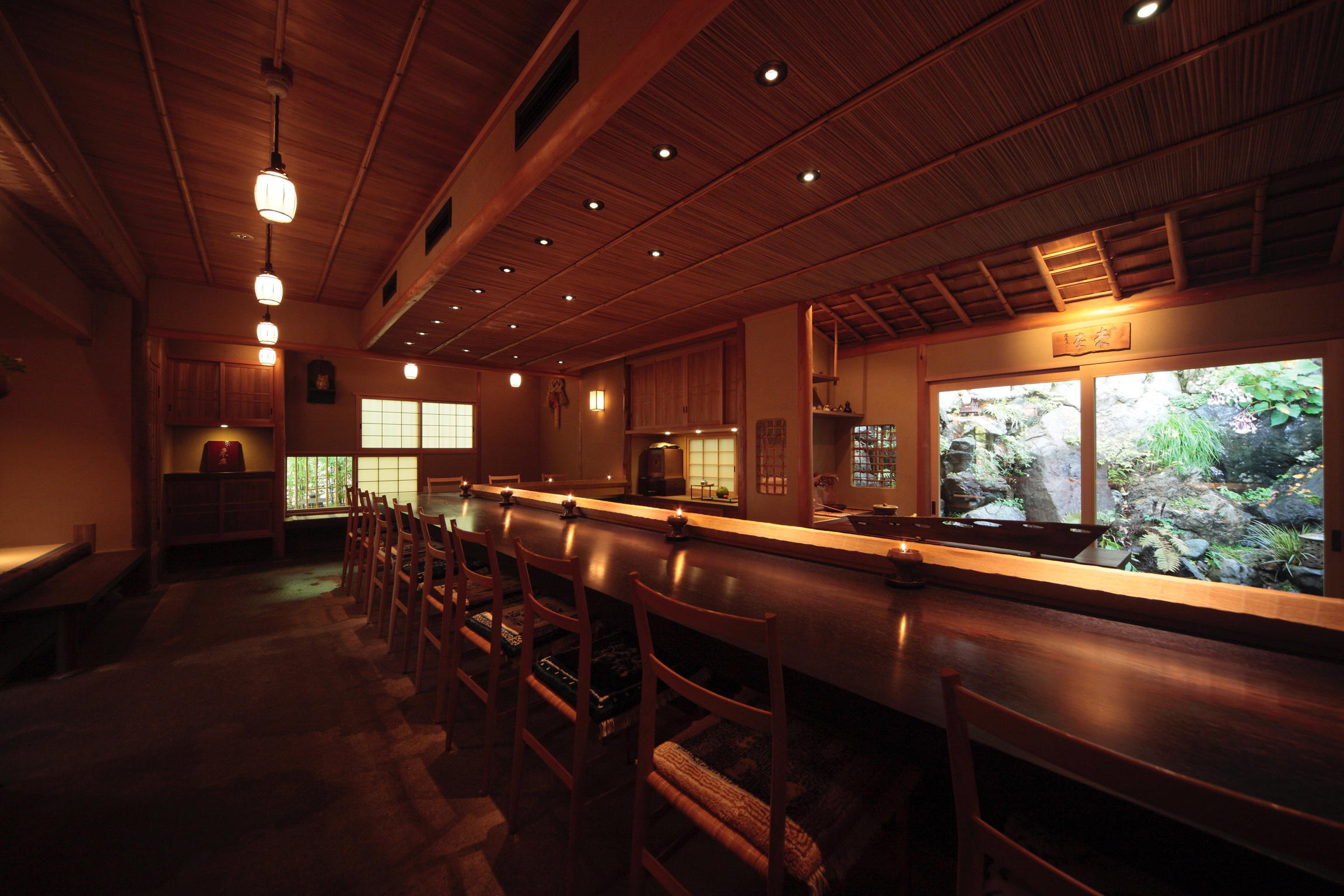
Bars in Kyoto
Browse all →
Hotels in Kyoto
Browse all →
Wineries in Kyoto
Browse all →
At a Glance
- Intimate
- Elegant
- Sophisticated
- Date Night
- Special Occasion
- Celebration
- Chefs Counter
- Open Kitchen
- Sake Program
- Extensive Wine List
Current opening hours
- Monday
- Closed
- Tuesday
- 5:30–10:30 PM
- Wednesday
- 5:30–10:30 PM
- Thursday
- 5:30–10:30 PM
- Friday
- 5:30–10:30 PM
- Saturday
- 5:30–10:30 PM
- Sunday
- 5:30–10:30 PM
Hours can change for holidays and private events. Last verified .
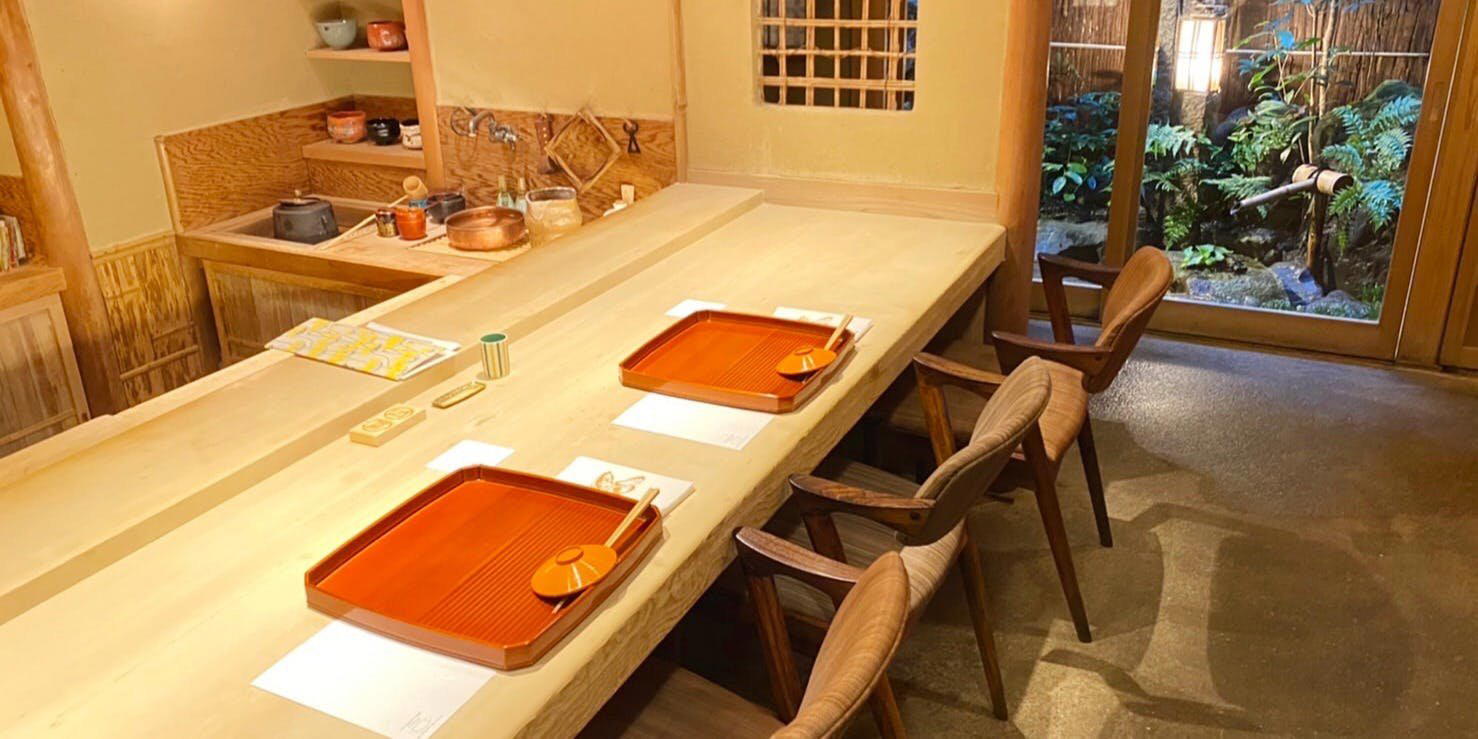
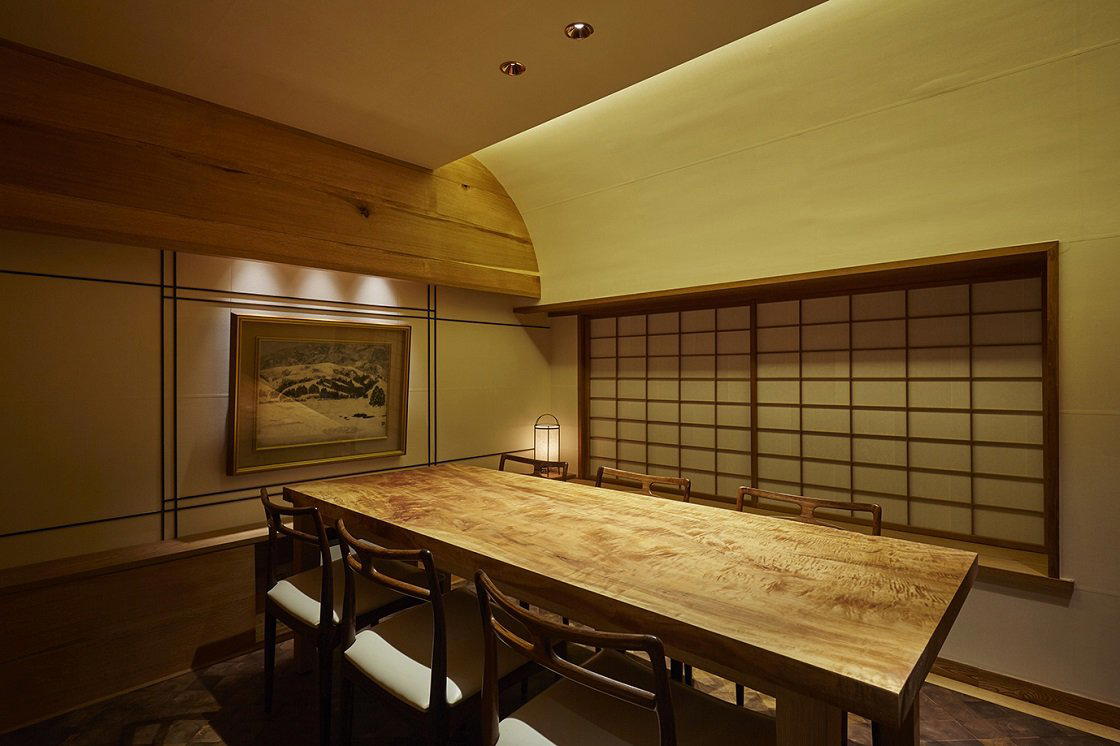
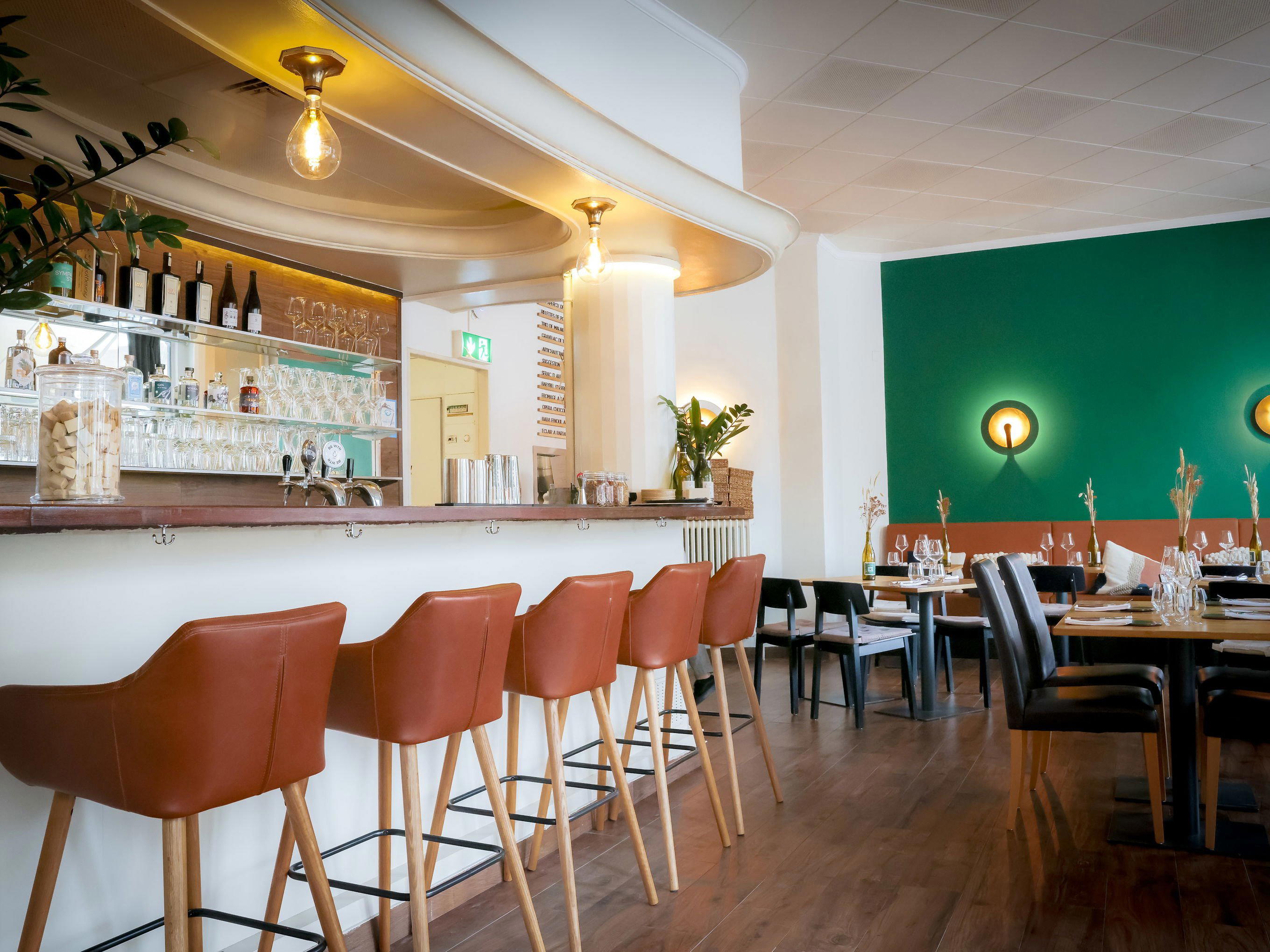
Warm, refined atmosphere with counter seating for live cooking excitement and table seating for relaxed quality time.